
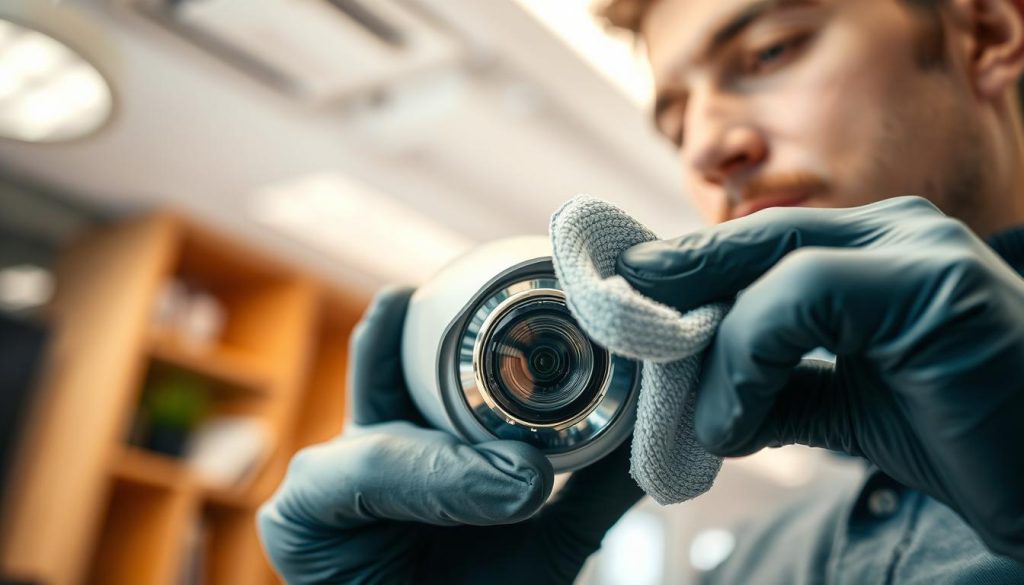
Keeping your security system in top shape is crucial for clear footage. Regular maintenance ensures your CCTV cameras work properly. This is especially true in places like Singapore with high humidity and pollution.
Dirty or poorly maintained cameras can lead to blurry images. This creates security risks. A good cleaning schedule prevents these problems.
Environmental factors greatly affect how much upkeep your system needs. This guide offers practical advice. It covers everything from basic care to professional services.
Following these tips will extend your equipment’s life. It improves video quality and prevents expensive repairs. Proper maintenance is not optional—it’s essential for reliable surveillance.
Key Takeaways
- Regular maintenance keeps your CCTV system working effectively.
- Environmental conditions like humidity impact cleaning frequency.
- Clear footage is vital for proper security monitoring.
- A good maintenance schedule prevents equipment failure.
- Proper care extends the lifespan of your security cameras.
- This guide provides actionable steps for all maintenance levels.
Understanding the Critical Importance of CCTV Camera Maintenance
Effective surveillance depends on crystal-clear footage. Your security systems require consistent attention to perform at their best. Without proper care, even the most advanced equipment can fail when you need it most.
Regular maintenance prevents unexpected failures. It ensures your investment continues to protect what matters most. This proactive approach saves time, money, and provides peace of mind.
Why Regular Maintenance Matters for Security Systems
Routine checks keep your surveillance equipment operating optimally. Dust accumulation on lenses dramatically reduces image quality. In humid environments like Singapore, moisture can cause foggy lenses and electrical issues.
Basic maintenance tasks include:
- Cleaning lenses with appropriate materials
- Inspecting wiring for damage or wear
- Verifying recording functionality and storage
- Testing motion detection settings
- Checking housing seals for weather protection
These simple actions maintain evidential-grade footage quality. They align with standards from organizations like the Bureau of Indian Standards. Proper maintenance ensures your system captures crucial details when needed.
The Consequences of Neglecting Camera Upkeep
Ignoring regular care leads to significant problems. Blurry images make identification impossible. Weak night vision fails during critical darkness hours.
Missed incidents become security breaches. Corroded cables cause system failures. Motion detection errors create false alarms or missed events.
These issues compromise entire security systems. They reduce equipment lifespan and increase long-term costs. Unusable footage can even lead to legal complications.
Regular maintenance isn’t just about cleaning—it’s about comprehensive system checks. This approach ensures continuous protection and optimal performance. Understanding these factors helps create effective maintenance schedules.
Key Factors That Determine Your Cleaning Frequency
Several key variables dictate the optimal maintenance frequency for security monitoring devices. Understanding these elements helps create an effective care plan that prevents both over-maintenance and neglect.
Environmental Conditions and Their Impact
Local climate and pollution levels significantly affect surveillance equipment upkeep needs. High humidity environments like Singapore accelerate lens fogging and internal corrosion.
Coastal regions face additional challenges from salt air. This corrosive element damages sensitive components faster than typical urban pollution.
Dust accumulation presents another major concern. Industrial zones and construction sites generate particulate matter that coats lenses quickly. This creates blurry footage that compromises security effectiveness.
Extreme weather conditions demand more frequent checks. Heavy rainfall can test housing seals while intense UV exposure degrades external materials over time.
Pest activity also influences maintenance schedules. Spider webs particularly impact infrared night vision capabilities. Insect nests around housings can obstruct views completely.
Camera Type and Installation Location Considerations
Modern digital surveillance systems typically require more attention than analog counterparts. Their complex sensors and processors need regular calibration for optimal performance.
Outdoor installations face harsher conditions than indoor units. Exposure to elements means monthly inspections instead of quarterly checks for many locations.
Placement within high-traffic areas accelerates dirt accumulation. Entry points and industrial sites gather grime faster than controlled environments.
Urban centers with heavy pollution need additional lens cleaning. Smoke and exhaust residues create film that reduces image clarity progressively.
Each installation demands individual assessment. A customized approach ensures proper protection without unnecessary maintenance costs.
Evaluating these factors prevents premature system failure. It maintains evidential-grade footage quality for reliable security monitoring.
Recommended Cleaning Schedule for Optimal Performance
Establishing a consistent maintenance routine ensures your surveillance equipment delivers reliable results. Different environments demand varying attention levels for peak operation.
Regular upkeep prevents image degradation and system failures. A structured approach maximizes your security investment.
Standard Maintenance Intervals for Most Installations
Standard indoor or low-traffic locations typically require attention every three to six months. This timeframe maintains clear footage without excessive maintenance.
Basic care during these sessions includes:
- Lens cleaning with appropriate microfiber cloths
- Housing inspection for dust accumulation
- Connection point verification for stability
- Recording functionality testing
These quarterly checks suit office environments and residential complexes. They balance performance with practical time investment.
High-Traffic and Harsh Environment Requirements
Busy retail spaces and industrial sites need monthly attention. Heavy foot traffic and airborne particles accelerate dirt buildup.
Coastal regions with salt air demand even more frequent care. The corrosive nature of marine environments can damage components quickly.
Industrial facilities often follow ministry guidelines recommending monthly checks. This prevents downtime and maintains evidential-grade footage quality.
Professional servicing twice yearly benefits complex systems. Experts address internal dust and sensor calibration issues.
Maintaining a detailed log tracks environmental changes and service dates. This documentation helps adjust schedules based on actual performance indicators.
Tailoring your approach to specific conditions prevents security gaps. It extends equipment lifespan while ensuring continuous protection.
How often should you clean CCTV cameras?
Determining the ideal maintenance interval for surveillance equipment requires careful consideration of multiple variables. Professional recommendations provide excellent starting points, but your specific situation dictates the final schedule.
Expert Recommendations for Different Scenarios
Security professionals generally suggest inspecting surveillance equipment every three to six months for standard installations. This timeframe works well for residential properties and controlled indoor environments.
High-traffic commercial locations demand more frequent attention. Retail stores and industrial facilities often benefit from monthly checks. These environments accumulate dust and debris rapidly.
Coastal properties face unique challenges due to salt air exposure. Quarterly inspections help prevent corrosion in marine environments. Digital systems typically require more attention than analog counterparts.
Professional assessments establish baseline schedules during installation. Experts evaluate environmental factors and usage patterns. This creates customized maintenance plans for optimal performance.
Adjusting Frequency Based on Performance Indicators
Your surveillance system provides clear signals when attention becomes necessary. Blurry images indicate immediate lens cleaning requirements. Poor night vision often suggests housing contamination.
Environmental changes trigger schedule adjustments. Seasonal pollution increases or construction activity nearby may necessitate临时 maintenance. Mobile preview applications help monitor image quality between scheduled checks.
Built-in diagnostics tools provide valuable performance data. These systems alert users to decreasing video quality or connection issues. Proactive monitoring prevents security gaps before they develop.
There is no universal answer for maintenance frequency. Your equipment type, installation location, and usage patterns all influence the ideal schedule. Regular assessment and flexibility ensure reliable surveillance operation.
Proper Cleaning Techniques and Equipment
Implementing correct cleaning methods protects your surveillance investment while maintaining optimal performance. Using appropriate tools prevents accidental damage that could compromise your security system’s effectiveness.
Essential Tools for Safe and Effective Cleaning
Gathering the right supplies before starting prevents rushed decisions that might harm equipment. Microfiber cloths provide gentle surface contact without scratching delicate components.
Lens cleaning solution or 70% isopropyl alcohol effectively removes smudges. Compressed air sprays dislodge debris from hard-to-reach areas. Cotton swabs help clean small crevices around housing and connections.
Using harsh materials creates permanent scratches on optical surfaces. These imperfections degrade image quality and cannot be repaired. Proper tool selection preserves your equipment’s longevity.
Step-by-Step Lens and Housing Cleaning Process
Begin by powering down the surveillance unit completely. This prevents static electricity damage during the maintenance process. Use compressed air to remove loose dust before touching surfaces.
Apply a small amount of lens cleaner to your microfiber cloth. Gently wipe the optical surface using circular motions. This technique removes contaminants without leaving streaks.
Thoroughly clean the camera housing to eliminate dust accumulation. Remove cobwebs and insect nests that affect infrared performance. Check all connection points for tightness and corrosion.
Avoid applying insect-repellent gels directly on lenses. Place these deterrents around the housing instead. For outdoor units, inspect weather seals and UV protection regularly.
Never use excessive force or liquid cleaners that might seep inside. These precautions prevent internal damage requiring expensive repairs. Following these steps ensures clear, reliable surveillance footage.
Signs Your CCTV Cameras Need Immediate Attention
Your surveillance system communicates its condition through visible and operational clues. Recognizing these warning signals helps prevent security gaps before they become critical problems.
Visual Indicators of Required Maintenance
Blurry or distorted images often signal lens contamination. Dust, moisture, or fingerprints create hazy footage that compromises identification accuracy.
Foggy appearances suggest humidity penetration into housing units. This common issue in Singapore’s climate requires prompt sealing checks.
Pixelation or strange artifacts indicate sensor problems. These visual anomalies reduce evidential value and demand professional assessment.
Spider webs create distinctive circular patterns in infrared mode. These obstructions severely impact night vision capabilities.
Performance Issues Signaling Cleaning Needs
Frequent disconnections point to wiring or connection problems. Corrosion or physical damage often causes these intermittent issues.
Weak infrared performance suggests lens obstruction or internal dust. Night vision quality diminishes when contaminants block light sensors.
Overexposed areas indicate housing reflection problems. Internal buildup creates light bounce that washes out crucial details.
Unusual sounds from units suggest mechanical issues. These auditory clues often precede complete failure.
Storage errors or recording gaps signal system stress. These operational faults require immediate investigation.
Regular mobile previews help catch these warning signs early. Weekly checks prevent minor problems from escalating into major security risks.
Professional assistance becomes necessary when basic cleaning doesn’t resolve these issues. Persistent problems may indicate internal damage requiring expert repairs.
Prompt attention to these indicators maintains optimal surveillance performance. It ensures continuous protection and extends equipment lifespan.
Benefits of Regular CCTV System Maintenance
Proactive camera care generates measurable returns across multiple performance metrics. A well-maintained surveillance setup delivers superior results that basic installation cannot guarantee.
These advantages extend beyond mere functionality to encompass financial savings and enhanced security. They transform your investment into a truly reliable protection asset.
Enhanced Image Quality and Reliability
Clear footage remains the cornerstone of effective surveillance. Regular upkeep ensures lenses capture crisp details without distortion or haze.
This clarity becomes crucial for identification purposes and evidence collection. Maintenance prevents the gradual degradation that occurs from environmental exposure.
Reliable operation means consistent monitoring without unexpected downtime. Systems function optimally when components receive proper attention.
Firmware updates during maintenance cycles improve motion detection accuracy. They also address cybersecurity vulnerabilities that might compromise your setup.
Night vision capabilities particularly benefit from regular cleaning. Functional IR LEDs and clean lenses provide superior low-light performance.
Extended Equipment Lifespan and Cost Savings
Preventative care significantly increases hardware longevity. It addresses minor issues before they escalate into major failures.
This approach delays expensive replacements and reduces repair frequency. Small investments in upkeep prevent large expenditures on new equipment.
Corrosion prevention proves especially valuable in Singapore’s humid climate. Proper maintenance protects sensitive components from environmental damage.
Security advantages include comprehensive incident capture and reduced breach risks. Maintained systems provide peace of mind through consistent operation.
Regular checks often identify optimization opportunities and potential upgrades. This keeps your security system modern and efficient over time.
Investing in maintenance ultimately maximizes value and performance across all components. It represents the most cost-effective approach to long-term surveillance protection.
Professional Maintenance Services: When to Consider
While basic upkeep keeps your surveillance equipment functional, some situations demand expert attention. Professional maintenance services provide comprehensive care that goes beyond surface cleaning.
Complex security setups benefit greatly from specialized servicing. Annual deep cleaning ensures optimal performance for commercial installations. This approach prevents gradual degradation that DIY methods might miss.
Advantages of Expert CCTV System Servicing
Trained technicians bring specialized knowledge to your security maintenance. They identify hidden issues before they become major problems. This proactive approach saves money and prevents security gaps.
Professional services include advanced diagnostics and calibration. Experts perform sensor adjustments that amateurs cannot handle. They also update firmware to address cybersecurity vulnerabilities.
Companies like Rudra Shield offer encrypted systems with comprehensive contracts. Their regular monitoring ensures continuous protection. This level of service is crucial for high-security environments.
What Professional Maintenance Includes
Thorough servicing covers both internal and external components. Technicians clean internal lenses and check wiring integrity. They test for water leakage and inspect DVR/NVR boards.
Additional services often include:
- Cybersecurity enhancements and vulnerability assessments
- UV-protected wiring inspections for tropical climates
- Industrial-grade material evaluations
- Emergency support options for critical situations
Many providers offer customized plans tailored to specific needs. These include regular audits and performance reports. Such comprehensive care extends equipment lifespan significantly.
Evaluate your skill level and system complexity before deciding. Basic upkeep works for simple setups. Complex systems with multiple cameras need professional attention.
Expert servicing adds value beyond routine cleaning. It ensures evidence-grade footage and reliable operation. This investment pays off through enhanced security and reduced repair costs.
Cost Implications of Maintenance Neglect
Overlooking routine upkeep can lead to substantial financial consequences for surveillance setups. The true expense extends beyond immediate repair bills to encompass broader security vulnerabilities.

Delayed attention often transforms minor issues into major system failures. What begins as simple lens cleaning evolves into complete equipment replacement when neglected.
Financial Impact of Delayed Repairs and Replacements
Postponing necessary maintenance accelerates component deterioration. Corroded cables might cause electrical shorts, demanding expensive rewiring solutions.
Manufacturers frequently require proof of regular upkeep for warranty claims. Neglect often voids these protections, leaving owners responsible for full repair costs.
Professional maintenance typically costs $50-$200 annually per camera. Emergency replacements can exceed $500 per unit, plus installation fees.
Indirect expenses include operational downtime during extensive repairs. Lost monitoring capabilities create security gaps that criminals might exploit.
Security Risks and Their Associated Costs
Blurred footage from dirty lenses compromises incident documentation. This deficiency can result in unsuccessful prosecutions or insurance claim denials.
System failures during critical moments lead to missed security events. The resulting theft or vandalism often costs thousands in losses.
Prevention through maintenance proves far cheaper than cure after security breaches occur.
Legal liabilities arise from inadequate surveillance coverage. Businesses might face regulatory fines for non-functional security systems.
Customer trust diminishes when security lapses become apparent. This reputational damage affects long-term profitability and client retention.
Budgeting for regular CCTV system maintenance represents smart financial planning. Well-maintained equipment typically lasts years longer, reducing overall ownership expenses.
Proactive care protects both financial resources and security integrity. This approach ensures continuous protection without unexpected budgetary surprises.
Developing Your Customized Maintenance Strategy
Tailoring your upkeep approach prevents both over-maintenance and system neglect. Begin by evaluating your specific installation environment and security requirements.
Singapore’s humid climate demands particular attention to moisture control. Consider monthly lens cleaning and quarterly hardware inspections for optimal performance.
Create a maintenance checklist covering essential tasks. Include cable inspections, firmware updates, and storage health reviews.
Document all activities in a maintenance log. This tracking helps identify patterns and schedule future tasks effectively.
Adjust your strategy based on performance indicators. Declining video quality may signal need for increased cleaning frequency.
Balance DIY efforts with professional servicing for comprehensive protection. Complex systems benefit from annual expert attention.
Customization remains crucial—residential needs differ significantly from commercial requirements. Implement your strategy proactively for reliable, cost-effective surveillance.