
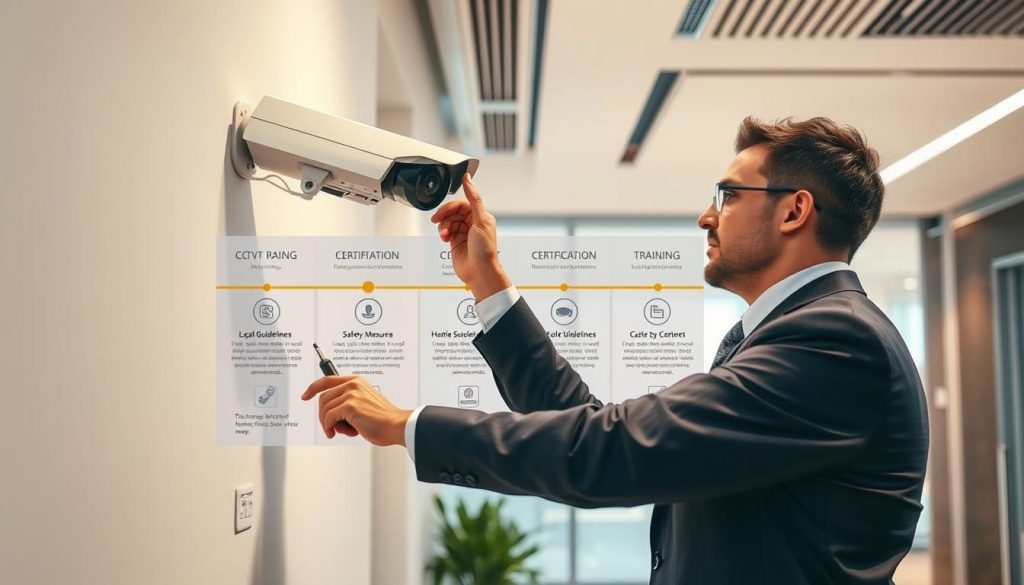
Starting a career in security technology requires specific educational foundations. Most professionals begin with a high school diploma or equivalent qualification. This basic education provides the essential groundwork for technical training.
Many successful CCTV specialists pursue degrees in electrical engineering or information technology. These programs teach crucial electronics and communication system knowledge. This technical understanding becomes vital for proper security system installation.
The security industry in Singapore maintains high standards for professionals. CCTV installation represents a growing field with excellent opportunities. Combining formal education with practical experience creates a strong career path.
Key Takeaways
- A high school diploma serves as the basic educational requirement
- Electrical engineering degrees provide valuable technical knowledge
- Information technology programs teach essential communication systems
- Electronic systems understanding is crucial for installation work
- Singapore’s security market offers growing career opportunities
- Professional standards require both education and practical experience
- Security technology careers combine technical skills with hands-on work
Understanding the CCTV Installer’s Role and Responsibilities
Professional CCTV installers handle complex security solutions from start to finish. They transform client needs into functional surveillance systems. Their work blends technical expertise with practical problem-solving skills.
These specialists must master both hardware installation and software configuration. Every project begins with careful assessment of security requirements. The final result must provide reliable monitoring and protection.
Designing and Implementing Surveillance Systems
Camera placement represents a critical skill for security professionals. Installers analyze physical spaces to identify optimal viewing angles. They ensure complete coverage while avoiding blind spots.
Legal compliance forms another essential aspect of system design. Singapore’s privacy regulations demand careful attention to camera positioning. Installers must understand surveillance boundaries under local laws.
Technical implementation involves configuring recording equipment and monitoring software. Proper wiring and network connections ensure smooth operation. System testing verifies all components work together seamlessly.
Client Consultation and Post-Installation Support
Initial client meetings determine security needs and budget considerations. Installers recommend appropriate systems based on property size and risk factors. They explain technical features in understandable terms.
After installation, professionals train clients on system operation and basic troubleshooting. They provide documentation covering daily use and maintenance procedures. Ongoing support addresses technical issues that may arise later.
The security field constantly evolves with new technologies and regulations. Successful installers stay updated through continuous learning and certification programs. This commitment ensures they deliver current and effective security solutions.
Foundational Educational Requirements to Get Started
Building a successful career in surveillance technology begins with meeting essential educational benchmarks. The security industry maintains specific standards for entry-level positions. These requirements ensure professionals possess the fundamental knowledge needed for quality work.
A high school diploma or equivalent represents the minimum educational threshold. This basic qualification demonstrates foundational learning capabilities. It serves as the gateway to more specialized technical training programs.
Vocational training in electronics, IT, or security systems provides excellent preparation. These specialized courses deliver practical skills and theoretical understanding. They create a strong foundation for handling complex surveillance equipment.
Electrical and electronic engineering diplomas offer comprehensive technical education. Students gain essential knowledge about circuits, systems, and installation principles. This background proves invaluable when working with sophisticated security technology.
Specialized programs focusing on electronic fire and security systems are particularly relevant. They address industry-specific requirements and current technologies. Graduates understand both installation techniques and system integration methods.
Formal education establishes professional credibility with clients and employers. It demonstrates commitment to learning proper techniques and standards. This educational background often becomes prerequisite for advanced certifications.
The right training provides the technical knowledge necessary for effective system design. Professionals learn to assess security needs and implement appropriate solutions. This education forms the basis for developing advanced installation skills.
Educational pathways directly influence certification and licensing opportunities. Many advanced credentials require proof of completed relevant courses. Meeting these educational requirements opens doors to broader career advancement.
Essential Technical Skills for Effective CCTV Installation
Modern security professionals must develop multiple technical skill sets. These competencies ensure reliable system performance and client satisfaction. The right technical skills separate average installers from exceptional ones.
Security specialists require diverse capabilities beyond basic installation. They must understand both traditional and digital technologies. This knowledge ensures proper system integration and troubleshooting.
Networking Principles and IP Configuration
Today’s surveillance systems heavily rely on digital connectivity. Installers need solid networking understanding for IP-based cameras. They configure routers, switches, and network storage devices.
IP addressing and subnetting knowledge proves essential for system integration. Professionals set up remote access and mobile monitoring capabilities. Proper network configuration prevents bandwidth issues and ensures smooth operation.
Network security measures protect surveillance systems from cyber threats. Installers implement firewalls and secure access protocols. These precautions safeguard client data and system integrity.
Electrical Wiring and Power Management
Electrical expertise forms the foundation of physical installation. Professionals handle power supplies, cables, and connection points. They ensure safe and compliant electrical work.
Power over Ethernet (PoE) technology simplifies modern installations. This approach combines data and power through single cables. Installers must understand PoE standards and limitations.
Backup power systems maintain surveillance during outages. Professionals install uninterruptible power supplies and battery backups. These systems ensure continuous security coverage.
Camera selection knowledge impacts system effectiveness. Different environments require specific camera types and features. Professionals match technology to client needs and budget constraints.
Recording system configuration demands technical understanding. Installers set up digital video recorders and network video recorders. They optimize storage capacity and recording quality.
Troubleshooting abilities resolve technical issues quickly. Professionals diagnose problems with cameras, connections, and software. Rapid problem-solving minimizes system downtime.
Technology evolution requires continuous skill development. New camera technologies and software updates emerge regularly. Staying current ensures installers deliver modern, effective solutions.
The Critical Importance of Hands-On Trade Experience
Developing true expertise in surveillance technology installation comes through repeated practical application. Classroom knowledge provides the foundation, but real mastery emerges on the job site. This hands-on experience transforms theoretical concepts into working solutions.
Security professionals learn most effectively through direct engagement with equipment and systems. Working with actual cameras, cables, and control units builds essential practical skills. This tactile learning creates muscle memory and intuitive understanding.
Apprenticeships offer structured pathways to gaining valuable field experience. These programs combine mentorship with progressive responsibility. New technicians learn under experienced professionals who share industry insights.
Entry-level positions provide immediate exposure to real installation challenges. Starting as an assistant installer accelerates skill development. Each project builds confidence and problem-solving abilities.
Employers consistently prefer candidates who demonstrate both knowledge and applied experience. This combination shows readiness to handle complex security projects. Technical understanding means little without execution capability.
Field work teaches adaptability when facing unexpected situations. No two installations present identical challenges. This hands-on experience develops creative troubleshooting approaches.
Practical training builds proficiency with specialized tools and testing equipment. Technicians learn proper installation techniques through repetition. Quality workmanship comes from practicing correct methods.
Real-world projects expose technicians to diverse security scenarios. Residential, commercial, and industrial installations each have unique requirements. This variety prepares professionals for any job opportunity.
The security industry values demonstrated practical skills above theoretical knowledge alone. Clients trust technicians who show proven installation capabilities. This trust leads to more project opportunities and career advancement.
Continuous field experience keeps professionals current with evolving technologies. Hands-on work with new systems provides immediate learning opportunities. This ongoing development ensures technicians remain competitive in the market.
What Qualifications Do I Need to Be a CCTV Installer?
The journey to becoming a surveillance specialist involves strategic training decisions. Professionals must choose between structured education and hands-on learning approaches. Both pathways offer unique advantages for security careers.
Formal Education vs. Practical Training Pathways
Structured educational programs build essential technical foundations. College courses in electronics and IT provide comprehensive theoretical knowledge. Students learn system design principles and technical standards.
These programs often include certification preparation. Graduates understand industry regulations and best practices. Formal education creates strong resumes for security positions.
Hands-on training develops immediate practical abilities. Apprenticeships offer real-world installation experience. Learners work alongside experienced professionals on actual projects.
This approach builds problem-solving skills quickly. Trainees encounter diverse installation scenarios. They develop adaptability for various security environments.
Different qualification pathways prepare professionals for specific job aspects. Electrical backgrounds excel in wiring and power systems. IT specialists master network configuration and digital integration.
Security-focused training covers surveillance-specific technologies. Each background brings valuable skills to installation work. Diverse expertise strengthens team capabilities.
Employers seek candidates with balanced knowledge and experience. The ideal combination includes both classroom learning and field practice. This mix ensures technical understanding and execution ability.
Singapore offers specialized training opportunities through technical institutes. Programs focus on local regulations and market needs. These courses prepare installers for Singapore’s security industry requirements.
Choosing the right path depends on individual learning preferences and career goals. Some professionals benefit from structured academic environments. Others thrive through immediate practical application.
Many successful installers combine both approaches. They complete formal education followed by apprenticeship training. This comprehensive preparation creates well-rounded security professionals.
The security industry values demonstrated capabilities above all. Whether through education or experience, proven skills open career doors. Effective training leads to successful surveillance system installation.
Navigating Licensing and Legal Requirements in Singapore
Singapore’s security industry demands strict adherence to legal frameworks for surveillance professionals. Proper licensing ensures installers meet national standards and maintain professional credibility. Understanding these requirements is essential for anyone working in security technology.
Security professionals must obtain specific licenses before undertaking installation projects. The Police Licensing and Regulatory Department oversees security service provider approvals. This process includes verification of technical competence and background checks.
Compliance with the Personal Data Protection Act (PDPA)
The PDPA governs how surveillance systems handle personal information in Singapore. Installers must ensure systems comply with data protection principles during design and installation. This includes proper notification requirements and data security measures.
Surveillance system placement requires careful consideration of privacy boundaries. Cameras must not capture private spaces without explicit consent. Professionals need know these limitations to avoid legal complications.
Data retention policies form another critical aspect of PDPA compliance. Installers should advise clients on appropriate storage durations and security measures. Proper documentation helps demonstrate compliance during audits.
Singapore’s licensing requirements vary across different installation contexts. Residential, commercial, and public space projects may have distinct regulations. Professionals must research specific requirements for each project type.
Background checks and security clearances are mandatory for licensed installers. These screenings ensure professionals meet integrity standards expected in the security industry. The process typically includes criminal record verification and reference checks.
Proper licensing protects both service providers and their clients. It ensures systems meet quality standards and legal requirements. Clients gain confidence knowing their installer meets regulatory standards.
The security industry today faces evolving regulatory challenges. Installers must stay updated on legal changes affecting surveillance technology. Continuous education helps maintain compliance with new requirements.
Professional associations offer guidance on regulatory compliance matters. Membership often provides access to updated legal information and training resources. This support helps installers navigate complex legal landscapes effectively.
Industry-Recognized Certifications to Boost Your Credibility
Industry certifications distinguish competent technicians from amateur installers in surveillance technology. These credentials validate your skills and knowledge to employers and clients alike. They represent third-party verification of your professional capabilities.
Certification programs follow industry standards and best practices. They ensure technicians understand current technologies and proper installation methods. This training creates consistent quality across security projects.
Many certification bodies offer programs specifically for surveillance specialists. These include the National Institute for Certification in Engineering Technologies (NICET). Their programs cover various aspects of security system installation.
Certified Alarm Technician (Level I)
The Certified Alarm Technician (Level I) certification focuses on fundamental security system installation. It covers basic wiring, device installation, and system testing procedures. This credential demonstrates competency in entry-level security work.
CAT Level I includes practical knowledge of alarm systems and basic surveillance equipment. Technicians learn proper installation techniques and troubleshooting methods. The certification exam tests both theoretical knowledge and practical application.
This credential serves as an excellent starting point for new security professionals. It provides recognized proof of basic technical capabilities. Many employers require or prefer this certification for entry-level positions.
Advanced CCTV and Video Surveillance Certification
Advanced certification programs address complex surveillance systems and network configurations. These credentials demonstrate expertise in modern digital surveillance technology. They cover IP cameras, network video recorders, and remote access systems.
Advanced programs teach system design and integration principles. Technicians learn to create comprehensive security solutions for various environments. This knowledge enables handling complex commercial and industrial projects.
“Certification separates those who understand security technology from those who merely install equipment.”
The Certified Security Project Manager (CSPM) credential represents another valuable certification. It focuses on managing security installation projects from conception to completion. This certification demonstrates leadership capabilities in security technology.
Certification requirements typically include education, experience, and examination components. Most programs require proof of relevant work experience before testing. Examination processes assess both knowledge and practical skills.
Maintaining certifications often requires continuing education credits. Professionals must stay current with evolving technologies and standards. This commitment ensures certified installers provide up-to-date security solutions.
Certified technicians often achieve greater career success and higher earning potential. Clients trust credentialed professionals for important security projects. This trust leads to more opportunities and business growth.
The investment in certification pays dividends throughout a security career. It demonstrates professional commitment and technical excellence. Certified installers enjoy competitive advantages in the Singapore security market.
Exploring Apprenticeship and On-the-Job Training Opportunities
Structured apprenticeship programs provide direct pathways into security technology careers. These opportunities combine classroom learning with real-world application. Apprentices gain valuable hands-on experience under expert guidance.
Singapore offers various security industry apprenticeship options. Many security companies run formal training programs for new technicians. These programs typically last between six months and two years.
Apprentices work alongside experienced professionals on actual projects. They learn installation techniques through direct participation. This approach builds confidence and practical skills quickly.
Structured programs cover both technical and customer service aspects. Apprentices master equipment installation and client communication. This comprehensive training prepares them for full-time positions.
Key benefits of apprenticeship programs include:
- Direct mentorship from industry professionals
- Exposure to diverse security system types
- Familiarity with latest surveillance technologies
- Networking opportunities within the security industry
- Potential transition to permanent employment
Many apprentices receive stipends during their training period. This financial support makes career transition more accessible. Some programs even offer benefits and progressive wage increases.
Apprenticeships provide immediate industry exposure. Participants learn about Singapore’s specific security requirements. They understand local regulations and market expectations.
Finding apprenticeship positions requires proactive research. Security companies often post opportunities on their websites. Industry associations also share training program information.
Successful applicants typically demonstrate technical aptitude and strong work ethic. Many programs require basic electronics knowledge. Some prefer candidates with relevant educational backgrounds.
The combination of theoretical learning and practical application creates well-rounded professionals. Apprentices develop problem-solving skills through real challenges. This experience proves invaluable for future career growth.
Many apprenticeship graduates receive job offers from their training companies. This seamless transition into full-time work accelerates career development. The security industry values proven practical experience.
For those seeking entry into security technology, apprenticeships offer excellent starting points. These programs provide the hands-on experience employers value. They create strong foundations for successful surveillance careers.
Explore more about career pathways at professional security training opportunities.
Recommended College and Vocational Training Programs
Quality educational pathways form the foundation for security technology careers. Singapore offers excellent programs that combine theoretical learning with practical application. These options provide comprehensive preparation for professional work.
Polytechnic institutions deliver strong diploma programs in relevant fields. Electrical engineering courses cover essential circuit design and installation principles. Electronic engineering programs focus on system integration and troubleshooting techniques.
Information technology diplomas provide valuable networking knowledge. Students learn about IP configurations and network security protocols. This training proves crucial for modern digital surveillance systems.
Specialized security management programs offer targeted education. These courses cover surveillance technology and access control systems. Graduates understand both technical and operational aspects of security work.
Vocational training centers provide hands-on skill development. Short-term certificate programs focus on specific installation techniques. Participants gain practical experience with various security equipment.
Technical Education Institutes offer industry-relevant courses. Their programs combine classroom instruction with workshop practice. This balanced approach builds both knowledge and practical abilities.
Entry requirements vary across different educational pathways. Most diploma programs require secondary school completion with science subjects. Certificate courses often have more flexible admission criteria.
Program durations range from several months to three years. Shorter courses provide focused skill development. Longer programs deliver comprehensive technical education.
Financial support options make education more accessible. SkillsFuture Singapore offers funding for eligible courses. Some employers provide training sponsorship for employees.
Continuing education courses help professionals stay current. These programs cover emerging technologies and updated standards. Ongoing learning ensures technicians maintain relevant skills.
Choosing the right program depends on career goals and learning preferences. Some individuals benefit from structured academic environments. Others prefer hands-on vocational training approaches.
Quality education creates strong foundations for security careers. The right training develops both technical knowledge and practical skills. This combination prepares professionals for successful installation work.
Key Soft Skills for Client Success and Career Growth
Technical expertise alone doesn’t guarantee professional achievement in security installation. The ability to connect with people and handle complex situations determines long-term career success. These interpersonal capabilities often make the difference between adequate and exceptional service.
Security professionals interact with diverse clients daily. Understanding human behavior becomes as important as understanding technology. This balance creates trusted relationships and repeat business.
Problem-Solving and Critical Thinking
Every installation presents unique challenges that require quick thinking. Unexpected structural issues or technical limitations demand creative solutions. Professionals must assess situations rapidly and implement effective fixes.
Critical thinking helps installers design better security systems. They analyze potential vulnerabilities before installation begins. This proactive approach prevents future problems and enhances system effectiveness.
Adaptability proves crucial when facing unforeseen circumstances. Weather conditions, equipment failures, or site restrictions test problem-solving abilities. Successful technicians remain calm and resourceful under pressure.
Communication and Customer Service
Clear communication builds trust and prevents misunderstandings. Installers must translate technical concepts into understandable language for clients. This skill ensures customers feel confident about their security investment.
Active listening identifies unstated client needs and concerns. Professionals who listen carefully provide more comprehensive solutions. This attention to detail often leads to additional service opportunities.
Customer service skills create positive experiences that generate referrals. Polite, professional interactions leave lasting impressions. Satisfied clients become valuable sources of new business through recommendations.
Team communication ensures smooth project coordination. Installers frequently work with other tradespeople and security team members. Clear instructions and updates prevent errors and delays.
These soft skills contribute significantly to career advancement. Professionals who excel in client relations often progress to leadership roles. Their ability to manage both technology and people becomes increasingly valuable.
The security industry rewards technicians who combine technical knowledge with interpersonal excellence. This combination creates comprehensive professionals capable of handling any challenge. Developing these skills ensures long-term career growth and satisfaction.
Analyzing the Job Market and Salary Expectations in Singapore
Singapore’s security landscape presents exciting prospects for surveillance professionals. The market continues expanding across multiple sectors. This growth creates numerous positions for skilled technicians.
Retail establishments increasingly prioritize security systems. Shopping malls and stores require comprehensive surveillance coverage. This demand generates consistent installation work.
Hospitality venues represent another major employment sector. Hotels and resorts need advanced security solutions. These facilities often require complex camera networks.
Corporate security needs drive significant market growth. Office buildings and industrial parks invest heavily in surveillance. These projects often involve sophisticated system integration.
Salary structures reflect experience levels and specialization. Entry-level positions offer competitive starting compensation. These roles provide foundational experience and income.
Mid-career professionals command higher earnings. Their expanded skill set justifies increased remuneration. Specialized knowledge often translates to premium pay rates.
Several factors influence earning potential significantly:
- Industry certifications demonstrate advanced capabilities
- Network security expertise commands premium compensation
- System integration skills increase project value
- Client management abilities enhance service offerings
Career progression opportunities remain abundant in surveillance technology. Technicians can advance to supervisory roles or specialized positions. Some professionals establish independent security businesses.
Technological innovation creates new employment possibilities. Smart city initiatives and IoT integration expand service requirements. These developments ensure long-term industry stability.
The security field offers reliable career paths with growth potential. Employers seek candidates with both technical skills and practical experience. This combination ensures professional success in Singapore’s dynamic market.
Current employer expectations emphasize comprehensive capabilities. Companies value technicians who understand both installation and system design. Competitive candidates possess relevant certifications and field experience.
The surveillance industry today provides stable employment with advancement potential. Professionals can build rewarding careers in this essential service sector. Continuous learning ensures ongoing relevance in the evolving security landscape.
Staying Ahead: Continuing Education and Technology Trends
Security technology evolves at an incredible pace, demanding constant learning from professionals. The surveillance field transforms every few months with new breakthroughs. Installers must stay current to provide effective security solutions.
Artificial intelligence now powers advanced surveillance systems. AI algorithms can detect unusual behavior automatically. This technology reduces false alarms and improves response times.

Cloud-based systems represent another major shift in security technology. These platforms allow remote monitoring from anywhere. They also provide scalable storage options for video footage.
Smart technology integration connects surveillance with other building systems. Cameras now work with access control and alarm systems. This creates comprehensive security ecosystems.
The shift toward IP surveillance continues accelerating. Network-based cameras offer superior image quality. They also enable advanced analytics and remote management.
Ongoing training ensures professionals master these new technologies. Many organizations offer specialized workshops and courses. These programs cover the latest installation techniques.
Key emerging trends include:
- Facial recognition capabilities becoming more accurate
- 4K and higher resolution cameras becoming standard
- Wireless technology reducing installation complexity
- Mobile integration for real-time monitoring
- Advanced compression techniques for efficient storage
Cybersecurity knowledge grows increasingly important for installers. Networked systems require protection from digital threats. Professionals must understand encryption and secure configurations.
Singapore’s security industry offers various development opportunities. Local training providers host regular technical workshops. These sessions cover both theory and hands-on practice.
Developing a continuous learning plan ensures career longevity. Professionals should set aside time for skill development. Regular training keeps installers competitive in the market.
“The only constant in security technology is change. Those who stop learning quickly become obsolete.”
The world of surveillance technology will continue evolving rapidly. Professionals who embrace ongoing education will thrive. They’ll deliver the advanced security solutions clients increasingly demand.
Pathways for Career Advancement and Specialization
The surveillance industry offers diverse advancement routes for dedicated professionals. Starting positions often involve basic installation work under supervision. These entry-level roles provide essential hands-on experience.
Technicians typically progress to intermediate positions within two to three years. These roles involve independent project work and client consultations. Increased responsibility comes with demonstrated technical competence.
Senior technician roles represent the next logical progression. These positions involve complex system design and troubleshooting. Senior technicians often mentor junior team members.
Supervisory positions manage installation teams and project timelines. These roles require both technical knowledge and leadership skills. Supervisors ensure quality control across multiple projects.
Project manager roles represent significant career advancement. These professionals oversee complete security system implementations. They coordinate teams, budgets, and client expectations.
Specialization creates additional opportunities for technical professionals. Focus areas include IP surveillance systems and network integration. These specialties command premium compensation rates.
Access control systems represent another valuable specialization. This field combines electronic security with authorization protocols. Integrated systems require comprehensive technical understanding.
Security consulting offers alternative career paths for experienced professionals. Consultants provide expert advice on system design and implementation. This role leverages extensive field experience.
Independent business ownership represents the ultimate advancement pathway. Established technicians can launch their own security companies. This entrepreneurial route offers complete professional autonomy.
Advanced certifications support specialization and career growth. Credentials like CSPM validate project management capabilities. These qualifications enhance professional credibility.
Networking within the security industry opens new opportunities. Professional associations provide valuable connections and resources. Industry events facilitate relationship building.
Building a strong portfolio demonstrates capabilities to potential employers. Documented successful projects showcase technical expertise. Client testimonials add credibility to professional reputation.
Continuous skill development ensures ongoing relevance in evolving areas. Emerging technologies create new specialization possibilities. Professionals who adapt thrive in dynamic markets.
The security field offers structured progression for committed individuals. Clear pathways exist from technical roles to leadership positions. Strategic career planning maximizes advancement potential.
Your Roadmap to a Successful CCTV Installation Career
Embarking on a career in surveillance technology blends technical knowledge with practical experience. A strong foundation in electronics and networking is essential for handling modern security systems. This path leads to rewarding opportunities in Singapore’s growing market.
Begin with relevant education and hands-on training. Pursue certifications to validate your skills and boost credibility. Network with industry professionals to discover new opportunities and stay updated on trends.
Continuous learning ensures you adapt to evolving technologies. Specialize in areas like IP systems or access control to advance your career. Building a solid reputation leads to long-term success in security installation.
This field offers stability and growth for dedicated professionals. Your expertise will help protect homes and businesses across Singapore. Start your journey today toward a fulfilling career in security technology.