
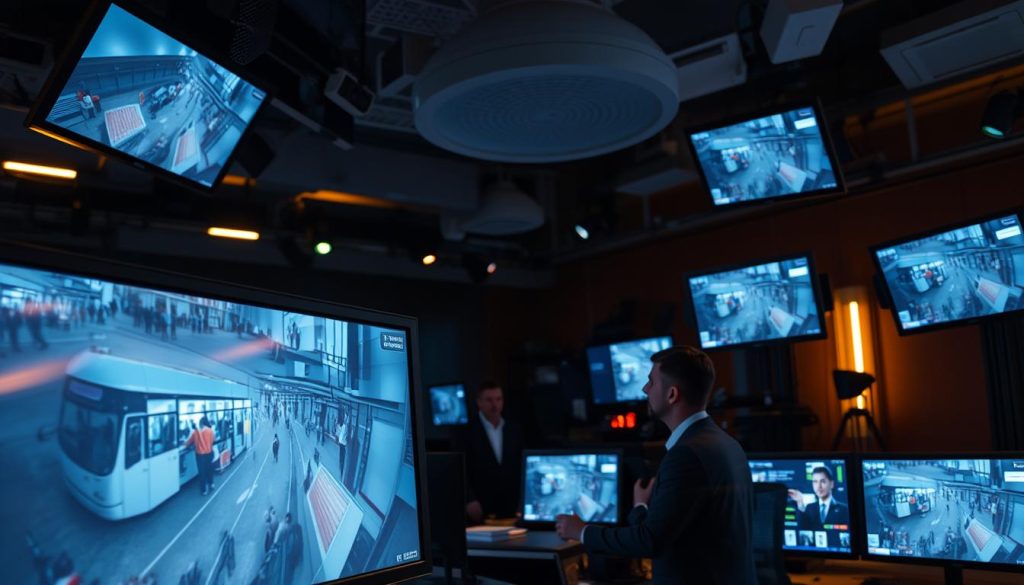
Modern security systems rely heavily on surveillance technology to protect properties and provide peace of mind. Many people wonder about the recording behavior of these security systems and how they operate throughout the day.
The operation of surveillance equipment varies significantly based on multiple factors. Power availability, storage capacity, and specific system features all influence recording patterns. Some units capture footage continuously, while others activate only during specific events.
Understanding these different operating modes helps users select the appropriate security solution. This knowledge ensures optimal protection while managing budget constraints effectively. The answer to recording behavior is nuanced and depends on your specific setup.
This guide explores how surveillance technology works, various recording modes, and factors that influence capture patterns. We’ll examine different system types, costs, maintenance requirements, and emerging trends in security monitoring.
Key Takeaways
- Surveillance systems operate in different recording modes based on configuration
- Continuous recording depends on power, storage, and system capabilities
- Motion detection technology can trigger recording during activity
- System selection should balance security needs with budget considerations
- Proper maintenance ensures reliable footage capture when needed
- Modern systems offer various options for monitoring and data storage
- Understanding your system’s features maximizes security effectiveness
Introduction to Modern CCTV Surveillance
Today’s security landscape has transformed dramatically from simple monitoring to intelligent protection systems. These advanced solutions adapt to contemporary safety demands with remarkable precision.
Surveillance technology now serves as the foundation for safety across diverse environments. From residential properties to commercial establishments, these systems provide crucial protection.
Early monitoring equipment simply captured grainy footage for later review. Modern units offer high-resolution imaging, real-time alerts, and seamless integration with other security devices.
Financial institutions and retail stores heavily depend on these advanced monitoring solutions. They help prevent criminal activity and ensure public safety through constant vigilance.
“The evolution of surveillance technology represents one of the most significant advancements in modern security practices.”
Many people mistakenly believe all monitoring equipment operates continuously. This misconception often leads to improper system selection and configuration.
Contemporary systems boast impressive capabilities:
- Remote access through mobile applications
- Cloud-based data storage options
- Artificial intelligence integration
- Motion detection technology
- High-definition video quality
Proper setup remains crucial for optimal performance. Understanding your equipment’s features ensures you get the protection you need without unnecessary expenses.
The technology continues advancing toward smarter, more connected solutions. These developments enhance both reliability and user experience for property owners.
Selecting the appropriate system requires careful consideration of your specific security needs. The right choice balances technological capabilities with practical budget constraints.
This foundation helps us explore how different surveillance systems actually operate in various situations.
How CCTV Cameras Actually Work
Security monitoring devices transform visual information into digital protection through precise engineering. These systems capture environmental details using sophisticated technology that converts light into usable data.
The Core Components of a Monitoring System
Every security setup contains essential elements working together. These pieces create a complete protection network.
The main parts include:
- Lenses that determine the field of view and focus
- Sensors that capture light and affect image quality
- Processors that handle data conversion and analysis
- Recording devices like DVRs or NVRs for storage
- Power sources that provide constant electricity
Lenses control how much area the device can see. Wide-angle lenses cover more space while telephoto lenses zoom in on specific areas.
Sensors convert light into electronic signals. Better sensors create clearer footage with more detail.
From Lens to Storage: The Recording Process
The recording journey begins when light enters the lens. This light gets converted into electronic signals through the sensor.
Processors then compress this data for efficient storage. Modern systems use advanced compression to save space while maintaining quality.
Final storage happens on local hard drives or cloud systems. Local storage offers immediate access while cloud options provide remote viewing capabilities.
Resolution ranges from 720p HD to 5 Megapixels. Higher resolution means clearer images but requires more storage space.
Frame rates around 25 FPS ensure smooth playback. This rate captures movement naturally without jerky motion.
“The integration between components determines overall system effectiveness. Each piece must work perfectly with others for optimal performance.”
Modern IP systems offer significant advantages over analog models. They provide better resolution, easier integration, and advanced features like analytics.
Power sources remain critically important. Continuous electricity or battery backup ensures uninterrupted operation. Backup systems like UPS prevent downtime during outages.
Storage capacity directly impacts how much footage you can keep. Larger hard drives or cloud plans allow longer retention periods.
Understanding these components helps users troubleshoot issues. It also enables better system optimization for specific security needs.
Well-designed protection relies on seamless interaction between all elements. Proper configuration ensures effective monitoring for any environment.
Are CCTV Cameras Always Recording? The Direct Answer
Many property owners wonder about surveillance equipment operation patterns. The truth is recording behavior varies based on system configuration and user preferences.
Modern security technology offers multiple capture modes. Each option serves different protection requirements and resource constraints.
Continuous Recording: 24/7 Surveillance
Some installations capture footage without interruption. This method provides complete coverage of all events.
Financial institutions often use this approach. Banks need comprehensive documentation of all transactions and movements.
Storage demands become significant with continuous operation. High-resolution footage requires substantial data space.
Power consumption also increases with constant operation. Backup systems ensure uninterrupted service during outages.
Motion-Activated Recording: Smart and Efficient
Advanced sensors detect movement within monitored areas. The system only engages when activity occurs.
This approach conserves storage capacity significantly. Energy usage drops dramatically during idle periods.
Residential properties frequently utilize this technology. Homeowners appreciate the balance between security and efficiency.
“Smart recording features help focus resources on important events while reducing unnecessary data accumulation.”
Scheduled Recording: Tailored to Your Needs
Users can program specific times for system activation. This matches surveillance periods with actual security needs.
Retail stores might schedule recording during business hours. After-hours monitoring could use motion activation instead.
Hybrid configurations combine multiple approaches. Different areas might use various recording methods simultaneously.
Entry points could use continuous capture for maximum security. Storage rooms might employ motion-activated recording instead.
The optimal configuration depends on individual requirements. Budget considerations and security priorities guide final decisions.
Key Factors That Dictate CCTV Recording
Multiple elements determine how surveillance equipment captures footage. These components work together to create reliable protection for any property.
Understanding these factors helps users design effective security solutions. Each element contributes to overall system performance and reliability.
Power Source and Dependence
Electrical supply remains the lifeblood of any monitoring setup. Without consistent power, these devices cannot function properly.
Most security cameras connect directly to building electricity. Battery-powered options offer flexibility but require regular recharging.
Backup solutions like UPS units provide temporary electricity during outages. Hospitals and banks often use generators for extended protection.
Power loss immediately stops all recording activity. This makes reliable electricity crucial for continuous surveillance.
Storage Capacity and Management
Data retention depends entirely on available storage space. Higher quality footage demands more digital real estate.
Continuous recording consumes substantial storage resources. Motion-activated systems use space more efficiently.
Local hard drives offer immediate access to recorded material. Cloud options provide remote viewing and automatic backups.
Storage management involves balancing quality and duration. Compression technology and automatic deletion help optimize space usage.
“Global camera shipments exceeded 130 million units in 2022, reflecting growing adoption of sophisticated surveillance technology.”
Internet Connectivity and Cloud Features
Modern IP cameras leverage internet connections for advanced functionality. These systems enable remote access and real-time alerts.
Cloud storage offers scalable solutions for growing security needs. Monthly fees provide convenience and off-site protection.
Internet outages don’t necessarily stop local recording. Many devices continue capturing footage to internal storage during connectivity issues.
Smart recording features optimize resource usage significantly. They reduce storage needs while maintaining security coverage.
These factors interconnect to create reliable surveillance systems. Proper planning ensures optimal performance for specific security requirements.
Investment in advanced features often yields long-term savings. Smart technology reduces ongoing costs through efficient resource management.
Each property requires unique consideration of these elements. The right balance depends on individual security priorities and budget constraints.
Identifying if Your CCTV Camera is Actively Recording
Property owners need reliable methods to confirm their security equipment functions properly. Several verification techniques help ensure your monitoring system works as intended.
Visual Indicators: Lights and Physical Signs
Status lights provide immediate clues about device operation. Most modern units feature LED indicators that show different colors for various states.
Green or blue lights typically indicate normal power and connectivity. A steady red light often means the device is capturing footage actively.
Blinking lights usually signal problems rather than recording activity. Many fake security devices use blinking red lights to mimic real equipment.
Physical movement also confirms operational status. PTZ models may pan across monitored areas when active.
Some devices produce faint mechanical sounds during operation. These subtle noises indicate internal components are working properly.
“Always check both visual and physical signs for comprehensive verification. Relying on just one method might give false reassurance.”
Using Software and Mobile Apps for Verification
Modern security software provides the most accurate confirmation of recording status. Applications from brands like Reolink offer real-time monitoring capabilities.
These platforms allow users to:
- View live footage from any location
- Access recorded clips with timestamps
- Receive push notifications for system alerts
- Check storage space utilization
- Monitor connection status continuously
Regular software checks help identify issues early. Monthly verification of your monitoring application ensures everything works correctly.
Common error messages like “Request Time Out” indicate connectivity problems. IP address conflicts might prevent proper footage capture.
Cloud-based systems offer additional verification options. Remote access features let users confirm recording status from anywhere.
Combining visual inspection with software monitoring provides the best assurance. This dual approach helps maintain optimal security coverage for your property.
Singapore’s humid climate requires extra attention to connections. Regular checks prevent moisture-related issues that might affect performance.
An Overview of Common CCTV Camera Types
Selecting the right monitoring equipment requires understanding different device categories. Each model offers unique advantages for various environments and security requirements.
Modern protection systems provide diverse options for property owners. The choice depends on location, budget constraints, and specific surveillance needs.
Dome, Bullet, and PTZ Cameras
Dome models feature discreet, compact designs perfect for indoor installations. Their wide viewing angle covers large areas like retail stores and office spaces.
These units blend seamlessly into ceilings while providing comprehensive coverage. The tamper-resistant casing protects against interference or damage.
Bullet-style devices excel in outdoor perimeter protection. Their cylindrical shape houses powerful lenses for long-distance viewing.
Weather-resistant construction withstands Singapore’s tropical climate conditions. These are ideal for monitoring building exteriors and parking lots.
PTZ (Pan-Tilt-Zoom) units offer the most flexible monitoring capabilities. Operators can control direction and zoom remotely through security software.
Large shopping malls and public spaces benefit from their extensive coverage. A single device can monitor areas that would require multiple fixed units.
Analog vs. IP Camera Systems
Traditional analog systems connect to Digital Video Recorders (DVRs) for storage. They typically offer resolution between 720p and 1080p HD quality.
These cost-effective solutions often capture footage continuously. They remain popular for basic security needs with limited budgets.
IP (Internet Protocol) systems represent modern surveillance technology. They connect through network cables and offer resolution up to 5 megapixels.
Network connectivity enables remote access and cloud storage options. Advanced features include motion analytics and real-time alerts.
“IP camera adoption has grown 35% annually as users seek higher resolution and smarter features.”
Wireless models provide installation flexibility without cabling requirements. They use Wi-Fi connectivity for easy placement anywhere with power access.
Night vision capabilities use infrared technology for low-light recording. Hidden units offer discreet monitoring for sensitive security needs.
Each system type affects recording capabilities differently. Analog systems typically run continuously, while IP options support smart recording modes.
Initial costs favor analog systems, but IP solutions offer better long-term value. Their advanced features reduce storage needs through intelligent recording triggers.
Choosing the right equipment depends on your specific environment and protection requirements. Proper selection ensures optimal security coverage within your budget.
Understanding the Costs of a CCTV System
Budget planning for surveillance solutions requires understanding both initial and recurring expenses. Smart investment decisions balance immediate protection needs with long-term financial sustainability.
Various factors influence the total expenditure for reliable monitoring. The number of devices, technology type, and desired features all impact final pricing.
Initial Investment: Equipment and Installation
Equipment selection forms the foundation of your security expenditure. Basic analog systems typically cost less than advanced IP models with higher resolution.
Camera quantity directly affects your upfront investment. Each additional unit increases both hardware and installation requirements.
Feature selection significantly influences equipment pricing. Night vision capabilities, weather resistance, and motion detection technology add value but increase costs.
Installation presents another important financial consideration. DIY approaches save money but require technical confidence and time investment.
Professional installation ensures optimal placement and configuration. Experts understand how to maximize coverage while minimizing blind spots.
Complex systems benefit most from professional setup. Multi-camera installations with advanced features require specialized knowledge for proper integration.
Ongoing Costs: Maintenance and Storage
Regular maintenance preserves system functionality and extends equipment lifespan. Scheduled check-ups identify potential issues before they affect performance.
Software updates ensure access to the latest security features and bug fixes. These updates often address emerging threats and improve system reliability.
Storage solutions represent another recurring expense. Local hard drives require capacity planning based on recording duration needs.
Cloud storage offers flexible scalability through monthly subscription models. This approach eliminates hardware maintenance but creates ongoing financial commitments.
According to industry data, small businesses typically invest around $1,200 for basic four-camera setups. This includes equipment, installation, and initial configuration.
“Technology advancements continue making surveillance systems more affordable over time. Smart features now deliver greater value at lower price points.”
Proper budgeting accounts for both immediate and future requirements. Starting with essential features allows for gradual system expansion as needs evolve.
Prioritizing core security needs helps manage costs effectively. Focus on critical areas first, then add enhancements as budget allows.
Understanding recording functionality helps optimize storage expenses. Motion-activated systems reduce data storage needs compared to continuous recording.
While surveillance systems require financial investment, the protection benefits typically justify the expenditure. Proper security prevents larger losses from theft or damage.
Smart planning ensures you get the right level of protection within your budget constraints. The peace of mind provided by reliable monitoring is invaluable for property owners.
Choosing the Right CCTV System for Your Needs
Selecting the perfect surveillance setup requires careful consideration of multiple factors. Every property has unique security requirements that demand customized solutions.
Proper planning ensures you get optimal protection without overspending. The right balance between features and budget creates lasting peace of mind.
Assessing Your Property’s Security Requirements
Begin by evaluating your property’s specific protection needs. Consider the size, layout, and potential risk areas that require monitoring.
Identify high-traffic zones and vulnerable entry points. These locations typically need the most comprehensive coverage.
Determine how many devices your space requires. Larger properties might need multiple units for complete surveillance.
Think about lighting conditions throughout different times. Night vision capabilities become essential for low-light areas.
Consider storage requirements based on how long you need to keep footage. Motion-activated systems save space compared to continuous capture.
“Investing in reputable brands minimizes future maintenance issues and ensures reliable performance when you need it most.”
Balancing Features with Your Budget
Prioritize essential features over nice-to-have extras. High-definition resolution provides clearer images but increases costs.
Start with a basic system that covers critical areas. You can always expand your setup as your budget allows.
Choose between continuous and motion-activated recording based on your security needs. The latter option reduces storage requirements significantly.
Consider integration with existing security devices like alarms. This creates a comprehensive protection network for your property.
Research different brands and read customer reviews. Reputable manufacturers offer better warranties and customer support.
Ensure compliance with local surveillance regulations. Some areas restrict audio recording or public monitoring practices.
For retail environments, consider continuous recording at entrances. Storage areas might only need motion-activated coverage.
Regular system checks help maintain optimal performance. Monitoring your equipment ensures it functions properly when needed.
The right security system provides reliable protection and peace of mind. Smart selection today prevents problems tomorrow.
Essential Practices for CCTV Maintenance
Proper maintenance keeps your surveillance equipment working at peak performance. Regular upkeep prevents unexpected failures and ensures your security system remains reliable when you need it most.
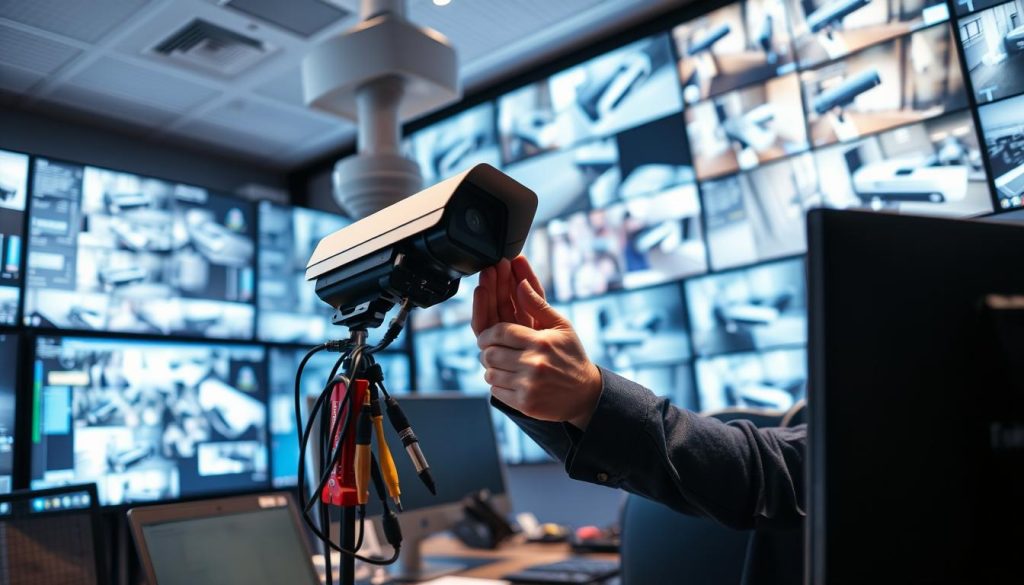
Consistent care extends the lifespan of your monitoring setup. It also maintains image quality and system responsiveness over time.
Regular System Checks and Monitoring
Monthly inspections help identify potential issues before they become major problems. These checks should cover all components of your security setup.
Follow this maintenance checklist:
- Verify all cable connections remain secure
- Test power sources and backup systems
- Ensure each device functions properly
- Check for physical damage or wear
- Remove dirt or debris from lenses
Loose connections can cause intermittent recording problems. Power fluctuations might affect equipment performance in Singapore’s climate.
Professional services like SECOM offer comprehensive maintenance packages. Their expertise ensures thorough system evaluation and proper troubleshooting.
“Preventive maintenance reduces repair costs by up to 40% and extends system lifespan significantly.”
Software Updates and Physical Upkeep
Regular software updates enhance performance and security features. Firmware updates often include bug fixes and new functionality.
Modern systems benefit from automatic update options. These ensure your equipment runs the latest software versions.
Physical maintenance preserves image quality and device integrity. Clean lenses monthly using appropriate cleaning solutions.
Check mounting hardware for stability and corrosion. Singapore’s humid environment requires extra attention to metal components.
Common issues like “Video Loss” alerts often resolve through simple steps:
- Restart the affected equipment
- Verify network connectivity
- Check IP address configurations
- Review system logs for errors
Surge protectors and UPS units safeguard against power issues. These devices prevent damage during electrical fluctuations.
Consistent maintenance ensures reliable operation and maximizes your investment. Proper care keeps your security system ready for any situation.
The Future of CCTV and Smart Security
The next generation of surveillance systems integrates artificial intelligence for enhanced protection. These advanced features include facial recognition and behavior analysis capabilities.
Modern technology offers higher resolution imaging and improved low-light performance. Cloud storage and wireless connectivity provide flexible monitoring options.
Systems connect with other smart devices for automated security responses. This integration creates comprehensive protection networks for any property.
Advanced features become more accessible to users over time. Staying informed about emerging technology helps make future-proof decisions.
The evolution continues toward smarter, more integrated security solutions. These advancements enhance both protection and convenience for all users.