
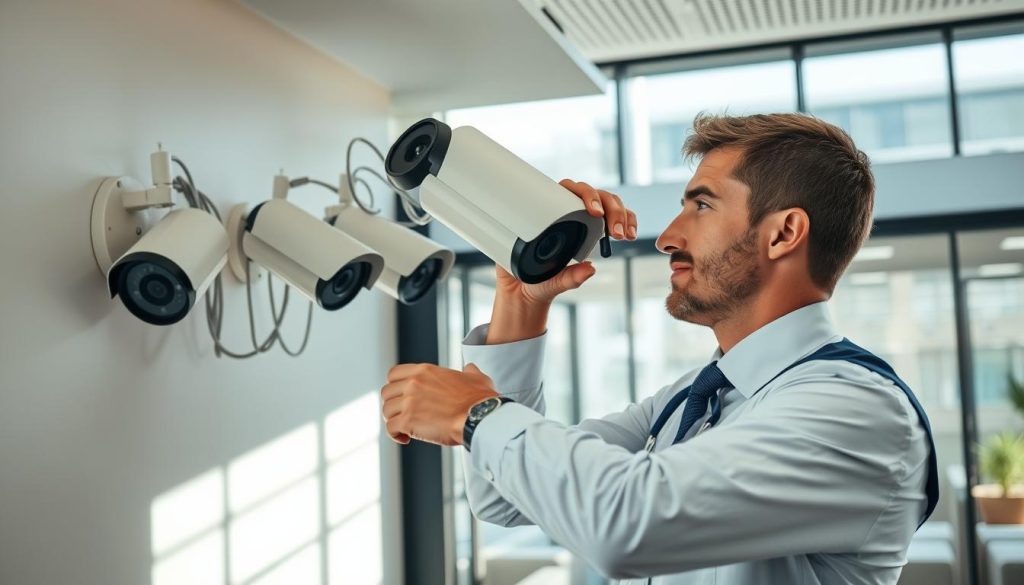
Keeping your business security cameras operational requires consistent care. Proper upkeep ensures your surveillance system functions optimally when you need it most.
In Singapore, annual maintenance expenses for commercial setups typically range from SGD 300 to SGD 1,500. This investment keeps your security system running smoothly and prevents unexpected failures.
Basic packages start around SGD 300 and include visual inspections and cleaning. More comprehensive services cost up to SGD 1,500 and cover emergency repairs and software updates.
Regular maintenance helps identify problems early and avoids costly replacements. It’s a smart strategy to protect your security investment.
Key Takeaways
- Annual maintenance costs in Singapore range from SGD 300 to SGD 1,500
- Basic packages include visual inspections and cleaning services
- Comprehensive packages cover emergency repairs and software updates
- Regular maintenance prevents costly system failures
- Commercial systems require more frequent servicing than residential setups
- Proper upkeep extends your security system’s lifespan
- Early problem detection saves money on major repairs
Why Your Business Can’t Afford to Skip CCTV Maintenance
Skipping surveillance upkeep creates security gaps that criminals exploit. Regular care keeps your systems working well when you need them most.
Studies show proactive upkeep reduces equipment failures by 30%. It also extends system lifespan by 50%. This data proves maintenance saves money long-term.
Neglected systems develop problems like faulty wiring and lens issues. These compromises leave your property vulnerable. Damaged cables can cause complete surveillance blackouts.
Maintained cameras provide clearer footage and better crime deterrence. They keep your security system running smoothly. This visible protection discourages illegal activity.
Singapore businesses must follow strict security regulations. Proper upkeep ensures legal compliance. It avoids potential fines and liabilities.
Emergency repairs cost 200-300% more than planned services. Investing in CCTV maintenance services prevents these unexpected expenses. It’s smarter budgeting for security needs.
Regular checks identify problems early. Quick fixes keep systems in top shape. This approach ensures continuous protection.
Your surveillance system represents a significant investment. Protecting it through consistent care makes business sense. Don’t wait until failure occurs – prioritize preventive measures today.
Understanding the Core Components of a Commercial CCTV System
Modern security installations combine several technological components working together. Each element plays a specific role in monitoring and protecting your business premises. Knowing these parts helps you understand what needs regular attention.
Cameras: From Dome to PTZ Varieties
Surveillance cameras come in different designs for various purposes. Dome models offer discreet indoor monitoring with wide viewing angles. Their protective casing makes them less noticeable in commercial settings.
Bullet cameras provide longer-range outdoor coverage. Their cylindrical shape houses powerful lenses for distance viewing. These units typically feature weather-resistant housing for durability.
PTZ (Pan-Tilt-Zoom) cameras offer the most flexibility. Operators can remotely control their movement and zoom functions. This allows coverage of large areas with fewer devices.
IP cameras represent the latest technology advancement. They transmit digital footage over network connections. Many support remote viewing through mobile applications.
Recording and Storage: DVRs, NVRs, and Data Management
Recording devices capture and store surveillance footage. DVRs work with analog camera systems. They convert analog signals into digital recordings for storage.
NVRs handle digital IP camera feeds directly. These recorders often support higher resolution footage. Many feature advanced search and playback capabilities.
Storage capacity depends on recording quality and retention needs. Higher resolution footage requires more storage space. Businesses typically need larger hard drives for extended recording periods.
Regular storage checks prevent critical data loss. Full drives stop recording new footage automatically. Maintenance includes verifying adequate storage space remains available.
Software, Monitors, and Connectivity
Video management software (VMS) controls entire surveillance setups. This software enables remote viewing from multiple devices. It also manages recording schedules and motion detection settings.
Monitoring stations display live and recorded footage. High-resolution screens provide clear image viewing. Multiple monitors allow simultaneous viewing of different camera feeds.
Network connectivity enables remote access capabilities. Wired connections offer stable data transmission. Wireless options provide installation flexibility but require signal monitoring.
Brands like HIKVision and Dahua offer reliable components. Their products may require specific firmware updates. Quality equipment generally offers better long-term performance.
Understanding these components helps choose appropriate care services. Each part needs specific attention during routine checks. This knowledge ensures your investment remains protected through proper upkeep.
Key Factors That Determine Your CCTV Maintenance Bill
Your surveillance upkeep expenses depend on several crucial elements. Understanding these variables helps you budget effectively for your security needs.
Different setups require varying levels of attention and resources. The final price reflects your specific configuration and requirements.
System Scale and Number of Cameras
Larger installations naturally demand more time and effort. An 8-camera setup costs significantly less than a 64-camera network.
Each additional device increases inspection and cleaning time. More cameras mean more cables, connections, and potential failure points.
Technicians must check every unit during routine visits. This thorough approach ensures all components remain operational.
Technology Complexity and Equipment Quality
Advanced systems often come with higher upkeep requirements. IP cameras typically cost more to maintain than analog models.
Sophisticated features like night vision need specialized testing. PTZ mechanisms require regular calibration to function correctly.
Premium brands like Dahua may need specific replacement parts. These specialized components can impact overall expenses.
High-quality equipment generally offers better reliability. However, it might require expert technicians for proper servicing.
Installation Environment and Accessibility
Camera placement significantly affects service charges. Hard-to-reach locations demand extra time and equipment.
High-altitude installations require safety measures and special tools. Outdoor units face weather exposure needing more frequent checks.
Difficult access can increase labor time and costs. Technicians might need scaffolding or lifts for proper inspection.
Storage systems and software integration add complexity. Regular updates and capacity monitoring are essential for smooth operation.
Understanding these factors helps you make informed decisions. Proper planning keeps your surveillance systems working well while helping you save money long-term.
Breaking Down the Average Cost of CCTV Maintenance in Singapore
Understanding surveillance system upkeep expenses helps businesses budget effectively. Singapore companies face different pricing structures based on their specific needs.
Per-visit service fees typically range from SGD 100 to SGD 500. The final amount depends on service depth and system complexity. Basic checks start at the lower end while comprehensive diagnostics cost more.
Annual contracts offer better value for regular upkeep. Basic packages range from SGD 300 to SGD 600 for commercial setups. These cover essential inspections and cleaning services.
Comprehensive plans cost between SGD 600 and SGD 1,500 yearly. They include emergency repairs, software updates, and priority support. This tier provides complete protection for your investment.
Residential systems average SGD 200 to SGD 400 annually. Commercial installations typically cost SGD 500 to SGD 1,000. The higher commercial pricing reflects increased camera counts and advanced features.
Specific camera types affect monthly expenses. Mid-range IP models might cost SGD 30 monthly for upkeep. Advanced PTZ units could reach SGD 80 per month due to complex mechanisms.
These expenses cover crucial services that maintain system reliability. Regular inspections prevent major failures. Software updates ensure optimal performance and security.
Annual agreements often reduce per-visit rates significantly. Businesses save money through planned preventive care. This approach avoids expensive emergency call-outs.
Understanding these cost structures helps make informed decisions. Proper budgeting ensures your surveillance remains operational and effective.
What Exactly Does a CCTV Maintenance Service Include?
Professional surveillance upkeep involves multiple essential tasks. These services ensure your equipment remains reliable and effective. Comprehensive care keeps everything functioning properly.
Technicians perform detailed assessments and necessary adjustments. They address both visible issues and potential problems. This proactive approach maintains optimal performance.
Routine Inspection and Performance Checks
Regular visual assessments form the foundation of proper care. Experts examine camera positioning and viewing angles. They verify all units capture intended areas clearly.
Connection integrity receives thorough verification. Loose cables can cause intermittent failures. Secure connections prevent unexpected downtime.
Performance testing includes image quality evaluation. Technicians check resolution and focus accuracy. They ensure night vision functions work correctly.
Motion detection sensitivity requires calibration. Proper settings reduce false alarms. They also guarantee actual movement gets recorded.
Cleaning, Software Updates, and Hardware Diagnostics
Lens cleaning maintains image clarity over time. Dust accumulation gradually reduces video quality. Regular wiping prevents this degradation.
Housing cleaning protects external components. Weather elements can obscure camera views. Clean exteriors ensure unobstructed monitoring.
Firmware updates address security vulnerabilities. They also introduce new features and improvements. Current software versions optimize system operation.
Hardware diagnostics check internal components. DVRs and NVRs undergo performance testing. Power supplies get evaluated for consistent output.
Storage systems receive capacity verification. Technicians ensure adequate space remains available. They also check recording functionality.
Emergency Repair and Troubleshooting Protocols
Immediate response services handle critical failures. Providers offer 24/7 support for urgent issues. Rapid resolution minimizes security gaps.
Camera replacements address irreparable damage. Faulty units get swapped with functioning equipment. This maintains continuous surveillance coverage.
Advanced packages include predictive analytics. These tools identify potential failures before they occur. Preventive measures reduce emergency situations.
Remote diagnostics minimize on-site visits. Technicians can often resolve issues virtually. This approach saves time and resources.
Comprehensive plans might include security consultations. Experts analyze system performance and suggest improvements. Their advice enhances overall protection.
Comparing Residential vs. Commercial CCTV Maintenance Pricing
Security system upkeep expenses vary significantly between home and business environments. The differences stem from scale, complexity, and operational requirements.
Home surveillance typically involves fewer cameras and simpler setups. These systems monitor smaller areas with basic recording needs.
Residential plans average SGD 200-400 annually. Service visits usually occur quarterly or twice yearly. This frequency suits most household security needs.
Commercial installations demand more attention and resources. They protect larger spaces with higher traffic volumes.
Business systems often feature dozens of cameras. Advanced functionalities like license plate recognition add complexity. These elements increase servicing requirements.
Commercial maintenance averages SGD 500-1,000 yearly. Monthly or bi-monthly visits ensure optimal performance. This frequency addresses intensive usage patterns.
Retail stores and offices face greater security challenges. They require reliable surveillance during operating hours. Consistent monitoring deters theft and ensures safety.
Basic home systems might cost SGD 520 initially. Their ongoing upkeep remains relatively affordable. Businesses should allocate larger budgets for uninterrupted coverage.
The pricing gap reflects different risk levels and operational demands. Commercial environments justify higher investment through enhanced protection.
Understanding these distinctions helps property owners make informed decisions. Proper budgeting ensures adequate security for any premises type.
Exploring the Different Types of Maintenance Service Models
Businesses have multiple options for keeping their surveillance equipment in optimal condition. Each approach offers distinct advantages depending on your security requirements and budget constraints.
Understanding these service models helps you choose the right strategy. The proper approach ensures your security investment delivers consistent protection.
Planned Preventive Maintenance (PPM) for Proactive Care
PPM involves scheduled inspections every three to six months. Technicians perform comprehensive system evaluations during these visits.
This proactive model identifies potential issues before they become major problems. Regular checks help equipment last longer and perform better.
Studies show PPM reduces system failures by approximately 30%. It extends equipment lifespan while minimizing unexpected downtime.
“Preventive care is the foundation of reliable surveillance. Scheduled maintenance keeps systems running smoothly and prevents costly emergencies.”
This approach includes cleaning camera lenses and checking connections. Software updates ensure optimal performance and security.
Reactive Maintenance for On-Demand Repairs
Reactive services address unexpected system failures as they occur. This model provides immediate response when urgent issues arise.
While essential for emergencies, reactive repairs typically cost more than planned services. The urgency often requires premium pricing and expedited solutions.
Many providers like ClearView offer 24/7 emergency support. Their technicians achieve high first-time fix rates for critical situations.
This service model complements rather than replaces preventive care. It serves as a safety net for unforeseen equipment failures.
The Growing Role of Remote Diagnostics
Modern technology enables technicians to troubleshoot many issues remotely. This approach reduces the need for physical site visits.
Remote diagnostics can resolve software problems and configuration issues quickly. It saves time and reduces service costs significantly.
Technicians can access systems securely to perform updates and adjustments. This method ensures rapid response without travel delays.
Remote monitoring helps keep systems working well between scheduled visits. It provides an additional layer of protection for your investment.
Choosing the right service model depends on your specific needs. A combination of preventive care and emergency support offers comprehensive protection.
Long-Term Contracts vs. Short-Term Agreements: A Cost-Benefit Analysis
The duration of your security system service contract significantly impacts both your budget and operational flexibility. Business owners must weigh financial savings against the need for adaptability when choosing service terms.
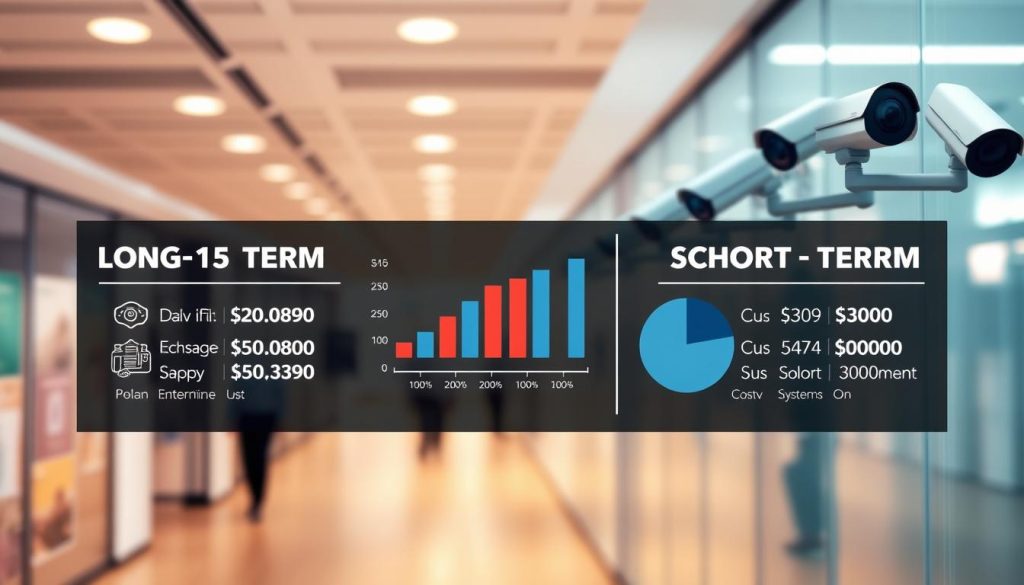
Extended agreements spanning three years or more typically offer substantial savings. These contracts often represent 8-12% of your initial installation investment. This approach helps businesses save money through predictable budgeting.
Service providers bundle multiple benefits into comprehensive packages. Extended warranties and priority support become standard inclusions. These value-added features enhance system reliability and response times.
Long-term arrangements ensure consistent service quality from familiar technicians. This continuity reduces security gaps and maintains optimal performance. Your equipment will last longer with regular attention from the same experts.
However, extended commitments limit your flexibility significantly. Changing providers becomes challenging before contract expiration. Businesses experiencing rapid growth might find these terms restrictive.
Short-term agreements offer maximum adaptability for evolving security needs. Annual or semi-annual contracts allow regular reassessment of service requirements. This flexibility is also important for companies testing new security approaches.
The per-service rate for short-term plans typically runs higher than long-term equivalents. Without volume discounts, individual visits cost more. Businesses pay premium rates for the privilege of flexibility.
Consider these key differences when evaluating contract options:
- Long-term contracts provide cost stability and bundled services
- Short-term agreements allow regular service adjustments and provider changes
- Extended plans often include priority response and extended warranty coverage
- Annual contracts suit businesses with fluctuating security requirements
Companies with stable operations benefit most from multi-year agreements. The financial advantages compound over time while maintaining consistent protection. This approach represents smart financial planning for established businesses.
Organizations undergoing changes should consider shorter terms. The ability to adjust services as needs evolve justifies higher per-service costs. This flexibility ensures your security system grows with your business.
“The right contract length balances cost efficiency with operational needs. Businesses should match commitment length to their growth trajectory and security requirements.”
Regular service remains the maintenance key to system longevity regardless of contract duration. Both approaches help identify problems early and keep systems running optimally. The choice ultimately depends on your company’s specific circumstances and risk tolerance.
A Guide to Common CCTV Maintenance Packages and Plans
Selecting the right service plan ensures your surveillance investment delivers maximum protection. Different packages offer varying levels of support to match specific security needs.
Businesses can choose between basic and comprehensive coverage options. Each tier provides distinct advantages for different operational environments.
Features of a Basic Maintenance Package
Basic plans typically cost between SGD 300 and SGD 600 annually. These packages focus on essential preventive services.
Quarterly inspections form the foundation of basic coverage. Technicians perform visual assessments of all components.
Lens cleaning maintains image clarity and prevents degradation. Regular wiping ensures cameras capture clear footage.
Software updates keep your security system current with latest features. These updates address potential vulnerabilities.
Basic packages help keep systems running smoothly through consistent attention. They represent a cost-effective solution for smaller setups.
What to Expect from a Comprehensive Package
Comprehensive plans range from SGD 600 to SGD 1,500 yearly. They offer complete protection for critical security environments.
These packages include 24/7 emergency response services. Technicians address urgent issues immediately to minimize downtime.
Remote monitoring provides continuous system oversight. Experts can identify and resolve many issues virtually.
Predictive analytics help anticipate potential failures before they occur. This proactive approach prevents unexpected disruptions.
Full system diagnostics ensure every component remains in system top shape. Hardware replacements cover defective equipment.
Many providers offer client portals for service tracking. These platforms allow scheduling and maintenance history review.
Service Level Agreements guarantee response times and service quality. These contracts ensure reliable support when needed most.
Basic packages suit smaller businesses with straightforward security needs. They provide essential care at an affordable price point.
Comprehensive plans benefit organizations requiring maximum protection. High-security environments justify the additional investment.
Evaluate your risk exposure and operational requirements carefully. The right choice depends on your specific security priorities.
“Choosing between maintenance tiers involves balancing budget constraints with security requirements. Organizations should select coverage that matches their risk profile.”
Regular attention remains the maintenance key to system longevity. Both package types help identify problems early and implement quick fixes.
Your surveillance equipment will last longer with proper care. Consistent servicing keep systems operational and effective.
Consult with providers about their specific service inclusions. Understand exactly what each package offers before making decisions.
Additional Expenses: Budgeting for Parts and Emergency Repairs
Smart security budgeting requires planning for unexpected component failures. Replacement parts represent significant additional expenses beyond routine service fees.
Individual camera replacements typically range from SGD 100 to SGD 500. DVR and NVR units often fall within this same price bracket. These costs depend on equipment quality and technological complexity.
Emergency services incur premium charges due to immediate response requirements. Urgent repairs typically add SGD 200-300 per incident. This premium reflects after-hours service and expedited solutions.
Common replacement components include:
- Camera lenses and housing units
- Power supplies and connectivity cables
- Storage devices and recording equipment
- Mounting brackets and protective casings
Regular attention helps identify problems early before they escalate. Technicians can implement quick fixes during scheduled visits. This proactive approach prevents minor issues from becoming major failures.
Storage device failures create immediate security vulnerabilities. Failed cameras leave blind spots in surveillance coverage. Swift replacement becomes essential for continuous protection.
Budgeting strategies for unexpected repairs:
- Allocate 10-15% of annual maintenance cost for emergency funds
- Choose service packages that include part replacement coverage
- Maintain relationships with reliable equipment suppliers
- Document all service history for warranty claims
Neglected systems experience more frequent component failures. Emergency repairs often cost 200-300% more than planned services. Consistent care helps businesses save money over time.
Understanding these additional expenses ensures proper financial planning. Your security investment deserves comprehensive protection through smart budgeting.
How to Select the Right Maintenance Provider in Singapore
Choosing the perfect partner for your surveillance upkeep requires careful evaluation. The right provider ensures your security investment remains protected and operational.
Singapore businesses should consider several critical factors before signing contracts. These elements determine service quality and long-term reliability.
Evaluating Provider Reputation and Service Scope
Start by researching company credentials and industry recognition. Look for awards from organizations like Enterprise Singapore.
Check CaseTrust affiliations for added reliability assurance. These certifications indicate trustworthy business practices.
Review client testimonials and case studies thoroughly. Past performance often predicts future service quality.
Examine the complete range of offered maintenance services. Comprehensive providers handle installation, repairs, and monitoring.
Companies like ClearView offer 24/7 support and client portals. These features enhance service accessibility and transparency.
Local knowledge ensures compliance with Singapore regulations. This understanding prevents potential legal complications.
Understanding Service-Level Agreements and Contract Terms
Service Level Agreements define provider commitments clearly. They specify response times and performance guarantees.
Emergency response typically requires four-hour maximum wait times. Guaranteed uptime percentages protect against extended outages.
Review contract details before making commitments. Understand coverage limitations and exclusion clauses.
Compare multiple quotes to save money while ensuring quality. Price differences often reflect service depth variations.
Make sure the agreement matches your specific security needs. Customized contracts provide better value than generic packages.
Proper provider selection helps your system works optimally long-term. It’s also important for maintaining continuous protection.
The right partnership will keep system components in perfect condition. This attention extends equipment lifespan significantly.
“A reliable maintenance partner becomes an extension of your security team. Their expertise ensures your surveillance system remains effective through proper care and timely interventions.”
Maximizing Your Investment Through Proactive System Care
Smart businesses recognize surveillance upkeep as a strategic investment rather than an operational expense. Forward-thinking organizations achieve superior security outcomes through consistent preventive measures.
Proactive care reduces equipment failures by 30% according to industry studies. This approach extends system lifespan by 50% compared to reactive maintenance models.
Regular attention ensures your surveillance equipment remains in system top shape. Well-maintained cameras capture clearer footage with up to 40% better image quality. This enhancement proves crucial for evidence collection and incident resolution.
Your security setup will last longer with proper care. Consistent servicing prevents premature component failures. This approach helps businesses save money by avoiding costly emergency repairs.
“Proactive maintenance transforms security systems from cost centers into value generators. The return on investment comes through uninterrupted protection and extended equipment life.”
Maintained systems deter criminal activity more effectively. Visible, well-functioning cameras signal serious security commitment. Potential offenders recognize operational surveillance and seek easier targets.
Singapore businesses must comply with strict security regulations. Proper upkeep ensures your setup meets all legal requirements. This compliance reduces liability risks and potential fines.
Identify problems early through scheduled inspections. Technicians can implement quick fixes before issues escalate. This preventive approach maintains continuous protection.
Well-maintained equipment requires fewer emergency service calls. Reduced disruptions mean consistent security coverage. Your operations continue smoothly without unexpected security gaps.
View surveillance upkeep as a long-term investment strategy. The initial cost delivers significant returns through reliable performance. Your security system represents a substantial business asset worth protecting.
Adopt a proactive mindset toward your security infrastructure. Regular care keeps everything working well when you need it most. This approach maximizes your investment while ensuring peace of mind.
Securing Your Premises with a Perfectly Maintained Surveillance System
Your security infrastructure represents a critical investment in business protection. Well-maintained surveillance ensures continuous monitoring and reduces operational disruptions significantly.
Proper upkeep keeps equipment in top shape while meeting Singapore’s strict compliance requirements. Industries like construction and hospitality benefit from reliable coverage.
Maintained systems provide peace of mind knowing your property remains protected against threats. They safeguard your initial investment while enhancing overall security value.
Regular professional care is essential for effective security management. Contact trusted providers like Wen Hong for personalized maintenance solutions tailored to your commercial needs.