
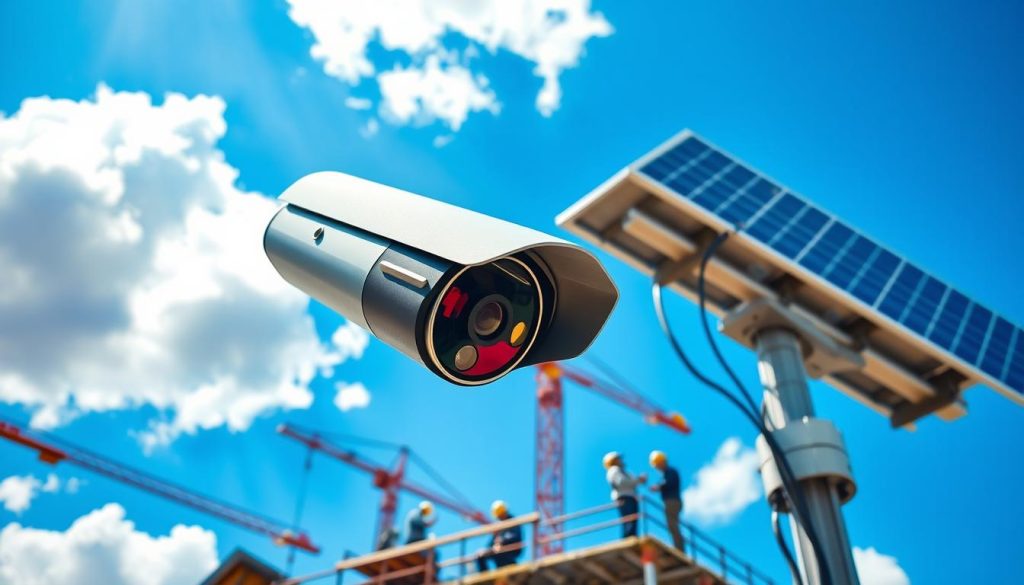
Construction sites in Singapore demand constant vigilance for safety and asset protection. Traditional surveillance often struggles with power access in remote or temporary locations.
A new approach harnesses local weather patterns for reliable operation. These innovative systems capture video footage without electrical wiring dependencies.
They use renewable energy sources available throughout Singapore’s tropical year. This makes them ideal for project locations lacking established infrastructure.
Project managers gain real-time oversight through mobile access. Safety compliance with Ministry of Manpower guidelines becomes simpler to maintain.
The technology represents a smart investment in modern site management. It provides continuous monitoring while reducing operational expenses over time.
Key Takeaways
- Off-grid operation eliminates dependency on traditional electricity supply
- Singapore’s tropical climate provides consistent energy for continuous function
- Simplified setup reduces installation time and complexity significantly
- Remote monitoring capabilities enhance overall site security coverage
- Cost savings accumulate through reduced power consumption needs
- Compliance with safety regulations is streamlined with reliable surveillance
- Sustainable technology supports environmental goals while meeting security requirements
What Are Solar Powered Construction Cameras?
Site monitoring in remote locations presents unique challenges for traditional security setups. These specialized devices are integrated surveillance systems designed for environments without reliable grid electricity. They provide continuous oversight where conventional power sources are unavailable or impractical to install.
The All-in-One Off-Grid Security Solution
Modern off-grid monitoring represents a complete package approach. Every component works together seamlessly from the start. This eliminates the complex task of sourcing and assembling separate parts.
The integrated design delivers unparalleled convenience during deployment. It also simplifies ongoing maintenance requirements significantly. Brands like Hikvision offer such cohesive packages that reduce costs while boosting operational efficiency.
This approach contrasts sharply with traditional wired CCTV installations. There’s no need for trenching to lay electrical cables across the site. Dependency on temporary site electricity supplies is completely removed.
Setup times are dramatically faster with these unified systems. Project managers can establish critical awareness quickly in challenging locations. The technology provides reliable oversight from day one of installation.
Core System Components: Panel, Battery, and Camera
Every self-sufficient surveillance unit contains several key elements working in harmony. Each part plays a specific role in ensuring uninterrupted operation.
The energy panel serves as the primary power harvester. It converts abundant sunlight into electrical energy throughout daylight hours. This renewable source constantly charges the system’s storage unit.
An intelligent battery provides reliable power storage and management. It features smart circuits that protect against overcharging and deep discharge. This ensures continuous function through night cycles and periods of limited sunlight.
The camera unit itself captures high-quality video footage. Options range from fixed lens models to advanced PTZ (Pan-Tilt-Zoom) versions. Many feature 1080P or higher resolution with efficient H.265 encoding.
Built-in storage options like eMMC or SSD provide local recording capabilities. This creates a reliable backup even during network interruptions. Event recording happens automatically based on motion detection or other triggers.
Supporting infrastructure completes the practical setup. Mounting brackets allow flexible installation on poles, walls, or temporary structures. Communication slots accept 4G SIM cards or Wi-Fi modules for remote network access.
SD card slots offer additional local storage capacity when needed. This modular approach allows for specific customization based on site requirements. Different panel wattages or battery capacities can match particular power needs.
For comprehensive solar CCTV solutions tailored to Singapore’s environment, explore our detailed offerings at Wenhong’s specialized security systems. These integrated packages address the unique demands of local project sites effectively.
The modular nature of premium systems allows precise configuration matching. Project managers can select components based on specific camera consumption profiles. This ensures optimal performance throughout the entire project timeline.
How Solar-Powered Surveillance Works for Construction
At its core, autonomous oversight relies on a continuous cycle of energy capture, storage, and intelligent distribution. This process creates a self-reliant security solution that operates independently from grid electricity. Project managers gain consistent visibility without worrying about power availability.
Harnessing Singapore’s Abundant Sunlight
Photovoltaic panels serve as the primary energy harvesters on every unit. They capture photons from daylight and convert them into direct current electricity. This renewable source provides consistent charging throughout Singapore’s sunny periods.
An advanced charge controller manages the energy flow with precision. Maximum Power Point Tracking (MPPT) technology optimizes harvesting efficiency. It adjusts continuously to varying light intensity throughout the day.
This smart controller ensures maximum energy transfer to the storage unit. Even during partly cloudy weather, the system extracts optimal power. Singapore’s tropical climate offers ample sunlight for reliable daily charging cycles.
Smart Power Management for Uninterrupted Operation
Lithium-ion battery packs provide stable energy storage for 24/7 function. Technologies like 18650 cells offer high capacity in compact form factors. These units power the surveillance hardware day and night without interruption.
Intelligent circuits protect against overcharging and deep discharge damage. Low-voltage disconnect features prevent battery depletion below safe levels. This extends the overall lifespan of the energy storage component significantly.
The system demonstrates impressive resilience during extended low-light periods. Premium models operate continuously for up to seven days without sunlight input. This capability handles Singapore’s occasional rainy stretches effectively.
Operational modes balance surveillance needs with energy conservation. Options include:
- Continuous streaming for real-time oversight
- Motion-activated recording to conserve resources during idle periods
- Scheduled monitoring during specific hours of highest risk
Power budgeting directly influences panel sizing decisions. Basic 7.8W units support intermittent recording modes effectively. Larger 20W or 30W panels enable full-time video capture with energy to spare.
Data transmission completes the operational loop. 4G LTE or Wi-Fi modules use stored energy to send footage and alerts. Remote access happens through mobile devices or monitoring centers via cellular networks.
This creates a completely self-sufficient oversight ecosystem. Natural sunlight provides the energy, the hardware captures security footage, and networks enable instant remote viewing. The entire process happens without external electrical intervention.
Project sites benefit from consistent coverage despite temporary outages. Phased development of permanent infrastructure no longer delays security deployment. Managers establish reliable oversight from the earliest project stages.
Key Features and Benefits for Site Monitoring
Advanced monitoring solutions offer project managers multiple layers of protection and operational efficiency. These integrated units combine rugged hardware with intelligent software capabilities.
Each component works together to deliver reliable oversight in challenging environments. The result is comprehensive site management that adapts to project needs.
Extended Battery Life and Weatherproof Durability
Reliable operation through Singapore’s variable weather is a critical advantage. Premium systems provide up to seven days of continuous function without sunlight.
This extended capacity handles extended rainy periods common in tropical climates. Surveillance gaps are minimized even during prolonged low-light conditions.
Environmental protection standards ensure year-round performance. IP66 and IP67 ratings certify resistance against heavy rain and dust ingress.
Anti-corrosion construction withstands high humidity and salty coastal air. These units maintain sturdy performance despite challenging outdoor conditions.
Wireless Deployment and Easy Installation
Eliminating extensive cabling transforms setup logistics dramatically. Installation time reduces from days to just a few hours.
Labor costs drop significantly without trenching or wiring work. The integrated design combines panel, battery, and imaging unit in one package.
A manageable net weight of approximately 14 kilograms allows small-team handling. Mounting on poles or walls requires minimal structural modification.
Connection primarily involves SIM card insertion for 4G networks. App configuration completes the setup process quickly and efficiently.
Flexible repositioning supports evolving site layouts throughout project phases. This adaptability provides ongoing value as work areas change.
Remote Access and Real-Time Monitoring
Dedicated mobile applications like Hik-Connect enable instant oversight from anywhere. Project managers view live feeds through smartphones or tablets.
Playback of recorded footage happens with simple app navigation. Motion alerts deliver immediate notifications about site activity.
Real-time visibility supports multiple operational needs effectively. Managers verify delivery arrivals and monitor safety protocol adherence.
Rapid response to security breaches or accidents becomes possible. Immediate awareness transforms how sites are managed remotely.
Intelligent features enhance accuracy and functionality significantly. AcuSense technology distinguishes between humans, vehicles, and false triggers.
Radar or PIR sensors further reduce unnecessary alerts. ANPR capabilities support gate access control for authorized vehicles.
Two-way audio enables remote communication with personnel on site. These smart options add valuable layers to basic surveillance.
Video quality meets modern expectations with 1080P or higher resolution. H.265 compression optimizes bandwidth and storage efficiency.
24/7 color imaging with starlight sensors provides clarity in low light. Digital zoom allows detailed inspection of specific areas.
Storage options include built-in eMMC or SSD for on-device recording. Cloud or NVR backup via 4G preserves evidence if units are tampered with.
This comprehensive approach delivers complete oversight solutions. Project teams gain confidence through reliable, accessible monitoring.
Why Solar Cameras Are Ideal for Singapore Construction Sites
The unique combination of strict safety rules and tropical weather creates a perfect scenario for autonomous security devices. These innovative tools address multiple challenges faced by local project managers simultaneously.
They deliver reliable oversight while meeting specific regulatory and environmental demands. This makes them a strategic choice for modern development sites across Singapore.
Meeting MOM Video Surveillance System (VSS) Requirements
Singapore’s Ministry of Manpower mandates Video Surveillance Systems for enhanced worksite safety. This regulation aims to improve incident investigation and compliance verification.
Self-sufficient observation units provide an optimal solution for VSS implementation. They ensure compliance from the very first day of site possession.
This is crucial during early project phases when permanent power is unavailable. Managers can establish mandatory monitoring without waiting for electrical infrastructure.
The technology supports continuous recording for safety documentation. It creates an reliable audit trail for regulatory reviews.
Thriving in Singapore’s Tropical Climate
Local weather presents significant challenges for electronic equipment. High humidity, frequent rainfall, and intense UV exposure test device durability.
Renewable energy-based systems are engineered specifically for these conditions. They feature IP66 and IP67 ratings that prevent water and dust ingress.
Anti-corrosion materials withstand salty coastal air effectively. This ensures year-round performance despite environmental stressors.
Singapore’s average of 5-6 hours of bright sunlight daily provides ample energy. Batteries remain charged to support consistent, uninterrupted operation.
The climate actually becomes an advantage rather than a limitation. Abundant sunshine fuels reliable surveillance throughout all seasons.
Cost-Effective Operation with No Electrical Wiring
Eliminating traditional power connections generates substantial savings. There’s no need for trenching, conduit installation, or cabling work.
Electrician labor costs disappear completely from the budget. Ongoing electricity bills are removed from operational expenses.
This significantly reduces the total cost of ownership over time. The initial investment pays back through continuous savings.
Rapid deployment allows oversight to begin immediately. Units can be repositioned easily as site layouts evolve.
There’s no expensive re-wiring required for dynamic project planning. The flexibility supports changing security needs efficiently.
These devices also support corporate sustainability goals effectively. They use renewable resources instead of diesel generators or grid supply.
This reduces the carbon footprint of site operations meaningfully. It represents a future-proof investment that’s reusable across multiple projects.
The technology provides long-term value beyond single development phases. It represents both economic and environmental responsibility in action.
Application Scenarios Beyond Basic Surveillance
Autonomous security devices deliver multifaceted value across various temporary locations. These include farmlands, festivals, highways, and forested areas where traditional infrastructure is absent.
For project sites, they address specific operational challenges while meeting regulatory demands. The technology establishes critical awareness where deploying power cords proves difficult.
Progress Monitoring and Time-Lapse Documentation
Off-grid units can be programmed to capture still images at regular intervals. This creates compelling time-lapse videos of the entire building journey.
Stakeholders gain a visual record from groundbreaking to project completion. This documentation serves multiple practical purposes effectively.
Marketing teams use these videos to showcase development milestones. Project reports become more engaging with visual progress evidence.
Dispute resolution benefits from clear chronological records of work phases. The visual timeline protects all parties by documenting actual site conditions.
Theft and Vandalism Deterrence for Remote Sites
The visible presence of surveillance equipment discourages criminal activity significantly. This is crucial for often unguarded locations during nights and weekends.
PTZ models that can move and follow movement provide particularly strong deterrence. Their active tracking capability signals constant monitoring to potential intruders.
Expensive machinery, materials, and tools receive enhanced protection. Remote sites with limited personnel benefit from this constant visual oversight.
Immediate alerts notify managers of unauthorized after-hours activity. This enables rapid response before significant losses occur.
Safety Compliance and Hazard Monitoring
Positioning units to monitor high-risk zones ensures protocol adherence. Areas like crane operations, scaffolding, and confined space entries receive focused attention.
Recorded footage serves as reliable evidence for safety audits and incident investigations. This supports compliance with Ministry of Manpower requirements.
Advanced AI analytics take hazard monitoring to the next level. Systems can detect specific dangers like unauthorized entry into exclusion zones.
Lack of personal protective equipment triggers immediate notifications to safety officers. Smoke or fire detection enables fastest possible emergency response.
Project managers conduct virtual site walks using live feeds from anywhere. They inspect work quality and verify subcontractor attendance remotely.
Monitoring deliveries without physical presence saves considerable time and travel costs. This remote management capability enhances operational efficiency dramatically.
Asset tracking becomes streamlined through continuous observation. Managers monitor machinery and vehicle movement to optimize logistics.
Unauthorized equipment use is quickly identified and addressed. This protects valuable resources and maintains project schedules.
Some advanced systems integrate environmental sensors for comprehensive monitoring. They track dust levels, noise, or vibration to support regulatory compliance.
The same autonomous setup can be redeployed for various temporary needs. Event security, festival management, and infrastructure projects all benefit.
This versatility maximizes return on investment across multiple applications. High-resolution video provides clear evidence for insurance claims and liability protection.
The technology safeguards companies from false accusations with undeniable visual records. It represents a comprehensive solution for modern project management challenges.
Choosing the Right Solar Camera System
Effective deployment of off-grid surveillance begins with a systematic assessment of power, coverage, and connectivity needs. The right choice balances technical specifications with practical site requirements.
This ensures reliable operation throughout your project timeline. Consider both immediate monitoring goals and long-term scalability.
Assessing Your Power and Coverage Needs
Start by calculating energy requirements based on device consumption. Check the wattage rating of your selected imaging unit.
Determine if you need continuous recording or motion-activated operation. This significantly affects daily power draw.
Match these needs with appropriate photovoltaic panel wattage. Options typically range from 7.8W to 30W for different applications.
Battery capacity must support operation through low-light periods. Systems with 6x 18650 cells often provide several days of backup.
Coverage assessment involves mapping your entire worksite. Identify critical zones like entry points, material storage, and high-risk areas.
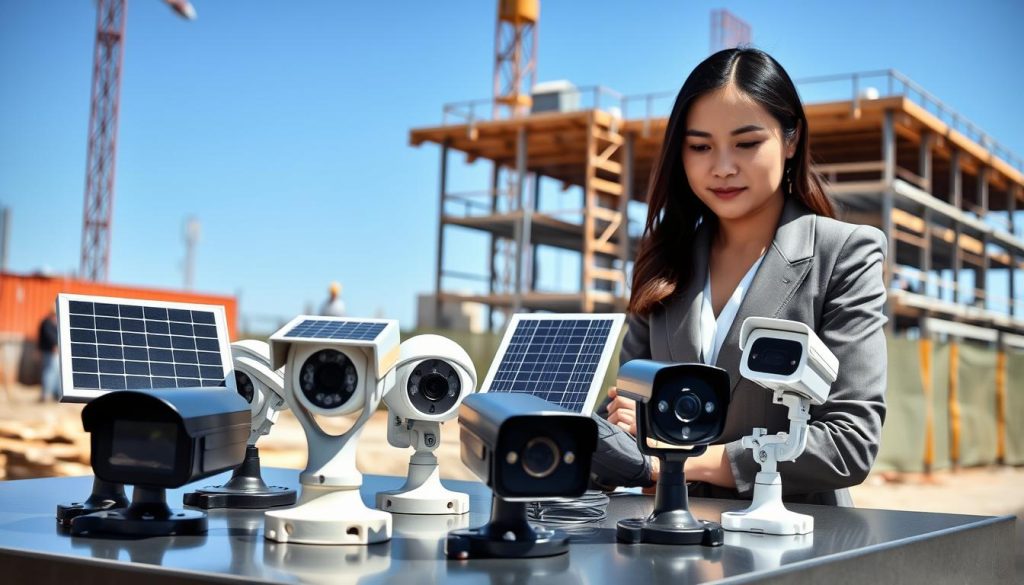
Choose device types based on surveillance objectives. Fixed lens models work well for monitoring specific gates or doors.
Varifocal units allow adjustable focus for versatile viewing. PTZ (Pan-Tilt-Zoom) options provide the broadest coverage for large, open spaces.
Lens focal length determines the field of view and detail level. Wider angles cover more area while telephoto lenses zoom in on distant objects.
4G vs. Wi-Fi Connectivity Options
Network access is crucial for remote viewing and alerts. Two primary methods deliver footage to monitoring centers.
4G LTE connectivity operates independently of local internet infrastructure. It requires a SIM card and cellular data plan.
This option excels in truly remote locations without existing networks. It provides reliable, wide-area access regardless of site conditions.
Wi-Fi connectivity offers a cost-effective alternative when stable site internet exists. It eliminates ongoing data subscription fees.
Range and reliability can be limitations with wireless connections. Physical obstructions and interference may affect performance.
The choice depends on your specific location and budget constraints. Many modern units support both methods for maximum flexibility.
Integrated Kits vs. Customizable Solutions
Complete packages from manufacturers like Hikvision deliver simplicity. All components are designed to work together seamlessly.
These kits guarantee compatibility and reduce installation complexity. They’re ideal for standard applications requiring quick deployment.
Custom configurations allow optimization for unique challenges. You can match specific panels, batteries, and imaging devices.
This approach addresses unusual power demands or specialized viewing needs. It provides tailored performance for complex sites.
Consider video analytics capabilities during your selection. Units with built-in AI distinguish humans from vehicles and false triggers.
Features like AcuSense or PIR+AI detection reduce unnecessary alerts. They enable smart notifications that focus on genuine security events.
Durability specifications are non-negotiable for outdoor use. Insist on IP66 or IP67 ratings for waterproof and dustproof protection.
Corrosion-resistant materials ensure longevity in humid environments. Sturdy mounting hardware withstands wind and environmental stress.
Storage options include onboard SD cards or SSDs for local backup. Combine this with cloud or NVR storage via your network for redundancy.
This dual approach preserves evidence even if a unit is compromised. It also allows longer archival periods for compliance documentation.
Brand reputation matters for reliability and support. Established manufacturers like Hikvision and Dahua offer comprehensive warranties.
Their products integrate with popular management software like Hik-Connect. This ensures smooth operation within your existing security ecosystem.
Future-proof your investment by considering upgrade paths. Select systems that allow panel or battery capacity increases as needs change.
5G readiness ensures compatibility with next-generation networks. Platform compatibility supports broader site management integration.
Right now, with Hikvision Solar Power Kit, you can customize your own renewable energy system quickly. This kit powers various products including security network devices, radar units, and LED displays.
Model examples like the IP4-THF-4544MP offer both WIFI and 4G connectivity. It features a 7.8W panel, 128GB storage, Pan/Tilt capability, and PIR+AI Human Detect technology.
Custom renewable energy systems meet your unique application requirements. They provide the flexibility to address specific site challenges effectively.
Empowering Your Singapore Construction Site with Solar Surveillance
Forward-thinking project teams now recognize autonomous security as essential infrastructure rather than optional equipment. This technology delivers reliable oversight that meets strict regulatory demands while enhancing operational efficiency.
The return on investment is clear. You save on installation costs and prevent asset loss. Improved safety compliance reduces accident risks significantly.
This sustainable approach aligns perfectly with Singapore’s green building initiatives. It represents a smart choice for modern, responsible site management.
We recommend assessing your specific location requirements. Consult with specialists familiar with off-grid solutions to select the right system.
Take the next step toward smarter site oversight. Explore tailored surveillance packages designed for Singapore’s unique environment and project challenges.