
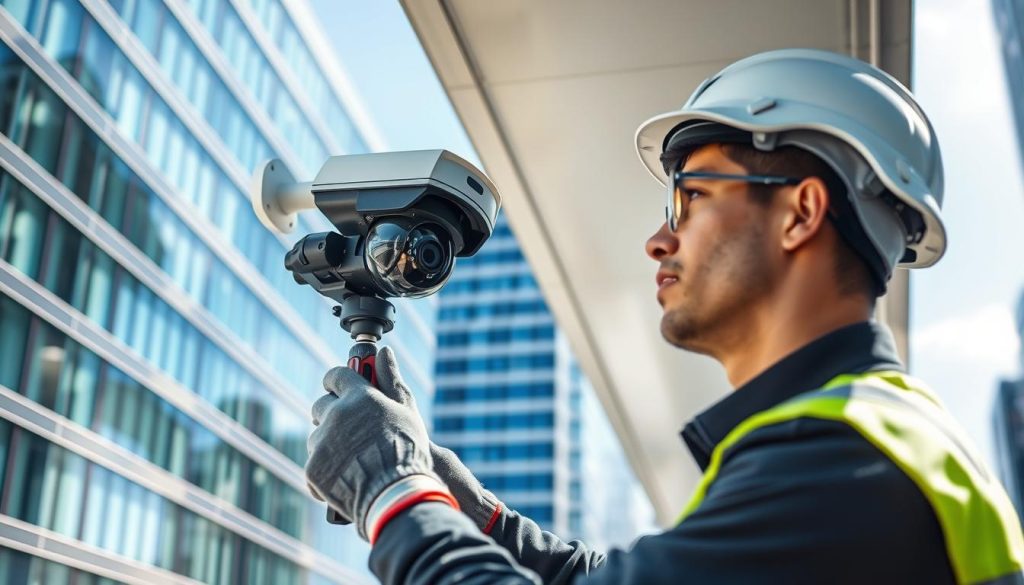
Singapore’s landscape is now monitored by over half a million surveillance cameras. This number keeps growing every year.
With such pervasive monitoring, a critical question emerges. Understanding the legal ownership and operational duties for these systems is no longer optional.
For individuals and organizations, compliance with local laws is essential. It helps avoid significant legal problems and builds trust.
Key regulations, like the Personal Data Protection Act (PDPA), define clear obligations. System owners must navigate these rules carefully.
Responsibilities differ greatly between a residential homeowner and a commercial business operator. Each setting has unique challenges.
This article provides a comprehensive guide. It explores how to balance security benefits with privacy concerns in Singapore’s environment.
Key Takeaways
- Singapore has a vast network of over 500,000 surveillance cameras.
- Legal ownership of a monitoring system carries specific duties under Singapore law.
- The Personal Data Protection Act (PDPA) is a key regulation governing data collection.
- Homeowners and business operators face different sets of obligations.
- Proactive management and community engagement are crucial for ethical usage.
- Balancing security benefits with individual privacy is a central challenge.
- This guide provides a roadmap for compliant and responsible surveillance practices.
The Pervasive Role of CCTV in Singapore’s Security Landscape
Visual monitoring systems have become ubiquitous fixtures in Singapore, from shopping malls to residential corridors. This widespread adoption creates a complex web of electronic observation.
Understanding its scale and intent is crucial for any discussion on security and privacy.
Understanding the Scale of Surveillance
Over half a million cameras operate across the island. This number reflects a deep integration into daily life.
Adoption rates are exceptionally high in commercial spaces. For instance, 93% of retail shops utilize these systems.
Rising public safety concerns drive this trend. Technological improvements also play a major role.
Modern devices feature high-resolution imaging and reliable night vision. Advanced motion detection further enhances their effectiveness.
Community security projects encourage installation in shared residential areas. This collective effort expands the network.
Primary Objectives: Deterrence, Prevention, and Evidence
The core goals of surveillance are clear and focused. They guide placement and usage in both public and private property.
First, visible cameras act as a powerful deterrent. Potential offenders often avoid monitored locations.
Second, real-time monitoring allows for immediate response. Security personnel can prevent incidents as they unfold.
Third, recorded footage serves as crucial evidence. It aids law enforcement investigations after an event.
Strategic placement maximizes these objectives. Installers focus on high-traffic zones, entry points, and vulnerable spots.
This approach supports broader national security strategies. It aligns with a collective commitment to public safety.
Community-led initiatives in housing estates contribute significantly. Residents collaborate to monitor shared corridors and common areas.
For businesses, these systems protect assets and ensure operational compliance. They also help manage customer and employee data responsibly.
Effective practices require balancing observation with respect for individual privacy. This balance is central to Singapore’s regulations.
The immense scale of surveillance serves a fundamental purpose. It is rooted in crime prevention and community well-being.
This context sets the stage for understanding the legal and ethical rules that govern system management.
The Legal Framework Governing CCTV Use in Singapore
The legal landscape for visual monitoring is built upon two primary pillars. One is a national law protecting individual privacy. The other consists of local rules governing physical installation on shared property.
Understanding this dual framework is essential for any system owner. It ensures your security measures are both effective and lawful.
The Personal Data Protection Act (PDPA): Core Privacy Rules
The Personal Data Protection Act (PDPA) is the cornerstone of privacy regulation. It treats recorded footage containing identifiable individuals as personal data.
This means its collection, use, and disclosure are strictly governed. System owners have specific obligations under this protection act.
A key requirement is notification. Clear signage must inform people they are entering a monitored area. This signage often serves to obtain implied consent.
The PDPA also mandates purpose limitation. You can only collect data for a legitimate security reason. Using footage for other purposes is not allowed.
Furthermore, the act requires reasonable data retention periods. Storing recordings indefinitely violates data protection rules. A defined retention policy is a must for compliance.
Town Council and Local Installation Regulations
Beyond national laws, local Town Council regulations add another layer. These rules control the installation of cameras in shared public spaces.
If your device points at a common corridor, lift lobby, or void deck, approval is typically required. This process protects community privacy and safety.
Guidelines often specify placement to avoid capturing the interiors of neighboring homes or flats. Proper angling is not just good etiquette; it’s a legal necessity.
Non-compliance carries real consequences. The PDPA can impose financial penalties for privacy breaches. A Town Council can issue orders to remove or modify non-compliant equipment.
Therefore, consulting both authorities before installation is a critical step. It is the foundation of responsible and lawful system management.
Defining CCTV Ownership and Its Legal Implications
Legal responsibility for a video surveillance setup is not automatically assigned to the person who bought it. True ownership under the law involves control and operational duty.
Clarifying this point is essential. It determines which set of rules and obligations you must follow.
What Legally Constitutes System Ownership?
Ownership is defined by who controls the installation, daily operation, and long-term maintenance. It rests with the entity making decisions about the system.
This could be a homeowner, a business operator, or a property management firm. Simply purchasing the cameras does not make one the legal owner if another party runs them.
The implications are significant. The recognized owner bears full responsibility for compliance with the PDPA, local Town Council regulations, and general privacy laws.
Control over the system’s function defines legal ownership, not merely possession of the hardware.
Key Differences Between Residential and Commercial Ownership
The duties of an owner change dramatically between private homes and commercial spaces. Recognizing this distinction helps you avoid legal trouble.
For Residential Owners:
- You generally have more flexibility for placement on your own property.
- The critical rule is to avoid filming your neighbors’ private areas. Angling cameras without capturing others’ windows or doors is a must.
- While formal permits are often not needed, engaging with your community builds trust and prevents disputes.
For Commercial Owners:
- You operate under a stricter data protection regime. The PDPA mandates clear notification via signage to obtain implied consent from customers and employees.
- You must establish strict protocols for footage storage, access, and retention. Indefinite storage of personal data is not permitted.
- If your cameras monitor public walkways or shared business premises, additional Town Council approval is typically required. Working with expert security camera installers can ensure your setup meets all technical and legal standards.
Failure to apply the correct rules can lead to fines under the PDPA and damage to a company’s reputation. For business owners, the stakes are higher.
Correctly identifying your ownership type is the crucial first step. It directs you to the right set of practices for compliant and effective surveillance.
Who is Legally Responsible for CCTV Systems?
Legal accountability for a surveillance setup extends beyond installation to its day-to-day management and data handling. The identified controller bears a full spectrum of duties.
These obligations are non-negotiable under Singapore’s laws. They ensure security measures respect individual privacy and community safety.
The Core Obligations of CCTV Owners and Operators
System owners must adhere to a defined set of rules. These obligations are designed for compliance and ethical operation.
Key duties include:
- Data Security: Implement robust measures to protect recorded footage. This personal data must be secure from unauthorized access or breaches, as mandated by the PDPA.
- Clear Signage: Post visible notices at all monitored entrances. Signage informs individuals and obtains implied consent, a core requirement of the data protection act.
- Minimizing Intrusion: Position cameras to cover only necessary areas. Angles must avoid legal issues by not capturing neighbors’ private property or sensitive interior spaces.
- System Maintenance: Ensure all equipment functions correctly. Regular checks prevent blind spots and maintain the system’s security purpose.
- Lawful Footage Handling: Establish strict protocols for footage access, storage duration, and deletion. Indefinite retention of personal data violates data protection principles.
These are ongoing duties, not one-time tasks. Proactive management is the hallmark of a responsible owner.
Navigating Landlord and Tenant Responsibilities and Rights
Rental situations add complexity to surveillance practices. Both parties have distinct roles and rights that must be balanced.
Landlord Duties: Property owners must fully disclose any existing monitoring systems. Prospective and current tenants should know the location, field of view, and purpose of all cameras.
Disclosure should be written and clear. It prevents future disputes and builds trust. Surveillance should never cover private areas within the leased unit.
Tenant Rights: Renters retain a reasonable expectation of privacy within their homes. This includes bathrooms, private balconies, and the interior of their flats.
Cameras in common areas like shared hallways are more acceptable. However, their use must still follow PDPA and Town Council regulations.
The best solution is a written addendum to the tenancy agreement. This document should outline the surveillance policy, access rules, and data handling standards.
Clear communication and mutual respect form the foundation for lawful surveillance in any rental arrangement.
This proactive approach helps avoid legal conflicts. It ensures security measures are transparent and accepted by all residents.
Managing CCTV Systems in Residential Areas and Private Estates
Effective management of surveillance in residential settings hinges on proactive community dialogue and thoughtful installation. It moves beyond legal compliance to foster trust and collective safety.
Homeowners must navigate both technical setup and social dynamics. This balance ensures security measures enhance the neighborhood without causing friction.
Successful practices blend transparency with strategic planning. They turn potential concerns into opportunities for collaboration.
Best Practices for Community Engagement and Transparency
Open communication is the foundation of responsible surveillance. Discussing plans with neighbors before installation prevents misunderstandings.
Organizing informal meetings or using community chat groups can address shared concerns. These discussions help establish common rules for footage access and usage.
Transparency builds trust. Informing adjacent homes about camera placements and purposes demonstrates respect.
A simple conversation can transform a potential privacy dispute into a cooperative security agreement.
This approach aligns with good practices even when not strictly required by law. It shows consideration for others living in shared spaces.
For private estates or condominiums, a collective policy might be developed. This policy can outline where cameras are acceptable and how personal data is handled.
Strategic Installation and Privacy Etiquette for Homeowners
Physical placement of your devices requires careful thought. The goal is to monitor your property without intruding on neighboring areas.
Angle cameras downward to focus on entry points like doors and gates. This minimizes the chance of capturing windows or balconies of other homes.
Conduct a regular audit of your camera views. Ensure the field of vision does not extend onto public sidewalks or common spaces.
Establish clear internal protocols for stored footage. Decide who can access it and under what circumstances.
- Use visible signage as a courtesy. It informs visitors and passersby they are on recorded property.
- Consider smart technology like integrated camera-doorbells. These often offer a less intrusive monitoring solution focused solely on your doorstep.
- If your system covers any shared corridor or common area, check with your Town Council for specific approval regulations.
These steps form a core part of privacy etiquette. They help owners meet their obligations under the PDPA and other data protection guidelines.
Managing a residential CCTV system is an ongoing duty. It combines technical maintenance with respectful community management.
By following these strategies, you enhance your home security while being a considerate neighbor. This fosters a safer and more harmonious environment for everyone.
CCTV Regulations and Etiquette for HDB Flats
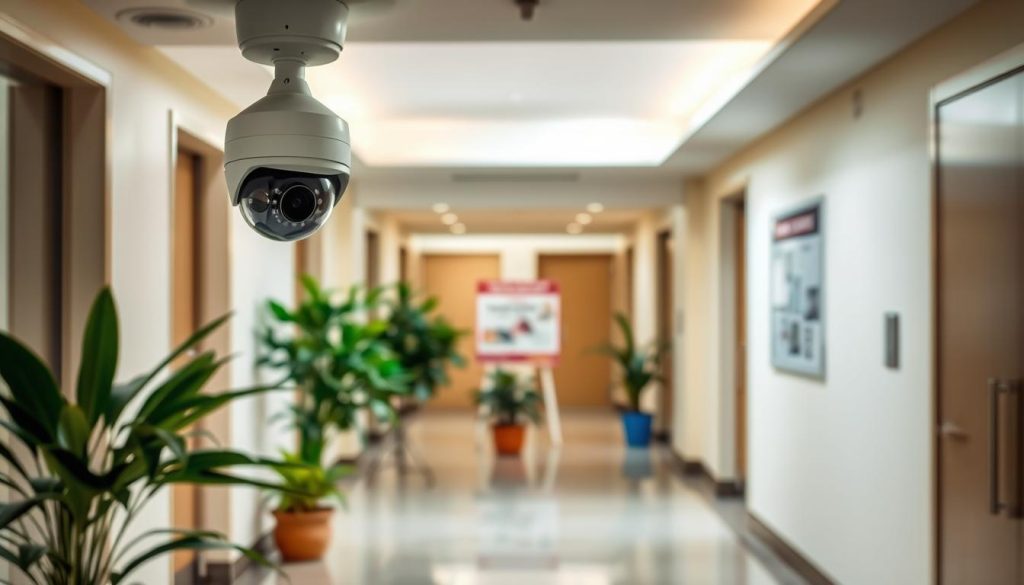
Shared corridors and close proximity define the surveillance landscape in Singapore’s public housing. Living in an HDB flat creates a unique environment where personal security and community privacy intersect directly.
Residents must navigate this delicate balance with care. The physical layout means monitoring one’s own doorway often involves viewing common areas used by neighbors.
Recent regulatory updates have simplified certain installation processes. However, they come with increased responsibility for individual homeowners.
Recent Changes to HDB Rules for Corridor-Facing Cameras
A significant policy shift now allows HDB residents to install monitoring devices facing common corridors without seeking prior Town Council approval. This change recognizes the growing security concerns of homeowners.
The new rule empowers residents to take quicker action to protect their homes. It removes a bureaucratic step that previously delayed installations.
However, this freedom comes with specific conditions. Devices must be positioned to avoid capturing footage within neighboring units or their domestic activities.
Homeowners bear full responsibility for ensuring their setup respects others’ privacy. The Town Council may still intervene if complaints arise about intrusive placement.
All other aspects of the Personal Data Protection Act continue to apply. Clear signage and proper data handling remain essential for compliance.
Respecting Neighbor Privacy in Shared Spaces
Even corridor surveillance can feel invasive in such close quarters. Proper etiquette is crucial for maintaining community harmony.
Strategic placement techniques help minimize intrusion. Positioning a device directly above your own door, angled downward, focuses on your immediate vicinity.
Using cameras with a narrow field-of-view lens prevents sweeping views of the entire corridor. This technical choice demonstrates consideration for others living nearby.
Proactive communication with immediate neighbors builds trust and prevents disputes. Explain your security purpose and offer to show the camera’s actual field of view.
The rule change empowers residents to enhance their security, but with that power comes an increased duty to be a respectful and considerate neighbor.
Transparent discussions can alleviate concerns before they become problems. This approach aligns with best practices for community living.
Establishing mutual understanding about footage access and usage prevents future conflicts. Neighbors may appreciate knowing how recorded material will be handled.
Regular checks ensure your equipment hasn’t shifted to capture unintended areas. Maintenance is part of responsible system management.
Following these guidelines helps create a safer environment for everyone. It balances individual security needs with collective privacy expectations in shared housing spaces.
CCTV Compliance for Commercial and Business Spaces
For companies, implementing electronic monitoring is not merely a security decision but a significant compliance undertaking. The rules governing commercial surveillance are far more rigorous than those for residential settings.
Businesses operate under a microscope of regulatory scrutiny. A single misstep in handling recorded footage can lead to substantial penalties and reputational harm.
This section details the comprehensive compliance landscape. It provides a roadmap for business owners to navigate their legal obligations effectively.
Specific Data Protection Responsibilities for Business Owners
The Personal Data Protection Act (PDPA) imposes strict duties on commercial entities. Recorded video containing identifiable individuals is classified as personal data.
This classification triggers a full suite of data protection responsibilities. Business owners are considered the data controllers for their systems.
A foundational step is developing a formal CCTV policy document. This internal guide should clearly outline several key points.
- The legitimate purpose of the surveillance system.
- Detailed procedures for footage handling, storage, and access.
- Strict controls on which staff members can retrieve recordings.
- A defined retention schedule, with 31 days being a common standard.
Under the PDPA, indefinite storage of personal data is prohibited. A clear retention and deletion protocol is mandatory for compliance.
The law operates on a principle of implied consent in commercial areas. Entry into a clearly notified monitored space is typically taken as agreement.
Employee and Customer Notification Requirements
Transparent notification is a non-negotiable requirement. Both employees and customers must be informed that recording is taking place.
Visible signage at all entrances and within the premises is the primary method. Signs should be clear, unobstructed, and state the purpose of monitoring.
For employees, notification should also be included in employment contracts or company handbooks. This formalizes awareness and aligns with best practices.
Securing the stored footage is equally critical. Businesses must implement robust measures to protect this sensitive personal data.
- Use encryption for digital video storage to prevent unauthorized access.
- Maintain detailed access logs showing who viewed recordings and when.
- Establish strict protocols for retrieving footage, limiting it to authorized personnel for investigations.
Regular training for all staff involved in system management is essential. Training ensures ongoing awareness of privacy principles and proper procedures.
Conducting periodic security audits of the surveillance system helps identify vulnerabilities. This proactive approach demonstrates a commitment to data protection.
For businesses, robust CCTV compliance is more than a legal shield. It is a critical component of customer trust and corporate responsibility.
Adhering to these standards protects the company from regulatory action. More importantly, it shows customers and employees that their privacy is valued and protected.
Balancing Security with Privacy: The PDPA in Practice
The practical application of Singapore’s privacy laws transforms abstract principles into daily operational realities. The Personal Data Protection Act (PDPA) provides the essential framework for this balance.
Its goal is to ensure security measures respect individual dignity. This section explores how to achieve an ethical equilibrium in your surveillance practices.
Understanding Consent and Notification Under the PDPA
Consent is a cornerstone of the data protection act. In most surveillance contexts, it is obtained through implied rather than written agreement.
Clear, unambiguous signage fulfills this key requirement. Placing notices at all monitored entrances informs individuals they are entering a recorded area.
This notification must state the legitimate purpose of the monitoring. For businesses, entry into the notified space is typically taken as implied consent.
The principle of purpose limitation is crucial here. You can only collect personal data for the stated security reason.
Effective signage does more than meet a legal obligation; it builds transparency and public trust in the surveillance system.
Strategies for Minimizing Privacy Intrusion
Proactive planning is the best way to reduce privacy concerns. A simple “privacy impact assessment” before installation can identify risks.
Walk the proposed camera sightlines. Ensure the field of view is focused solely on your property or necessary common spaces.
Technology offers powerful solutions to minimize intrusion. Privacy masking software can blur specific zones within the video feed, like neighboring windows.
Motion-activated recording is another effective tool. It ensures footage is only captured when activity occurs, reducing unnecessary data collection.
Community engagement remains a vital strategy. Discussing surveillance plans openly with neighbors or employees can identify and mitigate concerns early.
These feedback sessions turn potential conflicts into cooperative agreements. They align your security usage with community standards.
Regular reviews of camera placements and data management protocols are essential. This ensures your system remains proportionate to the need and does not overreach over time.
A privacy-conscious approach, guided by the PDPA, is not an obstacle. It is an integral part of building a sustainable and publicly accepted surveillance system.
This ethical framework ultimately strengthens the legitimacy and effectiveness of your security measures. It demonstrates that compliance and care go hand-in-hand.
Operational Duties: Maintenance, Data Management, and Upkeep
A reliable surveillance system requires consistent attention long after its initial setup is complete. The real work of ensuring security and compliance lies in daily operational duties.
These ongoing tasks keep your equipment functional and your recorded information secure. Neglecting them can void the entire purpose of having a monitoring network.
This phase involves two critical pillars. One is the physical and technical care of the hardware and software. The other is the meticulous handling of the personal data it collects.
Importance of Regular System Checks and Performance Upkeep
Scheduled maintenance is non-negotiable for a dependable system. A simple monthly checklist can prevent major failures.
Physically clean all camera lenses to ensure clear image quality. Dust, rain, or spider webs can severely blur recorded footage.
Inspect cables and housing for weather damage or wear. Check all power and network connections to avoid unexpected downtime.
Software and firmware updates are equally vital. Manufacturers release patches to fix security vulnerabilities and improve performance.
Regularly monitor your storage capacity. Running out of space means new recordings overwrite old ones prematurely.
A system that fails during a critical incident offers no protection and may expose the owner to liability.
Poor maintenance has direct legal implications. If your cameras malfunction when needed, you could be non-compliant with regulations mandating operational systems.
This neglect undermines the investment in surveillance. It creates a false sense of safety while providing none of the intended benefits.
Protocols for Footage Storage, Access, and Retention
Managing recorded video is a core data protection obligation. Clear protocols must govern the entire data lifecycle.
Start with secure storage solutions. Encryption for both stored and transmitted video is a best practice. It prevents unauthorized access to sensitive personal data.
Implement strict access controls. Every system login should use unique user credentials.
Maintain detailed audit logs showing who viewed footage, when, and for what reason. This creates accountability and deters misuse.
Establish a clear authorization hierarchy. Not all staff should have the same level of access to the surveillance system.
A defined retention policy is required by the PDPA. Storing recordings indefinitely is prohibited.
A common standard is a 31-day retention period. Your policy should document and justify the chosen timeframe.
Finally, secure data disposal is essential. When footage reaches its retention limit, it must be deleted in a way that prevents recovery.
This completes the cycle of responsible management. It ensures compliance and protects the privacy of individuals captured on cctv.
These operational protocols turn raw video into a secure, accountable asset. They fulfill the legal obligations of system owners.
Building a Responsible and Effective Surveillance Culture
Moving beyond mere compliance, stakeholders must actively foster a balanced approach to security and privacy. A responsible surveillance culture is built on transparency about system usage and data handling.
Continuous community dialogue maintains public trust. It adapts practices to evolving concerns, creating a true sense of shared safety.
Ethical operation, guided by the Personal Data Protection Act (PDPA), separates beneficial monitoring from intrusion. Homeowners, business owners, landlords, and tenants all have interconnected roles in upholding this culture.
When managed with legal knowledge and social consideration, these systems become powerful tools. They are supported, not feared, by the community. This builds a surveillance ecosystem that respects both security and dignity.