
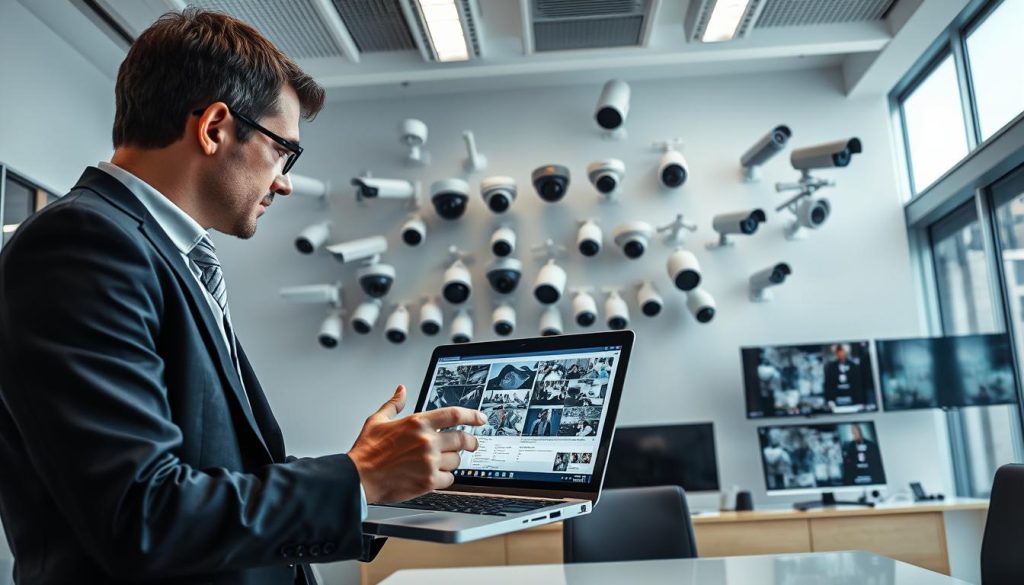
Your property’s security is a top priority. The CCTV cameras watching over it form a critical layer of protection.
Technology evolves rapidly. A surveillance system that worked perfectly a few years ago might now have gaps. It could miss crucial details or fail at the worst moment.
This guide provides a clear, step-by-step approach. It helps you evaluate your current setup and plan for the future. Both homeowners and business managers will find actionable advice here.
Staying ahead of wear, tear, and obsolescence is essential. Proactive assessment prevents vulnerabilities and ensures your peace of mind. In Singapore’s dynamic environment, maintaining a robust security posture is non-negotiable.
Key Takeaways
- Regular evaluation of your CCTV system is vital for maintaining effective security.
- Technological obsolescence and physical wear can create security vulnerabilities over time.
- A proactive upgrade plan prevents unexpected system failures and coverage gaps.
- Both image quality and storage capacity are key factors in a modern surveillance system.
- Upgrading offers benefits like enhanced clarity, smart features, and better compliance.
- Singapore’s high security standards make timely CCTV maintenance especially important.
- This guide will help you make an informed decision about your surveillance investment.
The Critical Role of CCTV in Modern Singaporean Security
Nearly one million CCTV units watch over Singapore’s streets, homes, and businesses. This dense network forms the backbone of both public and private security. It acts as a constant, visible guardian against potential threats.
Visible surveillance is a powerful deterrent. Studies show it significantly reduces incidents like theft and vandalism. The mere presence of cameras discourages criminal activity before it happens.
When incidents occur, recorded footage becomes crucial evidence. It aids police investigations and supports legal proceedings. However, a major issue undermines this value.
Approximately 80% of CCTV footage used in court may be unusable. Poor image quality and blurry details render it ineffective. This statistic highlights a critical gap in many older systems.
Modern technology closes this gap. Today’s CCTV cameras offer high-definition recording. Formats like 1080p and 4K Ultra HD capture clear details, even in low light.
Advancements extend beyond resolution. Key features now include:
- Night vision for reliable 24/7 monitoring.
- Motion detection analytics that trigger alerts.
- Wide dynamic range for clear images in challenging light.
These features transform passive recording into proactive monitoring. Your security system can now alert you to events in real time.
Storage solutions have also evolved. Traditional on-site recorders risk damage or theft. Cloud storage offers a secure, off-site alternative.
It provides virtually unlimited retention and remote access. This ensures your footage is always available and protected.
Integration is another key benefit. Modern CCTV systems can connect with intruder alarms and smart home devices. This creates a comprehensive security ecosystem for your property.
The needs differ between residential and commercial spaces. Homes may prioritize discreet design and smart alerts. Businesses often require wide coverage and detailed analytics for liability.
Singapore’s high security standards demand reliable surveillance. Evolving threats and regulatory requirements make system updates essential. Regular maintenance and timely upgrades ensure your cameras meet today’s needs.
Investing in current technology safeguards your assets and peace of mind. It guarantees that your video quality serves its intended purpose—providing clear, actionable evidence.
Understanding Your CCTV Camera’s Lifespan
Understanding how long your security cameras last is crucial for proactive planning. Every piece of electronic equipment has a natural service period. Knowing this timeline helps you budget for upgrades and avoid unexpected gaps in your property’s protection.
A camera’s useful lifespan is not a fixed number. It varies based on design, environment, and care. This knowledge forms the foundation for smart security management.
Average Lifespan of Commercial vs. Consumer Models
Not all CCTV cameras are built the same. Commercial-grade models are engineered for durability. They often feature robust housings and higher-quality components.
These units typically deliver reliable service for five to ten years. They are designed for continuous operation in demanding settings. Businesses rely on this extended longevity.
Consumer models for homes have a different focus. They prioritize cost-effectiveness and ease of use. Their operational life generally ranges from three to five years.
The difference stems from component quality and intended duty cycles. A commercial system is built for 24/7 monitoring. A residential unit may have less strenuous requirements.
Key Factors That Shorten or Extend Camera Longevity
Several elements directly impact how long your cameras function. Singapore’s tropical climate presents a unique challenge. High humidity and constant heat can significantly accelerate internal wear.
Dust and pollution also settle on lenses and housings. This buildup affects image quality and can cause overheating. Proper installation is another critical factor.
Cameras mounted securely with protected cabling last longer. Units exposed to direct rain or physical vibration fail sooner. The frequency of use also plays a role.
Continuous recording places more stress on electronics than motion-activated modes. Maintenance is your best tool for extending service life. Simple actions make a big difference.
- Regularly clean the camera lens to ensure clear footage.
- Check cable connections for corrosion or damage.
- Ensure the housing is sealed against moisture ingress.
Cameras with moving parts, like PTZ models, require more attention. Their mechanical complexity introduces more potential failure points. Proactive care includes applying firmware updates.
These software patches often improve stability and fix known issues. A stable power supply and adequate storage solutions protect the entire system. Voltage spikes can shorten a camera’s life dramatically.
Understanding these factors allows for better planning. You can schedule professional inspections before problems arise. This proactive approach ensures your surveillance remains effective.
Knowing your equipment’s expected lifespan is the first step. It informs a timely upgrade strategy, keeping your security ahead of potential threats.
Key Factors to Consider Before a CCTV Replacement
A thorough assessment of technology and storage is essential before investing in new security cameras. Replacing a CCTV system is a significant decision. Evaluating these core areas ensures your upgrade addresses real gaps and delivers long-term value.
Two primary concerns often drive the need for change. Outdated hardware struggles with modern features. Limited data capacity risks losing critical evidence. A clear understanding of both leads to a smarter investment.
Technological Obsolescence and Feature Gaps
Older systems frequently miss out on crucial advancements. They lack the resolution and intelligence required for today’s security challenges. This obsolescence creates vulnerabilities in your property protection.
Common feature gaps include poor low-light performance and limited video quality. Many aging cameras cannot provide clear images at night. They also lack remote viewing capabilities and smart analytics.
Night vision and intelligent motion detection are now standard. These tools transform passive recording into active monitoring. Without them, your system is merely documenting events, not preventing them.
Software support is another critical issue. Older hardware often cannot run new software updates. This leaves the system exposed to digital threats and unable to gain new functions.
Comparing traditional analog setups with modern IP-based cctv systems reveals stark differences. IP cameras offer superior image quality, flexibility, and integration potential. Upgrading to them is often a cost-effective move.
The most significant risk of an obsolete system is its inability to meet evolving security standards. It records, but it doesn’t protect.
Evaluating your current performance against today’s benchmarks is vital. Identify gaps in clarity, accessibility, and intelligence. This analysis clearly shows if your cctv is past its useful date.
Storage Limitations and Footage Retention Issues
Data retention is the backbone of any surveillance system. Older DVRs or NVRs often have inadequate storage capacity. This forces frequent overwrites and can lead to permanent footage loss.
Insufficient storage directly compromises evidentiary value. Critical video may be erased before an incident is even discovered. For businesses and homes, this represents a major legal and security risk.
Modern solutions offer a powerful alternative. Cloud storage provides scalable, secure, and off-site retention. It ensures footage is accessible from anywhere and protected from on-site damage.
- Scalable capacity that grows with your needs.
- Enhanced security through encryption and off-site backups.
- Simplified remote access for monitoring and review.
Planning for future needs is also crucial. Consider potential expansion, like adding more cameras. A new cctv system should integrate smoothly with other security platforms.
Addressing storage and technology issues proactively prevents breaches and complications. It turns your surveillance from a reactive archive into a proactive shield. This thorough assessment guides a confident and informed replacement decision.
The benefits of a new cctv setup with ample, modern storage are clear. You gain reliable evidence retention and peace of mind. Upgrading cctv is an investment in lasting protection.
When Should You Replace Your CCTV? Key Signs to Watch For
A CCTV system communicates its declining health through clear, often frustrating, signals. Ignoring these warnings can leave your property exposed. Knowing what to look for allows for a strategic upgrade before a critical failure occurs.
These signs point directly to underlying technology or hardware issues. They affect both homes and businesses. Early recognition is the key to maintaining uninterrupted security.
Deteriorating Image Quality: From Grainy to Unusable
Blurry, pixelated, or flickering images are a primary red flag. This decline in video quality often happens gradually. What was once a clear view becomes a grainy mess.
Such poor footage critically compromises identification. Faces, license plates, and crucial details get lost. The evidentiary value of the recording plummets.
Consider a scenario where a package is stolen from a doorstep. Grainy video may show only a vague figure. Clear, high-resolution footage could reveal identifying features for authorities.
This loss of clarity defeats the core purpose of surveillance. It creates a major gap in your security posture. When cleaning the lens no longer helps, the camera itself is likely failing.
Frequent Operational Failures and System Glitches
Reliability is non-negotiable for security monitoring. Frequent system crashes, cameras going offline, or unexplained recording gaps signal deep trouble. These are not minor inconveniences.
They point to underlying hardware fatigue or obsolete software. Common glitches include delayed live feeds, frozen screens, and inconsistent color. These problems hinder real-time response.
Physical damage accelerates these issues. Cracked housings, corroded connectors, or water ingress from Singapore’s humidity are clear signs. The camera is physically deteriorating.
Older systems also struggle with modern networks. They may fail to connect to new routers or smart home devices. This incompatibility limits their functionality and integration.
Persistent problems, despite repairs, often indicate systemic obsolescence. At this point, continued fixes become a money pit. A full system replacement is usually more cost-effective.
Assessing these signs regularly prevents security lapses. It transforms a reactive stance into a proactive strategy. You gain the opportunity for a planned, budgeted upgrade instead of an emergency replacement.
Recognizing the signals early safeguards your property and peace of mind. It ensures your surveillance investment continues to deliver solid protection.
How Advancing Technology Redefines Surveillance Needs
Today’s advanced surveillance systems process scenes with a level of detail and insight once reserved for science fiction. This rapid evolution fundamentally changes what we expect from our security infrastructure. Older CCTV setups simply cannot meet these new benchmarks.
The core shift is from basic documentation to intelligent, actionable monitoring. Modern technology doesn’t just record events. It analyzes them in real time to prevent incidents.
The Game-Changing Impact of High-Definition and 4K Video
Clarity is the foundation of effective surveillance. The jump from standard definition to high-definition and 4K Ultra HD is monumental. 4K resolution offers over eight million pixels per frame.
This incredible detail capture transforms evidential footage. It allows for the clear identification of license plates from a distance. Facial features and small objects remain distinct, even when zoomed in digitally.
For businesses in Singapore, this means sharper oversight of shop floors and warehouse perimeters. For homes, it provides undeniable proof should an incident occur. The video quality directly supports investigations and insurance claims.
Superior image quality also extends into low-light conditions. Modern sensors work with advanced night vision to deliver usable images after dark. This ensures 24/7 protection isn’t just a promise.
From Passive Recording to Smart, Proactive Monitoring
The true revolution lies in artificial intelligence. Smart cameras with integrated AI perform real-time analytics. They move far beyond simple recording.
These systems can distinguish between a human, a vehicle, and an animal. This motion detection intelligence drastically cuts down false alarms. You get alerts only for relevant activity.
Other smart features include virtual line crossing and object tracking. A camera can send an alert if someone enters a restricted zone. It can also follow a person’s movement across its field of view automatically.
Integration with cloud platforms completes the modern system. Cloud storage offers secure, off-site backup for footage. It also enables remote viewing and management from any smartphone or computer.
- Automatic software updates keep the system protected against new security threats.
- Remote access allows for live monitoring from anywhere, at any time.
- Scalable storage meets growing data needs without hardware swaps.
These advancements collectively redefine surveillance needs. A new CCTV system is no longer just about cameras. It’s an intelligent network designed for prevention.
Leveraging this technology is essential for meeting modern security challenges. To understand how these benefits apply to your specific situation, consider a professional assessment of your current setup.
Proactive Maintenance: Your First Line of Defense
Maximizing the return on your surveillance investment starts with a simple, proactive habit: regular upkeep. A disciplined maintenance regimen is your most powerful tool for preserving system health. It directly extends the operational life of your equipment and ensures reliable performance.
This approach prevents minor issues from escalating into major failures. For homes and businesses in Singapore, it safeguards against unexpected security gaps. Think of it as essential preventative care for your property’s digital eyes.
Essential Checklist for Regular CCTV Camera Care
A simple, consistent checklist forms the backbone of effective camera care. Performing these tasks quarterly for commercial sites and biannually for residences is a smart rule. It catches problems before they impact video quality or cause a total shutdown.
Dust, dirt, and Singapore’s humid air are constant enemies. They coat lenses, blurring images and causing internal overheating. Regular cleaning is a non-negotiable first step.
- Clean lenses and housings: Use a soft, microfiber cloth to gently wipe the exterior dome or housing. For the lens, a specialized lens cleaner ensures clarity without scratches.
- Inspect cables and connections: Check for fraying, corrosion, or loose plugs. Weatherproof cable glands should be intact to block moisture ingress.
- Verify camera angles and fields of view: Ensure foliage or new obstructions haven’t blocked the camera’s sightline. Adjust if necessary.
- Test recording and playback functions: Confirm your system is saving footage correctly. Review a recent clip to check for glitches.
- Review storage capacity: Ensure your storage solution has adequate free space. Full drives can stop recording or overwrite critical evidence too soon.
Using surge protectors or an Uninterruptible Power Supply (UPS) adds another layer of defense. It shields sensitive electronics from damaging power fluctuations common in urban areas.
The Value of Professional Inspections and Software Updates
While DIY checks are vital, a professional technician’s eye is irreplaceable. Scheduled inspections can diagnose hidden issues like early-stage component wear or subtle moisture seepage. These problems often aren’t visible during a casual glance.
A qualified technician doesn’t just look at the camera; they assess the entire ecosystem—power, network stability, and environmental factors—that your security depends on.
This comprehensive evaluation ensures nothing is missed. It transforms reactive fixing into proactive health management for your entire security setup.
Software updates are equally critical. Manufacturers release firmware updates to patch security vulnerabilities and add new features. An outdated system is a vulnerable one, open to digital threats.
These updates can also improve camera stability and analytics performance. Enabling automatic updates, when available, is a best practice. It keeps your technology current without manual intervention.
Neglecting this combined care strategy has clear costs. It leads to more frequent repairs, unexpected system downtime, and increased security risks. The benefits of a routine are undeniable.
A disciplined maintenance plan is a cost-effective strategy. It optimizes performance and can significantly delay the need for a full system replacement. Your vigilance today guarantees clearer footage and stronger protection for years to come.
The Tangible Benefits of Upgrading Your CCTV System
The decision to upgrade your CCTV unlocks a suite of powerful advantages that outdated technology simply cannot match. Moving to a modern surveillance system delivers immediate, measurable returns on your security investment. These benefits extend far beyond just having newer hardware.
They transform how you protect your property, manage operations, and achieve peace of mind. For both Singaporean homes and businesses, the value is clear and concrete.
Enhanced Clarity and Evidentiary Value of Footage
Superior image quality is the most immediate benefit of a new CCTV system. Modern cameras capture footage in high-definition or 4K Ultra HD resolution. This level of detail is a game-changer for identification and evidence.
Faces, license plates, and small objects remain crisp, even when zoomed in digitally. This clarity is crucial for investigations and insurance claims. Blurry, grainy video from older systems often fails to provide usable proof.
Advanced sensors also deliver excellent video quality in low-light conditions. Enhanced night vision ensures your property is monitored clearly, 24 hours a day. Dark corners and shadowy areas no longer hide potential threats.
High-resolution footage doesn’t just record an event; it tells the definitive story. It turns a suspicion into a fact for authorities and insurers.
The evidentiary value of this clear footage cannot be overstated. It strengthens legal proceedings and speeds up resolutions. This alone justifies the investment in upgrading CCTV technology.
Advanced Features for Smarter, More Efficient Security
Today’s surveillance technology is intelligent. It moves from passive recording to proactive monitoring. AI-driven analytics form the core of this shift.
These smart features include precise motion detection, facial recognition, and license plate capture. Cameras can distinguish between a person, a vehicle, and a stray animal. This drastically reduces false alarms and sends alerts only for relevant activity.
Remote access is another major benefit. You can view live feeds and review footage from any smartphone or tablet. Real-time oversight is possible from anywhere, at any time.
- Cloud storage solutions eliminate physical storage limits. They offer secure, off-site backup that protects footage from on-site damage or theft.
- Seamless integration with other security devices creates a unified ecosystem. Your cameras can work with alarms, smart lights, and access control systems.
- Newer systems are more energy-efficient and come with longer warranties. This reduces long-term costs and the frequency of repairs.
The visible presence of advanced technology also acts as a stronger crime deterrent. Potential intruders recognize modern, high-resolution cameras. They know the likelihood of being clearly identified is much higher.
These features collectively address common issues like blind spots, storage shortages, and poor night performance. Investing in an upgrade yields significant returns in security, efficiency, and peace of mind for years to come.
Unmistakable Signs Your CCTV Cameras Are Begging for Replacement
Beyond blurry images, the most telling signs of a failing system are physical and digital incompatibility. Your security cameras communicate their decline through visible wear and an inability to connect. Recognizing these signals is crucial for maintaining robust property protection.
Ignoring these warnings leads to blind spots and vulnerabilities. Both homes and businesses face increased risk. A proactive evaluation of hardware condition and network integration prevents critical failures.
Physical Deterioration and Environmental Damage
The tropical climate in Singapore accelerates wear on outdoor security equipment. Constant heat, high humidity, and heavy rain take a relentless toll. This environmental stress manifests in specific, visible ways.
Look for cracks in the camera housing or a permanently fogged lens. Corrosion on mounts and connectors is another red flag. Frayed or degraded cables expose wiring to the elements.
These are not just cosmetic issues. They directly cause intermittent failures and total breakdowns. Moisture ingress can short-circuit internal electronics overnight.
Lens fogging destroys image quality, rendering footage useless. Rusted mounts may cause a camera to sag, creating an unintended blind spot. Each physical flaw represents a direct breach in your surveillance coverage.
Regular maintenance can slow this decay, but it cannot reverse it. Once the housing is compromised, the camera’s internal components are under constant attack. At this point, the unit is living on borrowed time.
Incompatibility with Modern Networks and Accessories
Technological obsolescence creates a different kind of failure. Older CCTV cameras often cannot communicate with contemporary networks. They may lack support for modern Wi-Fi encryption protocols or current IP addressing standards.
This incompatibility prevents integration with new accessories. Advanced Network Video Recorders (NVRs) or video management software might not recognize the old hardware. Connecting to smart home hubs becomes impossible.
The result is a fragmented, clumsy security setup. You might need a tangle of adapters and workarounds just to keep the system running. Cameras that constantly drop from the network or fail to stream reliably are clear candidates for replacement.
Maintaining obsolete technology often costs more than upgrading it. The hunt for proprietary parts or discontinued software becomes a frustrating money pit.
Outdated systems also pose a serious cybersecurity risk. They frequently run on unsupported software with unpatched vulnerabilities. This exposes your entire network to digital threats.
You miss out on critical features like automatic updates, remote access, and intelligent analytics. Your security posture remains static while technology advances. This gap leaves your property exposed.
If repairs become more frequent than routine maintenance, replacement is economically justified. Recognizing these unmistakable signs—both physical and digital—prompts timely action. It restores complete, reliable coverage and ensures your investment delivers the protection you need.
Planning the Optimal Replacement Timeline in Singapore
In Singapore, a well-crafted timeline for surveillance updates accounts for unique local conditions. Strategic planning transforms a necessary upgrade into a seamless project. It balances security needs with practical realities.
A proactive approach prevents unexpected gaps in coverage. It also aligns your investment with technology refresh cycles. This method saves money and reduces stress for homes and businesses.
Aligning Upgrades with Local Regulations and Climatic Factors
Singapore’s specific rules and weather directly impact installation scheduling. The Personal Data Protection Act (PDPA) governs how footage is collected and used. Compliance is mandatory for all systems.
HDB estates have additional guidelines for corridor-facing cameras. These rules protect neighbor privacy and may influence camera placement. Checking current regulations before any upgrade is essential.
The tropical climate presents another key factor. The monsoon season brings heavy rain and high humidity. Scheduling installations during drier periods avoids weather-related delays.
It also ensures proper sealing and setup from day one. This protects your new equipment from immediate environmental stress.

Scheduling Replacements to Minimize Security Downtime
Minimizing downtime is critical for continuous property protection. Plan the system refresh during low-activity periods. Public holidays or weekends are often ideal for many businesses.
A phased upgrade strategy maintains coverage. Replace critical cameras first before moving to secondary units. This keeps your core security operational throughout the process.
A planned timeline is not a luxury; it’s a core component of risk management. It turns a potential vulnerability into a controlled transition.
Conduct regular assessments every four to five years. This habit helps you anticipate needs before failures occur. You gain time for budgeting and researching new models.
Key steps for an effective timeline include:
- Review your current system’s age and performance issues.
- Coordinate with professional installers well in advance.
- Align the project date with favorable weather forecasts.
- Budget for the investment to avoid financial surprises.
Delaying a necessary refresh invites emergency costs and security gaps. A well-planned schedule ensures a smooth transition. It guarantees your property remains protected every step of the way.
Future-Proofing Your Investment: What to Look for in a New System
A new CCTV investment must withstand rapid technological evolution and Singapore’s unique environment. Choosing the right equipment today prevents obsolescence tomorrow. This selection process focuses on core features and data management strategies.
Your goal is a system that serves your property reliably for years. It should adapt to changing security needs without constant reinvestment. Smart planning now delivers lasting protection and value.
Essential Features for Singaporean Homes and Businesses
Singapore’s tropical climate demands rugged hardware. Look for cameras with an IP67 rating or higher. This ensures resistance against heavy rain and dust ingress.
Vandal-resistant housing is another critical feature. It deters tampering in both public and private spaces. The physical build quality directly impacts longevity.
Image quality remains paramount. Prioritize cameras with 4K resolution and Wide Dynamic Range (WDR). These technologies capture clear details in bright sunlight and deep shadow.
Advanced night vision is non-negotiable for 24/7 monitoring. Infrared LEDs or starlight sensors provide usable footage in low light. They turn night into an active part of your security schedule.
Intelligent analytics transform basic recording. AI-powered features can distinguish people from vehicles. They enable precise motion alerts and reduce false alarms significantly.
Integration capability is a key future-proofing element. Choose systems with open standards or API access. This allows connection to smart doorbells, alarms, and lighting controls.
Usability features enhance daily operation. Motion-activated recording saves storage space. Two-way audio and mobile push alerts keep you informed in real time.
Property types have distinct needs. Homes often benefit from discreet, compact designs. Businesses may require panoramic views and detailed analytics for liability.
Future-proofing isn’t about buying the most expensive camera. It’s about selecting a platform that can grow and integrate as your security ecosystem evolves.
Choosing Between Cloud Storage and On-Premise Solutions
Data retention strategy is a cornerstone decision. Cloud storage and local on-premise recorders each offer distinct benefits. Your choice depends on control, scalability, and budget.
Cloud storage solutions provide off-site backup and remote access. Footage is encrypted and stored on secure servers. This protects evidence from on-site damage or theft.
Scalability is a major advantage. You can increase storage capacity instantly, without new hardware. Subscription models turn a capital expense into an operational one.
On-premise solutions, like Network Video Recorders (NVRs), keep full data control on-site. There are no ongoing subscription fees. This can lower long-term costs for some installations.
Local storage avoids internet dependency for recording. It also addresses specific data sovereignty concerns. The initial hardware investment, however, can be significant.
- Cloud Pros: Remote accessibility, automatic software updates, disaster recovery, easy scalability.
- Cloud Cons: Recurring fees, reliance on internet bandwidth, potential data privacy considerations.
- On-Premise Pros: Full data control, no monthly costs, consistent performance without internet.
- On-Premise Cons: Upfront hardware cost, physical vulnerability, limited remote access, manual updates.
Consider the total cost of ownership. Include potential subscription fees, maintenance contracts, and expansion needs. A hybrid approach sometimes offers the best balance.
Warranties and support policies are vital. Reputable brands offer extended coverage and reliable technical assistance. Regular firmware updates are essential for patching security vulnerabilities.
Look ahead to emerging technology. Support for 5G connectivity or edge computing are examples of forward-thinking features. They ensure your system remains relevant.
Informed selection balances immediate needs with future adaptability. The right combination of durable cameras, intelligent features, and flexible storage creates a resilient security asset. This approach safeguards your property efficiently for the long term.
Taking the Next Step Toward Uncompromised Security
The journey toward robust property protection culminates in informed action and expert partnership. Recognizing signs of deterioration and technological gaps is crucial for proactive management.
Modern systems deliver enhanced image quality, smart analytics, and reliable cloud storage. These benefits address Singapore’s unique security landscape and compliance needs.
Planning an upgrade with a professional ensures your solution meets specific needs. For a tailored security assessment, contact experts at +65 60135960.
Acting today prevents risks from outdated cameras. Regular maintenance extends your investment’s lifespan. Achieve uncompromised security and lasting peace of mind.