
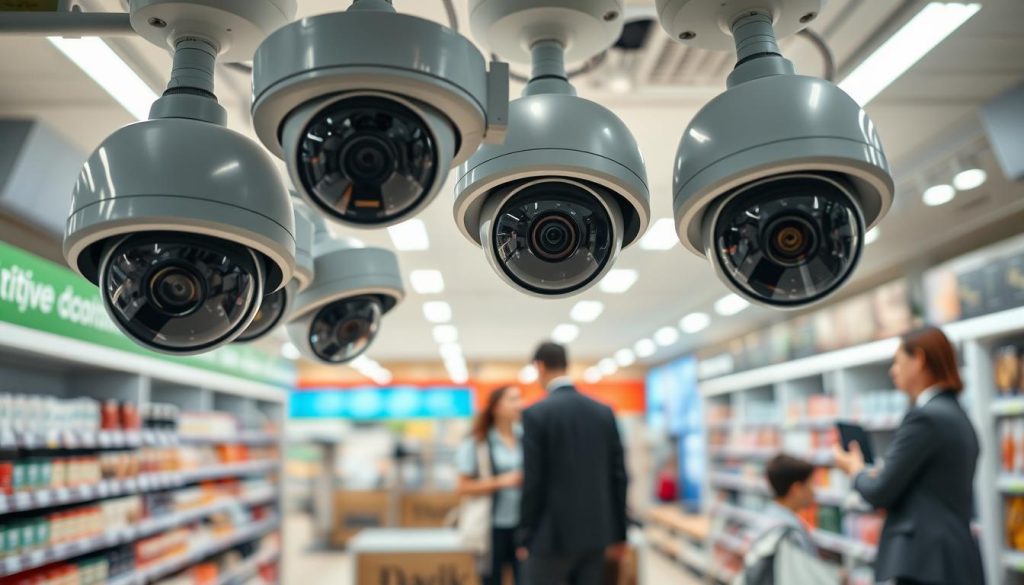
Protecting your business is more critical than ever. In today’s retail environment, a robust security setup is not just an option—it’s a necessity. This is especially true in Singapore, where safety standards are high and customer trust is paramount.
The financial impact of theft and shrinkage is staggering. Globally, stores lose about $46 billion each year to these issues. Locally, Singapore’s focus on security is evident with nearly one million surveillance cameras in operation.
Modern protection technology has evolved far beyond basic recording. Today’s solutions offer high-definition video, clear night vision, and intelligent analytics. These advanced features make monitoring more effective and proactive.
This comprehensive guide will help business owners navigate their options. We’ll cover everything from camera types and essential features to proper installation practices. You’ll learn how to choose a system that meets your specific needs.
Effective surveillance serves multiple purposes beyond theft prevention. It enhances employee safety, provides crucial evidence for liability cases, and can even improve operational efficiency. Understanding these benefits helps maximize your investment.
Key Takeaways
- Modern security systems are essential for loss prevention and business protection in retail environments.
- Global retail theft causes approximately $46 billion in losses annually, highlighting the need for proactive measures.
- Today’s surveillance technology includes high-definition video, night vision capabilities, and AI-powered analytics.
- A well-chosen camera system serves multiple functions beyond theft prevention, including safety enhancement and operational improvement.
- Singapore’s security landscape features high surveillance adoption with specific legal considerations like the PDPA.
- This guide will help you select, install, and maintain an effective protection solution for your business.
- Understanding camera types, features, and installation best practices is crucial for optimal coverage and performance.
1. Introduction: Why Retail Security in Singapore Demands More Than Locks
Traditional locks and shutters provide a basic barrier. They fall short the moment a shop opens its doors to the public.
Merchandise sits openly on shelves. This accessibility is the core of the retail model, but it creates a unique vulnerability. Once primary perimeter defenses are open, inventory loss becomes a very real possibility.
Singapore’s approach to protection has evolved. The paradigm has shifted from passive physical barriers to active, intelligent monitoring.
Modern solutions are now standard. In fact, about 78% of retail stores in Singapore use some form of surveillance technology.
The visible presence of these devices acts as a powerful psychological deterrent. Studies suggest about half of would-be thieves decide not to target places with visible cameras.
This deterrent effect is a primary benefit. A robust security system functions like a 24/7 vigilant guard that never sleeps.
- It provides constant coverage of all retail spaces.
- It helps prevent incidents before they occur.
- It creates a safer environment for staff and customers.
Investing in this technology is not merely an expense. It is a critical component of risk management and loss prevention for business owners.
Understanding this foundation is key. The following sections will explore the specific benefits, camera types, and essential features that make a modern security system effective.
2. Understanding the Retail Theft Landscape in Singapore
The financial health of a shop in Singapore is constantly tested by an unseen drain: inventory shrinkage. This loss represents a direct hit to a business’s bottom line. Knowing where and how it happens is the first step toward effective prevention.
The High Cost of Shrinkage for Local Businesses
Shrinkage is not a minor issue. In Singapore, it accounts for roughly 1.5% of total retail sales. This translates to an estimated SGD 1 billion lost annually across the industry.
This loss comes from several sources. Shoplifting by customers is a major component. Employee theft, vendor fraud, and simple administrative errors also contribute significantly.
Modern surveillance solutions are a powerful countermeasure. Studies indicate visible security cameras can reduce shoplifting incidents by up to 30%. Furthermore, over 80% of local businesses report their CCTV systems have been crucial in managing loss.
High-Risk Zones Inside Your Store
Not all areas of a shop are equally vulnerable. Thieves, both internal and external, target specific spots. Prioritizing coverage in these zones maximizes a security system’s effectiveness.
The primary high-risk locations include:
- Entrances and Exits: These are choke points where people enter and leave. Monitoring them helps track traffic and identify suspicious behavior.
- Point-of-Sale Counters: Cash registers are hotspots for transactional errors and potential internal issues. A clear view deters misconduct.
- Aisles with High-Value Goods: Expensive electronics, cosmetics, or apparel need extra attention. Cameras here act as a direct deterrent.
- Stock Rooms and Storage Areas: These secluded spots are prone to internal theft. Surveillance ensures accountability for inventory.
Strategic camera placement does more than just record. It creates a psychological barrier. A potential thief seeing a lens focused on a premium aisle thinks twice. Honest customers feel safer knowing the business is monitored.
When an incident occurs, footage from these critical areas is invaluable. It provides clear evidence for prosecution or internal resolution. Businesses using intelligent security cameras report resolving theft cases approximately 20% faster. This speed protects assets and saves management time.
Understanding this landscape allows owners to build a targeted defense. It turns a generic video system into a smart tool for loss prevention.
3. The Multifaceted Benefits of a Retail CCTV Security System
Beyond the obvious role in crime prevention, today’s intelligent video systems serve as powerful tools for financial control, risk management, and staff welfare. A professional setup delivers a layered return on investment.
It protects assets while fostering a secure and efficient operational environment. Understanding these diverse advantages helps business owners justify and maximize their security spend.
Primary Deterrent: Preventing Crime Before It Happens
The most powerful impact of a monitoring system is often psychological. Visible cameras influence a potential offender’s decision-making process.
They create a perception of certain detection. A person considering misconduct must weigh the risk of being recorded against the potential gain.
This visible presence acts as a powerful psychological barrier. Studies consistently show a 30% to 50% reduction in criminal incidents where surveillance is prominently installed.
It transforms a business space from a passive target into an actively monitored zone. This proactive layer of defense stops problems before they start.
Financial Protection: Reducing Theft and Shrinkage
The direct financial benefits are clear and measurable. A robust video solution directly attacks the root causes of inventory shrinkage.
For external threats, data indicates these systems can cut shoplifting losses by approximately 40%. The mere sight of a lens pointed at high-value aisles makes theft far less appealing.
Internal risks are also significantly reduced. Employee theft can drop by up to 50% when people know their actions are recorded.
This accountability extends to vendor deliveries and point-of-sale accuracy. Every transaction and stock movement can be verified.
The result is a stronger, healthier bottom line. Protecting profit margins through loss prevention is a direct contributor to business sustainability.
Safety and Liability: Protecting Staff and Resolving Disputes
High-definition video provides objective, indisputable evidence. This is crucial for resolving customer disputes, slip-and-fall claims, or false liability allegations.
Clear footage can exonerate a business from fraudulent lawsuits in minutes. It protects against costly litigation and preserves a company’s reputation.
A monitored environment also contributes to employee peace of mind. Staff feel safer knowing there is a record of events.
This sense of workplace safety can lead to a 20% increase in productivity. People focus better on their tasks when security concerns are minimized.
Indirect financial benefits often follow. Insurance providers may offer reduced premiums for premises with professional security systems installed.
The advantages extend beyond pure security. They foster a trustworthy shopping atmosphere that enhances customer loyalty and encourages repeat business.
This builds a positive cycle where safety supports commerce, and protection enables growth.
4. Types of CCTV Cameras for Comprehensive Store Coverage
No single camera model can address all security challenges. A layered approach using multiple types is essential.
Different zones demand different solutions. A loading bay needs a different lens than a cashier counter. Matching the right technology to each area ensures optimal monitoring.
Modern manufacturers offer a wide array of designs. Each serves a specific purpose in a complete visual protection plan.
Bullet Cameras: For Long-Range Outdoor Monitoring
These units have a cylindrical, long-bodied design. They are typically mounted on walls or ceilings under eaves.
Their primary strength is long-distance viewing. They excel at monitoring storefronts, parking lots, and loading bays from a distance.
High-definition detail and AI-driven analytics are common features. This allows for clear identification of license plates or individuals far away.
Their visible, purposeful shape acts as a strong deterrent. They signal that the perimeter is under watch.
Dome and Turret Cameras: For Discreet Indoor Surveillance
These devices are designed for interior spaces. Their low-profile, compact form blends into ceilings.
Dome models are often enclosed in a tinted housing. This makes it hard for people to tell which way the lens is pointing.
This discreet profile reduces tampering. It also provides 360-degree coverage potential for wide shop floors.
Turret cameras offer similar benefits with a ball-and-socket design. Both types provide high-resolution imaging for indoor areas.
They are ideal for monitoring aisles, stock rooms, and point-of-sale counters without being obtrusive.
PTZ and Panoramic Cameras: For Dynamic, Wide-Area Viewing
Pan-Tilt-Zoom (PTZ) units offer unmatched operational flexibility. Security personnel can control them remotely in real-time.
They can pan left and right, tilt up and down, and zoom in on details. This allows active tracking of suspicious activity across large, dynamic areas.
Panoramic cameras provide an extremely wide field of view. They capture a broad scene without mechanical movement.
Both options are perfect for warehouses or large retail spaces. They reduce the number of devices needed for coverage.
Leading brands like Pelco offer advanced PTZ models with powerful analytics.
Specialty Cameras: Fisheye, Multi-Sensor, and Body-Worn Options
Advanced technology creates new possibilities. Specialty devices solve unique coverage problems.
Fisheye lenses achieve complete 360-degree coverage of an entire room with one camera. They eliminate blind spots effectively.
Multi-sensor cameras use two or more imaging sensors. They stitch together highly detailed, wide-angle images.
Body-worn cameras are a growing trend. These small, wearable devices are used by staff.
They enhance personal safety and provide a first-person perspective during customer interactions. This footage can be crucial for resolving disputes.
Creating a layered security approach is key. Strategically mixing different camera types addresses unique coverage needs.
Use bullet cameras for outdoor perimeters. Employ dome cameras for general indoor oversight.
Integrate a PTZ unit to cover a large sales floor. Place a fisheye camera in a central stock room.
This combination ensures every zone, from the entrance to the back office, has the right level of monitoring. Companies like Avigilon provide ecosystems that support this integrated approach.
The result is a robust, intelligent system tailored to your business’s specific operational landscape.
5. Key Features to Look for in Modern Retail Security Cameras
A powerful monitoring solution is defined by its ability to see clearly, think intelligently, and connect seamlessly. The right features transform a passive recording device into an active prevention tool.
Understanding these technological advancements is crucial for any business owner. They ensure your investment delivers maximum protection and operational insight.
High-Definition Resolution and Night Vision Capability
Image clarity is non-negotiable. High-definition video, specifically 4K or 1080p resolution, captures crisp facial details and small objects.
This level of detail is vital for identifying individuals or reviewing transactional evidence. Blurry footage is often useless for investigations.
True 24/7 surveillance requires excellent low-light performance. Infrared (IR) night vision or advanced low-light technology maintains clear viewing after dark.
It allows your security cameras to operate effectively without constant ambient lighting. This ensures coverage never falters.
Intelligent Motion Detection and AI-Powered Analytics
Basic motion sensors trigger alerts for every passing shadow. Intelligent, AI-based detection changes the game.
These systems learn to distinguish between routine activity and genuine threats. They can filter out false alarms from staff movement or changing light.
Advanced analytics enable features like unusual activity detection (UAD). The camera can alert you only when specific, suspicious behavior occurs.
This turns your security camera system into a proactive sentry. It focuses human attention where it’s needed most.
Remote Access, Mobile Alerts, and Cloud Management
Modern protection is mobile. Remote access via smartphone apps allows managers to view live feeds from anywhere.
Instant mobile alerts notify you of triggered events in real-time. This connectivity puts control directly in your pocket.
Cloud-based video management offers significant operational advantages. It reduces the need for on-site servers and provides scalable storage.
Streamlined remote access and easier footage retrieval are key benefits. This technology simplifies managing your entire setup.
Integration Capabilities and ONVIF Compliance
A cohesive security ecosystem often uses hardware from different brands. ONVIF compliance is the industry standard that makes this possible.
It ensures cameras, recorders, and software from various manufacturers can work together seamlessly. This protects your investment and provides more options.
Strong integration capabilities future-proof your setup. They allow you to add new solutions or upgrade components without replacing the entire system.
This flexibility is essential for growing businesses. It ensures your coverage can evolve with your needs.
Together, these features create an intelligent tool for loss prevention and business intelligence. They move beyond simple recording to deliver actionable insights and peace of mind.
6. How to Choose the Right CCTV for Retail Store Security
Selecting the optimal surveillance setup requires a methodical evaluation of your physical space and operational risks. The goal is to match technology to your unique environment. This ensures every dollar spent enhances protection and provides peace of mind.
A tailored approach is far more effective than a generic one-size-fits-all package. Your solution must address specific vulnerabilities while supporting daily operations.
Assessing Your Store Layout and Specific Risk Areas
Begin with a thorough walkthrough of your premises. Map every entrance, exit, and internal pathway. Identify zones where high-value merchandise is displayed.
Cash handling points and secluded stock rooms are critical. These areas are prime targets for loss. The objective is to eliminate blind spots where activity can go unobserved.
This site survey forms the blueprint for your camera placement. It dictates how many devices you need and what types will work best. A detailed plan prevents costly gaps in your visual coverage.
Wired vs. Wireless Systems: Weighing Reliability and Flexibility
The core infrastructure decision lies between wired and wireless setups. Each offers distinct advantages for different business sizes.
Wired Power-over-Ethernet (PoE) systems deliver superior reliability. They provide stable power and high-bandwidth data through a single cable. This results in consistent, high-quality video feeds without signal interference.
Installation is more involved but offers a permanent, secure foundation. It is the preferred choice for larger establishments or new constructions.
Wireless (Wi-Fi) solutions offer easier setup and greater flexibility. They are ideal for smaller shops or leased spaces where running cables is difficult.
Potential drawbacks include signal stability issues in crowded radio environments. Battery maintenance for wireless units is also a consideration. Evaluate your location’s network congestion before choosing this path.
Planning for Scalability and Future Expansion
Your security investment should grow with your business. A scalable design allows you to add more cameras seamlessly. Look for solutions that support easy integration with other components.
Future upgrades might include access control systems or advanced analytics software. Choosing an ONVIF-compliant ecosystem from reputable brands like Axis or Honeywell ensures compatibility.
Do not overlook your network’s backbone. A multi-camera IP system demands adequate bandwidth, especially for remote viewing. Ensure your router and internet plan can handle the data load.
Consider the total cost of ownership beyond the initial price tag. Factor in professional installation, ongoing maintenance, and potential cloud storage fees. Investing in quality hardware from trusted manufacturers often leads to lower long-term costs and fewer failures.
The right protection is one designed for your specific risk profile and workflow. For a comprehensive setup tailored to Singapore’s commercial landscape, explore professional retail security systems. A well-chosen system is a strategic asset that safeguards your premises and supports your operational goals.
7. Professional Installation: Ensuring Optimal Camera Placement and Performance
A professional installation is the critical bridge between purchasing advanced equipment and achieving reliable, day-to-day protection. The best hardware can underperform if not deployed correctly. Expert setup maximizes your investment and turns individual components into a cohesive, intelligent network.
This process involves meticulous planning and technical execution. It ensures every device works in harmony to protect your premises.
Eliminating Blind Spots and Ensuring Full Coverage
A certified installer begins with a comprehensive site survey. They analyze the entire layout to identify critical blind spots. These are zones where activity can go unobserved.
High-risk locations receive priority. These include points-of-sale, stock rooms, and entrances. The goal is to create overlapping fields of view.
This strategic placement eliminates gaps in visual monitoring. It ensures the system captures all necessary activity. A proper coverage analysis is the foundation of an effective defense.
Technical Considerations: Storage, Connectivity, and Lighting
Several technical factors determine long-term performance. Professional installers address each one during setup.
Calculating Storage Needs: Your recording history depends on storage capacity. Installers calculate this based on camera resolution, frame rate, and your required retention period. Advanced compression technology helps optimize space without sacrificing video quality.
Assessing Network Infrastructure: Multiple high-resolution IP cameras generate significant data. The installer evaluates your on-site network. They check switches and routers to ensure they can handle the load.
Upgrades may be recommended for stable remote viewing and data flow. A robust network backbone prevents lag or loss of footage.
Executing Proper Physical Installation: For wired systems, neat cable management is vital. It prevents damage and maintains a professional appearance. Installers determine optimal mounting heights and angles for clear identification.
They also protect devices from environmental factors like dust or moisture. This physical security extends the lifespan of your equipment.
Managing Challenging Lighting: Glare from windows or dark corners can ruin video evidence. Professionals select cameras with features like Wide Dynamic Range (WDR). WDR balances bright and dark areas in a single frame.
In very low-light areas, they may suggest supplemental lighting. This ensures the camera always captures usable footage.
Configuring for Performance and Security: Final setup involves software configuration. Installers optimize settings for motion detection sensitivity and recording schedules. They establish secure user access protocols and passwords.
This step is crucial for cybersecurity, preventing unauthorized access to your monitoring network. A correctly configured system is both powerful and protected.
Professional installation guarantees your security solution works as intended from day one. It directly impacts the evidential quality of recordings and the system’s long-term reliability. This careful setup is the key to a strong return on your protection investment.
8. Compliance and Legal Considerations for CCTV in Singapore
Singapore’s strict data privacy regulations mandate clear protocols for collecting, storing, and using video footage. A robust monitoring setup must operate within a defined legal framework.
Understanding these rules protects your enterprise from significant penalties. It also builds trust with the public and your staff.
Compliance is not just about avoiding fines. It is a cornerstone of responsible and ethical operations.
Navigating the Personal Data Protection Act (PDPA)
The Personal Data Protection Act (PDPA) governs how organizations handle personal data. This includes images and video of identifiable individuals captured by your cameras.
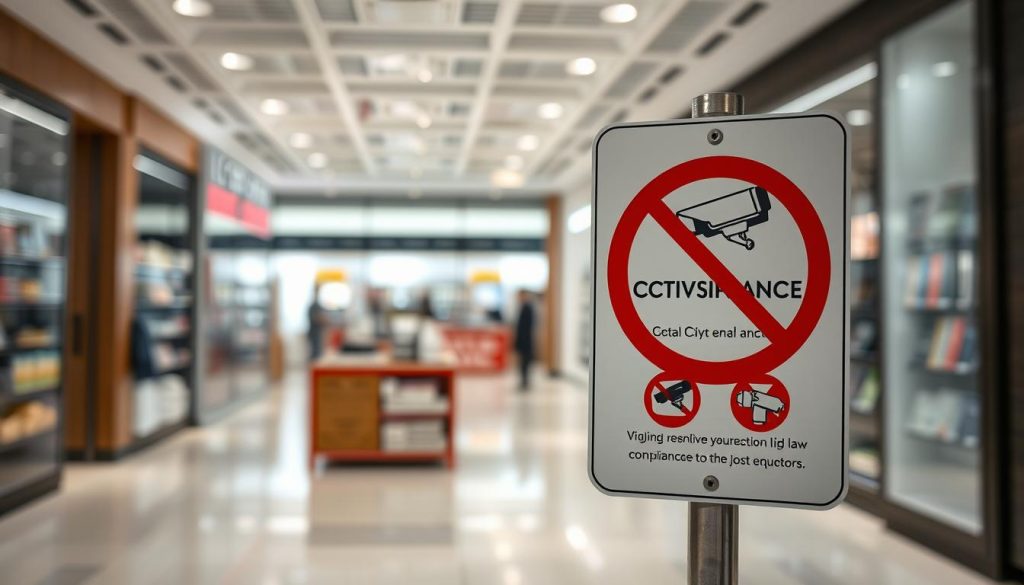
Core obligations for business owners are clear. You must notify people that recording is taking place. This is typically done with visible signage.
You must also limit collection to what is necessary for your stated purpose, like security and loss prevention. Furthermore, individuals have a right to request access to footage of themselves.
You can refuse access only in specific circumstances, such as when it might compromise an investigation. Non-compliance carries serious consequences.
Organizations can face financial penalties of up to $1 million. Damage to brand reputation can be even more costly.
Legal Footage Retention Periods and Signage Requirements
There is no single national law dictating exactly how long to keep recordings. Best practices and industry standards provide clear guidance.
Retention periods should align with your operational needs and risk profile.
- Small Businesses & Shops: A minimum of two weeks is common. This allows time to review incidents from the previous payroll cycle or stock take.
- General Commercial Entities: Thirty days is a widely adopted standard. It balances usefulness with storage costs.
- High-Security Areas (e.g., cash rooms): Retention of 30 to 90 days, or more, may be advisable.
Clear, visible signage is a non-negotiable part of PDPA compliance. Signs should be placed at all customer entrances and within the monitored space.
They inform everyone that surveillance is active. This transparency fulfills your notification duty and enhances the deterrent effect.
Securing stored footage is another critical component. Implement strong access controls and cybersecurity measures for your systems.
This prevents unauthorized viewing or tampering. It protects the privacy of the individuals recorded.
There will be times when authorities request video evidence. Have a clear procedure for lawfully providing this data.
Provide only the specific clips needed for the investigation. Ensure you redact or protect the identities of unrelated parties where possible.
Viewing legal adherence as a framework for trust is powerful. It demonstrates to your customers and employees that you operate with integrity.
A compliant system is a credible one. It turns your security investment into a signal of professional responsibility.
9. Leveraging AI and Video Analytics for Enhanced Monitoring
Modern surveillance is no longer just about capturing events. It’s about understanding them as they unfold.
Artificial Intelligence (AI) video analytics is the software brain behind this shift. It automatically scans live video streams to identify specific objects, behaviors, or patterns.
This moves your protection setup from a passive recorder to an active guardian. It provides a powerful new layer of intelligence for any premises.
From Recording to Real-Time Detection: How AI Transforms Surveillance
Traditional systems record everything, leaving staff to review hours of footage after an incident. AI-driven monitoring flips this model.
The technology proactively alerts your team to potential issues as they happen. It intelligently filters out false alarms from routine activity.
This means a passing shadow or staff movement won’t trigger an alert. The system learns what normal looks like in your specific environment.
It only notifies you when genuine suspicious behavior is detected. This real-time intelligence allows for immediate intervention.
It dramatically increases the efficiency of your security operations. Staff are freed from constantly watching video walls.
They can focus on customer service and other critical tasks. Your cameras become a force multiplier for your team.
Applications: Unusual Activity Detection, People Counting, and Heat Mapping
The practical uses of AI analytics are vast. They extend far beyond basic theft prevention into operational insights.
Unusual Activity Detection (UAD) is a key feature. It can identify loitering, erratic movement, or objects left unattended.
The system sends an instant alert if someone lingers too long in a sensitive area. This allows for a proactive response.
People Counting provides valuable data. It tracks the number of individuals entering and exiting in real-time.
This helps manage occupancy limits for safety. It also offers marketing insights into peak hours and conversion rates.
Heat Mapping visualizes customer traffic flow. It shows which aisles or product displays attract the most attention.
This information is gold for merchandising and layout planning. It helps optimize the shopping experience and boost sales.
Where legally permissible and with full transparency, AI-powered facial recognition can enhance service. It can help identify known shoplifters or welcome VIP customers.
This must always be implemented with strict adherence to Singapore’s PDPA. Clear signage and a defined purpose are mandatory.
These tools transform your visual monitoring from a simple cost center. They turn it into a strategic asset for both security and business intelligence.
Investing in smart analytics future-proofs your setup. It ensures your technology grows smarter alongside your needs.
For a retail environment, these solutions offer a clear competitive edge. They protect assets while unlocking valuable operational data.
When exploring advanced CCTV systems, prioritize those with robust AI video analytics. The right camera and detection features create a safer, smarter store.
10. The Active Role of Video Surveillance in Retail Theft Prevention
The true power of a modern video monitoring system lies not in its storage capacity, but in its ability to actively prevent loss. In Singapore, where shops face an estimated SGD 1 billion in annual losses, this shift from passive recording to active strategy is critical.
About 85% of local businesses encounter theft yearly. A dynamic surveillance approach turns this challenge into a manageable part of operations.
It transforms visual data into actionable intelligence. This protects revenue and builds a foundation of safety.
Beyond Recording: Using CCTV as an Operational Tool
Live monitoring feeds empower floor managers to act in real-time. They can discreetly observe suspicious behavior from a central location.
Staff can then be dispatched to provide customer service or intervene before a theft occurs. This proactive posture stops incidents before they impact the bottom line.
Reviewing archived footage is equally strategic. It helps identify recurring theft patterns and repeat offenders.
Managers can spot procedural weaknesses in high-risk zones. This intelligence directly informs staff training programs, closing security gaps.
These systems also protect revenue at self-checkout kiosks. They resolve “friendly fraud” disputes by providing clear evidence of scanned items.
High-definition video evidence is often the definitive factor in settling these claims, protecting the shop’s income.
Building Customer Confidence with a Visible Security Presence
A visible security presence does more than deter criminals. It assures honest shoppers of their personal safety.
Studies show that 70% of customers feel more secure when they see cameras. This perception directly enhances their shopping experience.
People are likely to spend more time in an environment they perceive as safe. This increased dwell time often leads to higher basket sizes.
Customer loyalty grows when patrons associate a business with security and professionalism. They are more willing to return to a location where they feel protected.
This creates a virtuous cycle. A secure space attracts more visitors and encourages longer, more relaxed shopping.
An effective visual monitoring setup is a profit-protecting asset. It actively reduces shrinkage while fostering a commercial space where commerce can thrive.
For a comprehensive solution tailored to Singapore’s landscape, explore professional retail security systems. The right technology doesn’t just watch your business—it actively works to grow and protect it.
11. Maintaining Your Retail CCTV System for Long-Term Reliability
Ensuring continuous coverage means treating your visual protection hardware as a critical asset needing regular service. In Singapore, about 93% of retailers utilize these monitoring solutions. A disciplined maintenance plan prevents technical failures and sustains performance.
Businesses that perform consistent checks report a 50% drop in security risks. Proactive upkeep can also save up to 25% on emergency repair costs. This routine care protects your initial investment and guarantees operational readiness.
Routine Checks and Professional Servicing Schedules
Establish a simple schedule for daily or weekly end-user inspections. Staff should verify camera angles remain unobstructed by new displays or signage. They must also confirm recording is active and test remote access via mobile apps.
These quick checks take minutes but catch common issues early. They ensure your monitoring network remains fully functional between professional visits.
Schedule deeper, technical servicing annually or bi-annually. Certified technicians perform tasks beyond basic user checks. They clean internal dust from housings and check cable integrity for wear.
Professionals also test power supplies and network connections. This thorough cleaning and calibration directly improves video quality and clarity. It prevents small problems from escalating into total failures.
Software Updates and System Health Monitoring
Regularly applying firmware and software updates is non-negotiable. Manufacturers release these patches to fix security vulnerabilities and add new features. An outdated system is a vulnerable one, open to cyber threats.
Enable automatic notifications for available updates when possible. This practice keeps your technology current and secure without constant manual effort.
Monitor key health indicators within your management software. Watch storage capacity to ensure you don’t run out of recording space. Track network bandwidth usage to identify congestion that could slow remote viewing.
Review the status of all cameras daily. A device showing as “offline” needs immediate attention. These indicators provide early warnings of potential failures.
Maintenance directly preserves the evidential quality of your footage. A dirty lens or a misaligned camera can render crucial recordings useless. Clear video is essential for resolving disputes or supporting investigations.
Keep detailed documentation of your entire setup. This includes system diagrams, password records, and all service reports. Proper records make troubleshooting faster and more efficient for any technician.
Consistent upkeep protects the long-term value of your security investment. It ensures your hardware performs reliably the moment an incident occurs. A well-maintained system delivers peace of mind and lasting protection.
12. Future-Proofing Your Security Investment
Investing in security technology requires a forward-looking strategy to ensure long-term value. Future-proofing involves choosing scalable systems that integrate with emerging tools like deeper AI analytics and IoT sensors.
Select a modular architecture with open standards, such as ONVIF. This prevents vendor lock-in and allows easy hardware additions. Prioritize vendors with strong development roadmaps for ongoing software enhancements.
Consider the total cost of ownership over 5-10 years, not just the initial price. Plan for increased data storage as resolutions improve. A well-planned system adapts to evolving threats and unlocks new business intelligence opportunities.