
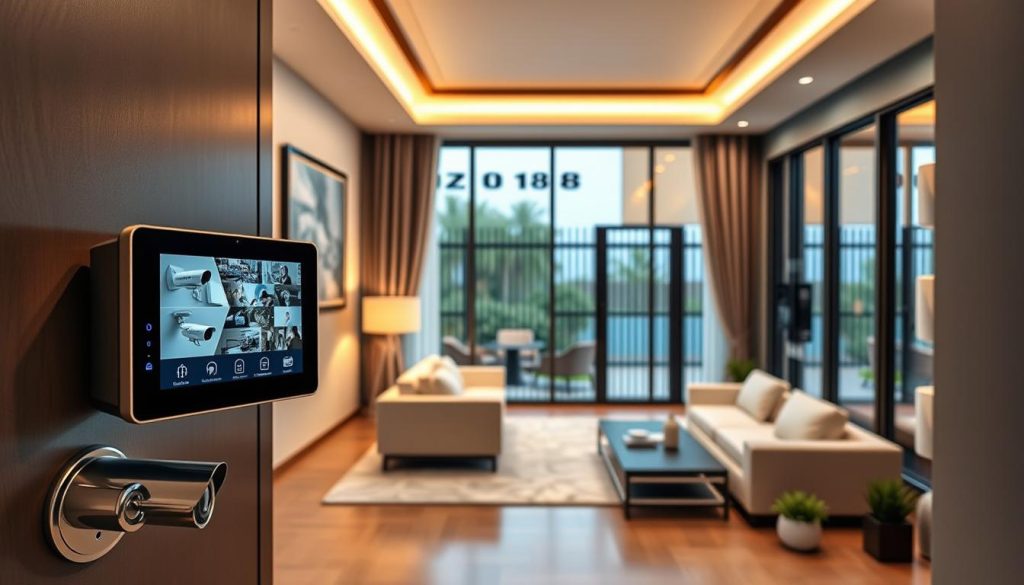
Living in a vibrant city like Singapore brings unique challenges for your home. A startling fact shows that 40% of all stolen parcels disappear from multi-unit buildings. This highlights a clear need for better residential safety.
Local data offers hope. Condominiums here with dedicated protection see a 30% drop in unwanted entry. The government supports this, investing $10 million in new technology over three years.
This guide aims to give you peace of mind. We will help you choose a solution that deters crime and prevents unauthorized people from entering your space.
The right plan is a holistic one. It blends technology like CCTV cameras and door sensors with 24/7 professional monitoring. This creates a strong shield for your property.
Today’s options are smart and connected. Think of an integrated ecosystem of devices you can control from your phone. It combines video feeds, motion detection, and instant alerts seamlessly.
We will break down the costs, compare top providers, and explore DIY versus professional installation. You’ll get actionable advice on everything from camera selection to privacy rules.
Key Takeaways
- A significant portion of package theft targets multi-unit residences, making enhanced protection essential.
- Investing in a dedicated setup for your apartment can dramatically reduce incidents of unauthorized access.
- The Singapore government is actively funding new technology to improve safety in condominiums.
- Effective residential safety requires a combined approach of hardware, monitoring services, and smart features.
- Modern solutions offer integrated control of cameras, sensors, and alarms through a single app.
- Understanding costs, setup options, and legal privacy considerations is crucial for an informed decision.
Introduction to Condo Security in Singapore
Singapore’s skyline, dotted with towering condominiums, presents a modern living paradox of convenience and concealed risk. These multi-unit buildings offer fantastic amenities and community. Yet, they also create unique vulnerabilities that demand specific attention.
Shared spaces like lobbies, gyms, and parking garages are hard to watch. A high volume of visitors and delivery personnel flows through daily. This environment requires a tailored approach to residential safety.
The Growing Need for Security in Condominiums
Urban living trends show a clear shift. More people are choosing apartment life in Singapore. This concentration increases the potential for incidents like package theft and unauthorized entry.
The government recognizes this pressing issue. A significant $10 million investment is fueling technological upgrades across the nation. This commitment aims to bolster protection for all residents.
“Strategic investment in advanced technology is crucial for safeguarding our dense urban residences,” notes a government spokesperson.
Leading providers, such as Hikvision, answer this call. They develop sophisticated equipment with features like facial recognition and high-definition video. These tools are designed for the complexities of a condominium.
Unique Challenges Faced by Condo Residents
Condominium living brings a distinct set of hurdles. Common areas are accessible to many individuals. This makes monitoring and control a constant challenge for property managers.
Package theft is a frequent complaint. Delivery personnel often leave items in unsecured lobbies. Transient traffic from guests and service workers further complicates the landscape.
A traditional plan for a single-family home falls short here. Effective solutions require layered integration. This means connecting door sensors, motion detection cameras, and access control into one cohesive network.
Community awareness plays a vital role. When people understand the rules and use the equipment properly, everyone’s safety improves. It transforms a collection of apartments into a vigilant, protected community.
Understanding these foundational challenges is your first step. It leads you toward selecting a robust setup that offers real peace of mind. For a detailed look at optimal condo security systems tailored for Singapore, exploring professional options is wise.
Why a Robust Security System is Essential for Your Condo
Data reveals a clear truth: proactive safety investments yield significant returns in reduced risk and increased well-being. A dedicated setup moves far beyond simple convenience. It represents a critical investment in safeguarding your assets and the people within your community.
This approach delivers measurable results. It also provides the intangible yet crucial feeling of a truly secure home.
Deterring Crime and Unauthorized Access
Visible prevention measures are a powerful psychological barrier. Studies show multi-unit buildings with dedicated plans experience a 30% reduction in unauthorized entry incidents. This statistic highlights the direct effectiveness of a well-implemented strategy.
Key components work together to create this shield. Prominent surveillance cameras at entry points signal that the area is watched. Controlled entryways with smart locks limit who can gain physical admittance.
Even simulated activity can be a strong deterrent. Data indicates that residences using timed or motion-activated lighting see a 40% decrease in break-in attempts. This creates the perception of an occupied, alert space.
Modern solutions integrate various detection tools. Motion sensors, door contacts, and glass-break detectors form a network. When one device is triggered, it can activate others and send immediate alerts.
This layered integration creates a proactive environment. Potential issues are identified and communicated before they escalate. It transforms a static barrier into an intelligent, responsive shield for your property.
Peace of Mind for Residents and Property Managers
The ultimate goal of any safety investment is peace of mind. This feeling stems from empowerment and awareness. Remote monitoring capabilities are central to achieving this state.
With a connected setup, you can view live video feeds from your smartphone. You can receive real-time notifications if a sensor is activated. This capability has a tangible impact on outcomes.
The ability to verify an event remotely can slash emergency response times by up to 50%. You can assess a situation and alert the right authorities immediately. This control is invaluable, whether you’re at work or on vacation.
For those managing the building, the benefits are equally compelling:
- Reduced Liability: A documented safety plan and recorded footage can mitigate legal risks.
- Enhanced Property Value: A well-protected building is more attractive to buyers and tenants.
- Stronger Community Reputation: Happier, safer residents contribute to positive word-of-mouth and stability.
Secondary advantages also emerge. Insurance providers often offer lower premiums for residences with verified monitoring services. In the rental and sales market, a reputation for comprehensive safety is a major competitive advantage.
These tangible outcomes—faster response, lower crime, and higher value—directly create the intangible result. They foster the fundamental feeling of safety that defines a true sanctuary. This makes a robust plan not just an option, but an essential cornerstone of modern condominium living.
Key Features of the Best Security System for Condo
Modern residential safety hinges on a trio of interconnected capabilities. Superior plans are defined by how hardware, software, and professional services work in concert. This synergy creates a robust shield that is far greater than the sum of its parts.
Understanding these core components is essential. It allows you to evaluate options and build a plan tailored to your specific needs. Let’s explore the defining features that set top-tier solutions apart.
Integration of CCTV and Surveillance Systems
Contemporary visual monitoring is the eyes of your setup. Modern cameras offer crystal-clear, high-resolution video. Many models include night vision, ensuring clear footage even in low light.
The real power lies in remote access. Dedicated mobile applications let you view live feeds from anywhere. You can check on deliveries, monitor common areas, or verify events in real time.
This technology does more than just record. Intelligent video analytics can perform motion detection and people recognition. These smart features filter out false alerts from pets or shifting shadows.
Seamless integration is crucial. Your cameras should communicate directly with other devices like door sensors and alarms. This creates a unified network that responds intelligently to any event.
Access Control Systems for Enhanced Protection
Managing who enters your property is a fundamental layer of defense. Modern access management goes far beyond simple keys. It provides detailed control over every entry point.
Traditional methods like keycards and fobs are still reliable. However, advanced options now include biometric scanners, such as fingerprint readers. These tools ensure only authorized individuals gain physical admittance.
For guest and service worker entry, smartphone-based virtual keys are revolutionary. You can grant temporary, scheduled access right from your phone. This eliminates the risk of copied keys or lost keycards.
A comprehensive plan will integrate these controls with your video feeds. When a door is accessed, a nearby camera can automatically record the event. This provides a verified audit trail for every entry and exit.
24/7 Monitoring Services for Round-the-Clock Safety
Professional vigilance provides the human element that technology alone cannot. Centralized teams watch over signals from your equipment at all hours. They offer an immediate response when an alert is triggered.
This service acts as your first line of intervention. Upon receiving an alarm, operators attempt to contact you. If there’s no answer or a threat is confirmed, they dispatch local authorities without delay.
Advanced capabilities like video verification take this further. Monitoring agents can view a live camera feed when an alarm activates. This allows them to assess the situation before calling for help, drastically reducing false alarms.
“Video verification turns an anonymous alarm signal into a confirmed event, enabling a faster, more appropriate emergency response,” explains an industry professional.
The best providers ensure their monitoring center is UL-listed and has multiple redundancies. This guarantees that your call for help is always answered, no matter the time or circumstances.
Ultimately, the optimal setup offers a customizable combination of these features. Your building’s specific layout and risk profile should guide the final plan. Choose a solution where cameras, access management, and professional vigilance are designed to work together natively from the start.
Types of Alarm Systems for Condominiums
With numerous options available, understanding the core categories of alert devices is essential. Your choice forms the audible and digital backbone of your residential safety plan. It determines how you are warned and who is notified when an event occurs.
Modern solutions fall into three primary groups. Each offers distinct advantages for apartment living. Selecting the right one depends on your lifestyle, technical preference, and installation needs.
Intruder Alarms with Immediate Alerts
These traditional setups provide a foundational layer of protection. They rely on physical sensors placed on doors and windows. Motion detectors scan interior spaces for unauthorized movement.
When a sensor is tripped, it triggers a loud, local siren. This audible alert can startle an intruder and draw attention. Simultaneously, a signal is sent to a professional monitoring center.
Operators at the center receive the alert instantly. They will attempt to contact you via phone. If they cannot reach you or confirm a threat, they dispatch local authorities.
This direct link to human responders is a key advantage. It ensures help is on the way even if you are not home. These plans are known for their reliability and straightforward operation.
Smart Alarms with Mobile Notifications
Connected technology takes basic alerts to the next level. Smart hubs link all sensors to your home Wi-Fi network. This connection enables real-time communication with your smartphone.
You receive instant push notifications the moment an event is detected. The app allows you to view the status of every sensor. You can arm or disarm the entire setup remotely from anywhere.
Some advanced models offer live audio streaming or two-way talk. This feature lets you listen in or speak through the main panel. It provides an additional layer of verification and potential deterrence.
“Smart alarms transform your phone into a remote command center, giving residents direct control and immediate awareness,” says a tech reviewer from a leading gadget blog.
This category is ideal for tech-savvy individuals who value constant oversight. It integrates seamlessly with other smart home devices like lights and locks.
Wireless Systems for Easy Installation
For renters or those seeking a non-permanent solution, wireless options are perfect. These kits use peel-and-stick adhesive for sensor placement. No drilling into walls or complex wiring is required.
The entire setup is battery-powered and communicates via secure radio signals. You can install it yourself in an afternoon without professional help. This makes it highly portable if you move to a new apartment.
Despite their simplicity, wireless devices are highly effective. They offer the same core detection capabilities as wired versions. Modern encryption ensures the signal between sensors and the hub cannot be easily jammed.
Key benefits for condominium residents include:
- No Property Damage: Perfect for leased spaces with strict rules.
- Flexible Placement: Sensors can be moved as your needs change.
- Scalability: Easily add more devices to expand coverage.
Beyond these core types, integrated solutions combine an alarm panel with other equipment. They create a unified command center managing cameras, door locks, and environmental sensors. This holistic approach offers maximum comprehensive coverage.
Choosing the right type depends on your lifestyle. Opt for smart alarms if you love app control and real-time data. Wireless systems suit temporary installations and renters perfectly.
For the ultimate peace of mind, consider integrated plans with professional monitoring. Some services now feature “Intruder Intervention.” Here, monitoring agents use two-way talk through a camera to actively deter a burglar upon detection.
Your selection impacts overall efficacy, monthly monitoring costs, and smart home potential. A well-chosen alert strategy not only protects your property but also seamlessly fits into your daily life.
CCTV and Surveillance Options for Condos
Selecting the right surveillance equipment requires balancing technical specs with practical needs. Your visual monitoring network acts as both a deterrent and a reliable source of evidence. This guide helps you choose cameras, install them correctly, and manage your footage.
Modern options offer incredible clarity and smart capabilities. You can watch over entry points and common spaces from anywhere. Let’s explore how to build an effective setup for your apartment.
Choosing the Right Cameras: Resolution and Night Vision
Image quality is paramount for identification. High-resolution cameras, like 2K or 4K models, capture fine details such as faces and license plates. This clarity is crucial if an incident occurs.
Night vision capability is non-negotiable for round-the-clock coverage. Look for models with infrared LEDs that provide clear video in total darkness. Some devices even offer color night vision for better detail.
Motion detection is another key feature. It triggers recording only when movement is sensed, saving storage space. Advanced models can distinguish between people, vehicles, and pets.
Two primary designs dominate the market. Dome cameras are discreet and often vandal-resistant, ideal for indoor hallways. Bullet cameras are more visible and weatherproof, perfect for outdoor facades and parking lots.
Some advanced equipment includes active deterrence. The SimpliSafe Outdoor Camera, for example, can flash a light and play a warning siren when motion is detected. This can stop a problem before it starts.
Best Practices for CCTV Installation in Condos
Proper placement maximizes your field of view and effectiveness. Mount cameras at least nine feet high. This height provides a broad perspective and helps prevent tampering.
Focus coverage on all entry points. Your main door, secondary entrances, and balcony access are critical. High-traffic common areas like lobbies, mailrooms, and parking garages also need attention.
Avoid blind spots by testing angles during setup. Ensure cameras overlap slightly for complete coverage. This creates a seamless shield around your property.
Respect privacy in shared spaces. Angle lenses away from neighboring windows and private balconies. Always check with your building’s management committee regarding exterior modification rules.
Use discreet wiring or wireless devices for a clean look. Many residents prefer a low-profile installation that doesn’t disrupt the building’s aesthetics. Following these steps creates a robust visual shield.
Cloud Storage vs. Local Storage for Footage
Your video is only as good as your ability to access and save it. You have two main choices for keeping footage. Each has distinct advantages for apartment living.
Cloud storage uploads video to remote servers via the internet. This allows remote access to footage from anywhere on your phone. It often includes features like intelligent alerts and easy sharing.
“Cloud solutions offer peace of mind because footage is stored off-site, safe even if cameras are damaged,” notes a tech analyst.
This convenience usually involves a monthly subscription fee. Plans vary based on video quality and retention period, typically 7 to 30 days.
Local storage keeps data on physical devices within your home. A Network Video Recorder (NVR) or microSD cards inside the cameras are common. This method involves a one-time equipment cost.
Key considerations for your decision:
- Accessibility: Cloud offers anywhere viewing; local requires you to be on the same network.
- Cost: Cloud has recurring fees; local has a higher upfront investment.
- Reliability: Cloud depends on internet stability; local is unaffected by outages.
- Capacity: Cloud plans have limits; local expands with larger hard drives.
Many opt for a hybrid approach. Critical events can be uploaded to the cloud while continuous recording stays local. This balances cost with reliable evidence preservation.
Your final surveillance plan should ensure full coverage without gaps. Combine high-resolution cameras with night vision, install them correctly, and choose a storage method that fits your lifestyle. This creates a powerful tool for awareness and protection.
Best Practices for Implementing a Condo Safety System
Implementing a comprehensive safety strategy involves two ongoing pillars: equipment upkeep and resident education. The most advanced network is only effective if it functions reliably and the community knows how to use it.
This phase moves beyond selecting hardware. It focuses on the operational discipline needed for long-term peace of mind. A proactive approach here prevents failures and builds a vigilant community.
Regular Maintenance of Security Equipment
Routine checks on your protection components spot small problems before they become big issues. Properties that prioritize this upkeep see fewer overall safety incidents.
Create a simple monthly and quarterly schedule. This habit ensures every part of your plan works when needed most.
- Test alarm sensors and door contacts to confirm they trigger proper alerts.
- Clean camera lenses gently to maintain clear video quality.
- Check battery levels in all wireless devices and replace them proactively.
- Verify data backups for your footage storage, whether cloud or local.
- Inspect access control readers and keypads for responsive operation.
Proactive maintenance prevents network failures during critical moments. It also reduces long-term repair costs significantly.
Most importantly, it ensures all components communicate properly within the integrated setup. This harmony is key for a cohesive response.
Educating Residents on Security Protocols
The human element is just as vital as the technology. Educating all occupants—owners and tenants alike—creates a powerful layer of community vigilance.
People must know how to use the equipment, recognize suspicious activity, and follow reporting procedures. This knowledge transforms passive devices into an active shield.
Effective education methods are simple and repeated:
- Distribute clear, one-page user guides in common areas.
- Hold brief annual workshops with your service provider.
- Post visual instructions near key access points and alarm panels.
- Send periodic email reminders about reporting protocols.
“An informed resident community acts as a force multiplier. Vigilant neighbors can respond to incidents that cameras might miss,” explains a safety consultant familiar with Singapore’s landscape.
In the local context, clear communication with the Management Council (MCST) is essential. Align your practices with building rules to ensure a coordinated emergency response.
A well-maintained network coupled with an educated community creates a resilient safety culture. This transforms a collection of devices into a truly intelligent and responsive protection plan for your home.
Tailored Security Solutions for Your Condo Layout
To build a reliable shield, you must first map the distinct vulnerabilities of your apartment and building. A generic, off-the-shelf plan often misses critical spots. A personalized approach ensures every corner of your home receives the right level of attention.
This process transforms a standard package into a powerful, integrated defense. It matches your specific daily life and physical space.
Assessing Your Condo’s Specific Security Needs
Begin with a thorough walkthrough of your unit and its surroundings. Your goal is to identify every potential access point a person could use. This includes your main door, service entrance, all windows, and any balcony sliding doors.
Next, evaluate the sightlines in common corridors and lobbies. Note any blind spots where packages could be left unseen. Consider the daily routines of everyone living there and frequent visitors like domestic helpers.
This assessment reveals your unique risk profile. A ground-floor unit with garden access has different needs than a high-floor apartment. A layout with a long, isolated hallway demands different sensors than an open-concept space.
Companies like ADT and SimpliSafe often begin with this exact type of consultation. They help you pinpoint where to place detection devices for maximum effect.
Customization Options for Individual Preferences
The beauty of modern solutions lies in their flexibility. You are not locked into a pre-set bundle of equipment. Instead, you can choose the exact number and type of sensors, cameras, and controls.
Select camera models with specific fields of view to cover a wide lobby or a narrow doorway. Pick motion detectors that ignore pets under a certain weight. Integrate your entire setup with preferred smart home platforms like Google Home or Alexa for voice control.
“The best protection plan feels invisible in daily life but responds perfectly in a moment of need. That seamless experience comes from thoughtful customization,” shares a specialist from a local Singapore firm.
Customization extends deeply into the user experience. Set up personalized alert rules in your app. You might get a notification only when motion is detected after 10 PM. Create unique access codes for family members and domestic helpers, each with their own schedule.
Scalability is another crucial advantage. Choose a solution that can grow with your needs. If you move to a larger unit, you can easily add more devices. You might later decide to include environmental sensors for fire or flood detection.
Creative, cost-effective choices are possible. For example, a single indoor camera pointed through a window can monitor the front door area. This provides a clear view without complex exterior installation.
A truly tailored approach ensures no money is wasted on unnecessary gear. It guarantees all critical areas receive adequate coverage. The result is a plan that fits your budget, your home, and your life perfectly.
Smart Security Solutions for Condominiums
Imagine managing your entire home’s safety from the palm of your hand, no matter where you are in the world. This is the promise of intelligent technology for modern residences. It moves protection from a passive, reactive state to one of active, interconnected management.
These advanced setups create a cohesive digital shield. They offer unprecedented convenience and direct oversight for people living in apartments.
Remote Access and Control via Mobile Apps
Dedicated mobile applications are the command center. They let you arm or disarm your alarm with a single tap. You can view live video feeds from your cameras to check on deliveries or loved ones.
Locking and unlocking doors is just as simple. Adjust smart lighting to make it seem like someone is home, even when you’re away. This level of control turns your smartphone into a powerful tool for peace of mind.
Leading providers design these apps for intuitive use. A clean dashboard shows the status of all connected equipment. You can manage user access and review activity logs with ease.
Real-Time Notifications for Enhanced Awareness
Instant alerts keep you informed of specific events as they happen. Get a notification the moment your front door opens. Be warned if motion is detected in a restricted area during off-hours.
Some advanced setups feature person recognition. They can tell you when a familiar face arrives or if an unknown individual is at the door. This intelligence filters out false alarms from pets or passing shadows.
“Real-time alerts transform awareness. They enable immediate action, whether you’re at the office or overseas, closing the distance between you and your home,” explains a tech analyst.
This constant stream of information empowers you. You can verify situations and contact authorities if needed. It creates a powerful sense of being present, even when you’re physically absent.
Integration with Smart Home Devices
The true power emerges when your safety plan works with other gadgets. It can sync with smart lights to simulate occupancy on a schedule. Your thermostat can adjust when you arm the network for the night.
Voice assistants like Alexa or Google Home add hands-free control. Simply say, “Arm the alarm,” as you head to bed. This creates a unified, automated living experience.
Advanced features take this further. Geofencing uses your phone’s location to arm the setup automatically when you leave. Custom routines can lock all doors, activate cameras, and dim lights at a set bedtime.
Tested examples show this in action. ADT’s collaboration with Google Nest offers facial recognition alerts. SimpliSafe’s app provides an intuitive timeline of all activity.
A stable Wi-Fi connection is essential for this ecosystem. Strong cybersecurity practices are also crucial to protect your network. Using unique passwords and enabling two-factor authentication is a must.
These intelligent solutions are the future-proof choice. They deliver more than just safety. They offer daily convenience, enhanced control, and increased livability for your residence.
Cost Considerations for Condominium Security Solutions
Budgeting for your apartment’s protection involves more than just comparing price tags. It’s about understanding the value behind each dollar spent. A smart financial approach ensures your investment delivers both immediate safety and lasting peace of mind.
This breakdown will help you navigate the expenses. You’ll learn how to find affordable choices and assess their long-term worth.
Determining Budget-Friendly Options
Start with a self-assessment of your needs versus wants. Identify your property’s key entry points and vulnerable areas. A professional audit can pinpoint gaps and suggest targeted improvements.
Many providers offer tiered equipment packages. Companies like Cove frequently have discounted starter kits. Ring Alarm is known for its low initial price point.
You can build a realistic budget with these component ranges:
- Door and window sensors: $15 to $40 each
- Indoor and outdoor cameras: $100 to $300 each
- Keypad access control: $500 to $1,500 per door
- Biometric scanners (fingerprint, facial): $2,500 to $10,000 per door
Money-saving tips are practical. Begin with a basic package covering main doors and a camera. Expand over time by adding more devices as your budget allows.
Consider self-monitoring if you are comfortable responding to alerts yourself. Always look for provider promotions and bundle discounts. These steps make robust safety achievable without strain.
Long-Term Value of Investing in Protection
While upfront costs are significant, the investment pays substantial dividends. The primary return is a measurable deterrence of crime and unauthorized access. This directly safeguards your belongings and the people inside.
Your property’s market value is also preserved. A well-protected building is more attractive to potential buyers and tenants. This can lead to higher resale prices and better rental yields.
“Viewing safety spending as a capital investment, rather than an expense, reframes its value. It protects your largest asset and enhances community well-being,” advises a financial planner specializing in residential assets.
Happy, safe residents are more likely to stay long-term. This stability reduces turnover costs for property managers. There’s also a potential financial benefit with insurance providers.
Many insurers offer premium discounts of 5% to 20% for homes with verified professional monitoring. This annual saving can offset a portion of your ongoing costs. The long-term value extends far beyond the initial purchase.
Upfront Costs vs. Monthly Monitoring Fees
The financial structure of your plan typically follows one of two models. Understanding this helps you manage cash flow.
Do-It-Yourself (DIY) setups often have a higher upfront cost. You purchase all the equipment outright. This model has no long-term service contracts, but you are responsible for all maintenance.
Professionally installed solutions usually feature lower initial equipment fees. The cost is bundled into a longer-term monitoring contract. This spreads the investment over time and includes expert setup.
Monthly monitoring fees cover the vital human element. Here’s a comparison of what top providers offer:
- SimpliSafe Core Plan: $32.99/month for 24/7 alerts and police dispatch.
- ADT Self Setup: Starts at $24.99/month with integration for Google Nest cameras.
- Cove Basic Plan: $19.99/month for cellular backup and app controls.
Plans generally range from $17.99 to $49.99 per month. Higher tiers include video recording, smart home integration, and environmental alerts. Choose a level that matches your need for support and features.
Finally, adopt a holistic view of expense. Consider the reliability, warranty, and customer support behind the price tag. A plan that fails during a critical event is the most costly outcome of all. Your goal is sustainable safety that works flawlessly for years.
Choosing the Right Security Company in Singapore
The market for home protection services in Singapore offers a diverse array of choices, from global brands to specialized local operators. Your selection will determine the quality of equipment, reliability of monitoring, and overall peace of mind for your apartment. This guide helps you navigate this competitive landscape with confidence.
We will compare leading providers and outline the essential criteria for your decision. Understanding service agreements and cost structures is also crucial. Let’s begin by examining the top players.
Top Providers: ADT, SimpliSafe, and Local Firms
Several established names dominate the residential safety sector. Each brings unique strengths to the table, catering to different preferences and budgets.
ADT is a global giant with over 150 years of history. It is renowned for its redundant, UL-listed monitoring centers and advanced integration with Google Nest cameras. The company often provides professional installation and offers a notable six-month money-back service guarantee.
SimpliSafe champions a renter-friendly, DIY ethos. Its flexible, no-contract monitoring plans start around $21.99 per month. A standout feature is “Intruder Intervention,” where operators use two-way audio to deter a burglar. Professional setup is available for about $125.
Local Singaporean firms offer deep regional expertise. They understand specific regulations like the Personal Data Protection Act (PDPA). These operators can provide faster on-site service and tailored solutions for unique building layouts.

Other notable providers include Vivint (starting at $29.99/month), Cove ($17.99/month), and Frontpoint (around $69 upfront for equipment). Comparing these options reveals a wide spectrum of approaches and price points.
What to Look for When Hiring a Security Company
Price should not be your only guide. A reliable partner is defined by several key attributes that ensure long-term performance and support.
First, investigate the company’s reputation and track record. Check online reviews and ask how long they have been operating in Singapore. A firm with a solid local presence is often more accountable.
Evaluate their range of service offerings. Do they provide installation, 24/7 professional monitoring, and ongoing maintenance? A full-service provider simplifies management and ensures consistency.
Assess the technological sophistication of their equipment. Look for modern features like high-resolution cameras, smart home integration, and reliable motion detection. The hardware should be robust and user-friendly.
Customer support quality is critical. Test their responsiveness before signing. You need a team that answers calls promptly and resolves technical issues efficiently.
Finally, consider overall cost-effectiveness. The cheapest monthly plan may lack essential features. Balance the upfront costs with the long-term value of reliable protection and potential insurance discounts.
“The ultimate metric of value isn’t the monthly fee, but the reliability of the response during a genuine emergency. That peace of mind is priceless,” advises a safety industry consultant.
Evaluating Service Agreements and Contracts
The fine print in your service agreement dictates your flexibility and financial commitment. Scrutinize these documents carefully before you commit.
Pay close attention to the term length. Some companies require long 36-month contracts, while others offer flexible month-to-month plans. Understand the implications of each.
Cancellation policies and associated fees are equally important. Know what happens if you need to terminate service early. Hidden penalties can be costly.
Review the warranty period on all installed devices. A longer warranty indicates confidence in the equipment’s durability. Clarify what is covered under normal wear and tear.
Understand exactly what the monthly monitoring fee includes. Does it cover video storage, smart app access, and environmental alerts? Higher-tier plans often provide more comprehensive features.
Practical steps for your evaluation:
- Get multiple quotes to compare pricing and package inclusions.
- Request a site survey or consultation. A reputable provider will assess your apartment to give a tailored proposal.
- Verify PDPA compliance to ensure the company handles video footage and personal data according to Singaporean law.
Remember, a robust service agreement protects you as much as the equipment does. It defines the support structure you can rely on day and night.
For those seeking localized expertise and current promotions, contacting a specialist like ED Viston (+65 8313 4578) can provide access to the latest deals on CCTV solutions and tailored advice for your residence.
DIY vs. Professional Installation for Condo Security
Your technical confidence and budget will guide a critical choice. You must decide between setting up devices yourself or calling in the experts. This decision impacts your upfront investment, long-term flexibility, and overall peace of mind.
Both paths lead to a safer property. Understanding their distinct advantages helps you select the best route for your living situation.
Pros and Cons of DIY Security Systems
Do-it-yourself setups put you in complete charge. You purchase the equipment and handle the entire process. This approach is celebrated for its affordability and simplicity.
The primary benefit is lower cost. You avoid paying professional installation fees. Many kits, like those from SimpliSafe, use peel-and-stick adhesive backing.
This allows for tool-free, damage-free placement. A full setup often takes just 20 to 30 minutes. You also gain total flexibility to install on your own schedule.
Most DIY options operate wirelessly. They communicate via secure radio signals or Wi-Fi. This eliminates the need for complex wiring through walls.
Another major plus is contractual freedom. These plans rarely require long-term service agreements. You can usually opt for month-to-month professional monitoring.
Potential drawbacks exist, however. The main con is suboptimal device placement. Without expert advice, you might miss a key blind spot.
All troubleshooting and maintenance fall on you. If a sensor fails or the app malfunctions, you are the first line of support. This demands a basic comfort with technology.
For renters, DIY is almost always the top recommendation. Its non-permanent nature and ease of relocation are perfect for tenants. Owners might weigh other factors for a long-term investment.
When to Opt for Professional Installation
Hiring a certified technician brings expert skill to your project. Companies like ADT specialize in this service. They ensure every component is positioned for maximum effectiveness.
The key advantage is an expert assessment. A professional will survey your apartment’s unique layout. They identify vulnerability points you might overlook.
You get a guaranteed correct setup and configuration. This optimal placement of cameras and sensors creates a cohesive shield. It saves you significant time and potential frustration.
“Professional installation isn’t just about mounting devices. It’s about designing an integrated network based on proven risk patterns,” shares an industry technician.
The service often includes a comprehensive walkthrough. They teach you how to use every feature of your new plan. This hands-on tutorial builds confidence.
Consider professional help in these specific situations:
- Large or complex apartment layouts with multiple entry points.
- When integrating new devices with existing hardwired equipment.
- If you or other residents are not tech-savvy.
- When the provider offers a compelling bundle deal that includes setup.
The cons involve higher upfront costs. You must schedule an appointment and be present for the technician’s visit. This method is frequently linked with longer-term monitoring contracts.
Some leading companies offer both options. You could start with a DIY kit from SimpliSafe. Later, you might upgrade to their professional support for fine-tuning.
Always check with your building’s management committee beforehand. Many condominiums have specific rules about drilling or exterior wiring. This due diligence can directly influence your final decision.
Your choice empowers you. It tailors the implementation to your skills, budget, and long-term vision for a protected home.
24/7 Monitoring Services: Ensuring Continuous Protection
While sensors and cameras form the nervous system of your home’s defense, professional monitoring provides its vigilant brain. This service is the critical link between automated detection and human-led emergency response. It ensures someone is always watching, ready to act when you cannot.
This layer of oversight turns a collection of devices into a truly intelligent shield. It offers the reassurance that your property is guarded every minute of the day and night.
How Professional Monitoring Works in Emergencies
The process begins the moment a sensor is triggered. Your door contact or motion detector sends a silent signal. This alert travels via a cellular backup connection to a central station.
Cellular backup is a non-negotiable feature. It keeps the communication line active even if power fails or Wi-Fi drops. This guarantees the signal gets through.
A trained agent at the monitoring center receives the alert instantly. Their first step is verification. They will attempt to contact you or other listed contacts by phone.
If they cannot reach anyone, or if a threat is confirmed, they take immediate action. The agent dispatches local police, fire, or medical services to your exact address. This direct link slashes emergency response times dramatically.
Video Verification and Active Intervention Features
Advanced services now include video verification. When an alarm activates, monitoring agents can access live camera footage. They visually confirm a break-in before calling authorities.
“Video verification transforms an anonymous alarm into a confirmed event. This prioritizes police response and virtually eliminates false dispatches,” states a monitoring industry expert.
This visual check protects residents and property managers from unnecessary stress. It ensures help is sent only when truly needed.
Some providers offer active intervention capabilities. SimpliSafe’s Intruder Intervention is a prime example. Agents use two-way audio through indoor cameras to speak directly to an intruder.
A loud warning can startle and deter a criminal on the spot. This feature has proven effective in stopping incidents during real-world tests.
Reliability depends on the monitoring center’s infrastructure. Industry leader ADT operates 12 redundant centers across North America. If one center has an issue, another instantly takes over.
This fail-safe design offers maximum reliability. Always ask if a provider uses its own UL-listed centers or a third-party service.
When evaluating a monitoring plan, ask specific questions. Inquire about average response times and verification protocols. Check for certifications and if they cover environmental threats like fire or carbon monoxide.
The presence of 24/7 professional oversight is the cornerstone of complete residential safety. It provides ultimate peace of mind whether you’re asleep, on vacation, or simply unable to check your phone. This human element is what makes your protection plan truly continuous.
Additional Security Measures to Boost Condo Safety
Supplementary measures act as force multipliers, making any intrusion attempt significantly more difficult and likely to fail. These extra layers address specific weak points that a central network might not cover completely.
They provide targeted protection for doors, dark spaces, and often-overlooked entry points. This creates a dense web of detection and deterrence.
Smart Locks and Door Sensors
Upgrading your main entry points is a powerful first step. Smart locks replace traditional keys with keyless convenience.
You can use unique codes, smartphone apps, or even fingerprint recognition to grant access. These devices often allow remote locking and unlocking from anywhere.
Pair a smart lock with door sensors for maximum effect. A small contact sensor alerts you instantly if the door is forced open or left ajar. This integration creates a seamless alert with your main alarm panel.
Popular models from brands like August and Yale work with platforms like Apple HomeKit. This allows for voice control and automation within your smart home.
Motion-Activated Lighting and Sensors
Dark corridors and entryways are attractive to unwanted individuals. Motion-activated lighting eliminates these hiding spots instantly.
Sudden illumination startles potential intruders and draws immediate attention. Data shows well-lit properties see a 40% decrease in break-in attempts.
These lights are perfect for indoor hallways, stairwells, and outdoor areas near your door. Many models are standalone and require no complex wiring. They are easy to install and provide a strong psychological barrier.
Advanced motion sensors can also trigger other actions. They can activate cameras to start recording or send a specific alert to your phone. This layered response enhances your overall safety plan.
Securing Windows and Balcony Areas
Windows and balconies are common but forgotten entry points. Ground-floor units and those with accessible terraces are especially vulnerable.
Installing window contact sensors is a fundamental move. They work just like door contacts, sending an alarm if the glass is opened.
For added strength, apply transparent security film to the glass. This film holds shattered pieces together, preventing easy entry. It is a simple upgrade that boosts your property’s resilience.
Balcony sliding doors need dedicated attention. Use a sturdy door brace or a secondary lock on the inside track. Always ensure the sliding tracks are clean and secure to prevent lifting.
“Layering a smart lock, a balcony door sensor, and motion lights creates multiple failure points for an intruder. This approach is far more effective than any single device,” advises a home safety consultant.
These extra measures are particularly valuable for specific layouts. They make unauthorized entry noisier, slower, and much more likely to be detected.
While a comprehensive security system forms the foundation, these additions act as powerful force multipliers. They give residents greater peace of mind and create a more formidable defense for your home.
Legal and Privacy Considerations in Singapore
Beyond technology and installation, a crucial layer of your home’s protection involves navigating local laws and community expectations. Your right to safety must be balanced with the rights of others.
This is especially true in shared residential buildings. A thoughtful approach here prevents legal issues and maintains good neighborly relations.
Compliance with Singapore’s Personal Data Protection Act
Singapore’s Personal Data Protection Act (PDPA) sets the legal framework. It governs how personal data is collected, used, and disclosed.
Your cameras and recording devices directly fall under this law. The footage captures images of visitors, delivery personnel, and sometimes neighbors.
The PDPA requires that this collection serves a clear purpose. For a residence, that purpose is safety and crime prevention. You must also take reasonable steps to safeguard the stored video.
Consent is a key principle. While implied consent may exist for monitoring your own doorway, it gets complex in shared areas. Recording audio without explicit consent carries higher legal risk.
Data storage matters too. If you use a cloud service, ensure the provider has robust data protection measures. Their servers should be in jurisdictions compliant with Singapore’s standards.
“A compliant setup isn’t just about following rules. It’s about building trust with your community while effectively protecting your property,” notes a local data protection consultant.
Respecting Privacy in Common Areas and Neighbors
Shared spaces like corridors and lobbies require extra care. Your plan should not intrude on others’ reasonable expectation of privacy.
Follow these clear guidelines for camera placement. Avoid pointing lenses directly at a neighbor’s door or windows. Focus the field of view on your own entryway.
If your setup needs to cover common areas, explicit approval is typically required. You must consult your Management Corporation Strata Title (MCST). They often mandate signage to notify people of surveillance.
Transparency is a best practice. Inform immediate neighbors about your cameras as a simple courtesy. This prevents misunderstandings and potential disputes.
Always check your building’s by-laws. There may be specific rules on external mounting or wiring. Doing this homework upfront saves trouble later.
Failure to respect these boundaries can lead to legal complaints. A camera that invades privacy or records audio without consent could result in action under the PDPA.
We recommend working with reputable providers knowledgeable about local regulations. They can advise on compliant installation practices and data handling.
Ultimately, responsible, privacy-conscious protection is community-minded. It enhances safety for all residents without creating an atmosphere of distrust.
Top Recommended Security Systems for Condos in 2023
For those ready to make a decision, here are our direct recommendations for the best available setups. Our selections are based on extensive hands-on testing, value analysis, and performance in real-world apartment environments.
Each provider excels in a different area. Whether you prioritize easy setup, advanced tech, or low cost, one of these will fit your needs perfectly.
SimpliSafe: Best for Renters and Easy Installation
SimpliSafe earns a top SecureScore of 9.2/10 for its renter-friendly approach. Its equipment uses peel-and-stick adhesive, allowing for a completely tool-free, damage-free setup.
This makes it ideal for leased spaces. You can install a full protection network in about 20 minutes.
A standout feature is Intruder Intervention. If an alarm triggers, monitoring agents can use two-way audio through indoor cameras. They actively speak to deter an unwanted individual on the spot.
Our testing found the process incredibly straightforward. The app is intuitive, and the equipment feels solid.
- Starter Package: From $250.96
- Monthly Monitoring: From $22.99/month
- Installation: DIY
- Best For: Tech-savvy renters and those who value flexibility.
ADT Self Setup: Advanced Features with Google Nest Cams
ADT Self Setup is the choice for cutting-edge technology, scoring a 9.3/10 SecureScore. It leverages a powerful partnership with Google Nest.
This integration brings facial recognition to your doorbell camera. You get personalized alerts when familiar faces or packages arrive.
The Trusted Neighbor feature is innovative. You can grant temporary, scheduled access to guests or helpers directly from the app.
You can opt for DIY or professional installation. The backing of ADT’s 150-year legacy and multiple monitoring centers offers immense peace of mind.
- Starter Package: From $269
- Monthly Monitoring: From $24.99/month
- Installation: DIY or Professional
- Best For: Owners who want the most advanced camera tech and reliable monitoring.
Cove Security: Affordable Monitoring with No Contracts
Cove Security is the premier budget-friendly pick, with a solid 8.8/10 SecureScore. It focuses on affordable, build-your-own equipment packages.
Starter kits are frequently discounted, often under $100. The mandatory professional monitoring starts at just $19.99 per month.
A major advantage is the lack of long-term contracts. This gives you total financial flexibility month-to-month.
“During our tests, Cove’s touchscreen controller was simple to use. The sensors were compact and discreet, blending into our apartment nicely,” shares our testing team.
- Starter Package: Frequently under $100 (on promotion)
- Monthly Monitoring: From $19.99/month
- Installation: DIY
- Best For: Budget-conscious buyers seeking reliable, no-commitment protection.
Quick Comparison Guide:
- SimpliSafe: Top for easy, non-permanent installation and active deterrence.
- ADT Self Setup: Leader in advanced camera features and integration.
- Cove Security: Champion of low monthly costs and contract freedom.
Match your profile to the right plan. Tech-savvy renters should look at SimpliSafe. Condo owners wanting the best technology will love ADT. Budget-conscious buyers will find Cove compelling.
These are our top-tier, evidence-based picks. Remember to use the evaluation criteria from earlier sections—integration, monitoring, and cost—to assess any other provider you consider.
Taking Action: Your Path to a Secure Condo
Now that you’re equipped with knowledge, it’s time to translate insight into action for your residence. Begin with a personal assessment of your apartment’s layout. Decide between DIY and professional installation based on your skills.
Set a realistic budget that includes both equipment and ongoing monitoring services. Choose a reputable provider whose plan aligns with your needs. Studies show buildings with managed access see a 25% drop in incidents.
An impressive 87% of residents appreciate strict visitor protocols. This enhances community safety and property value. Your immediate next steps are clear.
Contact a few companies for quotes. Review your building’s by-laws regarding cameras and privacy in common areas. Consider a professional audit if your layout is complex.
Remember, protection is an ongoing process. It requires maintenance, resident education, and occasional upgrades. Do not delay in safeguarding your home and community.
For a tailored consultation on the latest systems, contact local expert ED Viston at +65 8313 4578. Take this decisive step toward lasting peace of mind today.