
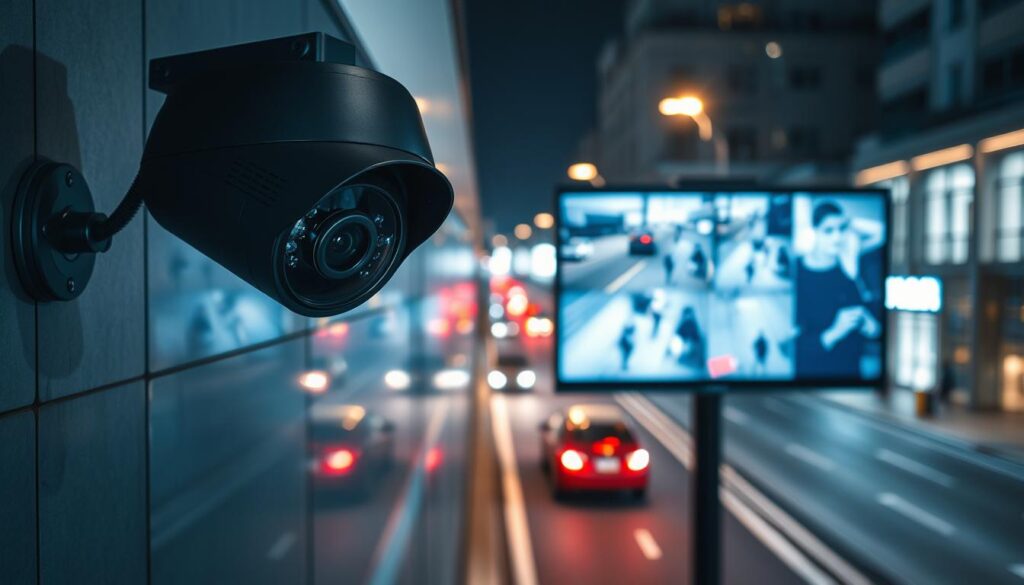
In today’s world, security is a top priority for many property owners. Understanding the duration that surveillance systems can operate during power outages is essential. This expert guide provides valuable insights into how long cameras can maintain functionality when the main power supply is disrupted.
Modern security cameras, equipped with advanced battery backup systems, can typically sustain monitoring for 24 to 48 hours during outages. For instance, the Reolink Altas PT Ultra features a robust 20,000 mAh battery, allowing it to record for up to eight days on a single charge. Additionally, the Reolink Argus 3 Pro can operate for 24 hours after just ten minutes of solar charging.
As theft incidents rise, especially in areas like Singapore, having a reliable surveillance system is crucial. This guide will explore various backup solutions, including UPS units and solar panels, ensuring continuous monitoring even during extended outages.
Understanding CCTV Systems and Their Security Importance in Singapore
In Singapore, ensuring safety through advanced security measures is more crucial than ever. CCTV systems play a vital role in modern security, providing a means to monitor activities across various locations. These systems transmit video feeds to centralized monitoring stations, allowing property owners and security personnel to observe real-time activities.
The significance of surveillance technology has surged in Singapore, particularly with a reported 25 percent increase in theft incidents in 2023. This alarming trend highlights the necessity for reliable CCTV systems in both residential and commercial properties.
Modern security cameras are not just tools for monitoring; they serve as powerful psychological deterrents. Their visible presence alone can discourage criminal activity, as potential offenders are aware they are being watched and recorded.
Moreover, property owners can benefit from insurance premium discounts when they install comprehensive CCTV systems. This financial incentive complements the primary security advantages of continuous monitoring.
Singapore’s dense urban environment presents unique security challenges. High property values increase the potential losses from security breaches, making advanced surveillance technology an essential investment rather than a luxury.
Today’s CCTV systems seamlessly integrate with smart devices, enabling remote access to live and recorded footage from smartphones and tablets. This capability enhances response strategies during security events, even when property owners are away from their premises.
High-definition video quality in modern security cameras provides clear documentation that supports criminal investigations. Such footage is crucial for successful prosecution outcomes in Singapore’s legal system.
Community safety initiatives increasingly incorporate surveillance technology. Neighborhood watch programs often work in conjunction with formal CCTV systems to create comprehensive security networks across various areas.
As monitoring technology evolves, its applications extend beyond traditional security functions. Businesses now utilize surveillance footage for operational oversight, customer behavior analysis, and loss prevention strategies.
Understanding how CCTV systems function and their critical role in Singapore’s security landscape empowers property owners. This knowledge aids in making informed decisions about equipment selection, installation, and the backup power solutions necessary to maintain protection during electrical outages.
Types of CCTV Cameras and Their Power Usage Characteristics
The landscape of surveillance technology is diverse, with various types of cameras designed for specific environments. Understanding these differences is essential for selecting the right camera for your security needs.
Dome Cameras: Indoor Monitoring and Efficiency
Dome cameras are compact and discreet, making them ideal for indoor settings. Their design blends seamlessly with interior decor while providing wide-angle coverage and high-resolution imaging. This makes them the preferred choice for monitoring retail shops, offices, and residential spaces throughout Singapore.
These indoor security cameras typically consume less power than outdoor variants. Their fixed-position operation and lack of weather-hardening components contribute to longer battery backup durations during outages.
Bullet Cameras: Outdoor Surveillance Power Needs
Bullet cameras are engineered specifically for outdoor surveillance. They feature weatherproof construction that withstands Singapore’s tropical climate, including heavy rainfall and high humidity. Their cylindrical shape allows precise directional positioning for monitoring entrances, parking lots, and building perimeters.
However, the power needs of bullet cameras are generally higher than those of dome cameras. This is due to their inclusion of varifocal lenses, longer-range infrared night vision, and robust housing that requires additional energy to operate effectively in external environments.
IP Cameras: Remote Access and Power over Ethernet
IP cameras represent the cutting edge of surveillance technology. They connect directly to computer networks, enabling remote access from smartphones and tablets. Notably, 65 percent of IP CCTV installations utilize Power over Ethernet (PoE) technology, which delivers both data and power through a single cable.
This technology simplifies installation while providing centralized power management. PoE switches can also include backup power capabilities, ensuring that security cameras remain operational during electrical disruptions.
Battery-Powered and Solar CCTV Cameras
Battery-powered cameras, such as the Reolink Argus 3 Pro and Reolink Go Plus, offer complete independence from main power sources. They operate on internal rechargeable batteries that sustain recording for extended periods. This provides flexible installation options for temporary or remote monitoring needs.
Additionally, solar-powered CCTV cameras combine photovoltaic panels with battery storage to harness Singapore’s abundant sunlight. This creates sustainable surveillance solutions that can operate continuously without drawing from the electrical grid, significantly reducing long-term energy costs.
Understanding the power usage characteristics of each camera type enables property owners to calculate total energy requirements accurately. This knowledge is crucial for selecting appropriate backup power solutions that maintain comprehensive surveillance coverage during outages.
How Long Can CCTV Record Without Electricity?
Understanding the operational limits of surveillance systems during power outages is essential for effective security planning. The duration that cameras can maintain functionality primarily depends on battery capacity and the technology used.
Battery Capacities and Featured Camera Models
Most professional IP cameras equipped with adequate backup systems can sustain monitoring for 24 to 48 hours during main power loss. For instance, the Reolink Altas PT Ultra features a remarkable 20,000 mAh battery, allowing it to record continuously for up to eight days on a single charge, assuming 12 hours of recording each day.
Another excellent option is the Reolink Argus 3 Pro, which operates for 24 hours after just ten minutes of solar charging. This model includes a 5,000 mAh battery and provides high-quality 2K 4MP resolution footage even during extended power outages.
Impact of Recording Resolution and Settings on Duration
The recording resolution significantly impacts battery duration. For example, 4K ultra-high-definition footage requires approximately four times more power than standard 720p recording. Thus, property owners must find a balance between image clarity and operational longevity when configuring their security cameras.
Additionally, frame rate settings play a crucial role in power consumption. Recording at thirty frames per second uses considerably more energy than fifteen frames per second. Adjusting this setting can substantially extend how long cameras operate during power outages.
Utilizing motion-activated recording is one of the most effective strategies for prolonging battery life. This method can potentially increase operational time by 40 to 60 percent compared to continuous recording, as it captures footage only when activity is detected.
Modern compression technologies also contribute to power management. The H.265 compression standard consumes less energy than the older H.264, while still maintaining comparable video quality. This effectively extends the duration of battery-powered surveillance.
Lastly, the type of battery technology used matters significantly. Lithium-ion batteries typically outperform traditional lead-acid batteries, offering better energy density and longer lifespan, which is vital during critical power outage situations.
In Singapore’s tropical climate, environmental factors can reduce overall battery capacity by 10 to 15 percent. Proper ventilation and temperature management are essential for maximizing recording duration. Smart detection settings can also optimize power usage by minimizing false triggers, ensuring that security cameras only record genuinely relevant events during backup power operation.
For more detailed insights on maintaining surveillance during power disruptions, check out our comprehensive guide on CCTV recording duration without electricity.
Key Factors Affecting CCTV Recording Duration Without Power
The efficiency of surveillance systems during power interruptions hinges on several key factors. Understanding these elements can help property owners maximize their security measures, especially in a bustling city like Singapore.
Battery Capacity and Quality
Battery capacity, measured in milliampere-hours (mAh), is the primary determinant of how long surveillance systems can function during outages. Higher capacity batteries store more energy, enabling extended operational time.
Moreover, the quality of battery technology plays a crucial role. Lithium-ion batteries are often favored over traditional lead-acid types due to their superior energy density and longer lifespan. This makes them ideal for modern security cameras that require reliable backup power.
However, Singapore’s tropical climate can impact battery performance. High temperatures may reduce overall capacity by 10 to 15 percent. Therefore, ensuring proper ventilation and temperature management for outdoor equipment is essential.
Camera Type and Technology
Different camera types consume energy at varying rates. For instance, fixed-position dome cameras generally draw less power compared to motorized PTZ units, which require more energy for pan, tilt, and zoom operations.
Modern IP cameras are designed with energy-saving features. Newer models often consume about 30 percent less energy than their predecessors, making them more efficient for extended monitoring.
It’s also important to consider that activating infrared night vision can double energy consumption. This is particularly relevant in Singapore, where many security incidents occur at night, necessitating continuous surveillance.
Number of Cameras and System Configuration
The total number of cameras connected to a single backup power system directly affects recording duration. For example, a four-camera setup typically operates for only half as long as a single-camera system when sharing the same battery resources.
Professional installations often utilize smart power management systems. These systems optimize energy distribution across multiple cameras, ensuring that critical areas receive priority coverage during extended outages.
Additionally, extra features like audio recording and analytics processing can increase the total power load. Disabling non-essential features during backup operation can significantly extend recording time, providing a more efficient surveillance solution.
Regular testing and maintenance of backup power equipment are vital. This ensures that batteries perform at their rated capacity when needed, preventing unexpected failures during actual power outage events.
Battery Backup Solutions for Continuous CCTV Operation
Ensuring continuous operation of security systems during outages is vital for safeguarding properties. Various backup power solutions are available to help maintain the functionality of surveillance equipment when the main power supply is disrupted.
Uninterruptible Power Supply (UPS) Systems
Uninterruptible Power Supply systems provide the first line of defense during electrical disruptions. They activate within milliseconds of main power loss, delivering immediate backup power that keeps security cameras and recording equipment operational.
Modern UPS units incorporate advanced battery management features. These systems ensure optimal performance during critical periods, typically supporting CCTV systems for several hours, depending on the capacity and number of connected devices.
Stand-by Generators for Extended Outages
Stand-by generators represent the most robust backup power solution for extended outages. They automatically activate through transfer switches when main power fails, supplying electricity for as long as fuel is available.
Generator fuel options include diesel, natural gas, and propane. Each option offers different advantages in terms of availability, storage requirements, and runtime duration. Proper sizing is essential to ensure adequate power delivery to all connected security cameras and supporting equipment.
Battery-Powered Cameras and Solar Options
Battery-powered cameras, such as the Reolink Argus 3 Pro and Reolink Go Plus, operate independently from the electrical grid. They rely on internal rechargeable batteries that sustain recording through power outages without needing external backup power solutions.
Solar-powered CCTV cameras combine photovoltaic panels with battery storage systems. This setup harnesses Singapore’s abundant sunlight, creating sustainable surveillance solutions that can operate continuously without drawing from mains electricity, reducing long-term energy costs.
Hybrid backup approaches that layer multiple power solutions provide maximum reliability. For instance, combining UPS units for immediate response with generators for extended duration and solar panels for supplementary charging during daylight hours ensures comprehensive coverage.
Power over Ethernet systems with PoE switches that include backup power capabilities simplify installation. They allow multiple security cameras to receive both data and backup electricity through a single cable infrastructure.
Professional-grade backup systems differ significantly from consumer-grade options. Commercial installations typically feature larger capacity batteries and generators designed to support comprehensive surveillance networks during extended outages.
Cost considerations for backup power solutions should account for both initial investment and ongoing maintenance. Regular testing ensures system readiness for actual emergencies, protecting the security of Singapore properties during unexpected electrical disruptions.
Ensuring Surveillance Camera Performance During Power Outages
In the realm of security, ensuring continuous performance during power disruptions is essential for effective surveillance. Advanced technology has made it possible for modern security cameras to detect electrical disruptions instantly. This allows them to transition to backup power sources within milliseconds, ensuring no gaps in coverage during power outages.
Advanced sensors continuously monitor the main power status. They trigger backup systems the moment voltage drops below operational thresholds. This eliminates the vulnerability window that criminals might exploit during the transition between power sources.
Automatic Power Switching and Backup Activation
Modern security cameras incorporate sophisticated automatic power switching technology. This feature ensures that surveillance remains uninterrupted during outages. When the primary power supply fails, backup systems engage seamlessly, maintaining essential monitoring capabilities.
Cellular and Network Backup Solutions
Cellular backup modules provide crucial data transmission capabilities when both electricity and internet connections fail. Utilizing Singapore’s robust 4G and 5G mobile networks, these systems maintain remote access to live camera feeds and recorded footage. Network backup solutions ensure that property owners can continue monitoring their premises through smartphones and tablets even during complete service failures.
Intelligent alarm verification services enhance response effectiveness during power outages. These systems use analytics to assess potential threats before alerting security personnel. This reduces false alarms while ensuring genuine emergencies receive prompt attention.
System redundancy designs that incorporate multiple backup methods provide maximum reliability. Professional installations often layer UPS units, generator support, and cellular connectivity to create comprehensive protection against all types of disruptions.
Remote monitoring functionality remains operational through cellular or satellite backups during extended power outages. This allows property owners and security teams to maintain real-time awareness of their premises, regardless of local infrastructure status.
Professional installation practices optimize camera placement specifically for outage performance. Experts position units considering backup power requirements, signal strength, and coverage priorities to maintain effective surveillance during emergencies.
The integration of automatic switching with smart power management ensures that critical security cameras receive priority power allocation during extended outages. This maintains coverage of the most vulnerable entry points and high-value areas.
Regular testing of automatic switching mechanisms and backup activation protocols confirms that all system components function correctly. This provides property owners with confidence that their surveillance will continue uninterrupted when real power outages occur.
CCTV Footage Storage Considerations During Power Loss
Effective surveillance relies on the ability to store footage securely, especially during power disruptions. Modern CCTV systems have advanced storage solutions that ensure video remains safe even when power is out. These options include onboard storage and cloud solutions, both vital for maintaining security integrity.
Onboard and Cloud Storage Solutions
Modern CCTV systems incorporate onboard storage solutions that preserve recorded footage even during complete power loss. Solid-state drives and battery-backed memory protect critical video evidence through extended electrical disruptions.
- Battery-powered security cameras, such as the Argus 4 Pro, maintain recording capability using stored power and can quickly recharge through solar panels. This ensures that footage continues to be captured and saved locally even when mains electricity is unavailable.
- Cloud storage solutions provide an additional layer of protection for surveillance footage. They automatically upload recordings when network connectivity is available, ensuring that video evidence remains accessible even if local storage devices are damaged during power loss events.
Maintaining Footage Integrity Without Electricity
Maintaining footage integrity during power outages is particularly critical in Singapore. Security risks increase when properties are most vulnerable, and criminals may attempt to exploit the disruption of normal surveillance operations.
- Internal memory storage in individual security cameras serves as a reliable backup for footage retention. Many modern units can store days or weeks of recordings locally without requiring external storage devices or continuous power.
- The combination of onboard storage and cloud backup creates a redundant footage preservation system. This protects against data loss from multiple failure scenarios, including power outages, equipment damage, and attempted tampering with recording devices.
- Businesses and retail establishments in Singapore particularly benefit from cameras with internal storage capabilities. These systems maintain continuous recording of customer interactions and potential theft incidents even during electrical disruptions.
- Video compression technologies like H.265 reduce file sizes without sacrificing quality. This allows security cameras to store more footage in limited onboard memory and extends the duration of recording capacity during extended power loss situations.
- Professional security system installations include proper storage planning that accounts for power outage scenarios. This ensures that critical footage from all cameras is preserved and accessible for review after electricity is restored.
- Regular testing of storage systems under simulated power loss conditions confirms that footage retention mechanisms function correctly. This provides property owners with assurance that their surveillance records remain intact regardless of electrical supply status.
Best Practices for Homeowners and Businesses to Maintain CCTV Security
Maintaining effective security systems is crucial for both homeowners and businesses, especially in urban environments like Singapore. Regular checks and updates ensure that CCTV systems remain functional during emergencies. Here are some best practices to consider:
Regular Maintenance and Battery Testing
Regular maintenance of CCTV systems includes:
- Monthly battery testing to confirm they hold a charge.
- Software updates to keep systems secure and functional.
- Physical inspections of all cameras and connections to ensure proper operation.
Establishing a consistent maintenance schedule helps verify that backup power activates and that cameras switch seamlessly to alternative power sources during outages.
Choosing Reliable and Weather-Resistant Cameras
Choosing weather-resistant cameras is essential for properties in Singapore. Heavy rainfall and high humidity can degrade inferior equipment. Here are some considerations:
- Select cameras made from durable materials to withstand harsh conditions.
- Opt for high-resolution security cameras to capture clear images.
- Read reviews and check ratings to find trusted brands that perform well in challenging environments.
Planning and Investing in Backup Power Systems
Investing in robust backup power systems is a smart move. Here are key options:
- UPS battery backups provide immediate power when mains electricity fails, ensuring operational continuity.
- Standby generators offer long-term power solutions for extended outages, sustaining comprehensive CCTV systems.
- Professional assessments can determine optimal backup power capacity based on the number of cameras and their power consumption needs.
Documenting all maintenance activities and backup system tests helps identify potential issues before they cause failures during actual power outages.
Consulting with professional security system installers ensures that cameras are positioned optimally, and backup power is sized correctly to maintain maximum surveillance coverage during electrical disruptions.
Technological Advancements in Backup Power and Surveillance Systems
The evolution of surveillance technology has led to innovative solutions that enhance security. One of the most significant advancements is the integration of solar power, which allows CCTV systems to operate independently from traditional power sources.
Solar panels convert sunlight into energy, enabling surveillance equipment to function even in remote locations. This self-sufficiency ensures that monitoring continues during power outages, making it a vital feature for security systems in Singapore.
Integration of Solar Power and Green Energy Solutions
Solar-powered security cameras come equipped with integrated battery storage. This feature allows them to maintain operation during nighttime and cloudy periods. The result is a truly autonomous surveillance solution that remains functional even when the main electrical supply is disrupted.
- The integration of solar power technology represents a transformative advancement in surveillance systems, enabling CCTV cameras to operate independently from the electrical grid.
- Green energy solutions for CCTV systems deliver significant cost benefits through reduced electricity bills while simultaneously providing environmental advantages.
- Using solar power aligns with Singapore’s sustainability goals, reducing dependence on fossil fuel-based power sources.
Smart Power Management and Energy Efficiency Features
Modern security cameras incorporate smart power management features that utilize advanced processors. These processors intelligently distribute energy, adjusting consumption based on activity levels. This ensures that essential functions are prioritized during backup power operation.
- Energy efficiency improvements in newer camera models have resulted in approximately 30 percent lower power consumption compared to previous generations.
- Motion-activated recording and intelligent frame rate adjustment optimize power usage without compromising security.
- The combination of solar panels with high-efficiency batteries creates hybrid power solutions ideal for properties where traditional backup options are impractical.
These advancements in technology not only enhance the reliability of surveillance systems but also contribute to a lower total cost of ownership. Property owners benefit from reduced environmental impact and improved security during power outages that increasingly affect urban environments like Singapore.
Real-World Examples of CCTV Effectiveness During Power Outages in Singapore
In Singapore, the effectiveness of surveillance systems becomes evident during unexpected power disruptions. Many properties have showcased how backup power solutions keep security measures intact. Here are some notable examples:
Case Studies of Businesses and Residential Complexes
Real-world examples from Singapore demonstrate that commercial buildings equipped with UPS systems and standby generators maintained complete surveillance coverage during city-wide power outages. This provided security teams with uninterrupted footage for monitoring and response.
- A retail store in Singapore successfully captured clear video evidence of a break-in attempt during a blackout. Their CCTV system was connected to a properly maintained battery backup, enabling police to identify and apprehend the suspect quickly.
- Residential complexes that invested in comprehensive backup power solutions reported zero gaps in surveillance coverage during the electrical disruptions that affected various parts of Singapore. This validates the importance of proactive security planning.
- Businesses across Singapore have documented significant reductions in theft and vandalism incidents after installing security cameras with reliable backup power. The visible presence of always-operational surveillance serves as a powerful deterrent even during power outages.
Impact on Crime Prevention and Response
Case studies from commercial properties show that the combination of battery-powered cameras with cellular backup connectivity enabled remote monitoring to continue seamlessly when both electricity and internet services were disrupted simultaneously.
- Security teams at large residential developments reported that their investment in generator-backed CCTV systems proved invaluable during an extended outage. They could monitor all entry points and common areas without interruption for over 48 hours.
- The documented effectiveness of backup-powered surveillance during actual power outages has led insurance companies in Singapore to offer premium discounts for properties with demonstrated continuous monitoring capabilities.
- Law enforcement agencies in Singapore have publicly acknowledged the value of uninterrupted CCTV footage from backup-powered systems in solving crimes that occurred during electrical disruptions, reinforcing the importance of these security investments.
- Property managers who experienced power outages reported that their advance planning and investment in multiple backup power sources prevented the security vulnerabilities that neighboring buildings without such systems experienced during the same events.
These real-world examples collectively demonstrate that the question of how long CCTV can operate during a power outage is not merely theoretical. It has practical implications for crime prevention, evidence collection, and overall community safety in Singapore’s urban environment.
Securing Continuous Surveillance: Preparing Your CCTV System for Power Loss
In a world where security threats are prevalent, robust monitoring solutions are essential. Property owners in Singapore must prioritize preparing their systems for power loss. A comprehensive assessment of your security needs, including the number of cameras and critical coverage areas, is vital.
Investing in high-quality security cameras that work well with backup power solutions ensures reliability. Implementing technologies like Power over Ethernet (PoE) simplifies management and enhances performance. A layered backup approach, combining UPS units and battery-powered cameras, provides comprehensive protection against outages.
Regular testing and documentation of all components confirm that your system will function correctly during power disruptions. Consulting with security experts can help you stay updated on the latest solutions. By proactively preparing for power loss, you ensure your surveillance remains intact, protecting your property and its occupants.
For the best security solutions, contact Wen Hong today at +65 60135960 for the latest CCTV options and offers.