
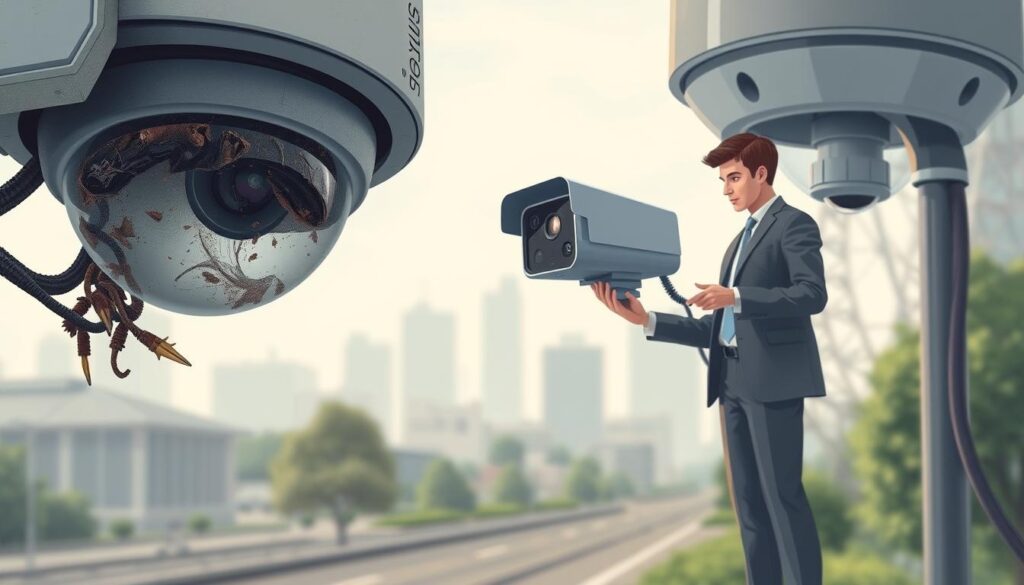
Security cameras play a critical role in safeguarding homes and businesses across Singapore. However, unexpected failures can compromise safety, leaving properties vulnerable to breaches. One of the most alarming signs of a failing camera is video loss, which can manifest as black screens or flickering images.
Power supply interruptions are among the top causes of issues. Voltage fluctuations can disrupt camera operation, leading to intermittent failures. Additionally, modern IP-based systems often face challenges due to unstable network connections, resulting in degraded video quality.
Environmental factors unique to Singapore, such as high humidity and heavy rainfall, can also accelerate equipment degradation. Regular maintenance, including inspections and firmware updates, is essential to prevent common problems before they escalate.
This article will explore the root causes of camera malfunctions and provide practical solutions. By understanding these factors, property owners can maintain robust surveillance systems and avoid security gaps.
Key Takeaways
- Unexpected camera failures can leave properties vulnerable.
- Video loss is a common sign of malfunction.
- Power supply issues often disrupt camera performance.
- Network connectivity challenges can affect video quality.
- Environmental factors can accelerate equipment degradation.
- Regular maintenance is crucial for preventing problems.
Understanding Video Loss: The First Sign of Security Camera Problems
Video loss often serves as the first indication of trouble in surveillance systems. Property owners in Singapore need to recognize the symptoms of this issue. Addressing them quickly can prevent serious security vulnerabilities.
Common Symptoms of Video Loss and Camera Failure
Several signs can indicate video loss. A complete black screen suggests total signal interruption or power failure. Flickering images often point to loose connections or electrical interference affecting the camera feed.
Intermittent signal loss can occur during specific times or conditions. This often indicates environmental factors or network congestion issues. Identifying these underlying causes requires systematic troubleshooting.
Gradual degradation of image quality serves as an early warning sign. Aging image sensors or deteriorating cable connections can lead to complete video loss over time. Noticing these changes early is crucial.
When multiple cameras experience video loss simultaneously, it typically indicates a system-wide problem. Issues with the NVR, DVR, or power supply require a different diagnostic approach than individual camera failures.
Why Early Detection of Video Issues Matters
Early detection of video issues is vital for maintaining continuous surveillance coverage. Prompt identification of intermittent problems prevents complete system failure, avoiding unmonitored critical areas.
Documenting symptom patterns helps technicians diagnose issues efficiently. Understanding when and under what conditions problems occur assists in determining whether they are camera-specific or system-wide.
In Singapore’s humid climate, moisture can worsen video loss problems. Corrosion at connection points weakens signal strength and degrades footage quality over time. Regular system monitoring is essential to catch these issues before they escalate.
Recognizing video loss symptoms early and responding promptly minimizes security breaches and system downtime. This ensures reliable surveillance protection for homes and businesses.
Why Do Security Cameras Go Bad? Exploring the Root Causes
Several core issues contribute to the decline in performance of surveillance systems. Understanding these root causes helps property owners maintain effective security measures. Below are the four primary categories that explain why cameras may fail.
Power Supply Interruptions and Voltage Fluctuations
Power supply issues are often the most common culprits behind camera failures. Insufficient power delivery can lead to:
- Random reboots
- Intermittent operation
- Complete shutdowns
Loose connections, damaged power adapters, and overloaded power sources create inconsistent energy flow. This can result in flickering images and video loss, which many property owners mistakenly attribute to other issues.
Network Connectivity and Signal Problems
Modern IP-based surveillance systems face challenges related to network connectivity. Weak WiFi signals, bandwidth limitations, and IP address conflicts can disrupt video transmission. These issues often lead to frustrating connection drops.
Factors like router distance, physical obstructions, and interference from other wireless devices can degrade signal strength. Addressing these network-related problems requires specific troubleshooting approaches.
Hardware Wear and Firmware Glitches
Hardware wear is another significant factor in camera degradation. Components such as image sensors, processors, and circuit boards naturally deteriorate over time. Additionally, outdated firmware can introduce security vulnerabilities and performance gaps.
Software bugs and compatibility issues in firmware may disrupt recording functions. Regular firmware updates are essential for maintaining optimal camera functionality and security.
Environmental and Physical Damage Factors
Environmental conditions play a crucial role in the longevity of surveillance equipment. In Singapore’s tropical climate, high humidity can cause moisture infiltration, while heavy rainfall may damage outdoor equipment. Temperature fluctuations can create thermal stress on sensitive components.
Physical obstructions, such as growing vegetation or new construction, can gradually block camera views. Dust accumulation and insect activity can also degrade image quality and sensor performance over time.
Understanding these root causes enables property owners to implement targeted preventative measures. By recognizing the factors that contribute to security camera failures, they can respond effectively when issues arise, ensuring reliable surveillance protection.
Power Supply Issues: Diagnosing and Fixing Electrical Problems
Power supply problems can significantly impact the functionality of surveillance systems. These issues often arise from loose connections, damaged cables, or overloaded power sources. Addressing these problems promptly ensures that security cameras operate effectively.
To start troubleshooting, check that all connections are tight. Inspect the power cables for any signs of wear or damage. Ensure that power adapters are functioning correctly and providing adequate voltage to each camera. Each unit should receive sufficient power without overloading the source.
Identifying Insufficient Power and Loose Connections
Several signs indicate insufficient power affecting security cameras. Random reboots may signal voltage fluctuations, while intermittent operation suggests inconsistent power delivery. A complete failure to power on indicates severe supply issues requiring immediate attention.
Systematically identify loose connections by inspecting all terminations at both ends of each cable. Verify that power adapters are working correctly and supplying adequate voltage to each camera. Addressing these connections can prevent further problems.
Quick Fixes for Power Supply Failures
Implement quick fixes for power supply failures that can be executed immediately. Use shorter, high-quality cables to improve power transmission. Switching camera ports on NVRs or PoE switches can help identify malfunctioning ports. Testing with replacement adapters isolates faulty components effectively.
Keep in mind that long cable runs can impact voltage delivery. Electrical resistance increases with distance, leading to voltage drops. This issue particularly affects analog CCTV systems using coaxial cables and PoE systems with specific distance limitations.
Protecting Cameras from Power Spikes and Electrical Interference
In Singapore, common sources of power spikes include lightning strikes during thunderstorms. Nearby electrical equipment can generate electromagnetic interference, while improper grounding creates potential differences that may damage sensitive camera components.
Mounting cameras directly on conductive surfaces like metal structures increases vulnerability to electrical interference. Instead, consider using non-conductive mounting solutions such as wooden blocks or specialized brackets to isolate cameras from these risks.
Using Surge Protectors and Backup Power Systems
Using surge protectors at power entry points is essential. These devices absorb excess voltage and divert dangerous spikes away from sensitive equipment. Quality surge protectors provide multi-layer protection for complete surveillance systems.
Uninterruptible Power Supply (UPS) units offer dual benefits. They provide backup power during outages, maintaining continuous camera operation while filtering electrical noise that can degrade video quality and cause performance issues.
For properties seeking reliable surveillance independent of main power lines, consider solar-powered camera options like Reolink models. These systems reduce grid dependency risks and eliminate many surge-related vulnerabilities.
In conclusion, proper power management is vital. Regularly inspect electrical connections, check grounding systems, and implement appropriate protection measures. This ensures continuous surveillance operation and significantly extends equipment lifespan.
Network Connectivity Challenges Affecting Camera Performance
Network connectivity issues can significantly disrupt the performance of surveillance systems. Many factors can weaken WiFi signals, leading to unreliable video feeds and compromised security coverage.
Weak WiFi Signals and Router Distance Impact
Weak WiFi signals are among the most common network-related causes of camera problems. As the distance from the router increases, signal strength diminishes. Physical barriers like walls, floors, and metal structures can further reduce transmission quality.
Each additional wall or floor between the camera and the router can drastically lower WiFi strength. Large appliances and metal structures create additional interference, disrupting wireless communication between cameras and recording equipment.
Resolving Bandwidth Limitations and IP Conflicts
Network congestion poses another challenge for wireless surveillance systems. When multiple devices compete for bandwidth—such as streaming services and downloads—the camera’s video quality may degrade.
To resolve bandwidth limitations, consider repositioning cameras closer to access points. Using WiFi extenders or mesh networks can also enhance coverage across larger properties. Additionally, dual-band systems offer alternative frequency options that may experience less congestion.
IP address conflicts occur when multiple devices attempt to use the same IP assignment. This disrupts communication between cameras and recording systems, leading to lost video feeds. Assigning static IP addresses to each camera can prevent these conflicts and ensure stable operation.
Improving Network Reliability for Stable Surveillance
Regularly inspecting all physical connectors and terminations is crucial. Loose Ethernet connections can cause intermittent problems that mimic wireless issues, requiring different troubleshooting approaches.
Implementing regular network monitoring practices, such as checking signal strength and address assignments, can help identify connectivity issues before they affect security coverage. This proactive approach is essential for maintaining reliable surveillance performance.
In Singapore’s urban environment, dense housing and multiple competing networks create unique challenges for wireless camera systems. Proper network planning and optimization are essential for stable operation.
Improving network reliability through proper configuration, regular monitoring, and appropriate hardware solutions ensures consistent video feeds and maintains the integrity of the entire surveillance system.
Cable and Wiring Faults: Ensuring Signal Integrity
Cable and wiring issues can severely impact the effectiveness of surveillance systems. Problems like loose connections or damaged wires can lead to significant disruptions. These issues may result in video loss, reduced quality, and inconsistent camera performance.
In Singapore’s humid climate, damaged insulation can expose conductors to moisture. This moisture intrusion causes corrosion, leading to signal degradation over time. Additionally, overly tight bends during installation can impair signal transmission, while extended cable runs beyond specifications can cause signal attenuation.
Another common issue is rodent damage. Rodents often chew through exterior cables, interrupting transmission entirely. Regular inspections are crucial to catch these problems before they escalate.
Common Wiring Problems That Cause Video Loss
Several wiring problems can lead to video loss in security camera systems:
- Loose connections at termination points can create intermittent contact.
- Damaged insulation exposes conductors to moisture, increasing the risk of corrosion.
- Overly tight bends during installation impair signal transmission and reduce image quality.
Diagnosing and Replacing Faulty Cables or Connectors
Diagnosing cable problems begins with visual inspections of accessible wiring. Look for physical damage, corrosion, or loose connections. After that, use cable testers and toners to verify continuity and identify breaks, shorts, and impedance issues along the cable runs.
When replacing faulty cables, use high-quality, appropriately rated materials. This ensures a longer lifespan and better performance. Weatherproof connectors are essential for outdoor installations to prevent moisture-related problems.
Best Practices for Cable Management and Protection
Effective cable management is vital for maintaining system integrity. Here are some best practices:
- Use conduits to shield wiring from physical damage and environmental exposure.
- Implement strain relief to prevent tension on connections.
- Organize cable routing to simplify future maintenance and troubleshooting efforts.
Proper installation techniques are crucial. Correct termination methods and secure connections can prevent many common wiring-related issues. Regular inspection routines covering all exposed wiring sections enable early detection of minor damage. This proactive approach maintains continuous security coverage without unexpected interruptions.
Hardware Malfunctions and the Importance of Firmware Updates
Hardware failures can significantly hinder the performance of surveillance systems. Recognizing these issues is crucial for maintaining effective security. Many signs indicate that hardware may be failing, impacting the functionality of your cameras and recording systems.
Signs of Hardware Failures in Cameras and NVR/DVRs
Several specific symptoms point to hardware problems. Frequent system crashes or automatic reboots often suggest instability in underlying components. Frozen video feeds can indicate malfunctions in the processing unit. Additionally, unresponsive controls may signal memory issues within the equipment.
For NVR and DVR systems, hard drive malfunctions can cause recording interruptions and data loss. Unusual mechanical noises from PTZ models often precede complete mechanical failure. Recognizing these signs early can prevent larger issues down the line.
Overheating units are another concern. Excessive housing temperature can indicate cooling failures. Power regulation problems may also contribute to thermal issues that degrade performance and shorten equipment lifespan.
Consistently blurry images, despite proper focus, suggest sensor problems or lens assembly issues. These can degrade image quality over time and may require professional diagnosis to determine if repair or replacement is necessary.
How Firmware Updates Enhance Camera Functionality and Security
Firmware updates play a critical role in maintaining the functionality of security cameras. They serve as the essential bridge between physical hardware and operational software. Outdated firmware can create security vulnerabilities and performance gaps, making regular updates essential.
Manufacturers release firmware updates to address weaknesses, close security holes, and improve feature reliability. These revisions can resolve compatibility problems between components, fix software bugs, and enhance security against emerging vulnerabilities.
Moreover, video processing algorithms often improve with new firmware versions. This can boost image quality and compression efficiency, while sometimes introducing new features that enhance overall surveillance capabilities.
Maintaining Firmware: Tips for Smooth Operation
To ensure smooth operation, always create backup configurations before updating firmware. This allows for quick restoration if the process encounters errors. Keeping records of update versions and installation dates facilitates future troubleshooting.
Regularly schedule firmware checks as part of routine maintenance. Review manufacturer websites for specific instructions and compatibility information. Following recommended procedures can prevent installation issues that might disrupt camera operation.
In conclusion, combining hardware health monitoring with consistent firmware maintenance maximizes camera performance and longevity. This ensures surveillance systems remain reliable and secure against both physical degradation and digital vulnerabilities.
IR Night Vision and Sensor Issues: Troubleshooting After-Dark Problems
Night vision capabilities are essential for effective surveillance, especially in low-light conditions. When problems arise, it can lead to significant security gaps. Understanding how to diagnose and fix these issues is crucial for maintaining effective after-dark surveillance.
Why Night Vision Sometimes Fails
Infrared sensor malfunctions often represent the most common cause of nighttime blackouts. If a camera fails to turn on night mode, it may not detect low light conditions. This prevents the automatic activation of night vision features, resulting in dark footage.
IR cut filter mechanisms can also fail to engage properly. When stuck in daytime mode, nighttime footage appears completely black. Additionally, individual IR LED failures can reduce illumination gradually. This may create dark spots or complete darkness in the camera’s view.
Testing and Calibrating Infrared Sensors
To troubleshoot infrared sensors, create controlled darkness conditions. Cover the camera or test during nighttime hours to observe if infrared illuminators activate automatically. Listen for the distinct click of the IR filter engaging.
It’s also essential to check configuration settings through the camera’s interface menu. Ensure that night vision features remain enabled and properly calibrated. Sometimes, software resets or updates disable these critical functions without the user’s knowledge.
Cleaning and Using External IR Illuminators
Environmental factors in Singapore can impact night vision performance. High humidity and frequent rainfall affect sensor performance over time. Dust accumulation on lenses scatters infrared light, reducing effectiveness.
Regular maintenance is vital. Use appropriate lens cleaners and soft cloths to clean the camera. Avoid abrasive materials that could damage delicate components. Removing spider webs and debris is essential to maintain quality nighttime footage.
External IR illuminators can enhance existing capabilities or replace failed built-in systems. These units can be easily installed around perimeter areas needing additional coverage. They extend the vision range beyond standard camera capabilities.
In conclusion, regular testing and maintenance of night vision components ensures continuous 24/7 surveillance protection. If testing confirms hardware failures, professional assessment may be necessary for component replacement. For more information on common night vision issues, check out this resource.
Compatibility and Signal Types: Avoiding Integration Problems
When setting up a surveillance system, compatibility and signal types are crucial considerations. Understanding the differences between analog and digital signals can help avoid common pitfalls that lead to performance issues.
Understanding Analog vs. Digital Camera Signals
Analog signals are prevalent in older systems, utilizing coaxial cables for signal transmission. They provide basic video quality but lack the clarity and resolution found in modern systems. In contrast, digital signals from IP cameras use network protocols for data transfer, supporting higher resolutions and advanced features.
Mixing these two types can create significant problems. Older recording devices may not process digital formats correctly, often requiring conversion equipment to function properly. This mismatch can lead to degraded video quality or complete failures in video transmission.
Common Compatibility Issues Among Brands and Devices
Compatibility issues often arise when different brands are used in a single system. Many manufacturers implement proprietary protocols that can prevent cross-brand compatibility. For example, recording devices may fail to recognize video streams from cameras of another brand, resulting in distorted footage or total video loss.
Additionally, resolution conflicts can occur when high-definition cameras are connected to basic recorders. This setup can produce poor-quality results, as protocol mismatches hinder proper video transmission.
Choosing Compatible Equipment for Reliable Operation
To avoid brand mismatches and decoding errors, it is essential to check specification sheets before purchasing new equipment. Verify supported resolutions and compression formats, and consult manufacturer compatibility lists to ensure a seamless integration.
Matching signal types across the entire surveillance system is vital. Consistent technology choices prevent integration problems and video loss issues. Investing in compatible equipment from the outset saves time and money compared to troubleshooting mismatched components later.
In conclusion, understanding signal types and compatibility requirements enables property owners to build reliable surveillance systems. When all components work together seamlessly, they maintain consistent security coverage without integration-related failures.
The Role of Environmental Factors in Camera Degradation
Environmental conditions play a significant role in the performance of outdoor surveillance systems. In Singapore, the tropical climate presents unique challenges that can affect the longevity and functionality of security cameras.
How Weather Conditions Affect Surveillance Cameras
High humidity can lead to moisture infiltration into electronic components, which is a common issue for outdoor cameras. Heavy rainfall tests the weatherproofing seals, while intense sunlight creates thermal stress that damages internal components over time.
Temperature fluctuations between hot days and cooler nights cause expansion and contraction of camera materials. This gradual weakening of seals can create entry points for moisture, leading to corrosion and electrical failures.
Additionally, UV exposure from Singapore’s strong sunlight degrades plastic insulation on exterior wiring. Over time, this exposure can make housing materials brittle and crack, compromising the weatherproofing that protects sensitive internal components.
Protective Measures for Outdoor Cameras in Singapore’s Climate
To safeguard outdoor cameras, using weatherproof housing with appropriate IP ratings is essential. Higher ratings indicate better resilience against dust and water intrusion, making them ideal for Singapore’s rainy climate.
Strategic camera placement is also crucial. Positioning cameras under eaves or in sheltered areas minimizes direct exposure to harsh weather while maintaining effective surveillance coverage. This approach helps reduce cumulative damage from constant environmental exposure.
Regular Cleaning and Equipment Inspection
Regular cleaning routines are vital to prevent environmental factors from causing premature failure. This includes removing dust accumulation that traps moisture against surfaces, clearing spider webs that create false motion triggers, and wiping lenses to maintain clear image quality.
Systematic equipment inspections should check weatherproofing seals for cracks or deterioration. Verifying that housing gaskets remain intact can help identify early signs of moisture ingress before corrosion damages internal electronics.
Moreover, Singapore’s frequent thunderstorms create additional risks from lightning strikes and power surges. Implementing surge protection and proper grounding are essential components of environmental protection strategies for surveillance systems.
In conclusion, consistent cleaning and inspection routines tailored to Singapore’s climate conditions can significantly extend equipment lifespan and maintain optimal camera performance despite challenging environmental factors.
Choosing Quality Surveillance Equipment for Long-Term Reliability
Choosing high-performance surveillance cameras is essential for ensuring long-term reliability. Investing in top-notch equipment significantly impacts the effectiveness of your security system. Quality surveillance technology not only provides better performance but also enhances peace of mind for property owners.
Key Features of Durable and High-Performance Cameras
When selecting security cameras, consider features that contribute to durability and performance:
- High IP Ratings: Look for cameras with high Ingress Protection (IP) ratings, ensuring they withstand Singapore’s humid and rainy climate.
- Robust Housing Materials: Metal housings offer better heat dissipation and durability compared to plastic alternatives.
- Advanced Image Sensors: Quality sensors deliver clear footage, crucial for effective surveillance.
- Reliable Night Vision: Ensure cameras have effective night vision capabilities for 24/7 monitoring.
Trusted Brands and Warranty Considerations
Researching trusted brands in the surveillance industry is vital. Look for companies known for consistent performance and reliability. User reviews and professional evaluations can guide your choices. Additionally, consider warranty options. Comprehensive warranties from reputable manufacturers provide protection against defects and indicate confidence in product quality.
Benefits of Investing in Quality over Cost Cutting
Investing in quality equipment reduces long-term costs. Cheaper cameras often use inferior components that fail sooner, leading to frequent replacements and service calls. Reliable cameras maintain consistent performance throughout their operational lifespan, making them a smarter investment.
Moreover, proper installation by experienced professionals maximizes the benefits of quality equipment. This ensures correct configuration and optimal positioning, preventing many common issues.
In conclusion, choosing quality surveillance equipment represents a commitment to long-term security reliability. The initial investment pays dividends through years of dependable operation and reduced maintenance requirements.
Regular Maintenance Practices to Prevent Camera Failures
Maintaining optimal performance in surveillance systems is essential for their longevity. Regular checks can spot problems early, saving you from expensive fixes or new purchases. Important steps include cleaning lenses often to prevent blurry images, checking connections to keep the system stable, and updating software to stay safe from threats.
Routine inspections are vital for a reliable system. They should include checking video quality to ensure clarity, testing each camera to confirm they work correctly, and fixing any problems quickly to avoid downtime.
Routine Lens Cleaning and Hardware Inspection
Regular lens cleaning is crucial for maintaining clear image quality. Use appropriate lens cleaners and soft microfiber cloths to remove dust, fingerprints, and environmental residue without scratching delicate optical surfaces.
In addition, conduct hardware inspections covering all system components. Check camera housings for cracks or seal deterioration, verify that mounting brackets remain secure, and ensure cables show no signs of wear or damage.
Systematic Testing and Troubleshooting Schedule
Establish a systematic testing and troubleshooting schedule. Monthly checks of all camera feeds verify clear video quality. Test recording functionality and confirm that motion detection and alert features operate correctly.
It’s important to test each camera individually during maintenance routines. This helps isolate potential issues, such as checking pan, tilt, and zoom functions on PTZ models, and verifying that night vision capabilities activate properly in low-light conditions.
Software and Firmware Update Management
Software and firmware updates are critical maintenance components. Regularly check manufacturer websites for the latest releases and review update notes for relevant improvements. Follow proper installation procedures to avoid disrupting system operation.
Document all maintenance activities and configurations, including firmware version numbers, installation dates, and any issues discovered and resolved. This creates a maintenance history that facilitates future troubleshooting and system upgrades.
Given Singapore’s environmental conditions, more frequent maintenance is necessary compared to temperate climates. Monthly inspections are recommended to address accelerated wear caused by high humidity, frequent rainfall, and intense sun exposure.
Prompt problem resolution during maintenance checks is vital. Addressing minor issues immediately prevents them from escalating into major failures that require expensive repairs or complete equipment replacement.
In conclusion, consistent maintenance practices represent the most effective strategy for preventing unexpected camera failures. This approach extends equipment lifespan and ensures continuous reliable surveillance coverage for homes and businesses.
Implementing Reliable Power and Network Solutions
To ensure the reliability of surveillance systems, establishing robust power and network solutions is crucial. These elements play a vital role in maintaining consistent operation and protecting against common failure points.
Designing Stable Power Supply Systems for Security Cameras
Begin by calculating the total power requirements of all connected equipment. Ensure that power sources have adequate capacity to handle peak demands without voltage drops. This planning minimizes the risk of interruptions.
Choosing the right cable gauge is essential for effective power delivery. Thicker gauge wires maintain voltage over longer distances, preventing power loss that can lead to intermittent camera operation and premature equipment failure.
For Power over Ethernet systems, adhere to specific distance limitations for optimal performance. Avoid exceeding recommended lengths to ensure sufficient power reaches connected devices.
Using UPS and Surge Protection Effectively
Implementing Uninterruptible Power Supply (UPS) units can provide backup power during outages. Select appropriately sized UPS systems that offer sufficient runtime to maintain continuous surveillance operation.
Surge protection is equally important. Install surge protectors at power entry points to absorb excess voltage from lightning strikes and grid fluctuations. Multi-layer protection approaches safeguard both power and data lines.
Proper electrical grounding is critical for surveillance systems. Inadequate grounding can create potential differences that damage sensitive components. Professional electricians can verify proper grounding during installation.
Optimizing Network Setup for Consistent Video Feeds
For consistent video feeds, configure Quality of Service settings on routers to prioritize surveillance traffic. Using dedicated network segments for cameras can enhance performance, while implementing VLANs isolates surveillance data from other network activity.
Address common network bottlenecks by assessing bandwidth requirements for all cameras streaming simultaneously. Upgrading network infrastructure may be necessary to accommodate increased demands.
Regular testing of backup power systems is vital. Simulate power outages to verify UPS operation and ensure surge protectors maintain their protective capabilities over time.
Investing time and resources in designing reliable power and network infrastructure pays dividends. This approach leads to consistent surveillance operation, reduced downtime, and protection against the most common causes of camera failures.
Maintaining Consistent Surveillance: Best Practices for Long-Term System Health
Long-term effectiveness of surveillance systems hinges on consistent maintenance practices. Proactive measures create robust setups that withstand environmental challenges and technical issues. Regular upkeep significantly extends equipment lifespan.
Schedule monthly lens cleaning and housing inspections to maintain image quality and weather protection. System checks verify recording performance and storage integrity. Select quality equipment from reputable brands to ensure durability against Singapore’s climate.
Proper installation prevents environmental damage. Follow manufacturer guidelines for optimal performance. Install surge protection devices and UPS units to safeguard against voltage spikes and power outages. Regular firmware updates are essential for security and compatibility.
Document maintenance activities and configurations to facilitate troubleshooting and future upgrades. Environmental factors specific to Singapore require attention to weatherproofing and corrosion prevention. Knowing when to call professionals versus performing DIY maintenance is crucial.
Ultimately, consistent attention to system health prevents costly repairs and security breaches. Reliable surveillance coverage protects homes and businesses, making the investment in proper care worthwhile.