
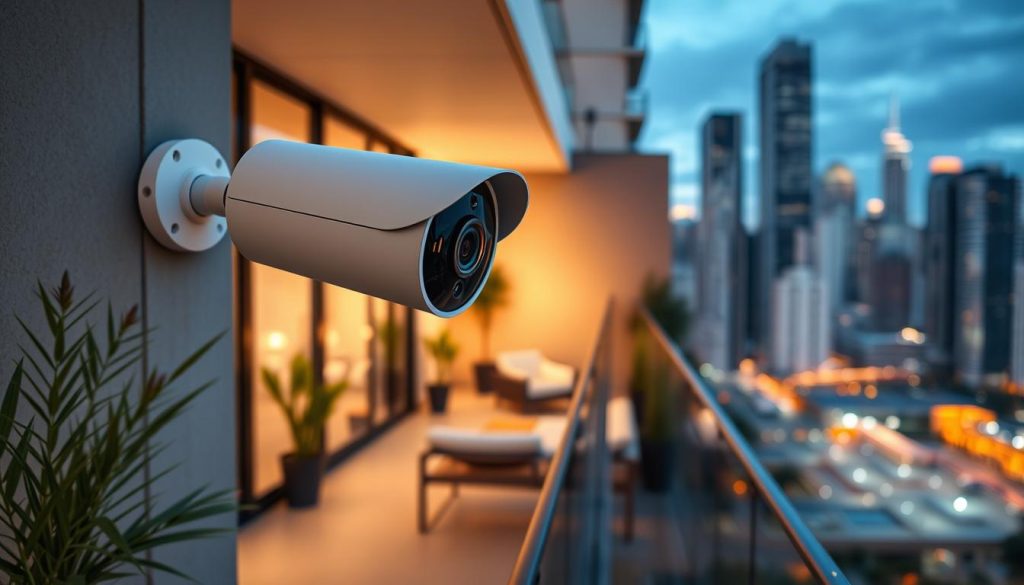
Living in a Singapore apartment presents unique challenges for residential monitoring. Space constraints and management rules require careful consideration when selecting surveillance equipment.
Modern devices offer much more than simple video streaming. They provide intelligent detection, instant notifications, and seamless connection with other smart home gadgets.
This comprehensive guide helps you navigate the options. We compare top models from leading brands like Arlo, Google Nest, and Ring based on extensive testing.
Our research included over 100 different monitoring systems and simulated scenarios. We focused on Singapore’s specific environment, including concrete structures that can affect wireless signals.
You’ll find side-by-side comparisons of the leading contenders. We evaluate video quality, storage options, and ease of installation—all crucial factors for apartment residents.
Choosing the right equipment can significantly enhance your living space safety. It should complement your home’s aesthetics while respecting privacy concerns.
Key Takeaways
- Modern surveillance devices offer advanced features like AI detection and smart alerts
- Singapore condo living requires equipment that balances performance with easy installation
- This guide compares top models from leading brands based on hands-on testing
- Considerations include video quality, storage options, and smart home integration
- Proper selection enhances safety without compromising aesthetics or privacy
- Local factors like concrete structures and management rules are addressed
- The article provides cost analysis and installation tips specific to Singapore
Why Condo Security Demands a Smart Approach
Effective protection in a condominium setting hinges on understanding the physical and social landscape. A standalone house allows for perimeter control, but apartment living involves shared walls, common corridors, and management regulations.
This environment demands a more nuanced strategy. Your equipment must be powerful yet discreet, comprehensive yet respectful.
- Shared Access Areas: Corridors, lifts, and lobbies are not private. This increases risks like package theft, making a video doorbell or a well-placed indoor device a valuable deterrent.
- Installation Limitations: Many management corporations have strict rules against exterior modifications. Your setup must be non-invasive and often temporary.
- Proximity to Neighbors: Your surveillance should monitor your entry without capturing your neighbor’s private space. Balancing coverage with privacy is critical.
- Structural Challenges: Singapore’s concrete buildings can weaken Wi-Fi signals. Choosing devices with strong connectivity or planning for a mesh network is essential.
A smart approach integrates your devices into a cohesive ecosystem. Think of your surveillance equipment working with smart locks and lights. When motion is detected at your door, a light can turn on and a notification can be sent to your phone.
For flexibility, battery-powered and wireless options are often ideal. They allow you to adjust placement without dealing with permanent wiring. This is perfect for renters or those who may need to move their setup.
In Singapore, specific rules apply. HDB dwellers must follow public housing guidelines, while private condos have their own management stipulations. A smart choice respects these frameworks.
Modern technology helps manage the busy environment. Advanced detection can distinguish a person from a passing shadow. This reduces false alerts from harmless activity in common areas.
Ultimately, a smart strategy for your apartment considers both technological capability and practical living constraints. It’s about creating a safe, private home within a shared community.
Key Considerations Before Buying a Condo Security Camera
The installation process itself can determine whether a monitoring system succeeds or fails in a condo setting. Beyond technical specs, you must consider practical constraints and approval processes.
Getting your setup right requires planning. You need to balance performance with the rules of your building.
Installation: DIY vs. Professional and Landlord Approval
Your first step should always be consulting your landlord or management corporation. Many buildings have strict guidelines about exterior modifications.
Drilling into common property walls is often prohibited. You might need approval for any permanent mounting.
DIY options are ideal for renters and those needing flexible solutions. Brands like SimpliSafe, Ring, and Arlo specialize in user-friendly designs.
According to testing, Arlo units are made for DIY setup with battery operation. They avoid wiring completely.
Ring devices also offer simple installation with minimal wiring. Setup can take just minutes.
These wireless designs use easy mounting systems. You can often place them using adhesive strips or temporary brackets.
This approach respects your space’s limitations. It also makes removal simple when moving between apartments.
ADT takes a different approach. They provide both professional and DIY choices.
Their Self Setup option removes long-term contracts. You get professional-grade equipment with a simpler installation process.
Battery-powered models from Arlo, Ring, and Google Nest offer maximum flexibility. You aren’t tied to power outlets.
This is crucial in spaces with limited electrical access. You can position devices exactly where you need them.
Professional installation has clear advantages for integrated systems. ADT with Google Nest benefits from expert placement.
A technician ensures optimal positioning and configuration. This maximizes your system’s effectiveness.
In Singapore, specific considerations apply. Condos often have aesthetic guidelines and structural rules.
Concrete walls can affect signal strength. Your installation plan should account for this.
There’s a balance between convenience and performance. Wired options typically offer more reliable power.
They may require more permanent installation though. Choose based on your long-term living situation.
When seeking approval, documentation helps. Prepare a clear plan showing camera placement.
- Include diagrams of where each device will go
- Specify equipment types and mounting methods
- Highlight how your setup respects neighbor privacy
- Note any wireless or battery-powered features
This preparation shows you’re considerate of community rules. It increases the likelihood of getting your plan approved.
The right installation approach makes your entire system work better. It ensures reliable monitoring without conflicts.
The energy source for your monitoring equipment directly impacts its reliability and placement flexibility in your apartment. This choice determines maintenance needs and overall system performance.
Power Sources: Battery, Wired, and Solar Options
Battery-powered units offer maximum installation freedom. You can position them anywhere without worrying about outlet proximity.
Blink models lead in this category with an impressive two-year battery life. Arlo and Google Nest also provide extended performance between charges.
These are ideal for renters or temporary setups. You can easily relocate them as needed.
Wired devices connect directly to your electrical system. They deliver constant power without recharging interruptions.
This reliability comes with placement constraints. You must install them near power outlets or run visible cables.
Wyze equipment mostly falls into this wired category. Their spotlight models offer a battery alternative for specific needs.
Solar panels present a clever hybrid solution. Ring and Arlo both offer compatible solar accessories.
Singapore’s tropical climate provides ample sunlight for solar charging throughout the year.
Balcony or window placement ensures panels receive sufficient light. This can virtually eliminate battery maintenance.
Power over Ethernet represents another wired approach. Lorex and Ring Elite models use this technology.
A single cable handles both data transmission and energy supply. Installation is more complex but highly efficient.
Each power method affects your device’s capabilities. Battery models often use power-saving modes to extend life.
These modes might cause a slight delay in recording activation. Wired units can offer continuous recording without such compromises.
Consider your apartment’s layout when making this decision. Battery options work well for spaces with limited electrical access.
Wired installations suit permanent setups in areas with convenient outlets. Solar panels help with hard-to-reach outdoor spots.
Ring stands out for its versatile power choices. Many of their models support battery, wired, and solar connections.
This flexibility lets you adapt to changing needs. Other brands typically specialize in one or two power methods.
Your living situation guides the optimal selection. Temporary residents benefit from battery-operated gear.
Permanent owners might prefer wired reliability. Solar accessories extend options for balcony or porch monitoring.
Think about your daily routine and maintenance tolerance. Battery devices require periodic recharging or replacement.
Wired setups need professional installation if outlets aren’t nearby. Solar panels add an initial cost but reduce long-term upkeep.
Singapore’s building structures influence this choice too. Concrete walls can limit wireless signal strength for some systems.
A well-planned power strategy ensures consistent operation. It also affects your overall home automation integration.
The method you choose for retaining recorded video influences everything from daily convenience to long-term data protection. This decision shapes how you access footage and who controls your residential monitoring information.
Video Storage: Cloud vs. Local and Privacy Implications
Cloud storage sends your recordings to remote servers managed by the service provider. This allows access from any internet-connected device worldwide.
Local storage keeps everything on physical devices within your apartment. You maintain complete control over the data without monthly fees.
Free cloud options provide limited access without subscriptions. Google Nest offers three hours of event history at no cost.
Wyze provides more generous fourteen-day cloud storage for free. This covers most immediate review needs for apartment residents.
Subscription models unlock extended capabilities and retention periods. Ring plans start at $4.99 monthly for basic video history.
Arlo requires a subscription starting around $8 monthly for cloud features. SimpliSafe and ADT include storage with their monitoring plans.
Local implementations vary by manufacturer. Lorex specializes in DVR/NVR systems with up to 8TB internal capacity.
Wyze supports MicroSD cards for onboard recording alongside its cloud service. This creates a hybrid approach many users appreciate.
Singapore’s Personal Data Protection Act (PDPA) governs how residential monitoring data should be handled locally.
Cloud storage involves third-party servers that could potentially experience data breaches. Your footage travels outside your direct control.
Local storage keeps sensitive recordings within your physical possession. This addresses privacy concerns for apartment living situations.
Cost analysis reveals different financial models. Cloud subscriptions create ongoing monthly expenses that add up over years.
Local storage requires larger upfront hardware investments. These one-time purchases avoid recurring fees but need proper setup.
Retrieval methods differ significantly between approaches. Cloud systems allow instant remote viewing through mobile apps anywhere.
Local setups typically require physical access or network configuration for remote viewing. Some systems offer both methods for flexibility.
Retention periods vary based on your chosen solution. Cloud plans generally preserve footage for 30 to 60 days automatically.
Local storage capacity determines how much history you retain. With 8TB, Lorex systems can store months of continuous recording.
Storage choice directly affects available features. Advanced AI capabilities like facial recognition often require cloud processing.
Google Nest and ADT systems use cloud servers for intelligent detection analysis. Local systems may offer basic motion alerts without subscription.
Consider these factors for your apartment monitoring needs:
- Cloud storage suits those prioritizing remote access and automatic backups
- Local storage appeals to residents concerned about privacy and avoiding monthly fees
- Hybrid approaches balance convenience with control using both methods
- Singapore compliance requires understanding PDPA requirements for data handling
- Budget planning should account for either upfront hardware or ongoing subscription costs
For maximum convenience and remote accessibility, cloud solutions excel. They simplify setup and provide reliable off-site backups.
When privacy and cost control matter most, local storage offers advantages. You maintain complete authority over your residential recordings.
Many modern systems now support both approaches simultaneously. This balanced method provides flexibility as your needs evolve.
Key Considerations Before Buying a Condo Security Camera
Smart home integration elevates basic video surveillance by creating automated responses to detected activity. This connectivity turns individual devices into a coordinated network that protects your space.
Your monitoring equipment should work with other gadgets you already own. This creates a seamless experience that enhances both convenience and protection.
Smart Home Integration and Voice Assistant Compatibility
Modern residential monitoring systems connect with smart lights, locks, and speakers. When motion is detected, your equipment can trigger multiple actions at once.
A device might turn on porch lights and send an alert to your phone. This automated response makes your entire setup more effective.
Voice assistant compatibility lets you control your setup with simple commands. Most devices work with Alexa or Google Home for hands-free operation.
Google Nest equipment integrates seamlessly with Google Assistant. Ring products are designed for the Alexa ecosystem.
Arlo supports multiple platforms including Alexa, Google Home, and Samsung SmartThings. This broad compatibility makes it flexible for various smart home environments.
Singapore residents increasingly adopt smart home technology, with Google and Amazon ecosystems being most popular in local apartments.
Apple HomeKit has more limited support among monitoring devices. If you use Apple products, check compatibility before purchasing your equipment.
Integration capabilities vary significantly between brands. Arlo’s support for IFTTT allows for advanced automation scenarios.
You could create rules that lock smart doors when unusual activity is detected. Lights might flash if a person lingers near your entry after dark.
SimpliSafe has restricted smart home capabilities compared to more open systems. ADT with Google Nest offers excellent integration within the Google ecosystem.
Wyze works with both Alexa and Google Home for basic voice commands. This gives you options regardless of which assistant you prefer.
Consider these factors for your Singapore apartment:
- Ecosystem alignment: Choose devices that match your existing smart home setup
- Automation potential: Look for systems that trigger other devices during events
- Voice control: Select equipment compatible with your preferred assistant
- Setup complexity: Same-brand ecosystems typically offer plug-and-play integration
Cross-platform integration often requires more configuration. Google Nest cameras work effortlessly with Google Home displays.
Ring devices pair naturally with Alexa-enabled screens. You can view live feeds using simple voice commands.
Practical examples show how integration enhances daily living. Ask your assistant to show the front door view on a smart display.
Receive alerts through smart speakers when you’re not looking at your phone. This keeps you informed without constant device checking.
Your existing smart home investments should guide your selection. Matching ecosystems creates the smoothest experience with minimal setup.
For those starting fresh, consider which platform dominates Singapore’s market. This ensures better long-term compatibility with new gadgets.
Integration transforms individual components into a unified protection system. It makes your entire smart home more intelligent and responsive to your needs.
Essential Features for Effective Condo Monitoring
Modern monitoring devices offer various capabilities that enhance residential protection. Understanding these specifications helps you select equipment matching your specific needs.
Picture quality and coverage width work together to create comprehensive visibility. They influence how many units you need and what details you can review later.
High-Resolution Video and Wide Field of View
Higher resolution provides clearer details for identifying important elements. With 4K Ultra HD, you can distinguish facial features, read package labels, and identify license plates.
Standard 1080p footage might show a person at your door. 4K recording reveals their specific appearance and any items they carry.
Leading brands offer different resolution capabilities. Arlo and Lorex provide up to 4K resolution on their premium models.
Ring’s newer equipment also reaches 4K quality. Google Nest and ADT systems typically max out at 1080p or 2K resolution.
SimpliSafe doesn’t currently offer 4K options. Your choice depends on how much detail you need from your recordings.
Singapore’s well-lit condo corridors and lobbies maximize the benefits of high-resolution recording, providing ideal conditions for clear footage.
Field of view determines how much area a single device can monitor. Wider angles cover more space with fewer units, crucial for apartments with limited mounting points.
Lorex leads with up to 180-degree horizontal coverage. Arlo models offer up to 160-180 degrees depending on the specific product.
Ring provides up to 164-degree viewing angles. Google Nest equipment typically covers 130-152 degrees.
Consider these practical implications for your residence:
- Fewer devices needed: A 180-degree unit can monitor an entire living room or long hallway
- Reduced installation points: Wide-angle coverage minimizes drilling or mounting in multiple locations
- Comprehensive visibility: You’re less likely to have blind spots in critical areas
- Simpler management: Monitoring fewer devices through your app or system
Higher resolution requires more storage space and network bandwidth. 4K footage creates larger files than 1080p recordings.
This affects both cloud and local storage solutions. You may need larger capacity hard drives or higher-tier cloud plans.
Singapore apartments sometimes have data caps or slower internet connections. Streaming 4K video continuously could impact your network performance.
Digital zoom capabilities complement high resolution. You can examine specific portions of recorded footage after an event occurs.
With 4K quality, you can zoom in significantly without losing important details. This helps during post-event review and investigation.
Positioning strategies differ based on your equipment’s specifications. Wide-angle devices work well in central locations like room corners.
They capture entire spaces with minimal distortion at the edges. Standard-angle units might require strategic placement for complete coverage.
For Singapore residences, consider these positioning approaches:
- Entryway monitoring: Use wide-angle devices to cover the entire doorway and immediate corridor area
- Living space coverage: Position a high-resolution unit with broad view to capture room activities
- Balcony surveillance: Combine good resolution with appropriate angle to monitor outdoor spaces
- Hallway observation: Utilize extended field of view to track movement along shared corridors
Concrete structures in local buildings can affect Wi-Fi signal strength. This may limit bandwidth available for high-resolution streaming.
Plan your network accordingly if choosing 4K equipment. Consider mesh systems or wired connections for optimal performance.
Balance your resolution and field of view based on monitoring priorities. Use 2K-4K quality for detail-critical areas like entry points.
Employ wide-angle coverage for general surveillance spaces. This combination provides both comprehensive visibility and specific identification capability.
Your final selection should align with your overall residential protection strategy. Consider how these technical specifications integrate with other features like motion detection and smart home connectivity.
Artificial intelligence brings contextual understanding to residential surveillance, reducing unnecessary notifications. This technology analyzes what your equipment sees rather than just detecting movement.
Advanced Motion Detection and AI Alerts
Modern systems use computer vision to categorize activity. They distinguish between people, vehicles, animals, and packages with impressive accuracy.
This intelligence dramatically cuts down false alarms. You won’t get notifications for shadows or leaves blowing in common corridors.
Different brands implement this technology uniquely. Google Nest offers Familiar Face Alerts through its subscription service.
Arlo provides AI-driven detections with helpful event captions. These describe what triggered the recording in plain language.
Wyze stands out by offering free object recognition. It categorizes vehicles, packages, pets, and people without extra fees.
Ring focuses specifically on person detection. SimpliSafe includes AI alerts for suspicious individuals near your entry points.
Singapore’s shared living spaces benefit greatly from intelligent filtering. AI helps ignore normal neighbor movement while highlighting unusual activity.
Detection technologies vary between basic and advanced approaches. Blink uses PIR (Passive Infrared) sensors that detect heat signatures.
This method is reliable but less discerning. Computer vision AI used by Google and Arlo actually identifies objects within the frame.
Subscription requirements differ across platforms. Google Nest needs a subscription for facial recognition capabilities.
Arlo requires its subscription plan for advanced AI features. Wyze provides basic detection categorization completely free of charge.
For apartment residents, these intelligent filters solve specific challenges. They help manage the busy environment of shared hallways and lobbies.
Activity zones represent another powerful tool. You can draw custom areas where motion triggers alerts while ignoring other spaces.
This is perfect for focusing on your doorway. The system won’t notify you about movement in the busy common corridor beyond.
Alert customization options provide further control. You can schedule quiet hours when you don’t want notifications.
Sensitivity adjustments help fine-tune the system. Different detection categories can trigger distinct notification types on your phone.
Consider these Singapore-specific applications:
- Package detection alerts notify you when deliveries arrive at your door
- Person detection highlights unauthorized entry attempts
- Vehicle recognition monitors parking areas and loading zones
- Pet alerts help track indoor animal movement without false triggers
System capabilities vary in their integration depth. ADT’s combination with Google Nest AI provides verification for the overall protection system.
Standalone equipment offers features without professional monitoring. The choice depends on your desired level of response and verification.
When selecting equipment for your residence, prioritize AI detection to reduce alert fatigue. Too many false notifications cause people to ignore their systems.
Facial recognition benefits family homes with regular visitors. It learns to recognize household members and frequent guests.
Basic motion detection suits simpler needs and tighter budgets. PIR sensors provide reliable heat-based detection without AI complexity.
Your living situation guides the optimal choice. Busy apartments near elevators need stronger filtering than quiet end-unit residences.
Test different sensitivity settings during setup. Find the balance that catches concerning activity while ignoring normal building movement.
Intelligent detection transforms reactive monitoring into proactive protection. It helps you focus on what matters most for your home’s safety.
Essential Features for Effective Condo Monitoring
When daylight fades, the true capability of your surveillance equipment is tested by its ability to capture usable footage. This after-dark performance is non-negotiable for complete residential protection.
Night Vision Capabilities: Infrared vs. Color
Two main technologies dominate low-light imaging. Infrared provides monochrome views in total darkness, while color offers detailed hues but needs some ambient light.
Infrared systems use invisible light beams to illuminate scenes. They render everything in shades of gray, which works perfectly in enclosed, dark spaces.
Color night vision relies on highly sensitive image sensors. These can pull color information from minimal existing light, like distant streetlamps.
Lorex and Arlo lead in this color category. Their devices capture clothing colors and vehicle details that infrared cannot.
Singapore’s generally well-lit common corridors and streets provide ideal ambient light for color night vision to function effectively.
Range is another crucial factor. Most consumer units offer 30 to 50 feet of clear night sight.
Lorex stands out with long-range capabilities that extend further. This is useful for monitoring expansive lobby areas or parking lots.
Supplemental lighting enhances color performance. Arlo’s built-in spotlight actively brightens the scene when motion is detected.
Some Ring models also include integrated lights. Pure infrared systems operate silently without any visible glow.
Google Nest employs a different approach called HDR night vision. This technology balances bright and dark zones in the same frame.
The result is a clearer image without washed-out or shadowy areas. It helps identify details in challenging lighting contrasts.
For practical use, color imaging helps with specific identification. You can see the color of a jacket or a delivery van.
Infrared is perfectly sufficient for basic motion detection and general monitoring. It confirms activity without extra detail.
During testing, Lorex’s color night vision delivered exceptional clarity. Arlo Pro 6 combines color vision with a powerful 12x digital zoom.
Blink and standard Ring devices use reliable infrared. They perform well in consistently dark environments.
A key limitation exists for color technology. It may struggle in completely dark areas like enclosed parking garages or back stairwells.
In these pitch-black spots, infrared remains the only effective option. It creates its own illumination without external light sources.
Consider these recommendations for your Singapore residence:
- Color night vision is ideal for well-lit condo exteriors, lobbies, and balconies with street light exposure.
- Infrared systems are better for completely dark areas like storage rooms, enclosed hallways, or interior spaces without windows.
- Prioritize units with HDR or spotlight features if your entryway has mixed lighting from interior and exterior sources.
- Check the specified night vision range to ensure it covers the entire area you need to monitor after dark.
Your final choice should match the specific lighting conditions around your home. A hybrid setup using both technologies often provides the most comprehensive coverage.
Essential Features for Effective Condo Monitoring
Interactive communication features transform passive observation into active engagement with your residential environment. These capabilities allow you to respond immediately to what your equipment detects.
Two-Way Audio and Built-in Sirens
Two-way talk functionality lets you communicate directly through your monitoring devices. You can greet visitors, give delivery instructions, or check on family members from anywhere.
This creates a powerful deterrent against unwanted activity. Potential intruders often retreat when they hear a voice through a device.
Most modern equipment includes this feature. Ring, Arlo, and Google Nest all offer two-way audio in their products.
Audio quality varies between brands. Ring provides enhanced audio technology for clearer communication.
Their system reduces background noise and echo. This makes conversations more natural and understandable.
Built-in sirens serve a different but equally important purpose. They can scare away intruders or alert neighbors to emergencies.
Ring’s Spotlight and Floodlight models include integrated sirens. Arlo devices also feature built-in audible alarms.
SimpliSafe takes a different approach. Their equipment can trigger the entire protection system’s siren when activity is detected.
Singapore’s Personal Data Protection Act requires careful consideration when recording audio in shared residential spaces.
Professional monitoring integration adds another layer. SimpliSafe agents can use two-way audio to speak directly to detected individuals.
This creates a verified response to potential threats. The agent assesses the situation through both video and audio.
For apartment residents, these features solve specific challenges. Two-way talk lets you communicate with delivery personnel without opening your door.
You can provide instructions for package placement in secured lobbies. This reduces the risk of theft in common areas.
Built-in sirens alert neighbors to concerning situations. In close living quarters, this communal awareness enhances overall safety.
Privacy considerations are important in Singapore. Most devices allow you to disable audio recording if preferred.
This respects both your privacy and that of your neighbors. It also ensures compliance with local regulations.
Practical applications extend beyond basic security. Use two-way audio to deter package thieves loitering near your entry.
Communicate with family members in different rooms through indoor units. Check on pets or children when you’re away from home.
Activation methods vary between manual and automatic control. You can trigger sirens manually through your mobile app.
Some systems activate alarms automatically based on motion detection. Others link to the overall protection system’s status.
Consider these recommendations for your Singapore residence:
- Two-way audio is valuable for interactive protection and daily convenience
- Built-in sirens work well with self-monitoring setups without professional response
- Prioritize clear audio quality if you frequently communicate through your devices
- Check local regulations regarding audio recording in shared building spaces
- Test siren volume to ensure it’s audible but not disruptive to neighbors
Your selection should match your preferred response style. Interactive features create a more dynamic protection strategy.
Best Security Camera for Condo: Our Top Picks for 2026
For residents seeking human intervention alongside technology, SimpliSafe delivers a unique approach to residential protection. This system goes beyond recording events by adding trained personnel who watch your feeds.
SimpliSafe: Best for Active Monitoring and Burglar Deterrence
SimpliSafe’s standout feature is its active monitoring through Intruder Intervention and Active Guard. Trained agents watch your feeds in real-time when sensors detect break-ins.
These professionals can speak directly to intruders through two-way audio. This immediate human response often deters crimes before they progress further.
The Intruder Intervention feature activates when your indoor equipment detects unauthorized entry. Agents assess the situation and communicate through the device’s speaker.
Active Guard provides similar intervention for outdoor units detecting suspicious persons loitering near your entry points.
This layer of human verification is valuable for Singapore apartment living. It adds protection beyond what automated systems provide alone.
Privacy receives careful attention with this brand. The indoor unit includes a physical shutter that stays closed by default.
This cover only opens when motion triggers recording or you manually activate it. You maintain visual privacy within your living space.
The equipment lineup includes wireless indoor and outdoor models. These integrate with the complete SimpliSafe protection ecosystem.
You get comprehensive coverage without complex wiring. This suits apartment residents needing flexible installation options.
Consider these key aspects for your Singapore residence:
- Human intervention: Trained agents provide real-time response to detected threats
- Privacy protection: Physical shutter on indoor units maintains visual privacy
- Wireless design: Easy installation without permanent modifications to your space
- System integration: Equipment works with full SimpliSafe protection setup
- Singapore applicability: Active monitoring adds valuable layer for residences without 24/7 concierge services
Cost structure begins with equipment packages starting at $250.96. Monitoring plans range from $22.99 monthly for basic service.
The higher-tier plans are required for active monitoring features. These provide the human intervention that defines this system.
Setup offers both DIY and professional installation choices. The wireless design makes self-installation straightforward for most users.
Professional service ensures optimal placement and configuration. This benefits residents wanting expert assistance with their setup.
Some limitations exist compared to other systems. The brand doesn’t currently offer 4K resolution options.
Camera range is more limited than some competitors. Smart home integrations are restricted compared to more open ecosystems.
The equipment works with Alexa and Google Home for basic voice commands. However, advanced automation capabilities are more limited.
For Singapore apartment residents, this system excels when human intervention is valued. It provides burglar deterrence through active response.
Choose this option if you prioritize trained personnel watching your feeds. It’s ideal over highest resolution or extensive smart home features.
The overall assessment favors those wanting comprehensive protection with human verification. SimpliSafe delivers peace of mind through active monitoring.
For those seeking verified response to potential threats, ADT’s system integration with Google Nest equipment offers a compelling choice. This partnership merges professional monitoring with advanced AI detection in a unified residential solution.
ADT with Google Nest: Best Professional System Integration
ADT’s SecureScore of 9.3/10 reflects their reliable approach. They incorporate Google Nest devices with facial recognition into their professional monitoring network.
The video verification feature stands out significantly. ADT agents review live footage from your equipment when sensors trigger an alarm.
This verification process reduces false dispatches to authorities. It also speeds up legitimate emergency response times with confirmed visual evidence.
Another intelligent feature called Trusted Neighbor utilizes facial recognition technology. It can automatically grant access to trusted individuals during specified time windows.
This works well for regular visitors like family members or cleaning staff. You maintain control without needing to manage every entry manually.
Singapore residents benefit from this professional verification layer, especially in buildings without 24/7 concierge services.
Subscription benefits include free Nest Aware with monitoring plans. This unlocks facial recognition and extended cloud storage without extra monthly fees.
The Google Nest equipment itself offers impressive capabilities. Models provide up to 2K resolution with HDR imaging for balanced exposure.
Advanced detection categorizes people, vehicles, and animals accurately. Familiar face alerts help you recognize regular visitors versus strangers.
Field of view reaches up to 152 degrees for comprehensive coverage. This width helps monitor entire entryways or living areas with a single unit.
Power options include both battery and wired configurations. You can choose based on your apartment’s electrical access points.
Cloud storage comes included with the monitoring subscription. This ensures your footage remains accessible remotely through the ADT mobile app.
Voice assistant compatibility covers both Alexa and Google Home ecosystems. You can view feeds on smart displays using simple voice commands.
Cost considerations require careful evaluation. Equipment and monitoring prices sit at the higher end of the market spectrum.
Access to Google Nest devices requires the priciest monitoring tier. This represents a significant investment compared to DIY alternatives.
Installation flexibility presents two clear paths. The DIY Self Setup option eliminates long-term contracts for greater control.
Professional installation provides complete setup service by trained technicians. They ensure optimal placement and system configuration.
Several limitations deserve attention. Maximum resolution caps at 1080p or 2K without 4K options available.
Local storage choices remain quite limited within this ecosystem. The system primarily relies on cloud-based retention.
Overall costs exceed most standalone DIY systems significantly. This reflects the value of professional monitoring services.
For Singapore apartment living, this integration makes particular sense. Professional monitoring provides peace of mind for residents who travel frequently.
The system handles verification and response without requiring your constant attention. This suits busy professionals or families wanting reliable protection.
Consider these factors when evaluating this option:
- Verified response: Professional agents assess situations using your video feeds before dispatching help
- Included subscriptions: Nest Aware comes free with monitoring plans, providing advanced AI features
- Smart home integration: Works seamlessly with Google and Amazon ecosystems for unified control
- Higher investment: Equipment and monthly costs exceed most DIY alternatives significantly
- Singapore relevance: Professional monitoring valuable for residences without constant occupant presence
This solution excels for those prioritizing human verification alongside technology. It combines ADT’s monitoring expertise with Google’s detection intelligence.
Choose this system if you value professional response over managing everything yourself. The integration creates a comprehensive residential protection approach.
Technical enthusiasts who prioritize maximum detail and local data control will find Lorex systems particularly compelling. This brand earns a SecureScore of 9.2/10 for its hardware-focused approach.
Lorex: Feature-Rich Cameras with Local Storage
Lorex leads in resolution with up to 4K video quality. This exceptional detail capture is ideal for identifying faces and reading small text in apartment environments.
You can distinguish specific features clearly with this high resolution. It provides evidence-grade footage when needed for review.
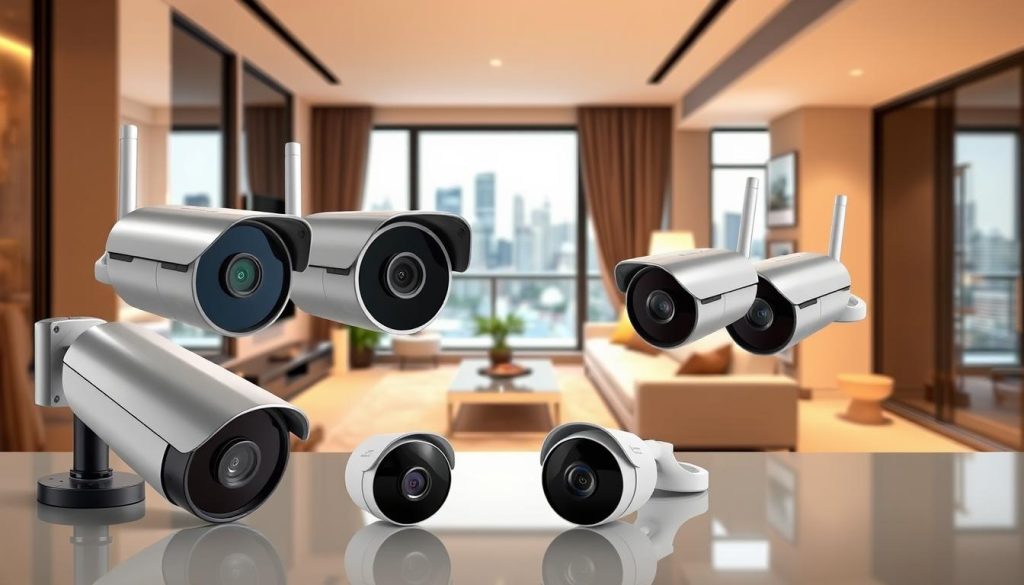
Night vision capabilities rank among the best tested. The brand offers both long-range color and infrared options for different lighting conditions.
Color night vision performs well in Singapore’s well-lit urban areas. It captures clothing hues and vehicle details after dark.
Local storage complies with data privacy preferences many Singapore residents value, while high resolution captures details important for evidence collection.
The local storage advantage is significant. Free recording to DVR/NVR systems with up to 8TB capacity avoids monthly cloud fees.
You maintain complete control over your footage locally. This approach keeps sensitive data within your physical possession.
Product range covers every use case imaginable. The massive selection includes discreet indoor units and rugged outdoor models suitable for condo balconies.
You can find specialized equipment for specific monitoring needs. This breadth ensures a match for any residential scenario.
Setup considerations require more planning than wireless alternatives. Wired systems provide reliable power and data connections without Wi-Fi dependency.
Installation effort is higher but results in stable performance. Concrete structures in local buildings don’t affect wired connections.
Several limitations deserve attention. The brand doesn’t offer professional monitoring options through their systems.
Product selection may overwhelm some buyers. Customer service experiences vary compared to other mainstream brands.
Comparison to competitors shows clear strengths. Lorex delivers superior resolution and night vision versus most other options.
The trade-off involves less DIY-friendly installation than wireless systems. You sacrifice some convenience for maximum technical performance.
App experience is generally smooth for viewing and managing equipment. Setup complexity varies depending on your chosen system type.
Once configured, the interface works reliably for daily use. You can access live feeds and review recordings efficiently.
Consider these key aspects for your Singapore residence:
- Maximum detail: 4K resolution provides the clearest possible footage for identification purposes
- Local data control: DVR/NVR storage keeps all recordings within your physical possession without subscriptions
- Comprehensive product range: Find exactly the right equipment for indoor, outdoor, and specialized monitoring needs
- Wired reliability: Stable connections unaffected by Wi-Fi signal issues in concrete buildings
- Higher installation effort: Requires more planning and physical setup than plug-and-play wireless alternatives
- No professional monitoring: You manage the entire system yourself without third-party response services
Overall assessment favors tech-savvy apartment residents. Choose Lorex if you want maximum features, highest resolution, and local storage control.
This system works best for those comfortable with technical setup. It delivers premium specifications without ongoing subscription costs.
Homeowners seeking premium video quality and intelligent features will find the Arlo Pro 6 an exceptional choice for apartment living. This model delivers impressive specifications that balance technical excellence with practical installation.
Arlo Pro 6: Top-Tier Video Resolution and Smart Features
The Arlo Pro 6 captures footage in crisp 2K resolution with HDR enhancement. This high-definition recording provides exceptional clarity for identifying details in your residential space.
A 160-degree ultra-wide field view covers extensive areas with a single unit. This reduces the number of devices needed in compact Singapore apartments.
Color night vision works effectively in urban environments with ambient light. The built-in spotlight activates when motion is detected, illuminating dark corners.
Smart capabilities include AI-driven detection for people, vehicles, and packages. The system categorizes activity to provide relevant notifications.
Event captions describe detected movement in plain language when using the subscription plan, making review quicker and more intuitive.
Customizable activity zones let you focus on specific entry points. You can ignore routine movement in shared corridors while monitoring your doorway.
Installation flexibility stands out with magnetic mounting options. These allow easy positioning and repositioning without permanent modifications.
Power choices include both battery and wired configurations. This suits various locations within your residence, from balconies to interior rooms.
Weather resistance ensures reliable operation in Singapore’s tropical climate. The unit functions down to -4°F, far beyond local temperature extremes.
The subscription model unlocks the system’s full potential. The $8 monthly Arlo Secure plan provides cloud storage and advanced detection features.
Without this plan, you miss event captions and extended recording history. The basic free tier offers limited functionality for casual use.
Compared to earlier models, the Pro 6 offers a wider viewing angle. Improved specifications come at a competitive $124.99 price point.
Smart home integration works with multiple platforms seamlessly. Compatibility includes Alexa, Google Home, and Samsung SmartThings ecosystems.
This broad support creates comprehensive connectivity within your automated residence. You can view feeds on smart displays using voice commands.
Practical applications for Singapore apartments are numerous. The wide angle monitors entire living rooms or long hallways effectively.
Color night vision performs well in well-lit condo environments. It captures useful details after dark without monochrome limitations.
Several limitations deserve consideration. The subscription is required for optimal use of all features.
Premium pricing places it above budget alternatives in the market. Some users might find the extensive capabilities overwhelming initially.
Overall assessment favors those wanting cutting-edge technology. The Arlo Pro 6 delivers excellent video quality and flexible installation.
It represents a premium DIY system for tech-savvy residents. Choose this model if advanced features and superior imaging matter most for your home.
Best Security Camera for Condo: Our Top Picks for 2026
Google’s battery-powered monitoring device combines intelligent recognition with accessible cloud retention for apartment residents.
Google Nest Cam (Battery): Best AI Detection and Free Storage
This unit excels at distinguishing people, vehicles, and animals with minimal false alerts. Its artificial intelligence filters out routine movement in shared corridors.
You get three hours of complimentary cloud storage without monthly fees. This allows event review and download for budget-conscious living situations.
The magnetic charging base and weather resistance enable flexible placement. Use it indoors or on your balcony without complex installation.
Seamless Google Home integration works with Alexa too. This creates a unified smart home experience for Singapore residents.
A subscription unlocks familiar face recognition and extended history. The 1080p resolution provides sufficient detail for most monitoring needs.
Choose this model for superior AI detection and accessible cloud storage over maximum pixel count.