
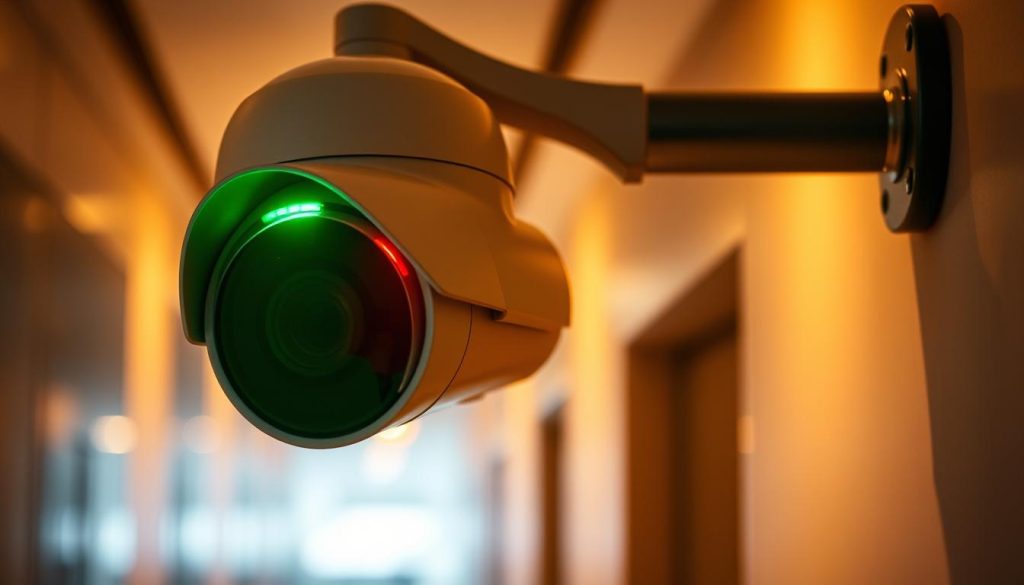
Many people notice the small LED on their security devices. This status indicator often glows with a red color. Its presence or absence can cause confusion for homeowners and business operators.
This guide explores what that glowing dot really means. We move beyond simple assumptions to the technical heart of modern surveillance. Understanding your equipment is crucial for reliable protection.
For residents in Singapore, maintaining effective security is particularly important. The tropical climate presents unique challenges for electronic systems. This article provides a clear framework for assessment and troubleshooting.
You will learn to distinguish normal operation from potential malfunction. We cover scenarios from power supply issues to internal hardware problems. Our goal is to empower you with knowledge and confidence.
Key Takeaways
- The red LED is primarily a status indicator, not always essential for core function.
- Many modern surveillance units have this feature disabled for stealth operation.
- A missing indicator often points to power supply or electrical connection problems.
- Proper diagnosis requires checking wiring, hardware, and software settings systematically.
- Singapore’s high humidity can accelerate wear on electronic components.
- Regular maintenance of your security system ensures continuous, reliable monitoring.
- Understanding normal versus abnormal states prevents unnecessary concern and false alarms.
Understanding the Red Light on Your Security Camera
Status indicators on monitoring devices provide immediate visual feedback about operational conditions. That small glow is not random decoration. It forms part of a deliberate communication system built into your surveillance equipment.
Manufacturers design these visual signals with specific intentions. The visibility and behavior of the LED depend on the model’s purpose. Professional-grade units often conceal status lights for discreet operation.
Consumer versions typically make them visible for user reassurance. Research demonstrates their psychological impact. Studies note a 47% reduction in perimeter breaches when status indicators are apparent to potential intruders.
The Primary Purpose of Status Indicators
The main role of this visual cue is confirmation. It tells you the device has power and is functioning. This provides peace of mind for homeowners and business operators.
Beyond user reassurance, the visible glow acts as a deterrent. It signals that an area is under active monitoring. This dual purpose makes the indicator valuable for any security setup.
A steady illumination usually means the unit is powered and recording. Some models use a steady glow to indicate standby mode. Always check your specific model’s manual for exact meanings.
In Singapore’s dense urban environment, this visibility requires careful consideration. Balancing deterrence with discreet monitoring is key. The indicator should support your overall security strategy.
Common Misconceptions About Blinking Lights
Many believe authentic surveillance equipment must have a blinking LED. This is a widespread myth. Genuine professional devices often feature steady lights or no visible lights at all.
Dummy or imitation units frequently use this misconception. They install overly bright or erratic blinking patterns. These exaggerated signals attempt to mimic real functionality.
Here are key facts about light patterns:
- Steady illumination typically indicates normal operation or recording.
- Blinking often signals a specific status like network activity or setup mode.
- No visible light can mean stealth operation or a potential problem.
- Manufacturers use specific patterns as part of their coding system.
Understanding your device’s specific language is essential. Do not assume all equipment behaves identically. Refer to the manufacturer’s documentation for accurate interpretation.
The presence or absence of that small glow involves technical design choices. Modern systems offer configuration options for these indicators. Users can often enable or disable them through software settings.
This flexibility allows customization based on security needs. Discreet monitoring might require hidden status lights. Visible deterrents might need prominent illumination.
Can a CCTV Camera Work Without Red Light? The Direct Answer
Modern surveillance technology has evolved beyond simple visual indicators for status confirmation. That small glow serves only one purpose among many in today’s sophisticated security systems.
The straightforward response is affirmative. Monitoring equipment absolutely functions without that familiar visual cue. This occurs frequently by intentional design rather than equipment failure.
Manufacturers build flexibility into their products for diverse operational environments. Professional installations often prioritize discretion over visible signals. Users maintain complete control through configuration settings.
Your primary concern should be the actual performance of the unit. Verify it captures clear footage and transmits data properly. The absence of a glow becomes irrelevant if these core functions continue uninterrupted.
Scenarios Where No Light is Perfectly Normal
Several legitimate situations explain why your status indicator might remain dark. Daylight operation represents the most common example. Ample ambient light deactivates infrared features automatically.
Sufficient natural illumination renders night vision components unnecessary. The associated status LED typically remains off during daytime hours. This preserves energy and extends the lifespan of internal components.
Activated stealth mode represents another intentional scenario. Discreet monitoring requires eliminating all visible signals. Professional security personnel frequently enable this setting for covert operations.
Network connectivity issues sometimes affect indicator behavior separately from recording. The device may continue capturing footage locally despite communication problems. Always check the actual video feed rather than relying solely on visual cues.
Custom configuration allows users to disable visible alerts manually. Many property owners prefer reducing light pollution around their premises. Software settings provide this flexibility within the system’s interface.
Infrared overload protection mechanisms engage under specific conditions. These safeguards prevent damage to sensitive components during intense light exposure. The status indicator may deactivate as part of this protective sequence.
When a Missing Light Signals a Problem
A previously visible glow that suddenly disappears often indicates trouble. This change typically points to underlying electrical or hardware issues. Immediate investigation becomes necessary to restore full functionality.
Complete power failure represents the most serious concern. Check whether the unit receives adequate electrical current. Verify all connections remain secure and undamaged.
A damaged internal LED circuit might cause the specific symptom. The surveillance device could otherwise operate normally. Professional assessment determines whether repair or replacement proves necessary.
Significant hardware malfunction sometimes manifests through indicator failure. Correlate the missing glow with the equipment’s actual performance. Does it still record and provide clear video footage?
Systematic troubleshooting helps distinguish between normal operation and genuine malfunction. Begin with basic power verification before exploring complex possibilities. This methodical approach saves time and prevents unnecessary repairs.
Singapore’s humid climate accelerates wear on electronic components. Regular inspection of your security infrastructure becomes essential. Proactive maintenance ensures continuous protection for your property.
Decoding What Different Light Patterns Mean
Different illumination patterns on security devices serve as a coded language for system status. Each blink, glow, or color transmits specific information about operational health. Learning this visual vocabulary helps you understand your surveillance equipment’s true condition.
Manufacturers design these signals with intentional precision. The patterns follow established coding systems unique to each brand. This knowledge becomes especially valuable when managing multi-brand installations.
Steady Red vs. Flashing Red: Interpreting the Signals
A solid, unwavering glow typically indicates normal operation. Most professional units use this pattern to show active recording or standby mode. The consistent illumination confirms power supply and basic functionality.
Blinking or flashing patterns convey different messages entirely. These intermittent signals often represent specific events or error states. Common triggers include boot-up sequences, firmware updates, or network connectivity problems.
Some lower-quality imitation devices use exaggerated blinking to simulate activity. Genuine equipment from leading brands employs more subtle, purposeful patterns. Always verify against your specific model’s documentation.
Major manufacturers like Hikvision, Dahua, and Axis Communications each have unique indicator systems. Axis models, for example, may use multi-color LEDs where green signifies normal operation. Amber lights often indicate alerts or warnings within their ecosystem.
Infrared Activation and Its Subtle Glow
Night vision technology operates on principles invisible to human eyes. Infrared illumination enables clear video capture in complete darkness. The visibility of this process depends on the wavelength used.
Most consumer-grade units employ 850nm wavelength LEDs. These produce a faint reddish glow noticeable in dark conditions. Higher-end professional equipment often uses 940nm wavelength technology.
The 940nm wavelength remains completely invisible to human vision. This allows for truly covert nighttime monitoring. Both approaches deliver excellent low-light performance despite their visual differences.
You can test infrared functionality with a simple smartphone trick. Point your phone’s camera at the surveillance unit in total darkness. Active IR LEDs will appear as purplish spots on your screen.
This testing method reveals whether night vision components function properly. It helps diagnose issues with low-light performance without specialized equipment. Regular verification ensures your system maintains optimal capability after dark.
For property owners in Singapore, understanding these patterns provides practical advantages. Quick diagnosis prevents prolonged security gaps during troubleshooting. It also helps integrate diverse equipment into cohesive monitoring networks.
Common Culprits: Why Your CCTV Red Light Might Be Off
A dark status indicator on your monitoring device typically points to one of three primary failure categories. Electrical problems, physical damage, and internal component failures account for most cases. Pinpointing the exact cause is essential for effective resolution.
Systematic diagnosis saves time and prevents unnecessary equipment replacement. Begin your investigation with the most accessible components before considering complex repairs. This logical approach applies perfectly to Singapore’s challenging installation environments.
Power Supply Failures and Voltage Issues
The most frequent reason for a missing visual cue involves power delivery disruption. Faulty transformers, damaged adapters, or failing Power over Ethernet injectors deprive units of necessary voltage. When this happens, all functions may cease, including the status LED.
Voltage irregularities create additional complications. Surges during thunderstorms can instantly damage sensitive circuits. Sags from an underpowered supply lead to erratic operation.
Singapore’s electrical grid experiences unique fluctuations. These variations stress power regulation components over time. Using an appropriately rated supply is crucial for long-term reliability.
Common power-related problems include:
- Undersized transformers overheating during continuous operation
- Grid instability during seasonal monsoon thunderstorms
- Rodent damage to outdoor power cables and conduits
Loose, Damaged, or Corroded Wiring
Physical wiring integrity directly affects signal and power transmission. Exposed outdoor installations face constant environmental assault. Singapore’s high humidity and frequent rainfall accelerate deterioration.
Loose terminal connections create intermittent contact points. Vibration from wind or nearby traffic gradually works connectors free. This disruption might only affect the indicator circuit while recording continues.
Corrosion presents a stealthier challenge. Moisture infiltrates unprotected junction boxes and connector heads. The resulting oxidation increases electrical resistance until circuits fail completely.
Regular inspection helps identify these issues early. Look for these warning signs around your security setup:
- Discolored or greenish deposits on metal connectors
- Cracked or brittle cable insulation from UV exposure
- Water accumulation in conduit entry points
- Chew marks from pests seeking nesting materials
Internal Camera Hardware Malfunction
Component failure within the surveillance unit itself represents a more serious concern. The LED indicator circuit, main control board, or power regulation components may develop faults. This often requires professional assessment and repair.
Water ingress remains a leading cause of internal damage. Despite weatherproof ratings, persistent moisture finds pathways into housings. Once inside, it corrodes circuit boards and creates short circuits.
Natural component aging affects all electronic devices. Capacitors dry out, solder joints crack, and semiconductors degrade. These gradual processes might first manifest as indicator failure.
Manufacturing defects occasionally surface after installation. These latent flaws become apparent under operational stress. Professional technicians can often identify these patterns during diagnosis.
Make sure to verify other functions before assuming total failure. The recording system might operate normally despite a dark status light. This distinction determines whether repair or complete replacement becomes necessary.
Your Step-by-Step Troubleshooting Guide
Begin with the simplest potential issues before investigating complex hardware failures. This method isolates problems efficiently. Follow each step in order for best results.
Step 1: The Basic Power Check
Verify that your electrical outlet provides current. Plug in a small lamp or phone charger to test it. Ensure the power supply adapter connects firmly at both ends.
Listen for any internal sounds from the surveillance unit. A faint hum or click often indicates it receives electricity. Check the transformer for visible damage or unusual odors.
Use a multimeter to measure output voltage if available. Compare readings with specifications on the adapter label. Inconsistent voltage points to adapter failure.
Make sure all power connections remain secure. Loose plugs cause intermittent operation. This basic verification eliminates many common issues.
Step 2: Inspecting Connections and Cables
Examine every wire from the recording device back to its source. Look for frayed insulation or exposed copper strands. These defects interrupt signal transmission.
Check BNC or RJ45 connectors for bent pins or loose fittings. Secure each connection with a firm twist. Loose terminations cause video loss and indicator failure.
Search for green oxidation on metal contacts. Singapore’s humidity accelerates this corrosion. Clean affected areas with electrical contact spray.
Inspect cable pathways for pest damage or water intrusion. Rodents chew through insulation seeking nesting materials. Seal all conduit entry points against moisture.
Step 3: Testing with Alternative Equipment
The swap test identifies faulty components definitively. Use a known-working power adapter with your existing setup. If the red light activates, the original adapter failed.
Connect a different security camera using the same cables and power source. Normal operation confirms wiring integrity. The problem then lies with the original unit.
Try the suspect camera on another channel of your recording system. This checks DVR/NVR port functionality. Many systems have multiple identical inputs.
If a spare unit works perfectly, your original cctv camera likely developed internal faults. This systematic approach provides clear evidence for repair decisions.
Diagnosing Power Supply Problems in Detail
Unstable voltage delivery remains a primary culprit behind many security system failures. Proper diagnosis moves beyond simple power checks to precise measurement. This approach identifies subtle issues before they cause complete equipment shutdown.
Modern surveillance equipment demands consistent electrical input. Even minor fluctuations can disrupt recording and indicator functions. Systematic testing reveals problems invisible during casual inspection.
Focus on the entire power delivery chain from outlet to device. Each component represents a potential failure point. The latest CCTV solutions incorporate advanced power management, but external factors still affect performance.
How to Use a Multimeter to Test Voltage
A digital multimeter provides definitive evidence of power issues. This tool measures voltage, current, and continuity with precision. Begin by setting the device to the DC voltage range, typically 20V for 12V systems.
Test the output at the power adapter’s connector while it’s plugged in. Place the red probe on the center pin and the black probe on the outer sleeve. A healthy 12V DC adapter should read between 11.5V and 13V.
Readings significantly below 12V indicate adapter failure. Values of 9V or 0V confirm the power supply cannot support your equipment. Make sure to test under load with the surveillance unit connected.
Different models have varying current requirements. Fixed surveillance units typically need 1A, while PTZ cameras require 2A or more. Verify your adapter’s amperage rating matches your equipment’s specifications.
Also check for voltage drop across long cable runs. Measure voltage at both the source and the device end. More than a 0.5V difference suggests inadequate cable gauge or corrosion.
Addressing Singapore’s Unique Power Challenges
Singapore’s tropical environment creates specific electrical challenges for security installations. High humidity accelerates corrosion on exposed metal contacts. This increases resistance and causes voltage drop across connections.
Afternoon thunderstorms bring lightning strikes and power grid fluctuations. These voltage spikes can instantly damage sensitive camera electronics. Proactive protection becomes essential for reliable operation.
Implement these solutions for stable performance:
- Install high-quality surge protectors on all surveillance circuits
- Use Uninterruptible Power Supply (UPS) units for critical systems
- Apply weatherproof enclosures to all outdoor connections
- Consider voltage stabilizers for areas with frequent fluctuations
Place your CCTV system on a dedicated electrical circuit whenever possible. This prevents interference from other household appliances. Regular inspection of power connections prevents gradual deterioration.
Addressing these local challenges maintains consistent power delivery. Stable electricity prevents indicator failures and other malfunctions. Your surveillance equipment will operate reliably despite Singapore’s demanding climate.
Inspecting and Fixing Faulty Camera Connections
Connection points represent vulnerable junctions where surveillance performance can degrade. These physical links transmit both power and data to your monitoring equipment. A single compromised connection can disrupt an entire security network.
Routine inspection prevents most connection-related failures. This is especially vital in Singapore’s tropical climate. High humidity accelerates wear on exposed metal components.
Begin your inspection with a systematic approach. Document each connection point in your setup. Note any visible problems for immediate attention.
Identifying Corrosion in Humid Climates
Singapore’s perpetual humidity creates ideal conditions for corrosion. This electrochemical process attacks metal terminals and connector pins. It appears as a white, green, or blue powdery substance.
Corrosion impedes electrical flow between components. Signal degradation or complete failure often results. Coastal installations face accelerated damage from salt air exposure.
Carefully disconnect each connector during inspection. Look for these telltale signs of trouble:
- Discolored powdery deposits on metal surfaces
- Bent or misaligned pins within connectors
- Mineral deposits indicating past water ingress
- Rust formation on mounting hardware
Fixing these issues requires proper cleaning techniques. Use electrical contact cleaner and a small brush for corroded contacts. Straighten any bent pins with precision tools to restore proper alignment.
For severe cases, replacement becomes necessary. Damaged connectors cannot reliably maintain signal integrity. Professional cctv solutions offers include connection restoration services.
Securing Terminals and Weatherproofing Joints
Loose connections cause intermittent operation problems. Vibration from wind or traffic gradually works terminal screws free. This creates unreliable electrical pathways.
All terminal screws on junction boxes require regular checking. Use the appropriate screwdriver to tighten each connection. Ensure pigtail connectors provide solid mechanical contact.
Weatherproofing is critical for long-term reliability. After securing connections, apply protective measures. These barriers prevent moisture intrusion and subsequent damage.
Effective protection methods include:
- Waterproof gel connectors for cable splices
- Silicone sealant around conduit entry points
- Dedicated weatherproof junction boxes with rubber gaskets
- Weatherproof boots for Ethernet (PoE) connections
Make sure RJ45 connectors click fully into place. Loose network connections cause data transmission issues. Consider adding secondary retention clips for critical installations.
Stainless steel mounting hardware resists corrosion in coastal areas. Quarterly weather seal replacements maintain protection integrity. Silica gel packs inside housings absorb residual moisture.
Regular maintenance of these connections ensures optimal performance. Schedule inspections before Singapore’s monsoon season. This proactive approach prevents most weather-related issues.
For comprehensive guidance on monitoring your equipment’s status, including after dark, review our detailed resource on how to know if your CCTV is on or off at. Properly maintained cctv systems provide reliable security regardless of visible indicator light status.
When the Issue is Internal: Hardware Diagnostics
When external checks reveal no problems, attention must turn to the device’s internal hardware. This deeper investigation examines components inside the surveillance unit itself. Proper diagnosis here determines whether repair or replacement becomes necessary.
All electrical connections and power supplies might test perfectly. The visible status indicator could still remain inactive. This situation points directly to internal component failure.
Testing Infrared LED Functionality
Infrared emitters have a finite operational lifespan. In Singapore’s humid environment, they typically last three to five years. Gradual deterioration of night coverage often signals their decline.
Sudden failures usually stem from different causes. Water ingress or power surges damage delicate circuit boards. These events require immediate professional assessment.
A simple diagnostic test confirms IR LED operation. Perform this check in complete darkness for accurate results. Point a smartphone or digital camera at the surveillance unit.
Working infrared emitters appear as purplish spots on your screen. This glow confirms the night vision system functions properly. A complete absence indicates failed components.
This testing method requires no specialized equipment. It provides quick verification of low-light performance. Regular checks help maintain optimal security after dark.
Recognizing Signs of Sensor or Board Failure
More serious internal issues affect core components. The mainboard controls all device functions. Its failure manifests through multiple symptoms.
The unit might not power on at all. Your recording system may fail to detect its presence. Distorted or strangely colored video images also indicate trouble.
Image sensor problems produce distinct visual artifacts. Look for persistent colored lines across the screen. A completely black or white image suggests sensor failure.
Extreme digital noise in the feed represents another warning sign. These symptoms rarely resolve through simple troubleshooting. Professional intervention becomes essential.
Internal water damage remains a major concern locally. Singapore’s climate promotes moisture infiltration. Fogging or condensation inside the lens housing signals this problem.
Left unaddressed, moisture leads to component corrosion. This eventually causes complete system failure. Early detection prevents costly replacements.
Hardware diagnostics at this level carry certain risks. Opening the device housing may void manufacturer warranties. Professional technicians possess proper tools and expertise.
Recognizing these signs helps make informed decisions. You can determine whether repair represents a viable option. Sometimes replacement proves more economical long-term.
Your surveillance system’s reliability depends on component health. Regular monitoring of its indicators and performance ensures continuous protection. Address internal issues promptly for lasting security.
Configuration and Software Checks
Before assuming hardware failure, a thorough review of digital configurations is essential. Modern surveillance equipment includes extensive software controls that affect all operations. These settings can intentionally or accidentally disable visual status indicators.
Professional installers often adjust these parameters during setup. Homeowners might change them without realizing the consequences. A systematic software check should precede any hardware investigation.
Navigating Settings to Enable/Disable Status Lights
Access your device’s configuration menu through its web interface or dedicated software. Popular platforms include Hik-Connect for Hikvision units and iVMS-4200 for various brands. Dahua’s SmartPSS platform provides similar comprehensive controls.
Look for the LED or indicator light settings within the menu structure. Most video management systems place this under “Device Settings” then “LED Control.” This section allows complete activation or deactivation of status indicators.
Stealth mode represents a common configuration choice. Property owners select this for discreet monitoring. The setting turns off all visible lights while maintaining full recording functionality.
Perform a controlled reboot through the software interface if you suspect temporary glitches. This clears minor software errors without affecting your configurations. It often resolves unresponsive indicator issues.
Make sure to document any changes you make to these settings. This helps troubleshoot future problems. It also ensures your security setup matches your operational preferences.
The Importance of Firmware Updates
Outdated firmware causes various operational glitches. These include unresponsive status indicators and connectivity problems. Security vulnerabilities also emerge in older software versions.
Manufacturers release regular updates to address known issues. The 2023 firmware patches resolved fourteen LED-related bugs across major brands. These updates improve stability and add new monitoring features.
Check for updates through official manufacturer portals or your NVR’s update system. Verify update authenticity before installation. Counterfeit firmware can damage equipment and void warranties.
Regular updates form part of preventative maintenance for reliable operation. They ensure optimal performance from your surveillance equipment. Updated systems also integrate better with the latest cctv solutions.
Consider these update best practices:
- Schedule quarterly checks for new firmware versions
- Back up configurations before applying updates
- Apply updates during low-activity periods
- Verify successful installation through system logs
Factory resets should remain a last resort option. They erase all custom configurations and network settings. Only use this when other troubleshooting methods fail completely.
Proper software management ensures your equipment communicates status accurately. It maintains the reliability of your entire monitoring network. This approach represents smart maintenance for any security investment.
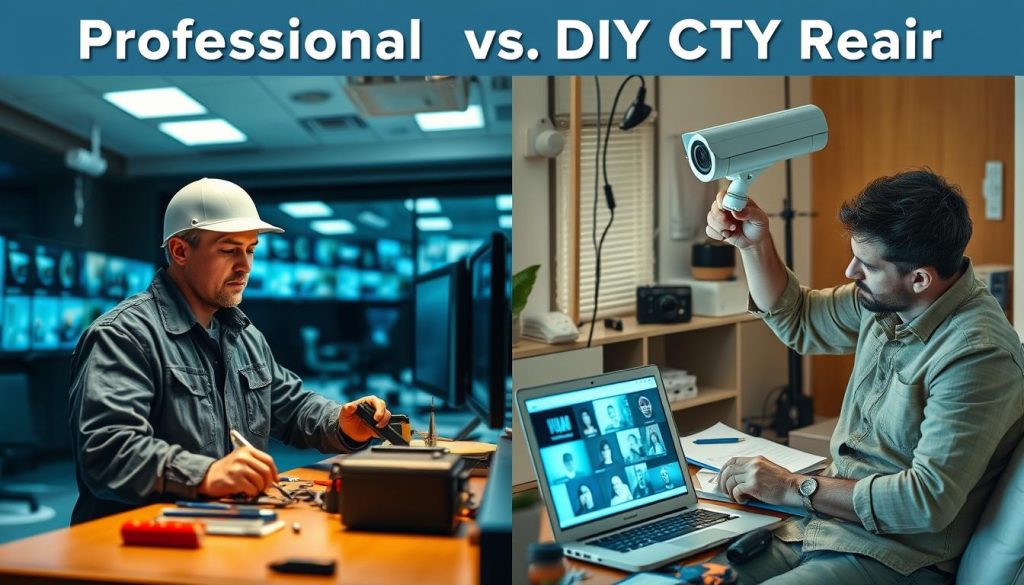
Professional vs. DIY Repair: Making the Right Call
Navigating repair options for malfunctioning surveillance devices involves balancing technical skill, warranty protection, and cost considerations. Property owners must evaluate each situation carefully before proceeding. The wrong choice can lead to additional expenses or compromised monitoring capabilities.
Statistics reveal that board-level component failures require certified technicians in 92% of cases. Warning signs include multiple components failing simultaneously, visible burn marks, or water damage affecting internal circuitry. Singaporean service calls typically range from SGD 80 to SGD 150, while DIY mistakes can triple the final repair costs.
When to Contact a Singapore CCTV Specialist
Knowing when to call a professional is crucial to avoid causing further damage. Unauthorized repairs void coverage on 78% of enterprise security systems. Contact a specialist immediately if you suspect internal hardware problems.
Complex wiring faults represent another scenario requiring expert attention. Professionals possess specialized diagnostic tools for tracing electrical pathways. They can identify issues invisible during casual inspection.
If your equipment remains under an active warranty, certified servicing is mandatory. Manufacturers require authorized technicians for valid claims. This ensures proper documentation and prevents coverage disputes.
Certified technicians have access to original parts for major brands like Hikvision, Dahua, and Axis. They perform reliable repairs using manufacturer-approved methods. This maintains the integrity of your entire surveillance network.
For comprehensive support, Singapore residents can reach specialists at +65 60135960. This provides direct access to professionals familiar with local installation challenges. They understand Singapore’s unique environmental conditions affecting electronic equipment.
Safe DIY Fixes That Won’t Void Your Warranty
Several maintenance tasks remain safe for property owners to perform personally. These involve external components rather than internal hardware. They address common problems without risking warranty coverage.
Replacing a faulty power adapter represents a straightforward DIY solution. Ensure the replacement matches voltage and amperage specifications. This simple swap often restores full functionality immediately.
Re-terminating loose cable connections is another safe procedure. Use proper crimping tools for BNC or RJ45 connectors. Secure weatherproofing maintains protection against Singapore’s humidity.
Cleaning lens covers improves image quality without internal access. Use microfiber cloths and approved cleaning solutions. Regular maintenance prevents dirt accumulation affecting video clarity.
Resetting monitoring units to factory defaults via software interfaces is generally safe. This clears configuration errors causing operational issues. Always backup custom settings before proceeding with resets.
Updating firmware through official manufacturer channels represents another user-level procedure. These updates address known bugs and improve stability. They ensure compatibility with the latest cctv solutions available.
CCTV solutions offers continue evolving with new features and capabilities. Staying current with updates maintains optimal performance. It also enhances integration with other security components in your network.
Any repair requiring opened housings, circuit board soldering, or internal component tampering should remain with experts. These procedures demand specialized knowledge and equipment. Attempting them personally often causes irreversible damage.
Making the right call between DIY and professional service balances multiple factors. Consider the complexity of the problem, your technical comfort level, and warranty implications. This thoughtful approach protects your surveillance investment long-term.
Preventative Maintenance for Singaporean Conditions
Singapore’s tropical climate demands specific protective measures for electronic surveillance equipment. Proactive care forms the foundation of any reliable monitoring network. This disciplined approach transforms reactive troubleshooting into predictable system management.
Implementing structured maintenance protocols extends equipment lifespan. It ensures continuous protection for your property. Regular inspection routines prevent minor issues from escalating into complete failures.
The local environment presents unique challenges for security systems. High humidity and frequent rainfall accelerate wear on components. A tailored maintenance strategy addresses these factors directly.
Monthly and Quarterly Inspection Checklists
A systematic approach using a downloadable checklist ensures thorough coverage. This method verifies every critical component of your surveillance system. Consistent documentation tracks the health of your installation over time.
Your monthly routine should be quick yet comprehensive. Visually inspect all units for physical damage or misalignment. Clean lenses with a microfiber cloth to boost image clarity by up to 40%.
Verify recording continuity across your entire network. Ensure housing seals remain intact against moisture intrusion. Check mounting brackets for stability, especially after stormy weather.
The quarterly checklist requires more detailed attention. Test infrared functionality using the smartphone method described earlier. Inspect all cable connections for damage or corrosion.
Tighten any loose terminals within junction boxes. Confirm weatherproofing seals show no cracks or degradation. This thorough examination catches problems before they affect performance.
Protecting Your System from Humidity and Rain
Humidity remains the arch-nemesis of electronics in our region. Silica gel desiccant packs inside outdoor housings absorb moisture effectively. These small packets prevent internal condensation and component corrosion.
Ensure all outdoor connections use IP66 or higher-rated junction boxes. Reapply silicone sealant around cable entry points during quarterly inspections. This maintains a reliable barrier against water ingress.
Protect units from direct exposure to monsoon rains where possible. Install eaves or protective shrouds above vulnerable installations. Trim foliage that might scratch lenses or retain moisture against housings.
Keep a detailed maintenance log for your entire security setup. Record inspection dates, cleaning activities, and any minor issues addressed. This historical data helps predict component lifespan and plan replacements.
This disciplined approach significantly extends operational life. It ensures your monitoring equipment remains reliable year-round. Proactive maintenance is the most effective strategy against failures.
Adopting these practices supports the latest cctv technologies. It maximizes the value of your investment in modern cctv solutions. Your property maintains optimal protection through every season.
Remember that proper settings and regular maintenance work together. They create a resilient monitoring network capable of withstanding local conditions. This investment in care pays dividends through uninterrupted service.
Choosing the Right CCTV Camera for Reliable Operation
A reliable surveillance network starts with selecting components designed for their environment. This proactive approach prevents many common failures before they occur. It ensures continuous monitoring without unexpected interruptions.
Singapore’s unique climate demands specific equipment considerations. High humidity and frequent rainfall test electronic durability. Choosing appropriate hardware from the beginning saves time and resources later.
Essential Features for Tropical Weather Resistance
Ingress Protection ratings determine how well units withstand environmental elements. Look for IP66 or IP67 ratings for protection against dust and heavy rain. IP68-rated housings offer complete submersion protection during monsoon seasons.
Corrosion-resistant materials extend equipment lifespan significantly. Stainless steel mounting brackets resist rust in coastal areas. UV-stabilized polycarbonate housings prevent degradation from constant sun exposure.
Temperature management features combat Singapore’s heat and humidity. Built-in heaters or fans prevent lens fogging internally. Wide operating ranges from -40°C to 60°C handle both extreme heat and occasional cooler spells.
Vandal-proof exteriors with IK10 ratings provide impact resistance. These durable casings withstand deliberate tampering attempts. They maintain performance even in high-traffic public areas.
Trusted Brands and Models for Singapore
Several manufacturers produce equipment tested in tropical conditions. Hikvision’s DarkFighter series excels in low-light environments. Dahua offers robust models with advanced analytics capabilities.
Axis Communications provides enterprise-grade solutions for demanding installations. Panasonic delivers reliable camera options with excellent image quality. These brands have established local support networks throughout Singapore.
Always verify certification marks before purchasing any surveillance equipment. The PSB Singapore mark ensures compliance with local safety standards. It guarantees products meet specific quality and reliability requirements.
Power over Ethernet technology simplifies installation dramatically. PoE camera options reduce cable clutter and centralize power management. Ensure switches and injectors carry appropriate outdoor or industrial ratings.
Evaluate warranty terms and local technical support availability. Strong supplier presence means easier access to repairs and firmware updates. This support maintains optimal systems operation over many years.
Investing in quality hardware represents a long-term cost-saving strategy. Properly selected equipment enhances overall security network reliability. It minimizes maintenance needs while maximizing monitoring effectiveness.
The latest cctv technologies incorporate these weather-resistant features. Modern cctv solutions offer numerous cctv options for every installation scenario. Thoughtful selection ensures your surveillance investment delivers lasting value.
Advanced Camera Technologies Beyond the Red Light
Surveillance innovation progresses rapidly toward smarter communication methods. Traditional glowing dots give way to integrated intelligence networks. These modern approaches offer superior reliability and discretion.
Manufacturers develop sophisticated alternatives to blinking LEDs. Behavioral analytics and machine learning transform status monitoring. Users gain comprehensive insights into equipment health.
Stealth Modes and Discreet Status Indicators
Professional installations increasingly prioritize covert operation. Stealth modes disable all external illumination completely. This includes both status LEDs and infrared glow.
Property owners choose this setting for discreet monitoring. It prevents intruders from identifying active surveillance points. The equipment functions normally without visual signals.
Some advanced models feature alternative indicator systems. A tiny LED might be visible only from specific angles. Others send status notifications exclusively to monitoring software.
These discreet methods maintain operational awareness. They eliminate light pollution around premises. Users still receive confirmation of proper functioning.
Infrared illumination also evolves for greater subtlety. Higher wavelength LEDs remain completely invisible during nighttime operation. This allows truly covert monitoring after dark.
AI-Powered Health Monitoring and Alerts
Artificial Intelligence revolutionizes system maintenance and diagnostics. Machine learning algorithms predict potential failures before they occur. These systems analyze multiple data streams continuously.
Power fluctuations receive careful monitoring. Image quality metrics get evaluated in real-time. Environmental data helps assess component stress levels.
Modern platforms feature self-diagnostic capabilities. They detect issues like lens obstruction or storage problems. Network disconnection triggers instant alerts to administrators.
Tamper detection represents another intelligent feature. Video analytics identify blocked fields of view. Movement of the unit itself generates immediate security notifications.
Cloud-based systems enable remote diagnostics from any location. Technicians check equipment status through comprehensive dashboards. Physical inspection becomes unnecessary for routine assessment.
These technologies provide far more reliable status information. They surpass what a simple illuminated dot could ever communicate. This represents the future of surveillance management.
When upgrading protection infrastructure, consider these advanced features. They significantly reduce maintenance requirements over time. Overall security intelligence improves dramatically with smart diagnostics.
The latest cctv technologies incorporate these innovations seamlessly. Modern cctv solutions offer numerous cctv options for enhanced monitoring. Proper firmware updates ensure optimal performance from intelligent systems.
Understanding the Role of the DVR/NVR System
The central recording unit serves as the command center for your entire surveillance network. This hardware manages data flow, storage, and device communication. Its operational health directly impacts every connected monitoring point.
Modern installations rely on seamless interaction between components. The recorder coordinates video streams from multiple sources. It also handles power distribution in Power over Ethernet setups.
Singaporean property owners benefit from understanding this relationship. When indicator problems arise, the root cause might originate centrally. Proper diagnosis saves time and prevents unnecessary equipment replacement.
How Recorder Issues Can Affect Camera Indicators
Power over Ethernet technology simplifies installation dramatically. The network video recorder provides both electricity and data through one cable. A fault in its internal switch can disrupt this delivery completely.
When the PoE port malfunctions, connected units lose their power source. This results in inactive status LEDs and non-functional equipment. The problem resides in the central unit rather than individual devices.
Configuration errors create similar symptoms without hardware failure. Disabled channels or incorrect schedules make monitoring points appear offline. The equipment might function perfectly while remaining invisible to the recording system.
Software glitches occasionally disrupt communication pathways. Temporary bugs in the recorder’s operating system cause recognition problems. These issues often resolve through simple system reboots.
Firmware conflicts represent another potential complication. Outdated software versions lack compatibility with newer components. Regular updates maintain smooth operation across all connected devices.
Understanding these dynamics prevents misdiagnosis. Technicians should always verify central unit status first. This approach identifies problems efficiently during troubleshooting sessions.
Ensuring Proper System Integration and Setup
Correct configuration forms the foundation of reliable surveillance. Each monitoring point requires unique identification within the network. Proper IP address assignment prevents conflicts and ensures smooth data transmission.
Recording parameters must match your security requirements. Motion detection sensitivity, storage duration, and alert settings all influence performance. These choices determine how effectively your system protects the property.
Regular log monitoring provides early warning of potential issues. System records show connection drops, authentication failures, and health alerts. Reviewing these entries helps maintain optimal operation.
Implement these integration best practices:
- Assign static IP addresses to prevent network conflicts
- Configure appropriate recording resolutions for storage efficiency
- Set up motion zones to reduce false alerts and save storage space
- Enable health monitoring alerts for immediate problem notification
Periodic reboots clear temporary software glitches effectively. This simple maintenance step restores normal communication between components. It often resolves unresponsive status indicators without further intervention.
The interplay between central and peripheral equipment is crucial. Problems manifesting at individual points might originate elsewhere. Comprehensive system understanding enables accurate diagnosis and resolution.
Modern surveillance technology offers sophisticated management capabilities. The latest cctv solutions provide intuitive interfaces for configuration. Proper settings ensure all components work together harmoniously.
Your security investment deserves careful integration attention. A well-configured system delivers reliable camera recording and monitoring. It provides peace of mind through consistent, uninterrupted video coverage.
Real vs. Fake: How Status Lights Factor In
Distinguishing authentic surveillance equipment from imitation units requires careful observation of visual details. The behavior and quality of status indicators serve as primary factors in this assessment. Knowing what to look for prevents investment in decorative units that offer no real protection.
Identifying Dummy Cameras and Their Telltale Signs
Imitation devices often reveal themselves through specific construction flaws. Plastic lenses instead of genuine glass optics represent a common giveaway. Authentic equipment uses quality materials for clear image capture.
Lighting patterns provide another crucial clue. Dummy units frequently feature a single, overly bright blinking LED. This cheap simulation attempts to mimic activity but lacks the subtlety of real equipment.
Genuine monitoring devices display more subdued, purposeful illumination. Their status indicators follow manufacturer-specific coding systems. The difference becomes obvious with side-by-side comparison.
Wiring inspection offers definitive evidence. Look for these revealing signs of imitation equipment:
- Missing or obviously fake power cables
- Lightweight plastic construction that feels insubstantial
- Fixed focus lenses that cannot adjust
- Non-branded or unrealistic packaging
- Absence of proper mounting hardware
These details separate functional technology from decorative props. Your security deserves genuine hardware that performs reliably. Always verify specifications before purchasing any monitoring equipment.
The Psychological Impact of a Visible Indicator
A steady status light on operational equipment serves a powerful psychological purpose. It creates immediate perception of active monitoring. This visual signal increases perceived risk for potential offenders.
Research demonstrates the significant deterrent effect. Studies show a 47% reduction in perimeter breaches when status indicators remain apparent. The visible confirmation of surveillance changes behavioral calculations.
The presence of a status light transforms abstract security into tangible reality for observers.
This psychological impact explains why many property owners choose visible indicators. Even when stealth operation represents an available option, the deterrent value proves compelling. Strategic visibility becomes part of comprehensive protection planning.
For Singaporean homeowners and businesses, this consideration matters greatly. Dense urban environments benefit from clear security signaling. The right balance between visibility and discretion maximizes protective effectiveness.
When auditing protection systems, verify each component’s authenticity. Knowledge prevents false confidence in non-functional displays. Your investment should deliver actual monitoring capability, not just appearance.
Understanding these distinctions makes you a more discerning evaluator. You can assess equipment legitimacy quickly and accurately. This knowledge ensures your surveillance technology provides genuine security rather than mere decoration.
Ensuring Reliable Surveillance for the Long Term
The true measure of a security investment is its consistent performance over years, not the glow of a single light.
Adopt a holistic view of your entire setup. See each component as part of an interconnected ecosystem. This perspective transforms you from a passive user into an informed manager.
Regular preventative maintenance is the cornerstone of durability. It addresses common issues before they disrupt your monitoring. Combine this with weather-appropriate equipment and updated software.
For complex issues or system upgrades, professional support ensures optimal results. Specialists provide tailored cctv solutions for lasting reliability.
Use this guide to build and maintain a robust security system. Move from reactive fixes to proactive management. Ensure your property enjoys uninterrupted protection.
For expert advice in Singapore, contact us at +65 60135960.