
ED VISTON

Blog

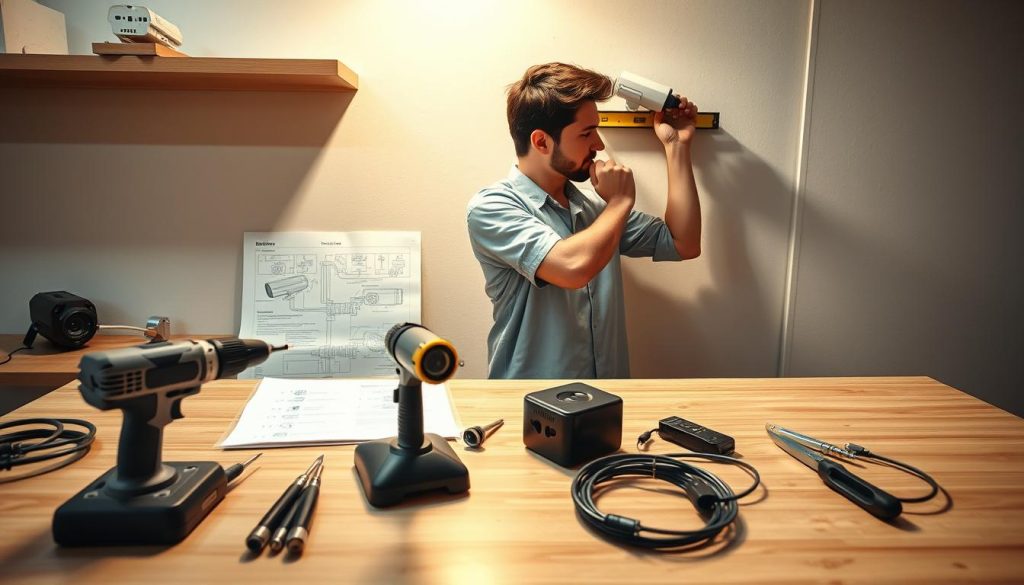
DIY home CCTV installation guide

How to Install CCTV at Home: A Simple Do-It-Yourself Guide

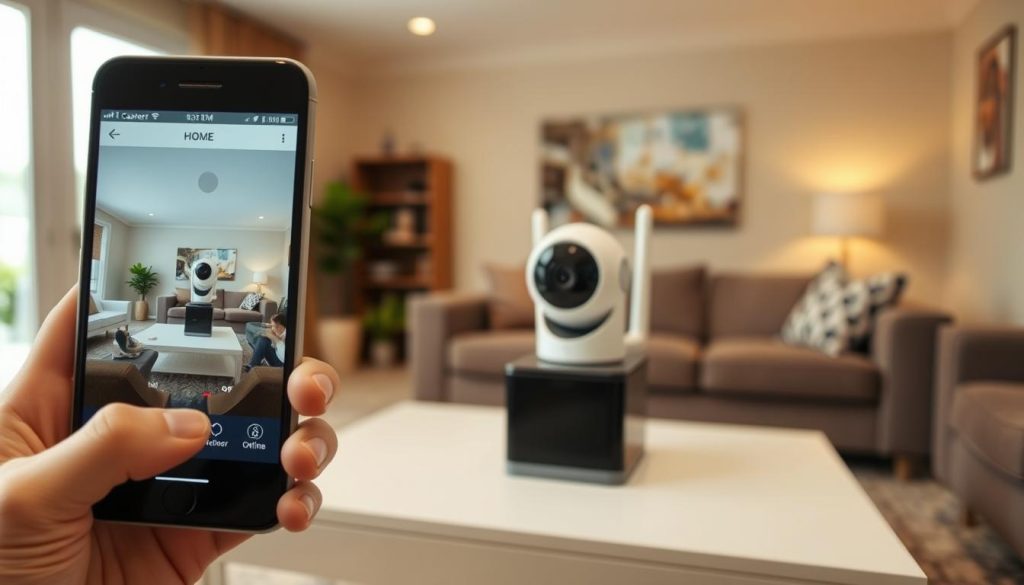
Enhancing your property’s safety with a do-it-yourself security system is a powerful trend. In Singapore, over half a million CCTV systems are already in operation, highlighting their role in modern home security. The appeal of a self-managed setup is clear: potential cost savings and direct control. However, this approach requires navigating technical details and important legal guidelines. Non-compliant outdoor cctv installation, for instance, can lead to significant fines. This guide provides a clear roadmap. It empowers homeowners to plan and execute a successful setup that meets all regulations. A well-planned system deters unwanted activity and offers remote video access for peace of mind. For those who prefer professional help, services from expert security camera installers are also available. Key Takeaways DIY CCTV installation is a popular, cost-effective method to boost home security. Over 500,000 such systems are already deployed across Singapore. Understanding and complying with local laws, especially for outdoor cameras, is crucial to avoid penalties. Proper planning of camera placement for key areas and entry points is the foundation of an effective system. This guide offers a step-by-step, compliant process for a successful DIY project. A correctly installed system provides deterrence and convenient remote monitoring. Rules can differ for HDB flats and private property, so checking specific guidelines is essential. Understanding Home Security: The Role of CCTV in Singapore Modern home security in Singapore extends beyond locks and alarms to include intelligent visual monitoring systems. A CCTV system acts as the eyes of your property, providing constant surveillance and critical data. This technology serves multiple functions, from preventing crime to offering daily convenience. Understanding its core roles helps homeowners make informed decisions about their security needs. Deterring Crime and Providing Evidence The visible presence of CCTV cameras is a powerful psychological tool. Potential intruders are less likely to target a home that displays active surveillance. This deterrent effect is a primary layer of protection. It significantly reduces the risk of burglary or vandalism before an incident occurs. Should an event happen, recorded footage becomes invaluable. High-quality video provides clear, unambiguous evidence for police reports. Insurance companies also rely on this visual proof for claims related to theft or property damage. A reliable recording system turns your cameras into silent witnesses. Monitoring Family and Property Remotely Beyond crime prevention, these systems offer profound personal benefits. Homeowners gain the ability to check on their property from anywhere. Using a smartphone app, you can view live feeds or review recordings. This is ideal for watching children, elderly relatives, or domestic helpers. Remote access provides immense peace of mind in a busy urban environment. You can verify deliveries, monitor pets, or ensure doors are locked while away. This function transforms security into a tool for daily convenience and family management. Choosing to install cameras yourself involves weighing key factors. A DIY approach offers potential cost savings and direct control over the setup. It allows for full customization to cover specific entry points and vulnerable areas. However, it requires comfort with technical tasks and personal responsibility for maintenance. Professional installation brings expert placement and guaranteed performance. This option often includes warranty support and saves time, but at a higher initial cost. The right choice depends on your budget, technical confidence, and desired level of hands-on system management. In Singapore’s dense housing landscape, such as HDB flats, these considerations are crucial. A system’s effectiveness hinges on understanding its role in your unique living situation before moving to the technical setup. Can I Install CCTV Myself? Navigating Singapore’s Legal Landscape Embarking on a self-installed security camera project requires more than just tools; it demands a clear understanding of what’s legally permissible. The short answer is yes, you can undertake this installation yourself, but success hinges entirely on location, skill, and strict adherence to local rules. Ignoring these guidelines can transform a well-intentioned security upgrade into a source of neighborly disputes or even legal penalties. Your first step is not at the hardware store, but in researching the specific regulations for your property type. DIY Installation: Assessing Your Skills and Confidence A successful do-it-yourself project begins with an honest self-assessment. Ask yourself if you’re comfortable with basic tasks like drilling into walls, running cables neatly, and configuring network settings via a smartphone app. Most modern cameras are designed for user-friendly setup. If you can assemble furniture and follow online tutorials, you likely possess the necessary skills. The primary reward is significant cost savings compared to hiring a professional team. However, consider the complexity of your planned system. A single wireless camera is straightforward. A multi-camera, wired setup covering several entry points is more challenging. Attempting a complex setup without the right skills or tools often leads to poor placement, unreliable footage, and the need for costly corrections. If your confidence wavers, seeking professional help for the initial installation ensures optimal performance and compliance from day one. Indoor vs. Outdoor: Where You Can and Cannot Point Cameras The legal implications of your project change dramatically based on camera placement. Inside your own home, you generally have broad freedom, provided you respect the privacy of household members. The critical distinction arises when lenses face beyond your front door. For residents in an HDB flat, a landmark policy change in May 2023 simplified the process for corridor-facing cameras. Owners no longer need prior HDB approval for such devices. This policy acknowledges the common desire to monitor the semi-public space outside one’s unit. Privacy protections remain paramount. Your camera must never point directly at a neighbor’s front door, windows, or into their living spaces. This rule is enforced under the Community Disputes Resolution Act. For any device placed on HDB common property, like a staircase or void deck, Town Council approval is mandatory. The process is strict. You must submit a formal application, which typically requires a supporting police report to justify the need for surveillance in that common area. Unauthorized installation here can result in fines up to $5,000. Many homeowners find smart doorbells with video capability to be

How to Install CCTV at Home: A Simple Do-It-Yourself Guide Read More »

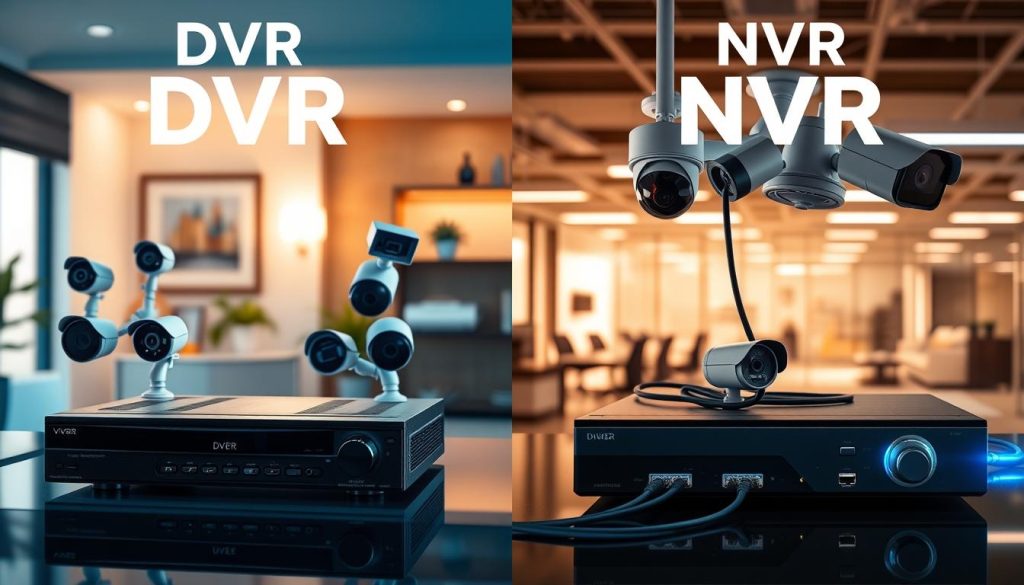
DVR vs NVR security systems

What’s the Difference Between DVR and NVR?

Modern security relies on video surveillance. For homes and businesses in Singapore, these cameras are a first line of defense. They deter crime and protect people, data, and property. Choosing the right security system is a critical decision for effective protection. This guide breaks down the key distinctions between the two main recording technologies. You will learn about Digital Video Recorders (DVR) and Network Video Recorders (NVR). Each system uses different methods to process and transmit video footage. Understanding this difference is vital for a smart investment in your security infrastructure. We provide a clear, comprehensive comparison. Our analysis covers core components, pros and cons, and specific considerations for Singaporean properties. Key Takeaways Video surveillance is a foundational element for both commercial and residential security in Singapore. Selecting the correct recording system is crucial for effective property and asset protection. DVR and NVR are the two primary types of video recording systems, each with distinct underlying technology. The core difference lies in how each system processes and transmits data from the cameras. Making an informed choice requires understanding the pros, cons, and ideal applications of each system. This guide will compare components, setup requirements, and performance to help you decide. Both systems record video but are not interchangeable; the right choice depends on your specific needs. Introduction to Video Surveillance: DVR vs NVR For Singaporean homes and businesses, selecting the right recorder impacts security outcomes directly. Two primary technologies dominate the market. These are the Digital Video Recorder and the Network Video Recorder. Each represents a distinct approach to capturing and managing visual information. DVR stands for Digital Video Recorder. This system processes raw video signals at the recorder unit itself. NVR stands for Network Video Recorder. This setup processes video data directly at the camera before transmission. This core distinction in processing location is everything. It defines which cameras you can use and what cables are required for installation. Surveillance has evolved from classic analog CCTV to modern Internet Protocol (IP) based setups. Older analog systems feed raw footage to a central box. Newer network video technology allows cameras to act as independent computers. They send compressed, digital streams over a data network. Your choice between these nvr systems and dvr systems affects complexity and future growth. A dvr system can be simpler if coaxial wiring already exists in a building. In Singapore’s humid climate, the robustness of cabling like Ethernet for nvr dvr setups matters. Planning for scalability with a modern network video recorder often provides better long-term value. Think of the digital video recorder as a proven legacy solution. The network video recorder embodies current, flexible technology. A clear grasp of these basics is essential before examining component details and specific comparisons. It ensures your security investment is sound. Understanding DVR Systems: Components and Operation To grasp how a DVR system functions, one must examine its three core parts: the cameras, the cables, and the recorder itself. Each component plays a specific role in capturing and converting visual information. This setup represents a classic approach to security monitoring. Analog Cameras: The Eyes of DVR Systems Analog cameras, often called CCTV cameras, are the starting point. These devices are simple capture tools. They do not process the video they record. Instead, they send a raw, unprocessed analog signal directly to the recorder. This analog technology has limitations. It typically supports lower maximum resolutions compared to modern IP camera options. For basic surveillance needs, these security camera units remain a cost-effective choice. Coaxial Cables: Transmission and Limitations The raw signal travels from the camera to the DVR via coaxial cables. This is the traditional conduit for analog systems. These cables are thick and relatively stiff. Their bulkiness can create challenges during installation in tight spaces or walls. A major constraint is distance. Coaxial runs are generally limited to about 90 meters (300 feet). Beyond this length, the video signal degrades noticeably. These cables also require a separate power line for the camera. So-called siamese cables bundle video and power together. This simplifies the physical setup but doesn’t change the core limitations. The DVR Recorder: Processing and Storage This unit is the brain of the entire system. The DVR recorder houses a critical component: an Analog-to-Digital (AD) encoder chipset. Its job is to convert the incoming raw analog signal into a viewable digital video stream. All video data must complete this journey to become usable footage. This centralized processing defines the DVR architecture. It means intelligence resides in the box, not in the cameras. Audio support is often a secondary consideration. Native audio transmission over standard coaxial connections is rare. Adding sound usually requires extra RCA cables or specialized audio-over-coax technology. This adds complexity to the dvr system installation. A key advantage of these dvr systems is cost. The components are generally less expensive than their nvr dvr counterparts. This makes them attractive for budget-conscious projects. They are also ideal for properties with existing coaxial cctv infrastructure. The complete operational flow is straightforward. It moves from the Analog Camera through the Coaxial Cable to the DVR Recorder for processing, then to storage and viewing. This reliable chain offers stable signal performance with minimal network bandwidth use. Understanding NVR Systems: Components and Operation The architecture of an NVR setup fundamentally changes where intelligence resides in a security network. Instead of a central brain, processing power is distributed to each camera. This design creates a more flexible and capable surveillance system. It leverages modern network infrastructure for superior performance. IP Cameras: Smart Image Capture IP cameras are intelligent devices. They contain their own built-in processor for encoding video data. This allows them to capture, compress, and prepare footage for transmission. The camera handles the heavy lifting before sending a clean digital stream. These smart security cameras can run advanced video analytics. Features like facial recognition and license plate reading are processed on the device. Advanced motion detection is also native. This intelligence at the edge makes the entire system more responsive

What’s the Difference Between DVR and NVR? Read More »

CCTV system components

The 5 Essential Components of a CCTV Camera System

In today’s world, a reliable security system is crucial for peace of mind. Closed-circuit television, or CCTV, forms the backbone of modern video surveillance for homes and businesses across Singapore. This technology creates a private network where live video feeds are sent directly to dedicated monitors or recording devices. It is not broadcast publicly. Understanding the core parts of a CCTV system empowers you to make informed choices. Every functional setup relies on five essential pieces working together. You will encounter two primary technology paths: Internet Protocol (IP) and traditional Analog systems. Each offers distinct advantages for different needs. A well-designed surveillance system does more than just record. It actively deters crime, provides critical evidence, and allows for remote monitoring from your smartphone or computer. Key Takeaways CCTV is a closed-circuit television network for private video monitoring. Security is a top concern, making these systems a vital investment for Singaporean properties. Five core components form the foundation of any functional setup. Modern systems fall into two main categories: IP (digital) and Analog. The right solution offers deterrence, evidence collection, and remote access. Knowing these basics helps you select equipment that fits your specific security goals. Why a Reliable CCTV System is Non-Negotiable for Security Today Modern property protection demands more than just sturdy locks and alarm sirens. It requires a proactive, visual record of all activity. A dedicated CCTV system provides this crucial layer, moving security beyond simple alerts. Visible cameras serve as a powerful psychological deterrent. Their presence significantly lowers the risk of theft, vandalism, and unauthorized entry. Potential offenders often seek easier targets when they know they are being watched. When incidents do occur, recorded video footage becomes invaluable evidence. High-resolution clips are essential for police investigations and insurance claims. This visual proof can resolve disputes quickly and definitively. For business owners, these surveillance solutions are multi-functional tools. They help monitor daily operations and ensure employee safety. Cameras also play a key role in preventing internal shrinkage and fraud. Modern setups offer real-time monitoring from anywhere. Homeowners and managers can check live feeds on a smartphone. This remote access provides immense peace of mind, whether you are at work or overseas. Investing in a robust security system can also lead to financial benefits. Many insurers offer lower premiums for properties with comprehensive video surveillance. It demonstrates a clear commitment to risk management. In Singapore’s dense urban landscape, constant monitoring is vital. High-traffic commercial areas and residential estates benefit greatly from reliable cctv systems. They create a safer environment for everyone. Understanding this importance is the first step. The next is knowing how these systems are built to deliver such reliable protection. What are the 5 Essential Components of a CCTV Camera System? The foundation of any reliable monitoring solution lies in its five fundamental building blocks. Each part has a specific job: capturing, processing, storing, and displaying the video stream. Selecting compatible components is crucial for a smooth-running security network. For a detailed look at these essential components, consider professional guidance. 1. Surveillance Cameras: The Eyes of Your System Cameras are the primary sensors of your setup. They capture visual data from their surroundings. Your first major choice is between IP and analog cameras. IP models send digital signals over a network. Analog types transmit a traditional video signal. This decision influences every other part of your cctv system. 2. The Video Recorder: DVR or NVR This device acts as the system’s brain. It manages the incoming video feeds and handles the recording process. The type of recorder you need is locked to your camera choice. A Digital Video Recorder (DVR) works exclusively with analog cameras. A Network Video Recorder (NVR) is designed for IP cameras. Understanding this dvr nvr distinction is key to a functional setup. 3. Storage Solutions: Where Your Footage Lives Your recorded video needs a secure place to reside. This is the system’s memory bank. Most setups use an internal hard disk drive (HDD). It is vital to use drives rated for surveillance. These are built for constant writing, 24 hours a day. Solid-state drives (SSD) and cloud-based storage offer alternative solutions for different needs. 4. Monitors and Viewing Interfaces These are your windows into the live and recorded footage. A dedicated display provides a constant view of your property. Modern systems offer incredible flexibility. You can view feeds on a computer, tablet, or smartphone. This remote access turns your security devices into a powerful tool for peace of mind, anywhere. 5. Cables, Connectors, and Power Supply This network of wires is the lifeblood of the operation. It connects all components and delivers essential electricity. Analog systems typically use coaxial cables for video. IP systems use standard Ethernet cables to carry data. For IP setups, Power over Ethernet (PoE) is a streamlined power supply solution. It sends both electricity and data through a single cable. Together, these five elements create a complete video surveillance ecosystem for your home or business. Choosing the Right Cameras: Resolution, Type, and Placement Your camera choices directly determine the clarity, coverage, and intelligence of your entire security setup. This decision impacts everything from the quality of evidence to daily monitoring ease. It involves three interconnected factors: the core technology, the physical design, and where you install each unit. Getting this combination right is essential for a powerful video surveillance network. IP vs. Analog: Understanding the Core Technology The first fork in the road is choosing between IP and analog technology. This choice sets the foundation for your whole cctv system. IP cameras are modern digital devices. They process video internally and send data over your network. This allows for superior image quality, often in 4MP or 4K resolution. These systems are highly scalable. Adding more cameras is usually as simple as connecting them to your network switch. Analog cameras are the traditional option. They send a raw video signal via coaxial cable to a central recorder. While reliable, they offer lower resolution and fewer advanced features. For new

The 5 Essential Components of a CCTV Camera System Read More »

maintenance service report documentation

What is a Maintenance Service Report?

In facility and asset management, a detailed document records all work performed. This record tracks performance over a specific period. It is far more than a simple checklist. This document serves as a strategic tool for gaining deep insights into asset health and work effectiveness. The core purpose is to enable data-driven decisions. It aims to reduce unplanned downtime and control operational expenses. This turns a routine task into a source of valuable intelligence. For professionals in Singapore, mastering this process is key to operational smoothness. This article acts as an essential how-to guide. It will help you optimize your maintenance operations. Effective documentation holds transformative potential. It shifts focus from reactive fixes to a proactive value generator. The following sections will explore definitions, benefits, creation steps, and technology leverage. Key Takeaways A maintenance service report is a comprehensive record of all activities performed on equipment. Its primary role is as a strategic management tool, not just a simple log. The fundamental goal is to support decisions with solid data, cutting downtime and costs. Proper reporting transforms maintenance from a cost center into a value-adding function. This guide provides actionable steps for professionals to enhance their operational processes. Leveraging technology is crucial for implementing an effective and proactive strategy. Understanding the Maintenance Service Report: Definition and Core Purpose Think of it as the official biography for your machinery, detailing every intervention and check-up. This document is far more than a simple log sheet. It forms the backbone of intelligent operations. What Exactly is a Maintenance Service Report? A formal maintenance report is a structured document or digital record. It captures the essential details of every task performed on an asset. This includes what was done, when it happened, who completed the work, and why it was necessary. This record acts as a definitive historical log for each piece of equipment. It transforms random notes into organized, actionable data. The goal is to create a reliable narrative of all upkeep operations. The Primary Objectives of Documenting Maintenance The core purpose is to establish a single source of truth for asset history. This moves management from a reactive “firefighting” mode to a proactive strategy. Good documentation provides the evidence needed for smart choices. Primary objectives include tracking equipment performance over long periods. This history helps justify financial investments in upkeep. It also allows for planning future schedules with precision and ensures clear accountability for all work completed. Key Components Every Report Must Include For a record to be truly valuable, it must contain specific, consistent elements. Each component adds a layer of insight for better asset management. Omitting details creates blind spots in your operational view. Date and Time of Service: Precise timing is crucial for tracking frequency and auditing work order history. Clear Description of Work: Move beyond “fixed machine” to specific actions like “replaced bearing unit XYZ-123.” Technician’s Name: This assigns direct accountability and creates a point of contact for future questions. Issues Encountered: Documenting unexpected problems provides a knowledge base for future troubleshooting efforts. Outcomes and Resolution: State the final result, confirming the asset was returned to full operational status. Spare Parts and Materials Used: Listing consumed items tracks inventory costs and aids in budget forecasting. Formal Sign-Off: This section closes the loop, confirming task completion and transferring responsibility. Together, these components deliver the valuable insights that drive superior operational decisions. They turn a simple checklist into a powerful management tool. Why Maintenance Reporting is Non-Negotiable for Operations For businesses in Singapore, the choice is clear: master systematic documentation or accept higher costs and frequent failures. This disciplined process is a fundamental operational requirement, not optional paperwork. It turns random activities into a strategic framework for control. Skipping this step guarantees reactive chaos instead of proactive management. Direct Impact on Equipment Performance and Uptime Detailed records have a direct correlation with sustained equipment performance. Historical logs help identify subtle patterns that lead to major failures. This intelligence allows teams to move from scheduled checks to predictive interventions. You can address wear and tear before it causes a catastrophic breakdown. Consistent documentation directly increases operational uptime. It provides the evidence needed to justify proactive repairs or part replacements. This approach keeps critical assets running smoothly and extends their useful life. The Critical Role in Cost Control and Financial Planning From a financial view, robust documentation transforms upkeep from an unpredictable expense into a planned function. It brings clarity to budgeting and spending. Effective cost control is achieved by analyzing records. Managers can spot recurring, expensive issues. This insight supports decisions for preventive measures or even equipment redesign. In sectors like Singaporean manufacturing or facilities management, unplanned downtime carries severe consequences. Lost production and reputational damage far outweigh the investment in good reporting. These documents are also vital for long-term financial planning. Lifecycle data allows managers to forecast future capital expenditures for asset replacement. Budgets become accurate and defensible. Furthermore, documented proof is often legally required. Industries follow strict standards, such as SCDF guidelines. Proper records demonstrate due diligence and adherence to safety protocols. Foregoing a robust system inevitably leads to higher expenses, more failures, and increased operational risk. The investment in quality documentation pays for itself many times over. The Tangible Benefits of Effective Maintenance Reports Detailed logs of technical interventions are not just administrative. They are engines for operational excellence. These documents deliver concrete advantages that improve reliability and profitability. For companies in Singapore, this translates into a clear competitive edge. Empowering Data-Driven Decision Making for Management Effective documentation transforms guesswork into guided strategy. It converts anecdotal experience into solid, quantifiable data. Managers gain a clear view of equipment health and team performance. This factual baseline supports smarter resource allocation and long-term planning. Instead of relying on memory, leaders analyze trends from history. This allows for decisions based on evidence, not instinct. Strategically Reducing Downtime and Preventing Failures The core mechanism is proactive scheduling. Using equipment calendars, teams plan preventive service before issues arise. Analyzing failure reports identifies

What is a Maintenance Service Report? Read More »

cctv maintenance

CCTV Maintenance: Everything You Need to Know

Your security infrastructure relies on more than just installation. Consistent, professional care ensures your surveillance equipment performs reliably over time. Viewing this regular upkeep as a necessary investment, not an optional cost, is crucial. Proactive care can reduce the risk of equipment failure by up to 30%. This involves scheduled system checks, firmware updates, and cleaning of camera lenses. For businesses and properties across Singapore, this routine is vital. It helps avoid costly emergency repairs and ensures compliance with local laws on monitoring and data protection. Neglecting this process can lead to security gaps, loss of critical footage, and much higher long-term expenses. This guide serves as your comprehensive resource. It provides actionable steps, best practices, and professional insights for keeping your security systems at their peak. Key Takeaways Proactive maintenance is a critical investment for long-term security system reliability. Regular professional service can significantly reduce the risk of unexpected equipment failure. Adherence to Singapore’s specific surveillance and data regulations is a key benefit of scheduled upkeep. Neglect often results in security vulnerabilities, data loss, and inflated repair costs. A complete maintenance schedule covers hardware inspections, software updates, and performance reviews. Engaging expert maintenance services ensures optimal system operation and footage quality. Consistent care protects your investment and maintains a strong deterrent against threats. What is CCTV Maintenance? The Foundation of Security Surveillance equipment, like any critical asset, requires a dedicated program of care to remain effective. This ongoing regimen is the systematic process of inspecting, cleaning, updating, and repairing your entire monitoring setup. Its goal is optimal operation. Think of it as preventive healthcare for your property’s eyes and ears. A detailed maintenance plan is essential to stop small issues from becoming major failures. Defining Proactive System Care Proactive care means acting before problems arise. It involves scheduled activities, not emergency fixes. This approach includes regular visual checks, firmware updates, and cleaning of camera lenses. These actions are designed to prevent issues from impacting your security. Studies show a well-defined plan can prevent up to 30% of potential system malfunctions. This shifts your surveillance from a reactive cost to a strategic investment. Core Objectives: Reliability, Clarity, and Compliance Every upkeep task targets one of three core goals. First is reliability. Your system must operate 24/7. This depends on stable power supplies, secure connections, and healthy hardware. Second is clarity. High-quality video is non-negotiable. Dusty lenses or poor positioning create blurry footage. Clear images are vital for identifying threats and providing evidence. Third is compliance. In Singapore, surveillance must adhere to regulations like the PDPA. Proper care ensures data is recorded, stored, and handled correctly. It avoids legal risks. This disciplined approach transforms a simple recorder into a reliable active tool. It becomes a strong deterrent and a trustworthy source for investigations. Effective care involves several key components: Regular Cleaning: Removing dirt and spiders from housings and lenses. Angle Adjustments: Ensuring cameras cover critical areas without obstruction. Software Updates: Applying firmware patches for security and new features. Hardware Cycles: Planning for the eventual replacement of aging parts. There’s a difference between basic user checks and professional maintenance services. Owners can do visual inspections. Complex diagnostics, intricate repairs, and comprehensive types of maintenance require expert technicians. Engaging professionals guarantees your security systems receive the in-depth care they need. This ensures long-term performance and peace of mind. Why Regular CCTV Maintenance is Non-Negotiable in Singapore In Singapore’s security landscape, skipping scheduled upkeep is a gamble no property owner can afford. This routine is a direct shield for your safety and assets. It moves beyond simple cleaning. Consistent professional care addresses unique local pressures. Preventing Costly System Failures and Downtime A sudden camera blackout creates a dangerous blind spot. Preventive care stops this. Timely inspections catch small faults in cables or power supplies before they escalate. This avoids expensive emergency call-outs. Data shows a proper schedule can cut malfunction risks by nearly one-third. Contrast this with the moderate annual cost of a service plan. Leaving issues unchecked leads to total hardware replacement. That is a far heavier financial burden. Ensuring Legal Compliance and Data Integrity Singapore has strict rules for surveillance. The Personal Data Protection Act (PDPA) governs how footage is handled. A faulty recorder or full storage drive can violate these laws. It may result in lost evidence or penalties. Professional maintenance services verify your data is recorded and stored correctly. They ensure retention periods are met. This protects your business from legal exposure. It guarantees your footage holds up if needed. Combating Environmental Factors: Humidity and Heat The local climate is tough on electronics. Persistent high humidity causes lens fogging and corrodes connectors. Constant heat stresses internal components, leading to premature failure. Regular cleaning and sealed housing checks are vital. These actions combat moisture and dust buildup. They preserve clear image quality and extend equipment life. Without this focus, your security systems degrade rapidly. They become unreliable when you need them most. Ultimately, this disciplined regimen is an operational necessity. It ensures both reliable threat monitoring and full regulatory adherence. The Critical Role of CCTV in Modern Singaporean Security Beyond physical locks and gates, a robust surveillance setup has become a fundamental expectation for safety across the island. These electronic networks serve as the vigilant, unblinking core of modern protection strategies for homes and commercial spaces alike. Their value extends far beyond simple recording. A properly functioning setup delivers proactive deterrence and powerful operational intelligence. This dual capability makes it indispensable. Deterrence and Crime Reduction Visible cameras have a profound psychological impact. The knowledge that actions are being recorded significantly alters behavior. This is the principle of deterrence in action. Studies consistently link increased camera coverage to lower crime rates in monitored zones. Potential offenders often seek easier targets without surveillance. This effect protects both public areas and private property. For businesses, it safeguards assets and inventory. For homeowners, it creates a tangible sense of security. A non-functional unit loses this power completely. It becomes a hollow symbol, offering no

CCTV Maintenance: Everything You Need to Know Read More »

CCTV surveillance system inspection

How Often Should CCTV Surveillance Systems Be Inspected?

In Singapore’s dynamic urban landscape, a reliable security setup is non-negotiable. Determining the right inspection schedule for your video monitoring equipment is a critical first step. This decision directly impacts the safety of your property, business, or community. A well-maintained CCTV system is the cornerstone of effective protection. Neglecting its upkeep can lead to unexpected failures. These failures compromise safety and may result in non-compliance with local regulations. This guide provides a clear, actionable plan for your maintenance routine. You will learn to create a schedule that maximizes your security investment. We address common concerns about system reliability and legal obligations. Proactive regular checks prevent problems before they start. They ensure high-quality footage, extend equipment life, and keep your entire surveillance system performing at its peak. For property owners and security managers, this knowledge is essential. Key Takeaways Consistent inspections prevent unexpected CCTV system failures. They guarantee high-quality video footage is available for evidence. Proper maintenance significantly extends the lifespan of security equipment. It helps ensure compliance with Singapore’s security standards. A reliable schedule protects your property and financial investment. Proactive checks enhance safety for everyone on the premises. Routine maintenance reduces costly emergency repairs over time. Why Regular CCTV Inspections Are Non-Negotiable for Security Proactive maintenance transforms video monitoring from a passive tool into an active shield. In Singapore’s dense urban environment, this discipline is not a luxury. It is a fundamental requirement for any property’s defense. Skipping scheduled check-ups creates dangerous blind spots. A robust security posture depends on equipment that functions perfectly when needed most. Consistent cctv maintenance is the only way to guarantee this reliability. Preventing System Failures Before They Compromise Safety Hardware wears down. Environmental factors like rain and heat take a toll. Proactive regular checks are designed to catch problems early, long before a total breakdown occurs. Inspectors look for physical damage, misalignments, or blockages from foliage or debris. Loose cable connections are tightened. This vigilance prevents signal loss and image distortion during critical moments. Finding these issues early is far cheaper and safer than emergency repairs. It keeps your entire surveillance system running smoothly and boosts security by eliminating unexpected downtime. Ensuring High-Quality Footage for Evidence and Identification The forensic value of a security camera hinges on clarity. Crystal-clear footage is useless if a lens is coated in grime. Dust and dirt are the enemies of image quality. “A blurry image cannot identify a suspect. Regular lens cleaning is as vital as the camera itself for credible evidence.” Routine cleaning ensures reliable monitoring and top-notch image capture. This allows for spotting security threats early. It turns recorded video into a powerful tool for authorities and investigators. Managing data retention and verifying backup systems are also part of this process. It guarantees footage is there when you need it. Extending the Lifespan of Your Security Investment Your video monitoring setup is a significant capital investment. Just like a vehicle, it requires scheduled care to maximize its return. Proper cctv maintenance makes equipment last longer. Neglected cctv systems suffer from compounded issues. Small problems escalate into major failures. Consistent upkeep extends the life of surveillance gear by years. This approach is financially smart. It cuts down on unexpected, costly replacements. Furthermore, it helps keep your entire setup working well and in line with Singapore’s safety and data protection rules. A disciplined inspection schedule protects your financial outlay. It also ensures your property’s security posture remains strong and compliant over the long term. How Often Should the CCTV Surveillance System Be Inspected? Expert Recommendations Security professionals agree that a defined maintenance rhythm prevents most major system failures. Industry guidelines offer a clear starting point for property owners and managers. These expert-backed timeframes balance thoroughness with practical scheduling. Your specific needs will fine-tune this schedule. The goal is to establish a proactive, not reactive, approach to equipment care. The Standard Baseline: Quarterly to Bi-Annual Inspections For most commercial and residential properties, a solid foundation exists. Experts consistently recommend professional inspections every three to six months. This translates to a quarterly or bi-annual schedule. This baseline of at least two checks per year is crucial. It allows technicians to catch problems early, like degrading cables or lens dirt. Addressing these minor issues helps keep system running smoothly. Adhering to this schedule is a core part of effective cctv maintenance. It ensures your system working well and can significantly help your system last longer. For standard setups, this frequency is both sufficient and cost-effective. When Monthly Check-Ups Become Essential Some environments demand a more vigilant approach. In these cases, a monthly visual and functional review is not excessive. It is a necessary safeguard for continuous operation. High-traffic locations like shopping malls or transport hubs accumulate grime faster. Critical infrastructure sites cannot afford any oversight. Harsh environments with extreme dust, moisture, or high vandalism risks also require closer attention. For these high-risk scenarios, experts advise checks every one to three months. This intense regular checks routine is the importance regular cctv protocol taken to the essential level. It directly protects your investment and security posture. Assessing your site’s specific risk factors determines if you need this monthly tier. The type of cameras and their exposure are key considerations. Factors That Determine Your CCTV Inspection Schedule Forget one-size-fits-all. Your inspection rhythm is shaped by environment, technology, and risk. The perfect maintenance frequency comes from assessing your site’s unique profile. Generic guidelines provide a starting point. Your specific conditions dictate the final plan. Tailoring your schedule is the key keeping your entire setup running smoothly. Environmental Conditions: Weather, Dust, and Vandalism Risks Singapore’s tropical climate is a constant test for outdoor equipment. Heavy rain, high humidity, and salty coastal air accelerate wear. Dust from urban activity coats lenses and housings quickly. These elements demand more frequent physical inspections. A security camera exposed to monsoons needs its seals checked often. A lens covered in grime cannot capture clear evidence. High-traffic areas or spots with vandalism history need extra attention. More people mean

How Often Should CCTV Surveillance Systems Be Inspected? Read More »

cctv recording without wifi

CCTV Recording with Wi-Fi Off: What You Need to Know

A reliable security system is a cornerstone of protection for any home or business. In Singapore, reported theft cases rose by over 25% in the first half of 2023. This trend underscores the critical need for continuous monitoring. Many property owners wonder if their surveillance setup can function during a network outage. The good news is that numerous modern systems are designed to operate independently. They capture and store footage locally, ensuring your premises remain watched. Understanding this capability is vital for maintaining safety in areas with poor connectivity. Video surveillance technology has evolved from simple analog setups to sophisticated digital solutions. Today’s cameras and recorders offer great flexibility, including offline operation. This guide will demystify how these standalone systems work. We will cover the different types available, their core benefits, and potential limitations. You will also get actionable steps for choosing, installing, and maintaining an effective setup for your property. Key Takeaways Many modern CCTV systems can capture and store footage locally without an active internet connection. Continuous surveillance is crucial for security, especially in light of rising property crime in Singapore. Systems range from traditional analog to digital network cameras that record to on-site devices. Offline recording provides a reliable security backup during network outages or in low-connectivity areas. Setting up a system involves choosing the right cameras, a local recorder, and proper storage. Regular maintenance of hardware and storage ensures your security system remains effective over time. Does CCTV Record When Wi-Fi is Off? The Straight Answer A common misconception ties video capture directly to an internet signal, but the reality is far more straightforward. The definitive answer is yes. Most modern surveillance setups are designed to operate independently of your home network. Their core function relies on two things: a continuous power supply and a physical storage device. This fundamental design ensures monitoring continues, even during an internet outage or in areas with poor connectivity. How Local Storage Enables Continuous Surveillance Local storage devices are the heart of an offline system. A Digital Video Recorder (DVR) or Network Video Recorder (NVR) acts as a dedicated hub. It saves video feeds from connected cameras directly onto an internal hard drive. This process happens constantly, 24/7, with no need for web access. Many modern IP cameras also have a built-in slot for a microSD card. These can store motion-triggered clips independently, acting as a simple, redundant backup. Brands like Uniview specialize in such reliable systems. They provide high-definition footage that is stored securely on-site, ensuring evidence is preserved locally. Dispelling the Myth: Internet vs. Power Requirements Confusion often arises between what the internet provides and what the system fundamentally needs. An online connection enables remote features like live viewing on your phone or instant alert notifications. The actual act of recording, however, only requires electricity. Cloud-based cameras, such as some Nest or Wyze models, are different. They typically need internet access to function and may fail during network disruptions. For truly uninterrupted, 24/7 surveillance, a system with a dedicated NVR or DVR is essential. This setup guarantees your property is watched, regardless of your Wi-Fi status. Understanding the Technology Behind Offline CCTV Systems To grasp how cameras work without a constant internet feed, one must understand the dedicated hardware at the system’s core. Three primary components enable this independent operation: the cameras themselves, a central recording unit, and physical storage media. Together, they form a closed-loop security solution. This setup ensures continuous video surveillance by processing and saving all data on-site. The technology manages everything within a local environment, completely separate from the web. The Role of the Network Video Recorder (NVR) and Digital Video Recorder (DVR) The recorder is the brain of the operation. A Digital Video Recorder (DVR) is designed for traditional analog security cameras. These cameras connect via coaxial cables, sending a raw video signal to the DVR for processing and storage. In contrast, a Network Video Recorder (NVR) pairs with modern IP cameras. These cameras are more advanced, processing video data internally before sending it digitally over standard network cables. Both NVRs and DVRs save footage directly to an internal hard drive. Critically, an NVR can create its own isolated local network. The cameras and recorder communicate directly over this private LAN. This allows the entire system to function and record without any external internet connection whatsoever. Wired vs. Wireless: Core Connectivity for Offline Function Terminology can be confusing. Many “wireless” security cameras only eliminate data cables, relying on your home Wi-Fi network. They still need a constant power source from a plug or battery. For true offline reliability, a wired connection is superior. Power over Ethernet (PoE) systems offer the most robust setup. A single Ethernet cable provides both data connectivity and electrical power to each camera. This completely removes dependency on Wi-Fi signals and ensures a stable, uninterrupted link. This direct communication happens over a Local Area Network (LAN). It’s a private, secure channel between your cameras and the NVR. Data never travels outside this closed circuit, enhancing security. Even without the internet, several advanced features remain active on the local network. These can include basic video analytics like motion detection, system configuration changes, and scheduled recording. The shift from analog DVR systems to digital NVR-based setups marks a major progression. Modern network video systems deliver sharper image quality, better scalability, and more functionality—all while maintaining reliable offline operation. Types of CCTV Systems That Work Without an Internet Connection For property owners prioritizing resilience, several types of security cameras work perfectly fine without internet. The key is matching the right technology to your location and needs. Understanding these categories ensures you get a surveillance system that operates reliably, regardless of your network status. For a deeper dive into this capability, explore our guide on offline CCTV systems. Three primary designs dominate the market. Each offers a unique approach to local data capture and storage. Traditional Wired Systems with DVR/NVR This setup represents the most reliable and common solution for permanent installations.

CCTV Recording with Wi-Fi Off: What You Need to Know Read More »

security camera longevity factors

Security Camera Longevity: What to Expect

Investing in a surveillance system is a commitment to safety. A common concern is whether these devices lose their effectiveness as they age. Understanding the typical lifespan of your equipment is crucial for long-term security planning, especially in Singapore’s humid and rainy climate. On average, you can expect a unit to serve you well for three to ten years. Professional-grade systems often last seven years or more. This range depends heavily on several key factors. Build quality, installation environment, and daily usage patterns all play a major role. Outdoor cameras face constant exposure to sun, rain, and heat. This weather can accelerate wear if the device isn’t built for it. Proactive maintenance and understanding when to upgrade are vital. Technological advances, like AI analytics, can also extend a system’s relevance. They help maintain clear video and reliable performance. For residents in Singapore, selecting tropical-rated gear and considering local data privacy laws (PDPA) are smart steps. This guide will provide actionable insights to help your surveillance investment last longer. Key Takeaways The operational lifespan of surveillance cameras typically ranges from 3 to 10 years. Environmental conditions, especially heat and humidity, are major factors affecting durability. Higher-quality professional systems generally offer longer service life and better performance. Regular maintenance and timely upgrades are essential to protect your security investment. Choosing equipment rated for tropical climates is critical for reliability in Singapore. Technological advancements can help extend the useful life and relevance of your system. Understanding Security Camera Lifespan and Durability Not all surveillance devices are created equal, and their expected service life varies significantly. This section breaks down what lifespan truly means for your equipment and provides realistic years expectations for common types. Defining “Lifespan” in Surveillance Terms In surveillance, lifespan refers to the operational period before a unit’s performance notably declines or it fails. It is not the same as a warranty. A warranty covers defects for a limited time. True operational lifespans are influenced by two main forces. Physical wear from the environment is one. Technological obsolescence is the other. Even a physically intact device can become outdated. Average Lifespan Ranges for Different Camera Types Industry benchmarks provide helpful averages. Modern setups often security cameras last 3-5 years. Professional systems can exceed seven years. Here are typical ranges for major categories: Analog Cameras: 5-10 years. Their simpler components are very robust. IP Cameras: 3-5 years. More delicate electronics can shorten their service. Dome & Bullet Models: 5-10 and 4-7 years, respectively. PTZ Cameras: 5-8 years, depending on mechanical parts usage. IP cameras generally have a shorter functional period. Their complex processors and sensors are more sensitive than analog camera parts. Durability is a related key concept. It is a product’s ability to withstand stress over years. High-grade components like Sony STARVIS sensors directly boost this trait. Recording devices like NVRs often outlive the cameras they support. They frequently cameras last 5-10 years with care. Commercial-grade units are engineered for even longer lifespans, sometimes over a decade. Remember, these are general ranges. Your actual security investment’s longevity hinges on specific factors like installation quality and local conditions. We’ll explore those options next. Do Security Cameras Degrade Over Time? Every piece of technology experiences a natural decline, and monitoring devices are no exception to this rule. The straightforward answer is yes, surveillance equipment does gradually lose its optimal performance. This process is typically slow and cumulative, not an overnight event. It’s crucial to distinguish between two scenarios. Gradual degradation is a slow decline in quality. Complete failure is a sudden, total stoppage. Understanding this difference helps in planning maintenance and replacements. The Inevitability of Wear and Tear Constant operation and environmental exposure guarantee some level of wear. Even high-grade components are subject to this reality. Units running 24/7 experience sustained stress on their internal parts. Physical damage often manifests in several common ways: Lens Scratching: Dust and debris can mar the glass, permanently affecting image clarity. Housing Corrosion: Metal brackets and casings may rust, especially in humid coastal areas. Cable Breakdown: Insulation on outdoor wiring can become brittle and crack over the years. Digital wear is less visible but equally impactful. A sensor’s light sensitivity can diminish. Infrared LED arrays in night vision units slowly lose their brightness. Outdated firmware can cause compatibility problems. Real-world examples illustrate this well. A dome unit might develop internal fogging from sealed housing failure. A PTZ model’s servo motors can wear down from frequent movement. Degradation vs. Complete Failure Managing a slow performance drop is different from handling a catastrophic breakdown. Degradation often allows for corrective actions like cleaning or recalibration. Total failure usually demands immediate replacement. For professional systems, reliability is often measured statistically. The Mean Time Between Failures (MTBF) rating predicts the average operational period before a malfunction. A high MTBF suggests a more robust product designed for a longer lifespan. The rate at which your equipment declines is not uniform. It hinges on a combination of specific factors and conditions. We will explore these key determinants in the next section. Key Factors That Determine How Long Your Cameras Last The longevity of your surveillance investment is not left to chance. It’s dictated by a set of critical, controllable elements. Four primary pillars directly influence how many reliable years you get: component quality, environmental conditions, daily usage, and installation standards. Mastering these factors is the key to making your equipment last longer. Neglecting even one can significantly shorten its effective service life. Quality of Components and Manufacturing Superior components form the foundation of durability. Premium brands like Axis, Hikvision, and Dahua invest in high-grade materials. These resist the wear that cheaper parts cannot. Look for metal housings instead of plastic. They better withstand physical damage and heat. Conformal-coated circuit boards protect electronics from moisture. Nano-coated lenses repel water and dust, maintaining clear performance. This superior build quality is a main reason professional systems often last years longer than consumer models. Environmental Exposure and Climate Your local environment is a relentless test. In Singapore,

Security Camera Longevity: What to Expect Read More »

CCTV system upgrade assessment

Is It Time to Upgrade Your CCTV? Here’s When to Know

Your property’s security is a top priority. The CCTV cameras watching over it form a critical layer of protection. Technology evolves rapidly. A surveillance system that worked perfectly a few years ago might now have gaps. It could miss crucial details or fail at the worst moment. This guide provides a clear, step-by-step approach. It helps you evaluate your current setup and plan for the future. Both homeowners and business managers will find actionable advice here. Staying ahead of wear, tear, and obsolescence is essential. Proactive assessment prevents vulnerabilities and ensures your peace of mind. In Singapore’s dynamic environment, maintaining a robust security posture is non-negotiable. Key Takeaways Regular evaluation of your CCTV system is vital for maintaining effective security. Technological obsolescence and physical wear can create security vulnerabilities over time. A proactive upgrade plan prevents unexpected system failures and coverage gaps. Both image quality and storage capacity are key factors in a modern surveillance system. Upgrading offers benefits like enhanced clarity, smart features, and better compliance. Singapore’s high security standards make timely CCTV maintenance especially important. This guide will help you make an informed decision about your surveillance investment. The Critical Role of CCTV in Modern Singaporean Security Nearly one million CCTV units watch over Singapore’s streets, homes, and businesses. This dense network forms the backbone of both public and private security. It acts as a constant, visible guardian against potential threats. Visible surveillance is a powerful deterrent. Studies show it significantly reduces incidents like theft and vandalism. The mere presence of cameras discourages criminal activity before it happens. When incidents occur, recorded footage becomes crucial evidence. It aids police investigations and supports legal proceedings. However, a major issue undermines this value. Approximately 80% of CCTV footage used in court may be unusable. Poor image quality and blurry details render it ineffective. This statistic highlights a critical gap in many older systems. Modern technology closes this gap. Today’s CCTV cameras offer high-definition recording. Formats like 1080p and 4K Ultra HD capture clear details, even in low light. Advancements extend beyond resolution. Key features now include: Night vision for reliable 24/7 monitoring. Motion detection analytics that trigger alerts. Wide dynamic range for clear images in challenging light. These features transform passive recording into proactive monitoring. Your security system can now alert you to events in real time. Storage solutions have also evolved. Traditional on-site recorders risk damage or theft. Cloud storage offers a secure, off-site alternative. It provides virtually unlimited retention and remote access. This ensures your footage is always available and protected. Integration is another key benefit. Modern CCTV systems can connect with intruder alarms and smart home devices. This creates a comprehensive security ecosystem for your property. The needs differ between residential and commercial spaces. Homes may prioritize discreet design and smart alerts. Businesses often require wide coverage and detailed analytics for liability. Singapore’s high security standards demand reliable surveillance. Evolving threats and regulatory requirements make system updates essential. Regular maintenance and timely upgrades ensure your cameras meet today’s needs. Investing in current technology safeguards your assets and peace of mind. It guarantees that your video quality serves its intended purpose—providing clear, actionable evidence. Understanding Your CCTV Camera’s Lifespan Understanding how long your security cameras last is crucial for proactive planning. Every piece of electronic equipment has a natural service period. Knowing this timeline helps you budget for upgrades and avoid unexpected gaps in your property’s protection. A camera’s useful lifespan is not a fixed number. It varies based on design, environment, and care. This knowledge forms the foundation for smart security management. Average Lifespan of Commercial vs. Consumer Models Not all CCTV cameras are built the same. Commercial-grade models are engineered for durability. They often feature robust housings and higher-quality components. These units typically deliver reliable service for five to ten years. They are designed for continuous operation in demanding settings. Businesses rely on this extended longevity. Consumer models for homes have a different focus. They prioritize cost-effectiveness and ease of use. Their operational life generally ranges from three to five years. The difference stems from component quality and intended duty cycles. A commercial system is built for 24/7 monitoring. A residential unit may have less strenuous requirements. Key Factors That Shorten or Extend Camera Longevity Several elements directly impact how long your cameras function. Singapore’s tropical climate presents a unique challenge. High humidity and constant heat can significantly accelerate internal wear. Dust and pollution also settle on lenses and housings. This buildup affects image quality and can cause overheating. Proper installation is another critical factor. Cameras mounted securely with protected cabling last longer. Units exposed to direct rain or physical vibration fail sooner. The frequency of use also plays a role. Continuous recording places more stress on electronics than motion-activated modes. Maintenance is your best tool for extending service life. Simple actions make a big difference. Regularly clean the camera lens to ensure clear footage. Check cable connections for corrosion or damage. Ensure the housing is sealed against moisture ingress. Cameras with moving parts, like PTZ models, require more attention. Their mechanical complexity introduces more potential failure points. Proactive care includes applying firmware updates. These software patches often improve stability and fix known issues. A stable power supply and adequate storage solutions protect the entire system. Voltage spikes can shorten a camera’s life dramatically. Understanding these factors allows for better planning. You can schedule professional inspections before problems arise. This proactive approach ensures your surveillance remains effective. Knowing your equipment’s expected lifespan is the first step. It informs a timely upgrade strategy, keeping your security ahead of potential threats. Key Factors to Consider Before a CCTV Replacement A thorough assessment of technology and storage is essential before investing in new security cameras. Replacing a CCTV system is a significant decision. Evaluating these core areas ensures your upgrade addresses real gaps and delivers long-term value. Two primary concerns often drive the need for change. Outdated hardware struggles with modern features. Limited data capacity risks losing critical

Is It Time to Upgrade Your CCTV? Here’s When to Know Read More »

CCTV footage storage and retrieval system

Can I Access CCTV Footage from 2 Years Ago?

Many individuals and businesses in Singapore encounter this very question. The need to review historical surveillance video can arise from security incidents, compliance audits, or internal investigations. The answer is rarely a simple yes or no. It hinges on a complex mix of technical factors. The original system’s storage capacity and its configured data retention policies are primary determinants. This article serves as a practical, step-by-step guide. It is designed to help you navigate the intricacies of retrieving old recordings. We will break down each critical factor and actionable step. Our guide covers everything from identifying your system type to executing recovery procedures. We also address relevant legal considerations under Singapore’s PDPA. While retrieving very old video is challenging, it is not always impossible. Proactive measures or professional intervention can make a significant difference. Understanding this process is crucial for robust security and regulatory compliance. Key Takeaways Retrieving old surveillance video depends heavily on original system storage and configured data retention settings. Understanding your specific security system type is the first critical step in the recovery process. Legal frameworks, like Singapore’s PDPA, can influence access to archived recordings. Proactive data management strategies significantly improve the chances of securing critical evidence later. Professional security consultants can provide tailored solutions for historical footage retrieval. While challenging, recovering video from years ago is not always impossible with the right approach. This knowledge is vital for effective security, regulatory compliance, and incident investigations. Understanding the Core Challenge: Can You Retrieve 2-Year-Old Footage? The quest for archived visual evidence often confronts the hard realities of digital storage and data management policies. Retrieval feasibility is not about a simple software command. It is fundamentally defined by pre-set system configurations and inherent technical limitations established long ago. The Reality of CCTV Data Retention Policies Every surveillance system operates under a data retention policy. This is a configured rule that dictates how long video files are kept before automatic deletion. Most consumer and commercial setups are engineered for short-term evidential review, not long-term archiving. Once the set period elapses, the system begins overwriting the oldest files to make space. This cycle makes locating clips from two years prior a significant technical hurdle. Key Factors That Determine Historical Footage Availability Several technical and operational elements directly influence whether old video still exists. Understanding each one is crucial for a realistic assessment. Total Storage Capacity & Hard Drive Health: The physical space on internal hard drives or network drives sets the absolute limit. A full drive triggers overwriting. Furthermore, storage media can degrade or fail over extended periods, leading to corruption. Recording Quality & Mode: Higher resolution and frame rates create larger files, filling storage faster. Systems using motion-activated recording conserve space compared to continuous recording, potentially extending the retention window for active periods. The Overwrite Cycle Frequency: This is the primary determinant of footage lifespan. The system’s algorithm continuously deletes the oldest data once capacity is reached. The frequency of this cycle is a direct function of storage space and recording settings. Storage Media Longevity & Data Corruption: Hard drives have a finite lifespan. Over years, sectors can become unreadable. Environmental factors like heat or power surges can also corrupt files, making them irretrievable even if they were never intentionally deleted. Evaluating these factors provides the essential first step. It shapes the likelihood of successful retrieval for any specific incident from the past. How Long Do Security Cameras Typically Keep Recordings? Retention periods for visual monitoring data vary dramatically across different environments and system types. Knowing these typical timeframes is crucial for anyone managing a security setup or investigating a past event. It sets a realistic baseline for what archived video might exist. The answer is never one-size-fits-all. Short-Term vs. Long-Term Retention Periods Security system retention is generally categorized into three tiers. Each serves a distinct purpose based on operational needs and available resources. Short-term retention typically ranges from 24 hours to two weeks. This is common in systems with very limited storage space or for monitoring immediate, transient activity. Mid-term retention covers 30 to 90 days. This is the most common window for residential properties and many small to medium businesses. It balances storage costs with the need to review incidents from the recent past. Long-term retention extends from six months to several years. This tier is driven by regulatory compliance, high-security protocols, or litigation holds. Financial and government facilities often require these extended archives. The rationale is straightforward. Short-term storage is a function of cost and capacity. Long-term archiving is a mandate of policy and law. Industry Standards: From Homes to High-Security Facilities Different sectors adopt retention norms that align with their specific risks and regulatory obligations. Here is a breakdown of common standards. Residential Homes: Most home security camera systems are configured to keep recordings for about 30 days. This allows homeowners to review monthly activity without needing massive storage. Small Offices & Retail Stores: Businesses often use a 30 to 90-day window. This supports loss prevention investigations and routine security audits. Financial Institutions & Casinos: Banks and casinos are frequently required by regulators to retain surveillance data for six months or longer. This is for fraud investigation and compliance reporting. Government & Critical Infrastructure: Facilities with high-security needs may archive video for one year or more. This supports long-term investigations and threat analysis. Several technical factors directly determine what is feasible. Available storage space, the number of cameras, and recording quality are key. Higher resolution video fills hard drives faster, reducing the possible retention period. Modern systems offer configurable settings to balance quality with archive length. Services like Coram provide flexible plans with 30, 60, or 90-day retention options. Optional cloud storage backup prevents automatic overwriting and adds a layer of data security. Understanding these industry standards helps set accurate expectations. It clarifies why retrieving specific video from two years prior is a significant challenge for most standard setups. Why CCTV Footage Gets Deleted or Lost Over Time The disappearance of archived video evidence

Can I Access CCTV Footage from 2 Years Ago? Read More »