ED VISTON

Blog

solar security camera

5g Solar Security Camera Reviews: Top Picks for Singapore

Singapore’s focus on safety and green living has created exciting new options for homeowners. Modern protection devices now combine advanced technology with sustainable energy solutions. The tropical climate here makes solar-powered options particularly effective. These innovative systems offer reliable performance while supporting environmental goals. Leading brands like Arlo and Eufy provide top-rated models with excellent features. Prices range from S$70 to S$230, making them accessible for various budgets. With Singapore’s excellent network coverage, these devices deliver seamless connectivity. They use hybrid power systems that can operate for months on a single charge. This guide will help you choose the best options for your needs. Discover how these advanced systems can enhance your home’s safety and efficiency. Key Takeaways Singapore’s climate and infrastructure make it ideal for solar-powered security solutions Modern cameras offer advanced features like real-time monitoring and smart home integration Top brands provide reliable models with prices ranging from S$70 to S$230 Excellent network coverage ensures seamless connectivity and performance Hybrid power systems allow extended operation with minimal charging needs These devices support both home safety and environmental sustainability goals Proper selection can significantly improve monitoring efficiency for Singaporean homes Why a 5G Solar Security Camera is Ideal for Singaporean Homes The tropical climate of this island nation offers exceptional advantages for eco-friendly surveillance solutions. Singapore’s equatorial position provides consistent sunlight throughout the year, maximizing energy harvesting efficiency for self-powered devices. These innovative protection systems deliver significant cost savings while reducing environmental impact. Models like the Eufy can save homeowners up to S$120 annually on electricity bills, making them both economical and sustainable choices. Advanced lithium power cells ensure uninterrupted operation even during overcast conditions. This reliability translates to excellent long-term value, with most systems paying for themselves within three years of use. The integration of renewable energy with cutting-edge connectivity represents the future of home protection in urban environments. Next-generation network technology dramatically improves response times and streaming quality. Latency drops to just 187 milliseconds compared to 420ms on previous generation networks, enabling near-instant alerts and crystal-clear video feeds. The high bandwidth capabilities allow seamless integration with smart home ecosystems. Homeowners can monitor their property remotely through comprehensive mobile applications and web interfaces. These advantages align perfectly with Singapore’s vision of becoming a smarter, greener city. The technology supports both personal safety goals and broader environmental sustainability initiatives. Key benefits for Singaporean homeowners include: Consistent performance in tropical weather conditions Substantial energy cost savings over traditional systems Immediate alerts and smooth high-definition streaming Easy integration with existing smart home setups Environmentally conscious operation with minimal carbon footprint The combination of renewable energy harvesting and advanced connectivity creates ideal protection solutions for modern Singaporean residences. These systems offer reliability, efficiency, and innovation that traditional wired options cannot match. Homeowners should consider these advanced options for their blend of sustainability and technological sophistication. They represent the perfect marriage of environmental responsibility and cutting-edge home monitoring capabilities. Top Features to Look for in Your Solar-Powered Guardian Today’s advanced surveillance devices incorporate cutting-edge features that deliver superior performance while minimizing environmental impact. These innovative systems combine renewable energy harvesting with sophisticated monitoring capabilities. Understanding the key functionalities helps homeowners make informed decisions. The right combination of features ensures comprehensive protection while maintaining energy efficiency. Superior Color Night Vision Capabilities Modern protection systems now offer enhanced visibility after dark. Color night vision technology provides clearer identification in low-light conditions compared to traditional infrared options. This advanced feature requires at least 1 lux illumination for optimal performance. It captures detailed color images rather than grainy black-and-white footage. For urban environments like HDB estates, color vision offers significant advantages. It helps distinguish clothing colors, vehicle details, and other identifying characteristics that monochrome systems might miss. “The shift from infrared to color night vision represents a quantum leap in residential monitoring technology, providing homeowners with forensic-level detail after sunset.” Advanced AI Motion Detection and Alerts Intelligent detection systems dramatically reduce false alarms while improving response accuracy. These AI-powered features can differentiate between people, vehicles, and animals with remarkable precision. Premium models like Arlo’s systems feature an 8-meter detection range. This extended coverage ensures comprehensive monitoring of larger outdoor spaces. Customizable notification settings allow homeowners to receive alerts only for relevant activity. This smart filtering prevents unnecessary interruptions while ensuring important events get immediate attention. The integration of artificial intelligence transforms basic motion sensors into sophisticated detection systems. This technology learns patterns and adapts to your specific environment over time. Robust Remote Monitoring and Storage Options Modern protection systems offer flexible access and data management solutions. Remote monitoring capabilities allow live video viewing from anywhere through mobile applications. Devices like the TP-Link C420S1 provide a generous 113° field of view. This wide-angle coverage, combined with 8x digital zoom, ensures comprehensive area monitoring. Storage flexibility is another critical consideration. Options include local microSD card storage (up to 256GB capacity) or cloud-based services for off-site data protection. Application functionality varies across brands like Arlo, Eufy, and Tapo. Homeowners should compare interface ease, feature sets, and integration capabilities before selecting their system. These advanced features work seamlessly with smart home ecosystems. Integration with platforms like Google Home creates a unified protection environment that’s both powerful and convenient. For Singaporean residences, these capabilities ensure reliable performance in tropical conditions. The combination of advanced technology and renewable energy creates ideal monitoring solutions for modern homes. When choosing your system, prioritize features that match your specific needs and environment. The right combination ensures both comprehensive protection and long-term satisfaction with your investment. For those considering additional options, explore our guide on 4G solar outdoor camera systems that offer reliable performance across Singapore. Arlo Essential 2nd-Gen with Solar Panel: The Feature-Rich All-Rounder Homeowners seeking comprehensive protection find excellent value in this versatile system. The Arlo Essential represents a balanced approach to modern monitoring solutions. Priced at just S$90, this model delivers impressive 2K HDR resolution. Its 130-degree viewing angle captures wide areas with exceptional clarity. Tropical conditions pose no challenge to its reliable

5g Solar Security Camera Reviews: Top Picks for Singapore Read More »
construction site surveillance system

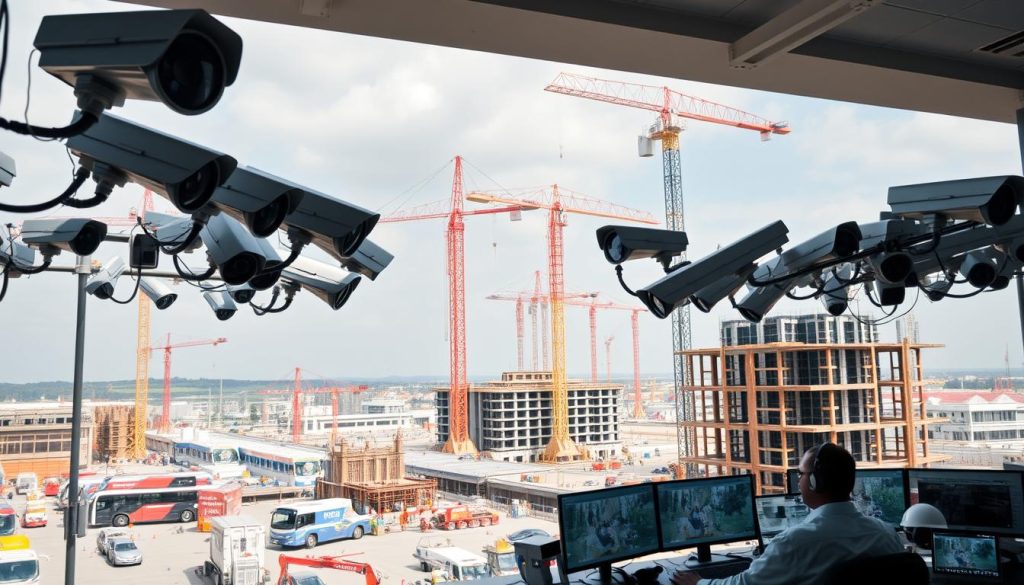
Enhance Security with Construction Site Surveillance System

Building projects face unique protection challenges. These locations have constant movement of people and vehicles. They also contain valuable equipment and materials. Modern video monitoring technology offers powerful solutions. These tools help managers maintain control over complex operations. They provide real-time visibility across all work areas. Professional security systems can dramatically improve safety and productivity. They help prevent theft and monitor activity. Advanced cameras can send instant alerts when needed. Easy-to-deploy protection solutions address these challenges effectively. They help construction managers maintain comprehensive oversight. This ensures projects stay on schedule and within budget. Key Takeaways Construction sites present complex security challenges with constant movement Modern surveillance technology provides real-time monitoring capabilities Professional systems help prevent theft and protect valuable equipment Advanced cameras can send immediate alerts for unusual activity Easy-to-deploy solutions maintain comprehensive oversight of operations Effective security systems improve both safety and productivity Proper surveillance helps keep projects on schedule and within budget Why Construction Site Security is a Critical Investment The financial implications of inadequate protection measures can devastate project budgets. Security breaches often result in fines reaching $50,000, making robust monitoring solutions financially justified. Singapore’s development sector experiences numerous serious injuries annually. This highlights the urgent need for comprehensive security measures that protect both assets and personnel. Modern video surveillance serves dual purposes. It acts as a powerful deterrent against criminal activity while promoting worker accountability through transparent operational environments. These protection tools provide detailed tracking of all activities. They create safer work environments while maintaining compliance with increasingly strict safety regulations. “Security investments typically pay for themselves by preventing theft of expensive equipment and materials.” The financial stakes in development projects completely justify investing in robust security infrastructure. Professional solutions address unique challenges presented by work environments and operations. Security systems contribute to overall project efficiency. They significantly reduce disruptions caused by security incidents while providing comprehensive coverage. Key benefits include: Prevention of significant financial losses through asset protection Compliance with safety regulations and avoidance of heavy penalties Enhanced worker safety through continuous monitoring Improved operational efficiency with reduced disruptions Comprehensive threat management across all work areas Advanced analytics capabilities provide management with crucial insights. They help identify potential hazards before they become serious incidents. Night coverage options ensure continuous protection. Weather-resistant machinery monitoring maintains control even during challenging conditions. These professional tools represent smart business decisions. They protect valuable investments while ensuring project timelines and budgets remain intact. Understanding Singapore’s Mandatory VSS Regulations New mandatory requirements for visual monitoring technology became enforceable across development projects starting June 2024. The Ministry of Manpower implemented these regulations to enhance oversight and protection measures. These rules represent a significant shift in how projects manage operational visibility. They establish clear standards for documentation and evidence collection. Mandatory Installation for High-Value Projects Projects exceeding 5 million SGD in contract value must install compliant visual monitoring solutions. This threshold ensures comprehensive coverage for substantial development initiatives. The requirement applies to various project types including roadworks and building additions. Main contractors bear full responsibility for proper installation and technical compliance. Technical specifications mandate minimum 1080p resolution and 12 frames per second recording. These standards ensure clear, usable footage for safety and compliance purposes. Storage requirements include 30 days of retained footage under normal circumstances. Following workplace incidents, retention extends to 180 days for investigation purposes. Key Compliance Areas for Surveillance High-risk locations demand mandatory coverage under the new regulations. These include work at heights exceeding 2 meters and excavation zones. Additional critical areas requiring monitoring include locations with heavy equipment operations. Scaffolding activities and lifting operations also fall under mandatory coverage requirements. Zones with vehicular traffic risks and confined spaces where personnel work must have visual documentation. Companies must conduct thorough risk assessments to determine appropriate coverage. The regulations emphasize comprehensive protection across all operational areas. This approach ensures consistent safety monitoring throughout project duration. “Proper visual documentation helps create safer work environments while maintaining regulatory compliance.” Implementation of these requirements demonstrates commitment to worker protection and operational excellence. The regulations align with Singapore’s focus on advanced safety practices in development projects. How a Modern Construction Site Surveillance System Protects Your Assets Protecting valuable resources becomes essential in dynamic work environments. Advanced monitoring technology creates a powerful shield against multiple threats. These solutions guard both physical items and operational integrity. Modern protection tools deliver comprehensive coverage for all valuable items. They secure machinery, tools, and materials from potential theft or damage. This approach maintains project continuity and financial stability. Visible camera presence serves as a strong psychological deterrent. It encourages responsible behavior among all personnel and visitors. The constant monitoring creates an atmosphere of accountability. Real-time video monitoring enables immediate response to security threats. Managers receive instant alerts when unusual activity occurs. This prevents significant losses before they escalate. Key protection benefits include: Complete security coverage for machinery, tools, and materials Psychological deterrent effect reducing unauthorized actions Immediate threat response through real-time alert systems Comprehensive documentation for insurance and investigation purposes Adaptable solutions that evolve with project requirements These systems monitor equipment usage and movement patterns. They prevent unauthorized access to valuable machinery. This control layer significantly reduces operational risks. “Professional monitoring solutions provide undeniable evidence for insurance claims and legal proceedings.” Asset security extends beyond physical items to include project documentation. Sensitive information receives protection through comprehensive monitoring. This ensures intellectual property remains secure throughout development. Inventory control becomes more efficient with proper oversight. The technology tracks material movements and storage areas. This prevents losses and maintains accurate resource management. Integrated access control systems work with video surveillance for layered protection. This combination creates a robust security environment. It adapts to changing layouts and requirements. Professional cctv solutions provide clear view of all operational areas. They help management maintain oversight while protecting workers and assets. This comprehensive approach ensures project success. Top Benefits of Implementing a Video Surveillance System (VSS) Modern video monitoring technology transforms how project managers approach safety and operations. These solutions deliver measurable improvements across multiple areas

Enhance Security with Construction Site Surveillance System Read More »

temporary site security cameras

Rent Temporary Site Security Cameras for Events

Organizing an event in Singapore requires careful planning. Keeping people and property safe is a top priority. Modern surveillance options offer flexible protection for any gathering. These advanced systems provide real-time monitoring and can be set up quickly. They adapt to various locations and event sizes. This approach is both practical and cost-efficient. Having visible protection helps prevent unwanted incidents. It also ensures compliance with local regulations. Professional services offer complete peace of mind for organizers. Key Takeaways Flexible rental options suit short-term event needs perfectly. Modern surveillance technology offers real-time monitoring capabilities. Quick deployment adapts to various locations and event sizes. Visible deterrence helps prevent security incidents effectively. Compliance with Singapore regulations is ensured with professional systems. Cost-effective solution compared to permanent installation investments. Professional monitoring services provide comprehensive event protection. The Critical Need for Robust Event and Construction Site Security Unprotected locations face serious financial and operational challenges. Criminal activities can devastate projects and events. Understanding these risks helps organizers make informed decisions. Proper protection measures prevent costly incidents before they occur. This proactive approach saves money and maintains project timelines. Understanding the Financial and Operational Impact of Theft Theft creates massive financial losses across industries. Construction projects lose over £800 million annually to theft in the UK alone. These numbers continue rising each year. Catalytic converter thefts increased dramatically. They jumped from 108 monthly incidents in 2018 to over 1,200 in 2020. This shows how criminals target valuable components. Operational delays cause additional problems. Projects face timeline disruptions when equipment disappears. Replacement processes take time and resources. Direct replacement costs for stolen items Increased insurance premiums after claims Project delays affecting overall profitability Additional labor costs for rework and replacements Potential contract penalties for missed deadlines Why Temporary Sites Are Prime Targets for Criminal Activity Unattended locations attract criminal attention. These areas often contain valuable equipment and materials. Criminals know they can operate without immediate detection. Nights and weekends present the highest risk periods. Locations remain open and unmonitored during these times. This creates perfect opportunities for theft and vandalism. Certain items prove particularly attractive to thieves. Copper wiring, tools, and machinery fetch high prices. Even building materials disappear from unprotected areas. Statistical evidence shows rising crime rates. Both construction and event industries report increasing incidents. Preventive measures become essential rather than optional. The most vulnerable locations share common characteristics: remote access, high-value assets, and limited monitoring capabilities. Risk evaluation helps identify vulnerable areas. Projects with expensive equipment need stronger protection. Understanding these factors guides appropriate security needs. What Are Temporary Security Camera Solutions? Portable monitoring technology offers adaptable protection for changing operational needs. These mobile units provide comprehensive coverage without permanent installation requirements. The approach has gained significant popularity across various industries. Demand for these flexible solutions has increased dramatically. Industry reports show a 40% rise in requests for portable monitoring equipment. This growth reflects the practical benefits these systems offer. Defining Flexible and Non-Permanent Surveillance Systems These mobile protection units feature advanced technology in compact, transportable designs. They typically include high-definition recording capabilities and real-time monitoring features. Many systems offer 360-degree visibility for complete area coverage. The core components work together seamlessly. Cameras connect to recording devices and transmission systems. This creates a comprehensive observation network that can be deployed quickly. Key features distinguish these from permanent installations: Rapid deployment capabilities within hours Easy relocation as project needs evolve Minimal infrastructure requirements Scalable configurations from single to multiple units Integration with existing protection measures Key Applications for Events and Short-Term Projects Various industries benefit from these adaptable camera systems. Construction projects represent a primary application area. These locations often contain valuable equipment requiring protection. Outdoor gatherings and festivals utilize these mobile surveillance systems effectively. The equipment provides crowd monitoring and asset protection simultaneously. Event organizers appreciate the flexibility these solutions offer. Additional applications extend beyond basic monitoring: Time-lapse documentation for project progress tracking Regulatory compliance verification Remote progress monitoring for stakeholders Incident investigation and evidence collection Promotional content creation from recorded footage The setup process follows a straightforward approach. Professionals position units strategically for optimal coverage. This way ensures maximum visibility across the entire area. Modern portable monitoring represents the evolution of project protection, combining advanced technology with operational flexibility. These systems adapt to diverse environmental conditions. They function effectively in various weather situations and lighting conditions. The technology continues evolving to meet changing protection requirements. Top Benefits of Renting Temporary Site Security Cameras Organizations gain numerous advantages when choosing rental surveillance systems. These flexible arrangements deliver powerful protection without long-term commitments. The approach transforms how companies manage their observation needs. Significant Cost Savings Compared to Permanent Installations Renting eliminates large upfront investments. Companies avoid spending thousands on equipment purchases. This preserves capital for other operational expenses. Traditional security personnel cost $15-100 per hour. Mobile observation units reduce this expense dramatically. Some services cut protection costs by up to 88%. Insurance premiums often decrease with proper monitoring. Preventing theft saves money on claims and replacements. This creates additional financial benefits. Unmatched Flexibility for Evolving Project Needs Construction projects change throughout their lifecycle. Rental systems adapt to these shifting requirements. Companies scale coverage up or down as needed. Different phases demand varying observation levels. Initial groundwork might need basic monitoring. Later stages could require enhanced surveillance. Equipment moves easily between locations. This flexibility supports multiple projects simultaneously. It maximizes the value of each rental dollar. Immediate Deployment and Rapid Response Capability Urgent situations demand quick solutions. Rental providers deliver systems within hours. This speed prevents potential losses before they occur. Professional installation ensures proper operation. Technicians position units for optimal visibility. They verify all components function correctly. Modern systems feature real-time alert capabilities. Managers receive instant notifications about suspicious activity. This enables swift response to potential threats. “The financial advantages of rental surveillance extend beyond simple cost comparison, delivering operational flexibility and immediate protection when it matters most.” Companies achieve better return on investment with rentals. They pay only for the protection they actually need.

Rent Temporary Site Security Cameras for Events Read More »

solar-powered security camera for construction site

Buyer’s Guide to Solar Powered Security Camera for Construction Site

Construction areas face unique challenges that demand specialized protection. Traditional surveillance often falls short in these demanding environments. Remote locations and limited power access create significant obstacles. Theft, vandalism, and unauthorized entry remain constant concerns for project managers. Modern technology offers innovative solutions for these problems. Self-sufficient monitoring systems provide reliable coverage without grid dependency. This guide explores the ideal features for construction site protection. We’ll help you choose equipment that delivers continuous operation and peace of mind. Key Takeaways Construction sites require specialized surveillance due to remote locations and power challenges Traditional security systems often fail in construction environments Self-powered options provide reliable monitoring without grid dependency Weather resistance and extended operation are critical features Proper system selection prevents theft and unauthorized access Modern solutions offer cost savings and environmental benefits Implementation requires careful consideration of site-specific needs Understanding the Critical Security Challenges on Construction Sites Building zones present distinct protection hurdles that need tailored answers. These areas are prime targets for criminal activity due to high-value assets. Vast open spaces create major visibility gaps. It becomes nearly impossible to watch every entrance and corner. This leads to frequent unauthorized entries. Traditional monitoring setups often fail here. Most lack reliable electricity and internet hookups. Installing wired equipment proves costly and impractical. Projects lasting months demand non-stop oversight. Human guards cannot maintain perfect alertness 24/7. Fatigue and human error create security holes. Singapore’s tropical weather adds another layer of difficulty. Heavy rains, extreme humidity, and intense heat test equipment limits. Standard gear often malfunctions under these conditions. These combined issues highlight the need for a specialized approach. An ideal system must work independently from the grid. It should deliver real-time observation and alerts. Finding the right protection solution becomes crucial for project success. The right choice prevents costly delays and losses. Why a Solar Powered Security Camera for Construction Site Is the Ideal Solution Temporary project zones benefit from observation systems that function without grid connections. These autonomous units eliminate dependence on traditional electricity sources. Integrated energy harvesting technology ensures operation in remote or off-grid locations. This approach provides reliable coverage where conventional methods fail. Extended energy reserves offer impressive backup capabilities. Some models provide up to nine days of continuous recording without sunlight exposure. This ensures uninterrupted observation during extended cloudy periods. Modern connectivity options transform how managers oversee their projects. Real-time video transmission through 4G LTE and Wi-Fi enables remote access from anywhere. Mobile applications allow instant viewing of live feeds and historical footage. Durability becomes critical in challenging environments. Equipment with IP67 or IP68 ratings withstands water, dust, and extreme temperature variations. These features prove essential in Singapore’s tropical climate with heavy rainfall and high humidity. Cloud integration facilitates secure data storage and easy retrieval. Advanced detection capabilities send immediate alerts for suspicious activities. This proactive approach enhances overall site protection. These observation platforms align with Ministry of Manpower recommendations for video monitoring. They offer compliant, cost-effective solutions for project oversight. The combination of autonomous operation and advanced features makes them ideal for temporary work zones. Implementation provides peace of mind through continuous operation and reliable performance. Managers can focus on project progress rather than equipment limitations. Essential Features to Look for in Your Security System Selecting the right monitoring equipment requires careful evaluation of several critical components. These elements determine how well your setup performs in challenging environments. The ideal combination of features ensures uninterrupted operation and reliable protection. It transforms your oversight capabilities from basic watching to intelligent guarding. Extended Battery Life and Power Management Long-lasting energy reserves separate ordinary equipment from exceptional performers. Systems like Hikvision deliver up to seven days of continuous operation without sunlight. Smart energy management maximizes efficiency during extended cloudy periods. Milesight models consume only two watts daily through ultra-low power design. This intelligent approach to energy use prevents unexpected shutdowns. It maintains constant vigilance even during Singapore’s occasional overcast weather. Superior Weather Resistance and Durability Equipment must withstand nature’s harshest conditions without faltering. IP67 or IP68 ratings guarantee protection against heavy rain and dust infiltration. Some units withstand Category 12 typhoon forces without damage. They operate seamlessly from -20°C to +60°C, handling Singapore’s climate variations. This rugged construction ensures your investment remains functional through entire project durations. It eliminates weather-related downtime and maintenance headaches. Reliable 4G and Wireless Connectivity Options Remote locations demand flexible communication methods for consistent data transmission. 4G LTE connectivity provides dependable links where traditional internet fails. SIM card slots enable immediate activation without infrastructure delays. Wi-Fi options offer additional flexibility for areas with existing network coverage. This multi-connection approach ensures uninterrupted footage streaming to monitoring platforms. Managers receive real-time updates regardless of their physical location. Advanced Detection and Alert Features Modern systems move beyond simple recording to intelligent threat identification. AI-powered analytics distinguish between routine movement and actual security breaches. These smart algorithms significantly reduce false alarms that waste response resources. Instant notifications reach designated personnel through mobile applications. Some models include acoustic deterrents that activate upon unauthorized entry detection. This layered approach creates a comprehensive protection strategy. Remote Monitoring and Cloud Storage Capabilities Mobile applications transform smartphones into powerful monitoring stations. Live viewing and historical playback become available from anywhere with internet access. Cloud platforms provide secure, scalable storage for evidentiary footage retention. Local SD card backups offer additional protection for critical incident recordings. This dual-storage approach ensures important evidence remains accessible even if equipment experiences physical compromise. It creates an unbreakable chain of custody for investigative purposes. All-in-one designs simplify installation with integrated components weighing approximately 14kg. This streamlined approach reduces deployment time and labor requirements significantly. Top Benefits of Implementing a Solar-Powered Security System Modern surveillance setups deliver remarkable advantages for temporary work zones. These innovative platforms transform how managers protect valuable assets and monitor progress. Self-sufficient operation stands out as a primary advantage. Equipment functions independently from traditional electricity sources. This eliminates wiring costs and infrastructure limitations. Financial savings become immediately apparent with these setups. Companies avoid monthly electricity bills

Buyer’s Guide to Solar Powered Security Camera for Construction Site Read More »

commercial security camera installation

Best On Site Security Cameras: Top Models Reviewed

Protecting commercial properties in Singapore’s construction industry requires smart investment decisions. Visible surveillance systems serve as powerful deterrents against criminal activity. Industry studies show these tools can reduce incidents by up to 65%. They also offer significant cost savings compared to traditional security personnel. Starting June 2024, new regulations mandate Video Surveillance Systems for projects exceeding $5 million. Compliance becomes essential for all construction businesses. This comprehensive review analyzes top models including Arlo Ultra 2, Hikvision 2 MP Dome Camera, and Reolink Go Plus. We evaluate their performance in Singapore’s unique urban environment. Our guidance helps companies make informed choices about their protection investments. With over 240 devices deployed across Singapore and Malaysia, we provide authoritative insights. Key Takeaways Visible surveillance reduces crime rates by up to 65% on commercial properties Modern systems offer 80% cost savings compared to human security guards New VSS requirements begin June 2024 for projects over $5 million Top models include Arlo Ultra 2, Hikvision Dome, and Reolink Go Plus Remote monitoring provides live footage access from anywhere Proper installation ensures compliance with Singapore regulations Archiving footage for 31 days meets authority recommendations Why On-Site Security Cameras Are Non-Negotiable for Singapore Businesses Singapore’s commercial sector faces unique protection challenges that demand robust solutions. Construction zones and industrial properties require specialized approaches to asset safety. Modern surveillance tools provide comprehensive coverage for these vulnerable areas. They create essential barriers against criminal activities through psychological and technological means. The High Cost of Theft and Vandalism on Commercial Sites Construction projects suffer staggering financial losses from material theft annually. Industry reports indicate between $300 million and $1 billion disappears from worksites each year. These losses directly impact project timelines and overall profitability. Many businesses underestimate how quickly small incidents accumulate into major financial damage. A mid-sized development project documented remarkable results after implementation. Their experience showed a 70% reduction in theft incidents following proper surveillance installation. How Visible Deterrence Drives Crime Reduction Rates High-resolution systems deliver exceptional results in preventing unauthorized activities. 4K resolution models achieve 60-75% incident reduction within three months of deployment. Wireless configurations offer particular advantages for vandalism prevention. Their tamper-resistant nature makes them ideal for high-risk locations. These devices serve as constant reminders that areas are monitored. Potential offenders reconsider actions when they know they’re being watched. Remote monitoring capabilities transform how businesses manage property safety. Real-time access enables immediate response to any suspicious activities. Comprehensive strategies combine multiple technological solutions for maximum effectiveness. The right combination addresses various vulnerability points simultaneously. Statistical evidence consistently supports the crime reduction capabilities of visible surveillance. Businesses that implement these systems report significantly fewer security incidents. Singapore’s Regulatory Landscape for Video Surveillance Singapore maintains strict frameworks governing monitoring equipment usage. Businesses must navigate multiple compliance layers for legal operation. Regulatory bodies enforce specific technical and operational standards. These rules protect both property rights and individual privacy. Understanding Ministry of Manpower (MOM) Mandates The Ministry of Manpower establishes clear guidelines for surveillance implementation. Their directives focus on workplace safety and regulatory compliance. Clear signage placement represents a critical MOM requirement. Notices must be visible at all entry points and monitored zones. These regulations help maintain transparency about monitoring activities. They ensure all personnel understand they’re within view of recording equipment. Upcoming 2024 VSS Requirements for Major Projects New Video Surveillance System mandates take effect June 2024. Projects exceeding $5 million valuation must implement compliant solutions. Non-compliance carries severe financial consequences. Penalties reach $50,000 for violations of these requirements. Larger projects face additional scrutiny. Developments over $10 million require compulsory annual audits. Technical standards demand specific equipment capabilities. Data encryption must comply with CSA TS 62676 protocols. Camera density requirements vary by project scope and space size. Larger areas need more comprehensive coverage solutions. Anti-tamper features represent another critical compliance element. These prevent unauthorized interference with monitoring equipment. Cross-border data transfer faces specific restrictions. Singapore mandates local data storage for most surveillance footage. Building and Construction Authority certification validates system compliance. Professional verification ensures meeting all technical standards. Legal consultation helps navigate this complex regulatory environment. Expert guidance prevents costly compliance mistakes. Key Benefits of Implementing a Robust Surveillance System Modern protection technology delivers powerful advantages beyond basic theft prevention. These comprehensive solutions transform how companies manage their operational safety. Investment in quality equipment pays dividends across multiple business areas. The right configuration addresses both immediate risks and long-term efficiency goals. Substantial Long-Term Cost Savings vs. Security Guards Businesses achieve remarkable financial benefits with electronic protection. These systems slash expenses by up to 80% compared to human guard services. The initial investment quickly pays for itself through ongoing savings. Companies redirect funds toward growth initiatives instead of recurring personnel costs. Insurance providers recognize the risk reduction these tools provide. Many offer premium discounts of 15-25% for implemented surveillance systems. Singapore’s Productivity Solutions Grant supports small and medium enterprises. This program helps offset implementation costs for qualified businesses. Material replacement expenses drop significantly with proper theft prevention. Companies preserve valuable assets and maintain project budgets. Real-Time Monitoring and Instant Incident Response Live viewing capabilities revolutionize how managers oversee their operations. Immediate awareness enables quick action when situations develop. Remote connectivity allows supervision from any location with internet access. Decision-makers stay informed whether they’re onsite or traveling. Advanced analytics reduce manual review time by an impressive 73%. Artificial intelligence filters footage to highlight relevant events automatically. Instant alerts notify personnel about suspicious activities as they occur. This prompt warning system prevents minor issues from escalating. Centralized command centers streamline management for multiple locations. Single interfaces provide complete visibility across entire operations. Improved Operational Efficiency and Accountability Visibility tools create natural accountability among team members. Workers maintain higher productivity standards when they know their performance is observable. Activity tracking reveals opportunities for process optimization. Managers identify bottlenecks and implement efficiency improvements. Comprehensive coverage eliminates blind spots in operational oversight. Every area receives appropriate attention based on its importance. Documentation capabilities provide valuable evidence for dispute resolution. Recorded footage settles disagreements about

Best On Site Security Cameras: Top Models Reviewed Read More »

construction site security

The Complete Jobsite Camera System Buyer’s Guide

Construction site security is more important than ever in Singapore’s busy building industry. Protecting your investment from theft and vandalism requires modern solutions. This guide helps you choose the right surveillance equipment for your specific needs. We explore features like weather resistance and remote monitoring capabilities. Singapore’s unique environment demands equipment that can handle tropical conditions. Proper security gives project managers peace of mind and protects valuable assets. Understanding your options ensures you make an informed decision. The right choice prevents unauthorized access and keeps your project on track. Key Takeaways Modern surveillance technology is essential for construction site protection Weather-resistant features are crucial for Singapore’s climate conditions Remote monitoring capabilities provide real-time security oversight Proper security systems prevent theft and unauthorized site access Choosing the right equipment depends on your specific project requirements Quality surveillance solutions offer peace of mind for project managers Why Construction Site Security Is Non-Negotiable in Singapore Singapore’s vibrant construction landscape demands robust protection measures. Security is no longer optional but essential for project success and asset protection. The High Stakes of Theft and Vandalism Construction areas face unique challenges with open layouts and expensive equipment. Nearly 90% of site-related crimes go unreported, creating hidden financial risks. Theft and vandalism account for 90% of all security incidents on construction projects. Average annual losses reach $500,000 per location, making prevention crucial. Proper surveillance reduces theft by up to 80%. This makes security investments highly valuable for protecting assets. Singapore’s Construction Boom and Increased Security Risks Singapore’s growing building industry creates more opportunities for security breaches. The constant activity demands vigilant monitoring. Regulations now require surveillance on projects valued at $5 million or more. This ensures compliance while enhancing overall safety. Modern security solutions adapt to temporary setups and changing layouts. They provide flexible protection throughout the project lifecycle. Beyond Loss Prevention: Ensuring Operational Continuity Security measures do more than prevent financial losses. They maintain project schedules by avoiding disruptions from incidents. Monitoring high-risk zones protects valuable equipment and materials. This gives project managers confidence in their operations. Effective protection systems ensure work continues without interruption. They provide peace of mind while safeguarding investments. Key Features to Look for in a Jobsite Camera System Choosing the right security equipment requires understanding critical performance capabilities. The best surveillance solutions combine durability, clarity, and smart technology. These features work together to create comprehensive protection. They ensure your investment delivers maximum value and peace of mind. Weather Resistance and Durability: IP Ratings Explained Singapore’s tropical climate demands equipment that withstands heavy rain and humidity. Look for IP65 or IP67 ratings that guarantee protection against dust and water intrusion. These ratings ensure continuous operation during monsoon seasons. Durable construction prevents damage from environmental factors and accidental impacts. Some manufacturers offer impressive 10-year warranties on their equipment. This demonstrates confidence in long-term performance under challenging conditions. High-Definition Video Quality for Clear Identification Clear footage is essential for identifying people and documenting incidents. 4K resolution provides exceptional detail for recognizing faces or license plates. High-definition video quality makes evidence collection more effective. It ensures you capture crucial details when reviewing recorded material. Superior imaging capabilities help distinguish between authorized personnel and potential threats. This clarity becomes invaluable during security investigations. Advanced Night Vision Capabilities Round-the-clock monitoring requires effective low-light performance. Traditional infrared technology works well, but newer solutions offer even better results. Full-color night vision provides superior visibility in darkness. This advanced feature captures more details than standard black-and-white imaging. Proper night vision ensures continuous protection during overnight hours. It maintains security coverage when sites are most vulnerable. Remote Access and Real-Time Live Streaming Modern surveillance allows project managers to monitor sites from anywhere. Remote access through mobile apps provides instant visibility into site conditions. Real-time streaming delivers live footage to your smartphone or computer. This enables immediate response to any security concerns that arise. Motion detection features trigger alerts when movement is detected. These instant notifications keep security personnel informed of site activity. Tamper-proof designs prevent vandalism and ensure continuous operation. They maintain surveillance integrity even when equipment faces intentional interference. The right combination of features creates a security solution that adapts to your specific needs while providing reliable protection. Top-Tier Jobsite Camera System Models for Modern Sites Selecting the right surveillance equipment requires evaluating specific models that excel in construction environments. Leading manufacturers offer specialized solutions with unique advantages for different site requirements. Each model brings distinct capabilities to address varying security challenges. Understanding these differences helps you match technology to your project’s specific needs. Arlo Ultra 2: Unmatched High-Definition Imaging The Arlo Ultra 2 delivers exceptional 4K resolution for crystal-clear footage. This superior imaging quality ensures perfect identification of people and equipment. Its advanced technology captures minute details even at significant distances. The clarity proves invaluable for evidence collection and incident documentation. Color night vision maintains visibility during overnight hours. This feature provides continuous protection when sites are most vulnerable. Reolink Go Plus: Ideal for Off-Grid Cellular Connectivity This model offers reliable 4G LTE connectivity for locations without internet access. The cellular network ensures uninterrupted surveillance in remote areas. Its 355° pan-tilt mechanics provide comprehensive coverage of large spaces. The 4MP/2K imaging delivers excellent quality for monitoring purposes. Solar power compatibility makes installation flexible and maintenance-free. This independence from traditional power sources enhances operational reliability. Hikvision Wireless Solutions for Robust Remote Monitoring Hikvision’s 4G-enabled units feature vandal-resistant housing for high-risk zones. Their durable construction withstands harsh conditions and potential interference. Remote access capabilities allow real-time monitoring from any location. The wireless design simplifies installation while maintaining strong performance. Advanced motion detection triggers instant alerts for suspicious activity. This proactive approach enhances overall site protection. “Modern surveillance technology must adapt to both environmental challenges and security requirements. The right equipment choice makes all the difference in protection effectiveness.” Local Singapore providers like Wen Hong offer tailored solutions for specific project needs. Their expertise ensures proper equipment selection and installation support. Different models address various requirements from image quality to connectivity

The Complete Jobsite Camera System Buyer’s Guide Read More »

construction site security camera system

Understanding Jobsite Security Camera Rental Cost: A Buyer’s Guide

Construction projects face significant challenges when it comes to protecting valuable assets. Theft and vandalism can cause massive financial losses, reaching up to $1 billion annually in the United States alone. Proper surveillance becomes essential for any serious project manager. This comprehensive guide explores the world of surveillance systems for construction sites. We’ll break down everything you need to know about implementing effective video surveillance. Our focus includes Singapore’s specific regulations and practical considerations. You’ll discover how to balance site safety requirements with budget constraints. We provide clear insights into making smart decisions for your project’s protection needs. Key Takeaways Construction site theft causes massive financial losses annually Singapore has specific regulatory requirements for large projects Multiple factors affect surveillance system pricing Renting versus buying involves different cost considerations Proper implementation ensures optimal security coverage Project requirements should guide your security decisions Why Construction Site Security Is a Non-Negotiable Priority Protecting construction assets has become an essential requirement rather than an optional consideration. The financial implications of inadequate protection measures can devastate project budgets and timelines. Modern construction site security goes beyond simple theft prevention. It encompasses comprehensive protection strategies that address multiple risk factors simultaneously. The Staggering Financial Impact of Jobsite Theft and Vandalism Construction theft represents a massive financial burden across the industry. Annual losses range from $300 million to $1 billion annually in the United States alone. Weekly incidents affect 21% of construction sites. This highlights the pervasive nature of theft vandalism challenges. Proper implementation of surveillance solutions can reduce incidents by up to 70%. This provides significant financial protection for construction projects. Singapore’s MOM VSS Mandate: Compliance Is Key Singapore’s ministry manpower has implemented strict Video Surveillance System requirements. These apply to projects valued at $5 million or more, effective June 2024. Non-compliance with MOM regulations can result in penalties up to $50,000. Project managers must understand these local regulations thoroughly. Compliance local requirements is not just about avoiding penalties. It’s about creating a safer working environment for all personnel. Enhancing Worker Safety and Reducing Liability Beyond theft prevention, modern surveillance equipment contributes to worker safety documentation. Systems record accidents and provide valuable evidence. This documentation helps reduce liability through accurate incident recording. It also helps enhance site safety protocols across the site. The psychological impact of visible protection measures cannot be overstated. They deter potential criminals while reassuring workers, providing peace mind for everyone involved. Proper systems serve as both deterrent and evidence collection tools. They ensure compliance while maximizing overall protection effectiveness. Key Factors Influencing Jobsite Security Camera Rental Cost Multiple elements determine your final investment in surveillance equipment. Understanding these variables helps you make informed decisions for your project’s protection needs. Camera Type: Fixed, Dome, PTZ, and Their Price Tiers Different surveillance models serve distinct purposes on construction sites. Fixed units provide basic coverage at the most affordable rates. Dome models typically cost 20% less than advanced PTZ (Pan-Tilt-Zoom) options. These rotating units offer maximum flexibility but come at premium pricing. Your choice depends on coverage requirements and budget constraints. Basic four-unit setups range from $600 to $1,600 monthly in Singapore. Rental Duration and Project Scale Contract length significantly impacts your monthly rates. Longer agreements often provide better per-month pricing structures. Project size affects cost efficiency through volume discounts. Larger sites require more comprehensive coverage but may benefit from scaled pricing. Temporary projects benefit from short-term arrangements. Permanent installations might justify purchase options when compared purchasing alternatives. The Price of Advanced Features and Add-Ons Modern surveillance systems offer numerous technological enhancements. Advanced features like AI-powered analytics reduce false alarms by 40%. Connectivity options represent additional investment considerations. LTE capabilities add $50-$100 monthly for remote monitoring functions. Essential features like motion detection and night vision improve effectiveness. Real-time monitoring capabilities provide immediate incident response. Installation, Maintenance, and Support Services Professional setup ensures optimal system performance. Most agreements include technical support and maintenance packages. These services contribute to your overall investment calculation. They provide peace of mind through reliable operation. Environmental factors affect equipment requirements in Singapore. Weatherproofing becomes essential in tropical conditions. Solar-powered units command 15% premium pricing. They offer energy independence for remote locations. When evaluating total cost ownership, consider all these elements. They collectively determine your project’s surveillance investment. Renting vs. Purchasing: A Detailed Cost-Benefit Analysis Project managers face a critical decision when implementing protection measures. Choosing between temporary use and permanent ownership affects budgets and operational flexibility. This analysis examines financial and practical considerations for both approaches. Understanding these differences helps make informed decisions for construction sites. Modern surveillance solutions offer multiple implementation paths. Each option serves different project requirements and timelines. Upfront Costs and Total Cost of Ownership (TCO) Initial investment varies significantly between these two approaches. Renting requires minimal startup expenses compared to purchasing equipment outright. Monthly rates typically start at $150 per unit with no-deposit options. This makes temporary use accessible for various budget levels. Ownership involves substantial upfront capital expenditure. Systems lose up to 60% value within two years due to technological advances. Total cost ownership calculations reveal hidden advantages. These include maintenance, upgrades, and operational expenses. “Renting provides immediate access without capital commitment. This preserves cash flow for other project priorities.” Wen Hong Engineering Insurance premiums often decrease by 15% with professionally maintained systems. This represents additional financial benefits for temporary arrangements. Flexibility and Scalability for Short-Term Projects Temporary projects benefit greatly from rental arrangements. Short-term needs find perfect solutions through flexible contracts. Renting saves up to 60% for projects under twelve months. This makes financial sense for most construction timelines. Scaling coverage becomes simple with rental agreements. Project managers adjust protection as phases change without additional investment. Adjust unit numbers based on project phase requirements Upgrade technology without additional capital expenditure Relocate equipment as site layout evolves This adaptability ensures optimal coverage throughout project duration. It provides peace mind through adjustable protection levels. Maintenance and Technology Upgrade Considerations Professional maintenance comes standard with rental agreements. This ensures uninterrupted operation without unexpected repair costs. Owned

Understanding Jobsite Security Camera Rental Cost: A Buyer’s Guide Read More »

public surveillance cameras

Should CCTV cameras be placed in public places? Analysis

Singapore stands as a global leader in adopting surveillance technology. Over 93% of local retailers rely on these systems for security, showcasing their widespread acceptance. This high adoption rate reflects both trust in the technology and its effectiveness in urban environments. Globally, opinions are divided. A recent survey revealed 58% of respondents support the use of monitoring systems in public spaces. However, concerns about privacy remain a significant counterpoint. Balancing safety and individual rights is a challenge many cities face. In Singapore, strict compliance with the PDPA ensures data protection. Advanced features like facial recognition and 4K resolution enhance capabilities. These innovations position the country as a case study for smart city solutions. Key Takeaways Singapore leads in surveillance adoption with 93% retailer usage. Global approval for public monitoring sits at 58%. Privacy concerns contrast with security benefits. PDPA regulations govern data usage in Singapore. New tech like AI improves system accuracy. The Growing Prevalence of Public Surveillance in Singapore Digital eyes watch over nearly every commercial district in Singapore. The city-state’s monitoring infrastructure has expanded by 240% since 2015, with over 500,000 installations recorded by leading providers. This growth reflects both technological advancement and changing attitudes toward urban security solutions. Retail environments show particularly high adoption rates. Data from the National Retail Federation confirms 93% of stores now use visual monitoring systems. Educational institutions follow closely, with 80% of public schools employing these technologies. Hospitals and transport hubs complete the top three sectors embracing surveillance. Drivers behind monitoring expansion Economic factors significantly influence this trend. Retailers report 60% cost savings from reduced theft incidents, while property developers note increased tenant demand for monitored business spaces. The compact nature of Singapore’s urban areas further accelerates adoption, with high-rise housing complexes requiring efficient security solutions. Public opinion remains divided but leans toward acceptance. A 2023 survey revealed 58% approval for monitoring in communal spaces, though 42% expressed privacy concerns. Younger demographics show higher acceptance rates, with 67% of millennials supporting the technology according to Smart City Initiative findings. Comparative landscape Singapore’s deployment density surpasses most Asian counterparts, with three times more installations per capita than Tokyo. However, it trails London’s comprehensive coverage by approximately 15%. Tourism authorities highlight monitoring systems as a selling point, with 78% of visitors feeling safer in well-surveilled districts. Recent debates focus on housing board camera placements, sparking discussions about optimal visibility versus personal space. These developments continue shaping Singapore’s approach to balancing security and privacy in its smart city evolution. Enhanced Public Safety Through Camera Surveillance Urban centers worldwide are witnessing measurable safety improvements through visual monitoring systems. Singapore’s Police Camera Network (PolCam) demonstrates this impact, with response times improving by 40% since 2020. The integration of high-resolution feeds with emergency dispatch systems creates faster incident resolution. Quantifiable crime reduction Data from Humboldt Park shows a 20% crime decrease post-installation, mirroring trends in Singaporean neighborhoods. Orchard Road retailers report 35% fewer theft incidents after implementing advanced monitoring. CCTV footage now aids 62.2% of robbery investigations according to police statistics. Strategic placement enhances effectiveness. Housing Board void decks and MRT stations see particularly strong results. These high-traffic areas benefit from 24/7 monitoring that deters criminal activity before it occurs. Specialized applications AI-powered facial recognition prevented 17 potential tragedies in Broward County schools, showcasing lifesaving potential. During National Day celebrations, crowd control systems process 5,000+ data points per minute. Night vision capabilities extend protection to poorly lit housing estates after dark. Traffic management centers use CCTV footage to resolve accident claims 50% faster. The technology also proved vital during COVID-19, enabling contact tracing across transport hubs. These diverse applications demonstrate how modern systems serve multiple security needs simultaneously. Privacy Concerns in Public Spaces Public monitoring raises critical questions about where security ends and intrusion begins. While these systems deter crime, they also capture vast amounts of personal data, stirring debates about ethical boundaries. Singapore’s PDPA imposes strict rules, with fines up to S$1 million for mishandling such information. Personal Data Collection Issues The 2018 StarHub breach exposed vulnerabilities when 600+ feeds were hacked. This incident highlighted gaps in encryption standards, particularly for private operators. Government systems typically employ military-grade protocols, but smaller businesses often lack equivalent safeguards. Landmark cases involving HDB corridor cameras further complicate matters. Courts have ruled that filming shared spaces must balance community safety with individuals‘ right to anonymity. Techniques like pixelation for crowd footage attempt to address this, though facial recognition tech risks profiling. Voyeurism and Misuse Risks Convictions for illegal recording in Singapore rose 22% from 2019–2023, per police reports. Strict data retention policies—typically 30 days—aim to limit misuse. Yet, psychological studies suggest constant surveillance may increase stress in residential areas. Comparisons with Europe’s GDPR reveal stricter consent requirements abroad. Singapore’s approach prioritizes utility over privacy in high-risk zones like MRT stations. The challenge lies in maintaining transparency through clear signage and public consultations. Effectiveness of CCTV in Crime Reduction Evidence from Singapore proves surveillance’s role in reshaping security outcomes. A 20% drop in overall crime highlights its impact, particularly in retail and transport hubs. Yet, limitations persist for complex offenses like cybercrimes or terrorism. Success Stories from the Streets The Bedok North theft ring unraveled through digital evidence. Over 47 suspects were identified using timestamped footage. Similarly, Jurong West’s snatch theft case saw a 61% faster resolution with CCTV analysis. “High-resolution feeds cut investigation time by half,” notes SPF’s 2023 report. Where Surveillance Falls Short Not all crimes yield to monitoring. Key gaps include: Cyber-enabled crimes: 0% deterrence for online fraud White-collar offenses: Paper trails outweigh visual proof Organized crime: Networks adapt with masks or signal jammers The “deterrence displacement” effect pushes thefts to blind spots. Maintenance lapses also reduce effectiveness—non-functional units spike crime by 18% in housing estates. Singapore’s Legal Framework for Public Cameras Singapore’s approach to surveillance balances legal safeguards with security needs. The city-state has implemented comprehensive laws that govern where and how monitoring systems operate. These regulations protect personal data while enabling effective crime prevention. PDPA compliance

Should CCTV cameras be placed in public places? Analysis Read More »

CCTV cameras outside a house

Guide: Is it legal to install CCTV outside my house?

Security cameras provide peace of mind for homeowners and businesses. Many people in Singapore consider setting up surveillance for added protection. However, regulations exist to balance safety with privacy rights. Singapore has specific rules governing the use of outdoor cameras. The Personal Data Protection Act (PDPA) and Community Disputes Resolution Act (CDRA) outline key restrictions. Recent updates to HDB policies also affect corridor surveillance setups. Non-compliance can lead to fines up to $5,000. This guide clarifies legal requirements for residential and commercial properties. Techcom Engineering, a trusted security provider, shares expert insights on proper installation. Key Takeaways Singapore has strict regulations for outdoor surveillance systems. PDPA and CDRA govern camera usage in residential areas. HDB updated corridor camera policies in 2023. Improper installations may result in financial penalties. Professional guidance ensures compliance with local laws. Understanding CCTV Installation Laws in Singapore Singapore’s surveillance laws ensure security while protecting privacy rights. The Personal Data Protection Act (PDPA) and Community Disputes Resolution Act (CDRA) form the backbone of regulations. These frameworks address commercial and residential concerns separately. Key Regulations for Properties Businesses using CCTV cameras must follow PDPA guidelines. Footage collection requires clear signage and *reasonable purposes*. Residential setups face CDRA scrutiny, especially near shared spaces. HDB updated policies in May 2023, allowing corridor-facing cameras with conditions. Landed properties enjoy more flexibility but must avoid intruding on neighbors’ privacy. PDPA and CDRA Roles The PDPA governs how companies handle recorded data. Unauthorized disclosure risks fines up to $5,000. The CDRA defines neighbors as residents within 100 meters, protecting against intrusive surveillance. For example, a 2023 case saw an MCST fined for improperly sharing footage. Always consult licensed installers to ensure compliance with the Private Security Industry Act. Is It Legal to Install CCTV Outside My House? Residential Rules Residential properties in Singapore have distinct surveillance rules based on housing types. Whether you live in an HDB flat, condominium, or landed home, compliance ensures privacy and security. HDB Flats: Town Council Approval and Temporary Permits Installing cameras outside HDB units requires strict approvals. Homeowners must first file a police report, then submit a request to their Town Council. Approvals grant temporary permits lasting six months, renewable upon review. Unauthorized setups risk $5,000 fines or forced removal. Ang Mo Kio Town Council mandates smart doorbell guidelines. Prohibited angles include neighbors’ windows or doors. Condominiums: MCST Bylaws and Restrictions Condo residents follow rules set by the management corporation strata. Boards often restrict placements in common areas like corridors or lobbies. Under the corporation strata title, non-compliant devices may be removed without notice. Always check bylaws before installation. Landed Properties: Full Autonomy Within Boundaries Landed homeowners enjoy flexibility but must avoid intruding on others’ privacy. Cameras should face only your compound, not adjacent properties. No permits are needed, but disputes may arise under the CDRA if neighbors feel surveilled. Step-by-Step Approval for HDB CCTV Installation HDB residents must follow a structured approval process before setting up surveillance devices. Temporary installations require documented justification and adherence to strict guidelines. Non-compliance risks fines or forced removal. Filing a Police Report for Incident Justification Approval begins with a police report for incidents like theft or vandalism. Authorities require this to validate surveillance needs. Without it, Town Councils typically reject requests. Submitting a Request to Your Town Council After filing the report, submit an application to your town council via email. Include: Police report reference number Proposed camera locations (avoiding neighbors’ privacy) Proof of contractor licensing (CCTV licence requirements) Processing takes 1–2 weeks, with variations across districts like Ang Mo Kio or Jurong. Temporary Installation and Renewals Approvals last six months, with renewals requiring updated incident reports. Cameras must face only your unit’s entrance—not common corridors or adjacent doors. Inspections ensure compliance during the permit period. Failure to remove devices post-approval may trigger penalties. Common rejections include improper angles or unlicensed installation CCTV cameras. Smart Doorbells and Peephole Cameras: Special Considerations Modern security solutions like smart doorbells offer convenience but come with specific regulations. Unlike traditional systems, these devices often combine video recording with audio capture, requiring additional privacy safeguards under Singapore law. HDB Guidelines for Less Intrusive Devices Cameras inside HDB units, including peephole variants, generally don’t need approval if they don’t face common areas. The 2023 policy update explicitly exempts internal devices that only monitor private doorsteps without audio recording. However, Ang Mo Kio Town Council mandates permits for any device mounted on shared walls. This includes video doorbells with mounting brackets that extend beyond your doorframe. When Approval Remains Necessary External-facing doorbells peepholes capturing outside HDB corridors still require Town Council authorization. A viral TikTok case showed unauthorized footage leading to neighbor disputes, despite helping solve a package theft. Key restrictions include: No audio recording in common areas without consent Maximum 1080p resolution for corridor-facing devices Automatic deletion of footage after 30 days Wireless models pose hacking risks—opt for encrypted devices certified by IMDA. Professional installation ensures proper angles avoid filming adjacent units. Navigating Neighbor Privacy Concerns Privacy disputes often arise when outdoor cameras inadvertently capture neighboring properties. Singapore’s Community Disputes Resolution Act (CDRA) establishes clear boundaries for surveillance systems affecting nearby residents. This law protects the right to enjoyment property without unreasonable interference from adjacent security measures. Understanding CDRA Protections The CDRA defines unreasonable interference as surveillance that substantially disrupts a neighbor’s daily life. Recent cases show tribunals ordering camera removal or angle adjustments when devices capture private spaces like bedrooms. Compensation claims up to $20,000 have been awarded for prolonged privacy violations. Multi-unit buildings require special consideration. HDB corridor placements must limit coverage to your own doorstep area. Professional installers often use masking technology to create digital privacy zones that blur adjacent units automatically. Strategic Camera Placement Guidelines For cameras outside landed properties, position devices to monitor only your compound’s perimeter. Angled mounts and narrow field-of-view lenses help avoid capturing neighboring yards. The Urban Redevelopment Authority recommends keeping devices at least 2 meters from property lines. Condominium residents should consult MCST bylaws before installation.

Guide: Is it legal to install CCTV outside my house? Read More »

security camera and jammers

Does Jammer Stop CCTV? Understanding the Impact

In today’s surveillance-heavy world, privacy concerns clash with security needs. Many wonder about the effectiveness of devices that interfere with recording systems. Understanding how these tools work helps navigate legal and ethical boundaries. Modern cities like Singapore rely heavily on monitoring systems for public safety. With nearly one million cameras nationwide, the debate intensifies. While visible systems deter crime, some seek ways to bypass them. Technical solutions exist that can disrupt wireless signals. These range from simple blockers to advanced military-grade equipment. However, most physical interference methods violate strict regulations in many countries. Recent incidents, including a San Jose burglary case, highlight real-world applications. Authorities suspect criminals used signal-blocking technology during the crime. This raises important questions about system vulnerabilities. Key Takeaways Signal-blocking devices can interrupt wireless surveillance systems Effectiveness depends on equipment quality and environmental factors Most physical interference methods face legal restrictions Visible monitoring systems prevent about half of potential crimes Both wired and wireless systems have security weaknesses What Is a Camera Jammer and How Does It Work? Radio frequency manipulation has become a critical factor in security system vulnerabilities. These portable devices emit powerful waves that can interrupt wireless video transmission. They primarily target the 2.4GHz and 5GHz bands used by most modern security cameras. Core Functionality Explained Camera jammers work by flooding the airwaves with stronger signals than the surveillance equipment. This creates interference that either degrades video quality or blocks transmission completely. The effect resembles static on a television screen. Two main techniques exist: Pulsed jamming: Sends intermittent bursts of interference Continuous wave: Maintains constant signal disruption Technical Mechanisms Consumer-grade systems prove most vulnerable to these devices. About 80% of wireless security cameras operate on the 2.4GHz frequency. Higher-end models using 5GHz or wired connections show more resistance. Key factors affecting performance include: Transmission power (typically 10-40 meter range) Frequency matching (must align with camera bands) Environmental obstacles (walls reduce effectiveness) Advanced military-grade units can disrupt signals up to 1 kilometer away. However, these specialized jammers remain strictly regulated in most countries including Singapore. Popular smart home systems like Ring and Nest show particular vulnerability. The same technology that enables remote access also creates potential security gaps. Nearby WiFi-dependent devices often experience collateral disruption. Types of Camera Jammers: Which One Fits Your Needs? Modern signal disruption tools come in various forms to address different security needs. From compact handheld units to industrial-grade equipment, these devices vary in power, range, and application. Portable vs. Fixed Models Handheld units weigh under 500g and fit in pockets, making them popular for mobile use. These portable devices typically offer 20 minutes of continuous operation, priced between S$300-S$800 in Singapore markets. Fixed installations provide 24/7 protection for sensitive locations. Vehicle-mounted systems deliver stronger output but require power sources. Their coverage ranges from 10m² for basic models to 100m² for advanced units. Directional vs. Omni-Directional Jammers Directional models focus energy in a 15°-30° arc, minimizing collateral disruption. These specialized devices work best when targeting specific cameras without affecting nearby electronics. Omni-directional versions broadcast interference in all directions, creating wider security gaps. Their circular coverage makes concealment challenging in urban environments like Singapore’s dense cityscape. Premium models feature frequency agility, automatically adjusting to different wireless systems. Military-grade equipment offers superior performance but costs significantly more than consumer versions. Singapore’s tropical climate also impacts durability, with humidity-resistant models commanding higher prices. “Many ‘5-in-1’ jamming devices fail to deliver advertised capabilities, according to independent testing.” When evaluating options, consider your specific needs regarding range, runtime, and discretion. High-end models incorporate anti-detection features, while budget options may compromise on reliability. Does Jammer Stop CCTV? The Technical Reality Not all surveillance disruptions are created equal—wired and wireless systems respond differently. While wireless security cameras show a 73% failure rate when jammed, wired alternatives resist interference 90% of the time. This gap stems from fundamental design differences in how they transmit video. Effectiveness Against Wired vs. Wireless Systems Wireless security cameras rely on radio signals, making them vulnerable to targeted interference. Tests show a 95% disruption rate for consumer-grade models. Wired setups, however, maintain functionality 85% of the time due to physical connections. Power-over-Ethernet (PoE) cameras face unique risks. Though wired, they can still fail if network systems are jammed. Some models bypass this by recording locally to SD cards—a feature found in 40% of commercial CCTV units. Urban challenges: Concrete walls reduce jamming range by 30% in cities like Singapore. Thermal cameras: Resist standard jamming due to non-RF operation. Duration: Average handheld jammers last 18 minutes per charge. Limitations and Signal Range Heavy rain cuts effective jamming distances by half, as moisture absorbs radio signals. Multi-frequency systems also pose challenges—only military-grade jammers can disrupt all bands simultaneously. “LTA testing revealed that 60% of transport CCTV networks failed during simulated jamming attacks.” Rural areas see better results due to fewer signal obstacles. However, modern encryption in video transmission is narrowing this gap. For now, the technical reality remains clear: wireless vulnerabilities outweigh wired resilience. Common Uses of Camera Jammers in Modern Security From corporate boardrooms to medical facilities, specialized devices address modern privacy challenges. Nearly 34% of corporate espionage cases involve unauthorized surveillance, driving demand for countermeasures. These tools serve legitimate purposes when used within legal boundaries. Protecting Confidential Spaces Medical systems lead adoption rates, using signal disruption in patient treatment areas. Executive teams install them in boardrooms during sensitive mergers, preventing data leaks. Luxury hotels employ similar security measures to guard against hidden cameras in rental units. Countering Unwanted Monitoring Investigative journalists carry portable units when documenting human rights violations. High-profile weddings in Singapore increasingly use temporary installations to block paparazzi drones. Advanced camera jamming technology also protects VIP vehicles from theft attempts. “Financial sector breaches dropped 22% after banks implemented signal-blocking protocols in negotiation rooms.” Source 2: Corporate Security Journal Government facilities combine these systems with physical barriers for layered protection. While controversial, controlled access to such tools helps balance privacy and transparency in surveillance-heavy environments. Legal Landscape: Are Camera Jammers Legal in

Does Jammer Stop CCTV? Understanding the Impact Read More »