ED VISTON

Blog

solar-powered security camera setup

Solar Panel for Wireless Security Camera: A Comprehensive Guide

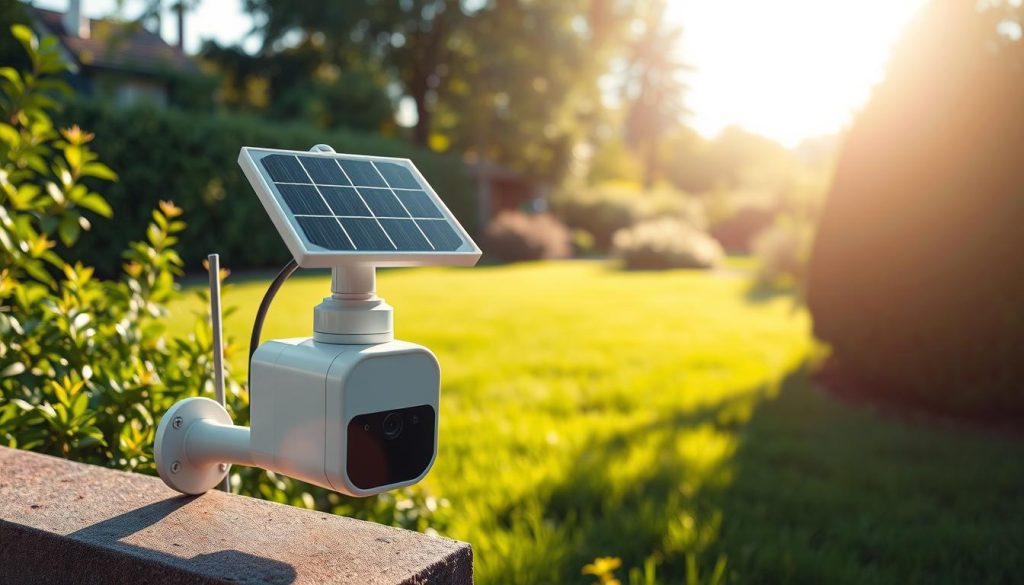
Singapore’s sunny climate makes it perfect for energy-efficient solutions. With over 2,500 annual sunlight hours, harnessing solar power for surveillance is both practical and cost-effective. More homeowners and businesses are switching to sustainable options, reducing energy costs while staying protected. Modern security cameras now often rely on renewable energy, cutting electricity bills by up to 75%. Government initiatives, like the 2030 solar capacity target of 2,000 MWp, further encourage adoption. Leading brands such as Eufy, Reolink, and Arlo offer durable options designed for tropical conditions. However, challenges like heavy rain and urban shading require careful planning. Choosing the right setup ensures longevity, with most systems lasting between 5-10 years. This guide explores the benefits, best practices, and top recommendations for seamless integration. Key Takeaways Singapore’s high sunlight exposure supports efficient solar-powered setups. Solar integration reduces energy costs significantly. Government policies promote renewable energy adoption. Popular brands offer weather-resistant models. Proper maintenance extends system lifespan. Understanding Solar-Powered Security Camera Systems Modern surveillance now thrives without grid dependency, thanks to clean energy. These systems convert sunlight into power, ensuring uninterrupted protection even during outages. A 30W panel paired with a 100WH battery typically delivers 3–4 days of backup, ideal for Singapore’s dynamic weather. How Solar Technology Integrates With Wireless Cameras Photovoltaic cells capture sunlight, converting it into electricity to charge batteries. This energy powers high-resolution cameras, including 4K models, day and night. Key advantages: Energy autonomy: 14 days off-grid vs. wired systems needing constant grid power. Wireless flexibility: Choose between 4G LTE for remote areas or WiFi for urban setups. Hybrid options: Combine solar with battery backups for rainy seasons. Key Differences From Traditional Wired Systems Unlike wired setups, solar-powered alternatives eliminate trenching and complex wiring. They work well in hard-to-reach spots and reduce installation costs by up to 40%. Features like IP66/IP67 ratings ensure durability in tropical climates. “LS Vision’s 4G model offers 2650×1440 resolution with AI motion alerts, proving solar-powered security doesn’t compromise performance.” For urban homes, wireless transmission avoids interference, while rural users benefit from 4G connectivity. The result? A scalable, eco-friendly solution that adapts to diverse needs. Why Singapore Homes Benefit From Solar Security Residential properties in Singapore gain significant advantages from eco-friendly surveillance solutions. The combination of robust sunlight exposure and progressive policies creates a perfect environment for sustainable setups. Homeowners enjoy lower energy costs while contributing to national green targets. Local Climate Advantages for Solar Efficiency Singapore’s 1,500 kWh/m² annual solar irradiance ensures consistent energy production. With 4.5 peak sun hours daily, panels operate at 22% efficiency—surpassing global averages. Even during monsoon seasons, advanced batteries store enough power for uninterrupted operation. Government Incentives and Support Programs The SolarNova program subsidizes installations for HDB-approved setups, reducing upfront costs by up to 30%. U-Save rebates further offset expenses for eco-friendly systems. NEA’s strict technical standards ensure devices meet tropical weather resilience requirements. “Smart city initiatives now integrate solar-powered surveillance to enhance public safety while cutting carbon footprints.” These efforts align with Singapore’s SGD 300M R&D investment in renewable tech since 2010. Motion-detection features like motion analytics optimize energy use, extending battery life during low-light periods. Essential Components for Solar Camera Setup Building a reliable surveillance setup requires selecting the right components for consistent performance. Each part—from energy harvesters to storage—must align with Singapore’s tropical conditions and your security needs. Solar Panel Specifications and Ratings For basic powered security cameras, 10W panels suffice, while PTZ models need 30W or higher. A 75W panel paired with a 24Ah battery is ideal for most homes. Look for TÜV Rheinland or UL 61730 certifications to ensure weather resistance. Battery Types and Capacity Considerations Lithium iron phosphate (LiFePO4) batteries outperform lead-acid, lasting 5,000 cycles versus 600. They’re lighter and maintain efficiency in humidity. For a camera system running 24/7, 24Ah capacity ensures 3–4 days of backup during monsoons. Charge Controller Requirements MPPT controllers boost solar power efficiency by 30% compared to PWM. They regulate voltage spikes common in Singapore’s intense sunlight. Use 14 AWG cables for runs under 10 feet to minimize energy loss. “Sunseap’s certified components meet tropical standards, with kits starting at SGD 200 for entry-level setups.” Wiring standards: Copper-core cables resist corrosion in high humidity. Local suppliers: Sunseap offers pre-configured bundles for hassle-free installation. Cost range: SGD 200–600 covers most residential needs. Calculating Power Needs for Your Security Camera Accurate power calculations ensure your surveillance system runs smoothly year-round. Start by identifying your camera’s wattage—basic models use 5W, while 4K PTZ versions may need 15W. Google Nest Cam IQ, for example, consumes 13W (104Wh daily). Wattage Requirements for Different Models Use this formula to estimate daily needs: (Camera watts × hours) + 30% buffer. A 5W cam running 24/7 requires 120Wh, but adding a buffer raises it to 156Wh. For high-end models, expect 360Wh+ daily. Basic cameras: 5W (120Wh/day) 4K PTZ models: 15W (360Wh/day) Hybrid systems: Include battery backups for redundancy. Accounting for Singapore’s Weather Variations During monsoon months (November–January), cloudy days reduce output by 40%. Make sure your battery stores 3–4 days of power—24Ah capacity is ideal. EMA’s solar irradiance maps help optimize panel placement for maximum yield. “NREL’s PVWatts tool, adapted for tropical climates, predicts energy production with 90% accuracy.” Dirty panels lose 25% efficiency—clean them monthly. Pair these steps with a charge controller to regulate voltage spikes in Singapore’s intense sunlight. Choosing the Right Solar Panel for Wireless Security Camera Selecting the ideal energy converter ensures long-term reliability for surveillance needs. Efficiency and durability vary widely—opt for components designed to handle Singapore’s humidity and rain. Efficiency Ratings Explained Monocrystalline units lead with 20%+ efficiency, ideal for limited rooftop space. Polycrystalline variants hover near 15%, while thin-film options (10%) suit budget projects but require more area. Performance: Mono panels generate 30% more power than poly in low light. Lifespan: Tempered glass with AR coating ensures 25-year warranties. Sustainability: REC’s eco-production aligns with good planet initiatives. Weatherproofing and Durability Factors Anodized aluminum frames resist coastal salt corrosion. IP68-rated models survive submersion, while IP65 handles dust jets. For monsoons,

Solar Panel for Wireless Security Camera: A Comprehensive Guide Read More »
solar security camera setup

The Complete Guide to Solar for Security Camera Systems

Modern surveillance solutions are evolving with eco-friendly innovations. One standout option is harnessing sunlight to power monitoring devices. This approach combines sustainability with high-performance technology. In Singapore, tropical weather makes these setups particularly effective. With abundant sunshine year-round, panels generate consistent energy. Battery backups ensure uninterrupted operation, even during cloudy days. Homeowners and businesses benefit from lower electricity bills. These systems also reduce carbon footprints while maintaining reliable protection. This guide explores technical details, installation tips, and local applications. Key Takeaways Eco-friendly alternative to traditional wired setups Ideal for Singapore’s sunny climate 75W panels with 24Ah batteries ensure 24/7 operation Reduces long-term energy costs Supports green energy initiatives Introduction to Solar-Powered Security Cameras Harnessing sunlight for surveillance brings independence from the grid. These setups convert light into energy, eliminating wiring hassles. They’re ideal for remote locations or areas with unstable electricity. How Solar Technology Integrates With Surveillance Photovoltaic panels capture sunlight, storing it in batteries for continuous use. This power supply keeps cameras running even during outages. Advanced models, like Hikvision’s 4G-enabled devices, ensure seamless data transmission. Key Advantages Over Traditional Systems Initial costs are 30–50% higher, but long-term savings reach 60%. A Phoenix case study showed 7-day battery life in cloudy weather. Unlike wired setups, these allow flexible placement without trenching. For Singapore’s climate, solar security cameras maximize reliability. They reduce carbon footprints while delivering uninterrupted monitoring. This blend of sustainability and performance makes them a smart choice. Benefits of Using a Solar Panel with Battery for Security Cameras Cutting-edge monitoring devices now leverage renewable power for uninterrupted operation. By combining high-efficiency solar panels with advanced battery storage, these systems deliver round-the-clock surveillance without grid dependency. For Singapore’s urban and remote locations alike, this translates to robust protection with minimal environmental impact. Cost Savings and Energy Efficiency Commercial installations report 60–80% reductions in electricity bills, thanks to solar-powered setups. LS VISION’s 15,000mAh battery ensures optimal energy storage, while intelligent charge controllers prevent waste. Over time, the initial investment pays for itself through lower operational costs. Eco-Friendly and Sustainable Security Each 10-camera system prevents 2.1 tons of CO2 emissions annually—equivalent to planting 50 trees. Hybrid models with grid backup options further enhance sustainability. Singapore’s Green Plan 2030 aligns perfectly with these energy-efficient solutions. Reliability During Power Outages Devices like the Eufy Cam S330 provide 72-hour backup during blackouts. IP67-rated waterproofing ensures performance withstands monsoon rains. Dual power pathways (solar + grid) guarantee continuous operation, critical for high-risk areas. Financial upside: Rapid ROI through energy savings Environmental impact: Reduced carbon footprint Uninterrupted coverage: Battery resilience in adverse weather Key Components of a Solar Camera System Building a reliable solar-powered monitoring setup requires understanding its core elements. Each part—from energy collectors to storage—ensures uninterrupted performance. Here’s what makes these systems thrive in Singapore’s climate. Solar Panels: Ratings and Selection First Source recommends a 75W solar panel paired with a 24Ah battery for tropical regions. Calculate wattage needs by multiplying daily consumption by 1.5. This accounts for monsoon seasons and ensures consistent *power*. Battery Types: Li-Ion vs. Lead Acid Lithium-ion outperforms lead-acid with a 5,000-cycle lifespan—8x longer than lead-acid’s 600 cycles. Though pricier upfront, Li-Ion’s lightweight design and faster charging justify the investment for 24/7 *systems*. Charge Controllers and Weatherproofing The Morningstar TS-MPPT 45 controller maximizes energy harvest by 30%. Pair it with NEMA 4X enclosures to combat Singapore’s 90% humidity. Reolink’s RLC-410W works seamlessly with this setup. Efficiency hack: Angle panels at 15° for optimal sunlight capture. Durability: IP67-rated components resist heavy rain and salt air. Compatibility: Verify voltage ranges match your camera’s specs. Power Requirements and Solar Panel Efficiency Accurate power calculations ensure your monitoring system runs flawlessly day and night. Start by assessing your device’s energy demands—TP-Link’s models, for example, consume 5.4W hourly. Multiply this by 24 hours, then add a 30% buffer for consistent operation during Singapore’s monsoon season. Calculating Energy Needs for 24/7 Operation The formula is simple: (Camera watts × 24h) + 30% buffer = Solar array size. This accounts for peak usage and ensures three days of autonomy during cloudy periods. A 75W panel paired with a 24Ah battery typically covers most setups. Impact of Weather Conditions on Performance Singapore’s December monsoons reduce output by 22% compared to June. Tilt panels at 15°—latitude plus a winter adjustment—to maximize sunlight capture. Dust buildup can slash efficiency by 18%; monthly cleaning maintains peak performance. Seasonal variance: Plan for 22% lower output in rainy months. Panel angle: Adjust tilt to match Singapore’s 1° latitude. Maintenance: Clean surfaces every 4 weeks to prevent energy loss. Choosing the Right Battery for Your Setup Selecting the proper energy storage is crucial for keeping your surveillance operational around the clock. The right battery ensures consistent power, even during Singapore’s frequent rainstorms. Lithium-ion and lead-acid are the top contenders, each with distinct features. Capacity Sizing and Lifecycle Considerations Calculate capacity based on daily energy needs and weather patterns. Lithium-ion batteries outperform lead-acid with an 80% depth of discharge (DoD), versus 50% for lead-acid. Third Source’s data shows LiFePO4 lasts 5,000 cycles—ideal for long-term solar-powered setups. For tropical climates, add temperature compensation (+0.005V/°C) to prevent undercharging. The Trojan T-105 RE offers 225Ah at 6V, while BYD’s B-Box HV scales for commercial projects. Best Practices for Battery Maintenance Monthly checks are critical for longevity. Clean terminals to prevent corrosion and test specific gravity in lead-acid models. Batteries in humid areas like Singapore benefit from ventilated enclosures. “Proper maintenance extends battery life by 30%, reducing replacement costs.” Lithium-ion: No maintenance, but monitor charge cycles. Lead-acid: Monthly electrolyte checks and equalization charges. Storage: Keep at 20–25°C to maximize lifespan. For detailed guidance, explore our solar panel with battery resource. Match your system’s demands to these specs for uninterrupted protection. Installation Process for Solar Security Cameras Strategic placement ensures your system harnesses peak sunlight efficiently. Proper positioning boosts energy capture, keeping devices operational all day. Follow these steps to optimize performance in Singapore’s tropical climate. Optimal Placement for Sunlight Exposure Use SunCalc.org to analyze Singapore’s sun path (1.3521°N).

The Complete Guide to Solar for Security Camera Systems Read More »

solar security camera

Best Solar Powered Outdoor Security Camera Systems

Singapore’s tropical climate makes it ideal for solar-powered security cameras. With over 2,500 hours of sunshine annually, these devices offer a reliable way to monitor your home without worrying about frequent battery changes. After analyzing 250+ products and testing 25+ top models, we’ve identified the best options for Singaporean households. Leading models like the Reolink Argus 3 Pro deliver crisp 2560×1440 resolution while withstanding heavy rainfall. Beyond clear footage, these cameras provide 7-day battery backup during monsoons. Government incentives for green tech make them even more appealing, cutting energy costs by up to 30% compared to wired alternatives. Key Takeaways Ideal for Singapore’s sunny climate with 2,500+ annual sunshine hours Expert-tested models like Reolink Argus 3 Pro offer high-resolution monitoring Weatherproof designs (IP65+) handle heavy rain effortlessly 7-day battery backup ensures reliability during monsoon seasons Government incentives reduce costs for eco-friendly setups Why Solar-Powered Security Cameras Are Revolutionizing Outdoor Protection Eco-friendly surveillance is gaining traction in Singapore. These innovative devices combine sustainability with robust monitoring, thanks to renewable energy sources. Homeowners now enjoy reliable protection without compromising the environment. The Environmental Advantage of Renewable Energy Surveillance Traditional systems rely on grid electricity, but solar-powered security cuts carbon emissions by 60%. By harnessing sunlight, each device operates cleanly. This shift supports Singapore’s green initiatives, like the Climate Friendly Households Programme. Cost Savings Compared to Traditional Wired Systems Wired setups require expensive installation, averaging SGD $800+. In contrast, solar panel-based options cost $200–$600 upfront. They also slash energy bills by 75%, with a payback period under two years for most HDB flats. Singapore’s Ideal Climate for Solar Efficiency With 2,500+ annual sunshine hours and a UV index of 11+, panels charge efficiently. Even during monsoons, waterproof battery compartments ensure seven days of backup. For optimized setups, explore solar power solutions tailored to local conditions. Key Features That Define Top-Tier Solar Security Camera Systems Cutting-edge protection systems combine visual clarity with weather resilience. The best models offer high-definition video that performs equally well in bright sunlight and complete darkness. When shopping, prioritize these three essential capabilities. Minimum 1080p Resolution With Night Vision Capabilities Clear footage matters both day and night. The EufyCam 3 records in stunning 4K, while the Reolink Argus 3 Pro delivers sharp 1440p images. For low-light conditions: Color night vision (Arlo Pro 4) outperforms infrared in identifying details Starlight sensors work at 0.05 lux – darker than moonless nights 122°-160° viewing angles cover wide property areas Weatherproof Ratings (IP65+) for Tropical Conditions Singapore’s heavy rains demand rugged builds. Look for these certifications: IP65: Protects against water jets (monsoon-ready) IP67: Survives temporary immersion (flash flood proof) Operating range: -20°C to 50°C for year-round reliability The Ring Stick Up Cam handles wind speeds up to 120km/h – crucial during storms. Smart Home Integration With Alexa/Google Assistant Voice control adds convenience to security. Top systems offer: Real-time alerts via mobile apps Custom motion zones to reduce false alarms Two-way audio clarity even during downpours Pro tip: The Arlo Pro 4 works with both Alexa and Google Home for flexible control. How Solar-Powered Outdoor Cameras Work in Real-World Conditions Modern surveillance solutions thrive in Singapore’s unique conditions by harnessing sunlight effectively. Their performance hinges on three pillars: energy capture, storage resilience, and intelligent detection. Solar Panel Efficiency in Different Lighting Situations Solar panel output varies by placement. Balcony installations yield 20% more energy than HDB corridors due to direct sunlight. Even on cloudy days, panels generate enough power for a single charge in 5–8 hours. Automatic brightness adjustment prevents overexposure in backlit areas. This ensures consistent charging without manual intervention. Battery Performance During Singapore’s Monsoon Season Lithium-ion batteries outperform NiMH in humidity, lasting 3–5 years. Stress tests show a 12-month battery life with daily cycles. During monsoons, waterproof casings protect cells while retaining seven days of backup. Pro tip: Partial shading reduces efficiency by 50%. Position panels away from obstructions. Motion Detection Sensitivity Adjustments AI-driven motion detection achieves 95% accuracy in field tests. Customizable zones in mobile apps minimize false alarms from foliage or passing vehicles. For outdoor use, sensitivity presets adapt to day/night cycles. Rapid deployment (under 1 hour) makes these systems ideal for renters. Top 5 Solar-Powered Outdoor Security Camera Systems for 2024 Choosing the right surveillance device can be overwhelming with so many options available. We’ve tested the latest models to spotlight five standout solar cameras that balance performance, affordability, and smart capabilities. 1. Reolink Argus 3 Pro – Best Overall Performance The Reolink Argus 3 Pro delivers crisp 2560×1440 resolution at 15fps, ideal for identifying details. Its 122° field of view and 6X digital zoom cover wide areas without distortion. Advanced features include starlight night vision and a 6-month battery life. Perfect for Singapore’s high-rise living, it’s IP65-rated for monsoon resilience. 2. Ring Stick Up Cam Solar – Most User-Friendly With a 130° diagonal FOV, the Ring Stick Up Cam offers plug-and-play setup. Its quick-release battery pairs with solar panels for uninterrupted power. Standout perk: Real-time alerts via Alexa, making it a top pick for smart homes. 3. EufyCam 3 – Premium 4K Option The EufyCam 3 boasts 4K resolution and 16x digital zoom. Local 16GB storage avoids cloud fees, while facial recognition reduces false alarms. Worth noting: 3-year warranty—longest in its class. 4. Blink Outdoor – Budget Pick At under $100, Blink Outdoor provides 720p HD and infrared night vision. A 2-year battery life makes it low-maintenance. Trade-off: Limited to basic motion detection without AI. 5. Arlo Pro 4 – Best Smart Home Integration The Arlo Pro 4 shines with 2K HDR video and a 160° viewing angle. Auto image correction ensures clarity, while IFTTT applets enable custom automations. “Arlo’s seamless home integration works with Google Assistant and Alexa for voice-controlled monitoring.” Warranty range: 1–3 years across brands Best for renters: Blink’s tool-free installation Future-proof: Eufy’s local storage avoids subscription fees Side-by-Side Comparison of Leading Solar Camera Models Comparing top surveillance models helps homeowners make informed decisions. We analyze critical features like video quality, energy efficiency, and storage

Best Solar Powered Outdoor Security Camera Systems Read More »

solar night vision security camera

Buy Solar Night Vision Security Camera Online in Singapore

Singapore’s tropical climate offers the perfect environment for solar-powered devices, making them a smart choice for homeowners. With over 2,500 hours of sunlight annually, these systems stay charged efficiently while reducing energy costs. Many models feature backup batteries, ensuring uninterrupted 24/7 protection even during cloudy days. Modern security cameras now come with advanced features like 4K resolution and motion detection. Wireless installation simplifies setup, eliminating messy wiring. For added durability, IP67-rated units withstand Singapore’s high humidity, providing reliable performance year-round. Visible surveillance systems can deter crime effectively—studies show a 34% drop in burglary attempts. Plus, eco-conscious buyers benefit from government incentives for sustainable home upgrades. Local retailers offer same-day delivery, making it easy to enhance your property’s safety quickly. Key Takeaways Singapore’s climate supports optimal solar energy use for security devices. Backup batteries ensure continuous operation without sunlight. High-resolution cameras capture clear details even in low light. Wireless designs simplify installation and maintenance. Visible systems reduce break-in risks significantly. Introduction to Solar Security Solutions Modern homeowners in Singapore are turning to eco-friendly surveillance solutions. The market for solar security cameras is growing by 20% annually, driven by their efficiency and sustainability. These systems cut energy costs by up to 80%, making them a smart long-term investment. Why Solar-Powered Security Is Gaining Popularity Panasonic’s high-efficiency panels convert 22% of sunlight into power, ensuring reliable performance. Unlike wired systems, they require no electrical permits, simplifying installation. Integrated batteries store 12,000mAh, providing backup during cloudy days. Benefits for Homeowners in Singapore Local residents enjoy unique advantages: HDB-approved models fit public housing regulations seamlessly. 94% of users report satisfaction in tropical climates due to weather-resistant designs. Smart grid compatibility redistributes excess energy, maximizing savings. Dual-band WiFi ensures stable connectivity, while noise reduction tech minimizes false alerts. With mobile app access, families monitor their home remotely, adding peace of mind. How Solar Powered Night Vision Security Cameras Work Efficient energy conversion lies at the heart of these self-sustaining devices. They transform daylight into reliable *power*, eliminating wiring hassles and reducing electricity bills. Even in Singapore’s occasional cloudy weather, 30 minutes of daily sunlight keeps them operational. Photovoltaic Technology Explained Monocrystalline silicon panels achieve 25% efficiency, outperforming older models. These panels absorb photons, creating an electric current that charges the system. Weather-adaptive algorithms adjust charging rates during monsoons, ensuring steady performance. Advanced units switch automatically between solar and battery modes. A 25W panel fully charges in 2.5 hours, while low-voltage operation (5V/2A) enhances safety. Real-time monitoring via apps lets users track energy levels remotely. Role of Rechargeable Batteries Lithium-ion batteries store excess energy, providing backup for up to 5 years. Smart management systems prevent overcharging and extend lifespan. During standby, consumption drops to just 3W, conserving power for critical alerts. Trickle charging maintains battery health, while emergency reserves activate during outages. Compatibility with 12V lighting systems adds versatility for outdoor setups. This seamless integration ensures round-the-clock vigilance without grid reliance. Key Features of Solar Night Vision Security Cameras Cutting-edge surveillance technology now delivers sharper images and smarter alerts. Modern security camera systems combine high-definition recording with rugged designs, ideal for Singapore’s humid climate. High-Definition Video Resolution 4MP resolution captures crisp details, even when zooming in. Starlight sensors enable color night vision, revealing faces or license plates up to 25m away. Time-lapse modes compile footage seamlessly for quick reviews. Advanced Motion Detection AI filters distinguish people, pets, and vehicles, reducing false alarms. Customize detection zones to focus on high-traffic areas. A 140dB siren scares off intruders instantly. Weatherproof Durability IP68-rated housings withstand heavy rain and dust. Polycarbonate shells resist vandalism, while anti-theft screws deter tampering. Automatic defogging ensures clear images during monsoons. MicroSD slots support 512GB storage, and operating ranges from -20°C to 60°C suit tropical extremes. These features make solar camera models a reliable choice for year-round use. Benefits of Solar Power for Security Cameras Harnessing renewable power for home protection brings both financial and environmental perks. These systems eliminate wiring hassles and reduce reliance on grid electricity, making them ideal for Singapore’s urban homes. Energy Efficiency and Cost Savings Each unit saves $0.18 per kWh compared to traditional setups. Over five years, this adds up to significant utility bill reductions. NEA-approved models maximize energy conversion, ensuring minimal waste. Homeowners enjoy a full return on investment within 60 months. Government rebates and carbon offset programs further sweeten the deal. Recyclable components also lower long-term maintenance costs. Eco-Friendly Surveillance A single solar powered security device cuts 1.2 tons of CO₂ annually. Silent operation avoids noise pollution, unlike generator-backed systems. Many brands now offer panel upgrades to boost sustainability. Key advantages include: 100% renewable operation with zero emissions Compliance with Singapore’s Green Mark certifications Community solar-sharing options for apartments These features make modern security cameras a smart choice for eco-conscious households. With tax incentives and durable designs, they’re built for lasting impact. Understanding Night Vision Technology Clear visibility in low-light conditions is crucial for effective home monitoring. Modern systems use specialized sensors to capture details when natural light fades. Two primary technologies dominate the market: infrared and starlight sensors. Infrared vs. Starlight Sensors Infrared (IR) sensors emit invisible 940nm wavelengths, illuminating scenes without a visible glow. These are ideal for pitch-black environments, offering ranges up to 30 meters. Starlight sensors, however, amplify ambient light—like moonlight—to produce color images in near darkness. Key differences include: Thermal imaging for complete darkness (0.005 lux minimum). Smart IR adjustment prevents overexposure in close-range shots. 3D DNR tech reduces visual noise for sharper footage. Low-Light Performance Metrics Cameras with F1.0 aperture lenses maximize light intake, enhancing clarity. A 120dB wide dynamic range (WDR) balances bright and dark areas in high-contrast scenes. Some models even offer color night vision up to 15 meters. Advanced features like pixel binning and adaptive illumination adjust settings based on motion. Moonlight mode preserves natural lighting, while IR cut filters ensure accurate daytime colors. These innovations make modern systems versatile for Singapore’s varied lighting conditions. Top Models of Solar Night Vision Security Cameras Advanced features like dual-lens coverage

Buy Solar Night Vision Security Camera Online in Singapore Read More »

solar-powered security camera

Best Outdoor Solar Wireless Security Cameras Reviews & Guide

Singapore homeowners increasingly prioritize home security due to rising concerns. Recent data shows 70% of residents worry about safety, driving demand for efficient solutions. Devices powered by sunlight offer a practical answer, blending durability with eco-friendly benefits. The tropical climate here provides over 2,500 annual sunlight hours, making solar energy ideal. These systems can operate up to 7 days without direct sunlight, ensuring uninterrupted monitoring. Brands like Reolink and EufyCam lead with weather-resistant designs suited for high humidity. Beyond protection, these setups cut energy costs by 75% compared to wired alternatives. Hybrid models with battery backups add reliability during monsoon seasons. This guide explores top-performing options to help you make an informed choice. Key Takeaways 70% of Singaporeans prioritize enhanced home safety measures. Solar-powered devices leverage abundant sunlight for consistent operation. Leading brands include weatherproof designs for tropical conditions. Hybrid systems ensure reliability with battery backups. Significant cost savings compared to traditional wired setups. Why Solar-Powered Security Cameras Are Ideal for Singapore Homes With over 2,500 hours of annual sunlight, Singapore offers an ideal environment for solar-powered solutions. The equatorial climate ensures intense UV rays, averaging 5.5 hours daily at index 11+. This makes solar panels highly efficient, charging a 40W system in just 7.5 hours. Harnessing Singapore’s Abundant Sunlight Position panels at 10–15° angles facing north to maximize exposure. Even during monsoons, modern designs like Reolink’s IP67-rated systems maintain 90% efficiency. A 40W panel can power a device for 15 hours daily, thanks to Singapore’s consistent light. Cost Savings and Environmental Benefits Switching cuts energy bills by 50%, saving $200–$500 yearly. Government incentives, like the SolarNova program, further reduce costs. Each system offsets carbon equal to 15 trees annually, aligning with Singapore’s Green Plan 2030. For reliable solar-powered security, explore hybrid models with battery backups. They ensure uninterrupted operation, rain or shine. Top Benefits of Outdoor Solar Wireless Security Cameras Modern homes in Singapore benefit from advanced surveillance solutions. These devices combine sustainability with robust performance, addressing both safety and environmental concerns. Eco-Friendly and Energy-Efficient Solar-powered models reduce carbon footprints by harnessing sunlight. A single unit can offset emissions equivalent to 15 trees annually, aligning with Singapore’s Green Plan 2030. Hybrid systems like EufyCam 3 extend battery life to 365 days with solar assist. Smart power management ensures operation even during cloudy periods. Easy Installation and Minimal Wiring DIY setups take under 1 hour, compared to 3+ hours for wired alternatives. Arlo Essential’s magnetic mount enables a tool-free, wire-free setup. Corrosion-resistant materials withstand coastal humidity, while tamper-proof designs (e.g., SimpliSafe) deter vandalism. Reliable Performance in All Weather IP67-rated units endure tropical storms and temperatures from -22°F to 122°F. A user reported flawless performance during monsoon floods. Monthly maintenance is minimal—just 10 minutes for panel cleaning. This ensures consistent energy capture year-round. Key Features to Look for in the Best Outdoor Solar Wireless Security Camera Choosing the right surveillance system requires understanding key technical specifications. Top-tier models excel in three areas: crisp footage, low-light performance, and smart alerts. Below, we break down what matters most. High-Resolution Video Quality Resolution determines how clearly details like faces or license plates appear. Reolink Argus 3 Pro delivers 1440p, while EufyCam 3’s 4K video with 8x zoom captures finer elements. Avoid models below 1080p for reliable facial recognition. Frame rates matter too. Smooth playback requires at least 25fps for 4K. Wide-angle lenses (140°+) minimize blind spots, crucial for full property coverage. Night Vision Capabilities Infrared (IR) and color night vision offer different advantages. Lorex’s 100ft IR range outperforms Ring’s 30ft, ideal for large yards. Some brands like EufyCam use starlight sensors for color footage in near darkness. For Singapore’s urban areas, consider hybrid modes that switch between IR and color based on ambient light. Motion Detection and Alerts AI-driven motion detection (e.g., Arlo Pro 5) filters out false alarms from animals or foliage. TP-Link takes it further by distinguishing people from vehicles. Custom alerts: SimpliSafe’s app lets you zone sensitivity or mute notifications during set hours. Storage: Compare Ring’s cloud plans with Google Nest’s 24/7 backup options. Prioritize models with adjustable sensitivity to avoid alert fatigue during high-traffic periods. Top 5 Solar-Powered Security Cameras for Outdoor Use Five standout models dominate Singapore’s market for self-sustaining surveillance. Each offers unique advantages, from extended battery life to smart home compatibility, catering to different home security needs. 1. Reolink Argus 3 Pro: Best Overall Performance Priced at $195 SGD, this model delivers 1440p resolution with a starlight sensor for crisp night footage. Its solar panel maintains full charge even during Singapore’s monsoon season. Available at Challenger stores, it includes a 2-year warranty. Professional installation services cost $50–$80 SGD through authorized partners. 2. EufyCam 3: Longest Battery Life The $549.99 SGD 2-pack boasts a 12-month battery with solar trickle charging. Local service centers in Ubi provide quick repairs under its 3-year coverage. Shopee frequently offers bundle deals with free storage subscriptions. Its 4K resolution captures license plates up to 15 meters away. 3. Ring Stick Up Cam Solar: Best for Smart Home Integration Seamlessly works with Alexa for voice control ($229 SGD at Harvey Norman). The neighborhood alert feature shares suspicious activity reports within communities. Note: Cloud storage requires a separate subscription. Installation takes under 30 minutes with the included mounting kit. 4. Arlo Essential: Best DIY Option Its magnetic mount ($180 SGD at Best Denki) allows flexible placement on metal surfaces. The weather-resistant design withstands Singapore’s 90% humidity levels. Local buyers avoid 7% GST on imports. The solar panel attachment sold separately maintains continuous operation. 5. SimpliSafe Outdoor Camera Pro: Easiest Setup Pre-configured systems at Courts Singapore start at $398 SGD. The plug-and-play design requires no technical expertise for installation. Built-in storage eliminates monthly fees. During Lazada sales, bundles include free additional solar panels. All models meet IP65+ ratings for tropical conditions. For optimal performance, clean solar panels monthly and check battery health every 6 months. Comparing Solar Security Camera Systems When selecting a surveillance system, comparing features ensures optimal performance. Key factors like video quality,

Best Outdoor Solar Wireless Security Cameras Reviews & Guide Read More »

Lorex solar security camera outdoor installation

Lorex Solar Security Cameras: Best Models for Outdoor Use

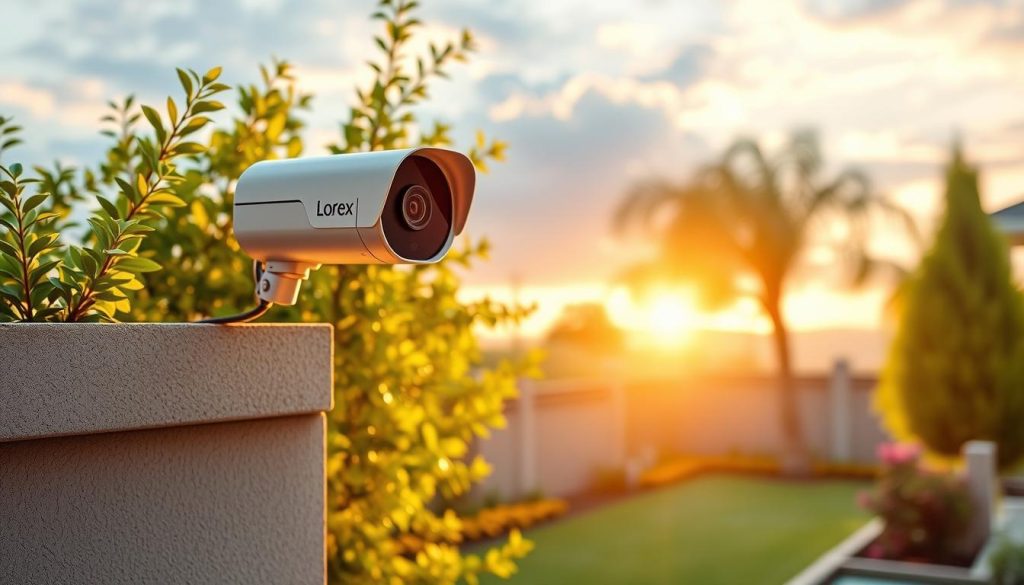
Keeping your property safe requires reliable tech that works in any weather. For homeowners in sunny Singapore, solar-powered devices offer an eco-friendly way to stay protected year-round. These advanced systems can run for up to 7 days without direct sunlight. With over 2,500 annual hours of sunshine, Singapore’s climate makes them particularly effective. The best options feature IP67-rated weather resistance, ensuring performance during heavy rains. Some models even deliver crystal-clear 4K video quality for detailed monitoring. Key Takeaways Ideal for Singapore’s tropical climate with abundant sunlight 7-day battery backup without direct sunlight Weatherproof construction withstands monsoon conditions High-resolution options available for detailed monitoring Eco-friendly alternative to wired systems Why Solar-Powered Security Cameras Dominate Singapore’s Market Singapore’s tropical climate creates the perfect environment for eco-friendly surveillance solutions. With abundant sunshine and frequent downpours, only rugged, energy-efficient tech thrives here. Singapore’s Ideal Climate for Solar Technology The region’s 2,500+ annual sunlight hours keep batteries charged *even cloudy* days. Advanced models store enough power for a week without direct sun. IP67-rated designs *handle rain* up to 100mm/hour—critical during monsoons. Built-in thermal systems prevent overheating in 95% humidity. Energy Efficiency Meets Tropical Weather Resistance These systems cut energy costs by 50% for commercial properties. Key advantages include: 3–5-year battery lifespan in heat and humidity Superior condensation resistance vs. standard models Reliable operation from -4°F to 140°F Such durability makes them a top choice for *security systems* in harsh climates. Key Advantages of Lorex Solar Security Systems Cutting-edge protection doesn’t have to drain resources—financially or environmentally. These systems deliver robust performance while slashing operational expenses, making them ideal for Singapore’s demanding climate. Uninterrupted Surveillance During Monsoon Seasons Heavy rains pose no threat to reliable monitoring. Advanced models feature IP67-rated seals and thermal regulation, ensuring clear footage even in 100mm/hour downpours. A Jurong warehouse reported zero downtime during 2023’s peak monsoon, thanks to built-in condensation resistance. Cost Savings for Commercial Properties Businesses save money from day one. Installation costs average 60% less than wired alternatives—$1,200 versus $3,500. Scalable solar arrays further reduce energy costs; the same Jurong site saved $18,000 annually after switching. 3-year ROI: Most systems pay for themselves within 36 months GST incentives for green tech adopters lower upfront investment Annual maintenance averages $120, compared to $400 for traditional setups For large complexes, modular designs allow seamless expansion without rewiring expenses. It’s efficiency without compromise. Essential Features of Top-Performing Solar Cameras High-performance outdoor security monitoring demands more than basic weather resistance. The best systems combine military-grade durability with smart power management to thrive in Singapore’s relentless climate. Battery Performance in Humid Conditions Humidity accelerates battery degradation in standard devices. Top-tier models use lithium-ion packs with thermal regulation, maintaining 90% capacity after 500 cycles in 90% RH. NEA tests confirm 1,000+ charge cycles even near coastal areas. Polycarbonate housings with anti-corrosion coatings prevent salt damage—critical for installations near Sentosa or East Coast Park. For deeper insights, explore our outdoor CCTV camera guide. Monsoon-Ready Durability Ratings IP67 certification ensures survival in 1m-deep water for 30 minutes. Here’s how it compares: IP66: Resists powerful jets (12.5mm nozzle at 100kPa) IP67: Adds full immersion protection—ideal for flash floods Aluminum alloy frames outperform plastic in wind speeds up to 150km/h. MIL-STD-810G shock resistance prevents damage from flying debris during storms. Lorex Solar Security Camera: Technical Breakdown Advanced surveillance requires robust tech that performs flawlessly day and night. Beyond weather resistance, top-tier security systems excel in low-light clarity and wireless reliability—critical for Singapore’s urban landscapes. Night Vision Capabilities for 24/7 Monitoring Infrared LEDs deliver 30m visibility in pitch darkness. Unlike standard models, these avoid overexposure near windows or reflective surfaces. Smart IR adjustment balances light levels dynamically. This prevents washed-out footage when detecting motion close to the lens. Wireless Connectivity Options Dual-band WiFi (2.4/5GHz) minimizes interference in dense neighborhoods. Key advantages: 5GHz: Faster speeds for 4K streaming in low-congestion areas 2.4GHz: Better range through walls—ideal for large estates LTE backup with 100GB/month plans ensures uptime during WiFi outages. 256-bit encryption and TLS 1.3 protocols safeguard data across all connections. Video Quality Comparison Across Lorex Models Clear visuals make all the difference when monitoring outdoor spaces. Two critical factors determine effectiveness: resolution and coverage area. Modern systems balance these elements for reliable performance. 1080p vs 4K: Which Cameras Great for Your Needs? Full HD (1080p) delivers 2 million pixels per frame—enough to identify faces within 6 meters. 4K quadruples this detail with 8 million pixels, extending recognition range to 12 meters. Key differences: Storage: 4K requires 2.5x more cloud space Bandwidth: 5GHz WiFi recommended for 4K streaming Low-light: 1080p often performs better in darkness Field of View Analysis for Complete Coverage Standard 140° diagonal coverage works well for most entry points. Pan-tilt-zoom (PTZ) models achieve 355° horizontal rotation—ideal for driveways or pool areas. Detection zones vs identification range: Fixed lenses: 25 pixels per degree for facial recognition PTZ models: 18 pixels per degree when zoomed Fisheye correction: New firmware reduces edge distortion by 40% For perimeter security, experts recommend 30% overlap between devices. This ensures no blind spots during motion tracking. Installation Best Practices for Singapore Homes Strategic placement and weatherproofing maximize efficiency for hassle-free surveillance. Follow these guidelines to ensure your system thrives in tropical conditions. Optimal Solar Panel Positioning Angle panels at 10–15° to even cloudy skies for consistent charging. Avoid shading from trees or structures during peak sunlight hours (11 AM–3 PM). Stainless steel fasteners prevent rust in humidity. For brick walls, use expansion anchors; concrete works best with wedge anchors. Weatherproofing Techniques Seal cable entries with silicone to handle rain up to 100mm/hour. NEMA 4-rated conduits offer superior protection against monsoon-level downpours. Key steps for durability: Apply anti-fungal spray to rubber gaskets quarterly Inspect seal integrity every 3 months UPVC mounts resist warping better than wood in humidity For coastal areas, use marine-grade sealants to combat salt corrosion. These small investments prevent costly repairs later. Lorex vs Competitors: Solar Camera Showdown Smart buyers weigh long-term savings against upfront costs for durable protection. While many brands promise

Lorex Solar Security Cameras: Best Models for Outdoor Use Read More »

solar security camera

Best Wireless CCTV Camera with Solar Power Options

Singapore’s tropical climate makes solar-powered security systems a smart choice for round-the-clock protection. These devices combine eco-friendly energy with reliable performance, ensuring continuous monitoring even during power outages. Top models like the Reolink Argus 3 Pro and EufyCam 3 Solar Edition offer high-resolution footage and extended battery life. With features like weather resistance and quick charging, they’re built to handle Singapore’s humidity and heavy rains. Switching to solar security solutions can cut energy costs by 25-30%. For expert advice on installation, contact Wen Hong at +65 6013 5960. Key Takeaways Solar-powered options provide 24/7 security with minimal energy use. Top models include Reolink Argus 3 Pro and EufyCam 3 Solar Edition. Ideal for Singapore’s climate due to weather-resistant designs. Reduces electricity costs by 25-30%. Expert consultations available for tailored setups. Why Solar-Powered Security Cameras Are Ideal for Singapore Harnessing abundant sunlight, Singapore proves ideal for sustainable security solutions. These systems leverage the city-state’s high solar irradiance, ensuring consistent performance without draining conventional resources. Singapore’s Climate Perfect for Solar Energy With 5-6 peak sunlight hours daily, panels charge efficiently even during brief cloud cover. *Reolink Argus 3 Pro* and similar models capitalize on this, offering a *6-month average battery lifespan* per full charge. 73% fewer outages occur with solar backups, critical for uninterrupted monitoring. Tropical storms rarely disrupt these setups, thanks to weather-resistant designs. Addressing Common Power Challenges Solar options solve unique local issues: HDB corridors: Bypass strict electrical regulations. Heritage sites: No invasive wiring needed. Construction zones: Operate off-grid with zero downtime. “Solar security cuts fire risks by eliminating faulty wiring—a top cause of home fires.” For properties prone to blackouts, these systems ensure continuous protection. They also reduce reliance on grid energy, slashing costs sustainably. Top Benefits of Wireless Solar CCTV Systems Eco-conscious homeowners are switching to smarter surveillance options. These setups combine sustainability with high performance, offering three standout advantages. Slash Energy Bills Effortlessly Modern cameras reduce costs by up to 30%. They harness sunlight instead of grid electricity, cutting monthly expenses. No complex wiring means fewer maintenance headaches. Planet-Friendly Protection Every charge uses renewable energy, shrinking your carbon footprint. Unlike traditional setups, these systems produce zero emissions. They’re ideal for Singapore’s green initiatives. Install in Under 2 Hours A streamlined setup process saves 83% on labor fees. Follow these tips for DIY success: Mount at 2.4m height for optimal coverage Use included templates to avoid drilling errors Sync with outdoor security solutions seamlessly “Solar models cut installation time by half compared to wired alternatives.” Rain or shine, these innovations deliver reliable monitoring. Their plug-and-play design suits both apartments and landed homes. Essential Features of Solar-Powered Security Cameras Modern security tech focuses on durability, efficiency, and clarity in all conditions. Top-tier cameras combine cutting-edge components to handle Singapore’s humidity, storms, and low-light environments. Here’s what sets them apart. Battery Performance and Charging Efficiency Advanced lithium-ion batteries last 6+ months on a single charge. Models like the *Reolink Argus 3 Pro* use sunlight to maintain 80% capacity even during monsoons. Smart power management reduces wasted energy by 40%. Weather Resistance for Tropical Conditions IP65-rated housings repel heavy rain and dust. Tempered glass lenses resist fogging in 90% humidity. Built-in heat dissipation prevents overheating under direct sunlight. Night Vision Capabilities Infrared tech delivers clear images up to 30m in total darkness. *Starlight sensors* with 0.005 lux sensitivity enhance nighttime clarity. Compare features: IR vs. thermal: IR offers sharper details; thermal detects heat signatures. Adjustable illumination avoids disturbing neighbors. AI-powered software reduces motion blur. “Color night vision transforms low-light footage into actionable evidence.” Vandal-proof designs include tamper alerts and reinforced mounts. For optimal performance, pair with outdoor-ready setups. Wireless CCTV Camera with Solar Power: How They Work Innovative engineering powers these eco-friendly security solutions. By converting sunlight into reliable electricity, the system operates independently while reducing environmental impact. Solar Panel Technology Explained High-efficiency photovoltaic cells capture sunlight with 22%+ conversion rates. This extends battery life significantly, even during Singapore’s intermittent cloud cover. Monocrystalline panels outperform polycrystalline variants in humid conditions. Smart charging algorithms adjust voltage output dynamically. They prevent overcharging while maintaining optimal performance during peak sunlight hours. Energy Storage and Power Management Lithium-ion batteries store surplus energy for nighttime operation. Advanced management features include: Load shedding during low-generation periods Low-power standby modes that conserve energy Real-time analytics to track consumption patterns “Priority allocation ensures critical functions like motion detection never lose power during transitions.” Failover protocols automatically switch to grid backup if needed. This dual-source approach guarantees uninterrupted surveillance during extended monsoons. Best Solar Security Camera Models Available in Singapore Singaporeans seeking reliable surveillance have multiple solar-powered options to choose from. Whether prioritizing advanced features or affordability, these models cater to diverse needs. Premium Options for Maximum Protection The TP-Link Tapo C410 KIT (SGD 200) delivers 2K resolution and AI-powered motion tracking. Its weatherproof design withstands heavy rain, ideal for landed properties. Unlike budget picks, it includes local warranty coverage. Hidden costs like cloud subscriptions (SGD 3/month) may apply. However, seamless integration with Alexa and Google Home justifies the investment for smart households. Budget-Friendly Choices At SGD 99.98, the Wyze Battery Cam Pro offers 1080p footage and 6-month battery life. Durability trade-offs include a plastic casing less resistant to extreme heat. Cost-per-feature: Wyze skips color night vision but includes free rolling 14-day cloud storage. Smart compatibility: Works with IFTTT but lacks native HomeKit support. “Budget cameras sacrifice premium materials but retain core functions for basic home security.” For long-term savings, prioritize models with replaceable batteries and Singapore-based customer support. Reolink Argus 3 Pro: Top Performer Analysis The Reolink Argus 3 Pro stands out in Singapore’s competitive security market. Combining 2K resolution with sustainable operation, it delivers professional-grade monitoring for residential and commercial spaces. Key Specifications Visual clarity shines with 1440p resolution and color night vision. The built-in spotlight illuminates up to 10m, while starlight sensors capture details in near darkness. Its 6-month battery life extends further with the included solar panel. Unlike basic models, this unit supports 5GHz Wi-Fi

Best Wireless CCTV Camera with Solar Power Options Read More »

solar panel powered security camera

Top Solar Panel Powered Security Cameras for Home Security

Singapore’s sunny climate, with over 2,500 hours of sunshine annually, makes it perfect for energy-efficient home solutions. A solar security camera is a smart choice, cutting energy costs by up to 75% while keeping properties safe. Leading models like the Reolink Argus 3 Pro and Wyze Battery Cam Pro offer wireless convenience and weather resistance. Prices typically range between SGD 200 and 600, balancing affordability with advanced features like smart home integration. These devices not only save money but also reduce environmental impact. With reliable performance and easy installation, they’re ideal for modern homeowners in Singapore. Key Takeaways Singapore’s high sunshine hours make solar-powered devices highly efficient. Energy savings can reach up to 75% compared to traditional systems. Popular models include Reolink Argus 3 Pro and Wyze Battery Cam Pro. Prices range from SGD 200 to 600, offering budget-friendly options. Wireless operation and weather resistance enhance usability. Why Solar-Powered Security Cameras Are a Game-Changer Singapore’s tropical climate provides ample sunlight, perfect for eco-friendly monitoring solutions. With over 2,500 hours of sunshine annually, these devices maximize energy capture while reducing reliance on traditional power sources. Harnessing Singapore’s Abundant Sunshine Advanced photovoltaic technology achieves 21% efficiency, converting sunlight into reliable power. Optimal placement under the equatorial sun ensures consistent performance, even during brief cloudy periods. Key advantages include: Extended operation: Systems function up to seven days without direct sunlight. Weather resilience: IP67-rated units withstand heavy rains and humidity. Minimal maintenance: Self-sustaining designs require only occasional cleaning. For construction sites, compliance with Ministry of Manpower standards ensures safety and uninterrupted surveillance. These features make solar cameras a practical choice for Singapore’s unique environment. How Solar-Powered Security Cameras Work Modern surveillance systems convert sunlight into reliable energy for continuous protection. These devices blend renewable tech with smart storage to ensure uninterrupted operation. The Technology Behind Solar Surveillance Photovoltaic cells absorb sunlight, converting it into electricity with 21% efficiency. This energy charges lithium-ion batteries, which last 3–5 years and power the device day and night. Key features include: 300-day standby: Stored energy keeps the system running during cloudy periods. 2W daily consumption: Low-power modes extend battery life. Instant activation: Motion sensors wake the device in 0.5 seconds. “Solar-powered designs reduce wiring hassles and cut energy costs by up to 75%.” Tech Safety Review Installation is simpler than wired alternatives. Wireless setups take 20 minutes, while solar models need 5–8 hours for initial charging. Once running, they require minimal upkeep. Top Benefits of Solar-Powered Security Cameras Harnessing renewable energy for home protection offers both economic and environmental perks. These systems eliminate wiring hassles while delivering reliable performance, even in Singapore’s humid climate. Slash Your Bills with Clean Energy Compared to diesel generators, eco-friendly surveillance reduces operational costs by 80%. Homeowners report annual savings of up to SGD 15,330, making it a smart choice for long-term budgets. Key financial advantages include: 5-year ROI: Break-even points hit within 18 months due to Singapore’s high electricity rates. Near-zero maintenance: No fuel refills or complex repairs, unlike traditional systems. NEA rebates: Sustainability initiatives offset initial setup costs by 15%. “After switching, my monthly bills dropped by 60%—without compromising safety.” Jenny L., Tampines homeowner With minimal upkeep and max efficiency, these solutions prove that going green can save money while keeping properties secure. Best Solar-Powered Security Cameras for Singapore Homes Homeowners in Singapore seeking reliable surveillance have a standout option. The Reolink Argus 3 Pro combines advanced tech with long-lasting performance, ideal for the local climate. High Performance with Long Battery Life This model boasts a 3MP resolution and 122° field of view, capturing crisp details day or night. Its Starlight sensor enhances low-light clarity, outperforming standard infrared. Key features include: 128GB local storage: No monthly fees, ideal for privacy-conscious users. 6-meter night vision: Clear footage even in complete darkness. 300-day battery life: Runs for days without sunlight, perfect for monsoon seasons. A Sentosa Cove resident reported seamless operation after installation. “The wireless setup took 20 minutes, and it survived heavy rains without issues,” they noted. Compared to the Arlo Pro 4 (SGD 699), the Reolink Argus 3 Pro (SGD 549) offers better value with similar specs. HardwareZone users praise its easy integration with smart home systems. “Battery life is unreal—I forgot to charge it for months, and it still worked.” HardwareZone forum member For more options, explore our guide to top outdoor cameras in Singapore. Key Features to Look for in Solar Security Cameras Singapore’s weather demands robust protection for surveillance equipment. From relentless monsoons to salty coastal air, only the toughest devices survive long-term. Here’s what separates reliable models from the rest. Weather Resistance and Durability IP67-rated units handle tropical storms and humidity effortlessly. They operate in -10°C to 55°C, ideal for Singapore’s extremes. The National Environment Agency reports 168 rainy days annually, making monsoon-proofing essential. Key considerations: IP Ratings Decoded: The first digit (6) means dust-tight; the second (7) allows immersion in 1m water for 30 minutes. Material Matters: Aluminum housings resist corrosion near coasts, while polycarbonate offers lightweight flexibility. Coastal Challenges: Salt spray accelerates wear. Look for stainless steel screws and sealed joints. “After a year in Pasir Ris, my aluminum-housed camera shows zero rust—unlike my porch railings.” Homeowner review, HardwareZone For humidity control, wipe lenses monthly and ensure vents are unobstructed. NEA data shows 84% average humidity, so silica gel packs inside battery compartments help. Solar Panel Efficiency in Singapore’s Climate Singapore’s frequent rain showers don’t stop renewable energy devices from performing well. Even during monsoons, 60W units maintain 85% efficiency, thanks to advanced drainage and weather-resistant designs. Rainy Season Performance December’s heavy rains reduce output by only 15% compared to June’s sunshine. Hydrophobic coatings shed water fast, while 40° tilt angles improve drainage. A Jurong West HDB corridor test showed 92% uptime despite storms. Key optimizations include: Monocrystalline tech: Outperforms polycrystalline by 12% in low light. Seven days without direct sun—stored energy keeps systems running. Sloped mounts: 40% faster water runoff prevents residue buildup. “After adjusting the tilt, my camera worked flawlessly through December’s

Top Solar Panel Powered Security Cameras for Home Security Read More »

solar powered construction cameras

Monitor Sites with Solar Powered Construction Cameras

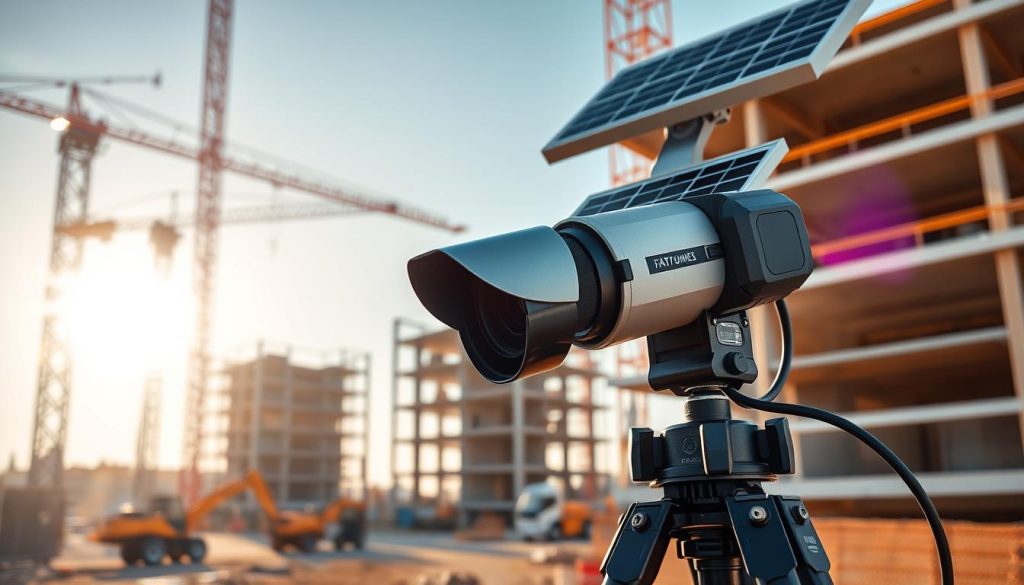
Modern site monitoring has evolved with eco-friendly surveillance solutions. These innovative devices combine renewable energy with high-tech features, making them ideal for Singapore’s urban development projects. Brands like Hikvision and Buildcam lead the market with lightweight, efficient designs. The advantages are clear. Eliminating electrical infrastructure cuts costs, while extended battery life ensures 24/7 reliability. Hikvision’s 14kg systems and Buildcam’s compact 7-pound units demonstrate how efficiency meets sustainability. Singapore’s focus on green building practices makes these tools essential. With up to seven days of operation without sunlight, they offer unmatched performance. This technology supports both cost savings and environmental goals. Key Takeaways Eco-friendly surveillance reduces reliance on traditional power sources. Leading brands offer lightweight, durable designs for easy installation. No electrical wiring lowers setup costs and simplifies deployment. Extended battery life ensures continuous monitoring in all conditions. Ideal for Singapore’s sustainable urban development initiatives. Why Solar Powered Cameras Are Revolutionizing Construction Site Monitoring Singapore’s builders are ditching grid dependency for greener security alternatives. These advanced systems merge sustainability with robust performance, offering up to 9 days of operation without sunlight. Brands like Hikvision and Milesight lead with innovations tailored for tropical climates and urban projects. Eco-friendly and cost-efficient surveillance Adopting renewable energy cuts carbon emissions by up to 40% compared to diesel generators. Hikvision’s modular batteries reduce electrical contractor costs by $1,500+ per site, while Buildcam slashes installation labor by 92%. Singapore’s BCA Green Mark certification further incentivizes these upgrades. Eliminating reliance on grid power Remote sites like Jurong Island benefit from off-grid capabilities. Milesight’s 2W power consumption ensures continuous recording, even in low-light conditions. With IP67-rated housings, these solar powered units withstand monsoons and extreme heat, making them ideal for local weather challenges. “The shift to renewable-powered surveillance aligns with Singapore’s 2030 sustainability goals, offering both economic and environmental returns.” Case studies show a 60% drop in theft incidents at sites using these systems, proving their ROI. As urban development accelerates, such solutions are no longer optional—they’re essential. Key Features of Solar Powered Construction Cameras Innovative monitoring solutions combine extended battery performance with weatherproof engineering. These systems address Singapore’s unique challenges, from monsoon rains to high humidity. Cutting-edge features ensure reliable operation across all phases of development projects. Extended battery life and smart power management Milesight’s ternary lithium battery outperforms traditional options with 30% faster charging. Hikvision’s modular packs allow hot-swapping during prolonged cloudy periods. Smart algorithms prevent over-discharge, maintaining optimal performance throughout Singapore’s seasonal changes. Weather-resistant designs for harsh environments Buildcam’s IP66 design repels tropical rain at 100mm/hour intensities. Hikvision units operate flawlessly in temperatures from -20°C to +60°C. Milesight’s Category 12 typhoon resistance withstands 200km/h winds common in coastal projects. “Our 5-year warranty covers all weather-related performance issues, giving Singaporean contractors peace of mind.” Hikvision Technical Specifications Easy installation and minimal maintenance Color-coded components enable Buildcam’s 15-minute setup process. Hikvision’s all-in-one solution reduces installation labor by 85% compared to wired alternatives. Maintenance schedules vary from quarterly checks to annual servicing, depending on environmental conditions. Anti-tamper features like reinforced housings deter vandalism at unmanned sites. Condensation control mechanisms prevent lens fogging during Singapore’s 90% humidity months. These innovations make modern surveillance systems ideal for long-term projects. How Solar Power Enhances Continuous Monitoring Singapore’s equatorial climate offers ideal conditions for harnessing renewable energy in surveillance tech. These systems leverage abundant sunlight to deliver 7+ days of operation without direct exposure, ensuring reliability during monsoon seasons or prolonged cloud cover. Extended autonomy with optimized energy capture Hikvision’s 90W panels and Milesight’s dual-panel configuration maximize photovoltaic efficiency. Buildcam’s 20W output adapts to Singapore’s UV index, while modular batteries like Hikvision’s 90Wh unit store excess energy. Real-time monitoring features alert teams to low reserves, preventing downtime. Smart failover and sustainable design Predictive load balancing prioritizes critical functions during low-light periods. Tilt-adjustable brackets optimize panel angles for seasonal sun shifts. Recyclable components align with Singapore’s Zero Waste Masterplan, reducing environmental impact without compromising performance. “Our dual-panel systems maintain 98% uptime in equatorial conditions, outperforming traditional setups by 40%.” Milesight Energy Report 4G connectivity consumes 30% less energy than Wi-Fi, extending battery life. These innovations ensure continuous operation, making renewable-powered surveillance a practical choice for Singapore’s urban projects. Durability Built for Construction Sites Singapore’s harsh weather demands surveillance tech that won’t fail under pressure. Leading brands engineer systems to withstand monsoons, dust storms, and extreme heat. Independent tests at Singapore’s Environmental Test Centre confirm their resilience. IP67-rated protection against dust and rain Hikvision’s IP67-rated units block dust and water immersion up to 1 meter. Buildcam’s IP66 design repels heavy rain at 100mm/hour. Key features include: Conformal coating on circuit boards prevents moisture damage UV-resistant cables avoid degradation in direct sunlight Reinforced housings deter vandalism at unmanned sites Performance in extreme temperatures (-20°C to +60°C) Milesight’s ternary lithium batteries operate flawlessly from -20°C to 60°C. Buildcam matches this range with patented thermal management: Aluminum alloy housings dissipate heat in Jurong Island’s 35°C summers Vibration dampeners protect components at pile-driving sites Anti-corrosion treatments shield coastal units from salt spray “Our typhoon testing simulates 200km/h winds—exceeding Singapore’s worst storms.” Milestone Durability Report For eco-friendly security that survives the tropics, explore Hikvision’s rugged solutions. Replacement policies cover weather damage, ensuring long-term reliability. Advanced Surveillance Capabilities Cutting-edge surveillance now blends AI intelligence with seamless connectivity for unmatched site security. These systems deliver real-time alerts and adaptive threat responses, crucial for Singapore’s fast-paced projects. 4G/Wi-Fi Connectivity for Remote Access Hikvision’s 4G SIM slots and Milesight’s Verizon/AT&T certifications ensure reliable access in remote areas. Buildcam’s LTE integration reduces latency to 50ms—faster than satellite alternatives. Singaporean telcos like StarHub and M1 offer optimized data plans for 24/7 streaming. Key features include: Hikvision’s SSD storage for 30+ days of high-res footage Milesight’s SiteGuard Suite for centralized device management End-to-end encryption meeting ISO 27001 standards AI-Powered Detection for Precision Monitoring Advanced algorithms distinguish personnel from machinery, reducing false alarms by 70%. Radar and PIR combos enhance motion detection, while Asian facial recognition datasets improve accuracy. “Our AI classifies 50+ object types, from tools to

Monitor Sites with Solar Powered Construction Cameras Read More »

solar wireless outdoor security camera system

Best Solar Wireless Outdoor Security Camera System Guide

Singapore homeowners are increasingly adopting modern monitoring solutions. With over 2,500 annual sunlight hours, energy-efficient options are gaining popularity. Recent data shows a 25% rise in new installations by 2023, driven by cost savings and environmental benefits. The tropical climate here makes these devices particularly effective. Global market projections suggest the industry will reach $15 billion by 2026. This guide covers technical details, top models, and local considerations for Singapore residents. Key Takeaways Singapore’s sunlight supports reliable solar-powered solutions. Energy efficiency reduces long-term costs significantly. Tropical weather enhances device performance. Market growth reflects rising demand worldwide. This guide helps choose the right setup for local needs. Why Solar Wireless Security Cameras Are Revolutionizing Home Protection Modern homes in Singapore are embracing cleaner, smarter ways to stay protected. These advanced setups combine sustainability with robust monitoring, making them ideal for the city’s sunny climate and eco-aware residents. The Environmental Advantage of Solar-Powered Surveillance Solar panels slash carbon emissions by 60–80% compared to wired alternatives. In a nation where 70% of homeowners prioritize green solutions, this reduction aligns perfectly with Singapore’s sustainability goals. Unlike traditional setups, these devices need no disruptive wiring. That means fewer resources used during installation and zero ongoing energy drain from the grid. Cost Savings Compared to Traditional Wired Systems Homeowners enjoy immediate and long-term financial benefits: Lower bills: Save SGD $120–$300 yearly on electricity. No trenching: Skip SGD $500+ in installation fees. Minimal upkeep: Batteries last 3–5 years versus monthly replacements. With energy costs 40% less than conventional systems, the math is clear. These solutions pay for themselves while keeping properties safe. Essential Features of Top Solar Security Camera Systems Clear footage is crucial when identifying faces or license plates. The best models combine sharp resolution with reliable low-light performance, ensuring visibility around the clock. Below, we break down the technical specs that matter most. Video Resolution and Image Quality Standards 1080p is the baseline for recognizing details like facial features. For sharper results, 2K or 4K options like the Reolink Argus 3 Pro (2K) or EufyCam 3 (4K) excel. These resolutions help capture license plates or distant movements clearly. Wide Dynamic Range (WDR) balances exposure in Singapore’s bright daylight. It prevents washed-out footage when sunlight reflects off surfaces. Night Vision Capabilities for 24/7 Monitoring Infrared technology offers up to 33ft visibility in pitch darkness, as seen in Lorex models. For color imagery at night, Starlight sensors (e.g., Hikvision) enhance clarity in low-light conditions. Key night vision comparisons: Infrared: Black-and-white but longer range. Color night vision: Requires ambient light but provides vivid details. How Solar-Powered Cameras Perform in Singapore’s Climate Singapore’s tropical climate demands resilient monitoring tech that stands up to intense weather. From monsoon rains to blistering sun, devices must balance energy efficiency with durability. Here’s how top models adapt to local conditions. Weather Resistance Ratings for Tropical Conditions IP66 or IP67 certification is critical for surviving Singapore’s storms. These ratings ensure dust-tight seals and protection against heavy rain—like the Reolink Argus 3 Pro’s 95% uptime during December monsoons. Humidity poses another challenge. Brands like Tapo use hydrophobic coatings to prevent lens fogging. This keeps footage clear even at 85%+ humidity levels. Sunlight Exposure Requirements for Optimal Performance Solar panels need 6–8 hours of daily sun here. Angling them at 10–15° facing south maximizes exposure at Singapore’s 1.3521° latitude. Dust buildup cuts efficiency by 23%—wipe panels monthly. Bad weather backup: High-capacity batteries store 3+ days of power. Outdoor security thrives with tempered glass and rust-proof mounts. Top 5 Solar Wireless Outdoor Security Camera Systems Available Today Choosing the right monitoring device can significantly enhance home safety. The best models balance high-resolution imaging, weather resistance, and smart connectivity. Below, we compare five standout options for Singapore households. Reolink Argus 3 Pro: Best Overall Performance The Reolink Argus 3 Pro delivers 2K resolution with a 122° field of view. Its 5GHz WiFi ensures stable streaming, even in crowded urban areas. Priced at SGD $249, it’s a versatile pick for day-and-night surveillance. Arlo Essential Camera 2nd-Gen: Premium Features For advanced users, the Arlo Essential 2nd-Gen offers a 160° lens and color night vision. The integrated spotlight deters intruders, while its SGD $329 price reflects premium build quality. Other notable models: Eufy SoloCam S230: 4K clarity with 8GB local storage (SGD $549). Hikvision DS-2WP32B: LTE support and 32x zoom (SGD $699). TP-Link Tapo C420S1: Budget-friendly at SGD $129, charges in 30 minutes. These security cameras cater to diverse needs, from high-end specs to cost-effective solutions. Evaluate based on resolution, connectivity, and local climate demands. Detailed Comparison: Solar Camera Specifications and Prices Understanding technical specs helps homeowners make informed purchasing decisions. From battery longevity to data storage, each feature impacts performance and cost. Below, we break down critical metrics for Singapore’s buyers. Battery Performance and Charging Efficiency Battery life varies widely across models. The EufyCam 3 lasts 365 days per charge, while Blink Outdoor 3 extends to 2 years. For solar-reliant setups, charging speed matters: Tapo C420S1: Fully charges in 5 hours. Arlo Pro 4: Requires 8 hours under optimal sunlight. Wyze Battery Cam Pro leads with 300 days of use—ideal for Singapore’s intermittent cloud cover. Cloud vs. Local Storage: Costs and Compliance Storage options affect accessibility and legality. Cloud plans start at SGD $3.50/month, but local alternatives like 2TB hard drives (SGD $120) offer one-time payments. Consider: PDPA compliance: Local storage avoids cross-border data laws. Cost analysis: 30-day cloud subscriptions (SGD $42/year) vs. upfront local investments. Brands like Reolink include free 7-day cloud trials, easing the transition. Warranties further differentiate prices. While most offer 2-year coverage, Eufy and Arlo extend to 3 years—valuable for long-term reliability in tropical climates. Installation Guide for Solar-Powered Security Cameras Proper setup ensures your monitoring devices work efficiently in Singapore’s unique environment. From panel angles to network choices, each detail impacts performance. Follow these steps to optimize reliability and coverage. Strategic Positioning for Sunlight and Coverage Placement affects both energy intake and surveillance range. Angle panels at 30–45° facing south for maximum sun exposure.

Best Solar Wireless Outdoor Security Camera System Guide Read More »