ED VISTON

Blog

CCTV footage retention in Singapore

How long are CCTV kept for?

The question of how long CCTV footage is kept is important. This is true, mainly in Singapore. The time it’s kept varies. For homes, it’s best to keep recordings for at least two weeks. But, businesses in Singapore must follow Singapore CCTV laws. They need to keep footage for 30 days. This rule is set by the Media Development Authority and the Personal Data Protection Act (PDPA). Knowing these rules helps protect privacy and manage surveillance footage well. For more details on CCTV retention in Singapore, check out this resource. Key Takeaways CCTV footage retention periods differ between residential and commercial setups. Residential systems are recommended to retain footage for at least two weeks. Commercial entities must maintain recordings for a minimum of 30 days. Compliance with Singapore CCTV laws is essential for legal and privacy adherence. Understanding data privacy is key in using CCTV systems. Good surveillance footage storage practices are important for security. Understanding CCTV Footage Retention Periods CCTV footage retention periods are key for security and following rules in many places. In Singapore, homes usually keep CCTV footage for about 14 days. This lets homeowners check past recordings and follow local laws. Businesses are advised to keep footage for 30 days, as the police suggest. Companies might need to keep footage longer for legal reasons or special events. It’s important to have clear rules for keeping and using video data. These rules should follow the Personal Data Protection Act’s guidelines. Following the Personal Data Protection Act helps protect people’s privacy and keeps companies safe from legal trouble. Being open about security measures builds trust with customers and workers. Importance of CCTV in Singapore CCTV systems play a big role in keeping Singapore safe. They are key in public and private areas. These systems help prevent crimes by showing a strong presence. Surveillance cameras capture live footage, helping police solve crimes. This security enhancement makes people feel safer. It also boosts business and community spirit. But, there’s a fine line between monitoring and privacy. The Personal Data Protection Act (PDPA) guides how CCTV is used. It’s important to balance surveillance with privacy rights. Using CCTV wisely helps solve crimes and shows the public is safe. For more on CCTV’s role in security, see this resource on construction site CCTV systems. How long are CCTV kept for? The time CCTV footage is kept varies a lot. It depends on where you are and the rules. At home, people usually keep it for about two weeks. This is because homes don’t need to watch the footage as often. But, businesses have to keep it for at least 30 days. This longer time helps them meet their needs and help the police. Some businesses might need to keep it even longer, depending on what they do. For businesses, managing CCTV footage well is key. They need to follow the law and be ready for any police checks. A good system helps them keep the footage as long as they need to and find it quickly when they need to. Residential CCTV Storage Duration Homeowners with CCTV systems need to know how long to keep footage. In Singapore, it’s suggested to keep video for about 14 days. This lets people check important events without running out of space. Cloud storage is popular for its ease and security. It saves space and makes video access simple. It’s important to keep systems working right to avoid losing data and ensure surveillance is reliable. Commercial CCTV Storage Requirements In the world of business surveillance, knowing about commercial CCTV storage is key. Companies must follow local laws that say they must keep footage for at least 30 days. This helps in reviewing security incidents quickly, keeping everyone safe and following the law. Banks and retail stores, seen as high-risk, might need to keep footage for over 90 days. This is important for catching suspicious actions or solving disputes. Businesses use advanced recording systems like Digital Video Recorders (DVR) and Network Video Recorders (NVR) to meet these needs. These systems can handle a lot of data, making it easier to store lots of footage from CCTV systems. Factors Influencing Retention Period Knowing what affects CCTV retention is key for good surveillance management. The type and severity of surveillance needed is a big factor. For example, places like retail stores or public areas might need to keep footage longer because of security reasons. The technology used in recording systems also matters a lot. Systems with high resolution and advanced compression use more space. This means they can only keep footage for so long before it’s time to erase it. Legal rules, like Singapore’s Personal Data Protection Act (PDPA), guide how long data can be kept. Companies must not keep data longer than it’s needed. There are exceptions for footage in ongoing investigations. It’s important to have a clear policy for surveillance to handle these situations. CCTV Storage Options Available Choosing the right CCTV storage options is key to managing surveillance footage well. Digital Video Recorders (DVR) and Network Video Recorders (NVR) are common choices. Each fits different CCTV systems in its own way. DVRs work best with analog CCTV systems. They offer lots of storage and are easy to use. On the other hand, NVRs are for digital systems. They have features like remote access and support for high-resolution video. They’re great for modern setups with IP cameras. Cloud storage is a new option for CCTV footage. It stores data online, making it easy to access from anywhere. This is great for keeping an eye on things from afar. But, it might cost money each month, which could be a drawback. When picking a storage option, think about what you need. Your budget, how much storage you need, and local laws are important. Each choice has its own pros and cons that affect how well it keeps you safe. Legal Considerations for CCTV Footage Organizations in Singapore using CCTV must follow the law. The Personal Data Protection

How long are CCTV kept for? Read More »
lifespan of CCTV footage

What is the lifespan of CCTV footage?

The lifespan of CCTV footage is key for any security system. In Singapore, theft rates have jumped by over 25% in 2023. Knowing how long CCTV footage is kept is vital for safety and security. It usually lasts from 3 months to a year, depending on the equipment and storage methods. This information helps manage security camera recordings well. It also shows the need for good CCTV data retention practices. Key Takeaways The lifespan of CCTV footage can range from 3 months to one year. Increased theft rates heighten the need for effective surveillance. CCTV storage duration is influenced by equipment quality and methods. Understanding CCTV data retention is essential for all property owners. Proper management of security camera recordings is critical for safety. Understanding CCTV Footage Retention CCTV footage retention is key for managing video data in organizations. Different groups have different needs for how long to keep surveillance footage. Laws often set the minimum time to keep footage, making sure it’s available for legal and investigation needs. This rule shapes how organizations handle their data. Some keep footage for weeks or months. This helps meet legal requirements. Technology for storing video has improved. It makes managing a lot of footage easier. When deciding how long to keep footage, organizations look at storage space and recording settings. Changing the video quality or how often it’s recorded can save a lot of space. Some companies keep footage longer to follow the law. Others keep it shorter based on their needs. Knowing these differences helps create better data management plans. These plans fit the specific needs of businesses or homes. What is the lifespan of CCTV footage? The CCTV footage lifespan depends on several factors. Most systems keep video for about 90 days. But, some setups can store footage for longer. Knowing how long does CCTV footage last involves looking at camera quality, how often it records, and storage space. High-resolution cameras make bigger files. This can quickly fill storage, shortening how long footage is kept. Businesses, like those in finance, often need to keep footage longer to meet legal rules. These companies must keep an eye on how long they store video. Changes in storage or using cloud services can help extend how long footage is available. This lets businesses meet their specific needs. Factors Affecting the Lifespan of CCTV Footage Many factors affecting CCTV footage lifespan play a role in how long video data stays usable. Things like humidity and temperature changes can harm the equipment. This can cause the video data to become corrupted or not work right. The kind of recording device used is very important. Devices like Digital Video Recorders (DVRs) and Network Video Recorders (NVRs) handle video data differently. This affects how long the footage can be kept. For example, newer NVRs might keep footage longer than older DVRs. Other important storage considerations include the number of cameras and the system’s setup. Systems with more cameras make more data, which can be hard to store. Also, laws might require keeping footage for certain periods, affecting how long it can be kept. Storage Methods for CCTV Footage When looking at CCTV storage, people often choose between Digital Video Recorders (DVR) and Network Video Recorders (NVR). Each has its own benefits for different needs. This makes picking between DVR and NVR key for managing video well. Digital Video Recorders (DVR) DVRs work with analog cameras, saving footage on hard drives. They are easy to set up and use. The storage space needed depends on the number of cameras and the video quality. High-quality videos take up more space. This can make it hard to find older footage if the system is too small. Network Video Recorders (NVR) NVRs are for IP cameras, giving more freedom in where and how cameras are placed. They store data on a network, making it easier to access and manage. NVRs can handle higher resolutions, giving clearer images than DVRs. Thanks to new video tech, NVRs are becoming more popular. They offer strong storage solutions for users. Cloud Storage Solutions for CCTV Footage Cloud CCTV storage has changed how we handle surveillance footage. It’s a flexible and secure way to manage your video. With a strong internet connection, you can store and get footage from anywhere. This method keeps your data safe from local problems and environmental threats. It’s a big step up from old storage methods. Cloud solutions get rid of the need for physical storage. This means you can keep footage for longer without worrying about hardware. You can access your data from anywhere, making it easier to watch over your space. This makes managing your surveillance needs easier, even in changing situations. It’s a big advantage for businesses and individuals alike. Investing in cloud CCTV storage helps businesses follow rules and keep information flowing smoothly. As more systems use online video, having reliable cloud solutions is more important than ever. To learn more about how long you can access footage, check out this resource. Surveillance Hard Drives: Their Role in Footage Lifespan Surveillance hard drives are key in managing CCTV systems. They are made to handle the constant writing needed for 24/7 video recording. Their design boosts CCTV footage reliability, keeping data safe and accessible for a long time. Type of Hard Drives Choosing a hard drive for surveillance depends on what you need. Hard disk drives (HDDs) are cheaper and hold more but write slower. Solid-state drives (SSDs) are faster and more durable, great for places needing quick data access. The type of drive you pick affects how well you can store and get footage. Capacity Considerations The storage capacity of surveillance hard drives is very important. Bigger drives mean you can store more footage for longer. This is key for places that need to record a lot. For example, places that need to record a lot should get bigger drives. This way, they can keep footage without having to constantly erase it. Knowing how much you

What is the lifespan of CCTV footage? Read More »

CCTV installation Singapore

How much does it cost to install CCTV at home in Singapore?

In recent years, more people in Singapore want CCTV systems for their homes and businesses. This is because of growing safety concerns. Knowing how much a home security camera system costs is key for planning your budget. Prices can vary a lot. Basic systems might cost around $90 per camera. But, advanced systems can cost $1,500 or more. This section will look at CCTV prices in Singapore. We’ll talk about both the upfront costs and the long-term security benefits of a good surveillance system. Key Takeaways The demand for CCTV installation in Singapore is increasing. Home security camera costs can range significantly based on features. Understanding CCTV pricing is essential for budgeting security needs. Investing in surveillance can lead to long-term security benefits. Basic systems start at around $90, advanced options may exceed $1,500. Understanding the Importance of CCTV Installation The benefits of CCTV go beyond just watching. They play a key role in keeping communities safe. Knowing they’re there can stop criminals from acting, making them a smart choice for homes. Having CCTV at home gives families peace of mind. It lets them keep an eye on kids or elderly family members. It also helps lower crime rates in places like schools and public areas, as seen in Singapore. Knowing the security camera advantages helps when choosing the right one. Keeping them in good shape is key to their success. For more on installing CCTV at home, check out this article on commercial CCTV installation costs in Singapore. A good surveillance system can make a big difference in safety, creating a secure place to live. Factors Affecting CCTV Installation Costs Many things can change how much a CCTV system costs. Knowing these CCTV cost factors helps homeowners make better choices. The number of cameras needed is a big factor. Small homes might only need a few cameras, but bigger places need more. This means higher costs. Also, CCTV pricing considerations include the camera type. Fixed, PTZ, or infrared cameras all have different prices and features. How hard it is to install the system also matters. The cost can go up if the home is complex or hard to reach. This is because more time and effort are needed to set everything up. Choosing between wired and wireless systems also affects the cost. Wired systems take more work to install, but wireless ones might need extra equipment for good coverage. The camera’s quality, like its resolution, also affects the price. Better quality cameras cost more. How much does it cost to install CCTV at home in Singapore? Knowing the CCTV installation price Singapore is key for homeowners wanting better security. The price changes based on camera quality and system complexity. Professional installation can cost between SGD 500 to SGD 2,000. For simple cameras, you might pay about $90 each. But, advanced models can cost over $1,500. Remember, the security camera setup costs also include professional fees. These can range from $100 to $450 per camera, depending on the setup. Understanding the average CCTV pricing helps plan your budget. Knowing all costs helps make smart choices for security upgrades. Types of Security Cameras and Their Costs Security cameras come in many types, each for different needs and places. Knowing about these variations helps you make smart choices about camera pricing and what they can do. Dome Cameras: These cameras are small and blend in, perfect for inside use. They often have night vision and can detect motion. Prices are from $30 to $399. Bullet Cameras: Made for outside, these cameras are clear and scare off intruders. They have features like being hard to tamper with and weatherproof. Prices are between $50 to $450. Hidden Cameras: These cameras are for sneaky watching, so you can see without being seen. Prices vary from $100 to $600, based on the tech and extra features. Picking the right camera for your needs can make your surveillance system better. Professional Security Camera Installation Cost Thinking about getting a home surveillance system? Knowing the cost of professional CCTV installation is key. Homeowners can expect to pay between SGD 500 and SGD 2,000 on average. Several factors affect these prices, like the camera type, installation complexity, and where they’ll be placed. Installation labor costs can change a lot depending on your property’s needs. For example, each camera’s installation might cost between SGD 125 and SGD 450. If your cameras are hard to reach, you might pay more because of the installation challenges. If you’re in Singapore and want to hire experts, look for reputable CCTV installers. They can give you a custom quote based on your home’s specifics. This way, you get a system that fits your security needs without breaking the bank. Determining Your Security Needs Before setting up a CCTV system, it’s key to understand your security needs. A detailed property surveillance assessment helps homeowners spot areas that need watching. This includes high-traffic zones and vulnerable spots that need extra care. When assessing your property, think about its layout and your security worries. A thorough analysis helps create custom CCTV solutions that fit your situation. Things like lighting and whether areas are indoors or outdoors affect how well the system works. By pinpointing these important details, homeowners can find the best way to boost safety without overspending. This careful planning is the first step to a safer home. Comparing Costs of Different Security Camera Systems When homeowners look to compare CCTV systems, knowing the cost differences is key. Basic systems start at about $90, while advanced ones with features like remote access and high-definition video can cost over $1,000. This wide range makes it important to compare installation costs to make a smart choice. Choosing between wired and wireless cameras is also important. Wired systems are cheaper upfront but might cost more to install. Wireless systems are easier to set up but can be pricier. Understanding these differences helps consumers make better choices for their security needs. Choosing the Best Installation Company in Singapore Choosing

How much does it cost to install CCTV at home in Singapore? Read More »

CCTV footage access in Singapore

Who can view CCTV footage Singapore?

In Singapore, who can see CCTV footage is clear. The rules are set to protect your privacy. The Personal Data Protection Act (PDPA) says only certain people can look at these recordings. These include property owners and those with permission. The goal is to keep everyone safe while also keeping your personal info private. Key Takeaways Access to CCTV footage is regulated by Singapore’s legal landscape. The Personal Data Protection Act (PDPA) plays a critical role in governing footage access. CCTV footage access is limited to property owners and authorized personnel. Data privacy is prioritized to protect individuals captured in footage. Understanding CCTV regulations is essential for compliance and accountability. Understanding the Legal Landscape of CCTV Footage in Singapore In Singapore, CCTV use is guided by a detailed CCTV legal framework. This framework balances individual rights with the need for surveillance for safety. It includes Singapore surveillance laws that specify how cameras can be installed and monitored. The Personal Data Protection Act (PDPA) is key to these rules. It requires strict adherence to data protection regulations. The goal is to make sure CCTV footage is handled with care, respecting people’s privacy. Breaking these rules, like unauthorized surveillance, can result in big fines. For both businesses and individuals, knowing the laws about CCTV is essential. This knowledge helps ensure responsible use and keeps public trust in surveillance systems. The Role of the Personal Data Protection Act (PDPA) The Personal Data Protection Act (PDPA) in Singapore is key to personal data protection. It sets rules for how companies use personal data, like what CCTV systems capture. The PDPA says companies need to get people’s okay before they can use their data. This makes sure people have control over their own info. CCTV footage can have personal data, so it falls under the PDPA. People can ask to see footage of themselves. This shows respect for their privacy and makes surveillance more open. Companies need to watch their use of CCTV while keeping people’s privacy. The PDPA gives them clear rules to follow. Knowing these rules is important for both businesses and people whose data is recorded. Following the PDPA means CCTV data is used the right way. Companies should check their policies to make sure they follow these rules. For more on CCTV footage rules, check out this resource. Who can view CCTV footage Singapore? In Singapore, knowing who can see CCTV footage is key. It’s about understanding personal rights and how to ask for footage. People have the right to see their own data in recordings. This is done to keep things fair and private. Rights of the Individual People in Singapore can ask to see CCTV footage with their personal data. This follows the rules of Singapore data access. They must have a good reason for their request. Also, the ones who own the CCTV systems must handle these requests well. They must follow the law. Requests for Footage The footage request process has clear steps. You need to ask the right place for the footage. You might need to explain why you want it. It’s important for places to hide personal info of others in the footage. This keeps everyone’s privacy safe while following the law. Responsibilities of CCTV System Owners In Singapore, CCTV owners have many duties to protect privacy and follow the law. They must manage data well. This means installing cameras in the right spots and using footage only for security and surveillance. Following the law is key for CCTV operators. They must stick to rules like the Personal Data Protection Act (PDPA). This law requires them to be clear about how they handle personal data. If they don’t, they could face big fines. Keeping cameras in good shape and watching them closely is also important. This helps owners avoid legal problems. It shows how careful management is key for both security and staying legal. Private Property vs Public Spaces In Singapore, CCTV systems have different rules for private and public areas. Homeowners have more freedom to set up cameras on their property. They must follow privacy laws to respect those around them. Knowing these rules helps keep security high while following the law. Regulations for Residential Areas At home, CCTV rules focus on privacy. Homeowners can put up cameras but must keep privacy in mind. Recently, HDB residents can install CCTV in corridors without needing permission first. This change helps keep homes safe while also valuing neighbor privacy. CCTV Footage Access in Commercial Settings Commercial places have rules for using CCTV cameras. These rules help follow local laws. Companies must tell employees when they are being watched. Notification Requirements for Employees Businesses need to tell workers about CCTV cameras. They should explain why these cameras are there. This makes sure everyone knows they are being watched. Employees have rights under the Personal Data Protection Act (PDPA). They can ask to see their CCTV footage. This makes the workplace safer and respects employee privacy. Privacy Concerns Surrounding CCTV Usage CCTV systems are becoming more common in Singapore, raising big privacy issues CCTV. These tools help keep us safe but also raise data protection concerns. It’s a tough balance between keeping people safe and respecting their privacy. Property owners and businesses need to follow the rules to handle these issues. Cameras should be placed carefully, avoiding places where people might feel uncomfortable. This helps build trust and makes everyone feel safer. Requesting CCTV Footage: The Process To get CCTV footage, you must follow a set process in Singapore. This ensures everyone knows what to do. It also helps organizations decide if a request is valid. They can say no to requests that are not serious. This keeps the process fair and open. Fees and Charges When you ask for CCTV footage, you might have to pay a fee. The cost is usually fair and told to you before they start. This way, everyone knows what to expect. It helps the organization cover their costs. Knowing about

Who can view CCTV footage Singapore? Read More »

CCTV regulations Singapore

What are the rules for CCTV in Singapore?

In recent years, the need for security surveillance has grown. Many in Singapore have started using CCTV systems. But, they must follow strict legal rules set by local authorities. Knowing the CCTV regulations Singapore is key for everyone. This includes homeowners, residents, and business owners. It’s important to understand the Singapore CCTV laws and why following them matters. This guide covers the essential rules for CCTV installation guidelines. It helps you understand the laws about surveillance in your area. For more info, check out this resource on considering CCTV installation. Key Takeaways Understanding local laws is vital for compliance. Proper installation can mitigate legal risks. Transparency with neighbors fosters community trust. Awareness of privacy implications is critical. Licensing may be required for public installations. Overview of CCTV Regulations in Singapore In Singapore, CCTV use is tightly regulated to balance security and privacy. Knowing the overview CCTV regulations is key for both people and businesses. These Singapore surveillance laws ensure safety while protecting individual rights. The Personal Data Protection Act is a major part of the CCTV legal basics. It outlines how personal data from CCTV can be collected and stored. Following these laws is vital to avoid legal trouble. The rules have changed over time, keeping up with new tech and social norms. There are also guidelines for ethical surveillance. Companies must think about privacy as well as technology. Understanding Singapore surveillance laws helps reduce risks and keeps everyone safe. Changes in HDB Approval Requirements Recent updates have changed the HDB CCTV approval process for HDB flat residents. Before, homeowners needed approval for installations, like cameras in common areas. Now, getting permission for corridor-facing CCTV rules is easier, letting residents boost their security quickly. Even though these changes focus on safety, following Singapore HDB regulations is key. Homeowners must make sure their installations respect privacy and follow guidelines. This keeps the living environment respectful and protects neighbors’ rights. What are the rules for CCTV in Singapore? In Singapore, CCTV systems follow strict laws and rules. It’s important for everyone to know these laws. This knowledge helps avoid legal problems and builds trust in the community. Legal Framework Surrounding CCTV Usage The laws for CCTV in Singapore are clear. The Personal Data Protection Act (PDPA) and the Telecommunications Act are key. They tell us how to handle personal info through video monitoring. Following these rules is vital for managing footage and access. Importance of Compliance with Local Laws It’s essential for property owners and businesses to understand local CCTV laws. Sticking to these privacy laws prevents legal issues and keeps trust high. Ethical surveillance and responsible monitoring are key to following these guidelines. Installation Guidelines for HDB Flats When planning HDB CCTV installation, several guidelines should be considered. It’s important to understand where to place CCTV cameras. This ensures surveillance is effective while respecting neighbors’ privacy. Where CCTV Can Be Installed Effective installation of privacy protection CCTV should take into account various locations within the HDB flat. Recommended areas include: Common entry points such as doors and windows. Corridors or shared spaces within building premises. Surveillance of vehicle parking areas, if applicable. Each of these locations allows for optimal monitoring while adhering to local department regulations. Be mindful of not obstructing pathways or creating hazards. Prohibitions Against Facing Neighboring Properties One critical aspect of installation guides includes the prohibition against aiming cameras at neighboring properties. This measure is essential to uphold the privacy rights of individuals living nearby. Cameras should strictly be directed at communal areas or personal properties only, ensuring no invasion occurs. Violating this guideline may result not only in privacy complaints but also in regulatory action. Best Practices for Informing Neighbors Talking about CCTV usage is key to keeping good relations in the community. By telling neighbors about your CCTV, you can clear up any worries. This way, you show you’re open and care about your community. When setting up CCTV, it’s smart to explain why you’re doing it. This makes sure neighbors feel safe, not watched. Here are some good steps to follow: Discuss the installation before proceeding with any work. Clarify the areas that will be monitored and the intended use of the footage. Encourage any questions or concerns regarding the surveillance. Provide contact information for follow-up discussions. Being ethical with CCTV helps a lot. By being open about watching, you show respect and build trust. This makes everyone feel more at ease in the community. Signage Requirements for CCTV Cameras Proper signage is key for CCTV installations. It alerts people about surveillance and follows legal rules. Knowing the CCTV signage rules in Singapore helps property owners stay legal. It also builds trust and openness in the community. Legal Obligations for Transparency Being open about surveillance is very important. Surveillance signs must be clear and easy to read. They should show why the surveillance is happening and who to contact for questions. Following these rules makes everyone accountable. It lets people know they’re being watched. This can make both security and trust better. Communicating Surveillance Presence It’s important to let people know CCTV systems are there. Signs should clearly show where cameras are. This meets legal needs and helps keep everyone safe. By following CCTV signage rules, property owners help keep their communities open. This is a big part of keeping everyone safe. Privacy Considerations and Ethical Implications CCTV systems in public and private areas raise big privacy issues CCTV must tackle. It’s all about finding a balance between safety and keeping personal info private. Ethical surveillance focuses on protecting privacy, mainly in places where people expect to be alone. When setting up CCTV, it’s key to avoid private spots like homes, restrooms, or changing rooms. This respect builds trust and makes surveillance tech more acceptable. Being open about where cameras are and why they’re there can help. This openness reduces privacy worries and makes people feel more secure and trusting. Following ethical rules in using CCTV doesn’t just protect privacy. It also encourages respect

What are the rules for CCTV in Singapore? Read More »

How do you service a camera?

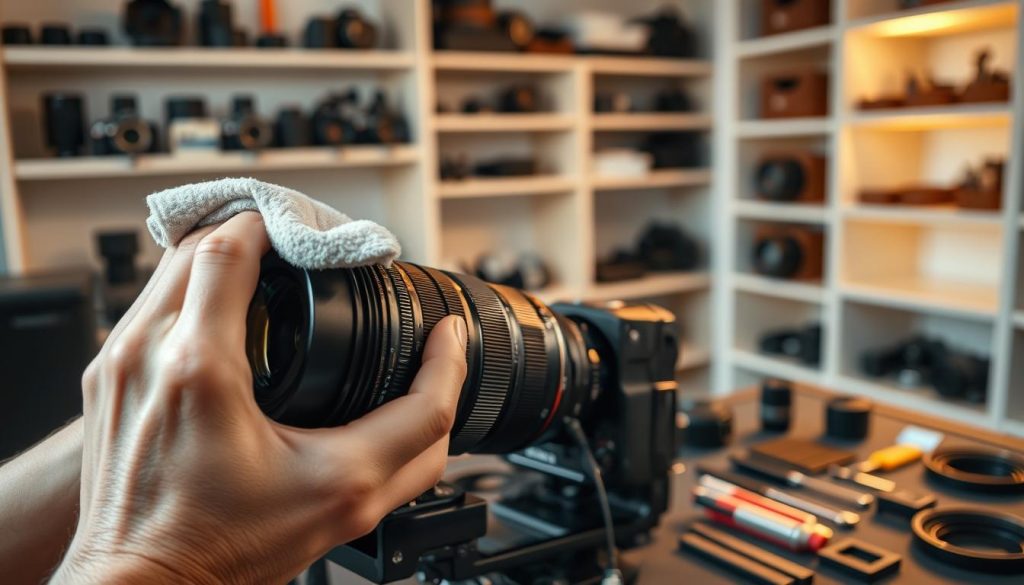
Servicing a camera is key to keeping your photography gear in top shape. It ensures your camera works well and lasts longer. This guide will teach you how to maintain your camera at home, helping you avoid problems during important shoots. Key Takeaways Regular camera servicing enhances performance and extends equipment life. Diligent maintenance helps avoid malfunctions during important shoots. Understand basic DIY camera care for effective at-home maintenance. Camera maintenance is critical for keeping image quality high. Invest in the right tools for effective camera servicing. Know when to seek professional help for complex issues. The Importance of Camera Maintenance For photography lovers, knowing how to maintain your camera is key. It makes your gear work better and last longer. Just like cars need regular checks, cameras do too. Taking good care of your camera keeps it running smoothly and prevents problems later. Protecting your camera means more than just cleaning it. It’s about making habits that keep it in great shape. This way, your camera stays ready for action. Why care for your camera? There are many reasons to take care of your camera. Regular cleaning stops dirt from ruining your photos. A clean camera means better pictures and less worry. By keeping your camera clean, you can focus more on your photos. This makes your photography better and more enjoyable. It’s not just about looks; it’s about quality. Benefits of regular maintenance Regular maintenance has many benefits. It keeps your photos clear and bright. It also finds and fixes small problems before they get big. Knowing how to maintain your camera is a smart move. It saves your investment and lets you enjoy taking photos. Regular care makes your photography journey better. When Should You Send Your Camera in for Service? Knowing when to service your camera is key to keeping it in top shape. Regular upkeep boosts your photography skills and catches problems early. Here are important factors to think about when deciding to get your camera serviced. Annual servicing recommendations It’s smart to get your camera serviced at least once a year. If you’re a pro or use your camera a lot, this is even more important. Regular checks can spot issues early and make your camera last longer. Signs your camera needs attention Keep an eye out for signs your camera might need a check-up. Look for these signs: Visible changes in photo quality, such as blurriness or unexpected spots. Mechanical issues like unusual sounds or trouble adjusting settings. Changes in feel during use, which might mean there’s a problem inside. Impact of frequent usage and travel Traveling with your camera can be tough on it, with dust and humidity being big concerns. Using your camera a lot can also wear it down faster. This means you might need to get it serviced more often to keep it in great shape. What Happens When My Camera Is Serviced? When you take your camera to a service center, it goes through a detailed camera service process. Knowing this process helps you understand what happens during the service. First, the camera gets a thorough inspection and cleaning. This includes the body, image sensor, and focusing system. Depending on the service package, technicians might do more. They could check the camera’s hardware, make sure the lens works right, and update the firmware. Overview of standard service procedures The standard service includes many tasks to make sure your camera works well. Here are some key steps: Thorough cleaning of the camera’s exterior and internal parts. Inspection of the image sensor and lens for any dust or damage. Verification of focusing mechanisms and battery performance. Updates to software, if necessary, to enhance functionality. What to expect during a repair visit At the service center, you’ll get a detailed report on your camera’s condition. This report will list any repairs suggested. It helps you understand what to expect camera repairs might involve. You’ll be told about any issues found during the inspection. This openness lets you decide on the needed maintenance and repairs. It helps keep your camera in top shape. How do you service a camera? Keeping your camera in top shape is key for great photos and a long camera life. DIY camera service lets photographers fix small problems early. Here are some basic steps and tools for camera care at home. Basic DIY maintenance steps Clean the camera lens with a microfiber cloth to get rid of smudges and dust. For tough stains, use a lens cleaning solution. Blow off dust from the sensor and body with a puffer to keep images clear. Check and calibrate lenses for sharp focus and quality. Keep your photography gear organized for easy access and safety. Tools needed for at-home servicing Microfiber cloths are essential for cleaning without scratching. Lens cleaning solutions effectively remove dirt and grime. A puffer helps blow away dust without touching it. A small brush is great for getting rid of debris in tight spots. Storage cases protect your gear from damage. Basic Camera Maintenance at Home Keeping your camera in top shape is key. Clean, calibrate, and organize your gear for the best photos. Here are some simple steps to maintain your camera at home. Cleaning your camera lens and sensor It’s important to clean your camera often. Dust and dirt can ruin your photos. Use a soft brush or blower to get rid of loose particles. Then, gently wipe the lens with a microfiber cloth and a cleaning solution. For the sensor, always follow the maker’s instructions. Clean your camera every six months or more often if you use it a lot. Calibrating lenses for sharp images Calibrating your lenses is vital for clear photos. Many cameras let you calibrate in-camera. Use test charts to do this. Check your calibration often. This is very important for professional photographers who need sharp images. Keeping your gear organized Organizing your photography gear makes shooting easier. A good gear bag keeps everything in order. It helps you

How do you service a camera? Read More »

average life of a camera

What is the average life of a camera?

The life of a camera varies a lot. It depends on the brand, model, and how often you use it. Most cameras last between 3 to 10 years. Basic cameras usually last 3 to 5 years. But, better models can last 5 to 10 years or even longer. Knowing this helps people in Singapore choose the right camera. It’s important to understand how long a camera will last. This way, you can make a smart choice when buying a new camera. Key Takeaways The average camera lifespan can range from 3 to 10 years. Standard cameras may last 3 to 5 years with average use. Higher-quality models can last longer, from 5 to 10 years or more. Brand and model significantly influence camera durability. Understanding these factors aids in making informed purchasing choices. Understanding Camera Lifespan Factors The life of a camera depends on several key factors. Build quality is a big one, making a camera last longer. Brands like Nikon and Canon use different parts and standards for durability. This means high-end cameras usually last longer than cheaper ones. How often you use your camera also matters. Cameras used a lot, like for work, wear out faster. Things like moisture, dust, and extreme temperatures can also damage a camera. Knowing these factors helps photographers choose and care for their cameras better. What is the average life of a camera? The life of a camera depends on how often you use it and what kind of photos you take. Casual photographers might use their cameras for 3 to 5 years. On the other hand, pros can get 5 to 10 years out of theirs because they use theirs more. Some camera brands last longer than others. DSLRs, for example, can handle tough conditions better than entry-level cameras. How long a camera lasts also depends on its build quality and how you use it. Not only does the brand matter, but the type of camera does too. If you take good care of your camera, it can last a long time. For more details on how long tech lasts, check out this resource. Shutter Count and Its Importance The shutter count of a camera is key to knowing its use and condition. It shows how many times the camera’s shutter has clicked to take a photo. This info is vital for photographers and camera fans, as it tells us about the camera’s life and when it might fail. Defining Shutter Count Shutter count is a number that shows how much a camera has been used. Every photo taken adds to this count. It’s very important, like when you’re buying a used camera. A lower count means the camera has been used less, which could mean it lasts longer. Typical Shutter Counts for Different Camera Brands Each camera brand and model has its own shutter life. Here are some examples: Canon DSLRs: Often rated between 100,000 and 300,000 actuations. Nikon DSLRs: Generally range from 150,000 to 250,000 actuations. Sony Mirrorless: Typically rated for around 200,000 actuations. Fujifilm X-Series: Usually around 150,000 actuations. Knowing these counts helps us see how long a camera might last. It’s all about understanding the camera’s life and durability. Average Lifespan of Different Camera Types The lifespan of a camera depends on its type and how it’s used. Knowing how long different cameras last helps photographers choose the right one. For example, DSLRs, mirrorless cameras, point-and-shoots, and film cameras have different lifespans. This affects what you can expect from your camera over time. DSLR and Mirrorless Cameras DSLR cameras are built to last, lasting from 5 to 10 years. Their mechanics allow for a high shutter count, which helps them last longer. Mirrorless camera longevity is also improving, thanks to new technology. Both DSLRs and mirrorless cameras are reliable for a long time, meeting different photography needs. Point-and-Shoot Cameras Point-and-shoot cameras are small and easy to use but don’t last as long as DSLRs or mirrorless cameras. They usually last 3 to 7 years, depending on the model and how often you use it. These cameras are great for casual photos, not for professional work. Film Cameras Film cameras have a special charm and can last for decades with proper care. Many models from the 20th century are working well today. How long a film camera lasts depends on how it’s stored and maintained. A well-cared-for film camera can produce amazing photos for years. Impact of Usage on Camera Lifespan How you use a camera greatly affects its lifespan. Casual users and pros have different impacts. Knowing this helps when choosing or maintaining your camera. Casual Use vs. Professional Use Casual users take a few hundred photos a year. Their cameras can last about ten years. On the other hand, pros take over 100,000 photos a year. This heavy use wears out their gear faster. So, pros need to keep their equipment in top shape. Regular maintenance is key to making their gear last longer. Environmental Factors Affecting Durability Environmental conditions also affect a camera’s durability. Humidity, extreme temperatures, and dust can harm performance. Keeping your gear safe from these factors is important. By understanding these environmental impacts, you can take steps to protect your camera. This helps extend its lifespan. How to Maximize Your Camera’s Lifespan Proper care is key to making your camera last longer. By following effective maintenance tips, photographers can keep their gear in top shape for years. Simple, consistent actions can make a big difference. Regular Maintenance Tips Regular maintenance helps spot problems early. Here are some key tips for keeping your camera in great condition: Keep the lens and sensor clean to prevent image quality degradation. Regularly check and update firmware to ensure peak performance. Store your camera in a cool, dry place to avoid moisture damage. Inspect batteries and charging equipment for wear, replacing them as needed. Protective Gear Recommendations Protective gear is essential for keeping your equipment safe. Choose items that boost durability: A sturdy camera bag for transport

What is the average life of a camera? Read More »

Anran Solar CCTV for home security Singapore

Anran Solar CCTV: Secure Your Home in Singapore

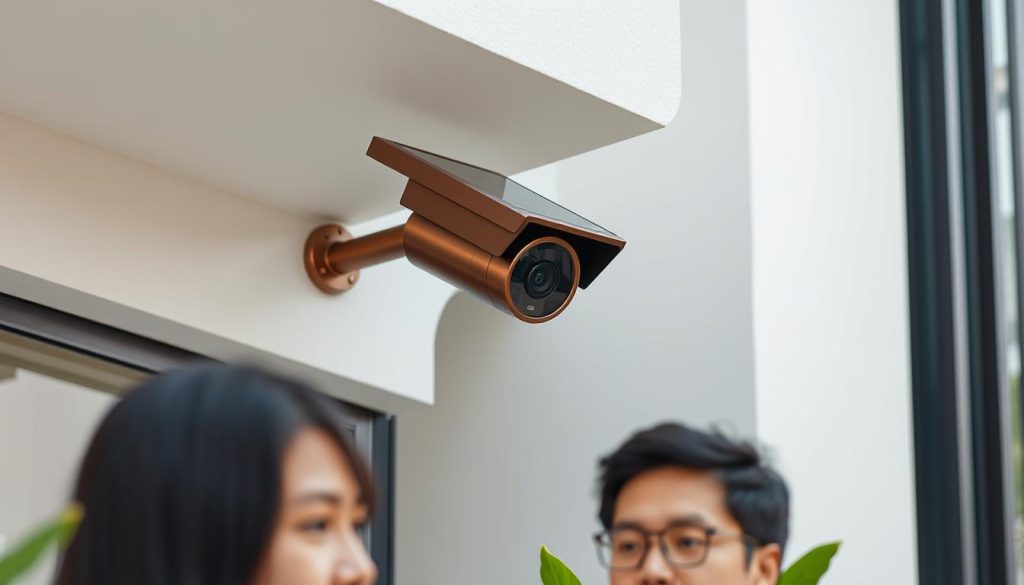
Keeping your home safe is very important today. The Anran Solar CCTV system is a top choice for home security in Singapore. It uses solar power, making it efficient and good for the planet. These solar cameras boost your home’s safety and cut down on energy bills. They fit well with Singapore’s climate and energy needs. This article will show you why the Anran Solar CCTV is a great pick for your home’s security. Key Takeaways Anran Solar CCTV enhances home security in Singapore through solar technology. Solar-powered cameras reduce reliance on traditional electricity sources. Eco-friendly surveillance solutions are beneficial for the environment. Integration of advanced features makes Anran Solar CCTV a competitive option. Understanding local climate needs is key to choosing the right security system. Introduction to Solar-Powered Security Solutions In Singapore, solar-powered security solutions are changing how we watch over our homes. The area gets lots of sunlight all year, making these systems a great choice for saving energy and being green. Homeowners can enjoy using technology that’s good for the planet and cuts down on their bills. Today, more than 80% of security systems use solar power. This change means big savings on electricity bills, with homeowners saving up to 75% compared to old systems. Solar cameras work well for a long time, even without direct sunlight. This makes them perfect for city living where the weather can change a lot. Benefits of Solar-Powered Cameras Solar-powered cameras, like those from Anran, offer many advantages of solar cameras for better home security. They stand up well against Singapore’s humid weather and unpredictable weather. They often have an IP66 rating, which means they’re very durable. These cameras also provide high-definition visuals. They are reliable protectors of your property. Another big plus is how they can cut down on energy costs. By using solar energy, homeowners use less traditional electricity. This saves money on bills and helps the environment, making a positive environmental impact. The cost of solar-powered cameras, usually between $50 and $75, is also appealing. They offer great value for the price. This shows that you can have top-notch surveillance without spending a lot. Why Solar Technology is Ideal for Singapore’s Climate The Singapore climate is perfect for solar technology. The sun shines brightly all year, making it easy for solar panels to turn sunlight into electricity. This makes solar tech a great choice for those wanting to go green. Adding solar-powered security cameras to homes is easy and keeps the look of the house the same. These systems use clean energy, helping the planet and making homes more independent from fossil fuels. This is a big step towards a greener future. Many solar systems come with long warranties, making them a smart and reliable choice. Singapore aims to use more sustainable energy, and solar tech fits right into that plan. By choosing solar, homes not only save money but also help the country move towards a cleaner energy future. The Anran Solar Powered Wireless Security Camera The Anran wireless security camera is a big step forward in surveillance technology. It uses solar power, so you don’t need to plug it in. This makes it a great choice for those who want to save energy and money. This camera offers high-quality video, with options for 5MP or 2K resolution. It’s easy to set up and won’t break the bank. It’s perfect for both homes and businesses. The camera’s design shows it’s made to last and is good for the planet. It’s one of the top choices for eco-friendly cameras out there. Features of Anran Solar CCTV The Anran Solar CCTV system has great security camera features for today’s homeowners. It offers clear and easy-to-use monitoring. This camera provides high-definition surveillance and has key technology for smooth monitoring. High-Resolution Imaging for Enhanced Surveillance This system has high-resolution imaging, with 2K and 5MP video quality. This means users can see important details clearly. It helps in identifying faces and objects, which is key for better security. Remote Monitoring Capabilities The Anran Solar CCTV lets homeowners keep an eye on their property from anywhere. With a mobile app, users can watch live footage anytime. This feature makes monitoring property security easy and keeps homeowners updated on their surroundings. It also works with smart home systems like Amazon Alexa, making it even better. Installation Process for the Anran Solar Camera Setting up the Anran Solar Powered Wireless Security Camera is a great DIY project for homeowners. This guide will help you set up the camera easily without needing a professional. You can finish the installation in under an hour if you follow the instructions carefully. Easy DIY Setup The DIY solar camera installation is simple and appealing to homeowners. Start by choosing the best spot for the camera. Place it 8 to 10 feet high to cover more area. Also, ensure the solar panel faces south or north at a 30 to 45-degree angle for the best sunlight. Tools Required and Installation Tips To make the camera setup easy, you’ll need a few tools: Drill Screwdriver Ladder Level Once you have your tools, keep the solar panel clean. Also, check the electrical connections often. These steps will help your solar camera last longer and work better. Why Choose a Wireless Security Camera? Wireless cameras offer more than just easy setup. Anran’s solar-powered models bring flexibility to your home. You can place them anywhere, even in spots wired systems can’t reach. These cameras are also super convenient. No need for messy wiring, which makes setup a snap. This is great for renters or city dwellers who face wiring challenges. Choosing wireless cameras is a smart move for better security. It’s a proactive way to keep your space safe and monitored. Durability and Weatherproof Design The Anran Solar Powered Wireless Security Camera is very durable. It’s perfect for outdoor use. Its design can handle different weather conditions, making it a top choice for weather-resistant cameras. This camera has an IP66 rating. It’s dust

Anran Solar CCTV: Secure Your Home in Singapore Read More »

camera maintenance

How to do maintenance on camera?

Knowing how to maintain your camera is key for photographers. It helps keep your equipment in great shape. Regular care extends your camera’s life and keeps your photos looking sharp. By following a maintenance routine, you avoid costly repairs. This guide will show you how to clean your camera right. This way, your gear stays in top condition. Key Takeaways Regular camera maintenance enhances longevity. Routine cleaning improves image quality and performance. Proper storage prevents damage from environmental factors. Using the right tools simplifies the cleaning process. Professional servicing is essential for complex issues. Protecting equipment from humidity is critical in Singapore’s climate. Importance of Camera Maintenance Keeping your camera in good shape is essential for photographers. It’s not just about looks. Regular care boosts your camera’s life and keeps it working well. Extend the Lifespan of Your Camera Regular upkeep is vital for a long-lasting camera. Dust and dirt can damage your camera. Cleaning and checking it often helps it last longer. Improve Performance and Image Quality Cleaning your camera improves its performance. It ensures your photos are sharp and clear. This way, you get great results every time. Avoid Costly Repairs Regular maintenance saves you from expensive repairs. Fixing small issues early prevents big problems. This keeps your camera in perfect condition. Camera Maintenance Checklist Every photographer needs a camera maintenance checklist. It keeps your gear in top shape, ensuring it lasts longer and works better. It’s key to have a cleaning schedule that fits your use. Also, adjust to different environments to keep your equipment in great condition. Regular Cleaning Schedule Having a regular cleaning schedule is vital. If you use your camera a lot or it gets dusty, it needs more cleaning. Use microfiber cloths for surfaces and check the sensor monthly or after big shoots. Remember to clean your lens often to improve your photos. Storage Recommendations Storing your camera right is important. Use camera bags that are padded and let air in to prevent moisture. Add silica gel packs to keep things dry. Keep your camera away from extreme temperatures and humidity to protect it. List of Essential Tools To keep your camera in good shape, you need the right tools. These tools make cleaning easier. Here are some must-haves: Microfiber cloths for body and lens cleaning Sensor cleaning swabs for delicate sensor maintenance Blower brushes for removing dust particles Having these tools ready makes caring for your camera easier and better. How to do maintenance on camera? Regular maintenance is key to keeping your camera in great shape. It starts with camera body cleaning. This makes sure dirt and dust don’t harm its performance. A clean camera looks better and works better too. Cleaning the Camera Body To keep your camera in good condition, start with a microfiber cloth. It gently wipes the surface without scratching. Use a blower to get rid of stuck debris in small spots. Cleaning your camera body regularly keeps it looking and working great. Protecting With a UV Filter UV filters on your camera lenses offer great camera protection. They shield against scratches and outside damage, keeping the lens safe. Check the filter often for wear and replace it when needed. UV filters not only protect your lenses but also enhance image quality, making it clearer and sharper. For more details on why maintenance is important, check out this article on camera maintenance. Cleaning Your Camera Lens A clean lens is key for top-notch photos. Regular care with the right techniques keeps your images sharp. Using microfiber cloths and the right cleaning solutions are essential. Using Microfiber Cloths Microfiber cloths are perfect for camera lenses because they’re gentle. When cleaning, move your cloth in a soft circle to avoid scratches. Here’s how to use them right: First, remove dust and dirt with a blower or brush. Then, gently wipe the lens with the microfiber cloth. Make sure to wash the cloth often to avoid dirt buildup. Lens Cleaning Solutions For tough spots, you’ll need special lens cleaning solutions. These solutions clean well without harming your lens. Here are some tips for using them: Put the solution on the microfiber cloth, not directly on the lens. Wipe the lens softly in circular motions, focusing on the problem areas. Finish by drying the lens with a clean part of the microfiber cloth. Sensor Cleaning Techniques Cleaning the sensor is key to keeping your photos sharp. Dust and dirt on the sensor can cause spots, ruining your photos. It’s important to take care of your sensor to get clear, detailed images. Regular cleaning stops bigger problems from happening. Neglecting your sensor can lead to serious issues. Importance of Cleaning the Sensor Knowing the importance of sensor care is vital for photographers. A clean sensor is necessary for top-notch photos. Cleaning it often helps avoid dust problems. How to Use Sensor Cleaning Swabs When dust and dirt won’t go away, sensor cleaning swabs are the answer. These swabs are made for cleaning your sensor safely and effectively. Use them with a cleaning solution to tackle tough spots without harming your camera. Proper Camera Storage Practices Storing your camera right is key to keeping it safe from harm. Good storage tips can make your camera last longer. Start by picking a camera bag that fits your gear well and protects it. Choosing the Right Camera Bag Look for a camera bag that’s padded and the right size for your stuff. A good bag protects your camera from bumps and keeps it safe when you move it. Choose bags with different sections for your camera and accessories. Lowepro and Peak Design have many options for different needs. Moisture Control Methods Keeping your camera dry is very important, more so in wet places. Use silica gel packs in your bag to soak up extra moisture. Also, keep your camera in a place with good air flow and not too hot or cold. If you live in a very wet area, think about getting a

How to do maintenance on camera? Read More »

CCTV maintenance services for surveillance systems

What is CCTV maintenance?

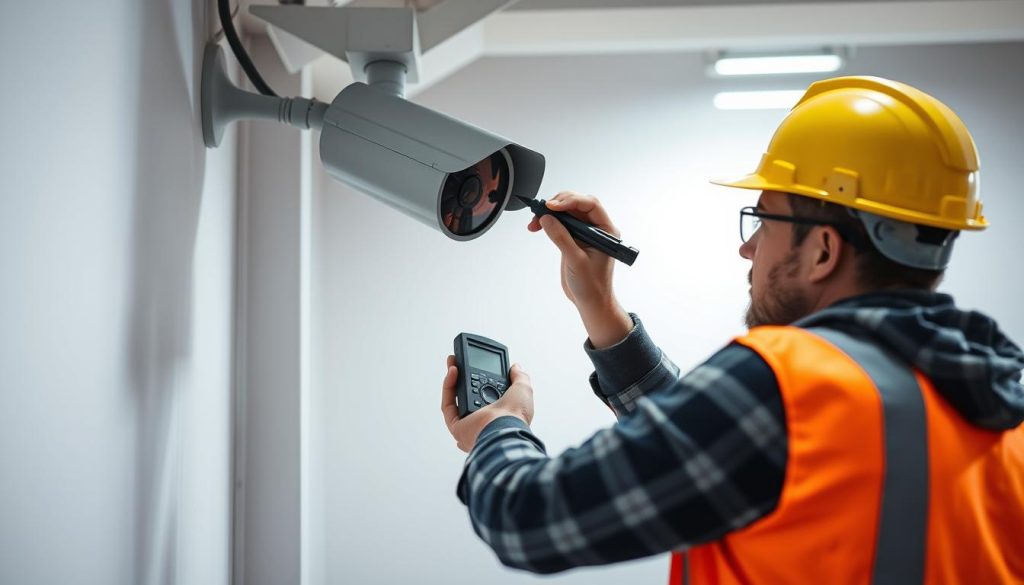
CCTV maintenance is about keeping closed-circuit television systems working well. It includes regular checks, cleanings, software updates, and repairs. In Singapore, where security is key, keeping these systems in top shape is important. This ensures they don’t fail and keeps the video quality high. It helps these systems do their job of watching over properties. Key Takeaways CCTV maintenance is critical for the longevity of surveillance systems. Regular inspections and cleanings enhance functionality and reduce equipment failures. Software updates play a significant role in maintaining system security and efficiency. In Singapore, effective CCTV maintenance is essential for optimizing security initiatives. Comprehensive maintenance plans ensure continuous reliability of closed-circuit television systems. Understanding the Importance of CCTV Maintenance Regular maintenance of CCTV systems is key for better security and efficiency. Ignoring this can lead to safety risks and less effective surveillance. Studies show many security breaches happen because of poor upkeep. Enhancing Security through Regular Checks Regular inspections catch problems early, making security stronger. These checks keep cameras working well. By keeping equipment in good shape, you avoid security gaps and strengthen your safety plans. Preventing Costly Equipment Failures A good maintenance plan stops expensive repairs. It keeps systems running smoothly. This saves money and makes your security investments worth it. The Role of CCTV in Modern Security Systems In today’s world, CCTV plays a key role in security systems. Singapore leads with over 109,072 cameras, one for every 13 people. This widespread use deters crime, making it less likely for offenders to act. Statistics on CCTV Adoption in Singapore Studies show CCTV cameras greatly lower crime rates. Singapore’s vast network of cameras makes it safer. This system is essential for solid business security. Benefits of Implementing CCTV in Businesses Businesses gain a lot from CCTV systems. They prevent theft and vandalism, saving money on insurance. They also make customers feel safer, boosting business perception. Accessing video feeds remotely gives owners peace of mind. It shows CCTV’s importance in keeping businesses secure. What is CCTV Maintenance? CCTV maintenance keeps surveillance systems running smoothly. It’s key for businesses and places that need security. Knowing how to maintain a CCTV system makes it more reliable and effective. Definition and Overview of CCTV Maintenance CCTV maintenance includes many tasks. These include regular checks, cleaning camera lenses, testing, and software updates. Each task is important for the system’s long life and performance. Key Components of a CCTV Maintenance Plan A good CCTV maintenance plan has several key parts. Regular checks make sure everything works right. Cleaning stops dust from affecting images. Testing shows if the system is working well. It finds areas that need improvement. Updating software keeps the system safe and adds new features. Importance of Regular Upkeep Regular upkeep is key to keeping CCTV systems running well. Following a maintenance schedule boosts their performance. Without it, these systems can fail sooner, affecting their lifespan. Impact on Longevity of CCTV Systems Keeping CCTV systems maintained extends their life. Small issues caught early can prevent big problems. This approach ensures they work better for longer. Reducing Equipment Failure Risks Regular maintenance cuts down on system failures. Without upkeep, failure rates can jump by up to 30%. Regular checks help spot issues early, making the system more reliable. Essential Elements of Effective CCTV System Upkeep Keeping a CCTV system in top shape needs a clear plan. It covers many important steps. Good upkeep is key to keep the system working well and providing security. Regular Inspections and Testing Checking the system regularly is a must. It makes sure everything works right. This includes: Checking camera angles for the right view. Looking at recorded footage for clear images. Ensuring images are sharp and clear. By doing regular inspections and testing, you catch problems early. This helps the system last longer and keeps everyone safer. Software and Firmware Updates Staying current with software updates is critical. These updates protect the system from threats and add new features. Upgrading on time keeps the system safe and efficient. Skipping updates can leave the system open to risks, harming surveillance efforts. For more on how often to service CCTV systems, check this resource. Common CCTV Maintenance Issues and Troubleshooting Tips Keeping CCTV systems in good shape is key for their best performance. Fixing common problems early can save a lot of time and money. It also keeps security high and operations running smoothly. Identifying Malfunctioning Components Malfunctioning components in CCTV systems can cause many issues. Signs include: Poor image quality Inconsistent recording times Non-responsive cameras Checking all parts regularly helps find problems fast. Using diagnostic tools can help spot bad parts early, avoiding big problems. Solving Connectivity Problems Issues with connections often come from old or weak cables or signals. These can really hurt how well surveillance works. Here are ways to fix these problems: Check and replace damaged cables Test Wi-Fi signals Update router settings or firmware Regular checks can stop up to 15% of connection problems. This makes the CCTV system more reliable. Creating a CCTV Maintenance Schedule Creating a CCTV maintenance schedule is key to keeping surveillance systems running smoothly. The frequency of checks depends on how much the system is used and where it’s installed. Frequency of Inspections and Recommended Maintenance Intervals Places with a lot of traffic or important functions need checks every month or quarter. Less busy spots might only need visits every six months. Using a checklist during maintenance ensures everything is checked. Following a specific CCTV maintenance plan helps owners fix issues quickly. This reduces the chance of system failures, keeping security operations smooth. CCTV Maintenance Companies in Singapore Finding a trustworthy CCTV maintenance provider is key to a good security system. Singapore has many CCTV service providers. Knowing their strengths helps clients choose the right maintenance services. A provider’s experience and good reviews build trust in their quality support. Choosing the Right Service Provider When looking at CCTV service providers, think about these: Industry Experience: A seasoned provider offers better insights and

What is CCTV maintenance? Read More »