
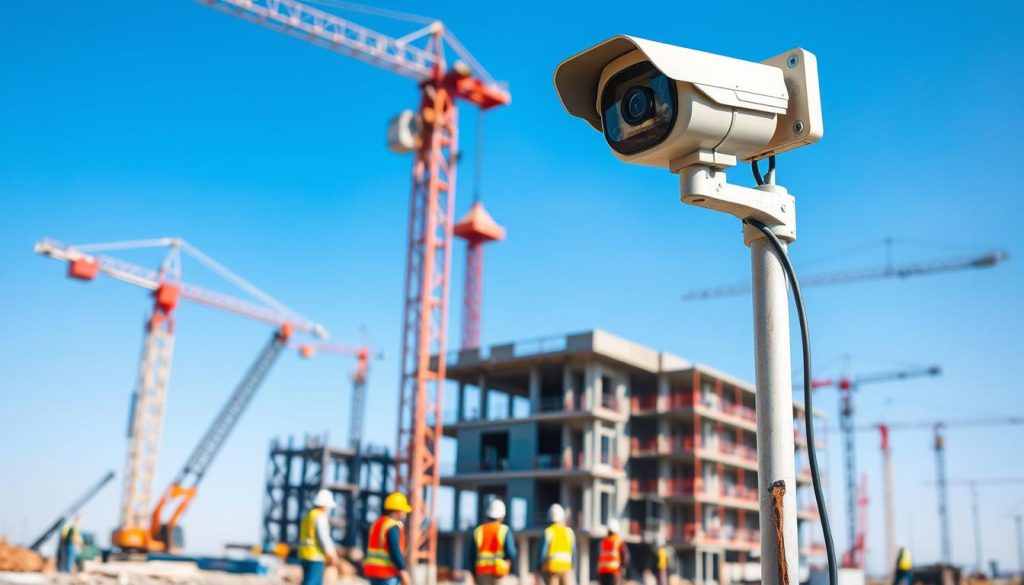
Modern project zones are dynamic, high-value environments. They are hubs of constant activity with valuable equipment and materials. This mobility creates unique challenges for asset protection and personnel safety.
The financial and operational stakes are immense. In regions like Singapore, the threat of theft and vandalism is a pressing reality. A single security incident can cause crippling losses and major project delays.
Today’s advanced surveillance is not just about recording crime. It is a vital management tool for operational oversight. These solutions offer real-time visibility into daily activities and access control.
This guide is your definitive resource. It is designed for project managers and business owners who need clarity. We cut through the technical noise to provide actionable insights for informed purchasing decisions.
Key Takeaways
- Modern project zones face significant threats from theft, vandalism, and unauthorized access.
- Inadequate security leads to direct financial loss, costly delays, and compromised safety.
- Advanced surveillance systems are a critical operational necessity, not merely a recording tool.
- This guide provides clear, actionable insights to help you select the right solution.
- We focus on considerations specific to the Singapore market, including local regulations.
- Effective systems enhance overall site management, safety, and operational efficiency.
- Making an informed investment in protection safeguards your assets and project timeline.
Why Construction Site Security Demands More Than a Fence
In an age of organized theft, passive perimeter defenses are the first line breached, not the last. Statistics reveal that project zones are 400% more likely to be targeted for theft compared to other commercial properties. This stark reality makes a chain-link fence and a padlock dangerously insufficient.
These traditional barriers are passive deterrents. A determined criminal can easily bypass them, leaving high-value machinery and materials completely exposed. The financial impact is severe. Theft and vandalism can drain up to 25% of a project’s total budget, representing a catastrophic loss.
Relying solely on physical measures creates critical vulnerabilities. They cannot monitor blind spots or remote areas of your work area. After an incident, they provide zero evidence for investigation or insurance claims. Most importantly, they offer no real-time alerting capability to stop a crime in progress.
The modern answer is a shift to proactive, intelligent security. Advanced surveillance systems act as a powerful force multiplier. They extend the eyes and reach of your on-ground personnel, providing constant oversight where physical guards cannot be.
This evolution is necessary because threats are constantly evolving. Without a strategy built on live visibility and documented proof, your assets remain at high risk. In fact, locations without robust electronic protection face theft rates nearing 60%.
Understanding the sheer scale and sophistication of these risks is the essential first step. It is the foundation for investing in a solution that truly works. For a deeper look at effective comprehensive building site surveillance solutions, exploring your options is key. The following section details the rising tide of these costly incidents in our region.
The Rising Tide of Theft and Vandalism in Singapore
The data from local authorities paints a clear and alarming picture of a growing security crisis for builders. Criminal activity is not a rare event but a frequent, costly operational hazard.
Understanding the scale of this problem is the first step toward effective protection. The numbers reveal an urgent need for action.
Recent Statistics on Site Losses
Reports indicate a 25% increase in theft across local project zones. This trend shows no signs of slowing down.
On average, each location suffers losses nearing $500,000 annually. This figure represents stolen materials, tools, and machinery.
A staggering 80% of construction firms report being victimized at least once. These are not isolated incidents but a widespread industry challenge.
Collectively, theft and vandalism cost the sector between $300 million and $1 billion every year. This massive financial drain impacts everyone from large contractors to small subcontractors.
The True Cost: Beyond Stolen Equipment
The immediate loss of equipment is just the beginning. The cascading effects create a far greater financial burden.
Project delays are a major consequence. Idle labor and missed deadlines add immense pressure. Every day lost translates directly into higher operational costs.
Insurance premiums often rise after claims. Without clear video evidence, liability becomes difficult to assign. Legal claims can increase by 20% when proof is lacking.
Dealing with police reports and investigations consumes valuable management time. This administrative burden pulls focus from core work.
Reputational damage is another silent cost. Clients and partners lose confidence in a firm’s ability to secure its work area. This can affect future bidding and project awards.
Material storage areas and zones of high activity are prime targets. Securing these spots is crucial for overall safety and loss prevention.
Quantifying these risks in financial terms makes a compelling business case. Investing in robust protection is a strategic cost-saving measure, not merely an expense.
Modern Surveillance: More Than Just Recording Crime
The true power of today’s electronic oversight lies in its dual role as a guardian and a management powerhouse. Modern surveillance systems are transformative tools for operational intelligence.
They deliver value far beyond documenting theft. These platforms provide complete visibility into daily activity. This shift redefines the entire solution for business owners.
Remote management becomes a practical reality. Supervisors can conduct virtual walkthroughs from their office. They verify contractor progress and work hours without physical presence.
This capability slashes wasted time and travel. It leads to a dramatic boost in productivity. Reports show firms using remote viewing see up to 60% better operational efficiency.
Live video feeds are a powerful safety asset. Supervisors can spot potential hazards or unsafe practices instantly. This real-time monitoring ensures protocol compliance across all areas.
Improved asset and vehicle management is another major gain. Tracking machinery movement prevents misplacement and optimizes logistics. The whole solution facilitates efficient operations.
These systems have cut vandalism by 70% over time. Their presence alone is a powerful deterrent. Yet, their utility extends into daily business functions.
Recorded footage serves multiple purposes. It is used for training new crews on proper procedures. It provides objective evidence for quality control checks.
This visual record is invaluable for resolving disputes. It clarifies misunderstandings between contractors or with clients. It provides an unbiased account of events.
Security remains the most critical function. However, it is the foundation for broader project intelligence. Investing in a robust platform safeguards your timeline and budget.
It creates a culture of accountability and transparency. Every activity is documented, promoting responsible behavior. This environment radically boosts both productivity and security.
Controlled access points can be integrated into the visual overview. This creates a unified operational command center. It turns raw video into actionable business insight.
The modern surveillance system is an investment in overall project intelligence and operational transparency.
This approach turns a cost center into a strategic advantage. It protects your bottom line while streamlining your entire project. The next step is understanding the specific features that make this possible.
Key Features to Look for in Construction Site Camera Monitoring
Not all visual oversight equipment is created equal. Key differentiators separate basic models from professional-grade solutions.
Understanding these core features is essential. They directly translate into practical on-ground benefits for your project zone.
This breakdown focuses on the non-negotiable technical specifications. They define an effective surveillance solution.
High-Definition Video and Image Clarity
Blurry footage is useless for identification or evidence. High-definition recording is a fundamental requirement.
Full HD (1080p) resolution should be your absolute minimum standard. This level of detail is crucial for identifying individuals, license plates, and small tool markings.
For larger areas, 4K Ultra HD provides a significant advantage. It allows for digital zoom without losing critical detail.
Clear video can greatly reduce theft-related financial losses. It provides irrefutable proof for investigations and insurance claims.
Night Vision and Low-Light Performance
Most criminal activity occurs after hours. Your systems must perform flawlessly in darkness.
Infrared (IR) illumination is the key technology. Look for models with a long IR range, measured in meters, to cover distant storage areas.
Advanced low-light sensors are also vital. They ensure usable footage during dusk, dawn, or under minimal ambient light.
This 24/7 visibility is non-negotiable for complete protection. It closes the largest window of vulnerability for your assets.
AI-Powered Analytics and Smart Detection
Modern systems are evolving from passive recorders to active sentinels. Artificial Intelligence drives this transformation.
These smart features provide automated alerts. They notify you of specific events in real time.
- Line-crossing detection: Alerts when someone enters a restricted zone.
- Intrusion zones: Flags unauthorized presence in defined high-risk areas.
- Loitering alerts: Detects suspicious lingering near gates or material storage.
- Vehicle counting: Monitors traffic flow at access points.
This intelligence boosts incident detection by up to 40% over older setups. It allows your team to respond to threats proactively.
Durability and Weatherproof Ratings
Project zones are harsh environments. Your cameras must be built to withstand them.
Ingress Protection (IP) ratings are critical. Look for a minimum of IP66 or IP67.
These codes guarantee resistance to dust and powerful water jets. They are essential for Singapore’s tropical conditions.
For physical security, an IK rating indicates vandal resistance. A rating of IK10 offers the highest protection against impacts.
Rugged, metal housing is also advisable. It ensures reliable operation despite vibration, debris, and extreme temperatures.
Prioritizing these features ensures your investment is resilient. It delivers consistent monitoring and safety throughout the entire project timeline.
Understanding Singapore’s Video Surveillance Regulations
Operating a major project in Singapore now comes with specific legal obligations for visual oversight. Compliance is not optional; it’s a fundamental part of professional risk management.
Ignoring these rules can lead to significant penalties and legal complications. Two key frameworks govern your security setup: the Mandatory Video Surveillance System (VSS) and the Personal Data Protection Act (PDPA).
Understanding both ensures your systems are effective and legally sound.
The Mandatory VSS for Major Projects
A new mandate from the Ministry of Manpower took effect on June 1, 2024. It requires a VSS for all construction projects valued over $5 million.
This rule targets enhanced worker safety and site security. The video coverage must focus on high-risk areas.
These zones include work at heights over two meters, scaffolding, excavations, and vehicle traffic points. Comprehensive coverage here is crucial.
The mandate sets minimum technical standards for usable evidence. Recording must be in full HD 1080p resolution.
A frame rate of 12 frames per second (fps) is also required. This combination ensures clear, detailed footage for reviewing incidents.
All footage must be stored for a minimum of 30 days. This provides a sufficient window for reviewing activity and investigations.
Data Retention and Privacy Compliance (PDPA)
Your legal duties extend beyond just installing systems. The Personal Data Protection Act (PDPA) governs how you collect, use, and store visual data.
For any security-related event, the retention period jumps to 180 days. This extended time supports thorough investigations and insurance claims.
Adhering to the PDPA protects your company from privacy complaints. It involves several best practices for responsible management.
- Strategic Positioning: Angle cameras to monitor your project zone only. Avoid filming public sidewalks or neighboring private property unnecessarily.
- Secure Storage: Protect your video archives with encryption and access controls. This prevents unauthorized viewing or data breaches.
- Clear Signage: Place notices at all access points announcing video surveillance. This informs everyone on-site and supports legal transparency.
Viewing compliance as a framework is powerful. It guides you to implement a best-practice surveillance solution.
This approach not only meets the law but also strengthens your overall security posture. It mitigates legal risk while safeguarding your people and assets.
Tangible Benefits: How Camera Systems Protect Your Bottom Line
A professional-grade oversight solution pays for itself by safeguarding assets and streamlining operations. This section moves beyond technical specs to show clear financial returns.
We quantify how visual protection prevents loss, saves time, and enhances overall management. These are the concrete outcomes that justify your investment.
Deterrence and Reduction of Criminal Incidents
The mere presence of visible surveillance systems is a powerful psychological barrier. It signals that the location is watched and that activity is recorded.
This deterrence effect is backed by hard data. Studies show effective oversight can deter up to 40% of would-be intruders before they even attempt a crime.
For work sites, the impact is even more pronounced. Visible cameras have been shown to cut overall crime by 65%.
When incidents do occur, the results are less severe. Robust security setups can reduce actual theft by as much as 80%.
This drastic reduction directly protects valuable equipment and materials in storage areas. It turns a reactive cost into a proactive solution.
The system acts as a constant guardian. It addresses the core risks of vandalism and unauthorized access head-on.
Enhanced Site Management and Operational Efficiency
Modern surveillance systems are transformative management tools. They provide total visibility into daily operations from anywhere.
Remote monitoring allows supervisors to verify work progress without traveling. This eliminates wasted time and fuel.
Firms using this capability report up to 60% better operational efficiency. Managers can oversee multiple project zones simultaneously.
Key management benefits include:
- Remote Progress Verification: Check contractor work and milestones in real-time.
- Resource Allocation Oversight: Track machinery and material movement to prevent misplacement.
- Safety Protocol Monitoring: Observe work areas to ensure compliance and identify potential hazards.
This operational intelligence also leads to direct labor savings. Sites can save up to 80% on physical guard costs by using electronic oversight.
The solution creates a culture of accountability. Documented activity promotes responsible behavior across the entire work zone.
Potential for Insurance Premium Reductions
Demonstrating robust risk management can positively impact your insurance costs. Providers assess the likelihood of claims when setting premiums.
A comprehensive visual protection system, especially one compliant with local mandates, significantly lowers perceived risks.
Insurers view such sites as better managed and less vulnerable to major incidents. This can translate into tangible premium savings over the life of a project.
Clear video evidence also streamlines the claims process after any event. It reduces disputes and accelerates settlements.
This financial benefit, combined with the drastic cut in theft and vandalism, strengthens the overall return on investment.
When viewed together, these benefits create a compelling financial case. The initial cost is offset by prevented losses, labor savings, efficiency gains, and potential insurance advantages.
Investing in a high-quality security solution is not an expense. It is a strategic asset that protects your profitability against a wide range of challenges and conditions.
The effectiveness of your protection strategy hinges on choosing the appropriate camera types for specific tasks. This section serves as your hardware primer.
It clarifies the distinct tools available for different jobs. Understanding these options is the first step toward a robust setup.
Exploring Your Options: Types of Security Camera Systems
No single device can address every vulnerability. A layered approach uses different systems for comprehensive coverage.
Your project’s unique layout and risk profile determine the ideal mix. We break down the core categories to inform your selection.
Fixed Cameras vs. PTZ (Pan-Tilt-Zoom) Cameras
Fixed cameras are the workhorses of visual oversight. They are cost-effective and provide constant, reliable views of choke points.
Ideal spots include entry exit gates, material storage yards, and equipment parking areas. Their set-and-forget operation requires minimal management.
PTZ units offer dynamic monitoring. Operators can pan, tilt, and zoom remotely to track activity across wide, open spaces.
This flexibility is perfect for patrolling large perimeters or investigating alerts. Advanced models can perform automated tours, covering 360 degrees.
Combining both types is often best. Use fixed devices for constant recording at key areas. Deploy PTZ units to eliminate blind spots and follow suspicious movement.
Wired, Wireless, and Cellular-Connected Solutions
Connectivity defines your system’s reliability and installation ease. Each method suits different project conditions.
Wired systems use Ethernet cables for power and data. They offer maximum stability for permanent installations.
This setup is immune to signal interference. It is the gold standard for long-term security.
Wireless (Wi-Fi) setups provide excellent flexibility. They are quicker to install and adapt as the project zone evolves.
Signal range and potential interference are considerations. They work well for temporary structures or hard-to-wire areas.
Cellular (4G/5G) connectivity is the ideal solution for locations without internet infrastructure. It is perfect for temporary or remote work zones.
These systems transmit video via mobile networks. They ensure monitoring is operational from day one, anywhere.
Specialized Cameras: Thermal, ANPR, and Fisheye
Advanced threats and unique environments demand specialized tools. These features provide capabilities beyond standard video.
Thermal imaging devices detect heat signatures, not light. They can spot intruders in complete darkness, fog, or light foliage.
This technology is a game-changer for perimeter detection at night. It helps catch unauthorized persons when traditional cameras fail.
ANPR (Automatic Number Plate Recognition) systems automate vehicle access logs. They capture and read license plates at gates.
This creates an audit trail for all arrivals and departures. It enhances security and streamlines logistics management.
Fisheye lenses provide a single, wide-angle view of large indoor spaces. They are excellent for site offices or warehouses.
One device can eliminate multiple blind spots in a room. This reduces the number of units needed for full coverage.
Data shows mobile surveillance trailers, which often combine these technologies, can cut crime rates by over 90%. Their visible presence is a powerful deterrent.
The key is to mix and match these types. Tailor a cohesive system that addresses your specific layout and risks.
Start with fixed devices for essential coverage. Add PTZ for flexibility and specialized units for advanced detection needs.
The Mechanics of Remote Jobsite Monitoring
At its core, remote monitoring is about transmitting real-time visual intelligence to decision-makers wherever they are. This technology bridges the gap between a physical work area and a manager’s need for instant visibility.
It transforms a reactive security posture into a proactive management tool. The entire process is an elegant chain of data capture and delivery.
The journey of a live feed follows a clear path. First, high-definition cameras capture the raw video.
This data is then encoded into a digital format. Next, it’s transmitted using one of three primary methods:
- Wired Network: Offers maximum stability for permanent setups via Ethernet cables.
- Wi-Fi: Provides flexible, quick deployment for evolving project layouts.
- Cellular Data (4G/5G): Ensures connectivity where internet infrastructure is absent.

For locations just starting work, cellular solutions are invaluable. Providers like Pelco offer systems with built-in 4G LTE modems.
This guarantees monitoring is active from day one, regardless of local internet conditions. A stable connection is the backbone of reliable oversight.
Transmitted data is stored securely. It lands either on a cloud-based server or an on-premise Network Video Recorder (NVR).
Authorized personnel then access it. They use a dedicated app or web portal on smartphones, tablets, or computers.
This seamless access turns any internet-connected device into a mobile command center, granting control from any location.
The real power lies in instant alerts. Smart systems send notifications directly to a manager’s phone.
This happens when motion is detected in a restricted zone after hours. Such real-time intelligence enables a rapid response.
Studies show this close watch can cut theft by up to 40%. It provides immediate evidence if an incident occurs.
For stakeholders, the benefit is profound peace of mind. They maintain constant oversight without being physically present.
This control safeguards assets and streamlines the entire project timeline. It’s the ultimate tool for modern security and operational efficiency.
Installation Best Practices for Maximum Coverage
The effectiveness of any surveillance investment is determined not by its specs on paper, but by its physical deployment on the ground. Even the most advanced hardware fails if it cannot see the right areas at the right time.
This practical guide walks you through critical setup steps. Proper placement and reliable connectivity transform individual devices into a cohesive protective network.
Strategic Placement: Covering Entry Points and Blind Spots
Your first task is creating a visual blueprint of the entire location. Identify every point where people and vehicles can enter or leave.
All entry and exit gates are non-negotiable key areas. Position units to capture clear faces and license plates, day and night.
Expand coverage to high-value zones. These include equipment storage yards, fuel depots, and material laydown areas. Also cover temporary offices and tool cribs.
The goal is to eliminate blind spots where theft can occur unseen. Criminals often target shadows behind containers or unlit corners.
Mounting height is crucial for clear visibility. A height of about nine feet offers an optimal balance. It provides a wide field of view while reducing the risk of tampering.
This strategic approach ensures your system documents all crucial activity. It turns passive recording into active protection.
Ensuring Power and Data Connectivity
A device without power or a data link is useless. Planning this infrastructure is as important as choosing the hardware.
For consistent electricity, Power over Ethernet (PoE) is a popular solution. It sends both power and data through a single cable, simplifying wiring.
In remote areas without grid access, consider solar panels or generators. These options maintain security operations under all conditions.
Stable data transmission is the backbone of remote monitoring. Wired connections using Ethernet cables offer maximum reliability for permanent setups.
For flexible or temporary layouts, robust Wi-Fi networks can work. Ensure access points are placed to avoid signal blind spots.
Anticipate these logistical challenges during your initial project planning. A reliable connection guarantees your surveillance feeds are always live and accessible.
Professional Installation vs. DIY: What to Consider
You might consider a do-it-yourself approach to save costs. For a very small, simple location, this could be feasible.
However, DIY setups carry significant risks. Improper configuration and coverage gaps are common. An angled mistake can create a critical blind spot.
Professional installers bring specialized expertise. They optimize placement for each unique site layout and risk profile.
Their skills ensure proper cable management and system integration. They also handle the complexities of local regulations.
In Singapore, about 80% of CCTV systems must comply with PDPA guidelines. Professionals ensure your setup meets these privacy and data retention rules from day one.
For projects falling under the Mandatory VSS, expert installation is highly advised. It ensures the system meets all technical and legal requirements for usable evidence.
Professionals often provide warranties and ongoing support. This peace of mind is valuable after an incident occurs.
Weigh the initial savings of DIY against the potential cost of a failed security solution. For most work zones, professional installation safeguards your investment and delivers maximum coverage.
Temporary vs. Permanent Surveillance Solutions
The duration of your project fundamentally shapes the ideal security strategy. You face a core choice between flexible, mobile setups and fixed, integrated systems.
This decision impacts your budget, operational workflow, and long-term asset protection. Selecting the right pathway ensures your investment delivers maximum value.
Your project’s nature dictates the best fit. A short-term renovation has very different needs than a multi-year development.
Matching the System to Your Project Timeline
Temporary solutions are designed for agility. They often use wireless, solar-powered, or cellular-connected devices.
These units are mounted on mobile trailers or poles. This allows for easy relocation as the work zone evolves.
Their greatest strength is flexibility. You can deploy them quickly without major infrastructure work.
Permanent systems are built for endurance. They involve fixed, wired hardware integrated into a building’s core infrastructure.
This approach provides robust coverage for high-risk areas over many years. It is the standard for long-term asset management.
Each option has clear pros and cons. Temporary setups offer a lower upfront cost and great adaptability.
Permanent installations provide higher reliability and superior image quality. Fixed cabling ensures stable data transmission.
Data shows mobile surveillance trailers are incredibly effective. Their visible presence alone can cut crime rates by over 90%.
Cost-Benefit Analysis for Short and Long-Term Projects
A smart financial analysis looks beyond the purchase price. You must consider the total cost of ownership.
This includes installation, maintenance, connectivity fees, and potential redeployment challenges.
For a short six-month project, a rental or mobile solution is often optimal. The lower capital outlay aligns with the brief timeline.
It provides the necessary visibility and deterrence without a major long-term commitment.
For a three-year development or a firm with ongoing projects, the math changes. Investing in a permanent, scalable system usually offers a better return.
The higher initial cost is spread over a longer period. You also benefit from lower ongoing operational costs.
Scalability is a crucial factor. A system that can grow or be redeployed protects your future investment.
Think about storage yards and equipment parking. These zones need consistent security regardless of the project phase.
A permanent setup for these areas might make sense even on a changing worksite.
Your choice should balance immediate needs with future risks. The goal is to secure assets efficiently throughout the entire project lifecycle.
This strategic alignment turns your surveillance investment into a true operational asset.
How to Select the Right System for Your Specific Site
Effective protection begins with a clear understanding of your location’s distinct vulnerabilities. The final purchasing decision should be driven by a personalized methodology, not just a product list.
This section synthesizes all prior guidance into actionable steps. It helps you match the right technology to your unique operational landscape.
A methodical approach ensures your investment delivers maximum value. It addresses your specific threats while fitting your budget and timeline.
Before diving into specific models, conduct a thorough assessment of your work zone. This audit forms the foundation of your entire security strategy.
Assessing Your Site’s Size, Layout, and Risk Areas
Start by mapping the entire perimeter and internal layout. Identify every potential entry and exit point for people and vehicles.
Pinpoint high-value asset locations. These include equipment parking, material storage yards, fuel depots, and temporary offices.
Note the existing lighting conditions across the zone, especially at night. Dark spots are prime targets for unauthorized activity.
Document natural blind spots created by structures, containers, or terrain. Criminals exploit these areas where visibility is poor.
Understanding these specific coverage needs is critical. It ensures your surveillance solution is effective where it matters most.
High-quality devices in these key zones can drastically reduce incidents of theft. This also helps lower insurance costs over time.
Balancing Budget with Feature Requirements
A pragmatic budget approach maximizes your return. Prioritize essential features for all units in your system.
Night vision and basic motion detection are non-negotiable for any location. They provide fundamental protection after hours.
Allocate more budget for advanced capabilities only in your highest-risk zones. AI analytics or thermal imaging can be reserved for these spots.
Remember that durability is a feature. Your hardware must withstand local conditions.
Look for a high IP rating to guarantee resistance to dust and moisture. This is crucial in Singapore’s tropical climate.
This tiered strategy ensures core security without overspending. It aligns your financial resources with your actual risk profile.
The Importance of Scalability and Future-Proofing
Think beyond the current phase of your project. Your protection needs will likely evolve.
Consider whether the system can easily expand if the work zone grows. Can the network video recorder handle additional devices?
Is the chosen technology standard likely to remain supported for years? Future-proofing safeguards your long-term investment.
Scalability is especially important for firms with multiple ongoing projects. A flexible solution can be redeployed as needed.
This forward-thinking approach turns a purchase into a lasting asset. It adapts to new challenges and changing layouts.
The best way to finalize your plan is to consult experts. Reputable vendors offer professional site surveys.
They assess your specific risks and provide tailored coverage plans. A professional quote based on this audit is invaluable.
A vendor-conducted site survey translates your unique vulnerabilities into a precise, effective protection blueprint.
This step closes the loop between theory and practice. It ensures the selected solution fits your reality perfectly.
Your final choice will balance assessment, budget, and growth potential. This methodology leads to confident, informed investment in your project’s safety.
Making Your Investment: A Checklist for Buyers
Arm yourself with this definitive checklist before finalizing your security purchase. It ensures your investment delivers maximum protection and operational value for your project.
First, verify core technical specifications. Confirm HD 1080p or higher resolution and adequate night vision range. Check for necessary AI analytics like intrusion detection. Ensure hardware has appropriate IP and IK ratings for durability.
Next, address legal compliance. If your project falls under the Mandatory VSS, ensure the system meets all technical requirements. Your vendor must understand PDPA obligations for data privacy and retention.
For procurement, obtain multiple quotes. Scrutinize warranty terms and post-installation support. Confirm professional installation services are included. Assess the solution’s scalability for future needs.
Investing in a robust surveillance system is a strategic decision. It safeguards assets, ensures compliance, and enhances overall management visibility. This directly protects your project’s profitability and long-term success.
Now equipped, you can select and implement the right security solution with confidence.