
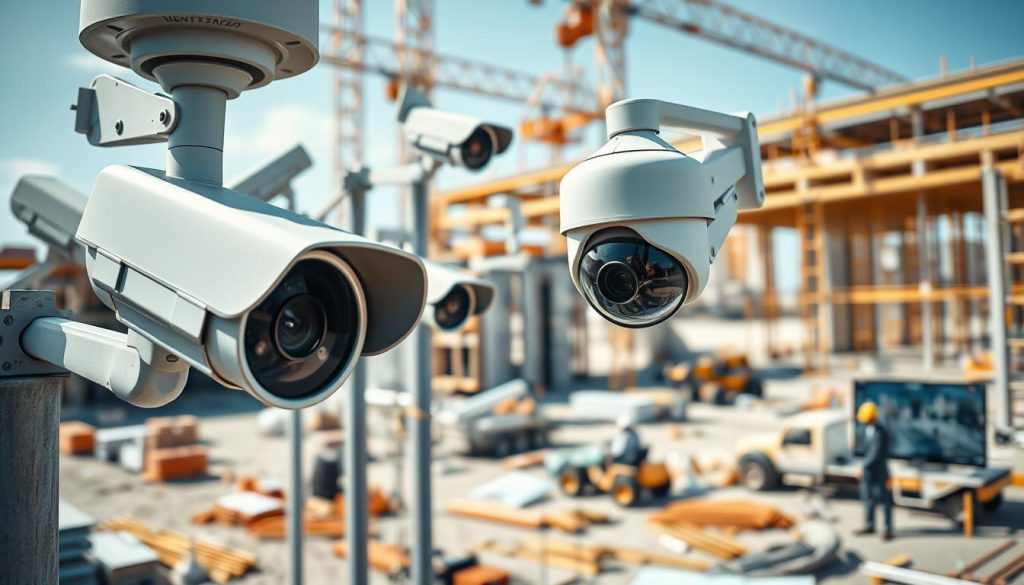
Keeping a remote project location secure presents unique challenges. Often, these areas lack a steady internet connection, making standard wireless security setups useless.
Traditional surveillance systems usually depend on Wi-Fi. When that network is down or missing, your protection fails. Fortunately, effective and reliable alternatives are available today.
This guide aims to help managers and supervisors in Singapore choose the optimal visual monitoring solution. You need a system that works independently of local network infrastructure.
We will explore two primary solutions. Cellular (4G LTE) devices use mobile data, while local storage systems record directly to on-site hardware.
Robust surveillance is critical. It deters theft and vandalism. It also lets you monitor work progress and ensure safety protocols are followed, day or night.
By selecting the right equipment, you ensure continuous oversight. This leads to significant cost savings and enhanced asset protection for your project. For a detailed look at top products, explore our resource on the best construction site cameras no wifi.
Key Takeaways
- Standard security cameras often fail where internet access is poor or absent.
- Cellular-enabled cameras, like Arlo Go 2, provide surveillance using mobile data networks.
- Systems with local storage (DVR/NVR) save video footage without needing the cloud.
- Continuous monitoring protects against theft, vandalism, and safety issues.
- Choosing the right no-WiFi solution can reduce costs and improve site security.
- This guide will help you compare features, costs, and find the best fit for Singapore projects.
Why Construction Sites Need Surveillance Without WiFi
Project zones filled with expensive gear and materials are magnets for criminal activity. These temporary locations typically have no permanent internet connection installed. This lack of infrastructure renders standard wireless security setups completely ineffective.
The risks extend far beyond stolen tools. Vandalism can cause costly delays. Unauthorized trespassing creates serious liability concerns. Constant visual oversight is not a luxury; it’s a fundamental requirement for modern project management.
This is where dedicated offline security systems become essential. They operate independently of local network availability. Two primary solutions fill this gap: cellular-enabled devices and local recording setups.
Cellular systems use mobile data networks for connectivity. Singapore’s extensive coverage ensures reliable service even in rural areas. Local storage systems save video directly to on-site hardware like DVRs.
This approach offers 24/7 recording without consuming bandwidth. It guarantees access to evidence regardless of internet status. Your monitoring remains active day and night.
Effective surveillance also enhances worker safety. It allows managers to verify compliance with safety protocols remotely. This proactive monitoring can prevent accidents before they happen.
Industry reports consistently show that investing in proper visual oversight reduces financial losses. It can also lead to lower insurance premiums. Most importantly, it prevents project delays caused by security incidents.
A robust, offline surveillance system is a critical component for protecting any temporary work area. It safeguards assets, mitigates risk, and provides invaluable peace of mind.
Understanding Your Options: Types of Construction Site Cameras No WiFi
The foundation of a robust offline monitoring strategy lies in choosing between cellular transmission and local recording. You have two main technological paths. Each offers distinct advantages for keeping watch over areas lacking internet.
Your choice depends on specific needs like mobility, budget, and how you need to view the video. Understanding these core systems is the first critical step.
4G LTE Cellular Security Cameras
These devices function like smartphones for surveillance. They use cellular data networks (4G/LTE) to transmit live feeds and alerts. This provides true wireless security.
Popular models include the Arlo Go 2 and the Reolink Go series. The Reolink TrackMix LTE offers advanced pan-and-tilt features. Setup is often quick, taking just minutes.
To operate, you need two things. First, a standard Nano SIM card. Second, an active data plan from a local carrier like Singtel, StarHub, or M1.
Advantages are clear:
- Flexible placement anywhere with cellular signal.
- Instant remote access via a smartphone app from anywhere.
- Real-time motion alerts sent directly to your phone.
- Easy to redeploy as the project evolves.
Consider the ongoing costs. Monthly data plans in Singapore typically range from S$10 to S$40. Also, signal strength can vary in very remote or shielded areas.
Local Storage Camera Systems (DVR/NVR)
These systems are self-contained recording units. They save all footage directly to on-site hardware, requiring zero internet. The heart of the system is a recorder.
A DVR (Digital Video Recorder) pairs with analog or HD-over-coax cameras. An NVR (Network Video Recorder) works with IP camera models. Both record continuously to internal hard drives.
Brands like Lorex offer systems with 1TB of storage, expandable up to 32TB. This is ideal for long-term, 24/7 recording. Some units also support a microSD card for backup.
Key benefits include:
- No monthly fees for data or cloud storage.
- Permanent, high-capacity recording on the premises.
- Highly reliable; operation is unaffected by mobile network issues.
- Hybrid models can enable smart alerts if a temporary connection is later added.
The trade-off is installation. These are usually wired systems, which can take several hours to set up properly. They are best for fixed, long-term monitoring points.
Choose cellular for maximum flexibility and remote oversight. Opt for a local storage system for permanent, cost-effective recording. Evaluating these options ensures your security solution is both effective and efficient.
Key Features to Look for in a No-WiFi Site Camera
Key technical specifications separate adequate monitoring from truly resilient asset protection in disconnected areas. The harsh conditions of a project zone demand equipment built for the task.
Choosing the right hardware is critical. You need a system that operates flawlessly without standard network infrastructure. Focus on these core attributes to ensure reliable performance.
Every component must work in harmony. From power supply to image clarity, each feature contributes to overall effectiveness. Let’s examine the non-negotiable elements for your visual oversight solution.
Power Source and Battery Life
Continuous operation hinges on a dependable energy supply. Many modern security cameras are designed to run on batteries. This allows for flexible placement far from electrical outlets.
Models like the Arlo Go 2 are prime examples of efficient, battery-powered devices. For extended deployment, consider accessories like solar panels. The Reolink Go, for instance, can be paired with a solar charger for near-perpetual power.
This combination is ideal for long-term projects. It eliminates the worry of frequent battery swaps. Always check the estimated battery life under typical recording schedules.
Durability and Environmental Protection
Singapore’s tropical climate presents a real test for any electronic device. Your security equipment must withstand intense heat, heavy rain, and high humidity. Look for robust housing and official ingress protection ratings.
An IP65 or IP67 rating guarantees resistance to dust and water jets. This is essential for outdoor installation. A tough casing also protects against physical impacts and vibrations common in active zones.
Investing in durable hardware prevents premature failure. It ensures your surveillance remains active through all weather conditions. This reliability is a cornerstone of effective asset protection.
Video Quality and Night Vision
Clear evidence collection requires high-resolution imagery. A minimum of 1080p HD is recommended for basic identification. For capturing critical details like license plates or faces, 4K resolution is superior.
Lens width is equally important. A wide-angle lens, between 130° and 180°, provides broader coverage with fewer devices. This reduces blind spots across large, open areas.
Night vision capability is non-negotiable. While traditional infrared offers monochrome images, newer technology like color night vision provides better identification. The Arlo Go 2, for example, offers this advanced feature for clearer after-dark monitoring.
Motion Detection and Smart Alerts
Basic motion sensors can be triggered by leaves or shadows. Advanced AI-powered detection filters out these nuisances. It intelligently identifies people, vehicles, and sometimes animals.
Customizable zones and sensitivity settings are powerful tools. You can focus the camera‘s attention on high-risk areas like entry points or equipment storage. Adjusting these settings can reduce false alerts by up to 70%.
“Smart detection transforms a passive recorder into an active sentry, delivering only the notifications that matter.”
This precision conserves data on cellular plans and storage space on local hard drives. It also ensures that managers are alerted to genuine threats in real time.
Additional features can enhance your system’s utility. Two-way audio allows for remote communication. Integrated sirens can deter intruders audibly. Time-lapse recording is excellent for documenting project progress over weeks or months.
Always align the device’s capabilities with your site-specific risks. A security camera monitoring a gate benefits greatly from person detection. One watching material storage might prioritize high-resolution video.
Investing in cameras with these key features directly enhances surveillance effectiveness. It builds a more reliable and responsive protection system for your valuable assets.
Cost Analysis: Upfront Investment vs. Ongoing Expenses
The true price of protection extends far beyond the sticker price of the hardware itself. A smart financial plan for visual oversight requires analyzing both the initial purchase and all recurring charges.
This total cost of ownership varies significantly between the two primary solutions. Cellular data models involve lower startup costs but regular monthly fees. Local storage systems demand a larger initial outlay yet have minimal ongoing expenses.
Your upfront investment covers all physical equipment. For a standalone security camera using mobile networks, expect to pay around S$250 per unit. This includes the device, a battery, and often a mounting bracket.
A full DVR or NVR recording system starts higher. Basic kits with a recorder and several cameras begin at S$350 to S$450. This price encompasses cables, connectors, and power supplies for a fixed installation.
Ongoing expenses are where the models diverge. Cellular-enabled security cameras require a monthly data plan from a local carrier like Singtel or StarHub. Plans typically range from S$10 to S$40 per device, depending on your expected data usage.
Many brands also offer optional cloud storage subscriptions for backup and advanced features. Services like Arlo Secure can add S$25 or more to your monthly bill per camera. Battery replacements or solar panel accessories are other potential long-term costs.
For local storage setups, ongoing costs are nearly zero. There are no monthly fees for data or cloud services. The only future expense might be upgrading or replacing an internal hard drive after several years.

Data consumption is a key factor for cellular plans. Continuous HD video streaming can use about 1GB of data every two hours. Optimizing settings like motion-triggered recording can drastically reduce this usage and lower your bills.
Several strategies can help manage costs effectively:
- Use Local Media: Many modern cameras support a microSD card. Using this for storage instead of a cloud subscription eliminates a recurring fee.
- Harness Solar Power: Choosing a unit with an integrated solar panel or adding one as an accessory reduces battery replacement costs and maintenance visits.
- Plan for Expansion: Select recording systems with expandable storage capacity. This allows you to add hard drive space later without replacing the entire unit.
“A prudent budget balances the initial capital expenditure with the long-term operational burden to find the most sustainable solution.”
For a typical project zone in Singapore, a setup with two cellular security cameras might cost S$500 upfront plus S$30 to S$80 monthly. A four-camera local recording system could require S$800 initially but less than S$10 monthly for incidental costs.
Cellular options offer superior flexibility and remote access at the price of higher recurring costs. Local storage systems demand a bigger initial investment but promise lower long-term operational expenses.
The most cost-effective choice depends on your project’s duration, mobility needs, and budget structure. Weighing these financial dimensions ensures your surveillance investment is both powerful and prudent.
Practical Installation and Setup Considerations
Proper installation transforms your chosen equipment from a collection of parts into a cohesive security network. The right setup ensures your visual oversight operates reliably from day one.
This phase requires careful planning. Follow these practical steps to maximize your system’s effectiveness.
Placement for Maximum Coverage
Strategic positioning is your first critical task. Identify all high-risk areas across your project zone.
Primary locations include main entry points, equipment storage yards, and perimeter fences. Ensure each camera has a clear, unobstructed line of sight.
Avoid pointing lenses directly at bright lights or reflective surfaces. This prevents glare from ruining your video quality.
For large spaces, use multiple security cameras with overlapping fields of view. This eliminates blind spots and provides redundant coverage.
Installation times vary greatly by technology. A standalone cellular unit can be active in under ten minutes. You just mount it and insert a SIM card.
Wired systems with a DVR require more labor. Running cables for an eight-camera setup can take a professional team six hours or more.
Securing Your Recording Equipment
Your recording hardware is a valuable target for thieves. Protect it with the same diligence you protect other assets.
Always house the main DVR or NVR unit in a locked, ventilated cabinet. Choose a discreet location that is not easily visible.
Good airflow prevents overheating in Singapore’s tropical climate. This extends the lifespan of your storage drives.
Use tamper-proof mounts for all security cameras. These require special tools to remove, deterring casual vandalism.
Route all cables through metal conduit or hidden channels. This protects wiring from accidental damage and intentional cutting.
For complex wired system installations, we strongly recommend hiring a professional. Their expertise ensures optimal performance and reliability.
Connectivity and Data Management in Singapore
Managing your network and data is crucial for continuous operation. Singapore offers excellent cellular networks for mobile-enabled devices.
Choose a reliable local carrier like Singtel, StarHub, or M1. Verify their 4G LTE signal strength at your specific location before committing.
Purchase an appropriate data plan for your needs. A plan with 30GB per month is a common starting point for a motion-activated security camera.
Monitor your usage through the carrier’s app to avoid overage charges. Adjust your camera‘s recording resolution and frequency to conserve data.
For local recording systems, simplify wiring with Power over Ethernet (PoE). This single cable provides both power and network connection to each camera.
Protect all outdoor cables from moisture and physical strain. Regularly back up critical footage to an external drive for safekeeping.
Singapore’s humidity and frequent rain demand weatherproof equipment. Ensure all outdoor units have a high IP rating for dust and water resistance.
Always comply with local regulations regarding visual monitoring and data privacy. Post clear signage if recording in areas with public access.
Fine-tune motion detection zones and sensitivity. This reduces false alerts and saves storage space on your DVR hard drive.
Investing time in proper setup is non-negotiable. It directly determines the longevity and effectiveness of your entire surveillance solution.
A well-installed system delivers peace of mind and protects your footage integrity. This ensures your visual oversight investment pays off fully.
Making the Final Choice for Your Site
Your final selection hinges on balancing technological capabilities with the practical realities of your specific location.
For maximum mobility and instant alerts, choose a cellular-enabled device. Models like the Arlo Go 2 provide real-time updates via mobile data networks. This is ideal for temporary setups needing quick deployment.
If your priority is permanent, 24/7 recording with zero monthly fees, invest in a local storage system. A robust DVR setup records all footage on-site, independent of any network connectivity.
Hybrid systems offer a versatile middle ground. They combine local recording with optional data features for remote viewing. Always select hardware built to withstand Singapore’s heat and rain.
Weigh the upfront cost against long-term operational expenses. The right security investment delivers immense value. It deters theft, ensures safety, and provides vital peace of mind.
Review your site layout and risks. Compare these core options. Then implement a surveillance solution that meets your unique security needs effectively.