
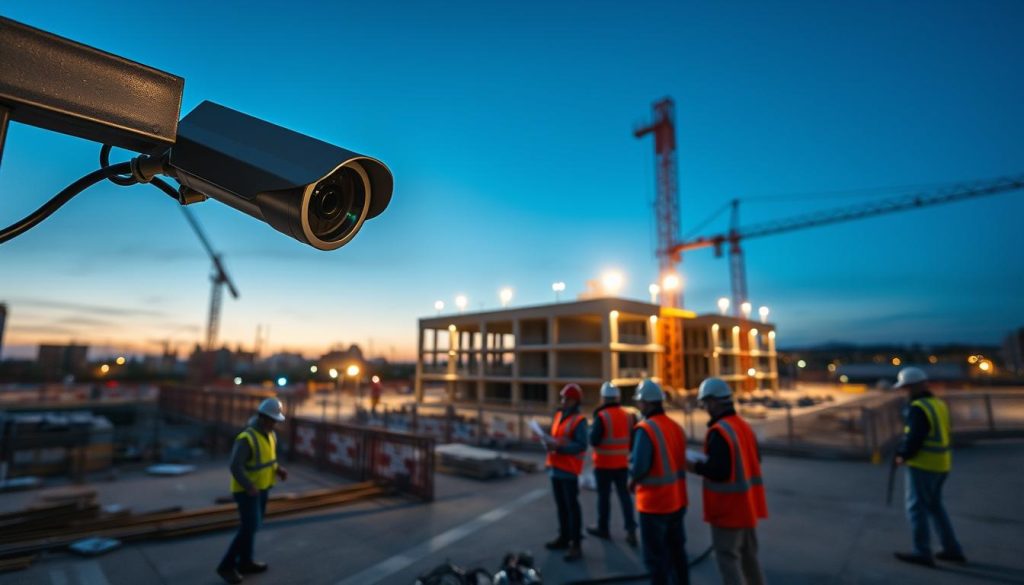
Managing a large project comes with immense responsibility. Protecting your valuable assets, materials, and equipment from theft and vandalism is a top priority. A robust surveillance system is no longer a luxury—it’s a fundamental requirement for modern operations.
Traditional barriers like fences are often insufficient against determined intruders. They also do little to monitor internal safety compliance or document incidents. Today’s projects face sophisticated risks that demand smarter, more proactive solutions.
In Singapore, this need is reinforced by regulation. The Ministry of Manpower’s Video Surveillance System (VSS) mandate makes certain security measures a legal necessity for many worksites. This adds a critical layer to your planning.
This comprehensive 2024 buyer’s guide is designed to help. We will equip project managers and safety officers with the knowledge to select and implement the most effective monitoring system. Our discussion covers evaluating risks, understanding advanced features, and navigating local rules.
Investing in a tailored surveillance setup is a strategic move. It safeguards your investment, ensures worker welfare, and helps maintain tight project timelines and budgets. The right technology turns security from a cost into a powerful asset.
Key Takeaways
- Modern projects require advanced surveillance to combat theft, vandalism, and safety issues effectively.
- Singapore’s VSS mandate by the Ministry of Manpower adds a regulatory requirement for security on many worksites.
- This guide provides a complete framework for choosing and implementing the right monitoring system in 2024.
- New technology like AI analytics, thermal imaging, and remote access creates smarter, safer environments.
- A proactive investment in security protects physical assets and supports overall project success.
Why Construction Site Security Demands More Than Just a Fence
Physical barriers alone are inadequate for the complex security needs of a dynamic worksite. A fence marks a boundary but does nothing to monitor the constant activity inside it. Modern projects require a solution that sees, records, and responds.
The Unique Vulnerabilities of a Live Job Site
A live project area is a bustling ecosystem. It is filled with valuable assets, expensive equipment, and bulk materials. This environment is inherently open and changing every day.
Personnel mobility is a major challenge. Workers, subcontractors, and visitors move in and out frequently. Complex vehicle management for deliveries and machinery adds another layer.
These constant movements create numerous access points. They present opportunities for unauthorized entry that a static fence cannot prevent. The very nature of the work makes traditional security insufficient.
From Asset Theft to Safety Compliance: The Scope of Risk
The threats extend far beyond simple theft of tools. Vandalism can cause costly damage and project delays. Perhaps more critically, safety protocol violations pose a serious risk.
Without proper oversight, liability incidents can occur. These events endanger worker welfare and can lead to major financial penalties. The scope of risk is broad and interconnected.
Data underscores the acute need for specialized protection. Project areas are 400% more likely to be targeted for theft compared to other properties. This statistic highlights the high stakes involved.
Effective security must be proactive and intelligent. It needs to move beyond physical barriers to include constant electronic surveillance. A modern system provides real-time awareness.
A comprehensive strategy uses video monitoring not just as a deterrent. It becomes a vital management and compliance tool. It helps enforce safety rules and provides clear evidence if an incident occurs.
The High Cost of Complacency: Theft & Vandalism Statistics in Singapore
Concrete numbers reveal a harsh truth: complacency in protecting worksites carries a devastating price tag for the industry. The data specific to Singapore quantifies the risk, moving it from a vague concern to a measurable line-item on every project’s balance sheet.
Understanding the Financial Impact on Project Budgets
Recent reports indicate a 25% rise in theft across local projects. This isn’t petty crime. The average annual loss now nears $500,000 per location.
This problem is pervasive. Approximately 80% of firms in this sector have experienced such incidents. When combined with vandalism, these events can consume a staggering 25% of a project’s total budget.
The collective drain is immense. Industry-wide, annual losses are estimated between $300 million and $1 billion. This directly impacts profitability and the financial health of entire companies.
How Security Incidents Delay Timelines and Inflate Costs
Theft of critical equipment or bulk materials brings work to an immediate halt. Operations cannot proceed without these essential assets. This stoppage creates a domino effect.
Managers must then source costly replacements, often at a premium for rush orders. Missed deadlines lead to contractual penalties and damage a firm’s reputation. The true expense extends far beyond the value of the stolen items.
Data shows that without robust monitoring systems, theft incidence rates can soar to 60%. This makes investment in a proper surveillance setup a direct financial imperative, not just a security one. It is a strategic move to protect timelines and control costs.
This financial reality makes the case for proactive measures clear. The next step is understanding how modern surveillance delivers value beyond simple deterrence.
Beyond Deterrence: The Multifaceted Benefits of Site Surveillance
A sophisticated video system does more than watch over assets. It actively contributes to smoother, safer, and more cost-effective project execution. The real value lies in transforming a reactive security measure into a proactive management tool.
This shift delivers a powerful return on investment. Modern setups provide advantages that touch every part of your operation.
Enhancing Operational Efficiency and Remote Management
Live surveillance feeds give managers eyes on the project from anywhere. You can verify material deliveries as they happen. Oversee subcontractor activity and monitor workflow in real-time.
This remote oversight eliminates guesswork and unnecessary site visits. Studies show it can boost operational efficiency by up to 60%. The knowledge that work is being watched also encourages productivity.
Furthermore, a robust monitoring setup can drastically cut security personnel costs. Companies report savings of up to 80% on guard expenses. This is achieved by replacing constant physical patrols with intelligent, always-on electronic surveillance.
Strengthening Safety Protocols and Worker Accountability
Video monitoring is a powerful ally for safety officers. It provides documented evidence of compliance with safety rules. Unsafe behaviors can be identified and corrected as they occur.
The simple knowledge of being observed fosters greater accountability. Workers are more likely to wear proper safety gear and follow procedures. This creates a culture of safety that reduces the risk of liability incidents.
When an event does happen, clear video evidence is invaluable. It allows for a swift and accurate review. This protects your company and helps ensure fair outcomes for all personnel.
Potential for Reduced Insurance Premiums
Insurers recognize professional surveillance as a significant risk mitigator. A verified, well-maintained system demonstrates a serious commitment to protecting assets and people.
As a result, many insurance providers offer lower premium rates for projects with such setups in place. This creates a direct financial benefit beyond loss prevention. It turns your security investment into an ongoing cost-saving measure.
The data supporting these benefits is compelling. Visible surveillance can deter up to 40% of would-be intruders. For those who proceed, it cuts actual theft incidents by 50-80% and reduces vandalism by 70%.
These numbers prove the point. A modern monitoring system is not just a cost. It is a strategic asset that pays for itself many times over.
Navigating the Rules: Singapore’s Video Surveillance System (VSS) Mandate
From June 2024, a new set of rules transforms the security landscape for major projects in Singapore. Compliance is no longer optional for large-scale operations. The Ministry of Manpower (MOM) has established a clear framework to enhance safety and accountability.
This mandate introduces specific technical and operational standards. Every project manager must understand these requirements. Failing to comply can result in penalties and invalidate your security evidence.
Mandatory VSS for Projects S$5 Million and Above: What You Need to Know
The rule is precise. Starting June 1, 2024, all projects with a contract value of S$5 million or more must install a Video Surveillance System (VSS). This is a legal requirement driven by workplace safety goals.
Its primary aim is to prevent theft, vandalism, and safety non-compliance. The mandate ensures a consistent baseline of monitoring across all major worksites. It turns video from a best practice into a fundamental duty.
This applies to new projects and existing ones that meet the value threshold. Planning your system around this date is crucial. It’s a definitive line for regulatory adherence.
Key Technical Requirements: Resolution, Frame Rate, and Data Retention
Meeting the mandate means hitting specific technical benchmarks. Your video quality must be at least HD 1080p (1920×1080 pixels). This ensures faces, license plates, and actions are clearly identifiable.
The system must also capture a minimum of 12 frames per second (fps). This frame rate provides smooth playback. It is essential for reviewing fast-moving events accurately.
Data retention rules are equally important. General footage must be stored for a minimum of 30 days. This allows for thorough incident review and operational audits.
For any reportable workplace safety and health (WSH) incident, the retention period jumps to 180 days. This extended timeline supports detailed investigations and legal processes. Your storage solution must accommodate this.
Aligning Your System with PDPA and Workplace Safety Guidelines
Your surveillance must respect privacy laws. The Personal Data Protection Act (PDPA) governs how you collect video of individuals. Compliance involves clear signage at all entry points.
Signs must notify personnel and visitors that recording is in progress. Data must be handled securely and used only for its intended safety and security purpose. This protects your company from privacy complaints.
Placement guidelines focus on high-risk zones. Cameras should cover areas like working at heights, scaffold locations, excavations, and key vehicular routes. This targeted approach directly supports safety protocol enforcement.
“A compliant system isn’t just about checking boxes. It’s about building a framework where security footage is reliable, admissible, and truly protects your people and assets.”
Professional installation is non-negotiable. Experts ensure the technical specs are met and cameras are positioned correctly. They also help with proper cable management and system integration.
This guarantees your setup serves as valid evidence if needed. It transforms your investment into a trusted component of your project’s safety and compliance strategy.
Key Features Your Construction Site CCTV Camera Must Have
The effectiveness of your surveillance setup hinges on the core technical specifications of the individual devices you choose. Think of these as the non-negotiable building blocks for a reliable system.
Compromising on these fundamentals can render your entire investment ineffective. This checklist ensures your selected units can handle the unique demands of a dynamic project zone.
High-Definition Video Quality: The Foundation for Clear Evidence
Blurry or pixelated footage is useless for identification and enforcement. High-definition clarity is paramount.
A minimum of 1080p Full HD resolution is the standard. This level of detail is crucial for recognizing faces, reading license plates, and documenting specific actions.
Clear video serves as indisputable proof in theft cases or safety reviews. It turns your monitoring network into a source of valid, regulatory-compliant evidence.
Robust Night Vision Capabilities for 24/7 Monitoring
Risks don’t disappear after sunset. In fact, many security challenges intensify during overnight hours.
Units equipped with powerful infrared (IR) illumination provide vision in total darkness. This technology allows for effective, round-the-clock observation.
Strong night vision acts as a powerful deterrent to after-hours intruders. It ensures your perimeter and valuable assets are protected every minute of the day.
Vandal and Weather Resistance (IP Ratings Explained)
The physical durability of your devices is as important as their imaging performance. They must withstand both intentional damage and harsh environmental conditions.
This is where Ingress Protection (IP) ratings come in. A code like IP66 confirms the unit is dust-tight and can withstand powerful water jets.
For maximum toughness, look for a vandal-resistant housing. Features like toughened domes prevent tampering and ensure your system keeps working through any challenge.
Prioritizing these three features together creates a resilient surveillance foundation. Your investment will deliver uninterrupted coverage and reliable performance, regardless of the time or weather.
Understanding Camera Types: From Bullet to PTZ
The landscape of surveillance technology offers a diverse array of hardware designed for specific tasks. Choosing the correct form factor is essential for meeting your unique coverage goals.
Each type addresses different operational challenges. A strategic mix creates a resilient and adaptable monitoring network.
Fixed Cameras (Bullet, Dome, Turret): Pros, Cons, and Ideal Placements
Fixed units provide constant, unwavering observation of a set field of view. They are the workhorses of any setup.
Bullet models are highly visible. Their long, cylindrical shape acts as a strong deterrent. They excel in long-range viewing across open zones like perimeter fences and parking lots.
A key drawback is their fixed direction. Once installed, you cannot adjust their aim without physical intervention.
Dome units are more discreet. Their compact design makes it hard for subjects to tell where the lens is pointing. This uncertainty can deter tampering.
Many dome housings are also vandal-resistant. They are ideal for material storage areas and indoor locations where a low profile is preferred.
Turret cameras offer a middle ground. They have a compact ball-like design that can be manually rotated during installation for perfect alignment.
This flexibility makes them versatile for both indoor and outdoor use. They are excellent for covering entry gates and worker gathering points.
PTZ (Pan-Tilt-Zoom) Cameras: Dynamic Coverage for Large Sites
For large, open projects, fixed views may not be enough. PTZ units bring dynamic oversight to your operation.
These devices can pan left and right, tilt up and down, and zoom in optically. An operator controls them remotely in real-time.
This allows one unit to monitor a vast area. It can follow suspicious activity or zoom in to capture critical details like a license plate.
PTZ technology is perfect for tracking vehicle movement or monitoring distant perimeters. It provides flexible oversight that adapts to daily needs.
The main consideration is the need for active control or pre-set patrol patterns. They are often used alongside fixed units for comprehensive coverage.
Specialized Cameras: Thermal Imaging and Fisheye Lenses
Some situations demand advanced sensing capabilities. Specialized models solve unique problems.
Thermal imaging cameras detect heat signatures, not visible light. They create a clear picture based on temperature differences.
This allows them to see in total darkness, through light fog, or smoke. They are unparalleled for detecting intruders at night when other tools fail.
Fisheye lens units take a different approach. Their ultra-wide-angle lens provides a 360-degree view from a single point.
This makes them a cost-effective solution for monitoring large interior spaces like site offices or busy entry gates. A single fisheye can eliminate blind spots.
Integrating these specialized options can address specific high-risk scenarios. They add a powerful layer to your overall strategy.
The most effective monitoring networks use a hybrid approach. Combine fixed units for constant coverage of choke points with PTZ models for flexible oversight.
Add specialized devices where unique challenges exist. This layered methodology ensures all assets and personnel are protected, day and night.
The Critical Role of Night Vision and Thermal Imaging
When the sun sets, the risks on a project don’t disappear—they evolve. Overnight hours present a unique window for unauthorized activity. Your surveillance must adapt to this challenge.
Standard units rely on ambient light. In total darkness, they become blind. Specialized technologies provide the necessary edge for continuous observation.
Two solutions dominate this space: infrared night vision and thermal imaging. Each operates on a different principle. Together, they form a powerful shield against after-hours threats.
How Infrared Illumination Works in Low-Light Conditions
Infrared (IR) night vision is the more common technology. It uses built-in LEDs that emit light invisible to the human eye. This light illuminates the scene for the camera’s sensor.
The sensor captures this reflected IR light. It produces a clear monochrome video feed. This allows for detailed observation even in pitch-black environments.
A key specification is the IR range, measured in meters. It determines how far the effective illumination reaches. A longer range is crucial for covering large yards or perimeter lines.
This technology excels at general identification within its operational distance. You can recognize faces, read labels on materials, and monitor specific entry points. It provides the evidence needed for follow-up action.
Thermal Cameras: Detecting Intruders Beyond Visible Light
Thermal imaging represents a more advanced approach. It does not rely on any light at all. Instead, it detects differences in heat radiation from objects and people.
These differences create an image based on temperature contrasts. A human body, a vehicle engine, or an electrical panel all emit distinct heat signatures. The camera visualizes these as a grayscale or colorized picture.
The advantage is profound. Thermal units can see through total darkness, light fog, smoke, and even light foliage. Camouflage is ineffective against a heat signature.
This makes them unparalleled for perimeter protection. They can detect movement at very long distances, often hundreds of meters away. Early detection is their strongest feature.
Strategic deployment combines both technologies effectively:
- Use thermal imaging for outer fences and remote compound boundaries. Its long-range detection provides the first alert.
- Deploy IR-equipped units at key entry gates and material storage yards. Here, you need clear identification for evidence.
- Consider thermal for spotting potential electrical hotspots or machinery left running. It adds a layer of safety monitoring.
This layered approach ensures no blind spots during the most vulnerable hours. Your investment in these features turns night from a risk into a secured period.
Why AI and Smart Analytics Are Game Changers
Artificial Intelligence is revolutionizing how we perceive and prevent risks in dynamic work environments. The latest shift moves security from passive recording to active, intelligent threat prevention.
Smart software now analyzes video feeds in real-time. It understands what it sees and makes instant decisions. This transforms your entire monitoring strategy.
These intelligent features offer a significant leap forward. They provide proactive protection and valuable operational insights. The technology acts as a force multiplier for your team.
Real-Time Intrusion Detection and Instant Alerts
Traditional setups only record events for later review. AI-powered analytics watch for problems as they happen. Managers can define virtual tripwires or exclusion zones on a digital map.
When an unauthorized person crosses this digital boundary, the system reacts instantly. It sends a push notification directly to a supervisor’s smartphone. This allows for immediate intervention.
This capability can boost incident detection by up to 40% compared to older, passive systems. Early warning is the key to preventing theft and vandalism before losses occur.
The software is smart enough to filter out false alarms. It ignores moving foliage or animals, focusing only on genuine human or vehicle threats. This saves your team time and resources.
People and Vehicle Counting for Access Control
Managing access to sensitive zones is a constant challenge. Smart analytics automate this critical task. They can count individuals and vehicles entering or exiting a designated area.
The system maintains a real-time log of personnel counts. If the number in a restricted zone exceeds safety limits, an alert is triggered. This helps enforce occupancy rules automatically.
This data is also a powerful tool for operational efficiency. By analyzing peak traffic times at gates, you can optimize delivery schedules and site flow. It turns security data into business intelligence.
For vehicle management, the technology can log license plates and track movement patterns. This creates an auditable trail for all entries and exits. It enhances accountability across the entire location.
Automated Monitoring of Safety Gear and Hazard Zones
Worker welfare is paramount. AI extends its watchful eye to enforce safety protocols automatically. The system can be trained to recognize mandatory personal protective equipment (PPE).
If a worker enters a designated area without a hard hat or safety vest, the software identifies the violation. It can then send an alert to the safety officer for immediate correction. This promotes a consistent culture of safety.
Similarly, digital hazard zones can be mapped around dangerous machinery or excavation sites. Unauthorized entry into these areas triggers an instant notification. This proactive monitoring helps prevent accidents before they happen.
These automated tools provide documented evidence of compliance or non-compliance. They support training programs and incident reviews with clear video data. This protects your company and your personnel.
The integration of AI and smart analytics represents the future of project management. It reduces the manual burden on security teams by filtering out noise. The focus stays on genuine risks.
This technology is a key differentiator for modern, efficient, and compliant operations. It turns your monitoring investment into a central nervous system for the entire project.
Wired vs. Wireless: Choosing Your System’s Backbone
Your project’s unique environment and timeline demand a connectivity solution that matches its specific demands and constraints. The choice between wired and wireless infrastructure is foundational. It affects everything from initial setup speed to long-term reliability.
Each approach offers distinct benefits and trade-offs. Understanding these will help you build a network that performs consistently. It ensures your investment delivers value throughout the project lifecycle.
Reliability and Power Considerations for Wired CCTV Systems
Traditional wired setups, often using Power over Ethernet (PoE), are the gold standard for stability. They provide a dedicated physical connection for both data and electricity. This eliminates concerns about signal dropouts or battery life.
These systems deliver consistent, high-bandwidth streams for multiple high-definition feeds. They are immune to the wireless interference common in busy industrial zones. This makes them ideal for permanent, high-security installations where uninterrupted monitoring is non-negotiable.
The primary challenge is the need for extensive cabling. Professional installation is required to run conduits and wires across the location. This process can be time-consuming and less flexible if units need to be relocated later.
The Flexibility and Rapid Deployment of Wireless Solutions
Wireless systems excel in scenarios where speed and adaptability are paramount. They can be deployed rapidly without the need for trenching or running cables. This is perfect for temporary projects or hard-to-wire locations.
Their key benefit is unparalleled flexibility. You can reposition units as the project evolves with minimal effort. This agility supports changing security needs over different phases of work.
Potential drawbacks must be managed. These setups can be susceptible to signal interference from other equipment. Bandwidth limitations may affect video quality if too many devices are connected.
Robust cybersecurity measures are also essential. They prevent unauthorized access to the video feed. Proper encryption and network protocols are critical for protecting your data.
Solar-Powered Options for Off-Grid and Temporary Sites
For completely off-grid or remote locations, solar-powered wireless units are a game-changer. They combine renewable energy with cellular data transmission. This creates a self-sufficient system that operates independently of local power infrastructure.
These solar-powered options drastically cut down on long-term upkeep and wiring costs. They keep recording and transmitting video continuously. Managers can watch live feeds from anywhere, ensuring oversight even in the most challenging environments.
This technology is ideal for short-term projects, rapidly changing sites, or areas lacking stable power. It provides true anywhere, anytime visibility. It turns logistical challenges into secured opportunities.
Guidance for your decision: Choose a wired PoE system for long-term, fixed installations where maximum reliability is key. Opt for wireless or solar-powered solutions for temporary projects, rapidly evolving sites, or locations where power access is a challenge. The right backbone ensures your entire surveillance network remains strong and effective.
Temporary vs. Permanent Solutions: Aligning with Project Lifecycles
Not all monitoring solutions are designed for the same timeline or operational scale. Your investment must match the project’s entire duration to be cost-effective.
A short-term contract needs a flexible approach. A multi-year development demands a robust, enduring network. Choosing correctly protects your budget and your assets.
Mobile and Towable Surveillance Units for Short-Term Projects
For projects lasting months, not years, mobile towers are the ideal choice. These are standalone units mounted on trailers or skids.
They can be towed into position and activated within hours. This provides immediate oversight without waiting for permanent wiring.
Modern mobile units often combine several powerful features. Integrated solar panels provide off-grid power for continuous operation.
Wireless data transmission sends live feeds to your command center. Powerful LED lighting illuminates the zone and acts as a strong deterrent after dark.
The flexibility is a major benefit. As the work area evolves, you can easily relocate the tower to maintain optimal coverage. This adaptability is perfect for fast-changing environments.
The impact on crime is dramatic. Deploying these visible, self-sufficient systems has been shown to cut related incidents by over 90%. They deliver powerful security without the need for digging or complex installation.
Designing a Fixed, Scalable System for Long-Term Development
For developments spanning several years, a permanent infrastructure is the smarter long-term investment. This involves designing a dedicated network from the start.
Cameras are connected via buried cables or secure conduits to a central recording facility. This wired backbone offers maximum reliability and consistent video quality.
Scalability is a core principle. The initial system should be designed to easily expand. As new phases of the project begin, you can add more units to the existing network.
This approach avoids the need for a completely new setup later. It ensures seamless coverage growth alongside the development itself.
When comparing costs, consider the total ownership picture. Temporary options have a lower upfront price and offer great flexibility.
Permanent installations require a higher initial investment. However, they typically have lower long-term operational costs and offer superior reliability for extended time periods.
The right choice depends on your full project timeline. Consult with vendors who understand both approaches. Many can provide hybrid solutions that start as mobile towers and transition into a fixed network as the project stabilizes.
This strategic planning ensures your monitoring capability always matches the phase of work. It delivers the right level of protection at every stage.
Strategic Placement: Installation Best Practices for Maximum Coverage
Selecting the right hardware is just the first step. Its strategic deployment determines real-world effectiveness. A perfect installation plan turns advanced equipment into a reliable shield.
This phase translates technology into on-the-ground strategy. It focuses on where and how to position your devices for optimal results.
Identifying High-Risk and High-Value Areas for Camera Focus
Begin with a thorough location audit. Walk the perimeter and note every vulnerability. High-risk zones demand priority coverage.
These include perimeter fences, scaffolding, and fuel storage. Also focus on excavation sites and areas where personnel work at height.
High-value zones are equally critical. Tool cribs, material laydown yards, and site offices house your most important assets. Parking lots for vehicles and equipment also need vigilant monitoring.
The goal is to create overlapping fields of view. This eliminates blind spots, especially at critical access points. Gates and vehicle entryways should have multiple angles covered.
This layered approach ensures no activity goes unseen. It provides the evidence needed for any review.
Ensuring Legal Compliance and Privacy in Camera Angles
Your oversight must respect the law. In Singapore, privacy is governed by the Personal Data Protection Act (PDPA).
About 80% of surveillance systems must follow these rules. Clear signage at all entry points is not a suggestion—it’s a mandate.
Signs notify everyone that recording is in progress. This simple step fulfills a key legal requirement. It protects your company from privacy complaints.
Angles are just as important as signs. Units should never point into neighboring private properties. Avoid capturing public areas unnecessarily.
Focus your lenses inward on your own operation. This balances powerful security with respect for individual privacy.
The Importance of Professional Installation and Cable Management
Do not underestimate this phase. Professional setup by an experienced vendor is a non-negotiable investment.
Experts ensure optimal configuration for each device. They follow the recommended mounting height of around nine feet. This provides clear views while reducing tampering risks.
Secure cable management prevents damage from weather, machinery, or intentional interference. Neat, protected wiring is a hallmark of a quality installation.
A professional does more than mount hardware. They design a system that meets the VSS mandate’s coverage rules for high-risk work zones.
This service ensures your entire setup performs as intended. It delivers the benefits you paid for, from day one.
Visible placement is a powerful psychological tool. Data suggests it can cut theft and vandalism by up to 50%. Let intruders see they are being watched.
Combine visibility with intelligent positioning. You create a deterrent that works 24 hours a day. Your project becomes a harder, less attractive target.
Remote Monitoring: Managing Your Site from Anywhere
Instant visual access to your operation transforms security from a reactive task into a proactive management function. You are no longer bound by the physical limits of the project perimeter.
Modern surveillance technology provides a command center in your pocket. It delivers real-time oversight from any location with an internet connection.
This capability is a game-changer for efficiency and response. Managers, clients, and safety officers gain a shared window into daily activities.
Clear video streams help identify issues before they escalate. This keeps projects on schedule and within budget.
Accessing Live Feeds and Recordings on Mobile Devices
Dedicated mobile apps and secure web portals put control at your fingertips. You can view live streams from specific units on a smartphone or tablet.
This allows for verification of material deliveries as they happen. You can also oversee subcontractor work in real-time.
Reviewing recorded footage is just as simple. Navigate a timeline to find a specific incident from yesterday or last week.
Some platforms even allow remote control of PTZ devices. You can pan, tilt, and zoom a lens directly from your laptop to investigate an alert.
This level of access means you are never out of the loop. It supports informed decision-making at any hour.
Centralized Management Software for Multi-Site Operations
For firms overseeing several projects, a unified view is essential. Centralized Video Management Software (VMS) provides this.
It aggregates live streams from all your locations onto a single dashboard. A security manager can watch multiple operations simultaneously.
This software streamlines oversight and incident response. It eliminates the need to log into different systems for each project.
The VMS becomes the nerve center for your entire security posture. It offers powerful tools like video analytics and smart search.
You can quickly review events across all your assets. This centralized approach saves valuable time and resources.
Integrating Alerts with Your Security Team’s Workflow
The true power of smart analytics is realized through instant notifications. When an intrusion or rule violation is detected, the system reacts.
It can send push alerts via SMS, email, or directly into a team communication app. This creates a rapid response workflow.
Your personnel receive precise information the moment a potential threat arises. They can then assess the live feed and dispatch help if needed.
This integration minimizes potential damage from theft or vandalism. It turns your monitoring network into an active partner in protection.
The goal is to stop trouble before it starts. Automated alerts make this proactive defense possible.
This technology also benefits project stakeholders directly. Off-site engineers and clients can visually verify progress without travel.
It enhances transparency and builds trust. Everyone has a clear, shared understanding of the project’s status.
Protecting this access is critical. Always use strong, unique passwords and enable two-factor authentication.
Ensure your video feeds are transmitted over encrypted connections. These cybersecurity steps guard against unauthorized viewing.
In summary, remote monitoring turns a security system into a comprehensive management tool. It provides unparalleled control and peace of mind.
You gain a 24/7 window into your most valuable assets. This transforms how you protect your investment and your people.
Integrating Security: Cameras as Part of a Holistic Safety System
The true power of modern surveillance is unlocked when it works in concert with other protective measures. A standalone video feed offers a limited view. A connected network of technologies creates a formidable, intelligent defense.
This integrated approach turns individual components into a unified force. The whole security and safety system becomes greater than the sum of its parts. It transforms reactive recording into proactive prevention.
New wireless technologies and remote monitoring platforms make this synergy possible. They allow different systems to communicate seamlessly. The result is a smarter, more responsive environment for everyone.
Connecting CCTV with Access Control and Alarm Systems
Visual verification adds a critical layer to physical access control. When a card is swiped at a gate, the linked camera automatically records the event. This provides undeniable proof of who entered or exited, and when.
This integration eliminates guesswork during incident investigations. Managers can instantly match a person’s identity with their actions on the ground. It strengthens accountability across all personnel.
Linking video with intrusion alarms is equally powerful. A triggered alarm can automatically bring up the relevant live feeds on a security screen. This allows for immediate visual assessment.
Guards can confirm a real threat or identify a false alarm caused by an animal or weather. This reduces unnecessary responses and saves valuable time and resources. The system becomes a more reliable partner.
Future integrations are expanding this ecosystem. Imagine analytics software linked with workforce management tools. It could automate attendance logging by recognizing workers at the gate.
It could also perform automated safety compliance checks. The potential to streamline operations is immense. This connected vision is the future of project management.
Using Video Data to Inform Safety Training and Incident Reviews
Recorded footage is an invaluable asset for learning and improvement. It provides unambiguous evidence for post-event analysis. This is true for a theft, a safety accident, or a near-miss.
During a review, teams can watch exactly what happened. They can identify root causes without relying on conflicting witness statements. This clarity leads to more effective corrective actions.
Video clips are also powerful training tools. Showing real examples captured on the construction site makes lessons impactful and relevant. Trainees see both safe and unsafe behaviors in their actual work environment.
“Video doesn’t lie. It shows the gap between the rule and the reality. That’s where the most powerful safety training begins.”
This practice fosters a stronger culture of safety. Personnel understand that protocols are taken seriously. They see the real-world risks and benefits of following the rules.
For managers, this data is a strategic resource. It helps refine procedures and protect valuable assets. It turns the monitoring system into a central hub for continuous improvement.
An integrated approach is the ultimate force multiplier. It protects your investment and keeps everyone safer. Your entire operation becomes more resilient and efficient.
Evaluating Total Cost: Purchase, Installation, and Operational Expenses
The true expense of a monitoring system is measured not just in dollars spent, but in losses prevented. A smart financial plan looks beyond the initial price tag. It focuses on the long-term value and protection it delivers.
Understanding the full financial commitment is crucial. This framework moves past the sticker price of hardware. It provides a transparent view of both upfront and recurring outlays.
Breaking Down the Initial Investment in Hardware and Software
Your capital expenditure, or CapEx, covers all one-time purchases. This is the foundation of your surveillance network.
Key components include the recording devices themselves. You also need network video recorders (NVRs), monitors, and cabling. Networking equipment like switches and routers are essential too.
Do not forget the video management software (VMS) licenses. These enable remote viewing and smart analytics. Professional installation labor is a significant part of this initial outlay.
A well-planned system considers future growth from the start. Budgeting for scalability avoids a complete overhaul later. You can add more units as your project expands.
Ongoing Costs: Maintenance, Storage, and Potential Subscriptions
Operational expenses, or OpEx, are the recurring costs of ownership. They keep your setup running effectively year after year.
Routine maintenance includes cleaning lenses and checking connections. Physical hard drives for local storage need periodic replacement. Cloud storage often requires a monthly or annual subscription fee.
Some vendors charge fees for advanced software features or professional monitoring services. Comprehensive warranties and service agreements help control these long-term maintenance costs. They provide peace of mind for your investment.
Combining CapEx and OpEx gives you the Total Cost of Ownership (TCO). This is the real price of protection over the system’s lifespan.
Calculating ROI Through Loss Prevention and Efficiency Gains
The return on investment, or ROI, makes the case for your spending. It quantifies how the system pays for itself.
Start by quantifying potential savings from loss prevention. Reduced theft and vandalism are major factors. As noted earlier, these losses can reach $500,000 per job site annually.
Many insurance providers offer lower premium rates for projects with verified surveillance. This creates a direct, ongoing financial benefit. Reduced security guard expenses also contribute to savings.
Gains from improved operational efficiency are powerful. Remote oversight can cut down on unnecessary managerial visits. It also streamlines workflows and material verification.
A well-planned surveillance system is an investment that pays for itself many times over. It protects the much larger financial commitment of the entire project.
To calculate your ROI, estimate your annual TCO. Then, tally your projected annual savings from all these areas. The result shows the net financial value of your security decision.
This analysis turns an expense into a strategic asset. It safeguards your assets, supports your personnel, and ensures project success.
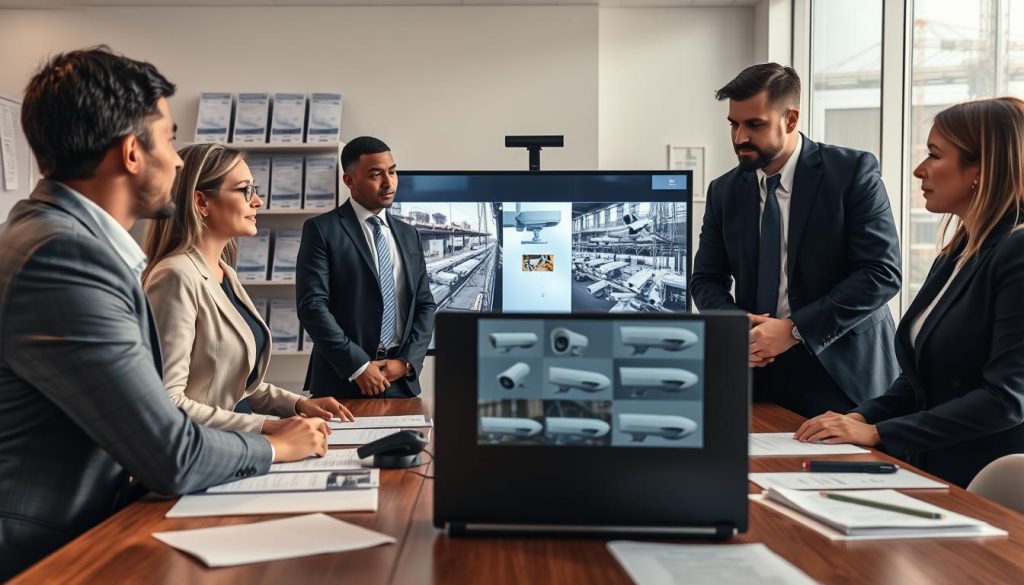
Selecting a Vendor: Key Questions to Ask Before You Buy
A powerful surveillance system is only as reliable as the company that designs, installs, and supports it. The right partner transforms technology into a trusted shield for your assets and people.
This decision requires careful due diligence. You need a provider who understands both the hardware and the unique environment of a dynamic project. Asking the right questions upfront prevents costly mistakes later.
Assessing Experience with Singapore Construction Sites and VSS Rules
Local knowledge is non-negotiable. A vendor must demonstrate direct experience with projects in Singapore. They should be fluent in the specific challenges you face.
Ask for case studies from similar local projects. Inquire about their familiarity with dust, vibration, and tropical weather conditions. These factors test the durability of any setup.
Most critically, verify their expertise with the Video Surveillance System (VSS) mandate. They must know the Ministry of Manpower’s technical rules inside and out.
A competent provider will guide you on compliant camera placement and data retention. They ensure your entire setup meets legal standards from day one.
Evaluating Post-Installation Support and Warranty Terms
The relationship begins after installation. Scrutinize the vendor’s support structure and service level agreements.
What are their guaranteed response times for troubleshooting? Is 24/7 technical assistance available? A reliable partner offers clear maintenance contracts to keep your system running smoothly.
Examine warranty terms with care. Understand exactly what is covered and for how long. Look for comprehensive coverage that includes parts and labor.
Also, ask about training for your personnel. Good vendors provide hands-on sessions for your team. This empowers your staff to manage daily monitoring tasks confidently.
Requesting Site Assessments and Scalable System Proposals
Never accept a generic quote. Insist on a professional assessment of your location. A reputable vendor will visit to understand your layout, risks, and operational flow.
This visit is the foundation of a tailored proposal. The plan should address your current needs and future growth. Look for a scalable design that can expand as your project evolves.
The proposal should outline how new units integrate seamlessly with the initial network. It should also consider connections to other systems, like access control.
Request references from past clients in the industry. Contact them to ask about the vendor’s reliability and service quality. Check for relevant industry certifications or partnerships with major manufacturers.
Choose a vendor who acts as a long-term security partner, not just an equipment seller. They should demonstrate a clear understanding of both technology and your business goals.
For detailed advice, explore resources on the best solutions for your needs. For custom VSS planning and expert guidance, you can contact specialists like ED Viston at +65 8313 4578. They offer the latest systems and services tailored to complex project environments.
This vetting process ensures your investment is protected by capable hands. It turns a purchase into a strategic partnership for a safer, more secure operation.
Building a Safer, Smarter, and More Secure Job Site
Building with confidence means integrating smart surveillance into your daily management. A modern monitoring system is a cornerstone of responsible project oversight in 2024.
Investment is driven by clear benefits. These include compliance with Singapore’s VSS mandate, dramatic reduction in financial losses from theft, and a stronger workplace safety culture. The right setup transforms security from a cost into a tool for operational excellence.
Take a holistic view. Consider the entire ecosystem—vendor partnership, professional installation, and integration with other systems. As technology advances, these tools will become even more intelligent, automating safety and security tasks.
Proactively secure your location with a tailored solution. This definitive step protects your workforce, assets, timeline, and bottom line. It builds a safer, smarter environment for all personnel.