
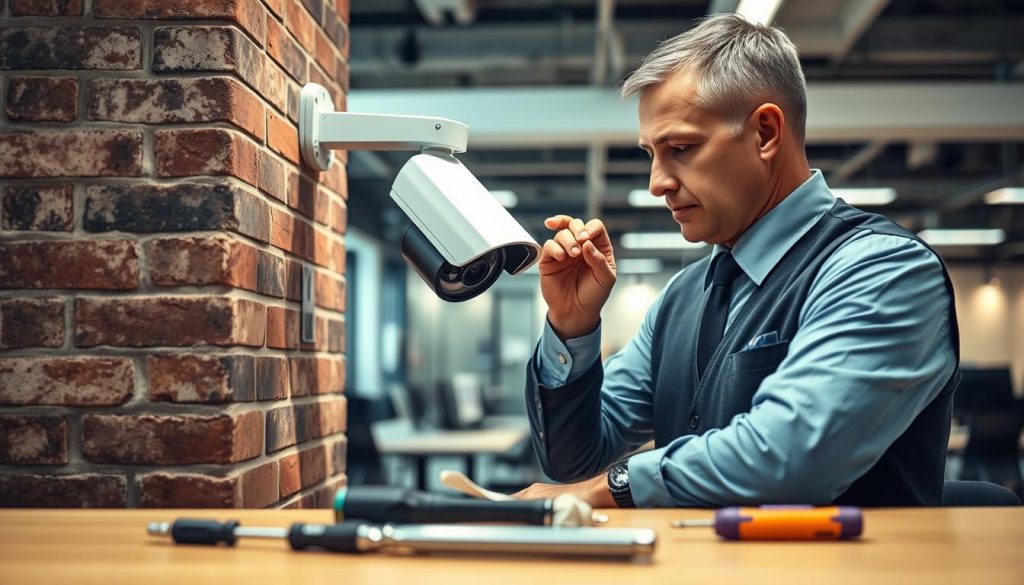
Your surveillance equipment forms the backbone of your security strategy. Like any critical system, it requires consistent attention to remain effective.
Regular upkeep ensures your cameras capture clear footage when you need it most. This becomes especially important in Singapore’s humid urban environment.
Neglecting proper care can lead to system failures and security gaps. Dust accumulation, weather exposure, and technical glitches can compromise performance.
Maintenance isn’t just about cleaning lenses. It involves system checks, software updates, and verifying recording quality. This proactive approach prevents costly repairs and extends equipment lifespan.
Following local regulations often requires documented maintenance records. Proper care ensures compliance while protecting your security investment.
Key Takeaways
- Regular maintenance keeps surveillance systems reliable and effective
- Singapore’s climate demands specific attention to camera upkeep
- Proper care prevents security vulnerabilities and system failures
- Maintenance extends equipment lifespan and protects your investment
- Both indoor and outdoor cameras have different care requirements
- Consistent upkeep ensures compliance with local regulations
- Maintenance includes physical cleaning, software updates, and system checks
Why Regular CCTV Maintenance Is Non-Negotiable for Security
Maintaining consistent operational readiness is fundamental for any security installation. A well-maintained surveillance setup provides uninterrupted protection and peace of mind. This becomes particularly crucial in Singapore’s demanding security landscape.
Proactive care prevents minor issues from escalating into major system failures. Early detection of potential problems saves significant resources and maintains security integrity. Regular checks identify vulnerabilities before they compromise your protection measures.
Preventing Costly System Failures and Repairs
Routine inspections catch developing issues long before they cause complete breakdowns. Small problems like loose connections or lens smudges can escalate into expensive repairs if ignored. Addressing these early prevents the need for emergency service calls.
The financial impact of neglect far exceeds the cost of consistent upkeep. Emergency repairs often cost three to five times more than scheduled maintenance. System downtime during critical moments can result in substantial security breaches.
Proper care extends equipment lifespan significantly. Well-maintained security systems typically last 30-50% longer than neglected installations. This represents substantial long-term savings on replacement costs.
Ensuring Compliance with Singapore Security Regulations
Singapore’s security regulations mandate specific operational standards for surveillance equipment. The Police Licensing and Regulatory Department requires documented maintenance records for commercial installations. Non-compliance can result in significant penalties and license revocation.
Regular system checks ensure footage meets evidential quality standards. Singapore courts require clear, uninterrupted video evidence for legal proceedings. Poorly maintained equipment often produces unusable footage that fails to meet these requirements.
Commercial establishments face particular scrutiny under Singapore’s security framework. Shopping malls, banks, and government facilities must demonstrate ongoing system reliability. Maintenance schedules provide the necessary documentation for regulatory compliance.
Maintaining Optimal Surveillance Performance
Consistent upkeep ensures cameras deliver clear, usable footage when needed most. Dust accumulation, weather exposure, and technical glitches degrade image quality over time. Regular cleaning and calibration maintain sharp, detailed video capture.
Systematic checks prevent blind spots and coverage gaps from developing. Camera alignment shifts gradually due to environmental factors and vibration. Scheduled adjustments ensure complete area coverage without surveillance holes.
Software updates address security vulnerabilities and improve functionality. Manufacturers regularly release patches for known issues and performance enhancements. Keeping systems current protects against cyber threats and optimizes operation.
Equipment reliability directly impacts overall security effectiveness. A single camera failure can create critical visibility gaps during security incidents. Consistent maintenance ensures all components function optimally when needed.
Understanding the Different Types of CCTV Maintenance
Security surveillance requires different maintenance approaches for optimal performance. Each method serves specific purposes in keeping your protection systems reliable. Choosing the right strategy depends on your security needs and environment.
Three primary maintenance categories exist for surveillance equipment. Preventative care focuses on proactive measures. Corrective actions address existing problems. Predictive approaches use data analytics for smart upkeep.
Preventative Maintenance: Proactive System Care
This approach involves regular inspections and component replacements. Technicians perform scheduled checks to identify potential issues early. They clean lenses, test connections, and verify recording quality.
Preventative care extends equipment lifespan significantly. It prevents unexpected system failures that compromise security. This method is typically the most cost-effective maintenance strategy.
Regular software updates form part of preventative care. These keep your surveillance technology current with security patches. System performance remains optimal through consistent preventative measures.
Corrective Maintenance: Addressing Existing Issues
This reactive approach fixes problems after they occur. Technicians address malfunctions, damage, or performance degradation. Repairs restore normal operation following system failures.
Corrective maintenance often involves higher costs than preventative care. Emergency service calls and replacement parts increase expenses. Security risks emerge during system downtime.
This method should complement rather than replace preventative strategies. While necessary for unexpected failures, it shouldn’t be the primary approach. Integrated maintenance plans minimize corrective needs.
Predictive Maintenance: Data-Driven Upkeep Approach
This advanced method uses performance metrics and analytics. System data helps anticipate maintenance needs before failures occur. Technicians analyze trends to schedule proactive care.
Predictive approaches leverage modern surveillance technology capabilities. They monitor equipment health through continuous data collection. This allows for precisely timed maintenance interventions.
Data-driven upkeep optimizes resource allocation and cost efficiency. It reduces unnecessary inspections while preventing major failures. This approach represents the future of security system care.
Each maintenance type suits different security scenarios and environments. Comprehensive surveillance care often integrates all three approaches. Proper selection ensures optimal system reliability and performance.
Do CCTV Cameras Need Maintenance? The Definitive Answer
Surveillance technology represents a critical investment in protection and peace of mind. Proper upkeep ensures this investment continues delivering value over time.
Industry experts unanimously agree that consistent care is non-negotiable. Security professionals emphasize that regular attention prevents most common system failures.
“Proactive maintenance transforms surveillance from reactive monitoring to proactive protection. It’s the difference between having eyes that see and eyes that watch.”
How Maintenance Extends Camera Lifespan and Performance
Regular cleaning prevents dust accumulation on lenses and sensors. This simple action maintains crystal-clear image capture quality.
Systematic checks identify minor issues before they become major problems. Early detection saves significant repair costs and prevents security gaps.
Software updates keep your technology current with security patches. These updates address vulnerabilities and improve overall functionality.
Well-maintained equipment typically operates 30-50% longer than neglected systems. This represents substantial long-term savings on replacement costs.
The Risks of Neglecting Your Surveillance System
Image degradation occurs gradually through dust accumulation and weather exposure. Poor video quality renders footage useless for evidence collection.
System failures often happen at critical moments during security incidents. These failures create dangerous visibility gaps when protection matters most.
Financial consequences of neglect far exceed regular upkeep costs. Emergency repairs typically cost three to five times more than scheduled maintenance.
Legal compliance issues arise from poorly maintained equipment. Singapore regulations require clear, uninterrupted video evidence for legal proceedings.
Security vulnerabilities develop through outdated software and damaged components. These weaknesses can compromise your entire protection strategy.
Essential CCTV Maintenance Checklist for Optimal Performance
A systematic approach to surveillance upkeep ensures your protection system remains reliable. Following a structured checklist prevents oversights that could compromise security. This organized method covers all critical components requiring attention.
Camera Lens Cleaning and Inspection
Clear vision depends on pristine optical components. Use a microfiber cloth with lens cleaning solution for best results. Avoid abrasive materials that could scratch delicate surfaces.
Monthly inspections identify dust accumulation and moisture issues. Check for physical damage like cracks or chips that affect performance. Proper care maintains excellent image quality for security purposes.
Outdoor units require additional housing inspections in Singapore’s climate. Look for weather-related wear and seal integrity. Address any discovered issues promptly to prevent further damage.
Wiring and Connection Integrity Checks
Bimonthly verification of all cables and connectors prevents signal loss. Loose connections often cause intermittent failures in surveillance systems. Secure all terminations and replace damaged wiring immediately.
Check for rodent damage or environmental wear on exposed cables. Test voltage levels at power supplies to ensure proper operation. These simple checks prevent most common electrical problems.
Storage System Health Assessment
Quarterly evaluations of recording equipment ensure data integrity. Verify adequate storage capacity for your retention requirements. Test backup systems and redundancy features regularly.
Monitor recording quality and playback functionality during these checks. Ensure timestamps remain accurate and metadata records properly. Professional maintenance services can perform comprehensive diagnostics.
Software and Firmware Updates
Regular updates address security vulnerabilities and improve functionality. Schedule these updates during low-activity periods to minimize disruption. Always backup configurations before applying changes.
Keep track of manufacturer release notes for important patches. Test new features after installation to ensure proper operation. Current software maintains optimal performance and protection against threats.
Annual professional diagnostics identify hidden issues before they escalate. Experts use specialized tools to assess overall system health. This comprehensive approach extends equipment lifespan significantly.
Common CCTV Maintenance Issues and How to Address Them
Technical difficulties inevitably arise in security monitoring systems, demanding practical resolution strategies. Understanding these common challenges helps maintain optimal surveillance performance. Proactive identification and correction prevent minor issues from escalating.
Solving Camera Lens Problems and Image Quality Issues
Blurry or distorted video often results from dirty or misaligned optical components. Environmental factors like dust accumulation significantly impact capture clarity. Regular cleaning maintains optimal performance.
Use microfiber cloths with specialized lens solution for cleaning. Avoid abrasive materials that could scratch delicate surfaces. Gentle circular motions remove debris without causing damage.
Check alignment monthly to ensure proper field coverage. Even slight shifts can create blind spots in your surveillance area. Precise positioning guarantees complete monitoring coverage.
Address condensation issues promptly in humid environments. Moisture buildup inside housings degrades image quality quickly. Proper sealing prevents internal fogging problems.
Fixing Wiring and Connectivity Challenges
Signal loss frequently stems from damaged cables or loose terminations. These connection problems cause intermittent video feed disruptions. Systematic inspection identifies vulnerable points.
Check all wiring connections bimonthly for security. Tighten loose terminals and replace frayed cables immediately. Secure routing prevents environmental damage over time.
Test voltage levels at power supply units regularly. Inconsistent power delivery causes equipment malfunctions. Stable electrical supply ensures reliable operation.
Look for rodent damage or weather-related wear. Outdoor installations face additional environmental challenges. Protective conduits shield vulnerable wiring systems.
Managing Storage Capacity and Recording Problems
Insufficient storage space prevents continuous recording functionality. This creates gaps in surveillance coverage during critical periods. Proper capacity planning avoids these limitations.
Implement automated overwrite protocols for efficiency. This ensures oldest footage gets replaced when space fills. Critical evidence remains accessible when needed.
Schedule regular storage health assessments quarterly. Verify recording quality and playback functionality during checks. System backups prevent total data loss situations.
Upgrade storage solutions before reaching capacity limits. Progressive expansion accommodates growing surveillance needs. Adequate space guarantees uninterrupted recording capability.
Preventive measures significantly reduce common system problems. Regular cleaning, connection verification, and storage management form essential routines. These practices maintain optimal surveillance performance.
Complex technical issues often require professional assistance. Electrical problems, network configuration, and software integration need expert attention. Certified technicians resolve advanced system challenges effectively.
Creating an Effective CCTV Maintenance Schedule
Structured upkeep routines transform security monitoring from reactive to proactive protection. A well-planned calendar ensures your surveillance investment delivers consistent performance. This approach prevents unexpected failures while optimizing equipment lifespan.
Different environments demand varying attention frequencies. Singapore’s urban setting requires specific scheduling considerations. Humidity, pollution, and weather patterns affect maintenance timing.
Weekly Maintenance Tasks for Continuous Monitoring
Weekly checks maintain optimal surveillance operation between deeper cleanings. These quick verifications catch developing issues early. They require minimal time but deliver significant security benefits.
Test motion detection settings every seven days. Ensure alerts trigger appropriately without false positives. Adjust sensitivity based on environmental changes.
Review system logs for error messages or unusual activity. Note any pattern changes that might indicate developing problems. Address minor glitches before they escalate.
Verify camera angles haven’t shifted due to vibration or weather. Even slight movements can create blind spots. Precise positioning guarantees complete coverage.
Check recording continuity and storage capacity weekly. Ensure no gaps exist in video capture. Manage space to prevent automatic deletion of critical footage.
Monthly Cleaning and Inspection Routines
Monthly attention maintains crystal-clear image quality and system reliability. These comprehensive checks address accumulated environmental effects. They form the core of preventative care strategies.
Clean all lenses using specialized solutions and microfiber cloths. Remove dust, smudges, and debris affecting video clarity. Gentle circular motions prevent surface damage.
Inspect cables and connections for wear or looseness. Singapore’s humidity accelerates corrosion on metal components. Secure connections prevent signal loss issues.
Apply firmware updates during low-activity periods. These improvements address security vulnerabilities and enhance functionality. Always backup configurations before updating.
Test housing seals on outdoor units monthly. Singapore’s frequent rainfall demands perfect waterproof integrity. Replace damaged seals immediately.
Verify night vision functionality and infrared performance. These features require regular calibration for optimal operation. Test during actual low-light conditions.
Annual Professional Service Requirements
Annual comprehensive audits by certified technicians identify hidden problems. These experts use specialized diagnostic equipment beyond consumer capabilities. Their detailed assessment extends system lifespan significantly.
Professional storage reviews optimize data management strategies. Experts analyze retention needs and backup protocols. They recommend upgrades before capacity becomes problematic.
Hardware evaluations determine component wear and replacement timing. Technicians assess power supplies, processors, and recording equipment. This prevents unexpected failures during critical periods.
Software audits ensure compliance with current security standards. Professionals verify integration with other security systems and networks. They implement advanced protection against cyber threats.
Environmental testing checks equipment resilience to Singapore’s climate conditions. Technicians verify humidity resistance and temperature tolerance. They recommend protective measures for harsh conditions.
Maintenance frequency varies significantly by environment and usage. Indoor residential systems typically require biannual professional attention. Outdoor commercial installations need quarterly expert checks due to exposure elements.
Create a maintenance calendar using digital reminders or physical logs. Track completed tasks and upcoming requirements. Consistent documentation helps warranty claims and compliance verification.
Adherence to scheduled upkeep ensures uninterrupted protection. Missed appointments create vulnerability windows that compromise security. Regular care represents the most cost-effective approach to surveillance management.
CCTV Maintenance Best Practices for Singapore Environments
Singapore’s unique climate demands specialized approaches to surveillance system upkeep. The tropical environment presents specific challenges that require tailored solutions.
Urban settings with high humidity and pollution levels need particular attention. Proper techniques ensure your security investment remains effective year-round.
Adapting Maintenance for Singapore’s Climate Conditions
High humidity accelerates corrosion on metal components and electrical connections. Monthly inspections help identify early signs of moisture damage.
Use silica gel packs inside outdoor housing units to control internal humidity. These absorb excess moisture that could fog lenses or damage circuitry.
Coastal properties face additional challenges from salt-laden air. Salt accelerates corrosion and requires more frequent cleaning schedules.
Install protective coatings on metal surfaces to prevent rust formation. Stainless steel components offer better resistance to Singapore’s humid conditions.
Regular Cleaning Protocols for Urban Environments
Urban pollution creates a fine layer of grime on camera lenses and housings. This buildup significantly reduces image quality over time.
Clean lenses weekly using specialized anti-static solutions. These prevent dust from clinging to surfaces between cleanings.
Microfiber cloths remove debris without scratching delicate optical surfaces. Gentle circular motions ensure thorough cleaning without damage.
Housing exteriors need monthly washing with mild detergent solutions. This removes accumulated pollution that could affect thermal management.
Equipment Inspection Techniques for High-Humidity Areas
Check weather seals during every maintenance session for proper integrity. Damaged seals allow moisture ingress that causes internal damage.
Infrared thermography helps identify overheating components before failure. Elevated temperatures often indicate developing humidity-related issues.
Test electrical insulation resistance quarterly using megohmmeters. This detects moisture penetration in wiring systems before shorts occur.
Monitor lens assemblies for fungal growth in constantly humid conditions. Specialized UV protection coatings prevent organic growth on optical surfaces.
Seasonal adjustments account for monsoon periods and dry spells. Increase inspection frequency during rainy seasons when moisture risks peak.
Implement humidity monitoring sensors near critical equipment. These provide early warnings when environmental conditions exceed safe levels.
Choose climate-appropriate products designed for tropical environments. Weatherproof ratings should exceed Singapore’s maximum rainfall and humidity levels.
The Significant Benefits of Regular CCTV System Inspections
Consistent professional evaluations transform your security investment into reliable protection. These scheduled assessments catch potential problems before they impact your safety measures.
Well-executed inspections maintain optimal operation throughout your surveillance network. They ensure every component functions as intended when needed most.
Enhanced Security Through Reliable Surveillance
Regular professional assessments prevent unexpected equipment failures. They identify developing issues that could compromise your protection coverage.
Technicians verify all cameras capture clear footage without blind spots. They ensure motion detection and recording functions operate correctly.
These checks maintain continuous monitoring during critical security periods. They prevent gaps that could leave your property vulnerable.
Extended Equipment Lifespan and Reduced Replacement Costs
Professional care significantly increases your system’s operational duration. Well-maintained components typically last years longer than neglected equipment.
Early problem detection prevents minor issues from becoming major repairs. This approach saves substantial money on replacement parts and service calls.
Preventative attention costs far less than emergency fixes. It represents the most economical approach to long-term security management.
Improved Image Quality and System Performance
Consistent cleaning maintains crystal-clear video capture quality. Technicians remove dust, smudges, and debris affecting visual clarity.
Regular calibration ensures optimal camera positioning and focus. This maintains detailed evidence quality for security purposes.
Software updates during inspections improve functionality and security. They address vulnerabilities while enhancing overall system operation.
Performance optimization through professional care ensures reliable monitoring. It maintains your investment’s value and effectiveness over time.
Property owners gain peace of mind knowing their protection remains operational. Security managers appreciate the reliability of well-maintained surveillance networks.
Legal compliance becomes straightforward with properly functioning equipment. Clear footage meets evidential standards for Singapore regulations.
Operational efficiency improves through consistent professional attention. Systems function optimally with minimal interruptions or adjustments.
Choosing the Right Professional CCTV Maintenance Provider in Singapore
Selecting a qualified service partner ensures your protection setup remains reliable and compliant. The right team understands both technical requirements and local regulations.
Expert providers deliver consistent results through systematic attention and rapid response capabilities. They become an extension of your security strategy.

Key Qualifications to Look for in Service Providers
Verify technical certifications from recognized security organizations. These credentials demonstrate proper training and expertise.
Seek teams with manufacturer-specific certifications for your equipment. This ensures they understand unique system requirements.
Check for business licenses and insurance coverage. Proper documentation protects both parties during service visits.
Evaluate team experience with systems similar to yours. Ask for case studies or project examples.
Technical expertise should cover both hardware and software aspects. Providers must handle physical checks and digital updates.
Understanding Local Singapore Security Requirements
Singapore’s security landscape has specific regulatory demands. Providers must know Police Licensing and Regulatory Department standards.
They should understand evidence quality requirements for legal proceedings. Footage must meet court-admissible standards.
Commercial installations have different compliance needs than residential ones. Shopping malls and offices face stricter scrutiny.
Look for providers familiar with Singapore’s climate challenges. They should offer solutions for humidity and urban pollution.
Evaluating Emergency Support and Response Capabilities
Emergency response times matter during critical system failures. Ask about guaranteed response windows for urgent issues.
Check availability outside normal business hours. Security problems don’t always happen during office times.
Verify backup technician availability for continuous coverage. Teams shouldn’t rely on single experts.
Ask about remote diagnostic capabilities for quick problem assessment. Some issues can be resolved without physical visits.
Service agreements should clearly outline emergency response procedures. Understand escalation paths for urgent situations.
Reputation matters when selecting maintenance partners. Client references provide real-world performance insights.
Request references from similar installations in Singapore. Local experience demonstrates climate adaptation capabilities.
Online reviews offer additional perspective on service quality. Look for consistent positive feedback across platforms.
Custom maintenance plans address unique security needs. Avoid one-size-fits-all approaches that might miss important elements.
Providers should assess your specific environment and usage patterns. Tailored schedules ensure optimal attention frequency.
Cost structures vary based on system complexity and service levels. Residential setups might cost $50-200 annually per unit.
Commercial installations often range from $1000-5000 yearly. These cover more frequent checks and complex equipment.
Service contracts should detail all included services and response times. Clear terms prevent misunderstandings later.
Ongoing relationship management ensures consistent service quality. Regular communication keeps your system optimized.
Implementing Your CCTV Maintenance Strategy for Long-Term Security
Establishing a sustainable upkeep routine transforms your surveillance from reactive monitoring to proactive protection. This approach ensures continuous reliability for your security investment.
Create a comprehensive schedule balancing DIY tasks and professional services. Proper budgeting prevents unexpected costs while maintaining system performance.
Document all activities thoroughly for compliance and tracking purposes. Regular evaluations identify improvement opportunities in your maintenance program.
Train staff for basic cleaning and monitoring tasks. This distributed responsibility enhances overall security management effectiveness.
Consistent attention extends equipment life and prevents costly failures. Your sustained effort guarantees clear footage when it matters most.
Integrate these practices into your overall security strategy for complete protection. Long-term reliability depends on this committed approach to system care.