
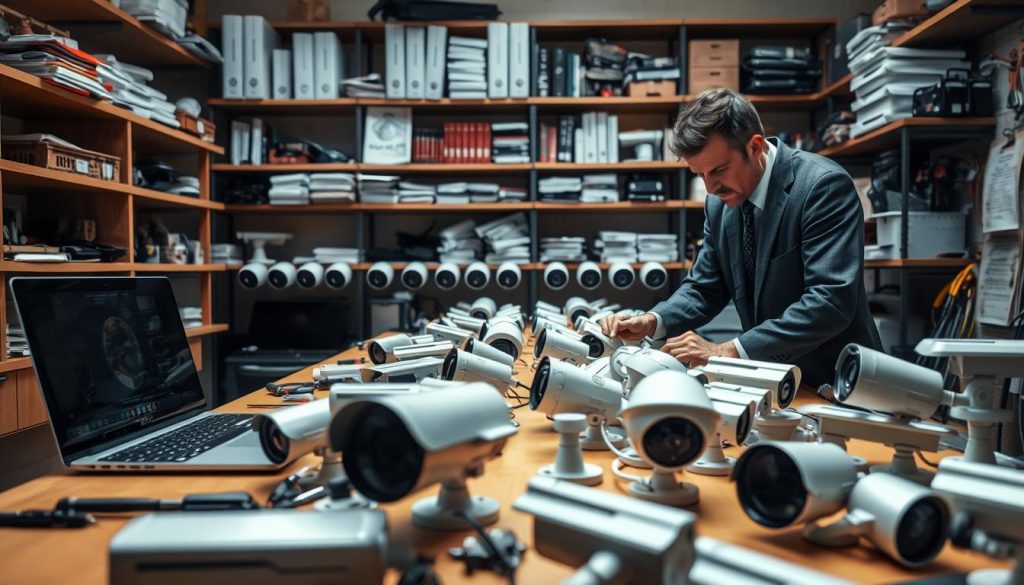
Many property owners rely on surveillance systems for protection. A common question arises about their upkeep. Is regular servicing truly required for reliable performance?
In Singapore’s unique environment, the answer is a definitive yes. The local climate, with high humidity and heat, poses significant challenges to electronic equipment. Consistent upkeep is not a luxury but a necessity for any serious security setup.
Research supports this view. Studies indicate that a regular servicing schedule can lower equipment failure rates by as much as 30%. This directly translates to a longer operational life for your investment.
This guide provides a complete overview of surveillance system care. We’ll explore why it matters, what it involves, and how to schedule it effectively. Understanding these principles ensures your protection measures work as intended.
Proper care enhances reliability and extends the service life of your components. It’s a smart financial move that safeguards your property. Neglecting this responsibility can have serious consequences.
Malfunctioning units, coverage gaps, and corrupted recordings are all potential results. These failures often happen at the worst possible moments. A structured approach to system health prevents these scenarios.
We’ll examine different types of care routines, from basic visual checks to advanced professional services. You’ll learn about common problems and how to address them. This knowledge provides confidence that your security measures will function during critical events.
For readers in Singapore, we address specific local factors. These include environmental conditions and compliance with regional regulations. Our advice is practical, straightforward, and immediately applicable.
Key Takeaways
- Regular upkeep is essential for reliable performance, especially in challenging environments like Singapore.
- Consistent servicing can reduce equipment failure rates by up to 30%, according to industry studies.
- Proper care extends the operational lifespan of your security investment.
- Neglecting this responsibility can lead to malfunctions, blind spots, and failed recordings.
- A structured approach to system health provides peace of mind during critical security events.
- This guide covers basic visual checks, advanced professional services, and common problem solutions.
- Practical advice is tailored to address Singapore’s specific climate and regulatory landscape.
Do CCTV Cameras Need Maintenance? The Critical Answer
Systematic care transforms electronic monitoring from a static installation into a dynamic defense. The unequivocal response is yes—consistent upkeep is non-negotiable for proper function. Without it, even the most advanced setup becomes unreliable.
This commitment to regular maintenance ensures your protection measures remain active and effective. It’s the difference between having a visual record and possessing usable evidence. Proactive servicing addresses issues before they compromise your safety.
Why Neglecting Upkeep is a Security Risk
Overlooking routine care creates dangerous vulnerabilities in your protection network. Components degrade, connections weaken, and lenses accumulate grime. These small failures collectively produce significant coverage gaps.
Blind spots emerge where surveillance should be continuous. Malfunctioning units fail to record critical events. Criminals actively seek and exploit these weaknesses in security systems.
Poor image quality presents another serious hazard. Blurry footage cannot identify faces or capture license plates clearly. This renders video useless for investigations or legal proceedings.
Many insurance policies and local regulations mandate functional recording equipment. Non-compliance due to neglected upkeep could invalidate claims. It might also breach statutory requirements for business operations.
The Direct Link Between Maintenance and Performance
Servicing frequency directly impacts operational metrics like uptime and reliability. More consistent care correlates with fewer unexpected failures. Data from Singapore highlights this connection starkly.
A local study found 83% of surveillance equipment failures stemmed from inadequate routine maintenance.
This statistic underscores how preventable most breakdowns truly are. Gradual degradation of video quality often goes unnoticed until crucial moments. Regular checks catch fading clarity before it becomes a crisis.
Effective upkeep optimizes the entire protection network’s performance. It’s not merely about fixing broken parts. True servicing involves calibration, updates, and preventive measures.
Consistent care safeguards your financial investment in security infrastructure. It prevents catastrophic failures that require complete replacements. The “if it’s not broken, don’t fix it” approach fails for monitoring systems.
Proactive strategies identify wear patterns and address them early. This includes cleaning lenses, testing cables, and verifying storage integrity. Each action contributes to sustained operational excellence.
Your surveillance apparatus should deliver clear, reliable footage around the clock. Achieving this demands a structured approach to equipment health. The payoff is confidence during security-critical events.
The Undeniable Importance of Regular CCTV Maintenance
Continuous protection demands more than just installation—it requires dedicated, regular servicing. This ongoing attention transforms a simple recording setup into an active, reliable security tool. Consistent upkeep ensures your monitoring investment performs when it matters most.
Enhancing Surveillance Reliability and Image Quality
Well-maintained surveillance systems experience 50% fewer operational issues than neglected ones. This statistic highlights the dramatic impact of proper care on overall reliability. Clean camera lenses are fundamental to clear image quality.
Dust, dirt, and environmental grime accumulate on exterior surfaces over time. Regular cleaning removes these obstructions for sharper video. Proper alignment during inspections ensures complete coverage without blind spots.
Software updates improve image processing and motion detection algorithms. These enhancements directly boost performance and recording accuracy. Reliable footage from maintained equipment holds greater value in legal contexts.
Clear images can identify faces and capture license plates effectively. This evidentiary strength is crucial for investigations and insurance claims. System checks verify all connections and cables remain secure.
Prolonging Your Security Equipment’s Lifespan
Proper maintenance can extend equipment lifespan by several years. This delays costly system replacements and major upgrades. Components last longer when protected from gradual wear and environmental stress.
Singapore’s tropical climate presents unique challenges for electronic gear. High humidity accelerates corrosion on metal contacts and connectors. Consistent cleaning and inspection combat these climate effects.
Many manufacturers require proof of regular servicing to maintain warranty coverage. This relationship makes camera maintenance both practical and financially protective.
Heat exposure can degrade internal components over time. Regular care monitors for early signs of heat-related damage. Proactive measures preserve your security investment for the long term.
Reducing Long-Term Costs and Emergency Repairs
Emergency repairs typically cost three to five times more than scheduled service visits. This financial reality makes proactive care a smart economic decision. Regular inspections identify minor issues before they escalate.
A loose cable or slightly misaligned lens represents a simple fix during routine checks. Left unaddressed, these small problems can cause complete system failures. The cost difference between prevention and reaction is substantial.
This approach lowers the total cost of ownership for your security setup. You avoid unexpected expenses that strain operational budgets. The return on investment includes both financial savings and enhanced protection.
Reliable surveillance prevents losses from security breaches and theft. Maintained equipment provides continuous monitoring without gaps. This comprehensive protection delivers peace of mind alongside tangible savings.
Understanding the Three Core Types of CCTV Maintenance
Not all upkeep is the same. Different approaches serve distinct purposes for your surveillance system. Knowing these methods helps you create an effective care plan.
Three primary philosophies exist: preventative, corrective, and predictive. Each one addresses equipment health from a different angle. Combining them creates a robust defense for your property.
Preventative Maintenance: Your First Line of Defense
This approach is proactive and scheduled. It involves regular checks and part replacements before issues occur. The goal is to stop problems from ever happening.
Common activities include cleaning camera lenses and inspecting cables. Verifying recording functions and applying software updates are also key. These actions preserve image quality and system reliability.
For example, a quarterly schedule might involve wiping lens surfaces to remove dust. It also includes checking all connections for signs of wear. This routine is cost-effective and minimizes disruption.
Most installations in Singapore benefit greatly from this model. The humid climate makes regular cleaning essential. It offers the best value by avoiding costly emergency calls.
Corrective Maintenance: Reacting to System Failures
This method is reactive. It addresses problems after a component fails or performance drops. Think of it as repair work for broken equipment.
A common example is replacing a security camera that has stopped transmitting video. Fixing a corrupted hard drive that lost footage is another. This work is often urgent and disruptive.
Corrective actions are typically 3-5 times more expensive than scheduled preventative visits. This reactive model also creates security gaps while repairs are underway.
While sometimes unavoidable, relying solely on this approach is risky. It turns your security into a gamble. A robust plan uses corrective work only for unexpected failures.
Predictive Maintenance: The Data-Driven Approach
This advanced strategy uses analytics to forecast needs. It monitors system data to predict when servicing will be required. This optimizes resource allocation and timing.
Software might analyze image clarity trends or power draw fluctuations. It alerts you when a lens is likely to need cleaning or a power supply might fail. This moves care from a schedule to a need basis.
It represents the future of surveillance care, especially for large setups. Combining data with preventative checks creates a powerful hybrid model. You address issues just before they impact operation.
Choosing the right mix depends on your environment:
- Residential: Primarily preventative with self-checks. Quarterly lens cleaning and annual professional reviews work well.
- Commercial: Blend preventative schedules with predictive monitoring for critical areas. Monthly internal checks are wise.
- Industrial: A strong combination of all three types is ideal. Data-driven predictive alerts guide intensive preventative routines.
Implementing these strategies starts with a simple audit. List all security cameras and note their last servicing date. Create a calendar for basic preventative tasks like visual inspections.
For most, partnering with a professional provider ensures consistent upkeep. They bring the tools and expertise for deep system health assessments. This protects your investment and your peace of mind.
Your Comprehensive CCTV Maintenance Checklist
A practical checklist transforms routine upkeep from guesswork into a structured process. This organized approach ensures no critical component gets overlooked during inspections. Follow this guide to verify your entire protection network remains operational.
Industry data reveals specific priorities for effective system care. Power supply problems cause 72% of unexpected downtime episodes. Physical wiring damage accounts for 65% of repair costs in Singapore.
These statistics highlight where to focus your verification efforts. Regular assessments prevent minor issues from becoming major failures. A thorough review covers visual, technical, and environmental factors.
Visual and Physical Inspection Points
Begin with a hands-on examination of all physical components. Look for visible signs of wear, damage, or obstruction. This first step identifies problems you can see with your eyes.
Check each security camera housing for cracks or corrosion. Ensure mounting brackets remain tight and properly aligned. Remove any spider webs, leaves, or other debris blocking the lens.
Test movable units for smooth pan, tilt, and zoom functions. Verify infrared LEDs work correctly in low-light conditions. Inspect enclosure seals against Singapore’s high humidity.
Examine all cables and connections for fraying or looseness. Look for chew marks from pests that could compromise wiring. Confirm conduit and junction boxes are securely closed.
System Performance and Software Checks
Next, evaluate the technical operation of your monitoring setup. This ensures recorded video serves its intended purpose. Performance verification happens both locally and remotely.
Review sample footage from each unit to assess image quality. Check for focus problems, color distortion, or motion blur. Test the recording function by triggering motion in monitored areas.
Verify you can access the live feed and archives from remote devices. Update all firmware to the latest stable versions available. Apply security patches to protect against digital threats.
Back up your system configuration before making any software changes. This simple step prevents hours of reconfiguration if updates cause issues.
Check user permissions and authentication settings regularly. Ensure motion detection zones are still accurately calibrated. Review alert notifications to confirm they reach the right people.
Environmental and Storage Assessments
The surrounding conditions significantly impact equipment longevity. Singapore’s climate demands particular attention to environmental factors. Storage management ensures you retain crucial evidence.
Evaluate each unit’s exposure to direct sunlight and rain. Check for pest nests or insect buildup inside housings. Assess whether lighting conditions have changed around monitored locations.
Monitor storage capacity to prevent overwriting important recordings. Test backup systems and cloud synchronization functions. Verify retention settings match your legal and security requirements.
Clean camera lenses gently with appropriate microfiber cloths. Remove dust and dirt from vents to prevent overheating. Wipe down housings to maintain professional appearance.
Frequency Recommendations for Singapore
Adapt your schedule to local environmental challenges. The tropical climate accelerates wear on electronic components. These timelines balance thoroughness with practical effort.
- Weekly: Quick visual scan for obvious obstructions or damage.
- Monthly: Basic cleaning of lens surfaces and housing exteriors.
- Quarterly: Full checklist completion as outlined above.
- Bi-Annually: Professional servicing for deep technical analysis.
Troubleshooting Common Issues
When problems appear during your checklist review, act promptly. Many issues have straightforward solutions you can implement immediately.
For blurry images, first clean the lens thoroughly. Check focus settings in the camera configuration menu. Ensure no condensation has formed inside the housing.
If a unit loses power, verify all connections are secure. Test the power supply with a multimeter if available. Look for tripped circuit breakers in your electrical panel.
When recording stops, check available storage space immediately. Review motion detection settings that might have changed. Verify the system clock maintains correct date and time.
DIY vs. Professional Service Options
Many checklist items suit confident property owners performing self-checks. Basic visual inspections and lens cleaning require minimal technical skill. Regular attention between professional visits maximizes value.
Complex technical issues benefit from expert intervention. Signal analysis, advanced calibration, and electrical diagnostics need specialized tools. Professional camera maintenance providers bring experience with various systems.
Consider engaging a certified technician twice yearly in Singapore. This frequency addresses climate-specific challenges effectively. They perform deep system health assessments beyond basic checklists.
A hybrid approach often works best for comprehensive protection. You handle routine visual and basic performance checks. Professionals tackle advanced diagnostics and preventive replacements.
This structured verification process delivers reliable security monitoring year-round. Consistent implementation prevents unexpected failures during critical moments. Your property remains protected through all conditions.
How Different CCTV Systems Impact Maintenance Needs
The technology behind your surveillance setup directly influences its care requirements. Various monitoring designs demand specific servicing approaches for optimal performance. Understanding these differences helps you create an effective upkeep plan.
Your choice between wired and wireless configurations changes routine tasks. Similarly, analog versus IP-based technologies present distinct technical challenges. Each architecture has unique vulnerabilities that require targeted attention.
This knowledge empowers you to prevent common failures before they occur. It also helps you budget accurately for long-term care costs. Let’s explore how connection types and technologies shape your maintenance schedule.
Wired vs. Wireless CCTV: Connection Considerations
Wired surveillance systems offer stable, reliable connections through physical cables. This reliability comes with specific upkeep demands focused on infrastructure integrity. Regular inspections are crucial for maintaining consistent operation.
For wired setups, check all cables and connections quarterly. Look for fraying, corrosion, or pest damage along conduit paths. Test each connection point to ensure signal strength remains optimal.
Conduit inspections prevent moisture ingress in Singapore’s humid climate. Secure mounting brackets withstand seasonal weather changes. These physical checks form the foundation of wired system care.
Wireless security cameras eliminate physical cable concerns but introduce new considerations. Battery-powered units require scheduled replacement every six to twelve months. Signal strength optimization needs monthly verification.
Interference management is critical for wireless performance. Check for new Wi-Fi networks or electronic devices in monitored areas. Reposition access points if signal quality drops below reliable levels.
Regular firmware updates improve wireless stability and security. Test remote access functions to confirm proper operation. These tasks ensure your wireless network delivers clear footage when needed.
IP-Based and Analog Systems: Tech-Specific Upkeep
IP-based surveillance represents modern digital monitoring technology. These systems require network-focused maintenance beyond physical component checks. Cybersecurity measures protect your footage from unauthorized access.
Monthly software updates address vulnerabilities and improve features. Bandwidth management prevents network congestion during peak recording times. Review user permissions and authentication settings quarterly.
Remote access testing confirms you can view feeds from any location. Storage configuration checks ensure adequate capacity for retention periods. These technical tasks maintain digital system integrity.
Analog systems operate on older but proven coaxial cable technology. Their upkeep focuses on signal quality preservation and physical component health. Simpler technology doesn’t mean neglect is acceptable.
Monitor for signal degradation through regular video quality assessments. Check DVR functionality including recording schedules and overwrite settings. Inspect coaxial cables for damage or connection looseness.
Clean lens surfaces on analog cameras to maintain image clarity. Verify power supplies provide consistent voltage to all units. These actions keep traditional systems functioning reliably.
Comparative Maintenance Schedules
Different technologies benefit from tailored servicing frequencies. This schedule accounts for their unique operational characteristics and failure points.
- Wired Systems: Quarterly cable inspections, annual conduit checks, monthly connection testing
- Wireless Systems: Monthly signal checks, bi-annual battery replacements, quarterly interference scans
- IP-Based Systems: Monthly software updates, quarterly network tests, annual security audits
- Analog Systems: Monthly image quality reviews, quarterly cable inspections, bi-annual DVR maintenance
Hybrid Systems and Integrated Approaches
Many modern installations combine different technologies for comprehensive coverage. Hybrid systems require integrated maintenance that addresses all components. Create a unified schedule that covers each technology’s specific needs.
Document all equipment types and their locations clearly. Assign maintenance tasks based on each component’s technology. This organized approach prevents oversight of any system part.
Professional servicing providers excel at managing complex hybrid setups. Their expertise covers the full range of surveillance technologies. Consider engaging them for systems combining multiple connection types.
Identifying Your System Type
Unsure about your surveillance technology? Several methods help determine your setup for proper care planning.
Check model numbers on camera housings and recording equipment. Research these identifiers online for technical specifications. Manufacturer documentation provides detailed system information.
Examine connection types at cameras and recording devices. Coaxial cables typically indicate analog systems. Ethernet cables suggest IP-based technology.
Review your monitoring interface for clues about system architecture. Network configuration options point toward IP-based setups. Simple channel displays often accompany analog systems.
Future-Proofing Considerations
Choosing new surveillance equipment involves considering long-term upkeep requirements. Evaluate maintenance demands alongside initial purchase costs. Some technologies offer lower upfront expenses but higher servicing needs.
IP-based systems typically require more technical knowledge for proper care. Wireless options reduce installation complexity but increase ongoing battery management. Wired analog systems offer simplicity but may lack advanced features.
Consider your capacity to perform routine upkeep tasks. Factor in professional servicing costs for technologies outside your expertise. The right balance ensures sustainable protection for years to come.
Regular care tailored to your specific technology maximizes investment value. It prevents unexpected failures during critical security events. Your vigilance today ensures reliable monitoring tomorrow.
Common CCTV Maintenance Issues and How to Troubleshoot Them
Even the best-protected properties encounter specific technical problems with their monitoring equipment. Understanding these frequent faults allows for quick resolution and sustained security. This guide outlines the most prevalent issues in Singapore and provides clear tips for troubleshooting.
Solving Camera Lens Problems and Poor Image Quality
Blurry or distorted video is often the first sign of trouble. In our local environment, dust, humidity, and dirt quickly accumulate on external lens surfaces. This buildup directly degrades image quality.
Begin troubleshooting with a careful visual inspection. Look for water spots, smudges, or insect residue. A simple, proper cleaning can restore clarity immediately.
Step-by-Step Lens Care:
- Power down the security camera to prevent damage from moisture.
- Use a soft, microfiber cloth lightly dampened with lens cleaner. Never spray liquid directly onto the lens.
- Gently wipe in a circular motion from the center outward.
- Check the housing seal for cracks that let in humidity, which can cause internal fogging.
If images remain poor after cleaning, check the focus and alignment settings in the unit’s software. Sometimes, weather or vibration can knock a camera slightly off its intended field of view. Realign it to cover the critical areas.
For persistent problems, the lens or sensor inside may be failing. This is a common issue with older equipment. Consistent camera maintenance helps you spot these signs early.
Addressing Wiring, Power, and Connectivity Faults
Physical damage to cables and poor connections account for a majority of repair costs. These faults can cause a complete loss of footage from one or more units.
Start by inspecting all visible wiring for chew marks, fraying, or corrosion. In Singapore, high humidity speeds up corrosion on metal contacts. Reseating connections often fixes intermittent signal loss.
For advanced diagnosis, a basic cable tester can verify continuity. This tool quickly identifies breaks in wires without guesswork.
Power failures are another frequent headache. If a unit is dead, first verify its power adapter or transformer is plugged in and functional. Use a multimeter to check for correct voltage output.
For networked systems, connectivity drops are common. Reboot the router and network switch. Verify the IP address of the affected security cameras hasn’t changed or conflicted. Ensure firmware updates are current for optimal network performance.
Managing Storage Capacity and Recording Errors
A system that stops recording creates a major security gap. The most common culprit is full storage. Modern cctv systems overwrite old files, but a settings error or a corrupted drive can halt the process entirely.
Make it a habit to check available storage space weekly. Set up alerts if your cctv system supports them. If the drive is full, review your retention settings. You may need to shorten the loop or add storage capacity.
Recording errors also stem from incorrect scheduling or motion detection faults. Verify that the time and date are accurate on your recorder. An incorrect clock can disrupt scheduled recording periods.
Recalibrate motion detection zones if the unit misses events. Overgrown plants or new obstructions can trigger false alerts or block the sensor. Regular checks of the camera’s view catch these changes.
When to Call a Professional:
- Complex electrical work is required.
- Network configuration problems persist after basic troubleshooting.
- A hard drive fails and needs data recovery or replacement.
- You suspect internal component failure within a camera housing.
For most other common issues, the steps above provide a solid way to restore your surveillance. Implementing these tips every few months prevents small problems from turning into costly emergencies.
Creating a Proactive CCTV Maintenance Schedule
The reliability of your monitoring investment hinges on a predictable service routine. A tiered plan balances thorough inspections with practical time commitments. This structure prevents oversight and ensures continuous protection.
Different intervals address specific needs, from quick verifications to deep technical analysis. Adapting this schedule to Singapore’s climate and your security requirements is crucial. A proactive approach transforms upkeep from a chore into a strategic asset.
Weekly and Monthly Checks for Continuous Operation
Frequent, brief inspections form the foundation of any good plan. These quick tasks verify basic operation and catch early signs of trouble. Dedicate about 15 minutes each week for a visual system review.
Check that all security cameras maintain their correct angles and fields of view. Verify that recording is active by reviewing recent footage clips. Monitor system logs for any error alerts or failed motion events.
Monthly activities require a bit more time, roughly 30 to 45 minutes. This includes basic cleaning of lens surfaces to remove dust and grime. Inspect visible cables and connections for any physical damage or looseness.
Test power supplies and ensure all units receive stable electricity. Review image quality from each camera to spot gradual degradation. These consistent checks maintain performance and prevent small issues from growing.
Quarterly Inspections for Deep System Health
Every three months, conduct a comprehensive inspection of your entire setup. This deeper dive takes one to two hours, depending on the size of your system. It focuses on preventive care and detailed verification.
Perform a thorough cleaning of all housing exteriors and vents. Check for connector corrosion, a common issue in our humid environment. Test every camera‘s night vision and motion detection functions.
Verify network settings and apply any available firmware updates. Inspect storage drives for health and available capacity. This is also the ideal time to reassess covered areas for any new blind spots.
A quarterly schedule aligns with seasonal changes in Singapore, allowing you to prepare equipment for monsoon rains or intense heat.
Document your findings in a simple log. Note any wear on cables or slight misalignments. This record helps track the performance and health of your equipment over time.
The Role of Annual Professional Servicing
While personal checks are valuable, an annual expert review is irreplaceable. A certified technician performs diagnostics beyond typical homeowner scope. This service provides a full system audit and technical optimization.
Professionals conduct advanced checks on hard drive integrity and data retrieval. They calibrate lenses and sensors for peak image quality. Electrical load testing ensures your power infrastructure supports the system safely.
They can also identify components nearing the end of their lifespan. This allows for planned replacements instead of emergency repairs. Think of it as a comprehensive health check-up for your security infrastructure.
Implementing Your Schedule Consistently
Consistency is key to reaping the benefits of regular maintenance. Use digital calendar tools to set recurring reminders for each task. Many modern surveillance platforms offer built-in scheduling features for updates and reports.
Consider these adaptations for local conditions:
- System Age: Older equipment often benefits from more frequent checks, perhaps bi-monthly instead of quarterly.
- Environmental Stress: Units exposed to direct sun or heavy rain need extra attention during monthly cleanings.
- Security Criticality: For high-risk areas, increase the frequency of recording verification to weekly.
Before the monsoon season, ensure all housings are sealed and cables are protected. During prolonged heat, monitor for overheating signs more closely. Before holiday periods, conduct a full quarterly check to ensure system reliability.
This structured way of managing CCTV maintenance drastically reduces emergency service calls. It extends the overall reliability and lifespan of your CCTV system. Your property remains protected through every season, giving you true peace of mind.
CCTV Maintenance Best Practices for Singapore’s Climate
Singapore’s unique tropical environment demands a specialized approach to keeping your surveillance equipment reliable. Standard routines from temperate climates fall short against local challenges like relentless humidity and intense heat.
Adapting your upkeep strategy is not optional—it’s essential for sustained performance. This section provides targeted tips to protect your investment from the region’s specific environmental stresses.
Regular Cleaning Protocols for Lenses and Housings
High humidity encourages mold growth and causes persistent condensation. Urban pollution adds a layer of grime that sticks to every surface. These factors combine to degrade image quality faster than in drier climates.
A rigorous cleaning schedule is your first defense. Camera lenses should be wiped down at least every three months. Use a microfiber cloth with a dedicated anti-fog solution for best results.
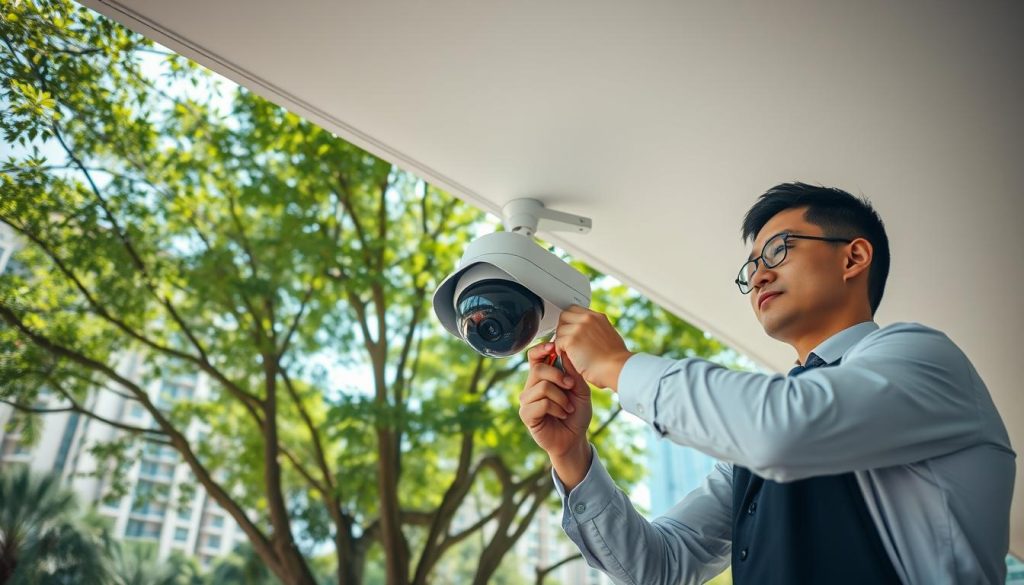
Always inspect housing seals for cracks where moisture can seep in. For units in coastal areas, check for signs of salt air corrosion on mounts and connectors. This proactive step prevents internal damage.
Prevent insect nests by ensuring all vents are clear but protected with fine mesh. After heavy rain, a quick visual check for water spots on the lens is wise. Consistent care keeps your video clear and usable.
Monitoring Power Supplies Against Surges and Outages
Frequent electrical surges during thunderstorms pose a real threat. A single power spike can fry sensitive components instantly. Protecting your system requires more than just plugging it in.
Install quality surge protectors for every power feed to your equipment. For critical security cameras, consider an Uninterruptible Power Supply (UPS). This provides backup power during brief outages, ensuring continuous recording.
Quarterly maintenance checks can reduce equipment failures by 75% in tropical conditions.
Schedule regular electrical checks to test voltage stability. Loose connections can overheat in the tropical climate. Look for discolored plugs or outlets as signs of trouble.
During the monsoon season, inspect outdoor conduits for water ingress. Make sure all outdoor power points have waterproof covers. This vigilance safeguards your entire surveillance infrastructure.
Ensuring Optimal Camera Angles and Field of View
Singapore’s dynamic urban landscape changes constantly. New construction, growing vegetation, and shifting shadows can create blind spots. Your cctv system must adapt to remain effective.
Verify each unit’s field of view every few months. Trim back plants that might block the lens or trigger false motion alerts. Adjust angles to account for new structures or parked vehicles.
Be mindful of reflections from glass buildings, especially during different times of day. Reposition units to minimize glare that washes out images. Test footage at night to ensure infrared illumination isn’t reflecting off nearby surfaces.
Use sturdy, corrosion-resistant mounts designed for public spaces. This provides both weather resistance and vandal protection. A secure mount maintains your perfect angle through wind and rain.
For different installation types, tailor your approach:
- Residential: Focus on privacy and monitoring entry points. Check for overgrown plants in garden areas.
- Commercial: Ensure clear views of entrances, cash points, and stock rooms. Account for lighting changes from store signs.
- Public Spaces: Prioritize vandal-proof housings and wide-angle views to cover large, open areas.
Implementing these climate-adapted practices extends your equipment‘s lifespan significantly. Your surveillance setup will deliver reliable protection, rain or shine.
The Tangible Benefits of Regular System Inspections
Regular assessments provide documented proof of your security system’s effectiveness and reliability. These evaluations deliver measurable advantages that extend well beyond preventing equipment failures. A structured inspection routine transforms your protection measures into a verified asset.
Businesses report 80% higher satisfaction with properly maintained surveillance setups. This statistic highlights the direct connection between consistent oversight and operational confidence. Your investment in regular checks yields returns across multiple dimensions.
Preventing Security Threats and Identifying Blind Spots
Scheduled inspections reduce vulnerability to break-ins by identifying weaknesses before exploitation. They catch small problems that could become major security gaps. This proactive approach stops criminals from finding and using these openings.
Environmental changes constantly create new blind spots in monitored areas. Growing plants, new structures, or shifted lighting can block camera views. Regular checks spot these coverage gaps so you can adjust angles promptly.
Better evidence quality comes from well-maintained equipment. Clear footage captures faces and license plates effectively. This improves police investigation success rates and insurance claim support.
Faster response times result from reliable surveillance performance. When your system works perfectly, security teams can act immediately. Every second counts during security events.
Properties with quarterly inspections experience 40% fewer security incidents according to local studies.
Case studies show crime reduction correlation with maintained surveillance systems. One Singapore retail chain cut theft losses by 60% after implementing structured checks. Their video evidence helped prosecute multiple offenders.
Ensuring Compliance with Local Surveillance Regulations
Singapore’s Personal Data Protection Act (PDPA) sets strict rules for surveillance operations. Regular inspections help you meet these legal requirements consistently. Proper documentation proves your compliance efforts.
Legally admissible footage must meet specific quality standards. Courts may reject blurry or incomplete video as evidence. Maintained systems produce clear recordings that hold up in legal proceedings.
Industry standards for surveillance continue evolving in our region. Regular updates keep your setup aligned with best practices. This protects against regulatory penalties or compliance violations.
Insurance companies often require proof of functional security measures. Well-maintained systems support claims during incidents. Some providers offer premium reductions for documented upkeep programs.
Audit readiness becomes simpler with inspection records. When regulators request information, you can provide complete documentation. This demonstrates responsible management of surveillance assets.
Maximizing Your Security Investment’s Return
Extended equipment life represents the most direct financial return. Proper upkeep can add 3-5 years to your surveillance system’s operational lifespan. This delays costly replacement cycles significantly.
Reduced emergency repair costs provide immediate savings. Scheduled servicing costs about one-third of urgent breakdown fixes. This smart financial approach lowers your total cost of ownership.
Operational benefits include reduced downtime and consistent performance. Staff develop confidence in reliable security measures. This improves overall workplace safety and productivity.
Scalability support comes from understanding your current system’s health. When expanding coverage, you know which components need upgrading. Regular inspections provide the data for informed expansion decisions.
Peace of mind has tangible value for property owners and managers. Knowing your surveillance works perfectly reduces stress during off-hours. This confidence supports better business decisions.
Metrics help measure maintenance effectiveness objectively:
- Uptime percentages: Target 99.5% or higher for critical security cameras
- Image quality scores: Rate footage clarity on a monthly basis
- Response time improvements: Track how quickly issues get resolved
- Cost avoidance: Calculate savings from prevented emergencies
The financial calculation shows strong returns. For every dollar spent on regular upkeep, businesses save three to five dollars in avoided costs. This makes cctv maintenance one of your best security investments.
Insurance implications add further value. Some Singapore providers offer 10-15% premium discounts for documented inspection programs. Proper records also streamline claim processing after incidents.
Your surveillance infrastructure becomes more than just equipment. It transforms into a verified, reliable protection layer. Regular inspections provide the proof and peace of mind every property needs.
Choosing a Professional CCTV Servicing Provider in Singapore
A trustworthy maintenance partner provides peace of mind that your security infrastructure remains fully operational. The right company brings expertise, reliability, and local knowledge to protect your investment. Selecting carefully ensures your surveillance setup receives proper care year after year.
Singapore’s competitive market offers many options for equipment upkeep. Not all providers deliver equal value or technical competence. A systematic evaluation separates exceptional partners from mediocre ones.
Key Criteria for Evaluating Service Companies
Begin your search by verifying essential qualifications. Licensed operators with proper certifications demonstrate professional standards. Insurance coverage protects you from liability during service visits.
Technical expertise should cover various surveillance technologies. Look for experience with both modern IP-based and traditional analog systems. Knowledge of different brands shows adaptability.
Assess a provider’s experience through their business history and project portfolio. Years in operation indicate stability and accumulated knowledge. Similar installations in your sector reveal relevant understanding.
Request client references and read online reviews thoroughly. Positive feedback about response times and work quality matters greatly. Check how companies handle complaints or service issues.
Local expertise is particularly valuable in Singapore. Providers must understand PDPA regulations governing surveillance operations. Climate adaptation experience helps combat humidity and heat effects.
Strong supplier relationships ensure access to genuine parts. This prevents delays during repairs or replacements. Ask about their network of equipment manufacturers.
Companies like Huntaway and CCTV Maintenance offer specialized services tailored to Singapore’s unique environment.
Evaluate their maintenance methodologies during initial consultations. Quality control processes should be documented and consistent. Transparent reporting keeps you informed about your system’s health.
Understanding Service Plans and Maintenance Contracts
Service plans structure your ongoing equipment care. Basic contracts typically include scheduled visits every few months. Comprehensive agreements add emergency support and priority response.
Monthly or yearly visit schedules should match your system’s requirements. High-traffic commercial sites may need more frequent attention. Residential properties often benefit from quarterly inspections.
Emergency response services are crucial for urgent issues. Guaranteed response times provide assurance during critical situations. After-hours availability protects your property around the clock.
Contract considerations include parts warranties and labor guarantees. Clear terms prevent misunderstandings about coverage scope. Transparent billing with itemized charges builds trust.
Pay-per-service models offer flexibility for smaller setups. These work well when professional help is needed occasionally. Regular contracts provide better value for continuous protection.
Evaluate pricing structures for long-term cost predictability. Look beyond initial quotes to understand full expense patterns. Value-added services like staff training enhance overall security.
Ongoing support includes technical assistance between visits. System upgrade advice helps you plan for future enhancements. Provider stability ensures consistent service over many years.
Transitioning from DIY upkeep requires careful coordination. Professional technicians assess your current setup thoroughly. They identify any existing issues needing immediate attention.
Switching between providers involves reviewing existing contracts. Ensure smooth handover of system documentation and access credentials. A proper transition maintains continuous protection coverage.
Make sure your chosen partner understands your specific security goals. Their approach should align with your property’s unique requirements. A good fit creates a lasting, productive relationship.
Budgeting for CCTV Maintenance: Costs and Long-Term Savings
Understanding the true cost of reliable monitoring requires looking beyond initial installation prices. A complete financial plan for your protection setup includes both predictable servicing and potential emergency expenses. This approach transforms security from a simple purchase into a manageable, long-term investment.
In Singapore, basic surveillance installation ranges from SGD 500 to 1,500. Annual upkeep typically costs between SGD 300 and 600. These figures form the foundation of your budgeting strategy.
Smart financial planning prevents surprises and maximizes your protection value. Let’s explore how to structure your expenses for optimal security and savings.
Planning for Routine and Unexpected Expenses
Effective budgeting separates regular upkeep costs from potential emergency repairs. Scheduled service visits represent predictable, manageable expenses. These typically include quarterly inspections and bi-annual professional assessments.
Routine costs cover several essential areas. Part replacements for worn components like lenses and cables maintain image quality. Software subscription fees ensure ongoing updates and security patches for your monitoring setup.
Professional servicing contracts often bundle these expenses. They provide cost predictability through fixed annual or monthly rates. This approach simplifies financial planning for businesses and homeowners alike.
Different system types and sizes affect your budget significantly. A simple residential setup with four units costs less to maintain than a commercial network with twenty. IP-based systems may have higher software costs but lower physical cleaning needs.
Unexpected repairs demand separate budget allocation. Emergency service calls outside normal hours cost substantially more. Component failures like power supplies or storage drives require immediate attention.
System upgrades represent another unpredictable expense. Technology advances or changing security needs might necessitate hardware improvements. Allocating 10-15% of your annual budget for these situations provides financial cushion.
Emergency repairs typically cost three to five times more than scheduled maintenance visits. This stark difference makes proactive budgeting essential for financial control.
Consider these cost breakdowns for Singaporean properties:
- Small Residential: SGD 300-400 annually covers basic cleaning, connection checks, and software updates
- Medium Commercial: SGD 500-800 yearly includes professional quarterly inspections and part replacements
- Large Industrial: SGD 1,000-1,500+ per year for comprehensive monitoring, predictive analytics, and emergency support
Budget allocation should reflect your setup’s criticality. High-security areas justify larger investments in reliability. Less critical monitoring points might use simpler, more economical care approaches.
How Proactive Care Lowers Total Cost of Ownership
Proactive upkeep dramatically reduces your long-term financial commitment. Studies show 40-60% savings over five years compared to reactive repair strategies. This approach extends equipment lifespan while minimizing emergency expenses.
Total cost of ownership calculations reveal the true value of regular care. Consider a typical surveillance investment lasting five to seven years. Without proper upkeep, replacement cycles accelerate, increasing overall costs.
Comparative analysis highlights the savings. Scheduled quarterly inspections might cost SGD 150 each. An unexpected camera failure could require SGD 450 for emergency repair. Preventing just one failure pays for multiple routine visits.
Cost-saving strategies multiply these financial benefits. Bundled service contracts often provide 15-20% discounts compared to individual visits. Preventive part replacement avoids more expensive complete unit failures.
DIY maintenance combinations offer additional savings. Property owners can handle basic cleaning and visual checks. Professionals then focus on complex technical diagnostics during scheduled visits.
Return on investment calculations show compelling results. Every dollar spent on proactive care saves three to five dollars in avoided emergency repairs. Equipment lifespan extends by several years, delaying costly replacement cycles.
Insurance implications add further financial advantages. Some Singapore providers offer premium reductions of 10-15% for documented upkeep programs. Proper records also streamline claim processing after security incidents.
Liability reductions represent another financial benefit. Well-maintained systems provide reliable footage that supports legal positions. This can prevent costly disputes or litigation expenses.
Budget templates help implement these strategies effectively. Consider this five-year financial planning approach:
- Year 1: Allocate funds for installation and initial professional setup verification
- Years 2-4: Budget for scheduled quarterly maintenance and software subscriptions
- Year 5: Plan for potential component upgrades or technology refresh
- Emergency Fund: Maintain reserve equal to 20% of annual budget for unexpected issues
For Singaporean businesses, these tools provide clarity in security spending. They transform upkeep from an unpredictable expense into a strategic investment. Your protection becomes both reliable and financially sustainable.
Implementing structured budgeting ensures your monitoring delivers maximum value. It balances immediate costs with long-term savings effectively. Your property remains protected through every economic cycle.
Securing Your Peace of Mind with a Maintained System
A well-maintained surveillance network represents more than hardware—it’s a commitment to continuous protection. Consistent upkeep ensures your investment delivers reliable performance and clear video when it matters most.
This transforms your security setup from a simple expense into a valuable asset. You gain confidence knowing your property remains monitored effectively. Reduced anxiety about blind spots or failed recordings brings genuine peace of mind.
In Singapore’s climate, regular checks and updates combat humidity and heat effects. Start with a basic visual inspection today, regardless of your equipment‘s age. Professional servicing can address any existing issues promptly.
View system care as an essential, ongoing part of your protection strategy. Your vigilance today ensures reliable monitoring tomorrow, safeguarding what matters most.