
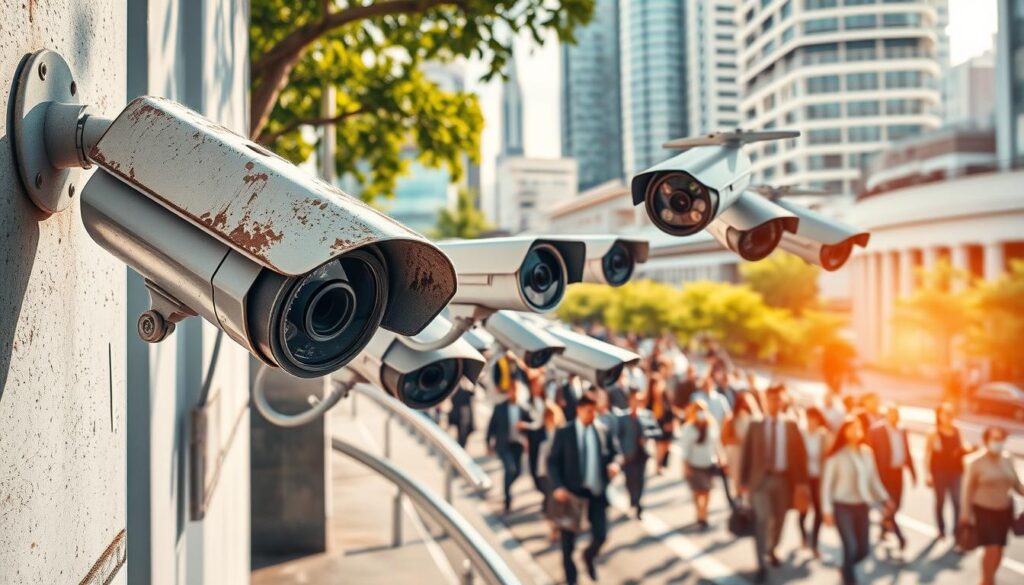
In today’s world, security is a growing concern, especially in Singapore. With a notable 25% increase in theft cases in 2023, property owners are left wondering about the effectiveness of their surveillance systems. One of the critical questions that arise is the lifespan of security cameras. Generally, these devices can function effectively for 3 to 10 years, depending on their quality and usage.
However, Singapore’s unique tropical climate can significantly impact durability. The high humidity and heat can reduce the lifespan of surveillance systems by 30-40%. Understanding these factors is essential for making informed decisions about security investments.
This guide aims to explore the various elements that affect the longevity of these systems. From component quality to maintenance routines, we will cover everything you need to know. With insights drawn from reputable brands like Axis Communications and Hikvision, readers will learn how to maximize their system’s operational life.
Ultimately, a well-maintained surveillance system provides peace of mind, safeguarding both residential and commercial properties across Singapore.
Key Takeaways
- The average lifespan of security cameras ranges from 3 to 10 years.
- High-end models typically outperform budget options in durability.
- Singapore’s climate can reduce camera longevity significantly.
- Proper maintenance is crucial for maximizing operational life.
- Understanding these factors aids in better security investment decisions.
Understanding the Typical Lifespan of CCTV Cameras in Singapore
The longevity of security equipment is a key consideration for residents and businesses in Singapore. Understanding how long these devices can operate effectively helps in planning for maintenance and potential upgrades.
Average Operational Life Expectancy
High-quality systems generally function effectively for 5 to 10 years. Many factors influence this lifespan, including build quality and environmental exposure. Premium brands like Axis Communications and Hikvision consistently outperform budget alternatives, with some enterprise models reaching the decade mark due to superior engineering.
How Singapore’s Tropical Climate Influences Camera Durability
Singapore’s tropical climate significantly impacts camera durability. The persistent humidity, often exceeding 80%, accelerates component degradation. Outdoor cameras can experience a 30-40% reduction in lifespan compared to similar models in temperate climates.
For instance, enterprise-grade devices, such as Uniview’s deployments, showcase a remarkable 0.8% annual failure rate. In contrast, consumer-grade options often fail three times faster, typically within 18 to 36 months under harsh weather conditions.
Understanding these baseline lifespan expectations helps property owners plan maintenance schedules and budget for eventual system upgrades or replacements. Indoor cameras generally last longer due to protection from direct environmental exposure, while outdoor models face harsher conditions.
Ultimately, the combination of quality components and climate-appropriate design determines whether a surveillance system reaches the upper or lower end of the typical lifespan range.
Key Environmental Factors That Impact CCTV Camera Longevity
In Singapore, various environmental factors can drastically impact the durability of security systems. Understanding these stressors is essential for maximizing the operational life of surveillance technology.
Effect of Humidity and Heat on Cameras
Singapore’s persistent high humidity levels lead to moisture infiltration into camera housings. This moisture can cause capacitor degradation, which is responsible for a staggering 92% of premature failures in the region. Additionally, heat accelerates electronic component wear. Internal camera temperatures can exceed 60°C during peak afternoon hours in direct sunlight, further compromising performance.
Impact of Salt Air and Coastal Conditions
For installations near the coast, salt air presents a significant challenge. Corrosion rates increase dramatically, leading to failure rates of 34% over five years, compared to just 18% in inland industrial zones. This highlights the importance of selecting the right equipment for coastal environments.
Urban Heat Islands and Weather Variability
Urban heat islands, such as those found on Orchard Road, create microclimates that elevate failure rates by 22% above baseline. Rapid temperature fluctuations between air-conditioned interiors and outdoor heat can create condensation inside camera housings, compromising internal electronics over time. Moreover, the cumulative effect of UV radiation degrades plastic housings and lens coatings faster under Singapore’s intense sunlight.
To mitigate these harsh weather challenges, consider cameras with conformal coatings. These coatings protect circuit boards from fungal growth and moisture damage, extending operational life in Singapore’s tropical environment. Additionally, sensors like Sony’s STARVIS tolerate heat 40% better than generic alternatives, making them ideal for outdoor applications.
By understanding these environmental factors, property owners can make informed decisions about their security systems. Selecting the right equipment and features can significantly enhance durability and performance.
How Quality and Build Materials Determine CCTV Longevity
The choice of materials and manufacturing quality plays a pivotal role in determining the longevity of security systems. Understanding the differences between high-end and budget models can help you make informed decisions.
High-End vs Budget Model Differences
High-end models often utilize superior materials that extend their lifespan significantly. For instance, premium security cameras incorporate military-grade capacitors designed to resist humidity. In contrast, budget options frequently fail within months due to inferior components. This difference is crucial, as approximately 92% of premature failures stem from low-quality capacitors.
Importance of Sensors, Capacitors, and Housing
The quality of sensors directly impacts both image clarity and durability. Premium sensors, like Sony’s STARVIS, maintain high performance under heat stress, while generic alternatives may falter quickly. Additionally, housing materials are vital; aluminum alloy bodies resist UV degradation far better than polycarbonate under Singapore’s intense sunlight.
Corrosion Resistance and UV Protection
For installations near coastal areas, the choice of mounting hardware is critical. Stainless steel mounts can last three times longer than powder-coated options in salt spray tests. Moreover, enterprise-grade cameras undergo rigorous 1,000-hour salt spray testing, while budget models often skip these essential quality checks.
When considering ratings, NEMA 4X offers superior corrosion resistance for marine environments, whereas IP68 excels in submersion scenarios. Investing in quality materials upfront can significantly reduce long-term costs. For example, enterprise systems average approximately S$58 per year over a decade, compared to S$112 for frequently replaced budget models.
Ultimately, selecting high-quality components, including circuit board coatings and connector materials, ensures resilience against Singapore’s persistent humidity. By prioritizing build quality, you can extend the lifespan of your security system and enhance its overall performance.
Camera Types and Their Influence on Lifespan
Choosing the right type of security camera can dramatically affect its operational longevity. Different camera configurations come with unique strengths and weaknesses that can influence their durability, especially in Singapore’s tropical climate.
Dome Cameras: Strengths and Considerations
Dome cameras are renowned for their impact resistance. With 80J-rated housings, they outperform bullet cameras, which typically offer only 50J protection. This makes dome units particularly suitable for high-traffic or vandal-prone areas.
However, dome cameras require specific maintenance. Bi-annual seal inspections are essential to prevent condensation buildup, a common issue due to Singapore’s rapid temperature shifts between air-conditioned environments and outdoor heat.
Bullet Cameras: Durability and Usage
Bullet cameras excel in long-range outdoor surveillance. Their extended housings provide better protection for lenses and infrared illuminators, making them ideal for exposed locations. They are often preferred for areas needing robust surveillance over larger distances.
Despite their advantages, bullet cameras still need regular checks. Annual maintenance ensures that they continue to perform optimally, especially in harsh weather conditions.
PTZ Cameras: Moving Parts and Maintenance Needs
PTZ (Pan-Tilt-Zoom) cameras present unique longevity challenges. Their moving parts require quarterly lubrication with marine-grade grease, particularly in coastal areas, to prevent salt-induced gear seizures. Premium models boast an impressive 150,000 pan cycle rating, tripling the industry standard.
For instance, Dahua’s SD6CE245U-HNI can endure over five years with proper maintenance protocols. LED illuminators in these models last up to 50,000 hours, significantly reducing maintenance interventions for night vision capabilities.
However, unlubricated PTZ joints can fail three times faster in coastal zones, highlighting the importance of regular upkeep. Fixed-lens cameras generally outlast PTZ models due to fewer moving parts, making them a reliable choice where continuous pan-tilt-zoom features are unnecessary.
In conclusion, understanding the strengths and maintenance needs of different camera types helps property owners in Singapore optimize their security systems for both performance and longevity.
Technical Standards and Certifications That Affect Durability
Technical standards play a vital role in determining how well security cameras withstand environmental challenges. Understanding these certifications helps consumers make informed purchasing decisions, especially in Singapore’s unique climate.
Understanding IP Ratings for Singapore
IP ratings are crucial for assessing a camera’s durability against dust and water. Here’s a breakdown:
- IP65: Offers dust protection and water jet resistance, suitable for most outdoor installations.
- IP67: Provides temporary immersion protection, ideal for monsoon conditions.
- IP69K: Withstands 100% relative humidity at 40°C and can endure high-pressure washdowns at 80°C, making it perfect for industrial and coastal settings.
Military-Grade Testing and MTBF Metrics
Military standards like MIL-STD-810G subject cameras to rigorous tests for shock, vibration, and extreme temperatures. These tests ensure that cameras can handle conditions far beyond typical civilian requirements. Additionally, Mean Time Between Failures (MTBF) metrics provide quantifiable measures of expected durability. Enterprise systems can achieve over 50,000 hours of operational life, significantly outpacing uncertified models.
Warranty Programs and Their Importance
Warranty programs serve as practical indicators of expected lifespan. For instance, Axis Communications offers a 5-year warranty specifically designed for tropical climates, showcasing their confidence in product durability. Generally, longer coverage periods correlate with superior build quality and component selection.
Moreover, enterprise systems undergo 1,000-hour salt spray testing to verify corrosion resistance, a critical factor for installations in coastal areas. Choosing cameras with appropriate certifications directly impacts how long these systems will perform effectively, ensuring they are engineered for specific environmental challenges.
How Long Do CCTV Cameras Last? Real-World Data and Industry Benchmarks
Understanding the operational life of security systems is essential for effective planning. Various brands and models exhibit different lifespans, influenced by their quality and environmental factors. Here, we explore real-world data and benchmarks that reveal how long different categories of security cameras endure.
Average Lifespans by Brand and Model Categories
Verified lifespan data shows that Hikvision’s DS-2CD2143G0-I consistently reaches a remarkable 7 years of operational life in Singapore’s challenging conditions. This model establishes a benchmark for mid-range to premium options.
In stark contrast, unbranded models average just 18 months before failure, highlighting the risks of opting for the cheapest alternatives.
Comparing Performance of Enterprise-Grade versus Budget Cameras
Further evidence reveals that 82% of Axis cameras remain operational after five years, compared to only 43% of budget alternatives. This data provides concrete evidence of the longevity advantages that premium security cameras offer.
In a case study of Xiaomi, it was found that 62% of outdoor installations failed within two years, while similarly priced Vivotek units achieved just 12% failure rates, showcasing superior engineering.
Empirical Tests on Environmental Stress Resistance
Thermal imaging studies demonstrate that enterprise-grade devices degrade 60% slower than budget options, preserving image quality and functionality far longer. Budget cameras also face significant challenges, losing 30% of their night vision capability within just 18 months, while premium models retain 90% of their original infrared performance.
Environmental stress testing quantifies how different camera categories withstand Singapore’s humidity, heat, and UV exposure over extended periods. The total cost of ownership between enterprise and budget cameras reflects this reality, with premium systems costing approximately S$58 annually versus S$112 for frequently replaced budget units.
By providing brand-specific longevity data, readers can make informed purchasing decisions based on documented real-world performance rather than mere marketing claims. These benchmarks illustrate how quality differences translate directly into years of additional reliable surveillance coverage.
Maintenance Routines That Enhance CCTV Camera Longevity
Maintaining security systems is crucial for ensuring their longevity and effectiveness. Regular upkeep can significantly extend the operational life of surveillance systems, especially in challenging environments like Singapore.
Regular Cleaning and Lens Care Best Practices
Proper cleaning techniques are essential for maintaining optimal image quality. In urban construction zones, quarterly lens cleaning is vital to combat the 74% image degradation caused by dust accumulation. For coastal installations, monthly regular checks using 70% isopropyl alcohol solutions help remove salt residue without damaging optical coatings.
Scheduled Mechanical Checks and Firmware Updates
Routine mechanical checks are necessary to ensure the system functions correctly. Monthly inspections of cable connections, housing seals, and mounting hardware should be conducted for signs of corrosion or loosening. Additionally, scheduled firmware updates keep cameras secure against cyber threats while maintaining compatibility with evolving surveillance system software.
Proactive Repairs and Preventive Maintenance Checklists
Implementing a comprehensive preventive maintenance checklist is essential. This includes bi-annual focus calibration using MTF charts to maintain image sharpness as lenses and sensors age. Power supply voltage testing is critical during monsoon seasons when electrical fluctuations can damage sensitive camera electronics.
For PTZ mechanisms, quarterly lubrication with marine-grade grease prevents salt-induced gear seizures in Singapore’s humid coastal environment. Regular checks can prevent minor issues from escalating into major failures, ultimately saving costs on replacements.
The Impact of Firmware Updates and Technological Obsolescence
The rapid evolution of security technology poses unique challenges for users in Singapore. As systems advance, distinguishing between physical degradation and technological obsolescence becomes essential. Many cameras may still function perfectly but lack modern features necessary for effective security.
Keeping Software Current to Extend Functional Life
Regular firmware updates are crucial for enhancing the functional life of security systems. These updates patch security vulnerabilities and improve performance without requiring hardware replacements. By keeping software current, users can ensure their systems remain effective against emerging threats.
How Advances in Analytics and Resolution Affect Replacement
Singapore has witnessed a 300% surge in 4K adoption since 2020. This shift makes older, lower-resolution cameras increasingly inadequate for modern surveillance needs. Police forensics now recommend a minimum resolution of 4MP for reliable license plate recognition, a capability often absent in older systems.
Additionally, H.265 compression technology allows 4K footage to be stored using 50% less space than older MPEG-4 formats. This advancement not only enhances performance but also provides cost-effective solutions for storage needs.
Hybrid Systems and Compatibility Considerations
Cameras manufactured before 2018 typically lack neural processing units necessary for modern AI analytics, such as facial recognition. However, hybrid systems can integrate legacy analog cameras through encoders, extending their usefulness by 2 to 3 years before full replacement is needed.
When mixing old and new cameras within a single surveillance system, compatibility considerations are vital. Users must evaluate whether firmware updates alone can address performance gaps or if hardware upgrades are necessary to meet current security requirements.
Planning for both physical and technological lifespans ensures that surveillance systems remain effective throughout their entire service life. For more insights on the longevity of security systems, check out our detailed guide here.
Power Supply Stability and Surge Protection for Optimal Lifespan
The integrity of power infrastructure significantly impacts the lifespan of surveillance equipment. In Singapore, where electrical conditions can be unpredictable, selecting the right power configurations is essential for maintaining the performance of security systems.
Choosing Power Configurations for Reliability
Research shows that 12VDC setups last 23% longer than 24VAC alternatives in Singapore’s variable grid conditions. This stability directly influences the durability of your surveillance systems. Additionally, PoE++ 48V systems reduce heat buildup by 30% compared to traditional wiring, which helps extend component life.
Protecting Against Voltage Fluctuations and Lightning Surges
Inadequate surge protection can lead to significant financial losses. Lightning strikes cost businesses in Singapore an average of S$12,000 annually in damaged equipment. Implementing a tiered protection system, like the one used at Changi Airport, can mitigate these risks. Their system employs Class 1 arrestors with a 50kA discharge capacity, ensuring critical security infrastructure remains operational.
Benefits of UPS and Grounding Systems
Uninterruptible Power Supply (UPS) systems are vital for preventing data loss during outages. A UPS with a minimum 30-minute runtime can protect against the frequent thunderstorm-related outages in Singapore. Moreover, industrial-grade voltage regulators maintain a ±5% tolerance, safeguarding sensitive camera electronics much better than consumer models that allow for a ±15% fluctuation.
Redundant UPS pairs with automatic failover are crucial for high-security installations where continuous surveillance coverage is non-negotiable. Additionally, proper grounding systems can reduce electrostatic discharge failures by 68% when correctly implemented by professional installers.
Annual thermographic inspections are essential to detect developing hot spots in power infrastructure before they cause catastrophic equipment failures. By selecting appropriate power protection based on installation scale, from single-camera residential setups to multi-building commercial systems, property owners can significantly enhance the lifespan of their security systems.
Effect of Installation Quality on CCTV System Longevity
The quality of installation plays a crucial role in the lifespan of security systems. Proper installation techniques can significantly enhance the durability and performance of surveillance technology, especially in Singapore’s challenging environment.
For optimal results, several factors must be considered during installation. These include mounting solutions, cable management, and the overall quality of the installation process.
Mounting Solutions for Vibration and Weather Resistance
Using vibration-resistant mounts is essential for installations near MRT lines and construction zones. Constant ground movement can loosen standard fixtures over time, leading to potential camera misalignment. By selecting mounts designed to withstand these vibrations, you can effectively double a camera’s effective lifespan.
Cable Management and Signal Integrity Best Practices
Proper cable management is critical to maintaining signal integrity. For instance, Cat6A cables require a minimum bend radius of 30mm to prevent conductor stress and degradation. Additionally, waterproof gel-filled connectors are necessary for underground conduits to prevent moisture ingress during Singapore’s heavy monsoon rains.
UV-resistant sleeving should be used where cables enter buildings, ensuring protection against the harsh outdoor elements. Sealed conduit joints using butyl rubber tape can last over five years, while plastic wraps typically fail within 18 months in monsoon conditions.
Role of Professional Installation and Testing
Investing in professional installation is crucial for extending the lifespan of your security system. Proper grounding systems can reduce electrostatic discharge failures by 68%, which is particularly important during Singapore’s thunderstorm season.
Additionally, professional testing, including signal integrity verification and thermal imaging, can identify installation issues before they lead to premature camera failure. Load calculations for cantilevered poles must also account for wind shear forces up to 90km/h during storm events.
In conclusion, prioritizing quality installation practices prevents costly repairs and premature replacements caused by improper mounting and cable management. By focusing on these aspects, property owners can significantly enhance the longevity and reliability of their security systems.
Storage Systems and Their Role in CCTV System Durability
The backbone of any surveillance system is its storage infrastructure, which is often overlooked. The type of storage used can greatly affect the overall lifespan and performance of your security system. Understanding the differences between enterprise-grade and consumer models is essential for making informed decisions.
Enterprise-Grade DVRs/NVRs vs Consumer Models
Enterprise-grade hard drives (HDDs) achieve impressive 1 million hour MTBF ratings, which are 67% higher than consumer alternatives. These HDDs can last over five years with motion-activated recording. In contrast, consumer models typically last only 18 months under constant write cycles.
When considering solid-state drives (SSDs), industrial options support over 3 drive writes per day (DWPD), while retail models are limited to just 0.3 DWPD. This significant difference illustrates the durability gap between professional and consumer storage solutions.
Cloud Storage Benefits and Limitations
Cloud storage offers automatic redundancy and off-site protection for your footage. However, it is essential to consider bandwidth limitations and ongoing subscription costs. A hybrid storage approach can be effective, utilizing local SSDs for real-time processing and services like AWS S3 Glacier for long-term archival of surveillance footage.
Maintenance and Monitoring of Storage Health
Regular maintenance is vital for ensuring the longevity of your storage systems. Implementing protocols such as SMART attribute monitoring and scheduled RAID rebuilds during low-activity periods can prevent data loss. Additionally, performing cryptographic wiping before decommissioning drives is crucial for security.
Regular storage health checks help detect developing issues before they lead to catastrophic data loss during critical security incidents. Matching storage solutions to specific surveillance needs is also important, whether for small retail setups or large enterprise multi-site deployments requiring redundant failover protection.
How to Recognize When Your CCTV System Needs Replacement
Identifying the signs that indicate your surveillance system may need replacement can prevent security lapses. Regular checks are essential to ensure that your equipment operates effectively. Here are key indicators to monitor.
Signs of Image Quality Degradation
One of the first signs that your system needs attention is a drop in image quality. A 15% signal-to-noise ratio drop typically precedes sensor failure within months. If you notice dB values falling below 36dB, this indicates problematic image quality erosion, even if the camera still produces a visible picture.
Additionally, infrared performance degradation manifests as reduced illumination distance. New models project 30 meters, while aging units may only reach 15 meters. This reduction represents a 50% performance loss, compromising nighttime surveillance effectiveness.
Hardware Failures and Reliability Issues
Coaxial systems showing bit error rates exceeding 10⁻⁶ require immediate attention. This signals deteriorating signal integrity that can lead to significant issues. Furthermore, thermal imaging can reveal failing components running 8-12°C hotter than specifications allow, indicating impending hardware failure.
Boot loops in networked devices often signal firmware corruption or hardware faults. Such issues require either professional repair or complete system replacement.
Performance Monitoring and Predictive Maintenance
Implementing performance monitoring protocols can track gradual degradation over time. This enables predictive maintenance and planned upgrades rather than emergency replacements. As cameras age, reliability issues may emerge, including intermittent connectivity and color accuracy drift.
Establishing baseline performance metrics at installation is crucial. This allows for accurate comparisons when evaluating whether to replace security cameras years later. Proactive monitoring and timely replacement can prevent security gaps that develop when failing cameras go undetected until after incidents occur.
Cost Considerations: Repairing vs Replacing CCTV Systems
When considering security investments, understanding the financial implications of maintaining versus replacing equipment is essential. Businesses in Singapore face critical decisions regarding their surveillance systems. Evaluating the costs associated with these systems can guide organizations in making informed choices.
Total Cost of Ownership Over the System’s Life
Five-year studies show that enterprise systems cost 28% less than frequently replacing budget options. This analysis accounts for labor, downtime, and performance. The total cost of ownership is a crucial factor for businesses when determining the most economical solutions for their security needs.
When Upgrades Provide Better Value
A practical rule to follow is that if annual repair costs exceed 40% of the replacement value, upgrading makes better financial sense. This strategy helps avoid excessive maintenance costs while ensuring that security systems remain effective and reliable.
Budgeting for Maintenance and Technology Refreshes
Budgeting for maintenance is essential to avoid unexpected expenses. For instance, Power over Ethernet (PoE) cameras reduce energy consumption by 30% compared to traditional setups. This reduction generates ongoing operational savings that accumulate over the system’s life.
Moreover, AI-enhanced analytics can pay for themselves within 18 months through reduced monitoring labor costs. Additionally, tax benefits accrue from depreciation schedules on capital equipment, making scheduled technology refreshes financially advantageous.
Warranty transfers during property sales can add measurable resale value. This aspect makes quality CCTV systems an appreciating asset rather than a pure expense. By strategically planning for maintenance and technology refresh cycles, businesses can protect their security coverage and budgets over the long term.
Maximizing Your CCTV System’s Lifespan and Security Investment
In Singapore’s dynamic environment, the need for reliable security solutions is more pressing than ever. To maximize the lifespan of your security cameras, regular maintenance is key, potentially extending system life by up to 30%. Investing in enterprise-grade systems from trusted brands like Axis, Hikvision, Uniview, and Dahua can ensure 5 to 10 years of dependable service.
Combining quality equipment, professional installation, and consistent maintenance routines will enhance your surveillance system’s performance. Remember, Singapore’s tropical climate requires specific considerations, such as IP-rated weather protection and corrosion-resistant materials.
By budgeting for routine maintenance and scheduled technology upgrades, businesses can reduce total ownership costs while ensuring superior security coverage. Modern surveillance solutions also offer advanced features like AI analytics and cloud integration, further improving operational efficiency.
For personalized guidance on the latest CCTV solutions tailored to Singapore’s requirements, contact Wen Hong at +65 60135960. A well-maintained surveillance system provides peace of mind and robust protection for your property throughout its operational life.