
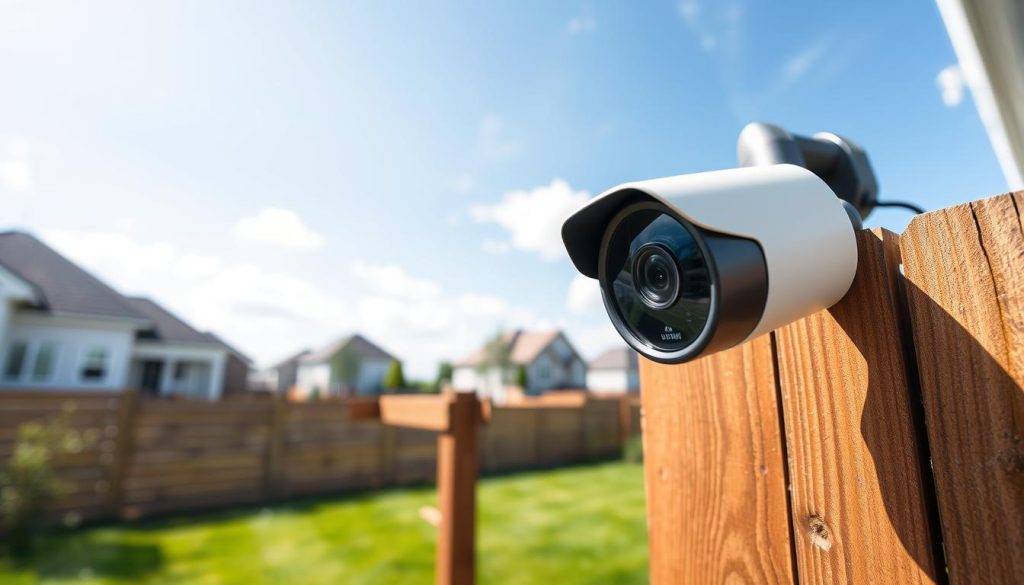
Investing in a surveillance system brings peace of mind, but you naturally wonder about its durability. The operational life of these devices isn’t a simple number.
It depends on a mix of factors. Quality, installation, and local weather all play a major role. For property owners in Singapore, this is especially crucial.
The tropical climate here presents unique challenges. Constant heat, high humidity, and heavy rain test every piece of equipment. Understanding what affects longevity helps you make a smarter choice.
With proper selection and care, you can significantly extend the service life of your security solution. This guide will explore the key elements that determine how many years of reliable protection you can expect.
We’ll look beyond common assumptions to provide clear, actionable advice. Our goal is to help you get the most value from your investment in long-term safety.
Key Takeaways
- The lifespan of an outdoor surveillance device is variable, not fixed.
- Multiple factors, including build quality and environment, determine longevity.
- Singapore’s tropical climate poses specific durability challenges for external security equipment.
- Informed selection, correct installation, and regular maintenance are crucial for maximizing service life.
- This guide provides essential information for anyone seeking reliable, long-term security.
How Long Do Outdoor Cameras Last? The Baseline Answer
Property owners seeking reliable surveillance want a straightforward expectation for their investment’s duration. A general range for a well-made surveillance device is between three and ten years.
This estimate assumes you start with a quality product and install it correctly. Under typical conditions, this is a realistic operational timeline.
It’s crucial to distinguish between two ideas. The physical hardware might continue to function. Yet, its technological features can become outdated.
This technological obsolescence is a different form of “end of life.” Your security cameras last, but their relevance for modern life security needs can fade.
Why do some units fail in just a few years? Others exceed a decade of service. The divergence hinges on specific factors we’ll detail next.
In Singapore’s tropical setting, the baseline can shift. Consistent heat and high humidity add stress. These conditions may gently lower the average expectancy.
“Lasting” means more than physical survival. It means the device remains a functional, effective part of your system. Proactive management is the key to reaching the upper end of the range.
With informed care, you can ensure your system’s service life is maximized. This turns a simple hardware purchase into a long-term security strategy.
Key Factors That Determine Outdoor Camera Lifespan
Durability is not a matter of chance. It’s a direct result of specific, controllable factors.
Three primary pillars dictate the functional timeline of your surveillance device. By auditing these areas, you can predict and influence its service years.
This analysis moves beyond guesswork. It provides a framework for making smarter purchases and implementing effective protective measures.
Build Quality and Material Durability
The foundation of longevity is physical construction. A robust housing is the first line of defense.
Metal casings, like aluminum alloys, resist impact and dissipate heat better than plastic. High-grade plastics with UV inhibitors are also viable but check the specs.
Internally, the quality of circuit boards, capacitors, and lenses matters most. Reputable manufacturers use components rated for wider temperature ranges and longer duty cycles.
This directly prevents common failures. Inferior parts can lead to early lens fogging or circuit board corrosion.
Always research the brand’s reputation for reliability. A camera offers true value when its build quality matches its feature list.
Environmental Exposure and Climate
Constant battle with the elements is a major wear factor. Your device faces a relentless outdoor assault.
In Singapore, persistent heat and high humidity are the dominant challenges. This combination stresses seals and promotes internal condensation.
Prolonged UV radiation from sunlight can brittle plastics and fade housing colors over weaken time. Heavy tropical rain tests waterproof seals repeatedly.
Coastal areas add salt air, which accelerates corrosion on metal parts and connections. These weather conditions collectively create a harsh environment.
Not all outdoor cameras are equal for this setting. You need units specifically cameras designed to handle such extreme weather.
Usage Patterns and Operational Stress
How you use the system generates internal wear. Operational load is a silent lifespan reducer.
Continuous 24/7 recording keeps processors and storage drives constantly active. This generates sustained heat, a primary enemy of electronics.
Areas with constant motion trigger endless alerts and recording clips. This further increases processing workload and data write cycles.
For PTZ (Pan-Tilt-Zoom) models, frequent mechanical movement wears motors and gears. It’s a trade-off between functionality and mechanical longevity.
Managing these patterns through smart settings can reduce stress. This extends the functional life of the internal camera components significantly.
Understanding these three factors empowers you. You can now select hardware suited to your specific location and usage.
You can also take proactive steps during installation and maintenance. This knowledge turns a purchase into a long-term, reliable security strategy.
The Average Lifespan of Different Outdoor Camera Types
Different surveillance designs offer varying lifespans, shaped by their internal mechanics and power needs. Your choice directly impacts how many years of reliable service you can expect.
This comparison helps you match your priorities with the right technology. It moves beyond general estimates to provide specific, actionable insights.
Fixed-position models, like bullet and dome styles, are often the most durable. They lack moving parts that can wear out or fail over time.
This simple construction is a major advantage. A well-made fixed unit can often serve for five to ten years or more with proper care.
PTZ (Pan-Tilt-Zoom) cameras add mechanical complexity. Motors and gears allow for remote movement and zoom control.
This functionality comes at a cost. The added mechanical stress typically reduces their average operational life compared to fixed units.
Power source is another critical divider. Wired models connected to a stable electrical supply avoid a common point of failure.
They don’t rely on batteries that degrade with each charge cycle. This gives them a clear longevity edge over wireless alternatives.
Battery-powered units offer great installation flexibility. However, their service life is closely tied to battery health.
Rechargeable batteries have a finite number of cycles. Frequent use in high-traffic areas can lead to a shorter functional timeline for the entire device.
Here is a realistic comparison of common types:
- Bullet & Dome Cameras: 6-10+ years. Their sealed, fixed design offers excellent resistance to environmental factors with minimal internal wear.
- PTZ Cameras: 4-7 years. Mechanical components for movement and zoom are susceptible to wear, especially in harsh conditions or with frequent use.
- Wired Wireless (Wi-Fi) Cameras: 5-8 years. While using Wi-Fi, their constant power from an outlet prevents battery degradation, supporting a longer life.
- Battery-Powered Cameras: 2-5 years. Lifespan is heavily dependent on battery cycle count and the frequency of charging, which stresses the power system over time.
New advancements are helping some models last longer. Improved battery chemistry and more efficient electronics are positive steps.
For property owners, the choice balances desired features with maintenance willingness. If maximizing years of service is the top goal, simpler, wired designs are often the most reliable bet.
Your local environment, as discussed earlier, further refines these estimates. Selecting a type built for your specific challenges is the final key to durability.
How Extreme Weather Conditions Shorten Camera Life
Weather isn’t just a backdrop; it’s an active participant in determining the functional timeline of your system. Specific climatic forces cause direct, physical damage to critical components.
This breakdown shows how each element attacks your hardware. Understanding this process is the first step toward effective defense.
For property owners in Singapore, two threats are relentless. High humidity and intense sunlight are the primary agents of wear.
Recognizing the early signs of this damage allows for timely intervention. Let’s examine the most common and destructive weather conditions.
Impact of High Humidity and Rain
Persistent moisture is a stealthy enemy. It finds the smallest weakness in seals and gaskets.
Once inside, humidity condenses on cooler internal surfaces. This leads to lens fogging, which permanently blurs your video feed.
The real danger is corrosion. Moisture reacts with metal electrical contacts and circuit boards.
This creates a green, crusty buildup that interrupts signals and causes failure. Even units rated for rain can succumb to this slow decay in constantly damp extreme weather conditions.
Look for water droplets inside the housing or a hazy lens. These are clear warnings that the protective seals are compromised.
Damage from UV Radiation and Sunlight
Prolonged exposure to the sun’s rays does more than cause fading. Ultraviolet radiation breaks down the chemical bonds in plastic.
Over time, this photodegradation makes housings brittle. They may develop hairline cracks or become chalky and weak.
A cracked housing immediately exposes the delicate electronics inside to all other elements. Extreme heat from direct sunlight amplifies this stress, baking the components.
This combination of UV and extreme heat can also degrade the image sensor’s performance. Colors may wash out, and low-light capability can diminish.
Check your equipment for discoloration, a powdery surface texture, or visible cracks. These are signs of advanced UV damage.
Challenges of Freezing Temperatures and Ice
While rare in tropical Singapore, freezing is a major threat in other climates. It highlights how extreme temperatures stress equipment.
Water that seeps into tiny crevices can freeze and expand. This expansion can crack lens glass or warp plastic mounts.
Ice accumulation on the housing can physically block the field of view. It also adds weight that may strain the mounting bracket.
The repeated cycle of freezing and thawing, known as thermal cycling, is particularly harsh. It can weaken solder joints and connections inside the camera over many seasons.
This constant expansion and contraction from daily temperature swings is a form of extreme weather stress. It happens everywhere, even in warmer climates.
Together, these forces create cumulative stress on your security system. The next sections will show how proper installation and maintenance directly combat these specific weather conditions.
Proper Installation Techniques to Maximize Longevity
A camera’s longevity is often decided before it even captures its first frame. Correct setup is a critical, yet frequently overlooked, factor that determines its service life. It’s not just about getting a clear view today.
It’s about building a foundation for years of reliable operation. Proper techniques directly combat the environmental stresses discussed earlier. This turns your purchase into a long-term durable security asset.
Every mounting decision either adds to or subtracts from the device’s potential lifespan. Let’s break down the key areas where your attention pays the highest dividends.
Choosing the Right Location for Mounting
Location selection is your first defense against the elements. The goal is to minimize direct exposure while maintaining the necessary field of view.
Whenever possible, mount units under eaves, awnings, or other permanent shades. This simple step drastically reduces direct sun and rain impact.
It helps the housing last longer by shielding it from UV degradation and constant water bombardment. Always maintain a clear line of sight for monitoring.
Avoid spots with excessive vibration or corrosive elements. Mounting near heavy machinery or air conditioner compressors can loosen fittings over time.
Areas with pool chemicals or industrial fumes also pose a hidden threat. These substances can accelerate corrosion on metal parts and degrade plastic.
Securing Wiring and Connections
Water ingress through cables is a leading cause of early failure. A secure connection is a dry connection.
Always use waterproof conduit or sealed junction boxes for all external wiring. This creates a physical barrier against moisture and pests.
Form a “drip loop” just before the cable enters the housing or conduit. This loop forces water to drip off the cable’s lowest point, away from the connection.
Never rely on basic electrical tape. Invest in high-quality, weatherproof connectors designed for exterior use. These have integrated gaskets and seals.
Properly secured wiring prevents short circuits and signal loss. It is a fundamental step for uninterrupted operation.
Ensuring Adequate Ventilation and Protection
Electronic components generate heat during operation. They need airflow to dissipate this warmth effectively.
Avoid embedding devices in completely sealed, unventilated enclosures unless they are specifically designed for it. Trapped heat accelerates component aging.
This is where understanding official ratings becomes essential. These codes guide your installation choices for specific threats.
An IP67 rating confirms excellent defense against dust and temporary immersion in water. It’s ideal for areas with heavy rain or for protection dust.
An IK10 rating signifies high resistance to physical impact and vandalism. This is crucial for units mounted within easy reach.
Selecting a model with the right ratings for your site’s risks, and then installing it with ventilation in mind, completes a holistic durability strategy. Your vigilance during setup is the best investment in its future.
Routine Maintenance Practices for Extended Camera Life
Extending operational life requires more than just a good initial setup. Consistent, simple care is the unsung hero of a durable security system.
Neglect allows minor issues to accumulate and weaken time against your equipment. A proactive routine directly counters environmental wear and tear.
For Singapore’s climate, a regular schedule is key. We recommend a visual check every quarter and a thorough inspection after any major storm.
These brief, time-efficient tasks prevent small problems from becoming total failures. They ensure your investment delivers protection for its full potential lifespan.
Cleaning Lenses and Housings Regularly
Dust, pollen, and tropical grime quickly obscure your view. A dirty lens is the most common cause of poor video quality.
Use a soft, dry microfiber cloth for gentle wiping. For stubborn spots, lightly dampen the cloth with a lens-safe cleaner—never spray directly onto the camera.
Clean the housing with a mild soap solution to remove salt or dirt buildup. Avoid harsh chemicals or abrasive pads that can scratch surfaces.
This simple habit is the direct path to sustained clear images. It ensures your system always sees what it needs to see.
Inspecting for Physical Damage and Wear
Look closely for hairline cracks in the housing or lens glass. These are entry points for moisture and insects.
Check mounting brackets for tightness. Vibration can loosen them over months of exposure.
Search for signs of corrosion on any metal contacts or screws. A greenish tint indicates moisture intrusion.
Also, watch for insect nests or spider webs inside housing vents. These block crucial airflow and can cause overheating.
Catching these issues early allows for simple fixes. It stops minor damage from escalating.
Checking Seals and Gaskets for Integrity
In high humidity, rubber seals are your first line of defense. They prevent the moist air from reaching sensitive electronics inside.
Inspect the perimeter seal where the lens meets the housing. Look for drying, cracking, or a flattened, compressed appearance.
Gently press on the seal. It should feel supple and spring back, not brittle or sticky.
A compromised seal is an invitation for internal fogging and corrosion. Replacing it is a small task with a huge payoff.
Many manufacturers sell user-replaceable gasket kits. If resealing seems complex, seek professional service to guarantee a waterproof fit.
This vigilant care makes your surveillance units cameras last. It transforms basic hardware into a reliable, long-term guardian for your property.
Technological Features That Enhance Durability and Performance
The latest features in security cameras do double duty, enhancing both immediate performance and long-term resilience. Modern technology addresses the core challenges of wear and environmental stress directly.
Choosing a unit with advanced capabilities is an investment in sustained functionality. These innovations help the system remain relevant and effective for its entire potential service timeline.
This approach transforms a simple recording device into a robust component of your durable security strategy. Let’s explore the key features that contribute directly to longevity.
8-Megapixel Ultra Resolution for Clear Images
Higher resolution is about more than just sharper video today. It provides a critical detail reserve that keeps footage useful for years to come.
An 8-megapixel ultra resolution sensor captures fine details like license plates or facial features at greater distances. This level of ultra resolution delays technological obsolescence, as the clarity remains sufficient for future investigative needs.
Such high-end sensors are often paired with WDR technology. Wide Dynamic Range balances extreme light and dark areas in a single frame.
In Singapore’s bright sun and deep shadows, this prevents overexposure. It protects the sensor from constant stress, helping produce clear images in all conditions.
Superior sensor quality means the hardware doesn’t need to work as hard to deliver usable footage, reducing internal heat and wear over time.
You get identifiable images even in challenging, high-contrast lighting. This sustained performance is a hallmark of a well-designed system.
Intelligent Motion Detection to Reduce False Alarms
Constant, unnecessary recording is a silent source of operational strain. It wears down storage media and keeps processors perpetually active.
Intelligent motion detection uses advanced algorithms to distinguish between relevant events and false triggers. It can ignore swaying branches or moving shadows while focusing on people or vehicles.
This smart motion detection drastically cuts down on wasted recording cycles. It minimizes the write operations on your storage drive, a key factor in extending its life.
By significantly reducing false alarms, the system also promotes continued user engagement. Less frustration means you’re more likely to maintain and rely on the system for its full lifespan.
The result is a more efficient, less stressed device. Intelligent motion filtering is a software feature with direct hardware preservation benefits.
Advanced Night Vision and Infrared Capabilities
Reliable around-the-clock operation is essential for a true security system. Any downtime can mask developing hardware issues until it’s too late.
Advanced night vision with powerful infrared illuminators ensures the unit never takes a break. It provides consistent monitoring in total darkness.
This constant operational readiness means performance issues are noticed immediately. A failure in night vision would be apparent, allowing for prompt maintenance.
High-quality IR LEDs are designed for thousands of hours of use. A robust camera offers this without overheating or dimming prematurely.
Effective advanced night coverage eliminates blind spots in your security schedule. It ensures the surveillance system is always actively protecting your property, contributing to its long-term value and reliability.
Power Supply Considerations for Reliable Operation
The reliability of your security system hinges on a factor often hidden from view: its electrical foundation. Inconsistent or poor-quality electricity is a leading cause of premature failure for electronic monitoring devices.
A stable power supply is not just about keeping the lights on. It protects sensitive internal components from sudden shocks and slow degradation.
For property owners in Singapore, this is especially vital. Frequent thunderstorms bring voltage spikes and drops that can silently damage equipment.
Viewing your electrical infrastructure as a core part of your security strategy is essential. Proper planning here helps your entire system deliver protection for its maximum potential timeline.
Using Stable Power Sources to Prevent Damage
Guard against the two main electrical threats: surges and brownouts. A power surge is a sudden, massive spike in voltage.
It can instantly fry circuitry inside your surveillance unit. A brownout is a prolonged drop in voltage.
This forces components to work harder, causing gradual heat buildup and wear over time. Both are common during Singapore’s electrical storms.
Implement these layers of protection for wired systems:
- Surge Protectors: Install a quality surge protector at the point where power enters the device. This shunts excess voltage safely to the ground.
- Uninterruptible Power Supply (UPS): A small UPS provides clean, regulated power and bridges brief outages. It prevents the system from cycling on and off during flickers.
- Professional Installation: Ensure transformers and wiring are installed by a qualified technician. Correct voltage and amperage are non-negotiable.
Using undersized or damaged cables creates resistance. This leads to voltage drop and overheating at connections.
Regularly check all power connections during your maintenance routine. Look for corrosion, looseness, or exposed wires.
This proactive care helps your equipment last longer by eliminating a major source of stress.
Backup Solutions for Uninterrupted Security
Continuous operation is the goal of any surveillance system. A lapse in power means a lapse in monitoring, creating a security gap.
For wireless or battery-powered units, a dedicated backup plan is crucial. It prevents deep-cycle damage to rechargeable batteries.
Consider these solutions to maintain constant vigilance:
- External Battery Packs: High-capacity battery packs can extend operational time during an outage. They provide a seamless transition when main power fails.
- Solar Panel Systems: In sunny Singapore, solar panel solutions offer a sustainable, off-grid power source. They keep batteries topped up and reduce reliance on the electrical grid.
Solar setups are particularly effective for units in locations without easy access to wiring. They ensure the camera remains active, gathering solar energy during the day for use at night.
Integrating a backup system does more than prevent downtime. It shields the internal power management circuits from the strain of complete discharge and recharge cycles.
This approach transforms your security setup into a resilient network. Your property remains protected, rain or shine, day or night.
A robust power strategy is fundamental to long-term life security. Treat it with the same importance as the surveillance hardware itself.
The Role of Firmware and Software Updates in Lifespan
Beyond the physical housing and lenses, the intelligence of your security device resides in its code. This digital core requires periodic renewal to ensure the entire system remains healthy and effective for years.
Regular firmware software updates are not just optional tweaks. They are essential maintenance for your equipment’s “digital health,” directly impacting its usable life and relevance.
Ignoring these updates can lead to a device that physically works but fails to deliver modern security. Let’s explore how this digital care translates into tangible longevity benefits.
How Updates Improve Performance and Security
Manufacturers release updates to fix critical flaws and add new capabilities. These patches address security vulnerabilities that hackers could exploit.
A compromised device can be used to overload your network or spy on your property. Patching these holes prevents such misuse, protecting both your data and the hardware from abusive strain.
Updates also deliver genuine enhancements that improve performance. Refined motion detection algorithms reduce false alerts from leaves or shadows.
Better image processing can deliver clearer footage in challenging light. These upgrades keep your security camera effective and relevant, delaying technological obsolescence.
Sometimes, updates fix bugs that cause direct hardware stress. A software glitch might prevent a cooling fan from activating properly.
It could keep infrared LEDs on too long, generating excess heat. Correcting these bugs through an update helps the physical components last longer.
Scheduling Regular Updates for Optimal Function
Treating updates as a routine task is key. A simple, consistent schedule prevents the system from becoming unstable or insecure.
Outdated software is a common cause of crashes, freezes, and odd behavior. This can create the false perception that the hardware has “failed” when a simple update is the cure.
Implement these best practices to maintain optimal digital health:
- Enable Auto-Updates: If your model and network security allow it, use the auto-update feature. This ensures patches are applied as soon as they are released by the manufacturer.
- Manual Quarterly Checks: Even with auto-updates, visit the manufacturer’s support website every three months. Look for major firmware releases or important announcements.
- Update During Low Usage: Schedule manual updates for periods of low activity, like late at night. This minimizes disruption and allows the system to reboot smoothly.
Regular digital maintenance is a cost-free method of extending your system’s functional lifespan. It ensures your investment remains a smart, capable guardian.
This approach recognizes the modern camera as a connected device. Its long-term value depends as much on digital care as on physical durability.
By prioritizing updates, you safeguard performance and security. This proactive habit is a cornerstone of a truly resilient surveillance strategy.
Protecting Cameras from Extreme Heat and Cold
Controlling temperature exposure is a critical, yet often overlooked, aspect of preserving your security hardware. Both high and low extremes push electronic components beyond their design limits.
This stress accelerates wear and can lead to premature failure. A proactive thermal management strategy is essential for maximizing service life.
In Singapore, the primary concern is relentless extreme heat. Even units built for the outdoors have specified operating ranges.
Sustained operation above these limits degrades vital parts. CMOS image sensors, batteries, and circuit boards are all vulnerable.
Let’s explore practical techniques to shield your equipment. These methods defend against both tropical sun and, for completeness, freezing conditions.
Insulation and Shading Techniques for Hot Climates
Passive cooling is your first and most effective line of defense. The goal is to minimize direct solar radiation and promote heat dissipation.
Start with strategic placement. Install units on north-facing walls whenever possible.
These surfaces receive the least direct sunlight throughout the day. It’s a simple step with a major cooling impact.
Use sun shields or protective shrouds. These accessories cast a shadow directly over the housing and lens.
They prevent the sun from baking the exterior surface. Always ensure ambient airflow around the unit is not blocked.
A common mistake is mounting a camera on a dark surface. Dark materials absorb and radiate tremendous extreme heat.
This creates a localized microclimate that is hotter than the surrounding air. Avoid dark brick or metal siding for mounts.
Check the manufacturer’s datasheet for internal temperature limits. Most consumer electronics are rated for up to 40-50°C (104-122°F).
Singapore’s ambient temperature can approach these levels. Add direct sun, and internal components quickly overheat.
Practical, low-cost solutions make a big difference. Painting the mounting bracket with reflective white paint can lower surface temperature.
Adding a simple metal baffle above the unit creates shade. These small actions directly combat one of the most common causes of accelerated aging.
Heating Elements for Cold Environments
While less relevant to tropical climates, freezing poses unique threats. Understanding these challenges completes the picture of thermal protection.
Specialized housings with built-in heaters or blowers are available. These are designed for harsh environments with sub-zero extreme temperatures.
The heater prevents lens frost and internal condensation. It keeps the internal electronics within a safe, operational range.
A blower circulates dry air to displace moist air inside the housing. This is crucial for preventing ice buildup on the lens.
The real enemy in any climate is thermal cycling. This is the repeated expansion and contraction from daily temperature swings.
Materials expand when hot and contract when cold. Over hundreds of cycles, this mechanical stress can fatigue solder joints, crack seals, and weaken plastics.
In Singapore, the daily swing might be 10-15°C. In temperate zones, it can be far greater.
This relentless flexing is a form of weather conditions stress that all outdoor equipment faces. Quality construction with flexible seals and robust solder helps resist it.
Thermal management is not just about survival. It’s about maintaining consistent performance and preventing the slow, cumulative damage that shortens functional life.
By implementing these strategies, you directly defend against a primary agent of wear. Your system remains a reliable guardian for its full potential timeline.
Understanding IP and IK Ratings for Environmental Protection
The resilience of surveillance hardware is quantified by two key rating systems. These international codes move you beyond vague marketing claims.
They provide a clear, objective measure of a device’s toughness. Understanding them is essential for selecting gear that can truly endure.
For property owners, this knowledge turns a guessing game into a science. You can match the equipment’s certified capabilities to your site’s specific risks.
This ensures your security investment is built on a foundation of proven durability.
IP67 Rating: Defense Against Dust and Water
The IP (Ingress Protection) rating is a two-digit code. It defines the level of sealing effectiveness of an enclosure.
The first digit rates solid particle protection dust. A “6” is the highest level, meaning the housing is completely dust-tight.
The second digit rates protection against liquids. A “7” means the unit can withstand temporary immersion in water.
Specifically, an IP67 rating certifies the device can survive being submerged in up to one meter of water for 30 minutes. This is far more robust than just resisting rain spray.
In practical terms, a camera with this rating is safe for installation near pools, in gardens, or in areas exposed to torrential tropical downpours. It offers peace of mind against one of the most common failure causes: moisture ingress.
IK10 Rating: Resistance to Impact and Vandalism
The IK (Impact Protection) rating measures a housing’s resistance to physical blows. It is crucial for installations in accessible or high-traffic areas.
An IK10 rating represents the highest level of impact resistance in this standard. It means the enclosure can withstand an impact energy of 20 joules.
This is equivalent to a 5kg mass being dropped onto it from a height of 40 centimeters. Units built to this standard feature reinforced housings, often with metal or polycarbonate shields.
They are engineered to withstand deliberate strikes or accidental collisions. For locations where vandalism is a concern, this rating is non-negotiable.
For robust solutions in public or semi-public spaces, consider specialized IK10 vandal-proof cameras designed for such harsh environments.
Matching these ratings to your local weather conditions and site risks is a smart strategy. In Singapore’s high humidity, a high IP rating is critical to prevent internal corrosion.
For areas with public access, a high IK rating provides necessary defense. Remember, these ratings apply to the housing itself.
Proper installation is required to maintain the certified protection. A correctly mounted unit with the right ratings is your best defense against the elements and physical threats.
Optimizing Motion Detection to Minimize False Alarms
Reducing unnecessary recordings and notifications isn’t just about convenience—it’s a strategy for hardware preservation. A finely tuned motion detection system works smarter, not harder.
This reduces operational stress on critical components. It directly contributes to a longer, more reliable service life for your entire security setup.
Every false alert triggers a recording cycle. This constant activity wears down storage drives and keeps processors hot.
Over months and years, this cumulative strain can shorten the functional timeline of your equipment. Optimization is a key maintenance task.
For property owners in Singapore, this is especially valuable. The bright sun and frequent cloud cover create rapidly changing light and shadows.
These conditions are a common source of false alarms. Smart configuration turns your system into a calm, efficient guardian.
Adjusting Sensitivity Settings for Accuracy
Start by defining specific detection zones. Most modern systems let you draw boxes on the live feed.
Focus on high-priority areas like driveways, gates, and doors. Ignore zones with constant movement from trees or flags.
This simple step eliminates a huge number of irrelevant triggers. It’s the first filter in your accuracy chain.
Next, set appropriate sensitivity levels for different times. Lower the sensitivity during the day when general activity is higher.
Increase it slightly at night for better low-light detection. This time-based adjustment prevents the system from being overly reactive.
Leverage intelligent motion detection features if your camera offers them. These use algorithms to distinguish between people, vehicles, and animals.
By telling the system what to look for, you train it to ignore leaves blowing or shadows lengthening. This intelligent motion filtering is a game-changer for reducing wear.
Fine-tune these settings seasonally. A new tree or a change in parked cars can affect performance.
Treat sensitivity adjustment as an ongoing process, not a one-time setup. This habit ensures your system remains accurate and efficient for years.
Using WDR Technology for Clear Images in Varied Light
Singapore’s environment poses a unique challenge. Scenes often have extremely bright areas and deep shadows side-by-side.
This high contrast can confuse basic motion algorithms. A sudden cloud movement might trigger an alert.
WDR technology solves this problem. Wide Dynamic Range captures and combines multiple exposures in a single frame.
It balances the light, revealing detail in both the brightest and darkest parts of the scene. This prevents blown-out highlights and murky shadows.
The result is consistent, clear images regardless of the time of day or weather. Your system gets a true picture of the scene.
With WDR technology active, motion detection becomes far more reliable. It won’t be fooled by a car’s headlights flashing across a dark wall.
It won’t send an alert because the sun emerged from behind a cloud. This stability reduces pointless recording cycles and network traffic.
You get usable images even in the most challenging lighting conditions. The hardware experiences less stress from processing confusing visual data.
Combining accurate sensitivity settings with WDR creates a robust detection system. It focuses on genuine threats and ignores environmental noise.
This optimization delivers a dual benefit. Your security is more effective, and your equipment is preserved for a longer operational life.
Make these configurations a core part of your long-term care strategy. A calm, accurate system is a durable system.
Enhancing Night Vision for 24/7 Security Coverage
Effective property protection doesn’t pause at sunset, making robust night vision a cornerstone of any durable security strategy. A reliable sentinel must maintain vigilance through the darkest hours.
This capability directly tests a system’s long-term usefulness. When low-light performance fails, your security coverage suffers a significant gap.
Modern technology provides powerful tools to illuminate the night. Understanding how they work helps you select and maintain a system that endures.
Infrared Night Vision for Low-Light Conditions
Most advanced night vision relies on infrared technology. It uses built-in IR LEDs to cast invisible light across a scene.
A specialized image sensor then detects this reflected infrared illumination. It processes the data to create a detailed monochrome picture.
Different types exist, like near-IR and far-IR, with varying effective ranges. Longer-range models use more powerful LED arrays.
These high-output LEDs have a finite operational lifespan. A quality camera offers durable components designed for thousands of hours of use.
This ensures your infrared night vision remains effective for years. It’s a key factor in achieving true 24/7 monitoring.
Balancing Light Levels to Prevent Overexposure
A common issue with infrared night illumination is “IR bounce back.” Light reflects off nearby windows or light-colored walls.
This can overexclose the sensor, causing a whiteout effect. The fix often involves adjusting the camera’s mounting angle.
Many models now feature adjustable IR intensity or Smart IR. This technology automatically dims LEDs for close objects.
It prevents them from being washed out in the final image. For areas in Singapore with some ambient streetlight, consider color night vision models.
They use specialized sensors to capture clear images in very low light. This maintains color information, which can be crucial for identification.
Maintaining clear night images is tied directly to the system’s continued value. A unit with failed infrared night vision is often considered half-functional.
A simple but vital maintenance task is often overlooked. Gently clean the protective window over the IR LED array during routine checks.
Dust and grime can drastically reduce its light output. Keeping it clean preserves the strength and range of your night vision for the long term.
Choosing Cameras Designed for Harsh Environments
Industrial complexes and high-risk zones demand hardware engineered for relentless punishment. Standard consumer models will falter quickly under such strain.
Selecting the right equipment requires a focus on ruggedized construction and specialized certifications. This ensures your surveillance system remains a vigilant guardian.
For sites in Singapore and across Southeast Asia, the challenges are compounded. Persistent humidity, salt air, and high temperatures create a perfect storm for equipment failure.
Investing in units built for these harsh environments is not an extra cost. It is a fundamental requirement for achieving long security and reliable monitoring.
Let’s examine the specific features that define a truly durable security solution. This knowledge empowers you to make an informed, long-term purchase.
Features for Industrial Sites and High-Risk Areas
Factories, ports, and chemical plants present unique threats. Equipment here must resist corrosion, vibration, and potentially explosive atmospheres.
Look for these critical features when evaluating cameras designed for industrial sites:
- Corrosion-Resistant Housings: Marine-grade stainless steel or aluminum with special powder coatings fight rust from salt air and chemical fumes.
- Enhanced Cooling Systems: Active fans or heat sinks prevent overheating in enclosed, hot spaces common in factories.
- ATEX/IECEx Ratings: For zones with flammable gases or dust, these certifications are mandatory to prevent ignition.
- Tamper-Proof Hardware: Special screws and locked housings deter vandalism and unauthorized removal in public or high-traffic areas.
- Shielded Cables & Conduits: Protect wiring from physical damage, electromagnetic interference, and rodent chewing.
Robust mounting brackets are equally important. They must withstand vibration from machinery without loosening over time.
A unit built with these features represents a cameras designed extreme mindset. It is prepared for the worst conditions your site can offer.
Selecting Cameras with Long Service Life Specifications
Marketing claims are one thing; engineering data is another. Savvy buyers look beyond brochures to technical datasheets.
Here, you’ll find objective metrics that predict longevity. These numbers provide a realistic expectation for operational years.
First, check the service life or Mean Time Between Failures (MTBF) rating. A high MTBF (e.g., 100,000 hours) indicates a product built with higher-grade components.
Next, scrutinize the operational temperature range. For tropical use, select a model whose maximum rating far exceeds Singapore’s typical highs.
A wider temperature tolerance means the internal electronics are less stressed by daily heat, directly extending functional life.
This focus on service life specification encourages investment in quality. Manufacturers that provide these estimates are often more confident in their product’s durability.
Internally, these long security cameras use industrial-grade capacitors and conformally coated circuit boards. These resist moisture and heat better than standard parts.
Performing a cost-benefit analysis is crucial. A premium unit with a 10-year lifespan often outperforms replacing three cheaper units over the same period.
For the relentless climate of Southeast Asia, this approach is the excellent choice. It prioritizes sustained performance over initial savings.
Choosing such rugged gear is making ideal for ports, refineries, and large industrial estates. Your security investment becomes a fixed, reliable asset.
Always match the product’s designed extreme capabilities to your site’s specific risks. This alignment is the final step in securing a surveillance solution built to endure.
Case Study: Security Cameras in Miami’s Extreme Climate
A close look at Miami’s subtropical climate provides a stress test for security hardware, with direct implications for similar regions. The city’s environment mirrors many challenges faced in Singapore.
Both locations battle persistent high humidity, intense sunlight, and seasonal heavy rains. This real-world data validates the technical advice on durability.
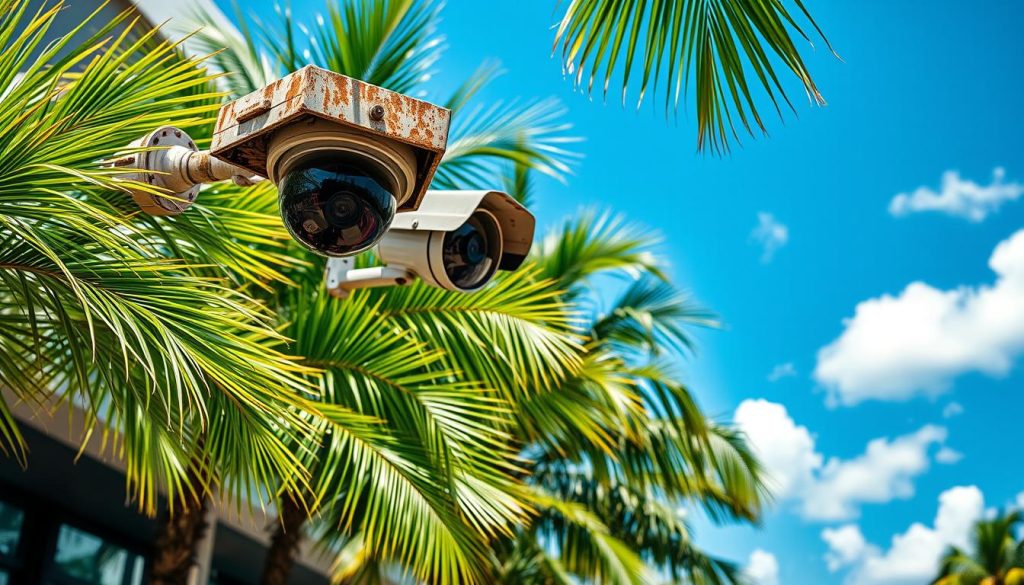
Studying security cameras Miami installations reveals how equipment survives or fails. The lessons learned are immediately applicable for property owners here.
Lessons from Miami’s Humidity and Heat Challenges
Installers in Miami report consistent failure modes directly linked to the climate. Rapid gasket degradation is a top issue.
The rubber seals protecting lens housings dry out and crack much faster under constant extreme heat and UV exposure. This allows moist air inside, leading to lens fungus growth.
Sun-faded and brittle housings are another common sight. Plastic components become weak and may develop cracks after a few intense seasons.
These weather conditions prove that not all security cameras are equal. Models not designed extreme for such settings often fail within two to three years.
The most effective countermeasure is a rigorous inspection routine. Miami technicians emphasize checking seals every three months.
Proactive seal replacement, even before visible cracking, is a standard practice that extends functional life by years.
The use of external sun shields is another proven tactic. These simple metal or plastic shades reduce direct solar baking by up to 30%.
For coastal cameras Miami installations, a robust IP66 or IP67 rating is non-negotiable. It defends against salt spray and wind-driven rain during storms.
Best Practices Adapted for Similar Regions
The strategies honed in Florida translate well to Singapore’s context. Installation technique is the first area for adaptation.
Ensuring all cable connectors face downward is a universal best practice. This simple orientation helps shed water naturally and prevents pooling.
Consider local architecture when mounting. Under the deep eaves common on many Singapore buildings, you gain excellent shade.
For units on bare walls, adding a custom sun shield is a smart, low-cost upgrade. Use materials readily available locally.
Selecting the right hardware is critical. Seek models with a reputation for durability in Miami’s market.
Certain brands known for industrial-grade construction often top installer lists. These cameras designed extreme climates use superior seals and coatings.
Their internal components are better protected against thermal stress. This makes them an excellent choice for long-term reliability.
Translate Miami’s maintenance schedule to a local routine. Schedule seal inspections before and after the monsoon season.
Clean housings more frequently to remove tropical grime that can trap moisture. This prevents accelerated corrosion.
This case study confirms that environmental management is key. Your outdoor cameras can deliver a decade of service with informed care.
Applying these field-tested practices turns climate challenges into manageable factors. Your surveillance investment becomes far more resilient.
Implementing Long-Term Strategies for Outdoor Camera Care
Maximizing the lifespan of your security cameras is a continuous process, not a one-time event. It demands a holistic strategy. Combine smart product selection with professional-grade installation and disciplined routine care.
Develop a simple annual checklist tailored for Singapore. Inspect housing seals before the monsoon season. Clean lenses and sensors every quarter. Verify all power connections are secure. Schedule firmware updates to maintain digital health. This proactive routine directly combats local humidity and heat, helping your equipment last longer.
Your active stewardship is the ultimate factor. The system’s long security and reliability reflect your knowledge and commitment. Consistent attention transforms basic hardware into a resilient, long-term guardian.
A well-maintained system delivers unparalleled peace of mind and significant cost savings. It ensures true life security, making your surveillance investment profoundly valuable for years to come.