
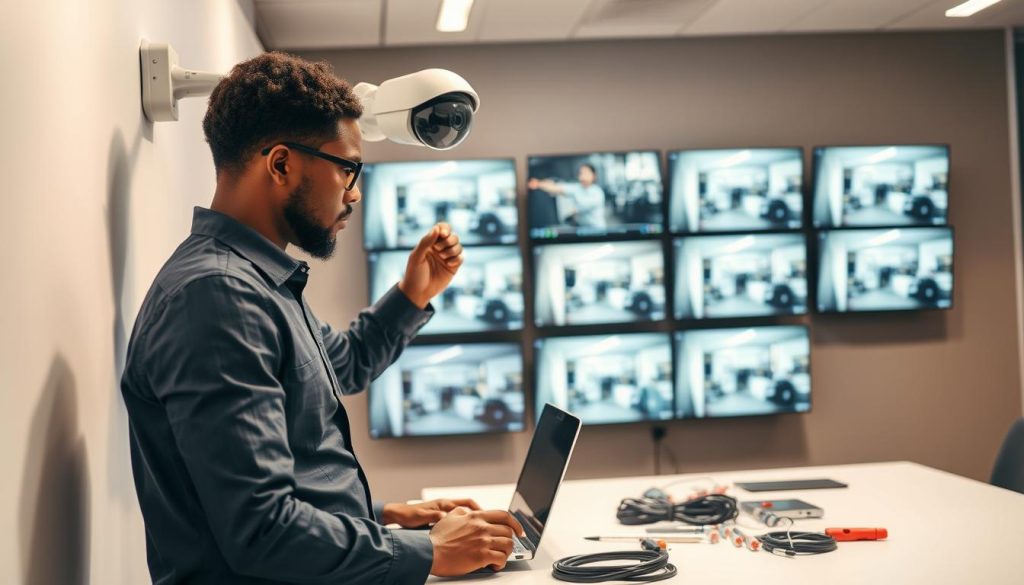
Your surveillance setup is the silent guardian of your property. Like any critical equipment, it demands consistent care to perform reliably.
Studies reveal a startling fact. Up to 83% of security camera failures stem from neglected upkeep. Implementing a structured care plan can slash equipment malfunctions by nearly one-third.
This proactive approach does more than prevent problems. It dramatically extends the operational life of your hardware. With proper attention, cameras and recorders can reliably protect your premises for a decade or more.
In Singapore’s humid climate, environmental factors add extra strain. Dust, moisture, and heat accelerate wear on sensitive electronic components. A tailored schedule is not a luxury—it’s essential for continuous security.
This guide explores the core principles of surveillance system care. We’ll break down the factors that determine optimal service intervals for different environments.
Key Takeaways
- Consistent upkeep can reduce surveillance equipment failures by up to 30%.
- Most system breakdowns (83%) are directly linked to insufficient routine care.
- Proper maintenance extends the functional lifespan of cameras to 5-10 years.
- Environmental conditions, like Singapore’s humidity, necessitate more frequent checks.
- A customized maintenance schedule is crucial for uninterrupted security coverage.
- Recognizing early warning signs can prevent major system outages.
- Professional servicing ensures thorough inspection and corrects hidden issues.
Why Regular CCTV Maintenance is Non-Negotiable for Security
Skipping routine care for your cameras is a gamble with your property’s safety. It’s not merely about cleaning lenses. It’s about guaranteeing your security system works when you need it most.
Research shows a clear link. Regular maintenance reduces unexpected system failures by up to 87%. This proactive approach is the bedrock of dependable surveillance.
Preventing Costly System Failures and Downtime
A neglected camera can fail at the worst possible moment. This creates a dangerous security gap. Proactive upkeep stops small issues from becoming major, expensive problems.
Emergency repairs and full system replacements strain any budget. A scheduled service visit is far more cost-effective. It ensures continuous coverage without exploitable gaps.
Ensuring Legal Compliance and Evidentiary Quality
Footage from a poorly maintained system may be useless in court. Blurry or pixelated video fails to identify persons or actions. This can compromise an entire investigation.
Clear, uninterrupted video evidence is the standard for legal proceedings and insurance claims.
Regular checks keep image quality sharp. They also help your business comply with industry regulations. Many insurance policies require proof of functional security systems.
Maximizing Your Security Investment’s Return
You purchased cameras and recorders to protect your assets. Proper maintenance extends their operational lifespan significantly. This protects your initial capital outlay.
Think of it as preventive care versus reactive repair. The total cost of ownership drops. Your return on investment climbs as surveillance systems deliver years of reliable performance.
This builds genuine confidence. You know your security measures are active and watching. That peace of mind is the ultimate value of a well-maintained CCTV system.
How Often Should CCTV Be Serviced? The Core Recommendations
A structured maintenance schedule transforms random upkeep into predictable protection. One universal timeline doesn’t fit every installation. Your specific environment and security demands dictate the ideal rhythm.
Tailored intervals prevent both neglect and unnecessary disruption. They balance thorough inspection with operational continuity. This approach maximizes equipment lifespan while minimizing security gaps.
Standard Baseline: Annual Professional Servicing
For most residential and standard commercial setups, yearly professional attention serves as the foundation. This comprehensive check covers all critical components of your security infrastructure.
Technicians verify camera alignment, lens clarity, and recording functions. They assess wiring integrity and power supply stability. Storage systems undergo data integrity reviews during this annual visit.
This baseline schedule suits moderate-use environments with stable conditions. It catches developing issues before they escalate into failures. Documentation from each session creates a valuable performance history.
High-Traffic or Commercial Areas: Quarterly Inspections
Retail spaces, office buildings, and public venues experience more wear. Higher people movement means increased exposure to dust and accidental contact. These factors justify more frequent attention.
Quarterly inspections address accelerated accumulation of debris on lenses. They verify that all cameras maintain optimal focus and coverage areas. Motion detection settings often need adjustment in dynamic environments.
Regular cleaning becomes particularly important in these settings. A simple schedule for lens care between professional visits maintains image clarity. This prevents gradual quality degradation that might otherwise go unnoticed.
Consistent documentation of all servicing activities provides a clear audit trail for system health and compliance requirements.
Critical Systems and High-Risk Sites: Monthly Checks
Sensitive locations demand the highest vigilance level. Financial institutions, data centers, and industrial facilities cannot tolerate extended security lapses. Monthly professional evaluations provide necessary assurance.
These intensive reviews examine every system component with heightened scrutiny. Technicians test backup power systems and network connectivity under this schedule. Cybersecurity measures receive regular updates to counter evolving threats.
This frequency ensures immediate detection of any performance deviation. Environmental sensors in server rooms or controlled areas get calibrated. The goal is eliminating any single point of failure before it can be exploited.
Beyond these core intervals, implement supplementary cleaning routines. Outdoor units benefit from attention every three to six months in Singapore’s climate. This removes salt, pollen, and urban grime that degrade housing and lenses.
Modern technology enhances physical inspections. Remote monitoring tools provide continuous system health data. They alert technicians to anomalies between scheduled site visits.
- Dome cameras in kitchens require quarterly cleaning to remove grease
- PTZ units in parking lots need bi-annual mechanical component lubrication
- Network video recorders should have firmware updates verified semi-annually
- All wiring connections warrant inspection during each professional service
Adjust your maintenance rhythm based on actual performance history. New installations might need closer observation during their first year. Established systems with reliable records might follow slightly extended intervals.
The right frequency keeps your surveillance network operating at peak efficiency. It transforms reactive problem-solving into proactive protection management.
Key Factors That Determine Your CCTV Service Frequency
Your CCTV system’s reliability hinges on more than just its initial installation. It’s shaped by a unique set of operational factors.
Understanding these variables allows you to build a care plan that matches your specific risks. This prevents both wasteful over-servicing and dangerous neglect.
Environmental Conditions: Weather, Dust, and Vandalism Risks
Where your cameras live dictates how hard they work. Outdoor units face the most aggressive wear.
Coastal areas expose hardware to salt spray, accelerating corrosion. Urban environments layer lenses with grime and pollution. Both scenarios demand more frequent cleaning.
Vandalism risk is another critical environmental factor. Cameras in vulnerable spots need regular physical inspections. Technicians check for tampering, loose mounts, or spray paint obscuring the view.
In Singapore, relentless humidity is the primary concern. Moisture can seep into housings, fogging lenses and damaging internal circuits. A proactive maintenance schedule here is non-negotiable for long-term health.
System Type and Technology: Analog, IP-Based, and Wireless
Not all surveillance systems age the same way. The technology inside drives different upkeep needs.
Legacy analog cameras are largely mechanical. Their maintenance focuses on physical components: lens clarity, housing integrity, and cable connections. Issues here are often hardware-related.
Modern IP-based and wireless systems add a digital layer. They require consistent software and firmware updates for security and performance. Network stability and storage health become part of the routine checks.
The complexity of an integrated IP system means a single glitch can affect multiple cameras, making professional diagnosis essential.
This technological divide means your service plan must match your hardware. A one-size-fits-all approach will miss critical vulnerabilities.
Usage Intensity: 24/7 Recording vs. Motion-Activated Systems
How your cameras work changes their wear patterns. Constant operation puts sustained stress on every component.
Systems recording 24/7 have moving parts like hard drives that never rest. This leads to faster wear and a higher chance of storage system failures. They benefit from more frequent data integrity reviews and component inspections.
Motion-activated or event-based systems experience intermittent use. While this reduces mechanical strain, it introduces other problems. Sensitivity settings can drift, causing missed events or false alarms. These settings need regular calibration to stay effective.
Assess your recording patterns honestly. High-traffic commercial spaces using continuous recording will naturally need a more aggressive care schedule than a motion-triggered residential setup.
Recognizing the Signs Your CCTV System Needs Immediate Attention
Your security cameras communicate their health through visible and audible signals that demand prompt action. Ignoring these warnings risks turning minor glitches into major security breaches. Early detection is the cornerstone of effective surveillance management.
Regular visual monitoring of your camera feeds reveals developing issues before they compromise coverage. Audio checks during site inspections catch mechanical problems that visual feeds might miss. Together, these practices form your first line of defense against system failures.
Video Quality Degradation: Blurriness, Pixelation, and Flickering
Declining image quality is the most common red flag. A once-clear feed that becomes persistently blurry suggests camera lenses need cleaning or realignment. In Singapore’s environment, accumulated dust and humidity-induced condensation are frequent culprits.
Pixelation or digital artifacts distorting the footage often point to deeper problems. These can signal failing image sensors or compression issues within the camera itself. Flickering images, especially under artificial lighting, may indicate power irregularities.
Color distortion or a sudden shift to black-and-white imaging typically means the camera’s infrared cut filter has malfunctioned.
Night vision performance degradation is particularly telling. If your security camera no longer captures clear low-light images, its infrared LEDs or light sensor likely need attention. These symptoms rarely resolve without professional service.
Camera Outages and Intermittent Signal Loss
Complete camera blackouts create dangerous blind spots in your security coverage. Intermittent signal loss is equally problematic, creating unpredictable gaps in recorded evidence. Both scenarios require urgent investigation.
These outages frequently trace back to power supply problems. Loose connections, damaged cables, or failing transformers disrupt steady electricity flow. In outdoor installations, weather exposure accelerates these system vulnerabilities.
Network-based cameras present additional failure points. Interrupted remote access or streaming issues suggest connectivity problems. These might involve network switches, routers, or configuration errors within the surveillance system itself.
- Check status LEDs on cameras and network equipment during outages
- Verify recording continuity by reviewing archived footage for gaps
- Test motion detection zones to ensure they trigger recordings reliably
- Monitor storage drive health indicators for early warning signs
Unusual Noises, Physical Damage, or Corrosion
Your ears can detect problems your eyes might miss. Buzzing, clicking, or grinding sounds from CCTV cameras or recording equipment signal mechanical distress. These noises often precede complete component failure.
Physical inspection reveals threats that internal diagnostics cannot. Look for:
- Visible corrosion on housings, mounts, or connection points
- Cracked or fogged camera domes compromising visibility
- Loose mounting brackets affecting camera alignment
- Weathering of protective seals allowing moisture intrusion
In coastal Singapore, salt spray accelerates metallic corrosion. Regular inspections catch this damage before it penetrates housing interiors. Tropical humidity also promotes mold growth inside inadequately sealed units.
Overheating equipment demands immediate attention. Warm housings or unusual heat patterns around your cctv system components suggest ventilation problems or electrical faults. These conditions shorten equipment life dramatically.
Software-related symptoms also warrant investigation. Failed updates, compatibility errors, or configuration glitches can disable entire system functions. Regular checks of firmware versions and software logs identify these issues early.
Recognizing these warning signs transforms reactive repairs into proactive maintenance. Each symptom provides valuable diagnostic information for technicians. Documenting these observations helps build a complete picture of your surveillance equipment’s health.
Addressing problems early preserves your security investment and maintains continuous protection. It ensures your monitoring system performs reliably when you need it most.
Essential CCTV Maintenance Best Practices for Optimal Performance
Optimal surveillance performance emerges from disciplined adherence to fundamental care protocols. These established methods form the backbone of reliable security monitoring.
Consistent application of these practices prevents gradual performance decline. They transform reactive troubleshooting into proactive system management.
Creating and Following a Proactive Maintenance Checklist
A comprehensive checklist serves as your operational blueprint. It ensures every component receives appropriate attention during each service session.
Develop lists covering all physical and digital elements. Include camera housings, lenses, wiring, recording equipment, and network components. This systematic approach prevents overlooked issues.
Document each completed task with dates and observations. This history becomes invaluable for troubleshooting recurring problems. It also supports compliance with insurance and regulatory requirements.
Schedule these checks during low-activity periods. This minimizes disruption to your surveillance system operations. Early morning or weekend hours often work best for commercial installations.
The Critical Role of Regular Visual Inspections
Physical examination catches damage that automated monitoring misses. Technicians should assess camera alignment, housing integrity, and environmental conditions.
Look for signs of wear like corrosion, cracks, or loose mounts. In Singapore’s climate, check for moisture intrusion and mold growth. These inspections identify problems early.
Regular maintenance includes cleaning camera lenses every three months. This preserves image quality despite dust accumulation. Use appropriate cleaning solutions and microfiber cloths.
Train staff to recognize warning signs during routine walks. Discoloration, unusual sounds, or vegetation obstruction all warrant attention. This distributed monitoring complements formal checks.
Visual verification remains the most reliable method for detecting physical degradation and environmental wear on surveillance equipment.
Keeping Software and Firmware Updated
Digital components require as much care as physical hardware. Outdated software creates security vulnerabilities and compatibility issues.
Schedule quarterly reviews of all system updates. This includes camera firmware, recording software, and mobile applications. These updates often contain critical security patches.
Test new versions in a controlled environment before full deployment. This prevents unexpected conflicts with your existing cctv system. Maintain backup configurations in case rollback becomes necessary.
Modern systems increasingly include remote monitoring capabilities. Implement these tools to track system health between physical services. They provide real-time alerts for emerging problems.
Monitor power supply stability and implement surge protection. Electrical fluctuations damage sensitive electronic components. Uninterruptible power supplies provide critical backup during outages.
Establish clear protocols for both proactive upkeep and responsive repairs. This balanced approach ensures comprehensive cctv maintenance. Your security infrastructure remains resilient through this disciplined care.
Your Comprehensive CCTV Maintenance Checklist
Systematic documentation of maintenance activities creates a reliable framework for ongoing security equipment care. This organized approach transforms random inspections into methodical protection for your entire surveillance network.
A detailed checklist ensures every component receives proper attention during each service session. It prevents overlooked vulnerabilities that could compromise your property’s safety. Technicians follow consistent protocols, delivering thorough evaluations every time.
Camera Functionality: Lens Cleaning, Focus, and Positioning
Visual clarity forms the foundation of effective surveillance. Begin each inspection by examining camera lenses for accumulated debris. In Singapore’s environment, dust and humidity create persistent challenges for optical components.
Use appropriate cleaning solutions and microfiber cloths for lens care. Avoid abrasive materials that could scratch delicate surfaces. Regular cleaning preserves image quality and prevents gradual degradation that might otherwise go unnoticed.
Verify focus accuracy by checking footage from each camera position. Ensure subjects remain sharp at various distances. Test pan-tilt-zoom functions if your equipment includes movement capabilities.
Positioning assessments confirm cameras cover intended areas without blind spots. Adjust angles to eliminate obstructions like vegetation or new construction. Document any changes to the surveillance perimeter for future reference.
Consistent lens maintenance directly impacts evidence quality, making it a non-negotiable component of professional surveillance management.
Wiring and Connection Integrity Assessments
Electrical and data connections represent critical vulnerability points in any security installation. Inspect all cables for visible damage, including cuts, fraying, or chew marks from pests. These issues can disrupt power or signal transmission.
Check connection points for corrosion, especially in coastal areas where salt accelerates deterioration. Loose terminations cause intermittent failures that are difficult to diagnose remotely. Secure all connections during each maintenance visit.
Assess environmental protection for outdoor wiring. Ensure conduits remain sealed against moisture intrusion. Verify that cables have proper strain relief to prevent tension damage over time.
For network-based systems, test data transmission speeds and packet integrity. These checks help identify bandwidth limitations affecting video quality. Document connection performance metrics for trend analysis.
Storage System and Data Integrity Reviews
Recording equipment requires consistent monitoring to ensure evidence preservation. Verify storage capacity meets current retention requirements. Most systems need at least 30 days of continuous recording for effective security.
Test backup systems to confirm they activate during primary storage failures. Regular data integrity checks identify potential hard drive issues before they cause complete loss. Implement automated alerts for capacity thresholds.
Review retention policies align with legal and operational needs. Ensure archived footage remains accessible for investigations. Document storage health indicators during each maintenance session.
For cloud-based systems, verify upload speeds and connection stability. Test remote access from multiple devices to ensure consistent availability. These evaluations prevent unexpected gaps in recorded evidence.
Power Supply and Backup System Checks
Electrical stability determines overall system reliability. Test primary power sources for consistent voltage delivery. Fluctuations damage sensitive electronic components over time.
Evaluate backup power systems including batteries and generators. Verify automatic switchover functions during simulated outages. Replace aging batteries before they fail during actual emergencies.
Assess surge protection devices for proper operation. These components prevent damage from electrical spikes common during Singapore’s thunderstorms. Document protection status for insurance compliance.
Regular power supply evaluations prevent unexpected system failures that create security vulnerabilities. Include these tests in every comprehensive maintenance plan.
Additional checklist items complete your surveillance assessment:
- Housing integrity inspections for cracks, fogging, or moisture intrusion
- Mounting stability checks to prevent camera drift or misalignment
- Environmental seal verification around all outdoor components
- Lighting condition assessments for consistent image capture
- Network connectivity tests for IP-based surveillance systems
- Recording quality verification across different times and conditions
- Motion detection calibration for accurate event capture
- System integration testing with alarms and access control
Implementing this comprehensive checklist transforms reactive repairs into proactive protection. It ensures your surveillance investment delivers consistent performance year after year. Documented maintenance history provides valuable insights for future planning and upgrades.
Understanding the Different Types of CCTV Maintenance
Not all maintenance is created equal. A complete care strategy for your surveillance equipment blends several distinct approaches. Each method serves a unique purpose in the lifecycle of your security investment.
Understanding these categories allows you to allocate resources effectively. You can build a maintenance plan that balances cost, reliability, and effort. This knowledge transforms random fixes into a coherent management strategy.
Preventive Maintenance: Scheduled Checks to Avoid Issues
This proactive approach focuses on preventing problems before they occur. It involves regularly scheduled inspections, cleanings, and part replacements based on time or usage.
Think of it as routine health check-ups for your surveillance system. Technicians perform checks on camera lenses, wiring, and storage health. This disciplined schedule aims to stop small issues from becoming major failures.
The primary benefit is stability. Regular maintenance like this typically results in lower long-term costs. It minimizes unexpected downtime that creates dangerous security gaps.
A preventive strategy is the foundation for reliable security systems, ensuring they function when needed most.
This method requires commitment to a calendar. It works best for environments where predictable performance is non-negotiable.
Corrective Maintenance: Reactive Repairs After a Failure
Corrective action comes into play after a system malfunction is identified. This reactive method focuses on restoring full functionality as quickly as possible.
It addresses immediate problems like a dead camera, corrupted footage, or a failed recorder. While necessary, relying solely on this approach has significant drawbacks.
Emergency repairs often come with premium costs and service fees. More critically, your property remains vulnerable during the system downtime. This creates a window of opportunity for security incidents.
- Addresses failures after they happen
- Can lead to higher costs and security lapses
- Essential for handling unexpected component breakdowns
An effective maintenance cctv program uses corrective measures as a backup, not the primary strategy.
Predictive Maintenance: Using Monitoring to Forecast Needs
This advanced approach leverages technology to forecast maintenance needs. It uses performance data, analytics, and trend analysis to predict when a component might fail.
Modern surveillance systems can provide health metrics on storage drives, lens clarity, and power supplies. Software tools analyze this data to send alerts before a system failure occurs.
This method optimizes the timing of services and resource allocation. It helps you replace a fading hard drive during a planned visit, not during an emergency. This strategy maximizes equipment life and operational uptime.
Predictive strategies represent the future of efficient upkeep. They help move from scheduled intervals to need-based servicing.
The most resilient security programs combine all three methods. Preventive checks form the routine backbone. Predictive monitoring refines the schedule. Corrective repairs handle the unforeseen.
Your choice depends on your cctv system‘s criticality, budget, and technology level. Analyzing outcomes from each service helps refine this balance over time. The goal is continuous protection without wasteful over-servicing or dangerous neglect.
The Undeniable Value of Professional CCTV Maintenance Services
Entrusting your surveillance network to professional care elevates security from a basic function to a strategic asset. While in-house checks are valuable, they cannot match the depth and expertise of a certified service provider.
These specialists bring a systematic approach that safeguards your investment. They ensure every component of your security system operates at peak performance.
Expert Diagnosis of Complex Technical Issues
Modern surveillance systems integrate hardware, software, and networking. A flickering image or a storage error can have multiple root causes. Certified technicians possess the training to diagnose these problems accurately.
They use advanced diagnostic software and testing equipment unavailable to most users. This allows them to identify underlying issues that basic inspections might miss.
For example, intermittent failures could stem from a faulty power supply, network congestion, or a failing hard drive. A professional pinpoints the exact cause quickly. This prevents misdiagnosis and unnecessary repairs.
Expert diagnosis resolves complex problems efficiently, minimizing system downtime and restoring full protection faster.
Access to Specialized Tools and Replacement Parts
Professional maintenance services come equipped for the job. They have specialized tools for lens calibration, cable testing, and signal analysis. This equipment is essential for precise adjustments and thorough checks.
Established providers also maintain inventories of genuine replacement parts. They have direct relationships with manufacturers. This means faster access to the right camera modules, lenses, or recorders when damage occurs.
Using OEM parts ensures compatibility and preserves your equipment warranty. It also guarantees the quality and longevity of any repairs. This is a significant advantage over sourcing generic components.
Compliance with Industry Standards and Regulations
In Singapore, security systems may need to meet specific regulatory and insurance standards. Professional services ensure your cctv system complies with these requirements. This is crucial for businesses in regulated sectors.
Each service visit includes detailed reporting and documentation. This paperwork provides an audit trail of all maintenance activities. It proves due diligence for insurance claims or legal proceedings.
Providers stay updated on the latest cctv technologies and security threats through ongoing training. This knowledge is applied during every inspection and cleaning session.
The benefits extend beyond immediate fixes. A professional service contract often includes priority support and performance guarantees. It allows your staff to focus on core operations instead of technical upkeep.
For a reliable framework, consider building a customized maintenance schedule with your provider. This ensures your system’s performance is tracked and optimized over time.
Building Your Customized CCTV Maintenance Schedule
A truly resilient security framework is built on a plan, not on chance. A generic calendar cannot address the specific demands of your property, equipment, and environment.
Creating a tailored schedule transforms maintenance from a reactive cost into a strategic asset. It aligns your security system care with actual operational needs.
Setting Realistic Service Intervals Based on Your Assessment
Your initial assessment is the blueprint. Review your camera types, environmental exposure, and recording patterns. This data points to the ideal frequency for professional checks.
For a standard commercial installation in Singapore, quarterly inspections might be optimal. A low-traffic residential setup could follow a semi-annual plan. The goal is to balance security demands with practical budget constraints.
Adjust intervals based on performance history. If issues arise between visits, shorten the cycle. A history of stability might allow for slightly extended periods between services.
“The right schedule prevents both wasteful over-servicing and dangerous neglect, ensuring resources are focused where they’re needed most.”
Documenting Service History for Performance Tracking
Every maintenance visit should generate a detailed report. This log is your system’s medical record. It tracks inspections, cleaning, part replacements, and software updates.
This documentation reveals trends. You might notice a specific camera model fails after two years in humid conditions. That intelligence guides future upkeep and procurement decisions.
For compliance, a complete service history proves due diligence. It shows insurers and regulators that your surveillance systems receive professional care. This can be crucial during claims or audits.
Integrating Remote Monitoring with Physical Servicing
Modern technology bridges the gap between scheduled visits. Remote monitoring software provides a constant health check on your cctv system.
These tools alert you to problems like a camera going offline or a full storage drive. This allows for immediate, targeted response instead of waiting for the next physical service.
This integration creates a comprehensive oversight model. Scheduled physical maintenance handles wear, cleaning, and hardware checks. Remote monitoring manages digital performance, connectivity, and data integrity in real-time.
Establish clear escalation procedures. Define which alerts require an emergency call and which can wait for the next routine visit. This prioritizes security impact and keeps your plan efficient.
Finally, build flexibility into your calendar. Security needs evolve with business expansion or property changes. Your maintenance schedule must adapt to ensure continuous, high-quality protection for your footage and premises.
The High Cost and Risk of Neglecting CCTV Maintenance
Postponing essential surveillance care creates a cascade of expensive consequences. What begins as deferred cleaning or skipped inspections can escalate into critical failures.
The financial impact extends far beyond simple repair bills. It affects legal standing, insurance coverage, and overall property security.
Research indicates neglect multiplies costs by three to five times compared to proactive care. This calculation includes emergency fees, premature replacements, and operational disruptions.
Financial Implications of Emergency Repairs and System Replacements
Emergency repairs carry premium pricing that strains budgets. Technicians charge expedited rates for urgent calls, especially after hours or on weekends.
These reactive fixes typically cost three to five times more than scheduled maintenance. The expense includes diagnostic time, rush parts ordering, and labor premiums.
Premature system replacements represent significant capital loss. Proper upkeep could have extended equipment life by several years.
Complete cctv system overhauls due to neglect involve substantial investment. This includes new cameras, recording equipment, and installation labor.
The total cost of ownership for neglected surveillance equipment often exceeds properly maintained systems by 300-500% over five years.
Operational disruptions during emergency service create additional expenses. Businesses may need temporary security measures or partial facility closures.
Security Gaps and Increased Vulnerability to Incidents
Malfunctioning security systems create exploitable blind spots. These gaps provide opportunities for unauthorized access and criminal activity.
A single offline camera can compromise an entire surveillance perimeter. Intruders often target known weak points in security coverage.
Modern threats evolve constantly. Functioning cctv systems might detect or deter emerging security challenges that neglected equipment misses.
The inability to monitor safety protocols creates compliance risks. This affects workplace regulations and operational standards in Singapore.
- Blind spots encourage opportunistic theft and vandalism
- Undetected access points compromise facility integrity
- Inadequate monitoring fails to document safety violations
- Response times increase during genuine emergencies
Historical footage loss from storage failures compounds these problems. This evidence might be crucial for investigations or incident analysis.
Legal and Insurance Ramifications of Non-Functional Systems
Non-operational security equipment violates numerous regulatory requirements. Businesses face potential fines for non-compliance with safety standards.
Singapore’s regulatory framework expects functional monitoring in many commercial settings. Neglected maintenance creates liability issues during incidents.
Insurance providers scrutinize security system functionality during claims. Many policies contain clauses requiring proof of operational monitoring.
Claim denials represent the most severe financial consequence. Insurers may reject coverage for incidents occurring during system failures.
Premium increases follow documented security lapses. Insurance companies adjust rates based on perceived risk levels.
Evidentiary problems arise in legal proceedings. Courts require clear, continuous video documentation for investigations.
Insurance adjusters frequently request maintenance records following security-related claims. Incomplete documentation can jeopardize coverage.
Reputational damage extends beyond immediate financial loss. Customers and employees lose confidence in facilities with unreliable security.
Business relationships suffer when partners question security protocols. This intangible cost often exceeds measurable repair expenses.
Addressing problems early through regular maintenance prevents these cascading consequences. A structured cctv maintenance plan protects against financial, legal, and security risks.
The combined impact makes proactive care essential rather than optional. Your surveillance investment deserves consistent attention to deliver promised protection.
Extending Your CCTV System’s Lifespan Through Proper Care
Every surveillance component has a natural lifespan that proper care can significantly extend beyond standard expectations. Your security investment deserves more than just installation and occasional glances. Strategic attention transforms equipment from temporary tools into long-term protective assets.
Understanding this lifecycle management separates reactive owners from proactive protectors. It’s about maximizing every dollar spent on your monitoring infrastructure. The right approach adds functional years while maintaining reliable performance.
Average Lifespan Expectations for Different Camera Types
Most surveillance cameras operate effectively for five to ten years with appropriate upkeep. This range depends heavily on camera technology and installation environment. Dome cameras in controlled interiors often reach the upper limits.
Outdoor bullet cameras face tougher conditions. Weather exposure and temperature fluctuations accelerate wear. In Singapore’s humid climate, this environmental stress demands extra protective measures.
PTZ units with mechanical parts typically show shorter operational lives. Their moving components experience natural friction and fatigue. Regular lubrication becomes essential for these complex systems.
Network IP cameras offer different longevity considerations. Their digital components may outlast analog counterparts, but require consistent software updates. This technological dimension adds another layer to lifespan management.
How Proactive Maintenance Adds Years to Your Equipment
Consistent care routines can boost equipment life by thirty to fifty percent. This extension represents substantial value from your original investment. Preventive actions stop minor issues from becoming major failures.
Regular cleaning prevents lens degradation and housing damage. Timely repairs address problems before they cascade through connected components. Environmental protection shields sensitive electronics from moisture and heat.
Manufacturer data shows properly maintained surveillance systems regularly exceed their rated service life by multiple years through disciplined care protocols.
Initial installation quality dramatically affects long-term reliability. Proper mounting, cable management, and environmental sealing reduce future maintenance needs. These foundational steps pay dividends throughout the equipment’s operational life.
Documentation creates a performance history that guides care decisions. Tracking repairs and part replacements reveals patterns. This intelligence helps optimize your maintenance schedule for maximum lifespan extension.
When to Consider System Upgrades vs. Continued Maintenance
A critical decision point arrives when repair costs approach replacement expenses. Continuing extensive fixes on aging equipment often proves economically unwise. The calculation must include both direct costs and security risks.
Technology obsolescence presents another upgrade trigger. Older systems may lack features needed for modern security requirements. They might not integrate with newer access control or analytics platforms.
Performance degradation signals the end of effective maintenance. When image quality consistently declines despite repairs, replacement becomes necessary. Storage systems showing repeated failures also indicate diminishing returns on upkeep.
Consider these upgrade indicators:
- Annual maintenance expenses exceed twenty-five percent of replacement cost
- Critical components are no longer manufactured or supported
- Security requirements have evolved beyond system capabilities
- Integration needs with newer technologies cannot be met
Planning for eventual replacement while maximizing current value represents smart asset management. Your maintenance program should include periodic technology assessments. These reviews ensure your security infrastructure meets both present and future needs.
Well-maintained systems provide better return on investment throughout their extended operational life. They deliver reliable protection while postponing capital expenditures for replacements. This balanced approach optimizes both security and financial outcomes.
Leveraging Technology Advancements in Modern CCTV Upkeep
Technological innovation is reshaping the landscape of surveillance equipment care and management. Modern tools automate tasks that once demanded manual labor and constant attention.
These advancements transform upkeep from a reactive chore into a proactive, data-driven process. They provide deeper insights into system health while reducing operational burdens.
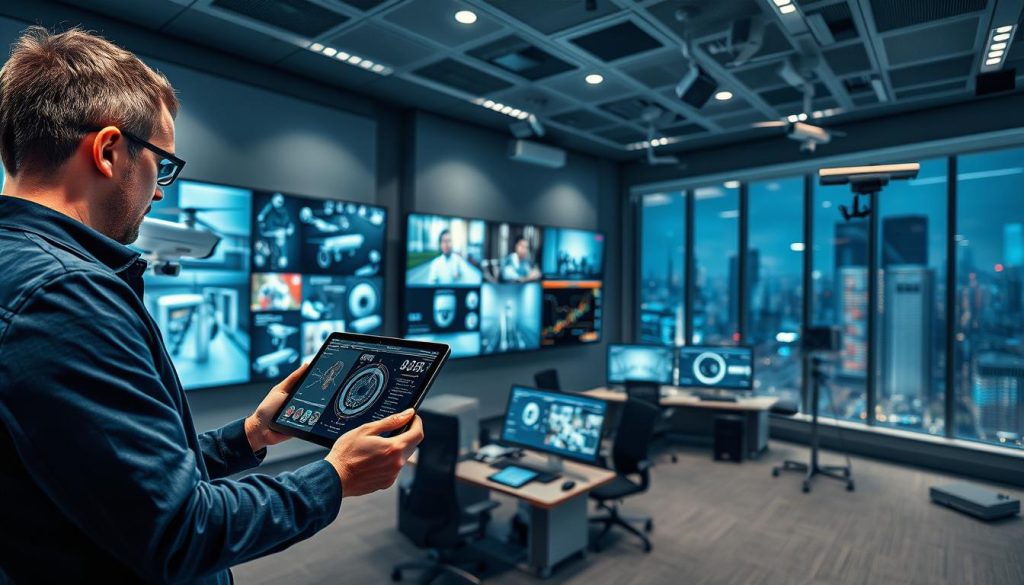
How AI and Analytics Can Simplify Health Monitoring
Artificial intelligence introduces intelligent oversight to your security infrastructure. Analytics platforms continuously monitor camera feeds and system metrics.
These tools automatically detect focus problems, lens obstructions, and performance degradation. They generate maintenance alerts before human operators notice any issues.
Advanced algorithms analyze patterns in your surveillance system data. They identify components likely to fail based on usage trends and environmental conditions.
This predictive capability allows for scheduled replacements during routine service visits. It prevents emergency breakdowns that create security gaps.
AI-driven monitoring platforms can reduce unplanned downtime by up to 40% through early anomaly detection and automated alerting.
Remote diagnostic tools enable technicians to assess problems without physical visits. They can check connectivity, review logs, and sometimes apply fixes from their office.
Mobile applications extend this capability to property managers. They allow quick system checks and configuration adjustments from smartphones.
The Shift to Cloud Storage and Its Maintenance Impact
Cloud-based solutions are changing how surveillance footage gets stored and accessed. This shift significantly reduces local hardware maintenance requirements.
On-site recorders and hard drives need regular cleaning, cooling, and replacement. Cloud storage transfers these responsibilities to service providers.
Your maintenance plan now focuses on network connectivity and data security. Bandwidth stability becomes crucial for reliable footage upload and retrieval.
Providers handle storage hardware updates, backups, and capacity management. This allows your team to concentrate on camera functionality and image quality.
Integration with other building management systems creates new considerations. Your CCTV system must work seamlessly with access control and alarm platforms.
Regular checks help verify these integrations remain functional after software updates. Technicians test data flow between different security systems during service visits.
Cybersecurity: A Critical New Component of CCTV Maintenance
Networked surveillance equipment introduces digital vulnerabilities that demand attention. Cybersecurity measures have become essential for modern security systems.
Regular software updates protect against newly discovered threats and exploits. Automated update systems streamline this process but require verification.
Strong password policies and access controls prevent unauthorized system entry. These measures need consistent enforcement and periodic review.
Network segmentation isolates surveillance traffic from other business data. This containment limits potential damage from security breaches.
Encryption protects footage both during transmission and while stored. Maintenance includes verifying encryption protocols remain active and current.
- Schedule quarterly security audits for all networked cameras and recorders
- Implement multi-factor authentication for remote access to surveillance feeds
- Monitor network traffic for unusual patterns that might indicate compromise
- Maintain detailed access logs for forensic analysis if incidents occur
Professional services now include cybersecurity assessments as standard practice. Technicians evaluate your entire digital security posture during maintenance visits.
The evolving technology landscape requires ongoing adaptation of your upkeep strategy. What worked for analog systems falls short for today’s intelligent, connected platforms.
Embrace these advancements to build a more resilient and efficient surveillance infrastructure. They transform maintenance from cost center to strategic advantage.
Securing Your Premises with Confidence in Singapore’s Climate
The relentless humidity and rainfall in Singapore create specific maintenance demands for security monitoring systems. Tropical conditions accelerate wear on electronic components.
Regular cleaning every few months prevents moisture buildup and fungus growth. This preserves clear footage from your surveillance equipment.
Weatherproof enclosures and proper sealing are essential for outdoor protection. Professional services here understand local climate challenges.
They implement corrosion-resistant materials and enhanced ventilation. These adaptations ensure long-term system reliability.
Your property remains protected with climate-appropriate upkeep. This builds genuine confidence in your security measures.