
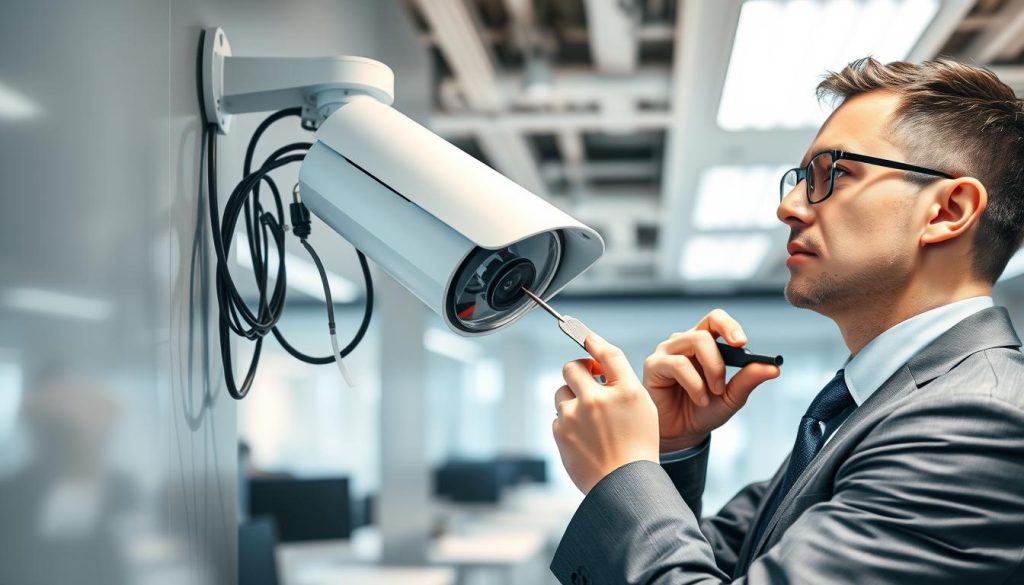
Your surveillance system is a silent guardian. But like any critical equipment, it needs a plan for care. There isn’t a single answer that fits every property.
The right schedule is a core part of a strong security strategy. Ignoring it can lead to sudden failures and blind spots. This leaves your property or business vulnerable.
Planned upkeep is a smart investment. It protects your security infrastructure and your financial outlay. Data shows regular servicing can cut equipment failures by up to 55%.
For example, cameras in high-traffic areas may require cleaning every one to two months. Proactive maintenance can also eliminate 30% of potential breakdowns. Yearly professional checks are highly recommended.
This guide will explore the factors that dictate your unique service needs. We’ll provide clear, actionable advice tailored for readers in Singapore.
Key Takeaways
- There is no universal service schedule for surveillance equipment.
- Neglecting your cameras can lead to system failure and compromised safety.
- Proactive maintenance is an investment that protects your property and budget.
- Regular upkeep can reduce equipment failures by more than half.
- Cameras in busy areas may need cleaning every few months.
- Annual professional inspections are advised for optimal performance.
- This guide will help you build a personalized maintenance plan.
The Essential Role of CCTV Systems in Modern Security
The value of a security camera system is measured not just by its purchase price, but by its unwavering reliability when needed most. These installations are a proactive pillar of any comprehensive safety plan.
Their true worth is realized during an incident. A system that isn’t functioning correctly offers no protection at all.
Why CCTV is a Cornerstone of Safety in Singapore
Singapore’s urban density creates unique security challenges. In such an environment, visual monitoring acts as a powerful force multiplier.
It extends the reach of law enforcement and private security teams. For business owners, this oversight is crucial.
It allows for real-time management of operations and ensures safety protocols are followed. Crowd control in public spaces also relies on clear visibility.
How Effective Surveillance Deters Crime and Enhances Monitoring
Visible cameras have a strong psychological impact. They significantly reduce the likelihood of theft and vandalism on premises.
The presence of surveillance signals that actions are being recorded. This alone prevents many potential problems.
When an event does occur, recorded footage becomes vital evidence. It provides clarity for investigations and legal proceedings.
This makes the case for clear, reliable video non-negotiable. A single faulty camera during a critical moment negates the entire system’s purpose.
Modern security strategies frame these cameras as active tools. They are central to a dynamic security and operational strategy.
Understanding CCTV Camera Lifespan: What to Expect
Camera lifespan varies widely, and several key factors determine whether your system lasts for years or fails prematurely. Knowing what to expect helps you plan upkeep and budget for eventual upgrades.
This knowledge is vital for security planning in Singapore. It prevents nasty surprises and ensures your visual monitoring remains effective.
Average Lifespan of Different CCTV Camera Types
Most security cameras operate reliably for five to ten years. This is a general range for well-made equipment.
Not all systems are equal. Older analog models tend to have shorter operational lives.
Modern digital and IP-based cameras are built with superior components. They generally last longer than their analog predecessors.
High-definition TVI (HD-TVI) cameras offer a middle ground. They provide better video than old analog but may not match the longevity of full IP systems.
Factors That Shorten or Extend Camera Longevity
The environment is a major player. Units exposed to relentless sun, heavy rain, or high humidity wear out faster.
Industrial areas with chemical fumes or salt air accelerate corrosion. Dusty locations cause internal problems.
Indoor cameras in climate-controlled spaces typically enjoy a longer life. Outdoor units face constant stress.
Electrical issues are silent killers. Power surges and unstable voltage can fry a cctv camera‘s electronics in an instant.
Proper installation extends service life. Using high-quality cables, connectors, and protective housing makes a huge difference.
A camera mounted securely, with cables protected from the elements, is set up for success. This is a crucial first step.
Technological obsolescence is another factor. A unit might function but become outdated.
Low-resolution footage or a lack of smart features can make an old camera ineffective for modern needs. It’s working but not useful.
Assessing your system’s age and condition is the first step in planning care. For instance, cameras in harsh spots may need a professional look every three months.
The Critical Importance of Regular CCTV Maintenance
The integrity of your entire security posture hinges on a simple, often overlooked principle: proactive maintenance. Treating cctv maintenance as a scheduled task, not a reactive fix, is what separates a reliable system from a liability.
This proactive approach is a powerful risk-mitigation strategy. It safeguards your property and ensures your surveillance investment delivers continuous value.
How Maintenance Prevents System Failures and Downtime
Planned regular maintenance acts as an early warning system. Technicians spot minor issues long before they escalate into total failures.
They check for wear on cables, corrosion on connectors, and the health of storage drives. Addressing these early keeps your entire system running smoothly.
Contrast this with the alternative. The predictable cost of a scheduled inspection is far lower than an emergency repair.
A faulty DVR or broken cable often means a complete security blackout. The disruption and potential loss are immense.
The Impact of Neglect on Security and Footage Quality
Neglect starts a dangerous domino effect. A dusty lens creates blurry footage.
That poor quality video becomes useless as evidence. When an incident occurs, your system has functionally failed.
Consider a retail store. A camera overlooking the stockroom could fail silently weeks before a theft.
Without a log of regular maintenance checks, no one knows it’s offline. The financial loss and security breach are direct results of ignored upkeep.
Maintenance is not an expense. It is the essential practice that guarantees your cameras perform their core function: capturing clear, actionable visual data around the clock.
How Often Should CCTV Be Serviced? Key Recommendations
Reliable video monitoring doesn’t happen by accident. It’s the direct result of a disciplined inspection plan.
We recommend a layered approach. Combine simple user checks with scheduled professional service. This strategy catches needs early and keeps your entire cctv system working well.
General Service Intervals: Monthly, Quarterly, and Annual Checks
Think of upkeep in three tiers. Each level serves a distinct purpose for system health.
Monthly Visual Checks (User-Performed):
- Quickly verify cameras are powered on and lenses are clear of spider webs or dirt.
- Log into your recorder or app to make sure recordings are happening.
- Look for any obvious physical damage or changes in the camera’s field of view.
Quarterly Functional Tests (More Technical):
- Review stored footage for clarity, especially at night.
- Test motion detection zones and alerts to ensure they trigger correctly.
- Gently clean accessible lenses with appropriate materials.
- Check cable connections for signs of wear or corrosion.
Annual Professional Audit (Non-Negotiable):
This is your system’s comprehensive health check. A qualified technician will perform tasks beyond a user’s scope.
An annual professional service is like a major car service. It diagnoses hidden issues, optimizes settings, and provides a full performance report.
They inspect internal hardware, update firmware, assess storage drive health, and verify network stability. This annual service is crucial for long-term reliability.
Tailoring Frequency Based on System Age and Usage
Your specific needs depend on your equipment’s profile. A one-size-fits-all schedule doesn’t work.
Newer systems (under 3 years) in controlled environments may thrive on annual professional checks. Basic user regular checks are still vital.
Older or heavily used systems demand more attention. Units over five years old, or those in harsh conditions, often benefit from professional attention every three to six months.
High-traffic commercial spots, like retail entrances or loading docks, are critical. A monthly professional review might be justified here.
Map your cameras by age, location, and importance. This creates a personalized maintenance starting point. An outdoor camera at a port needs a different plan than an indoor unit in a suburban home.
Factors Influencing Your CCTV Service Schedule
Your cameras’ environment, placement, and technology type are the primary drivers of their care needs. A generic timetable won’t suffice.
Customizing your approach is essential. It ensures every unit gets the right attention at the right time.
This analysis moves you from a standard calendar to a smart, personalized maintenance strategy. Let’s examine the key variables.
Environmental Conditions: Weather, Dust, and Humidity
Singapore’s tropical climate is a major factor for any outdoor camera. High humidity and frequent rain accelerate wear.
Salt air near coastal areas can cause corrosion on metal parts. Dust and pollution quickly coat lenses, blurring your view.
These elements demand more frequent cleaning and inspection. A unit in this harsh setting might need professional care every few months.
This proactive stance prevents common problems like lens blockages or internal moisture damage.
Camera Location and Exposure to High-Traffic Areas
Where you mount your cameras directly impacts their maintenance schedule. Compare a quiet stockroom to a busy loading dock.
High-traffic zones introduce vibration, more airborne dust, and a higher risk of tampering. Entrances and public areas see constant activity.
This physical stress can loosen mounts and wear out components faster. A system in such a spot requires closer monitoring.
Monthly visual checks become critical here. You must ensure the lens is clean and the field of view remains unobstructed.
System Type: Analog vs. Digital and Usage Intensity
The technology you use changes your upkeep needs. Older analog cctv systems are simpler but less robust over time.
Modern digital and IP cameras have better hardware. However, their software and firmware require regular updates.
These updates patch security flaws and improve performance. Neglecting them leaves your entire system vulnerable.
Usage intensity is another key point. A unit recording 24/7 puts more strain on its storage drive than one using motion activation.
Heavy-use drives wear out and need replacement sooner. Assessing your recording mode helps predict this care need.
To build your custom plan, assess these factors for each camera. Ask about its age, environment, and criticality.
This checklist puts you in control. You’ll know exactly which units need monthly attention and which can follow a quarterly rhythm.
Your security is only as good as your weakest link. A tailored schedule keeps every camera in top shape.
Signs Your CCTV System Requires Immediate Servicing
Your security cameras communicate their health through specific visual and performance cues. Learning to spot these red flags turns you into an active monitor.
This diagnostic guide helps you identify when your setup needs attention outside the regular schedule. Timely action prevents minor glitches from escalating into full system failure.
Visual Indicators: Blurry Footage and Physical Damage
Clear sight is non-negotiable for any surveillance unit. When the view degrades, it’s a direct signal.
Examine your cameras regularly for these common problems:
- Cracked or scratched lenses: This permanently ruins image quality.
- Rust on the casing or corroded connectors: Moisture has breached the housing.
- Frayed or exposed cables: These are safety and signal hazards.
- Lens blockages: Look for dirt, water droplets, or spider webs.
Condensation inside the dome is a serious warning. It means the seal has failed.
Cables chewed by pests or degraded by sunlight also need urgent replacement. If you see any of these signs, clean the lens carefully or contact a technician.
Performance Issues: Lagging, Dropouts, and Recording Gaps
Sometimes the issues are not visible on the camera itself. They show up in how the system behaves.
Be alert to these performance symptoms:
- Lagging or freezing video feeds: The live view buffers or stutters.
- Random camera dropouts: Units disappear from the network viewer.
- Recording gaps: Playback has missing chunks of time.
- System overload alerts: Your recorder warns of failure to save footage.
These are often signs of software conflicts, failing hardware, or network problems.
Check your system’s event logs for error messages. Look for codes related to storage failure, network timeouts, or login failures.
Never ignore intermittent issues. A camera that drops out once a week will likely fail completely soon.
If feeds are lagging, first reboot the recorder. If dropouts continue, a professional should check network stability and power supplies.
This proactive approach keeps your surveillance system running and working well. It ensures you have a reliable record of events.
Benefits of Proactive CCTV Maintenance
Think of scheduled CCTV upkeep not as a chore, but as a strategic investment with multiple returns. This disciplined approach pays off in three key areas: visual clarity, financial control, and long-term reliability.
A well-maintained system is a high-performing asset. It delivers the sharp footage and uninterrupted operation your property’s safety demands.
Enhanced Image Quality and Reliable Surveillance
Clear video is the foundation of any effective security strategy. A simple layer of dust or a spider web can render a camera useless when you need it most.
Proactive cleaning ensures lenses capture every detail. This is critical for identifying persons or license plates after an event.
High-quality footage serves as strong evidence. It speeds up investigations and supports insurance claims or legal actions.
Consistent upkeep keeps your entire setup running smoothly. You avoid the frustration of frozen feeds or random dropouts that create blind spots.
This operational reliability translates directly to better security monitoring and peace of mind. Your team can trust what they see on screen.
Cost Savings from Avoiding Major Repairs and Replacements
Addressing small issues early prevents expensive emergencies. A loose cable connection fixed during a routine check costs very little.
Ignoring it could lead to a full camera failure. The emergency service call and replacement unit will cost significantly more.
The annual fee for a professional cctv maintenance contract is often less than the price of a single new high-definition camera.
This regular maintenance is a form of financial risk management. It budgets for known, small costs to avoid unpredictable large ones.
Data from the security industry shows proactive programs can reduce unexpected breakdowns by over 50%. This directly protects your bottom line.
Extended Equipment Lifespan and Improved Security Response
Proper care makes your equipment last longer. Protecting cameras from environmental wear and ensuring stable power extends their useful life.
A system that is maintained will system last longer before needing a full upgrade. This delays major capital expenditure.
Reliable surveillance also means a faster, more effective security response. Guards or monitoring centers get clear, real-time information.
They can assess situations accurately and act without delay. This could mean quicker notification of authorities or a more precise review of an incident log.
Ultimately, your cameras work better and serve you longer. The benefit is a dependable security apparatus that operates 24/7 without surprise failures.
That reliability is the ultimate return on your maintenance investment.
Best Practices for Maintaining Your CCTV Cameras
Empowering yourself with basic maintenance skills is the first step toward a resilient security system. Knowing a few key routines helps preserve your investment between professional visits.
These hands-on tasks keep your cctv cameras in peak condition. They also give you confidence that your surveillance is always ready.
Regular Cleaning and Lens Care for Clear Visuals
Clear sight is everything for a security camera. Dust, rain spots, and spider webs can completely obscure a lens.
Studies show that 85% of units work better after a good clean. This simple act is one of the most effective things you can do.
Always use a soft, microfiber cloth and approved lens cleaner. Avoid paper towels or abrasive materials that can scratch the glass.
For safety, ensure the cctv cameras are powered down or in a safe mode before you start. Gently wipe the camera lenses in a circular motion from the center out.
Check housing seals for cracks where moisture could enter. A quick monthly visual inspection catches these issues early.
Software and Firmware Updates for Optimal Performance
Modern surveillance systems rely on digital brains. Keeping this intelligence current is non-negotiable.
Manufacturers release software firmware updates to patch security holes and add new features. Upgrading can make your system 60% more effective.
These updates fix bugs that cause lagging or dropouts. They keeps system defenses strong against new cyber threats.
Set a calendar reminder to check your recorder or camera manufacturer’s website every quarter. Log into your system’s admin panel to install available updates.
This proactive habit closes vulnerabilities hackers might exploit. It ensures your technology operates at its designed potential.
Proper Installation and Environmental Protection Tips
How your equipment is installed sets the stage for its entire life. About 45% of common problems stem from damaged cables or poor connections.
During setup, use drip loops on all external cables. This prevents water from running down the wire into the camera housing.
In Singapore’s humid climate, specify enclosures with a high IP rating for outdoor use. These keep moisture and dust out.
Using surge protectors can cut down on power-related issues by a significant 80%. This simple device is a critical shield for your electronics.
Install sunshades to prevent direct sun from overheating the unit. Overheating shortens component life and can cause shutdowns.
Always make sure storage capacity is managed. Backing up critical footage regularly can make it 90% more available when needed.
Review your recorder settings to prevent old footage from overwriting important events. Set alerts for when the hard drive is nearly full.
Following these practices puts your entire setup in good shape. Consistent care keeps everything running well and in top shape for years.
What Professional CCTV Maintenance Services Offer
The true depth of a professional CCTV maintenance service goes far beyond simple cleaning and basic checks. It represents a partnership with experts who safeguard your entire security investment.
Companies like Wen Hong Security provide a holistic approach. They deliver technical expertise, detailed reporting, and strategic foresight a DIY plan cannot match.
This professional care ensures your surveillance infrastructure remains a reliable asset. Let’s explore the core components of this valuable partnership.
Comprehensive Inspections and Technical Support
A qualified technician performs a multi-point inspection during a professional visit. This process uncovers hidden problems before they cause system failure.
The inspection typically includes:
- Electrical testing of power supplies and surge protection.
- Signal strength and bandwidth analysis for network systems.
- Storage health diagnostics on hard drives and network video recorders.
- Lens calibration and image quality verification.
- A full review of system configuration and user permissions.
Technical support extends to complex issues like network switch failures or integrating new cameras with legacy equipment. Experts can also attempt corrupted footage recovery, which is often impossible for users.
The resulting service report is a critical document. It provides an audit trail for compliance, supports warranty claims, and helps plan future budgets.
When to Hire Experts vs. DIY Maintenance
Knowing the line between DIY and professional service saves time and prevents damage. Simple tasks are suitable for users.
You can handle cleaning accessible indoor lenses and performing monthly visual checks. Checking that recordings are active is also a user-friendly task.
Complex problems demand a professional. Troubleshooting a failing PTZ motor, diagnosing network performance issues, or rewiring a damaged conduit requires specialized tools and knowledge.
A detailed professional assessment can identify opportunities for strategic upgrades, such as adding video analytics or improving a camera’s low-light performance.
This expert insight turns maintenance into a forward-looking strategy. It aligns your security needs with technological advancements.
Ultimately, professional cctv maintenance is an essential component of a total cost of ownership strategy. It maximizes uptime, extends system life, and guarantees reliability.
For a clear framework on timing these services, review this guide on establishing a professional CCTV maintenance schedule.
Creating a CCTV Maintenance Schedule: Residential vs. Commercial
Building an effective maintenance schedule starts with recognizing one fundamental split: residential versus commercial installations. The stakes, scale, and regulatory environment are completely different.
Applying the same timetable to both is a common mistake. A tailored approach ensures your resources are focused correctly.
This comparison helps you categorize your own setup. You can then apply the appropriate level of rigor to your upkeep plan.
Recommended Service Frequency for Home Systems
Home surveillance setups have a lower risk profile. This allows for a simpler, less intensive maintenance routine.
The primary goal is reliability and peace of mind. Homeowners can manage most tasks themselves.
A practical residential care plan includes these key actions:
- Bi-annual Visual Checks: Every six months, walk around your property. Ensure all cameras are physically intact and lenses are clear of obstructions like leaves or spider webs.
- Annual Professional Inspection: Schedule a technician for a comprehensive check once a year. They can verify wiring, update software, and assess overall system health.
- Remote Access Verification: Monthly, log into your mobile app or viewer. Confirm you can see live feeds and access recorded footage without issues.
For most homes, this level of attention is sufficient. It keeps the system operational without overwhelming the homeowner.
Annual professional servicing is often adequate for residential needs. The environment is generally less punishing than a commercial site.
Commercial CCTV Upkeep: Higher Standards and Compliance
Commercial and industrial installations operate under much higher pressure. The financial, legal, and security stakes demand a rigorous, documented approach.
Compliance is a major driver. Many businesses must adhere to strict standards.
Insurance providers often mandate specific inspection frequencies. Data protection laws require secure handling of footage.
Industries like banking, warehousing, or retail have their own regulations. Frequent, documented checks are not just advised—they are often required.
A robust commercial maintenance plan involves:
- Monthly or Quarterly Professional Inspections: High-traffic sites may need a technician every three months. Critical areas might require monthly visits to ensure flawless operation.
- Detailed Service Logs: Every check must be recorded. These logs prove due diligence during audits or insurance reviews.
- Scale Management: A commercial site may have 40 cameras, not 4. Organized scheduling software is essential to track the status of every unit.
For commercial clients, a Service Level Agreement (SLA) with a provider guarantees response times. This ensures any fault is addressed within a specified window, minimizing security gaps.
The focus shifts from simple operation to guaranteed performance and accountability. Your security infrastructure must be audit-ready at all times.
This elevated standard protects your assets, reputation, and legal standing. It turns your camera network into a verified, compliant security asset.
Optimal Timing for CCTV Servicing and Inspections
When you schedule maintenance is just as critical as what gets done during the service. Strategic timing prevents operational headaches and keeps your security investment in top shape.
This approach transforms upkeep from a disruptive task into a seamless part of your routine. It ensures your surveillance is always ready when needed most.
Scheduling During Off-Peak Hours to Minimize Disruption
For businesses, a camera outage during operating hours is unacceptable. It creates a security blind spot and can disrupt daily activities.
The solution is simple. Plan professional checks for nights, weekends, or public holidays.
Retail stores and office buildings benefit greatly from this strategy. Technicians can work without interrupting customer flow or employee productivity.
This keeps your entire system running smoothly without any downtime. You maintain full surveillance coverage throughout the process.
Always coordinate with your security provider in advance. Lock in these off-peak time slots to guarantee availability.
Seasonal Checks and Pre-Event Maintenance Strategies
Singapore’s climate and event calendar demand a forward-looking schedule. Proactive planning here is a game-changer.
Seasonal checks are essential. Aim for two key inspections each year.
- Pre-Monsoon: Before the heavy rains, a technician should verify all outdoor housing seals and weatherproofing. This prevents water damage.
- Post-Monsoon: After the wet season, a cleaning visit removes accumulated grime and checks for any moisture intrusion.
Pre-event maintenance is another critical tactic. Before major sales, festivals, or known high-risk periods, conduct a thorough system review.
Servicing your cameras before a big event is like tuning an engine before a race. It guarantees peak performance under pressure.
This includes verifying recording functions, testing motion alerts, and ensuring storage drives are healthy. You make sure everything is in perfect working shape.
Also, align software updates with predictable low-activity periods. Schedule storage system health checks at regular intervals.
This prevents a hard drive failure during a crucial recording time. Proactive timing is the hallmark of a mature security operation.
It integrates care directly into your business planning cycle. Your surveillance remains a reliable, unseen guardian.
Common Mistakes to Avoid in CCTV Maintenance
Many security failures stem not from equipment flaws, but from preventable maintenance mistakes. Sidestepping these common pitfalls is crucial for protecting your surveillance investment.
Avoiding errors keeps your entire system reliable and effective. This guide highlights the missteps that undermine security the most.
Neglecting Regular Inspections and Software Updates
The “set and forget” mentality is a top error. Installing cameras and never reviewing them invites failures.
Without scheduled checks, minor problems go unnoticed. They eventually escalate into major system breakdowns.
Ignoring software and firmware updates is equally dangerous. Manufacturers release patches to fix bugs and close security holes.
An outdated system is vulnerable to hacking and compatibility issues. Regular updates keep your defenses strong and performance sharp.
These updates often improve video quality and add new features. Skipping them leaves your technology stagnant and at risk.
Ignoring Early Warning Signs and Environmental Hazards
Dismissing minor issues is a costly mistake. Occasional pixelation or a single camera reboot often signals bigger trouble.
These are precursors to total system failure. Addressing them early prevents expensive repairs later.
Environmental hazards are frequently overlooked. Overgrown tree branches can block a camera’s view completely.
Garden sprinklers spraying directly on housings cause water damage. Accumulated leaves or bird nests obstruct lenses and attract pests.
Using improper cleaning methods damages cameras. Harsh chemicals or high-pressure water jets ruin seals and cause internal corrosion.
This leads to water ingress and lens fogging. Always use a soft cloth and approved cleaner for lens cctv maintenance.
Staying vigilant to these signs and hazards is simple. It is far cheaper than fixing the consequences of neglect.
Your cameras will deliver clearer footage and last longer. A proactive approach is the best cctv maintenance strategy you can adopt.
Developing a Personalized CCTV Maintenance Plan
Moving from general advice to a custom schedule requires a systematic assessment of your unique setup. A one-size-fits-all approach won’t work for long-term reliability.
Your property’s security demands a tailored strategy. This final step turns all previous guidance into actionable steps.
A detailed plan is the key to keeping your surveillance effective. It ensures your cctv system remains a dependable asset.
Steps to Assess Your System’s Unique Needs
Begin by conducting a full audit of your current installation. This creates a clear picture of what you have and what it needs.
Follow this simple worksheet to guide your assessment:
- Inventory All Cameras: List every unit. Note its make, model, and installation date.
- Record Location and Environment: Mark each as indoor or outdoor. Note exposure to weather, dust, or high traffic.
- Assign a Criticality Level: Rank each camera. Is it monitoring a critical asset, entrance, or general area?
- Review Age and Usage: Older equipment or cameras recording 24/7 require more frequent attention.
Next, use this data to assign a check frequency. Base it on the factors you’ve documented.
Critical outdoor cameras in harsh spots may need monthly regular checks. Indoor units in low-traffic areas might only need quarterly reviews.
This process creates a baseline schedule. It prioritizes resources where they matter most.
Documenting Checks and Creating a Maintenance Log
Consistency is impossible without proper records. A maintenance log turns intentions into accountable actions.
This living document tracks the health of your entire cctv system. It provides a history for troubleshooting and planning.
Your log should capture several key details for every inspection:
- Date and time of the check.
- Name of the person performing the task.
- Specific items inspected (lens, housing, cables, recording).
- Any issues found and the corrective action taken.
- Software or firmware versions updated.
- Dates when lenses were cleaned or parts replaced.
A well-kept log is proof of due diligence. It supports warranty claims and demonstrates compliance during audits.
Set digital calendar reminders for both your regular checks and professional service appointments. Automation keeps system care on track.
This disciplined approach system running smoothly and running well. It transforms reactive fixes into proactive maintenance.
Your personalized plan and log become the backbone of reliable security. They adapt as your cctv system or environment changes.
This final piece ensures your investment in surveillance delivers continuous protection. It’s the smart way to manage modern security.
Securing Your Investment: The Long-Term Value of CCTV Care
The ultimate return on your surveillance investment is guaranteed by disciplined upkeep. Proactive maintenance represents the most effective strategy to protect your cctv investment’s value. It ensures operational reliability, extends equipment lifespan, and delivers significant cost savings over time.
Frame this maintenance as essential insurance. It guarantees your system is always ready and shields you from larger financial losses. We encourage you to act immediately—perform a visual inspection or schedule a professional assessment.
Understanding and implementing a plan empowers you. This key keeping practice keeps system performance optimal. Your cctv will remain in good shape and system last longer, maintaining top shape consistently.
For genuine security, consistency and prevention are always superior to reaction and repair.