
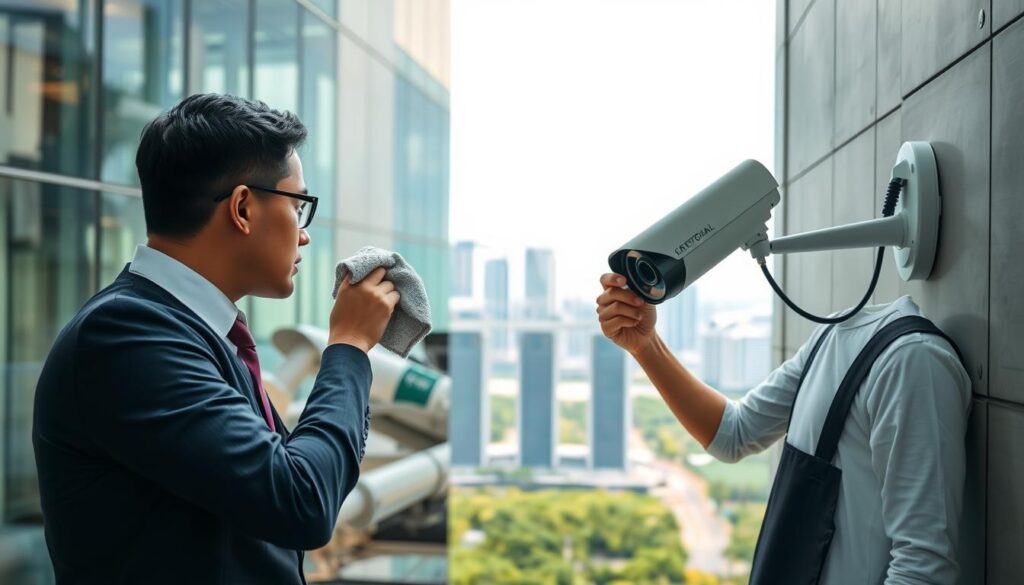
Maintaining the performance of surveillance systems is essential, especially in Singapore’s tropical climate. Regular upkeep of security devices ensures they operate at their best. Accumulation of dirt, dust, and grime on lenses can significantly compromise video quality. This can lead to unreliable footage when it’s needed most.
Understanding the right frequency for maintenance is vital for extending the lifespan of these systems. The humid environment in Singapore presents unique challenges that require more frequent attention. This guide will cover effective maintenance schedules, best practices, and the environmental factors that affect cleaning needs.
Proactive care not only prevents costly repairs but also minimizes downtime. Many property owners underestimate how quickly conditions can degrade the performance of their equipment. Clear footage is crucial for law enforcement, insurance claims, and legal matters. By following the recommendations in this article, readers will learn to design a maintenance routine that protects their investment year-round.
Key Takeaways
- Regular cleaning is vital for optimal surveillance performance.
- Dirt and grime can compromise video quality and security effectiveness.
- Understanding cleaning frequency extends equipment lifespan.
- Singapore’s humid climate requires more frequent maintenance.
- Proactive care helps prevent costly repairs and downtime.
- Clear footage is essential for legal and insurance purposes.
Why Cleaning CCTV Cameras is Vital for Optimal Surveillance Performance
To ensure effective surveillance, regular maintenance of security systems is crucial, particularly in Singapore’s humid environment. Dirt and grime accumulation can lead to blurry, grainy footage. This makes it nearly impossible to capture critical details like facial features or license plates during security incidents.
Clear images are essential for law enforcement investigations and insurance claims. They also help document events accurately for legal proceedings. Alarmingly, industry data reveals that 83% of surveillance failures result directly from insufficient maintenance and cleaning.
Regular cleaning can reduce the risk of equipment failure by up to 87%. This makes it one of the most cost-effective security investments available. In Singapore, the tropical humidity accelerates grime formation as moisture binds with airborne dust particles on lens surfaces.
Neglecting camera maintenance can lead to permanent lens etching and irreversible damage, necessitating expensive replacements. Additionally, many manufacturers void warranties when maintenance records show inadequate cleaning.
Clean cameras ensure reliable performance during critical moments when security footage is most needed. Dirty lenses can severely degrade night vision capabilities, leaving properties vulnerable during nighttime hours. Thus, regular cleaning directly impacts the overall reliability and effectiveness of the entire surveillance system.
Key Factors Influencing CCTV Camera Cleaning Frequency in Singapore
In Singapore, the cleaning frequency of surveillance systems is influenced by multiple environmental and usage factors. Understanding these elements is essential for maintaining optimal performance.
Environmental Conditions: Humidity, Dust, and Location
Singapore’s high humidity levels create unique challenges for surveillance systems. Moisture bonds with airborne dust, leading to stubborn lens residue. This residue degrades image quality faster than in drier climates.
Outdoor installations face greater challenges than indoor units. Cameras near construction sites or busy roads accumulate dirt and grime at accelerated rates. In coastal areas like East Coast or Sentosa, salt spray corrosion adds another layer of complexity.
Additionally, industrial environments encounter chemical residues and particulate matter. These conditions necessitate more frequent maintenance to ensure clear footage.
Camera Usage Patterns and Traffic Levels
High-traffic locations such as shopping malls, MRT stations, and hawker centers require monthly or bi-monthly cleaning. The constant activity in these areas leads to quicker lens degradation.
Continuously recording units also experience faster wear compared to motion-activated ones. Critical security zones, such as bank vaults and government facilities, demand impeccable video quality, justifying more frequent cleaning schedules.
Indoor cameras in air-conditioned environments typically need less frequent attention. However, areas with heavy vegetation or near parks face additional challenges from pollen, sap, and insect activity on camera housings.
Understanding these environmental and usage factors is crucial for creating an effective, customized cleaning schedule. Failing to account for location-specific factors can lead to either over-cleaning, wasting resources, or under-cleaning, compromising security.
How Often Should You Clean CCTV Cameras? Understanding the Best Schedule
Establishing a routine for surveillance system upkeep is key to ensuring optimal performance. Most environments benefit from a baseline schedule of every three to six months. This balanced approach prevents neglect without creating excessive upkeep burdens.
High-traffic locations, such as retail stores and airports, typically require monthly or bi-monthly attention. These environments accumulate debris faster due to constant activity. Additionally, seasonal changes significantly impact maintenance needs.
In Singapore, the monsoon seasons from November to January and June to September create unique challenges. The combination of humidity and rainfall accelerates grime buildup on equipment.
It’s essential to set calendar reminders and maintain a documented cleaning log. This helps track maintenance dates and identify patterns in grime accumulation. Consistent scheduling is more crucial than occasional deep cleaning. It ensures steady video quality and system reliability.
The three-to-six-month guideline serves as a starting point. Adjustments should be made based on actual observations of camera performance. The ultimate goal of any cleaning schedule is to maintain clear footage and uninterrupted security coverage.
Property owners should monitor their cameras monthly. This allows for adjustments in cleaning frequency based on real-world conditions rather than theoretical schedules.
Designing a Practical Cleaning Schedule for Different Surveillance Scenarios
Creating an effective cleaning schedule is vital for maintaining surveillance systems in diverse environments. Different settings require tailored approaches to ensure optimal performance and clear footage.
Low-Traffic Residential and Commercial Settings
For low-traffic areas, such as landed properties and condominiums, a cleaning interval of every six months is typically sufficient. This schedule allows for regular maintenance without overwhelming the property owner.
Small office environments, primarily featuring indoor cameras, can effectively follow a quarterly cleaning schedule. Minimal outdoor exposure reduces grime accumulation, making this frequency practical.
High-Traffic and Critical Security Areas
In contrast, high-traffic commercial settings like shopping malls along Orchard Road, hospitals, and transportation hubs require monthly cleaning. The constant activity in these areas leads to rapid dust circulation and grime buildup.
Critical security zones, including bank branches, government buildings, and jewelry stores, benefit from bi-monthly or even weekly inspections. This ensures flawless footage and reliable surveillance in high-stakes environments.
For example, downtown Singapore hotels near Marina Bay require monthly cleaning due to urban pollution and high humidity, which accelerates grime accumulation.
To ensure accountability, it’s advisable to assign specific staff members or contracted service providers to handle cleaning tasks. Integrating cleaning checklists with other routine maintenance activities can enhance efficiency and prevent overlooked cameras.
Utilizing digital tools and calendar reminders for upcoming cleaning sessions helps maintain consistency in the schedule. Seasonal adjustments are particularly valuable in Singapore, especially post-monsoon, when water spots and debris need to be addressed.
A structured, documented schedule prevents camera neglect and maintains comprehensive security coverage across all surveillance scenarios.
Tailoring Your Cleaning Routine to Singapore’s Tropical Climate
Singapore’s tropical climate presents unique challenges for maintaining surveillance systems. The high humidity levels often exceed 80%, promoting mold and fungus growth on camera lenses. This can lead to blurry footage and potential damage to the equipment. Therefore, specific anti-fungal cleaning approaches are necessary to ensure optimal performance.
Additionally, condensation can form on lenses during temperature transitions between air-conditioned interiors and the humid outdoors. This creates foggy footage, which can hinder surveillance effectiveness. The seasonal rainfall in Singapore, particularly during the monsoon seasons from November to January and June to September, also complicates maintenance. Heavy rains leave water spots and dirt splatter on camera housings, requiring immediate attention.
To maintain optimal performance, outdoor units should be scheduled for cleaning every few months, ideally two to three times a year. This routine helps prevent long-term damage and ensures clear footage. After periods of heavy rain, consider scheduling additional cleaning sessions to remove water residue before it dries and etches lens surfaces.
Using proper weatherproofing is crucial for all outdoor cameras in Singapore. IP66-rated or higher housings provide essential protection against moisture ingress and internal corrosion. During each maintenance session, check rubber seals, gaskets, and cable entry points to ensure weatherproofing integrity remains intact.
For extremely humid locations, such as swimming pool areas or coastal properties, anti-fog solutions can be beneficial. Inspect wiring and connections regularly for signs of corrosion, which can accelerate in Singapore’s salt-laden coastal air and high-humidity environment. Proper weatherproofing not only extends the lifespan of your equipment but also prevents the need for premature camera replacements.
Lastly, professional installation typically includes climate-appropriate protective measures that DIY setups might overlook. Consulting with experts can ensure that your surveillance system is adequately protected against Singapore’s challenging weather conditions.
Identifying Signs That Your CCTV Cameras Need Immediate Cleaning
Recognizing when surveillance systems require immediate attention is crucial for maintaining their effectiveness. Various signs indicate that it’s time to take action. Ignoring these signals can lead to significant issues, including compromised security and poor image quality.
Detecting Blurry or Poor Quality Footage
Blurry, grainy, or distorted footage is the most obvious indicator that camera lenses need immediate cleaning attention. When dirt or smudges obstruct the lens, the quality of the video diminishes significantly. Night vision capabilities often degrade first, resulting in unclear nighttime images.
Colors may appear washed out or unnatural in daytime footage, signaling that grime buildup is affecting the camera’s color accuracy. Regular monitoring can help catch these problems early, ensuring clear footage and effective surveillance.
Observing Visible Dirt, Dust, or Moisture on Equipment
Visible physical debris such as spider webs, accumulated dust layers, and bird droppings demand prompt cleaning. In Singapore, the high humidity creates additional challenges. Internal lens fogging can occur, appearing as a hazy overlay on footage. This requires urgent attention to prevent permanent damage.
Ignoring visible dirt and debris risks permanent lens scratching. Abrasive particles can grind against the glass surface during wind and rain, leading to costly repairs. Additionally, signal dropouts or flickering footage can sometimes stem from dirt-related electrical contact problems.
Regular remote viewing of camera feeds can help catch image quality degradation early. Cameras in hard-to-reach locations should be monitored even more vigilantly, as physical inspections are less frequent. Prompt responses to these warning signs can prevent minor cleaning issues from escalating into expensive camera replacements or security breaches.
Step-by-Step Guide to Safely Cleaning Your CCTV Cameras
Adopting proper cleaning practices is essential for ensuring the reliability of security devices in Singapore’s humid environment. A systematic approach not only enhances performance but also prolongs the lifespan of your equipment.
Essential Tools and Cleaning Materials
Before starting, gather the following essential tools:
- High-quality microfiber cloths: These are designed for optical surfaces and prevent scratches.
- Lens cleaning solution: Use a diluted isopropyl alcohol or a dedicated lens cleaner.
- Compressed air canisters: Ideal for blowing away loose dust and debris.
- Distilled water: Effective for tackling stubborn grime.
Microfiber cloths are non-negotiable as they trap particles without scratching, unlike paper towels or regular cloths that can leave micro-abrasions on lens coatings.
Best Practices for Cleaning Camera Lenses and Housing
Follow these best practices to clean your cameras safely:
- Power down the units when possible to avoid electrical issues and to see dirt more clearly.
- Use compressed air first to blow away loose dust before any physical contact with the lens surface.
- Apply the cleaning solution to the cloth, never directly onto the lens, to prevent liquid from seeping into camera housing seams.
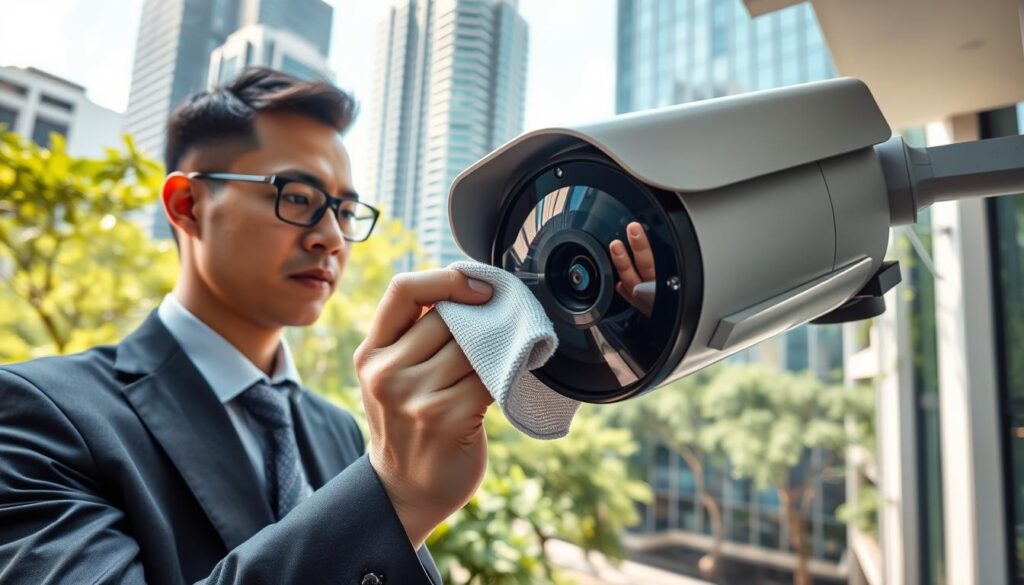
- Gently wipe the lens in circular motions, starting from the center and moving outward, using minimal pressure to avoid scratches.
- For exterior surfaces, use a slightly damp microfiber cloth, avoiding moisture near cable entry points, seals, and ports.
- Allow all components to dry completely before reactivating the cameras to prevent short circuits or internal condensation.
- Store cleaning tools in sealed, clean containers between uses to keep them dust-free.
- For hard-to-reach or elevated cameras, consider using extension poles with soft cleaning attachments or hiring professional technicians for safety.
Implementing these cleaning practices ensures that your surveillance system remains effective and reliable, safeguarding your property.
Incorporating Camera Cleaning into a Comprehensive Maintenance Routine
Integrating regular assessments into your maintenance routine is crucial for the longevity of surveillance systems. A structured approach ensures that every component functions optimally and that potential issues are addressed promptly.
Monthly Visual Inspections and Connection Checks
Monthly sessions should include both cleaning and physical assessments. Here are some key areas to focus on:
- Camera Housings: Examine for physical damage, cracks, moisture intrusion, and signs of insect nests or spider webs that could obstruct performance.
- Connection Checks: Verify that all cables are secure, free from corrosion, and properly weatherproofed, especially for outdoor installations in Singapore’s humid environment.
- Power Supply Verification: Ensure all cameras receive consistent voltage to prevent intermittent failures and image quality issues.
- Camera Angles and Focus: Test these after each cleaning session to confirm that views remain optimal and no accidental misalignment occurred during handling.
- Maintenance Log: Maintain a detailed log documenting cleaning dates, observations, and any issues identified for future reference and warranty compliance.
Quarterly System Reviews and Software Updates
Quarterly maintenance involves deeper evaluations, including:
- Comprehensive Checks: Assess all surveillance components, including storage capacity and recording quality.
- Firmware and Software Updates: Install patches to address security vulnerabilities, improve motion detection algorithms, and enhance night vision capabilities.
- Humidity Impact: Pay special attention to how Singapore’s climate may affect electronic components over time, checking for humidity-related degradation.
Creating an integrated maintenance calendar that schedules cleaning alongside inspections and software updates will maximize efficiency. This comprehensive approach extends equipment lifespan, maintains warranty validity, and ensures the entire surveillance system operates at peak reliability.
The Importance of Professional CCTV Maintenance Services
Expert maintenance services are crucial for ensuring the longevity and reliability of surveillance systems. Certain situations demand professional intervention, especially when dealing with large installations that include multiple units. In such cases, individual cleaning becomes impractical.
Hard-to-reach cameras, often mounted at heights or in dangerous locations, require technicians equipped with the right safety gear and access tools. If persistent image quality issues arise that basic cleaning cannot resolve, it may indicate deeper technical problems. This is where the expertise of professionals becomes invaluable.
In Singapore, the unique climate creates maintenance challenges that local experts understand well. They can apply climate-appropriate solutions that help mitigate issues related to humidity and monsoon seasons.
Knowing When to Hire a Technician
Recognizing when to hire a technician is essential for maintaining your surveillance system. Large-scale installations, hard-to-reach cameras, and persistent problems are clear indicators that professional help is needed. Additionally, the unique challenges posed by Singapore’s climate necessitate expert knowledge to ensure optimal performance.
Benefits of Scheduled Service Contracts in Singapore
Scheduled service contracts provide consistent, timely professional care without the need for property owners to remember cleaning dates. These contracts often include comprehensive system checks, such as calibration and weatherproofing assessments, ensuring that your equipment remains in top condition.
Industry data shows that professional servicing can extend equipment lifespan by up to 30%, representing significant long-term cost savings on replacements. Furthermore, service contracts typically include priority support with guaranteed quick response times, minimizing system downtime during emergencies.
When evaluating service providers in Singapore, consider their accreditation, proven experience with similar installations, and positive customer reviews. Professional maintenance delivers peace of mind through expert care, ensuring that your security investment remains protected and fully operational.
Indoor vs Outdoor CCTV Camera Cleaning: Understanding the Differences
Understanding the distinct cleaning needs of indoor and outdoor surveillance systems is essential for maintaining optimal performance. Indoor units generally operate in controlled environments, leading to less exposure to dust and moisture. However, they still accumulate fine dust particles and cobwebs that can degrade image quality over time.
In contrast, outdoor units face significantly more challenges. These include:
- Direct exposure to Singapore’s tropical rain, which can leave water spots and debris.
- Airborne dust from construction sites that settles on lenses.
- Bird droppings and potential vandalism that can obstruct views.
- UV radiation that can affect the durability of the equipment.
Outdoor cameras near coastal areas, like East Coast Park or Jurong Island, are particularly vulnerable to salt spray corrosion, a challenge that indoor units do not encounter. For these reasons, monthly visual inspections are recommended for outdoor units, especially after heavy rainstorms or visible debris accumulation.
When cleaning outdoor cameras, it’s crucial to focus on the entire housing, not just the lens. This includes removing dirt, spider webs, and water spots to ensure clear visibility.
Indoor cameras in non-air-conditioned spaces, such as warehouses or parking garages, experience higher dust levels. This places them between indoor and outdoor cleaning requirements, necessitating a more frequent cleaning schedule than typical indoor units.
While the cleaning techniques for both types of cameras are similar, outdoor units require more rigorous attention and weatherproofing checks. Understanding these differences helps property owners allocate maintenance resources appropriately across their surveillance systems.
It is advisable to document separate cleaning schedules for indoor and outdoor cameras. This ensures that neither category is neglected, ultimately maintaining the integrity and functionality of the entire surveillance system.
How Weather Conditions Impact CCTV Camera Cleaning Frequency
Weather conditions play a significant role in determining how frequently surveillance systems require maintenance. In Singapore, the tropical climate poses unique challenges that can affect the performance of these systems.
Heavy monsoon rains directly impact camera lenses by leaving water spots, dirt splatter, and mineral deposits. These residues can degrade image clarity and compromise the quality of footage. Regular cleaning is essential after such weather events to maintain optimal performance.
Strong winds during storm seasons carry dust, pollen, and debris that accumulate on camera housings and lenses much faster than during calm periods. This rapid accumulation can obstruct views and reduce the effectiveness of surveillance systems.
Additionally, high humidity levels above 80% can cause condensation inside camera housings. This internal fogging requires professional attention to resolve, as it can severely hinder visibility.
To adapt to these weather conditions, increasing cleaning frequency during Singapore’s monsoon seasons from November to January and June to September is advisable. During these times, rainfall and wind are most intense, necessitating more frequent inspections and maintenance.
Conversely, dry periods between monsoons present ideal opportunities for thorough inspections and preventive maintenance. These times allow property owners to avoid weather-related interruptions and ensure that their systems remain functional.
Prolonged exposure to direct tropical sunlight can also cause dust and grime to bake onto lens surfaces. This makes them harder to clean without proper solutions, emphasizing the need for regular maintenance.
Property owners should monitor weather forecasts and schedule cleaning sessions proactively before predicted heavy rain or dust events. Cameras in exposed locations, such as rooftop installations or coastal properties, experience amplified weather effects and need more frequent attention.
By understanding how weather impacts cleaning frequency, property owners can develop smarter maintenance schedules. This proactive approach helps prevent weather-related image quality degradation and ensures clear footage throughout Singapore’s varying weather patterns.
Best Practices to Extend Your CCTV Camera’s Lifespan Through Regular Cleaning
A well-planned maintenance strategy is vital for extending the life of security equipment. Regular cleaning plays a key role in keeping surveillance systems functioning optimally. It helps prevent overheating and ensures that cameras remain effective in their duties.
By implementing a consistent maintenance plan, small issues can be addressed before they escalate into costly repairs. This proactive approach not only saves money but also enhances the overall performance of the system.
Well-maintained cameras are less prone to breakdowns, which leads to more efficient surveillance. Cleaning removes dirt and grime, reducing wear and tear on the equipment. Here are some best practices to consider:
- Prevent lens damage: Regular cleaning directly extends the lifespan of your cameras by preventing abrasive dust particles from etching and permanently damaging lens coatings.
- Enhance efficiency: Clean cameras operate more efficiently, reducing strain on internal components and minimizing the risk of overheating and electronic failures.
- Address minor issues: Proactive maintenance prevents small problems, such as loose connections or minor corrosion, from escalating into major equipment failures that require complete replacement.
- Consider professional servicing: Industry findings indicate that professional servicing and regular cleaning can extend equipment operational life by up to 30%, resulting in significant long-term cost savings.
- Document cleaning histories: Keeping records helps identify which cameras in a system require more frequent attention, allowing for predictive maintenance planning.
- Maintain image quality: Regular cleaning ensures optimal image quality throughout the camera’s lifespan, ensuring that your security investment continues delivering value year after year.
- Evaluate costs: The cost of regular cleaning supplies and occasional professional servicing is minimal compared to the expense of premature camera replacements.
- Integrate cleaning into maintenance strategy: Incorporate cleaning into a broader preventive maintenance strategy that includes firmware updates, connection checks, and storage system reviews.
- Preserve resale value: Well-maintained cameras maintain higher resale value and are less likely to experience catastrophic failures during critical security events.
In conclusion, extending equipment lifespan through regular cleaning is not only an economically smart decision but also essential for maintaining continuous, reliable security coverage.
Maintaining Clear Surveillance: Essential Tips for Effective CCTV Camera Cleaning and Care
Effective surveillance hinges on the proper upkeep of security systems, particularly in Singapore’s challenging climate. Regular cleaning and maintenance are vital for ensuring clear footage and optimal performance. Well-maintained equipment not only captures crucial details during incidents but also supports law enforcement and insurance claims.
Combining DIY cleaning efforts with periodic professional servicing addresses both routine maintenance and complex technical issues. Property owners should establish a documented maintenance calendar that includes cleaning schedules, inspections, and software updates.
Given Singapore’s unique environmental conditions, proactive camera care is essential. Monitoring camera feeds regularly allows for immediate responses to any signs of image degradation. Investing time and resources in maintenance pays off through extended equipment lifespan and uninterrupted security coverage.
Consulting with reputable Singapore-based CCTV service providers can help tailor maintenance plans to specific needs. Remember, maintaining clear surveillance through effective cleaning and care is fundamental to protecting property, assets, and people.