
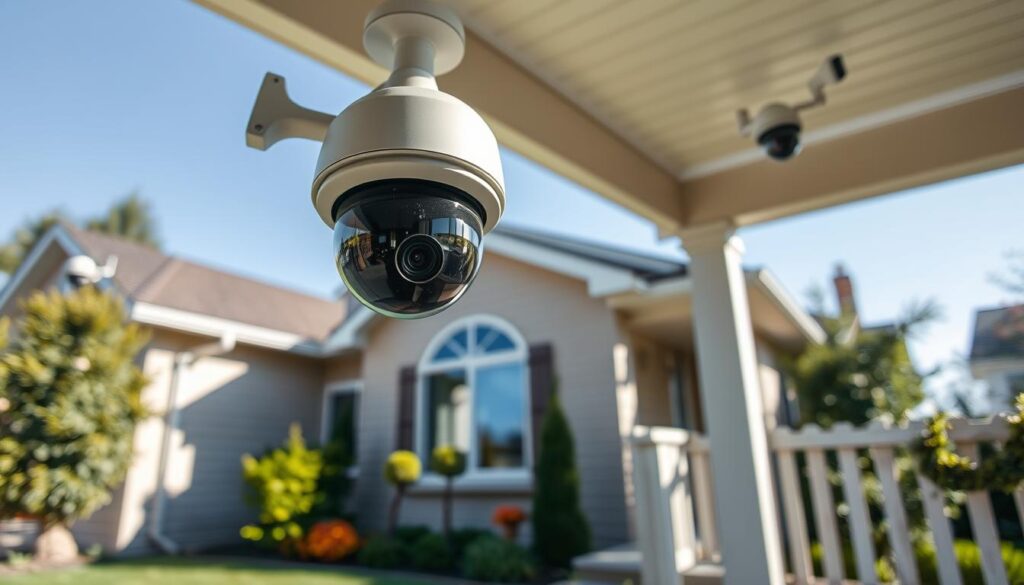
In Singapore, the presence of over 1 million CCTV cameras reflects a delicate balance between security and privacy. Homeowners often wonder about the legal implications of installing surveillance systems. This guide aims to clarify whether residential cameras are permissible and under what conditions.
Visible security systems can deter burglaries by an impressive 60%. Properties equipped with surveillance typically experience 40% fewer break-ins. However, improper placement can lead to privacy violations, resulting in fines that may reach SGD 5,000.
With recent policy updates for HDB corridors in 2023, homeowners now have clearer guidelines for installing corridor-facing cameras. Understanding the laws surrounding surveillance is crucial for maintaining community harmony while enhancing personal security.
This guide will provide practical steps for legally installing security cameras, ensuring compliance with local laws while respecting neighbors’ privacy.
Key Takeaways
- Understand the legal framework for surveillance in Singapore.
- Visible cameras can significantly reduce burglary attempts.
- Learn about the recent policy updates affecting camera placement.
- Recognize the potential fines for privacy violations.
- Discover best practices for installing cameras legally.
Introduction to Home Surveillance and Its Growing Importance in Singapore
The increasing adoption of surveillance systems has reshaped the security landscape in Singapore. Homeowners are now more aware of the risks associated with property crime. This awareness has driven the demand for effective security measures.
Singapore currently boasts over one million operational CCTV units, a testament to the growing importance of surveillance. In fact, studies show that monitored homes experience a 50% drop in burglary rates. Furthermore, 67% of burglars actively avoid properties with visible security measures.
Visible security systems not only deter crime but also provide peace of mind. Homeowners can rest easier knowing that their properties are being monitored. With advancements in technology, the effectiveness of these systems has greatly improved.
Modern security devices now feature 4K resolution and infrared night vision capabilities. These enhancements allow for clear and detailed footage, even in low-light conditions. Additionally, AI-powered motion detection reduces false alarms, making surveillance systems more reliable.
Cloud storage solutions have also transformed how homeowners monitor their properties. With encrypted connections, homeowners can access live feeds remotely. This flexibility allows for constant vigilance, even when away from home.
As the global surveillance market is projected to reach $75 billion by 2027, it’s clear that security is a priority for many. Homeowners in Singapore must understand the benefits and responsibilities that come with operating surveillance equipment.
Understanding Singapore’s Legal Framework for Residential Cameras
Understanding the legal landscape surrounding residential surveillance in Singapore is essential for homeowners. The laws governing the installation of cameras are multi-layered and complex. They include the Personal Data Protection Act (PDPA), as well as specific guidelines from the Housing and Development Board (HDB) and the Urban Redevelopment Authority (URA).
Overview of Relevant Laws
The PDPA regulates the recording of images in residential areas. It aims to protect personal data while allowing homeowners to secure their properties. Since 2023, residents of HDB flats can install corridor-facing cameras without prior approval. However, these cameras must face common walkways and avoid private spaces, such as windows.
Additionally, a height restriction of 2.4 meters is in place to prevent intrusive angles. For landed properties, the URA mandates a 45-degree angle restriction for street-facing devices. This ensures that cameras do not infringe on the privacy of others.
Differences Between Property Types
Homeowners in condominiums face additional regulations. They must obtain approval from the Management Corporation Strata Title (MCST) for any external camera installations in shared areas. This requirement helps maintain community standards and privacy.
Regulatory Authorities and Their Roles
Several regulatory authorities oversee compliance with these laws. The Personal Data Protection Commission (PDPC) investigates complaints within 30 days. They can impose fines of up to SGD 1 million for severe violations related to residential surveillance footage.
The HDB governs installations in public housing, while the URA sets rules for landed properties. Understanding these regulations is crucial for homeowners to balance their security needs with the privacy rights of their neighbors.
For more information on whether you need a CCTV license, check out this link.
Key Restrictions: Where and How Cameras May Be Installed
Navigating the regulations for camera installation in Singapore is crucial for homeowners. Understanding the specific restrictions can help avoid legal issues and ensure compliance with local laws.
Permitted camera locations and height requirements
Cameras must be mounted at least 2.4 meters high in HDB flats. This height prevents intrusive angles into neighboring units while maintaining effective coverage of common areas. HDB-approved mounting points include:
- Own doorframe areas
- Private corridor walls
- Designated mounting points
Prohibited zones: private spaces and neighbor boundaries
Certain areas are strictly off-limits for surveillance coverage. Prohibited zones include:
- Bedrooms
- Bathrooms
- Changing rooms
- Helper’s quarters
These spaces are protected under privacy laws, as individuals maintain a reasonable expectation of privacy.
Angle and coverage limitations (e.g. 45-degree rule)
The 45-degree angle rule applies to both HDB and landed property installations. This rule ensures that camera fields of view remain focused on the owner’s property, avoiding views into adjacent homes or private outdoor spaces. Additionally, mandatory signage must be placed within 4 meters of recording zones to inform others of surveillance activities.
Understanding these key restrictions before installation can prevent neighbor disputes and regulatory violations. Homeowners should consider using laser alignment tools and angle verifiers to ensure compliance with these guidelines.
Is It Illegal to Have Cameras Around Your House? Legal Boundaries Explained
Homeowners often find themselves navigating complex laws regarding surveillance systems. Understanding when surveillance is lawful and compliant is crucial for ensuring both security and privacy.
When surveillance is lawful and compliant in Singapore
In Singapore, security cameras are generally legal as long as they comply with established regulations. Homeowners must ensure that their installations do not infringe on the privacy rights of others. This means avoiding surveillance in areas where individuals have a reasonable expectation of privacy.
For instance, placing cameras in common areas, such as doorways or corridors, is typically acceptable. However, recording in private spaces like bathrooms or bedrooms can lead to severe legal repercussions.
Recent court cases and legal precedents
Several landmark cases have shaped the legal landscape regarding surveillance. A notable 2018 case resulted in an executive being fined SGD 12,000 for installing a camera that surveilled a bathroom. This case underscored Singapore’s strict stance on protecting private spaces.
In 2021, the Lim vs. Tan case established that unauthorized voice collection could invalidate evidence in neighbor disputes. Furthermore, a 2022 ruling imposed fines for overlooking bedroom windows during camera installation. These cases highlight the importance of adhering to the “reasonable expectation of privacy” doctrine.
Balancing security needs and privacy rights
Homeowners must balance their security needs with the privacy rights of others. While the law supports property protection, it demands that this protection does not intrude on neighbors’ private lives. The Daniel Switzen case illustrated that recording beyond one’s property without consent violates the Personal Data Protection Act (PDPA).
To ensure compliance, homeowners should focus on proper placement of cameras and legitimate purposes for their use. Surveillance should serve genuine security needs rather than curiosity or intrusion.
The Role of the Personal Data Protection Act (PDPA) in Camera Use
The Personal Data Protection Act (PDPA) plays a vital role in regulating how homeowners manage surveillance footage. This act sets clear guidelines on data collection, storage, and retention for residential cameras. Homeowners must understand these regulations to ensure compliance and protect personal data.
Requirements for Data Collection and Storage
Under the PDPA, homeowners must adhere to specific requirements when collecting data. Key points include:
- Notify individuals through proper signage when recording.
- Avoid collecting more personal data than necessary for security purposes.
- Implement secure storage solutions to protect recorded footage.
These requirements help maintain transparency and respect for personal privacy.
Footage Retention Limits and Deletion Policies
The PDPA caps storage at a maximum of 30 days for most residential footage. Extended retention is only permitted under certain conditions, such as:
- Legitimate security concerns.
- Proper justification and documentation.
Homeowners must delete footage as soon as the purpose for collection is no longer served. Automated systems can assist in managing scheduled footage purging, ensuring ongoing compliance.
Consequences of PDPA Violations
Violating the PDPA can lead to severe consequences. The Personal Data Protection Commission has the authority to:
- Investigate complaints within 30 days.
- Impose fines up to SGD 1 million for serious breaches.
Understanding these penalties emphasizes the importance of compliance. Singapore’s approach also includes a modified right to be forgotten, requiring data deletion after 30 days unless involved in legal proceedings.
For effective management, homeowners should implement secure cloud or local storage with encryption. Establishing access logs to track who views recorded material is also essential. Regular reviews of data handling practices will help maintain adherence to data protection requirements.
Audio vs. Video Recording: Consent and Compliance
The legal landscape for audio capture in Singapore is significantly stricter than that for video. Homeowners must be aware of the regulations surrounding audio recording to ensure compliance with the law.
Stricter regulations for audio recording under PDPA
Under the Personal Data Protection Act (PDPA), Section 20 explicitly prohibits recording conversations without the explicit consent of all parties involved. This creates a much higher compliance threshold for audio-capable devices compared to video-only systems.
Moreover, microphone functions are completely banned in bedrooms and living spaces, regardless of whether signage is displayed. This regulation aims to protect individuals’ privacy in their most personal spaces.
Consent requirements and notification protocols
For audio recording, homeowners must obtain written consent from all recorded individuals before activating any audio-capable device. This ensures that everyone is aware of the recording and agrees to it.
While video surveillance may only require visible signage in appropriate areas, audio recording demands documented consent. Maintaining this documentation serves as protection against potential legal challenges.
Legal impact of unauthorized audio capture
Unauthorized audio capture can have serious legal repercussions. Improperly obtained recordings may be invalidated as evidence in legal proceedings. This was highlighted in the 2021 Lim vs. Tan case, where a landlord faced a fine of SGD 7,500 for inappropriate surveillance that included audio capture.
Limited exceptions exist under the Evidence Act, Section 116, which allows certain audio evidence in legal proceedings but only for genuine security incidents. Routine monitoring does not qualify for these exceptions.
Understanding these regulations is crucial for homeowners to navigate the complexities of audio recording. Professional installers like Wen Hong note that audio is disabled on approximately 90% of residential systems to simplify compliance while still providing effective security through video surveillance alone.
Proper Camera Placement and Signage Guidelines
Establishing proper camera placement and signage is essential for compliant residential surveillance in Singapore. Homeowners must adhere to specific guidelines to ensure their security systems respect both legal requirements and community privacy.
Mandatory signage specifications and placement
Mandatory signage must appear within 4 meters of recording zones. Notices should measure at least 20 centimeters by 30 centimeters and include multilingual content in English, Chinese, Malay, and Tamil. This ensures broad understanding across Singapore’s diverse community.
The signage must clearly state the monitoring purpose and data handling practices. It should also include contact information for the property owner responsible for the surveillance system.
Notifying neighbors and public about monitoring
Since 2023, homeowners must inform adjacent residents if their surveillance covers areas within 15 meters of their private spaces. This proactive communication helps prevent misunderstandings and demonstrates good faith compliance with community expectations.
Tools and techniques for compliant camera alignment
Professional installers use laser alignment tools to ensure proper angles for camera placement. The Building and Construction Authority recommends maintaining a 1.5-meter clearance from neighboring windows to respect privacy boundaries.
Homeowners can implement practical methods for ensuring their camera placement respects community boundaries. Using angle verifiers, conducting regular visual checks of sightlines, and employing smart motion zoning can help maintain effective property coverage while adhering to regulations.
Proper placement and signage not only ensure legal compliance but also demonstrate respect for neighbors’ privacy. This approach helps maintain positive community relationships while achieving security objectives.
Common Legal Pitfalls and Tips to Avoid Them
Understanding common pitfalls in security camera usage can save homeowners from legal troubles. Many homeowners inadvertently violate privacy laws while trying to enhance their property security. Awareness of these issues is crucial for effective surveillance management.
Avoiding overreach into neighbors’ private spaces
One frequent violation involves capturing adjacent properties beyond genuine security needs. Camera angles may unintentionally include views of neighbors’ windows, doors, or private outdoor spaces. This overreach can lead to serious privacy concerns and potential legal action.
Ensuring proper signage and notification
Missing required signage within 4 meters of recording zones can transform a compliant installation into a regulatory violation. Homeowners must display clear notices about surveillance activities. This practice not only fulfills legal obligations but also fosters trust within the community.
Correct footage storage and timely deletion
Proper footage storage and timely deletion are critical. The PDPA mandates a 30-day retention limit for most residential footage. Homeowners should implement automated systems or manual processes to ensure compliance. Failing to delete footage beyond this period can lead to significant penalties.
Hidden devices in private areas are completely prohibited. Singapore’s “peeping tom” laws carry potential 2-year prison sentences for intentional privacy violations. Regular self-audits can help catch small issues before they escalate into major legal problems.
Homeowners should consider professional compliance checks from certified installers, typically costing between SGD 150-300. This proactive approach can prevent fines exceeding SGD 5,000 and maintain positive relationships with neighbors in Singapore’s close-knit residential communities.
Handling Neighbor Disputes and Mediation Processes
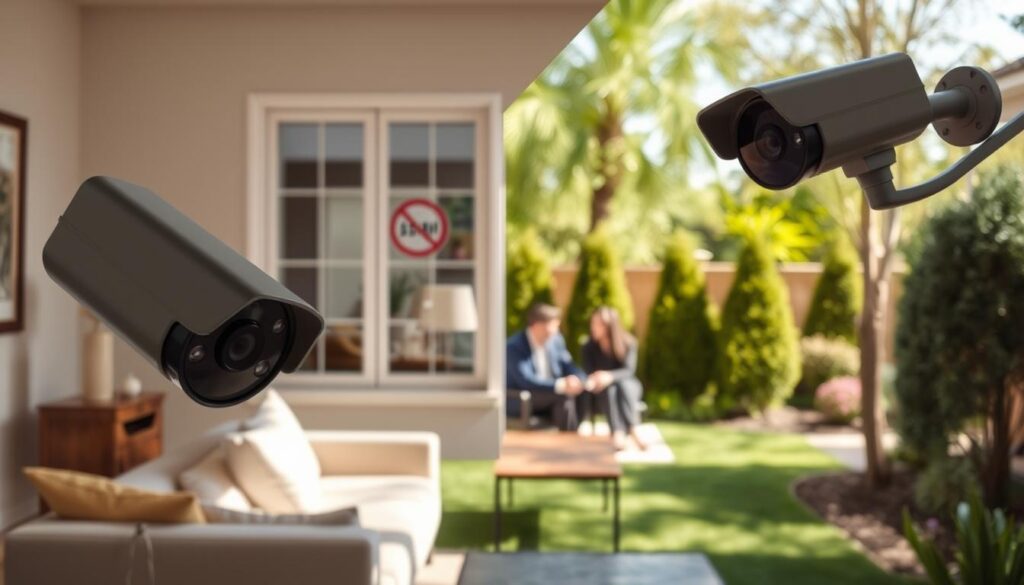
Navigating neighbor disputes related to camera installations can be challenging for homeowners. Understanding how to approach these conflicts is essential for maintaining good relationships and ensuring compliance with the law.
Effective communication strategies can prevent misunderstandings and help resolve issues before they escalate. A five-step negotiation process can be beneficial. Start by documenting camera angles and coverage areas. Then, initiate polite in-person discussions using neutral, non-confrontational language.
Effective communication strategies
Proactive dialogue can prevent 72% of conflicts. Engaging with neighbors about camera placements shows respect for their privacy and concerns. Listening to their feedback can lead to adjustments that satisfy both parties.
Role of Community Mediation Centre
Singapore’s Community Mediation Centre plays a crucial role in resolving disputes. They handle hundreds of camera-related conflicts annually, achieving a remarkable 78% resolution rate without court intervention. Mediation sessions cost SGD 50 and typically reach resolution within three weeks.
The Centre’s bilingual mediators specialize in surveillance-related disputes. For instance, the Ang Mo Kio case demonstrated how structured mediation resolved a two-year camera conflict in just three sessions. In 68% of cases, camera angles were adjusted through facilitated discussions.
When legal action becomes necessary
Sometimes, legal action may be unavoidable. Homeowners should first approach the Small Claims Tribunal for disputes up to SGD 20,000. For more complex cases involving significant privacy violations or property damage, formal Civil Court proceedings may be necessary.
Homeowners can access practical resources, including free template letters from the Legal Service Bureau for HDB residents. Maintaining dated photos of camera placements and saving all neighbor correspondence can serve as evidence of good faith efforts to resolve disputes amicably.
Ultimately, early mediation preserves neighbor relationships better than legal victories. Proactive communication and a willingness to compromise on camera angles or recording schedules often lead to satisfactory outcomes for all parties involved.
Protecting Your Security Cameras from Tampering and Interference
With an increase in tampering incidents, understanding vulnerabilities in security systems is essential. In Singapore, security camera tampering incidents rose by 27% last year. Homeowners must be aware of the common methods used by vandals and disgruntled neighbors.
Common tampering methods and vulnerabilities
Several tactics are frequently employed to interfere with security cameras. Spray paint attacks account for one in five interference cases, rendering the camera useless. Additionally, infrared lasers can permanently damage image sensors within seconds. Magnetic shields are another method, effectively blocking signals in condominium corridors.
Legal penalties for deliberate obstruction or damage
Singapore’s Penal Code Section 426 imposes strict penalties for damaging security devices. Offenders can face up to three years of imprisonment for deliberate obstruction. Recent cases illustrate the seriousness of these offenses, with fines reaching SGD 2,000 for spray paint vandalism. A notable case in 2023 resulted in a six-month jail term for jamming surveillance signals.
Preventive measures and technology solutions
To enhance protection against tampering, homeowners can adopt several preventive measures. Utilizing IK10-rated vandal-proof housings can reduce tampering incidents by 90%. Dome camera models are particularly effective, showing a 67% higher deterrence rate compared to bullet designs.
Incorporating AI-powered analytics can also bolster security. These systems can detect 98% of obstruction attempts and trigger real-time mobile alerts. Additionally, mounting cameras at a minimum height of 2.8 meters can prevent easy access. Using conduit wiring helps prevent cable cutting, while backup battery systems ensure continuous recording during power interruptions.
Documenting all tampering incidents with timestamped footage is crucial. Filing police reports within 24 hours establishes the necessary evidence for legal action against perpetrators.
Maintaining System Security: Encryption and Best Practices
Maintaining robust security for surveillance systems is crucial for homeowners. Protecting personal data and ensuring the integrity of recorded footage requires diligent management. This section covers essential practices to safeguard your surveillance equipment.
Importance of firmware updates and password management
Regular firmware updates are vital for security. Best practices dictate that patches should be applied within 72 hours of critical releases. This helps address vulnerabilities before they can be exploited.
Additionally, proper password management is essential. A 2023 CSA study revealed that 22% of hacked residential systems still used default passwords. Implementing strong, unique passwords can significantly enhance security.
Two-factor authentication can reduce unauthorized access attempts by 80%, according to IMDA testing. This extra layer of protection is highly recommended for all surveillance systems.
Encryption protocols for footage storage and transmission
Encryption is key to protecting stored footage. Utilizing AES-256 protocols secures recorded data, while TLS 1.3 safeguards live feeds from interception. Additionally, WPA3 encryption and VPN configurations provide further cybersecurity layers for wireless systems.
Regular audits and professional maintenance options
Conducting regular system audits is crucial for compliance and security. Homeowners should consider annual maintenance, which can prevent 75% of technical failures. Engaging PSB-licensed installers can reduce violation risks by 90% through proper setup and ongoing compliance verification.
Network video recorders offer 99.97% uptime compared to cloud systems’ 99.95%. Implementing redundant backup systems with automated 30-day retention cycles ensures both data protection and compliance with the PDPA.
Following the Cyber Security Agency’s IoT standards can help maintain a compliant residential surveillance setup. This includes implementing access logs to track who views recorded material and conducting quarterly reviews of data handling practices.
Ensuring Legal and Safe Surveillance for Peace of Mind
In a society where safety is paramount, the responsible use of surveillance systems is essential for community harmony. Homeowners can achieve peace of mind by balancing their security needs with respect for privacy rights. This guide has outlined practical strategies, including proper camera placement, mandatory signage, and adherence to the PDPA’s footage retention limits.
Emerging technologies, such as AI-powered face blurring, promise to enhance compliance while protecting neighbor privacy. Upcoming regulations in 2024 will introduce mandatory cybersecurity ratings for surveillance equipment, making it crucial to choose devices that meet these standards.
Professional consultation ensures compliance with laws and protects homeowners from potential violations. Certified installers like Wen Hong offer warranties and comprehensive services, reinforcing the importance of maintaining legal and effective surveillance. With careful planning and ongoing maintenance, homeowners can enjoy the benefits of security cameras while upholding community trust.