
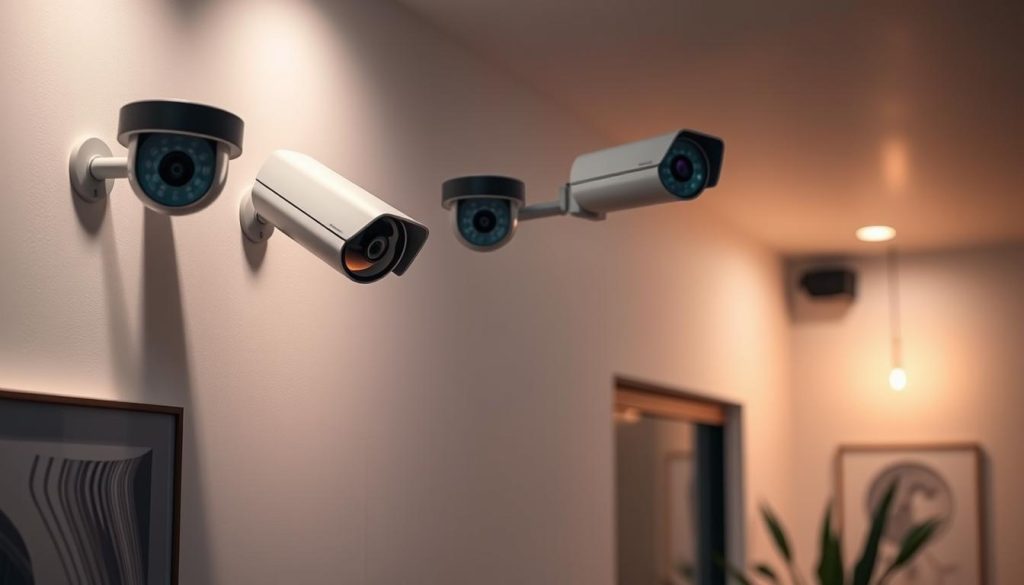
More Singaporean homeowners are adopting surveillance cameras for added safety. These devices help monitor children, deter burglaries, and prevent unauthorized access. However, balancing security with privacy remains crucial.
Legal compliance is essential when setting up indoor cameras. Always inform household members and follow local regulations. Strategic placement avoids unnecessary intrusion while maintaining effective coverage.
Professional installation ensures optimal performance. Regular maintenance keeps systems reliable. With rising concerns over break-ins and domestic incidents, proper setup maximizes protection without compromising trust.
Key Takeaways
- Home security cameras enhance safety in Singapore households
- Legal guidelines must be followed for indoor surveillance
- Proper placement balances monitoring and privacy
- Professional help guarantees correct installation
- Regular checks maintain system effectiveness
Is It Safe to Install CCTV Inside Your House?
Modern Singapore households increasingly rely on indoor surveillance for enhanced protection. These systems deter theft, monitor children, and provide evidence during disputes. However, ethical and legal considerations must guide their use to respect privacy and trust.
Benefits of Indoor CCTV for Home Security
Surveillance cameras act as a powerful deterrent against intruders. Studies show homes with visible systems are less likely to be targeted. They also help resolve conflicts, such as employer-maid disagreements, through transparent recordings.
For families, real-time monitoring ensures children’s safety without constant physical checks. Unlike business setups, residential systems prioritize discreet placement to avoid discomfort.
Common Safety Concerns Addressed
Critics argue indoor cameras create a “Big Brother” environment. To counter this, experts recommend open communication with household members and avoiding private areas like bathrooms.
Cybersecurity risks are mitigated with encrypted wireless systems. Regular updates and strong passwords prevent unauthorized access. Adhering to local law, such as Singapore’s PDPA, ensures recordings respect individuals’ rights.
Strategic placement balances security needs with personal boundaries. For example, cameras in living rooms monitor activity while excluding bedrooms or changing areas.
Legal Considerations for CCTV Installation in Singapore
Singapore’s privacy laws strictly regulate residential surveillance to protect personal data. Homeowners must balance security needs with legal obligations under the Data Protection Act. Violations can result in significant penalties, making compliance essential for responsible monitoring.
Where You Can and Cannot Install Cameras
Private areas like bedrooms and bathrooms are strictly off-limits for surveillance. Common spaces such as living rooms may be monitored, provided clear signage announces the personal data collected. The law specifically prohibits cameras in changing areas or any location with reasonable privacy expectations.
Domestic helpers require written notification about camera placements. This ensures all household members understand where and how CCTV footage used. Strategic placement avoids filming neighboring properties, which could violate privacy rights.
PDPA Compliance and Privacy Laws
Singapore’s Personal Data Protection Commission mandates 30-day limits for storing residential recordings. Sharing clips on social media without consent violates regulations, even for security purposes. Fines up to SGD 10,000 apply for illegal installations.
Visible notices must state the purpose of surveillance and contact details for inquiries. This transparency helps maintain trust while deterring unauthorized activities. Regular system audits ensure ongoing compliance with evolving privacy standards.
Planning Your Indoor CCTV System
Strategic planning ensures your indoor surveillance system meets security needs effectively. Proper camera placement balances comprehensive coverage with respect for personal spaces in Singapore homes.
Assessing Coverage Areas
Living rooms typically require wide-angle CCTV cameras to monitor high-traffic zones. Kitchens benefit from moisture-resistant models placed to avoid filming food preparation areas.
Entryways demand clear facial recognition capability. Avoid pointing lenses toward private spaces like bedrooms or bathrooms to maintain ethical monitoring standards.
Determining Camera Quantity
HDB flat sizes dictate surveillance needs. Two-room units often function with two strategically placed devices, while five-room layouts may need four or more for full coverage.
Consider these factors when planning:
- Wide-angle lenses cover 30% more space than standard models
- PTZ (pan-tilt-zoom) units offer flexibility but cost 40% more
- Prioritize entry points before adding secondary area coverage
Future renovations may alter your needs. Choose systems that allow easy additions without complete overhauls. Professional assessments help optimize camera density for your specific layout.
Choosing the Right CCTV Cameras for Home Use
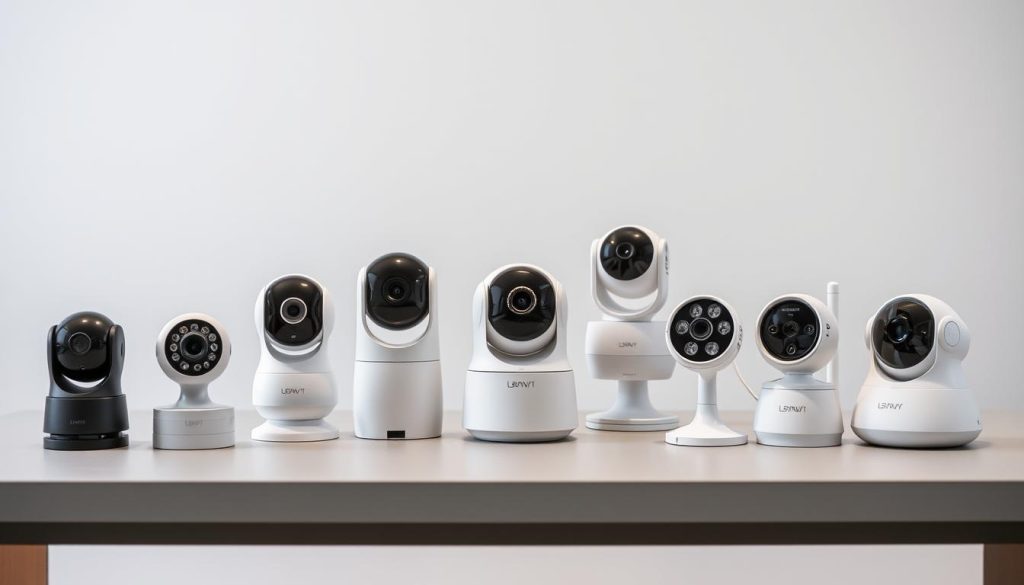
Selecting the best surveillance system requires understanding key technical specifications. Modern CCTV cameras vary in connectivity, image quality, and data handling capabilities. Matching these features to your household’s layout ensures optimal security coverage.
Wireless vs. Wired Cameras
Wireless models offer flexible placement with Wi-Fi connectivity, ideal for rental homes. Wired systems provide stable signals but require professional installation. Consider bandwidth limits—high-resolution wireless feeds may strain home networks.
Battery-powered options suit temporary setups, while wired cameras guarantee uninterrupted operation. Hybrid systems combine both technologies for critical areas needing fail-safes.
Features to Prioritize
HD resolution (1080p minimum) captures facial details clearly. Advanced models use IR cut filters for accurate daytime colors. “Night vision with 30m range is non-negotiable for 24/7 monitoring,” advises a Singapore security consultant.
Storage options impact long-term usability:
- Local DVRs (like WD Purple drives) avoid subscription fees
- Cloud backups enable remote access but require monthly payments
- Motion-activated recording conserves space efficiently
Smart detection distinguishes pets from intruders, reducing false alerts. Two-way audio allows communication through the CCTV cameras, useful for deliveries or child supervision.
Step-by-Step CCTV Installation Guide
Home security upgrades demand precise implementation techniques for reliable protection. Whether handling the setup yourself or hiring experts, correct procedures ensure your system meets both performance and legal standards.
DIY Installation Tips
Start by mapping cable routes for wired systems, especially when extending cctv cameras outside perimeter areas. Use weatherproof conduits for external wiring and test connections before final mounting.
Wireless models simplify installation cctv cameras with mobile app guidance. Position routers centrally to maintain strong signals. “Always conduct night vision tests before securing mounts permanently,” advises a local security technician.
For smart home integration:
- Enable IFTTT protocols during initial setup
- Assign voice control names distinct from other devices
- Create automation rules for motion-activated alerts
When to Hire a Professional
Complex multi-story installations often require a licensed company. Landed properties with concrete walls need specialized drilling equipment that most homeowners lack.
Consider professional help for:
- PDPA-compliant configurations requiring certification
- Systems integrating access control or alarm triggers
- Homes needing concealed wiring for aesthetic purposes
Verify contractor licenses through Singapore’s Police Licensing Office. Reputable providers offer 24-month support packages covering firmware updates and angle adjustments.
Notifying Household Members and Workers
Transparent communication forms the foundation of responsible home surveillance. In Singapore homes, establishing clear protocols ensures security measures respect everyone’s privacy while maintaining protection.
Legal Obligations for Maids and Visitors
Singapore’s employment laws require written notification when domestic helpers are monitored. Provide orientation sessions showing camera locations and recording purposes. This complies with PDPA while building trust.
For visitors, visible signage meets legal standards. Place notices at entry points stating:
- Areas under surveillance
- Purpose of monitoring
- Contact for privacy inquiries
How to Communicate Surveillance Ethically
Hold family meetings to discuss use cctv systems before installation. Demonstrate privacy zones using floor plans as an example. Children should understand cameras aren’t for punishment but protection.
Establish access hierarchies:
- Primary users (parents/homeowners)
- Secondary users (older children)
- Restricted viewers (visitors/workers)
Schedule quarterly reviews to address concerns. This proactive approach keeps security systems effective while respecting personal boundaries. When everyone participates in the process, surveillance enhances peace of mind rather than creating tension.
Maintaining and Managing Your CCTV System
Effective home surveillance requires consistent upkeep to remain reliable. Proper care ensures your security investment delivers clear footage when needed most. Both storage methods and routine checks play vital roles in system performance.
Storage Solutions: Cloud vs. Local
Cloud storage offers remote access to footage from any device. Monthly subscriptions typically include encryption and automatic backups. However, internet outages may temporarily disrupt access.
Local storage using DVRs provides complete control without ongoing fees. Western Digital Purple drives handle continuous recording efficiently. “Hybrid systems combining both methods offer the best redundancy,” notes a Singapore-based company specialist.
Regular Maintenance Checks
Dust accumulation affects image quality. Wipe cameras monthly with microfiber cloths, avoiding chemical cleaners. Check housing seals against Singapore’s humid climate.
Essential quarterly tasks include:
- Testing backup power supplies during storms
- Updating firmware for security patches
- Recalibrating motion sensors to prevent false alerts
Schedule professional servicing every 18 months for wiring inspections and lens realignment. This prevents gradual performance degradation often unnoticed in daily use.
Enjoying Peace of Mind with Indoor CCTV
Singapore residents increasingly value the peace of mind that comes with monitored living spaces. Families report quicker emergency responses, while parents appreciate remote child monitoring during work hours.
Integrated home systems now sync with neighborhood watch programs, creating safer communities. Some insurers offer 15% premium discounts for properties with certified CCTV setups.
Future-ready security solutions include AI that detects unusual movements, reducing false alarms. For business owners working remotely, these systems provide dual-purpose protection. Explore advanced home security systems tailored for Singaporean lifestyles.