
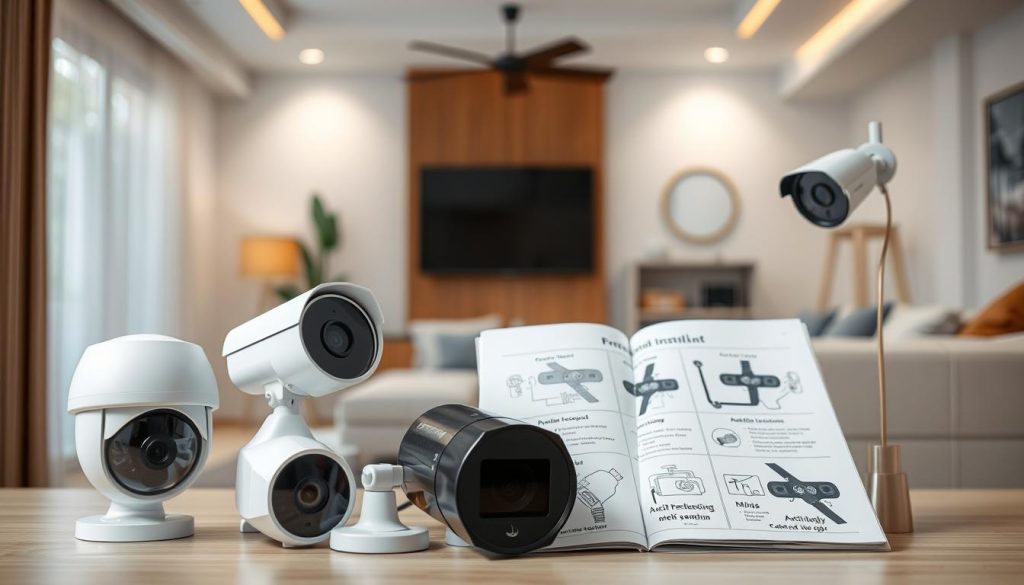
Home security remains a top concern for households across Singapore. Many residents seek reliable methods to protect their property and loved ones. Surveillance systems have become a popular solution for achieving peace of mind.
Modern security cameras monitor activities both inside and outside a residence. They can deter potential theft and help supervise children or elderly family members. However, installing monitoring equipment indoors raises important questions.
Homeowners must balance security benefits with privacy considerations. Singapore’s regulatory framework, including the Personal Data Protection Act (PDPA), governs how surveillance footage is collected and used. Understanding these rules is crucial for compliance.
This comprehensive guide explores the technical and ethical aspects of indoor monitoring. We examine common concerns about data protection and unauthorized access. Proper camera placement ensures maximum protection while respecting personal boundaries.
Risks like data breaches are examined alongside practical preventive measures. We also compare functional units with dummy cameras for different applications. For a professional setup, consider consulting expert security camera installers near you.
By the end of this overview, you will understand how to create a well-protected home. A responsible approach to installation addresses both safety needs and privacy laws.
Key Takeaways
- Indoor surveillance offers significant security benefits for Singaporean homes.
- Balancing monitoring with privacy rights is essential for ethical use.
- Singapore’s PDPA sets legal guidelines for collecting personal data.
- Proper camera placement maximizes coverage while maintaining compliance.
- Understanding risks like unauthorized access helps implement better safeguards.
- Professional installation ensures optimal system performance and legal adherence.
- This guide provides a step-by-step approach to responsible CCTV implementation.
Understanding the Need for Home Security in Singapore
Singaporean residents increasingly prioritize safeguarding their living spaces against potential threats. This focus stems from genuine security needs in today’s urban environment. Many households now view protection systems as essential rather than optional.
Over 60% of Singaporean homes currently use surveillance technology. This high adoption rate reflects growing awareness about property safety. Modern lifestyles contribute significantly to this trend.
Dual-income families and frequent travel create monitoring gaps throughout the day. CCTV cameras help address these vulnerabilities effectively. They provide constant oversight when residents cannot be physically present.
The psychological benefit of peace of mind cannot be overstated. Knowing your living space remains protected offers tremendous relief. Remote monitoring capabilities enhance this feeling of security.
Singapore’s unique urban landscape presents specific challenges. High-density living in HDB flats requires careful consideration. Shared corridors and close proximity between units create particular security dynamics.
Different property types have varying protection requirements. Public housing estates need different approaches than private condominiums. Landed properties face their own distinct set of considerations.
Globally, more than 770 million surveillance devices help deter criminal activity. Singapore alone maintains over one million CCTV cameras in public areas. This widespread adoption demonstrates proven effectiveness.
Surveillance systems work best alongside other protective measures. They complement alarm systems, smart locks, and neighborhood watch programs. This layered approach creates comprehensive home protection.
Urban environments like Singapore’s require thoughtful implementation. Close living quarters raise legitimate privacy concerns among neighbors. Responsible placement avoids unnecessary intrusion into others’ spaces.
Each residential situation demands customized solutions. A balanced approach protects without creating disputes. It respects both personal safety and community harmony.
Modern CCTV technology addresses these complex requirements. Advanced features help manage data protection effectively. Proper use ensures footage used appropriately for its intended purpose.
The concept of balanced security guides responsible implementation. It acknowledges legitimate protection requirements while respecting boundaries. This approach serves Singaporean households best in the long term.
The Benefits of Installing Indoor CCTV Cameras
The decision to implement indoor surveillance brings a suite of tangible advantages beyond simple recording. Modern cctv systems act as a force multiplier for home safety, offering both prevention and proactive management.
Enhanced Security and Crime Deterrence
Visible cameras serve as a powerful psychological barrier. Studies indicate they can reduce burglary risks by up to 50%. This presence signals that a property is monitored and protected.
Continuous monitoring covers critical entry points like doors and windows. It also watches over valuables and vulnerable family members. This creates a comprehensive security net.
High-definition footage provides crucial evidence if an incident occurs. Clear video supports police reports and streamlines insurance claims. The evidentiary value alone justifies the investment for many.
Remote Monitoring for Family and Property
Over 80% of new cctv cameras connect to mobile apps. This allows real-time checks from anywhere. You gain instant access to live views of your living space.
IoT-enabled devices send instant alerts for unusual movement. You become aware of activity the moment it happens. This immediate notification is vital for responding to potential security events.
Features like two-way audio add a layer of convenience and control. Working parents can greet children arriving from school. You can also communicate with elderly relatives or domestic helpers.
Integration with smart home ecosystems enables automated responses. Lights can turn on when motion is detected. This creates a business-grade protection layer that actively deters intruders.
For frequent travelers, this capability offers unparalleled peace of mind. You can visually confirm your property is secure while abroad. Remote monitoring addresses the core security needs of modern, mobile families.
Modern solutions often include cloud storage for recorded footage. This ensures video preservation even if physical cameras are damaged or stolen. Your evidence remains safe and accessible.
Navigating Privacy Concerns with Indoor Surveillance
The effectiveness of a home monitoring system is deeply tied to how well it respects occupant privacy. A system that causes discomfort or violates trust undermines its own security purpose.
Successful implementation requires defining clear boundaries from the start. This involves understanding both legal mandates and ethical obligations within your household.
Respecting Domestic Boundaries and Consent
Explicit consent is the ethical foundation for monitoring any private areas. This is especially crucial for bedrooms, helper quarters, or rented rooms.
All occupants should understand where cameras are located and what they record. A 2022 case involving StarHub highlighted serious legal consequences when a landlord installed hidden cameras in a tenant’s bedroom.
Balancing security with respect is key. Discuss the purpose of monitoring with family members, including children and domestic helpers. Their understanding and agreement foster a sense of shared safety, not surveillance.
For sensitive spaces, consider alternative security measures. Door/window sensors or motion-activated lights can protect without intrusive recording.
Areas to Avoid: Bathrooms, Bedrooms, and Private Spaces
Singapore law is unequivocal about certain prohibited zones. Installing a camera in a bathroom or changing room constitutes voyeurism.
Violations can lead to severe penalties, including jail terms of up to three years. These spaces are absolutely off-limits for any surveillance.
Even in common areas like living rooms, careful placement avoids filming into adjacent private areas. Use camera angle adjustments and digital privacy masking features.
These tools block out portions of the video footage, such as a bedroom doorway visible from the hall.
For external placement, HDB’s 2023 guidelines are clear. Cameras in corridors must not point at neighbors’ doors or windows. The Community Disputes Resolution Act (CDRA) allows complaints for intrusive surveillance affecting shared spaces within 100 meters.
A responsible household policy addresses these concerns proactively. It ensures your data protection practices safeguard the personal data of everyone in your home and community.
Singapore’s Legal Framework for Residential CCTV
The Republic’s legislation creates clear parameters for domestic security camera usage. Homeowners must navigate two primary statutes: the Personal Data Protection Act and the Community Disputes Resolution Act. These rules balance security needs with individual privacy protections.
Singapore’s approach recognizes legitimate security concerns while preventing abuse. The framework applies differently based on camera placement and property type. Understanding these distinctions ensures lawful implementation of monitoring systems.
Complying with the Personal Data Protection Act (PDPA)
The PDPA establishes how organizations and individuals handle personal data. Residential users must comply with its principles when recording identifiable information. This includes video footage collected from security cameras.
Key requirements include data minimization and purpose limitation. Only collect footage necessary for legitimate security purposes. The data protection act mandates reasonable security safeguards for stored recordings.
Notification is crucial under PDPA guidelines. Individuals should know when they’re being recorded in common areas. Clear signage or verbal communication fulfills this obligation.
Data retention periods follow business best practices. While not legally specified for homes, 30-day limits are common. Regularly deleting old footage demonstrates responsible data protection.
Audio recording requires special attention under Section 21(3)(c). This provision generally demands explicit consent for capturing conversations. Many homeowners disable audio features to simplify compliance.
The protection act grants individuals certain rights regarding their data. They can request access to footage featuring themselves. Homeowners should establish procedures for handling such inquiries.
Understanding the Community Disputes Resolution Act (CDRA)
This law addresses disputes between neighbors, including surveillance conflicts. It provides mechanisms for resolving complaints about intrusive camera placement. The CDRA complements PDPA’s personal data protection focus.
Improperly positioned cameras can trigger CDRA proceedings. Pointing devices at neighboring property or private spaces may constitute interference. The act defines specific thresholds for actionable complaints.
Successful claims under CDRA can result in significant remedies. Courts may award up to $20,000 in damages for privacy invasions. They can also issue orders requiring camera adjustment or removal.
The Ang Mo Kio town council case established important precedents. It involved smart doorbell cameras capturing public corridor activity. The ruling emphasized masking neighbors’ data from footage.
“Homeowners must ensure their surveillance technology doesn’t unjustifiably intrude on others’ privacy. Responsible placement and data management are legal obligations, not just courtesies.”
This case clarified expectations for devices monitoring shared spaces. It reinforced that personal data protection extends to incidental recording of neighbors. Digital privacy masking tools help achieve this balance.
Practical Compliance Checklist for Homeowners
Implementing monitoring systems lawfully requires systematic planning. This checklist helps ensure adherence to Singapore’s regulatory environment.
- Conduct a purpose assessment: Define clear security objectives for each camera.
- Map coverage zones: Ensure cameras avoid private areas like bedrooms and bathrooms.
- Implement notification measures: Use signage or direct communication for common areas.
- Establish data retention policy: Set and follow regular deletion schedules for old footage.
- Secure storage systems: Protect recorded data with passwords and encryption where possible.
- Review neighbor sightlines: Adjust angles to minimize recording of adjacent properties.
- Consider audio recording carefully: Disable unless absolutely necessary with proper consent.
- Create access procedures: Plan how to handle data access requests from recorded individuals.
- Document your compliance efforts: Keep records of placement decisions and privacy measures.
- Stay informed on legal updates: Regulations evolve with technology and court rulings.
Regular reviews ensure ongoing compliance as household dynamics change. The framework protects both security interests and community harmony. Responsible implementation serves all parties effectively.
Is it Safe to Install CCTV Inside House? Weighing the Risks
Modern surveillance technology presents a dual-edged sword of enhanced protection coupled with potential vulnerabilities. Responsible implementation requires weighing digital security threats against ethical placement concerns. A comprehensive risk assessment forms the foundation for truly secure monitoring.
Assessing Technical Vulnerabilities and Hacking Risks
Wireless cameras and smart home integrations create potential entry points for cyber attacks. These devices often connect to home networks with default passwords or outdated firmware. Such weaknesses can expose live video feeds to unauthorized external access.
Industry experts like Western Digital emphasize professional installation to prevent technical vulnerabilities. Proper setup ensures network segmentation and secure configuration. This reduces the attack surface that hackers might exploit.
The 2025 Techcom case demonstrated serious consequences of poor data handling. A $5,000 fine was issued when surveillance footage leaked via WhatsApp. This incident highlights how careless sharing compromises personal security.
Encrypted cloud storage and two-factor authentication are critical defenses. They protect recorded data even if login credentials are compromised. Regular firmware updates patch known security flaws in camera software.
Traditional wired cctv systems generally offer stronger protection against remote hacking. Their closed-circuit design limits network exposure. However, they require more complex physical installation.
Ethical Considerations for Camera Placement
Balancing security needs with household privacy rights creates complex ethical dilemmas. Each camera’s position should respect the personal boundaries of all residents. This includes children, elderly family members, and domestic helpers.
Constant surveillance can impact family dynamics and individual psychology. Some household members may feel uncomfortable or distrustful. Open discussion about monitoring purposes helps maintain positive relationships.
Singapore’s dense living conditions increase potential for neighbor disputes. Cameras pointing toward adjacent properties may violate community guidelines. The value of installing cctv at home must be balanced with social harmony considerations.
Psychological research suggests that visible monitoring affects behavior differently than discreet systems. The choice between deterrence and discretion involves ethical judgment. Each approach serves different security objectives.
Implementing a Risk Mitigation Framework
A structured approach addresses technical, ethical, and legal dimensions simultaneously. This framework ensures comprehensive protection for your household.
- Technical Security: Enable encryption, use strong unique passwords, and schedule regular firmware updates. Segment IoT devices on separate network zones when possible.
- Ethical Placement: Avoid private spaces like bedrooms and bathrooms completely. Discuss camera locations with all household members to obtain informed consent.
- Legal Compliance: Follow PDPA guidelines for data collection and retention. Respect CDRA provisions regarding neighbor privacy in shared spaces.
- Ongoing Monitoring: Regularly review who has access to footage and audit access logs. Update security measures as technology and family circumstances evolve.
This balanced approach maximizes security benefits while minimizing associated risks. It creates a monitoring environment that protects both property and personal dignity.
Property-Specific Installation Rules in Singapore
Property-specific guidelines shape how residents can legally deploy security systems in their homes. Different housing types across Singapore come with distinct regulatory frameworks. Understanding these rules ensures your monitoring setup remains compliant from day one.
Each residential category has unique approval processes and limitations. HDB flats, condominiums, and landed property each follow different guidelines. These regulations balance individual security needs with community harmony and privacy.
HDB Flat Regulations and Town Council Approval
HDB residents must comply with specific surveillance guidelines updated in 2023. Indoor installation within your flat generally requires no formal permission. However, placing any device in public corridors demands official town council approval.
The application process involves several key steps. Residents submit the HDB Surveillance Application Form with detailed corridor sightline diagrams. A police report often strengthens security justifications for the request.
New BTO flats face stricter scrutiny compared to resale units. This addresses potential structural and aesthetic concerns in newer buildings. Approval timelines typically range from one to two weeks for complete applications.
Some estates expedite processing for residents facing genuine threats. Cases involving loan shark harassment may receive priority review. The town council evaluates each request based on demonstrated security needs.
Approved corridor cameras must avoid filming neighboring units’ doors or windows. Digital privacy masking helps achieve this compliance. This tool blocks specific areas from the footage collected.
Condo MCST Bylaws and Compliance
Condominium residents navigate Management Corporation Strata Title (MCST) regulations. These bylaws frequently restrict device placement in shared common areas. Pools, gyms, and lobbies usually prohibit surveillance equipment entirely.
Exterior installations require formal board approval in most developments. The process involves submitting detailed proposals to the MCST. Some condos demand 75% resident consensus for significant security changes.
Board decisions can take variable timeframes depending on meeting schedules. Smart doorbell cameras often face particular scrutiny. Many managements maintain lists of approved models that meet aesthetic guidelines.
MCST regulations prioritize building aesthetics and shared space privacy. Your proposed cctv camera placement should respect these community values. Interior installations within your unit typically face fewer restrictions.
Practical solutions include selecting condo-approved security devices. Discuss your security needs with management before purchasing equipment. Obtain written permission for any exterior mounting to avoid later disputes.
Landed Property Installation Freedoms and Limits
Landed property owners enjoy greater installation flexibility than other housing types. They can typically deploy systems without external approval for interior spaces. Perimeter security requires consideration of Urban Redevelopment Authority (URA) guidelines.
URA setback rules influence where you can position external cameras. These regulations prevent overlooking adjacent homes and public spaces. Proper placement maintains neighborhood privacy while securing your premises.
Gated communities may have additional collective security agreements. These arrangements sometimes standardize surveillance approaches across multiple homes. Open landed property offers the most installation freedom.
Perimeter cameras should focus on your property boundaries exclusively. Avoid angling devices toward neighbors’ windows or private gardens. This respectful approach prevents potential disputes under community law.
Residents should still obtain household member consent for interior monitoring. Domestic helpers deserve clear notification about surveillance areas. Responsible implementation includes managing access to recorded footage appropriately.
Professional installation service providers understand these property-specific requirements. They ensure your cctv camera system meets all regulatory standards. This protects your investment and prevents legal complications.
Step 1: Planning Your CCTV Coverage and Placement
Before purchasing any equipment, homeowners should map their property’s vulnerabilities and coverage needs. This systematic approach ensures every dollar spent enhances protection effectively. Strategic placement forms the foundation of reliable home monitoring.
Begin with a 360-degree walkthrough of your entire residence. Document every potential entry point and interior zone requiring oversight. This visual assessment reveals blind spots that intruders might exploit.
Identifying Critical Entry Points and Monitoring Zones
Statistics show approximately 70% of residential break-ins occur at main doors and fire escape routes. These vulnerable locations demand primary attention in your security plan. Create a prioritization matrix ranking each access point by risk level.
Front and back doors typically top the list for essential coverage. Windows at ground level or near drainpipes also require monitoring. Don’t overlook secondary entries like garage doors or utility access points.
For child-safe installations, position devices at approximately 2.1 meters height. This placement prevents tampering while maintaining optimal viewing angles. It also keeps equipment out of reach from curious young hands.
Advanced AI-powered cctv cameras with facial recognition excel in high-traffic zones. These smart devices distinguish between family members and unknown visitors. They reduce false alarms while focusing on genuine security threats.
Calculate multi-angle coverage to eliminate blind spots without wasteful overlap. Position devices so their fields of view intersect at critical areas. This creates comprehensive monitoring without redundant recording.
Conduct lighting assessments for optimal night performance. Note areas with poor illumination that might require infrared-capable devices. Consider how seasonal changes affect natural light throughout your home.
Choosing Between Visible Deterrence and Discreet Monitoring
The decision between obvious and hidden devices depends on location and purpose. Prominent bullet cameras effectively deter porch pirates and package thieves. Their noticeable presence signals that a property remains under surveillance.
These visible units often require weatherproofing for exterior applications. They work best at main entrances and perimeter boundaries. Their design communicates active monitoring to potential intruders.
Dome or hidden cameras offer discreet observation for sensitive situations. They blend into home decor while capturing essential footage. This approach suits common areas where obvious devices might cause discomfort.
Singapore’s housing types present unique placement challenges. HDB corridor sightlines must avoid filming neighbors’ doors entirely. Condo common areas often restrict surveillance equipment installation.
Landed properties need perimeter coverage while respecting adjacent home privacy. Each housing category requires tailored solutions that balance security with community harmony.
Follow specific guidelines for different camera models. Doorbell units excel at main entrances with package detection features. Dome devices work well in living rooms and hallways for general monitoring.
PTZ (pan-tilt-zoom) cctv camera systems suit large open spaces requiring flexible coverage. They can track movement across expansive areas when programmed correctly.
Plan for future expansion by预留 ports for additional devices. Choose scalable storage solutions that accommodate growing footage needs. This forward-thinking approach protects your investment as security requirements evolve.
Step 2: Selecting the Right Camera Type and Features
Optimal camera selection demands understanding both technological capabilities and Singapore’s regulatory environment. This critical phase determines how effectively your monitoring system performs. Matching features to specific security objectives ensures reliable protection.
Technical specifications directly impact identification accuracy and evidence quality. Consider your home layout, lighting conditions, and primary security concerns. Professional advice from licensed installers helps navigate complex technical choices.
Wireless vs. Wired Systems: Pros and Cons
Wireless models offer installation flexibility without extensive cabling. They connect to your home Wi-Fi network for remote access and management. Strong signal strength remains essential for stable video transmission.
These systems suit rental properties or temporary monitoring needs. Battery-powered options provide placement freedom in challenging locations. Regular battery changes or recharging becomes necessary maintenance.
Wired cctv systems deliver superior connection stability through physical cables. Power-over-Ethernet (PoE) setups simplify installation with single-cable solutions. They avoid Wi-Fi interference issues common in dense housing estates.
Professional installation ensures proper cable routing and system optimization. Techcom advises using licensed professionals for compliance with building codes. Wired configurations generally offer longer-term reliability with less maintenance.
Singapore’s humid climate affects equipment durability considerations. Outdoor cameras require weatherproof ratings regardless of connection type. Evaluate your technical comfort level before choosing between these approaches.
Key Features: Resolution, Night Vision, and Audio Recording
Image resolution determines how clearly you can identify individuals. Minimum 1080p Full HD captures facial details for reliable recognition. Higher 4K resolution provides exceptional clarity but demands more storage space.
Sensor size affects low-light performance and image quality. Larger sensors gather more light for cleaner footage in dim conditions. This technical specification becomes crucial for evening monitoring.
Night vision capabilities rely on infrared LED technology. Quality cameras offer ranges up to 15 meters for complete darkness coverage. Adjustable sensitivity settings prevent false alarms from insects or shadows.
Brands like Hikvision utilize Smart IR technology for balanced illumination. This prevents overexposure on close subjects while maintaining distant detail. Reolink offers affordable 5MP models with decent night performance.
Audio recording features require careful consideration under PDPA guidelines. Singapore’s regulations demand notification and consent for capturing conversations. Many homeowners disable this function to simplify legal compliance.
When enabled, two-way audio allows communication through the camera. This feature proves useful for greeting visitors or instructing delivery personnel. Always inform household members about audio capture capabilities.
Camera type selection depends on placement and vulnerability factors. Dome models provide vandalism resistance with tamper-proof designs. Their discreet appearance blends into indoor environments effectively.
Bullet cameras suit outdoor applications with weather-resistant construction. Their visible presence acts as a strong deterrent against potential intruders. Long-range variants cover expansive areas like driveways or gardens.
PTZ (Pan-Tilt-Zoom) units offer flexible coverage through remote control. They can track movement across large spaces when programmed correctly. These systems work well for monitoring open floor plans.
Smart doorbells integrate motion detection with visitor identification features. They combine video intercom functionality with security monitoring. Compliance with condo bylaws requires checking management approval first.
Thermal imaging options detect heat signatures rather than visible light. They perform exceptionally in complete darkness or through light fog. These specialized cameras suit challenging areas like garages or backyards.
Commercial-grade units provide enhanced durability for high-risk zones. They feature wider dynamic range for handling bright and dark areas simultaneously. Industrial specifications ensure continuous operation under demanding conditions.
Storage considerations influence camera selection and system design. Local options include microSD cards within each device. Network Video Recorders (NVRs) centralize footage from multiple sources.
Cloud service subscriptions offer remote access and automatic backups. They protect recordings even if physical equipment gets damaged or stolen. Evaluate ongoing costs against convenience benefits.
Selection criteria should balance multiple factors for optimal results. Consider your home type, identified security needs, and available budget. Technical expertise determines whether DIY installation remains feasible.
Professional assessment accounts for all these variables simultaneously. Expert installers recommend appropriate cctv camera combinations for comprehensive coverage. Their experience prevents common selection mistakes.
Test different models under your specific lighting conditions when possible. Image quality varies significantly between manufacturers and price points. Prioritize reliability and after-sales support for long-term satisfaction.
Step 3: Technical Setup and Data Management Essentials
Proper data management forms the critical bridge between capturing footage and utilizing it for security purposes. This technical phase transforms raw video into actionable intelligence while ensuring compliance. Careful planning prevents storage issues and unauthorized access.
Your system’s reliability depends on both hardware configuration and digital governance. This guide covers storage calculations, encryption standards, and network optimization. Following these rules protects your investment and household information.
HD Video Storage Requirements and Solutions
High-definition video consumes significant digital space. Resolution choices dramatically affect storage needs. A 4K camera demands four times more capacity than a 1080p model.
Continuous recording of a single 4K stream requires approximately 2TB monthly. Most households use motion-activated recording to conserve space. This method only captures activity, reducing storage by 60-80%.
Calculate requirements using these factors:
- Resolution: 1080p, 2K, 4K, or higher
- Frame rate: Standard 15fps or smooth 30fps
- Compression: H.264, H.265, or newer codecs
- Recording schedule: Continuous or motion-only
- Retention period: 7, 14, or 30 days
Efficient compression formats like H.265 reduce file sizes by 50%. They maintain quality while extending storage duration. Modern Network Video Recorders (NVRs) support these advanced codecs.
RAID configurations provide redundancy for critical data. This technology spreads information across multiple drives. If one fails, your footage remains accessible from others.
Automatic overwrite cycles manage capacity intelligently. Older recordings delete when space fills. This ensures continuous operation without manual intervention.
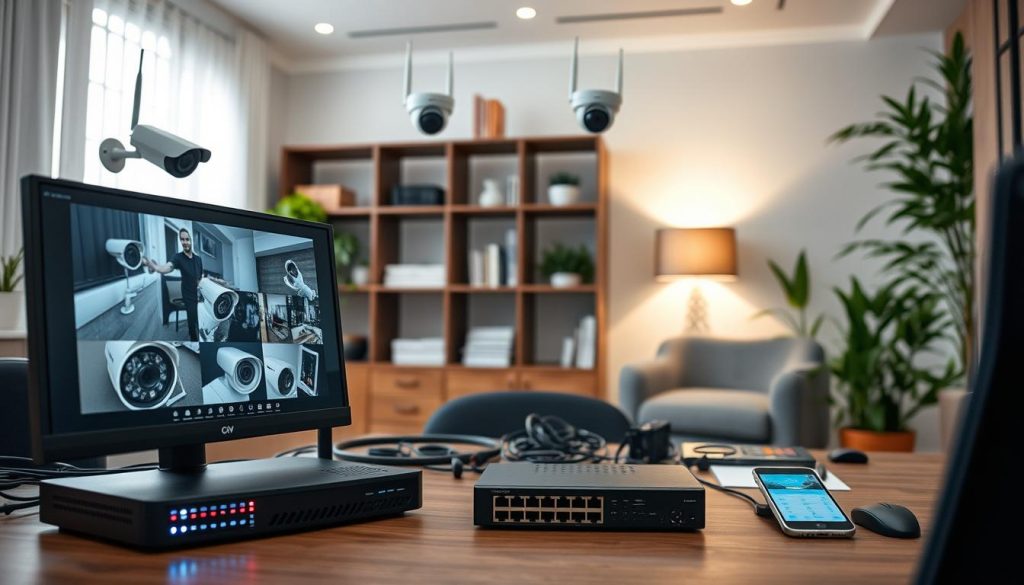
Local vs. Cloud Storage: Security and Accessibility
Storage location decisions balance control against convenience. Local options keep personal data within your physical premises. Cloud systems enable remote viewing from any internet connection.
Local solutions include DVRs, NVRs, and NAS devices. They offer complete control over your cctv footage. Maintenance responsibilities fall entirely on the homeowner.
On-premise servers provide full data sovereignty. You manage access permissions and retention policies directly. Power backups ensure operation during outages.
Cloud storage services handle infrastructure remotely. Singapore’s PDPC mandates AES-256 encryption for these providers. This military-grade protection secures footage during transmission and storage.
Multi-factor authentication adds security layers for cloud access. It requires additional verification beyond passwords. This prevents unauthorized entry even if credentials get compromised.
Consider these factors when choosing:
- Cost structure: Local has higher upfront but lower ongoing costs
- Accessibility: Cloud enables viewing from multiple devices anywhere
- Security: Both require proper configuration for protection
- Reliability: Local depends on your equipment maintenance
- Scalability: Cloud easily expands with subscription upgrades
Cross-border data transfers require special consideration. Ensure providers store information within Singapore unless properly encrypted. GDPR-PDPA alignment affects international service choices.
Network Configuration and System Integration
Wireless cameras demand stable network performance. Each device typically requires 5Mbps bandwidth for smooth streaming. Multiple units can strain home internet connections.
Network segmentation creates separate zones for security devices. This prevents bandwidth throttling during peak usage. It also contains potential security breaches.
Quality routers with Quality of Service (QoS) settings prioritize video traffic. This ensures smooth streaming even when other devices use the network. Professional installers optimize these configurations.
Western Digital recommends dedicated VLANs for surveillance equipment. This virtual separation enhances both performance and security. It prevents interference from other connected devices.
Power-over-Ethernet (PoE) simplifies wired installations. Single cables deliver both data and electricity. This reduces clutter and improves reliability.
Maintenance Protocols and Data Lifecycle
Regular system checks ensure continuous protection. Schedule monthly reviews of storage health and camera functionality. Update firmware to patch security vulnerabilities.
Capacity monitoring prevents unexpected storage failures. Set alerts for when drives reach 80% capacity. This provides time for expansion or cleanup.
The protection act outlines guidelines for personal data protection. Households must comply with retention and deletion requirements. Establish clear policies for footage used and disposed.
Data lifecycle management includes:
- Recording: Capture and compress video efficiently
- Storage: Secure footage collected with encryption
- Access: Control who views recordings with audit logs
- Retention: Keep footage only as long as necessary
- Deletion: Securely erase expired recordings
Handle any access request for personal data promptly and properly. Individuals may request to view footage featuring themselves. Have procedures ready for these situations.
Professional installation benefits complex technical setups. Experts ensure optimal performance and regulatory compliance. They implement best practices for data protection from day one.
Proper technical foundation supports all security objectives. It transforms cameras into a reliable monitoring system. This approach delivers peace of mind through robust implementation.
Step 4: Legal Notification and Signage Procedures
The final step before activating your monitoring system involves clear communication with everyone who might be recorded. Singapore’s protection act establishes specific notification rules. Households and businesses must comply with these transparency requirements.
Proper notification protects your rights and the privacy of others. It transforms surveillance from a secretive act into a responsible security measure. This process manages expectations and prevents future disputes.
Notifying Household Members and Domestic Helpers
Begin notification inside your home. All residents deserve to know about any camera use. Explain which areas are monitored and the security purpose.
For domestic helpers, provide both verbal and written notification. The Ministry of Manpower offers template agreements for this purpose. These documents should detail camera locations and how footage is used.
Obtaining signed acknowledgment is a best practice for consent. It creates a clear record that notification occurred. This documentation is crucial for managing personal data responsibly.
Landlords have specific obligations under tenancy law. You must explicitly disclose all surveillance in the rental agreement. Tenants should review this clause before signing.
Failure to notify can lead to serious legal issues. Hidden devices in private spaces may prompt a police report. Transparency from the start avoids these problems.
Signage Requirements for Compliance and Transparency
Commercial entities face stricter signage rules. The PDPA mandates clear notices at all monitored entry points. These signs serve as the primary method of notification.
Signage must be bilingual in English and another official language. Minimum dimensions are 20cm by 30cm for visibility. Use high-contrast colors like black text on a yellow background.
Each sign should contain specific mandatory elements:
- The fact that video surveillance is in operation
- The purpose of collecting cctv footage
- Contact details for data protection inquiries
- Information on how to make an access request
For residential settings, practical methods work well. Verbal alerts to family are sufficient for private homes. Written notices posted near entrances enhance transparency.
Modern solutions include motion-activated voice announcements. These audio alerts inform visitors they are on camera. QR code signage can link to your full data policy.
Smart doorbells require special consideration. Delivery personnel and visitors may be recorded unexpectedly. A small decal on the doorframe can serve as adequate notice.
When contractors or service providers visit, give a verbal heads-up. Inform them that cameras are active in the work areas. This respects their personal data while maintaining your security.
Handle any complaint or request about your footage promptly. The PDPA typically requires a response within one calendar month. Have a procedure ready for these situations.
“Notification isn’t just a legal box to tick. It’s the ethical foundation that distinguishes responsible security from intrusive surveillance. Clear communication builds trust with everyone in your home and community.”
Here is template language that meets Singapore’s requirements:
“This premises is under video surveillance for security purposes. Footage containing personal data is collected and protected in accordance with the Personal Data Protection Act (PDPA). For inquiries or to request access to footage, please contact [Your Name/Number].”
Documenting your notification efforts completes a responsible setup. It shows you respect the law and individual rights. This final step ensures your entire system operates on a solid, compliant foundation.
Implementing Your CCTV System Responsibly
A responsible cctv system requires more than hardware installation. It demands an ongoing commitment to ethical and secure operation. This final guide section outlines key principles for long-term success.
Schedule quarterly system checks to ensure optimal performance. Regular firmware updates are crucial for security against emerging cyber threats. An annual professional audit can identify vulnerabilities.
Maintain legal transparency with neighbors about your monitoring zones. This practice addresses privacy concerns and fosters community trust. Your household should establish clear rules for access to recorded cctv footage.
Prioritize data protection protocols like encrypted storage. Have a plan for securely disposing of old equipment. This responsible approach balances your security needs with respect for everyone’s rights.
For optimal setup and peace of mind, consider a professional service. They ensure your cameras meet all technical and legal standards from day one.