
Your surveillance setup is only as strong as its upkeep. In Singapore’s humid climate, cameras and recording equipment face constant environmental stress. A strategic maintenance plan transforms your cctv systems from passive hardware into an active security asset.
This guide explores the core methodologies for sustaining your visual surveillance network. We detail three essential approaches: preventive, corrective, and predictive. Each serves a unique role in a complete reliability strategy.
Proactive maintenance isn’t optional—it’s critical. Regular checks can prevent up to 30% of common cctv failures. This protects your investment and ensures your system captures clear evidence when needed most.
Without scheduled upkeep, lenses fog, connections corrode, and storage fills unexpectedly. These issues create dangerous blind spots. A structured program extends equipment life and maintains image clarity, keeping your premises secure.
We’ll break down each maintenance type with actionable steps. You’ll learn to implement a schedule that fits your operations. The goal is long-term cctv performance and peace of mind for your security team.
Key Takeaways
- A proactive maintenance philosophy is essential for reliable security in Singapore’s challenging environment.
- Regular cctv maintenance can significantly reduce equipment failures, protecting your financial investment.
- Neglecting upkeep leads to security blind spots and expensive emergency repairs.
- Three primary types of strategies form a complete system care plan.
- Effective maintenance extends equipment lifespan and ensures optimal image quality.
- A proper schedule helps ensure compliance with local surveillance regulations.
- CCTV care should be viewed as a strategic operation, not just a reactive task.
Why Regular CCTV Maintenance is Non-Negotiable for Security
The effectiveness of your visual monitoring depends entirely on its ongoing condition. Treating upkeep as a discretionary expense creates dangerous vulnerabilities in your protection strategy. Consistent care transforms cameras from passive hardware into active guardians of your property.
Proactive service is a critical operational cost, not a luxury. It directly supports the integrity of your entire security infrastructure. Neglecting this duty can lead to system failures when you need surveillance most.
Protecting Your Investment and Ensuring Legal Compliance
Regular maintenance safeguards your financial outlay in security technology. Studies show proactive care reduces equipment failures by approximately 30%. This prevents catastrophic breakdowns that demand expensive full replacements.
The minor expense of scheduled service avoids major capital outlays for emergency fixes. It extends the operational life of your components significantly. This approach represents true cost efficiency for any security budget.
Legal compliance forms another crucial pillar. Well-maintained systems ensure recorded footage remains admissible as court evidence. Blurry images or corrupted files from poor upkeep may be dismissed legally.
Adhering to Singapore’s surveillance regulations requires functional equipment. Regular checks help avoid potential fines for non-compliance. They verify your system operates within legal boundaries at all times.
As highlighted in our guide on CCTV maintenance needs, consistent upkeep is fundamental for both protection and compliance. It’s the backbone of a responsible security program.
Mitigating Singapore’s Climate Challenges for Optimal Performance
Singapore’s tropical environment presents unique hurdles for electronic systems. High humidity and constant heat accelerate wear on surveillance components. Without countermeasures, these factors degrade performance rapidly.
Moisture leads to lens fogging, obscuring critical visual details. It causes corrosion in cable connectors and power terminals. This corrosion creates intermittent faults that are difficult to diagnose.
Consistent maintenance directly fights these climate issues. Regular cleaning removes moisture buildup and contaminants. Seal checks on outdoor housings prevent water intrusion during heavy rains.
Implement weatherproof enclosures for all external cameras. Schedule more frequent inspections throughout the rainy season. These actions preserve optimal image quality despite environmental stress.
Premature hardware failure often results from unchecked environmental damage. Proactive preservation maintains system reliability during extreme weather. It ensures continuous operation when security threats may increase.
Skipping routine care compromises your entire security apparatus. It creates vulnerabilities that could lead to breaches and financial loss. A commitment to regular maintenance is therefore non-negotiable for true protection.
What Are the Types of Maintenance of CCTV? The Core Breakdown
Effective preservation of your monitoring network requires knowledge of several fundamental approaches. Three core methodologies form the backbone of any reliable care strategy. Each serves a distinct purpose in ensuring continuous operation.
Understanding these frameworks helps you build a robust maintenance program. They address different stages in the equipment lifecycle. A balanced combination delivers optimal security performance.
Preventive maintenance represents the proactive approach. It involves scheduled inspections and routine cleaning tasks. The goal is to catch potential issues before they cause failures.
This methodology focuses on component care and early problem detection. Regular checks identify wear on cameras and connections. It extends equipment lifespan significantly.
Corrective maintenance operates as the reactive strategy. It springs into action after a fault or failure occurs. Technicians troubleshoot problems to restore full functionality.
This approach addresses immediate breakdowns in your cctv setup. Repairs replace damaged components or fix configuration errors. It returns your surveillance capability to normal operation.
Predictive maintenance utilizes advanced, data-driven techniques. It employs system analytics and continuous monitoring tools. The strategy forecasts when equipment might fail.
This modern approach allows for precisely timed interventions. Sensors track performance metrics and environmental conditions. Analysis software identifies patterns indicating future problems.
A robust maintenance plan often integrates elements from all three types. Simple setups might emphasize preventive and corrective actions. Complex cctv systems benefit greatly from predictive analytics.
Each methodology carries different cost implications. Preventive care requires regular resource allocation. Corrective actions often involve higher emergency repair expenses.
Predictive strategies demand initial technology investment. They optimize long-term resource use through accurate forecasting. The choice depends on your system‘s criticality and complexity.
These approaches connect directly to real-world security outcomes. Preventive care extends equipment service life dramatically. Corrective action restores protection after unexpected failures.
Predictive analysis optimizes overall surveillance operations. It minimizes downtime through intelligent scheduling. This framework supports continuous monitoring reliability.
The following sections explore each methodology in greater detail. You’ll learn specific procedures for implementation. We’ll provide actionable steps for Singapore’s unique environment.
Preventive Maintenance: The Proactive Approach to System Health
Scheduled, systematic care represents the most intelligent investment you can make in your surveillance system’s longevity. This forward-thinking strategy focuses on preventing problems rather than reacting to them.
Proactive maintenance creates a foundation of reliability for your entire security operation. It involves regular checks and cleaning to identify minor issues before they escalate.
This methodology transforms your cctv setup from fragile hardware to resilient infrastructure. The goal is continuous operation with minimal interruption to your security coverage.
Implementing Regular Inspections and Cleanings
A disciplined inspection routine forms the core of preventive care. Technicians should verify every camera’s field of view remains unobstructed. They must confirm proper recording functionality across all channels.
System logs require regular review for early error detection. Physical inspections of housing integrity protect against Singapore’s harsh weather. Cable connections need verification for corrosion or wear.
Cleaning protocols demand particular attention to camera lenses. Dust and humidity quickly degrade image clarity. Professionals recommend lens cleaning every two to three months.
Use appropriate microfiber cloths and lens solution for this task. Avoid abrasive materials that could scratch delicate surfaces. Regular checks of power supplies prevent unexpected shutdowns.
The most secure surveillance system is the one maintained before problems appear, not after evidence is needed.
A comprehensive maintenance checklist ensures no component gets overlooked. This document should include all cameras, recording devices, and network equipment. Standardized procedures guarantee consistent service quality.
The Tangible Benefits and Cost Savings of Proactive Care
Proactive maintenance delivers measurable financial advantages. It prevents expensive emergency repairs that disrupt operations. The cost of scheduled service is far lower than reactive replacements.
Extended equipment life represents a significant return on investment. Well-maintained cameras can operate years beyond their expected lifespan. This delays capital expenditures for complete system upgrades.
Consistent image quality ensures your surveillance footage remains evidentially sound. Clear recordings support investigations and potential legal proceedings. Blurry images from dirty lenses undermine security effectiveness.
Reduced downtime means your property remains protected continuously. Unexpected failures create dangerous security gaps during repairs. Preventive care minimizes these vulnerabilities through planned interventions.
Your cctv system operates at peak performance with regular upkeep. Equipment runs cooler and more efficiently when properly maintained. This reliability translates directly to enhanced security assurance.
The modest investment in preventive cctv maintenance pays exponential dividends. It preserves your security budget while maximizing protection capabilities. This approach represents true operational wisdom for any Singapore facility.
Corrective Maintenance: Reactive Repairs and System Restoration
When a surveillance component fails, your security posture immediately weakens, demanding swift corrective action. This reactive approach focuses on restoring full functionality after a breakdown occurs. Unlike preventive strategies, corrective maintenance addresses existing problems that have already impacted your operations.
Every cctv system will eventually require this type of intervention. Components wear out, environmental damage accumulates, and unexpected failures happen. Having a clear restoration protocol minimizes downtime and security gaps.
Procedures for Diagnosing and Fixing Problems After Failure
A systematic approach is essential when your surveillance network malfunctions. Begin by identifying the specific symptom disrupting your security coverage. Common indicators include complete loss of video feed, persistently blurry images, or intermittent recording.
The next step involves isolating the faulty component within your cctv infrastructure. Methodically check each element in the signal chain. Start with the camera itself, then examine cabling, power supplies, and finally the recording device.
Execute repairs once you pinpoint the source of the issues. This may involve replacing damaged hardware or reconfiguring software settings. Always make sure to test the fix thoroughly before considering the job complete.
Several common scenarios demand corrective action. Damaged camera lenses from vandalism or weather require replacement to restore image clarity. Cut or frayed cabling needs repair or rerouting to reestablish signal transmission.
Network-based systems face unique challenges like IP address conflicts. These can disable multiple cameras simultaneously. Troubleshooting faulty power adapters is another frequent task, as power failures cause immediate downtime.
Understanding the High Cost Implications of Delayed Corrections
Postponing necessary repairs carries significant financial and security risks. Minor problems often escalate into major system failures when ignored. Compounded damage leads to exponentially higher repair bills.
Extended periods of vulnerability represent the greatest hidden cost. Your property remains unprotected while equipment remains non-functional. This window of opportunity for security breaches has intangible but serious consequences.
Direct expenses accumulate quickly during emergency responses. Service providers charge premium rates for urgent call-outs outside regular hours. Replacement parts for obsolete cameras may be scarce and expensive.
Indirect costs include potential data loss from recording gaps. Critical evidence may be missing during incidents. The operational disruption while coordinating repairs also impacts business continuity.
A single day of surveillance blindness can cost far more than years of preventive maintenance.
Effective preventive strategies dramatically reduce the need for corrective interventions. A well-maintained cctv system experiences far fewer unexpected breakdowns. This proactive approach protects both your budget and your premises.
Knowing when to call professionals is crucial for minimizing offline time. Simple issues like rebooting devices or cleaning lenses might be handled in-house. Complex wiring faults or network configuration issues typically require expert service.
Immediately contact a certified cctv technician for persistent or multiple failures. They have diagnostic tools and replacement components readily available. This quick response restores your security coverage with minimal delay.
Corrective maintenance remains an essential component of comprehensive cctv care. However, it should function as a backup plan rather than your primary strategy. Investing in preventive care ensures reactive repairs become rare exceptions.
Predictive Maintenance: The Data-Driven Strategy for Modern Systems
Forward-thinking security operations now harness predictive analytics to anticipate maintenance requirements before problems emerge. This approach represents the cutting edge of cctv care, moving beyond scheduled checks to intelligent forecasting.
Modern IP-based and hybrid systems come equipped with advanced self-diagnostic capabilities. These features enable a shift from calendar-based service to need-based intervention. The result is unprecedented system reliability and optimized operational costs.
Leveraging Analytics and Monitoring for Failure Prediction
Predictive strategies utilize continuous data collection from your surveillance network. Specialized software analyzes this information to identify patterns indicating potential failures. This transforms raw operational data into actionable intelligence.
Key metrics include gradual hard drive degradation rates and increasing error frequencies. Network performance trends also provide valuable forecasting clues. These indicators often surface weeks or months before actual component failures occur.
Modern technologies enable this proactive monitoring approach. System health dashboards display real-time status of all cameras and recording devices. Automated alerts notify managers immediately when cameras go offline or storage errors appear.
Advanced firmware can report on estimated component lifespan. It tracks operational hours and environmental stress factors. This intelligence allows for precise replacement scheduling before critical downtime happens.
Predictive maintenance doesn’t just fix problems—it prevents them from ever impacting your security operations.
How Condition-Based Maintenance Optimizes Resource Allocation
Condition-based maintenance represents a refined application of predictive principles. Work is performed only when actual indicators signal the need. This eliminates unnecessary routine visits that don’t address imminent issues.
Technicians receive dispatch orders based on verified equipment conditions. They focus efforts where intervention will have maximum impact. This precision dramatically improves resource efficiency for your security budget.
The approach maximizes system uptime beyond what preventive strategies alone can achieve. It represents the pinnacle of operational efficiency for modern surveillance networks. Your cctv infrastructure operates with minimal interruption.
Implementation requires more sophisticated equipment than basic surveillance setups. Many organizations partner with providers offering advanced monitoring services. These specialists manage the complex analytics behind condition-based interventions.
For Singapore businesses with critical security needs, this approach represents a strategic investment. It transforms cctv management from reactive or scheduled to intelligently proactive. The result is consistently optimal performance when you need it most.
Developing a predictive plan requires understanding your system’s capabilities. Consult with experts to identify available data streams from your current setup. They can help establish monitoring protocols that save both time and money.
This data-driven methodology ensures your surveillance investment delivers maximum protection value. It aligns technical resources with actual operational needs rather than arbitrary schedules. Your security posture remains robust through intelligent, evidence-based care.
Your Essential CCTV Maintenance Checklist
A structured maintenance checklist transforms random security checks into systematic protection protocols. This practical tool ensures consistent evaluation of your entire surveillance infrastructure. Managers in Singapore can implement it immediately for reliable oversight.
Follow this comprehensive guide to verify every critical component. It covers visual elements, physical connections, and digital data integrity. Regular use prevents overlooked vulnerabilities in your security posture.
Key Components to Inspect: Cameras, Lenses, and Image Quality
Begin with the visual elements of your surveillance network. Verify each camera’s field of view remains completely unobstructed. Trim vegetation and remove debris that could block critical sightlines.
Manually check image quality and focus on every camera feed. Look for blurriness, distortion, or color abnormalities. These issues often indicate problems with camera lenses or internal sensors.
Perform thorough cleaning of all external and internal lenses. Use appropriate microfiber cloths and lens solution. Avoid abrasive materials that could scratch delicate optical surfaces.
Test night vision and infrared functionality after sunset. Ensure these features provide clear images in low-light conditions. Proper operation is essential for 24-hour security coverage.
Document any issues with visual components in your maintenance logs. Note the specific camera, observed problem, and corrective action taken. This creates a valuable history for future troubleshooting.
Wiring, Connections, and Power Supply Integrity
Physical infrastructure forms the backbone of reliable surveillance. Inspect all cables for signs of wear, rodent damage, or environmental weathering. Singapore’s humid climate accelerates cable deterioration.
Ensure every connection remains secure and corrosion-free. Check BNC, RJ45, and power terminals regularly. Loose connections cause intermittent signal loss and recording gaps.
Test all power supplies and backup batteries for consistent performance. Voltage fluctuations can damage sensitive electronic components. Verify that backup systems engage properly during outages.
Pay extra attention to outdoor connectors exposed to the elements. Moisture intrusion is a common problem in tropical environments. Apply additional weatherproofing where necessary.
A single corroded connection can disable an entire camera, creating a security blind spot exactly when surveillance is needed most.
Storage, Data Integrity, and Software/Firmware Updates
Digital components require equal attention to physical ones. Check available storage capacity on all DVRs and NVRs regularly. Ensure sufficient space exists for continuous recording without data loss.
Verify that footage is being saved correctly and remains playable. Test random recordings from different time periods. Corrupted files undermine the evidentiary value of your surveillance system.
Apply the latest software and firmware updates promptly. These often contain critical security patches and performance improvements. Outdated software creates vulnerabilities in your network.
Review system logs for error messages or unusual activity patterns. These can indicate developing problems before they cause complete functionality failure. Proactive monitoring prevents unexpected downtime.
Maintain detailed records of all checks and updates performed. This documentation supports compliance requirements and aids future troubleshooting efforts. It transforms maintenance from a task into a strategic process.
This maintenance checklist serves as a living document for your security operations. Update it as your cctv systems evolve or expand. Regular use ensures no critical component is ever neglected.
Make sure to address Singapore-specific environmental factors during every inspection. The tropical climate demands extra vigilance against moisture and corrosion. Proper documentation creates accountability across your security team.
CCTV Maintenance Best Practices for Long-Term Reliability
Building a culture of consistent care transforms routine upkeep into a strategic advantage for surveillance networks. These proven methodologies elevate equipment preservation from occasional tasks to continuous protection protocols. They ensure your visual monitoring delivers maximum value throughout its entire operational lifespan.
Singapore’s challenging climate demands more than basic component checks. A comprehensive approach addresses environmental threats, physical security risks, and organizational discipline. Adopting these standards prevents the most common causes of system degradation and failure.
Environmental Protection and Physical Security of Equipment
Outdoor cameras face constant assault from tropical weather. Use IP-rated or weatherproof housings specifically designed for high humidity. These enclosures shield sensitive electronics from moisture intrusion and corrosion.
Install sunshades above exposed cameras to prevent overheating and lens flare. Ensure all conduits and cable entry points are properly sealed against rain and pests. Regular inspections verify these protective measures remain intact.
Physical security protects your equipment from human interference. Install cameras in vandal-resistant domes or reinforced housings. Use tamper-proof screws and mounting hardware that resist unauthorized removal attempts.
Network video recorders belong in locked, ventilated cabinets. This prevents theft and maintains proper operating temperatures. Controlled access ensures only authorized personnel can interact with critical security system components.
Proper environmental sealing extends camera life by years, while physical security measures prevent costly vandalism repairs.
Documentation and Log-Keeping for Accountability and Trends
Maintaining detailed records transforms maintenance from guesswork to science. Create a centralized log that captures every action performed on your cctv network. Include dates, specific findings, corrective actions, and technician names for each entry.
This documentation serves multiple critical functions. It establishes clear accountability across your security team. The historical data reveals patterns in equipment behavior and failure rates.
Spot recurring issues before they become major problems. A camera that requires frequent cleaning might need relocation. Repeated power supply failures indicate a need for replacement rather than continual repair.
Accurate logs provide valuable evidence for warranty claims. They demonstrate proper care was maintained according to manufacturer specifications. This documentation proves invaluable when engaging new service providers or technicians.
Implement standardized forms for all checks and procedures. Digital logs allow for easy searching and trend analysis. Physical notebooks work well for smaller operations but require disciplined organization.
Additional best practices further enhance reliability. Label all cables and ports clearly for easy identification during troubleshooting. Maintain a spare parts inventory including common items like power adapters and connection cables.
Train security personnel on basic troubleshooting techniques. They should know how to reboot devices and identify obvious connection problems. This frontline knowledge reduces response time for minor issues.
Regular cleaning of camera lenses maintains optimal image quality. Check power supplies during every scheduled inspection. Verify cable connectors remain secure and corrosion-free in Singapore’s humid climate.
These methodologies transform cctv care from a reactive cost center into proactive asset protection. They create a framework for sustainable performance across all types of surveillance setups. Singapore businesses implementing this comprehensive plan experience fewer emergencies and longer equipment life.
Common CCTV Issues and Troubleshooting Techniques
Even the most advanced surveillance networks encounter operational challenges that require immediate attention. Technical faults can appear suddenly, creating security gaps that demand quick diagnosis. This practical guide helps you identify and resolve frequent malfunctions before calling professional help.
Effective troubleshooting minimizes system downtime and reduces service costs. It gives security managers greater confidence in their surveillance infrastructure. Follow these techniques to maintain continuous protection for your premises.
Solving Camera Lens Problems and Image Quality Degradation
Blurry, foggy, or dark images often stem from lens contamination or misalignment. Begin by identifying the specific symptom affecting your camera feed. Check for spider webs, dust buildup, or water droplets on the exterior housing.
Perform careful lens cleaning using a soft microfiber cloth. For stubborn debris, use a gentle brush designed for optical surfaces. Avoid abrasive materials that could scratch delicate glass elements.
Adjust focus settings remotely through your cctv system software when available. For fixed-focus cameras, manual adjustment may require physical access. Ensure proper lighting conditions don’t create misleading image quality assessments.
Clear visual evidence depends on pristine lens conditions—regular cleaning prevents 80% of image degradation issues.
Night vision problems require separate troubleshooting. Verify infrared LEDs are functioning properly after sunset. Clean the infrared filter surface which can accumulate dust invisible during daylight hours.
Addressing Wiring, Connectivity, and Network Problems
Intermittent signal loss usually points to cabling or connection issues. Start by inspecting cable ends for physical damage or corrosion. Singapore’s humid climate accelerates connector deterioration.
Use a cable tester to check for continuity in coaxial or Ethernet cables. Test each segment individually to isolate faulty sections. Replace damaged wiring rather than attempting temporary repairs.
For network-based cctv systems, verify camera IP addresses haven’t changed or conflicted. Check network switches for proper operation and adequate bandwidth. Perform connectivity tests using ping commands to identify communication problems.
Follow this simple decision tree to isolate the issue:
- Is it one camera or multiple units failing?
- Is there no power or no video signal?
- Does the problem affect local monitoring or remote access?
Network configuration issues often require accessing camera settings through a web interface. Verify subnet masks and gateway addresses match your network architecture. Consult our guide on CCTV maintenance types for comprehensive prevention strategies.
Managing Storage Failures and Power Supply Issues
Recording gaps or playback errors frequently indicate storage problems. Check DVR/NVR interfaces for error messages about hard drive failures. Verify available capacity hasn’t reached maximum limits.
Diagnose failing hard drives by listening for unusual clicking sounds. Monitor system logs for repeated read/write errors. Ensure your system is set to overwrite old footage when storage fills.
Confirm recording schedules remain active and properly configured. Test playback from different time periods to verify data integrity. Consider implementing redundant storage for critical surveillance areas.
Power supply issues are common culprits behind sudden failures. Use a multimeter to test voltage output at the adapter and camera end. Check for loose connections at power distribution points.
Test backup battery systems in UPS units regularly. Replace aging batteries before they fail during outages. Ensure power circuits aren’t overloaded with too many cameras on a single line.
Always turn off power before handling electrical connections. Call a professional for complex network or high-voltage issues beyond your expertise.
Regular checks of all power components prevent unexpected downtime. Document all troubleshooting steps for future reference. This systematic approach transforms reactive problem-solving into proactive security management.
Understanding Different CCTV System Types and Their Maintenance Needs
Not all cctv systems require identical upkeep; their design dictates unique care protocols. A one-size-fits-all maintenance plan wastes resources and misses critical vulnerabilities. Tailoring your approach to your specific technology maximizes efficiency and protection.
This knowledge helps you focus efforts where they matter most. It prevents checking network settings on a pure analog setup. It ensures battery-powered cameras get the attention they need.
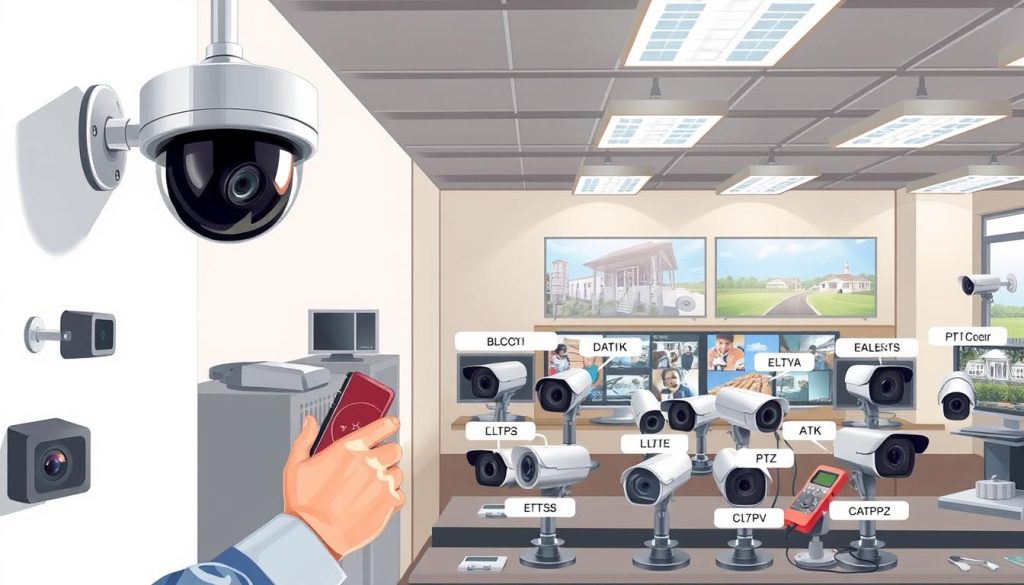
Understanding your system architecture is the first step to smart maintenance. It guides you in applying the general checklist with precision. This targeted strategy prevents unexpected failures and extends equipment life.
Wired vs. Wireless CCTV System Considerations
Wired cctv systems offer stable, reliable connectivity. Their maintenance revolves around physical infrastructure integrity. Regular checks of coaxial or Ethernet cables are non-negotiable.
Inspect all cable runs for cuts, fraying, or rodent damage. Look for corrosion on connectors, especially in Singapore’s humid climate. Verify conduits are sealed against moisture intrusion.
Wireless setups provide flexible installation but have different needs. Their reliability depends on strong signal strength and consistent power. Maintenance focuses on the network and energy sources.
Monitor Wi-Fi signal strength at each camera location regularly. Check for channel interference from other networks. For battery-powered cameras, establish a strict replacement or recharging schedule.
A wired system fails at a physical breakpoint; a wireless system fails when its signal or power is interrupted.
Each type has distinct likely points of failure. Wired networks suffer from connector corrosion and cable damage. Wireless systems face battery depletion and signal dropouts.
Analog, IP-Based, and Hybrid System Upkeep
Analog cctv systems are simpler but demand focused care. Maintenance prioritizes coaxial cable integrity and DVR health. Regularly test image quality and clarity from each camera.
Check the DVR for overheating and ensure fans are clean. Verify recording schedules are active and storage is not full. These systems are less complex but still vulnerable to neglect.
IP-based systems are powerful but require digital vigilance. Network management becomes a core maintenance task. Frequent firmware updates are critical for cybersecurity and performance.
Check network switch configurations and bandwidth usage. Verify each camera’s IP address and network connectivity. Update software promptly to patch security vulnerabilities.
Hybrid systems combine analog and IP technologies. Their upkeep requires attention to both physical and digital components. You must care for coaxial cables and network settings simultaneously.
Identify your system type to apply the correct maintenance focus. This prevents wasted effort on irrelevant checks. It ensures all critical vulnerabilities for your specific security system are addressed.
This knowledge is essential when planning upgrades or hiring a provider. It ensures they possess the specific expertise your technology demands. A tailored approach is the best practice for maximum efficiency and reliable security.
Choosing a Professional CCTV Maintenance Provider in Singapore
Selecting a qualified service provider represents a strategic decision that directly impacts your cctv system‘s long-term reliability and performance. This partnership determines whether your surveillance investment delivers consistent protection or becomes a source of recurring problems.
Singapore businesses should approach this choice with careful evaluation. The right provider acts as an extension of your security team. They ensure your visual monitoring remains operational through all conditions.
Key Selection Criteria: Experience, Response Time, and Local Expertise
Begin your search by verifying a provider’s hands-on experience with your specific technology. Ask for case studies involving similar cctv setups. Check their familiarity with analog, IP-based, and hybrid systems.
Reputation matters significantly in the security industry. Look for testimonials from other Singapore companies. Providers like Huntaway and ClearView have established track records with local businesses.
Operational metrics define a provider’s reliability. Guaranteed response time for emergency calls is non-negotiable. Verify their availability for 24/7 support during critical failures.
Local expertise is particularly valuable in Singapore’s climate. Experts familiar with humidity know to check for corrosion as standard procedure. They understand how tropical weather affects cameras and connections.
Knowledge of Singapore’s surveillance regulations is equally important. Your provider should ensure compliance during all inspections and repairs. This protects you from potential legal issues.
Evaluating Service Plans and Emergency Support Offerings
Compare different service packages with a critical eye. Basic inspection-only plans offer limited value. Comprehensive packages include parts, labor, and software updates.
Examine contract flexibility before committing. Monthly plans suit businesses needing adaptable schedules. Annual contracts often provide better value for stable operations.
Ask detailed questions about emergency support protocols. Learn how providers handle urgent problems outside business hours. Inquire about their spare parts inventory for quick repairs.
The true test of a maintenance provider isn’t during scheduled visits—it’s during a 2 AM system failure when every minute of downtime represents a security risk.
Remote monitoring services represent the cutting edge of proactive care. Providers like ClearView offer client portals for real-time system status. This technology alerts you to issues before they cause downtime.
Always request detailed quotes from multiple providers. Ensure you compare identical service levels across different companies. Understand all inclusions and exclusions in each plan.
Consider the total cost of ownership, not just the monthly fee. A slightly higher-priced plan with better coverage often saves money long-term. It prevents unexpected repair bills and extends equipment life.
Your maintenance partnership should feel like a strategic alliance. The right provider becomes invested in your security success. They help you implement a robust maintenance checklist tailored to your needs.
This decision impacts your surveillance effectiveness for years. Choose a partner who demonstrates technical competence and operational reliability. Your cctv maintenance provider should be a cornerstone of your overall security strategy.
Securing Your Premises Through a Commitment to Maintenance
Strategic asset stewardship transforms surveillance hardware into dependable guardians. Your property’s security depends entirely on your cctv system functioning perfectly when needed. A dedicated maintenance regimen ensures this reliability.
Understanding different upkeep approaches builds resilient protection. Combining preventive, corrective, and predictive strategies creates comprehensive coverage. This knowledge lets you control your surveillance network’s health.
The upfront effort of regular cctv maintenance prevents costly failures. It extends equipment life and maintains evidential performance. This investment avoids expensive breaches and replacements.
Audit your current practices against this guide’s recommendations. Implement a formal schedule using a detailed checklist. Consider partnering with Singapore experts for optimal results.
Your security system becomes a silent, vigilant protector with proper care. Take charge of your cctv upkeep today. Ensure continuous protection for your premises and peace of mind.