
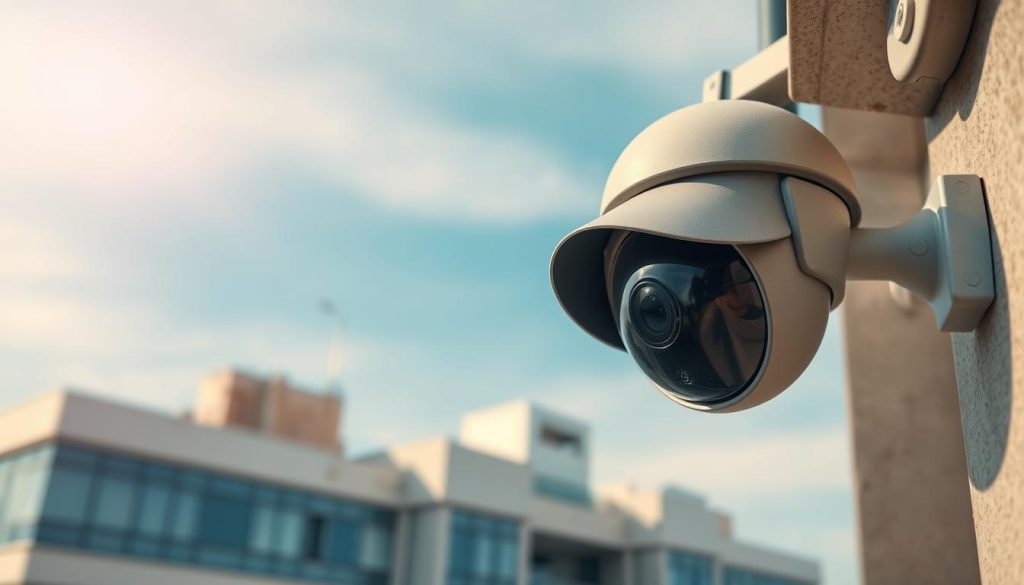
Your surveillance system is a critical investment for property security in Singapore. These electronic eyes work tirelessly to monitor your premises and record important footage.
However, various threats can compromise their performance and lifespan. Understanding these risks is essential for maintaining reliable security coverage.
Singapore’s tropical climate presents unique challenges. Intense rain, high humidity, and heat can lead to water damage and corrosion over time.
Physical threats like vandalism also pose serious risks. Spray paint, blocked lenses, or forceful impacts can render equipment useless in moments.
Technical issues are another concern. Power surges from lightning storms or incorrect camera settings affect image quality and system reliability.
In today’s connected world, network security matters too. Unsecured systems risk unauthorized access and compromised data.
This guide explores the full spectrum of vulnerabilities. We’ll provide actionable solutions to protect your surveillance investment for the long term.
Key Takeaways
- Surveillance systems face multiple threats in Singapore’s environment
- Climate factors like rain and humidity can cause corrosion and water damage
- Physical vandalism remains a common risk to security equipment
- Technical failures from power issues affect system performance
- Network security is crucial for preventing unauthorized access
- Protection requires a multi-layered approach to security
- Regular maintenance extends the lifespan of your surveillance investment
Introduction: Protecting Your Security Investment in Singapore
For Singaporean homeowners and business operators, visual monitoring systems provide essential peace of mind and documented evidence. These electronic sentinels watch over properties day and night. They capture crucial footage that protects assets and deters unwanted activity.
However, installation alone does not guarantee lasting protection. A proactive approach is fundamental for maintaining surveillance integrity. Understanding potential compromises allows for stronger defensive strategies from the start.
Singapore’s tropical climate presents distinct challenges for electronic equipment. High humidity permeates the air year-round. Frequent thunderstorms bring intense rain and powerful electrical surges.
This environment can lead to moisture damage and corrosion inside sensitive components. Power fluctuations from storms pose another serious risk. Both factors threaten the reliability of your monitoring technology.
Physical threats exist alongside environmental ones. Vandalism occurs in both public and private spaces across the city. Strategic placement and protective housings form the first line of defense against such acts.
Overlooking technical maintenance and network security often leads to system failure at critical moments.
Many users discover cybersecurity weaknesses only after a breach occurs. Regular firmware updates and secure passwords are non-negotiable for modern systems. Pre-emptive hardening of your setup prevents these common oversights.
The longevity of your surveillance investment depends on three key factors:
- Correct installation following best practices
- Quality equipment selection suited to local conditions
- Consistent upkeep through scheduled maintenance
Clear image quality and reliable video footage stem from this combination. When one element falters, overall performance suffers.
This guide serves as a practical manual for the Singapore context. We translate common surveillance problems into actionable solutions. Our focus remains on real-world applications for local homes and businesses.
By the conclusion, you will possess a complete blueprint for assessment and fortification. You’ll learn to evaluate your current security systems effectively. Practical steps for enhancement will become clear.
Key technical concepts will be explained in simple terms:
- IP ratings measure weather resistance against dust and water
- IK ratings indicate impact protection levels
- Surge protectors and UPS units guard against power instability
- Network security protocols shield your data from unauthorized access
Protecting your monitoring equipment is both manageable and critical. The task directly impacts the reliability of your entire security performance. With proper knowledge and tools, you can extend the operational life of your investment significantly.
Your vigilance today ensures continuous protection tomorrow. Let’s explore how to build resilience into every aspect of your surveillance setup.
What Can Damage a CCTV Camera? The Primary Threats
A resilient security system begins with a clear map of potential threats. Your monitoring equipment faces challenges from multiple directions.
We categorize these risks into four main areas. Understanding each one is the first step toward effective protection.
Location plays a huge role in your risk profile. High-traffic zones invite more interference. Areas with a history of tampering need stronger defenses.
Spots exposed to the elements or with unstable electrical supply are also high-risk. Let’s break down the primary threat vectors you need to know.
Environmental and Weather-Related Damage
Singapore’s tropical climate is a relentless test for electronics. Constant high humidity threatens internal components year-round.
Torrential rain can lead to water ingress if seals fail. This moisture causes corrosion on circuit boards and connectors over time.
Prolonged exposure to extreme heat is another silent killer. It can degrade sensitive parts and cause systems to overheat.
The result is often distorted image quality or total failure. Outdoor units bear the full brunt of these conditions.
Physical Damage and Vandalism
Deliberate acts against surveillance hardware are a common concern. These attacks aim to blind your system instantly.
Spray paint on the lens is a frequent tactic. A direct physical strike can shatter housings and internal parts.
Tampering with cables is another simple but effective method. Any of these acts can cause immediate and total loss of video.
Vandalism often targets the most visible cameras, making strategic placement a key deterrent.
Outdoor installations in accessible locations are inherently more vulnerable. This makes physical protection a top priority.
Technical and Power System Failures
Your equipment relies on stable electricity to function. Singapore’s electrical grid can experience voltage fluctuations.
Nearby lightning strikes induce powerful surges through lines. These spikes can fry sensitive camera electronics in a moment.
Network video recorders (NVRs) are equally at risk. A single surge can wipe out your entire recording system.
Such technical failures lead to unexpected system downtime. Critical moments may pass without any footage being captured.
Cybersecurity Breaches
Modern IP-based systems face digital threats. Weak passwords or unsecured networks are the main entry points.
Hackers seek unauthorized access to live video feeds. They can also compromise stored footage on your network.
This breach defeats the entire purpose of your surveillance investment. Privacy and security are both undermined.
Network vulnerabilities are a technical problem with very real consequences. They require a dedicated security posture.
Each threat has a direct impact on your system’s performance. Loss of footage, poor image quality, and complete outages are the real-world results.
This overview helps you diagnose which risks are most relevant to your property. The following sections provide targeted solutions for each category.
You can now systematically address environmental, physical, technical, and cyber problems. A layered defense is the most effective strategy.
Combating Weather: Rain, Heat, and Humidity
Environmental factors consistently rank among the top causes of premature failure in security installations. Singapore’s tropical climate creates a perfect storm of challenges for outdoor monitoring technology.
Persistent rain and high humidity threaten internal components daily. Extreme heat and relentless sun exposure degrade materials over time. Understanding these threats allows for effective defensive measures.
https://www.youtube.com/watch?v=2NSrnr5n4nc
Proper protection ensures your equipment operates reliably through every season. The right solutions prevent weather-related problems before they compromise your security.
Water Ingress from Rain and Moisture
Heavy rainfall tests every seal and joint on outdoor units. Water finds the smallest openings in housing casings. Once inside, moisture causes immediate and long-term problems.
Circuit boards short-circuit when exposed to liquid. Metal connectors corrode from constant humidity. This corrosion spreads silently, damaging components irreversibly.
The IP (Ingress Protection) rating system measures resistance. For reliable outdoor performance, choose units with IP66 or higher ratings. This guarantees protection against powerful water jets and dust ingress.
An IP66-rated security camera withstands heavy rain from any direction, maintaining operational integrity during storms.
Check silicone seals around casing joints regularly. Pay special attention to cable entry points. These vulnerable spots often fail first under pressure.
The Impact of Extreme Heat and Sun Exposure
Singapore’s constant sun presents another serious challenge. UV radiation degrades plastic housings over months and years. Materials become brittle and may develop cracks.
Internal overheating affects sensitive image sensors. Prolonged high temperatures reduce component lifespan significantly. This leads to premature failure and inconsistent performance.
Image quality suffers when sensors overheat. Colors may appear washed out or distorted. Focus can become unreliable during peak temperature hours.
Thermal management is crucial for maintaining clear video. Proper ventilation prevents heat buildup inside housings. Strategic placement minimizes direct sun exposure.
Prevention: Weatherproof Housings and Proper Seals
Invest in dedicated weatherproof housings for indoor-rated equipment. These protective shells provide an extra layer of defense. They shield sensitive technology from direct environmental contact.
Installation technique matters greatly. Mount units under eaves or canopies when possible. This provides natural shelter from direct rainfall.
Positioning also minimizes sun exposure during hottest periods. North-facing installations often receive less intense sunlight. Consider shadow patterns throughout the day.
For longer cable runs, use fiber optic technology. These cables are immune to electromagnetic interference. They provide inherent isolation from lightning-induced surges.
Copper cables can transmit dangerous electrical spikes. Fiber optics eliminate this risk completely. Your surveillance systems gain an important protective advantage.
Routine inspection catches small issues early. Check for condensation inside dome covers monthly. Ensure drainage holes in housings remain unblocked.
Look for cracked or peeling silicone seals. Replace worn seals immediately to maintain protection. These simple steps prevent major weather-related problems.
Environmental resilience directly impacts video performance. A well-protected unit maintains consistent focus and color accuracy. This reliability is vital for usable surveillance footage.
Tailor your approach to Singapore’s specific climate conditions. Generic solutions often fail under tropical intensity. Invest in proper weatherproofing from installation day.
This proactive approach is far more cost-effective than replacement. Preventable environmental factors should never compromise your security. Your monitoring technology deserves this essential protection.
Defending Against Vandalism and Physical Attack
Physical interference with security hardware can neutralize your surveillance capabilities in seconds. Unlike environmental wear, these intentional acts aim for immediate system failure.
Successful defense requires understanding both motive and method. Vandals seek to blind your monitoring or destroy recorded evidence. A layered approach makes your equipment a difficult target.
Common Acts: Spray Paint, Blocking, and Physical Force
Attackers employ several straightforward methods to disable units. Spray paint on the lens creates instant blindness. This simple tactic blocks the sensor completely.
Bright lights or laser pointers can temporarily overwhelm the image sensor. This creates washed-out footage during critical moments. The effect may last long enough for unauthorized activity.
Direct physical strikes with objects shatter housings and internal circuitry. Mounts can break, pointing the unit at useless angles. Internal components often suffer irreparable damage from impact.
Tampering with cables is another common approach. Cutting power or network lines causes immediate downtime. Storage devices might be targeted to delete recorded video evidence.
Deterrence Through Strategic Placement and Height
Making equipment hard to reach is your first defensive layer. Mount units at least 3 meters (9 feet) above ground level. This places them beyond easy arm’s reach.
Strategic positioning creates overlapping fields of view. Position units so they monitor each other’s blind spots. One device then records any attempt to tamper with another.
This networked approach significantly increases risk for perpetrators, as their actions are captured by adjacent units.
Consider sight lines from public areas when placing hardware. Visible monitoring can deter casual interference. Concealed units avoid drawing attention in high-risk zones.
Both approaches have merit depending on your specific security needs. The goal is to create physical and psychological barriers.
Protection: Vandal-Proof Housings and Tamper Detection
Invest in hardware designed to withstand attacks. The IK (Impact Protection) rating measures resilience to force. An IK10 rating withstands a 20-joule impact.
This equals a 5kg mass dropped from 40cm height. Such units resist blunt force from common tools. They maintain functionality after significant strikes.
Protective measures provide additional barriers:
- Metal cages or polycarbonate domes shield the main housing
- Tamper-resistant screws (like Torx) prevent easy disassembly
- Conduit protects exposed cables from cutting attempts
- Lockable enclosures secure Network Video Recorders (NVRs)
Modern systems include intelligent tamper detection features. Alerts trigger when spray covers the lens or orientation changes forcibly. Notifications reach your security team or mobile device instantly.
This enables rapid response to active vandalism. It transforms your system from passive recording to active defense.
Connect physical protection to data integrity. Off-site or cloud backup preserves footage if local storage is compromised. This addresses the evidence-destruction goal of many attacks.
A comprehensive strategy addresses all vulnerability points. It combines deterrence, physical hardening, and intelligent monitoring. Your surveillance becomes resilient against deliberate interference.
These solutions prevent the most common problems associated with physical attacks. They ensure continuous video coverage when you need it most.
Preventing Power Surge and Electrical Damage
The reliability of your entire security network hinges on stable power delivery to every component. Electrical disturbances represent a silent but devastating threat to monitoring technology.
These events often strike without visible warning. They can originate from external sources or internal wiring faults.
Singapore’s frequent thunderstorms create perfect conditions for electrical instability. A single voltage spike may compromise years of surveillance investment instantly.
Protection requires understanding both the threat and practical defensive measures. A layered approach creates multiple barriers against electrical problems.
How Lightning and Grid Surges Destroy Components
Lightning strikes near a property induce massive voltage spikes through wiring. These surges travel along power lines and data cables with incredible speed.
Delicate circuit boards inside security equipment cannot withstand such overloads. Microchips and sensors fry instantly, causing permanent failure.
The danger extends beyond direct lightning contact. Even distant strikes can induce powerful currents in nearby cables.
Singapore’s electrical grid also experiences natural fluctuations. These smaller surges gradually degrade electronic components over time.
A cascading failure often occurs where one compromised device damages connected equipment throughout the network.
This domino effect threatens your entire surveillance setup. A surge entering through one outdoor unit may travel through Ethernet cables.
It can destroy the PoE switch, network video recorder, and backup storage simultaneously. Critical video evidence disappears in an electrical instant.
Essential Protection: Surge Protectors and UPS Systems
Surge protection devices form your first defensive layer. Install whole-panel protectors at the main electrical service entrance.
These units divert dangerous spikes away from your internal wiring. They handle the largest surges from lightning or grid faults.
Secondary protection at the equipment rack provides another barrier. Point-of-use protectors for individual cameras offer final defense.
For modern IP-based systems, choose PoE switches with built-in surge protection. This safeguards the convergence point where data and power meet.
Uninterruptible Power Supply units maintain operations during outages. They provide clean, regulated electricity to core recording equipment.
A UPS keeps your NVR running through brief blackouts. This ensures continuous footage capture during power disturbances.
The investment in protection equipment is minimal compared to replacement costs. A single protected system avoids expensive downtime and equipment loss.
Proper Grounding and Cable Management
Effective grounding safely dissipates electrical energy into the earth. All camera mounts, housings, and metal conduits require proper earthing.
Use copper grounding straps for lightning protection systems. These create a low-resistance path for dangerous currents.
Cable management practices significantly reduce electromagnetic interference. Avoid running low-voltage security cables parallel to high-power lines.
Maintain at least 12 inches of separation between different cable types. This prevents induction of stray voltages into your surveillance network.
Shielded Ethernet cables offer additional protection against interference. They contain a foil layer that blocks external electrical noise.
Proper installation techniques include drip loops at connection points. These prevent water from tracking along cables into sensitive equipment.
Conduit systems protect exposed wiring from physical and environmental hazards. They also organize cables for easier maintenance and troubleshooting.
Discuss these specific requirements with your security installer or electrician. Professional implementation ensures all protective measures work together effectively.
Your surveillance technology deserves this comprehensive electrical defense. Stable power delivery maintains consistent performance and image quality.
Addressing Technical Glitches and Image Problems
Beyond physical and environmental threats, a range of subtle technical issues can degrade your system’s effectiveness from within. These glitches often don’t cause immediate hardware failure. Instead, they corrupt the video data itself, making footage unreliable or unusable.
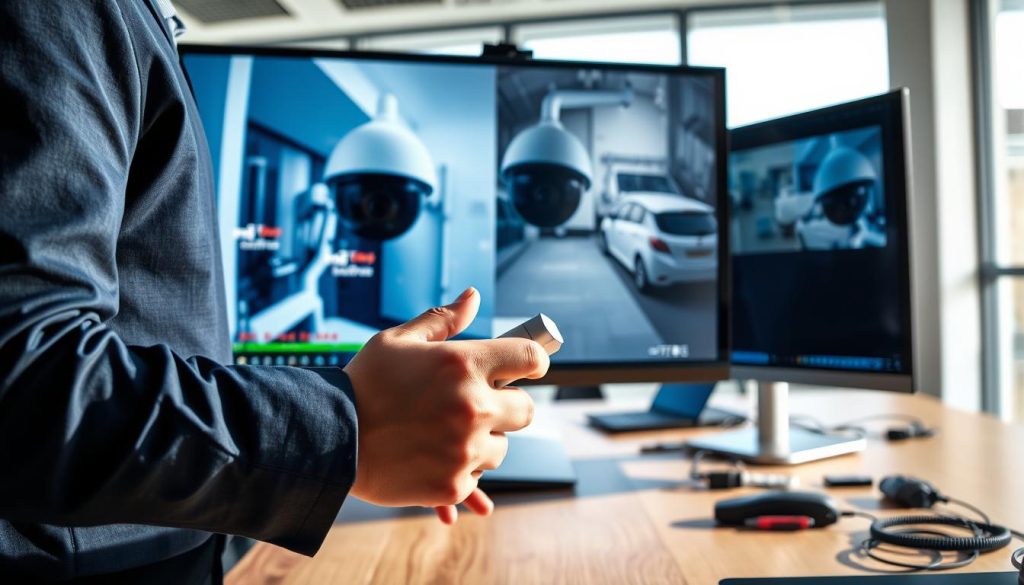
Regular checks for these problems are a vital part of security system upkeep. Proactive troubleshooting ensures your surveillance delivers clear, actionable evidence when it matters most.
Incorrect White Balance and Colour Distortion
If your recorded images have a persistent blue or yellow tint, white balance is likely misconfigured. This setting tells the camera what “white” looks like under current light conditions.
When set incorrectly, all other colors become distorted. Clothing colors or vehicle details can be obscured, harming evidential quality.
Auto White Balance (AWB) can be confused by dominant colors in the view. A large blue sky or a green wall may trick the sensor. Mixed lighting at dusk—daylight and street lights—also causes inaccurate, shifting colors.
For consistent lighting, manually set a fixed white balance in the camera’s settings menu. This prevents the system from guessing incorrectly throughout the day.
If using AWB, improve its accuracy by repositioning the unit. Angle the lens downward to minimize the amount of sky in the frame. Point it away from direct artificial light sources at night.
Lens Glare from Reflective Surfaces
Bright, washed-out spots ruining an otherwise clear picture are often caused by glare. This occurs when the camera points directly at reflective areas.
Windows, water features, or polished floors can act like mirrors. They bounce intense light directly into the lens, creating flares that obscure crucial details.
This problem is particularly common in Singapore’s sunny conditions. The glare can render an entire image useless during parts of the day.
Simple solutions exist to combat this issue. First, adjust the camera’s angle to avoid the reflective surface. Installing a lens hood or shade can block stray light from the sides.
For persistent glare, consider technology with built-in IR-cut filters. These manage specific light wavelengths to reduce flare and improve image quality.
Insect Nests and Spider Webs Triggering False Alarms
Insects are attracted to the warmth and faint glow of security cameras, especially models with infrared LEDs for night vision. Spiders often build webs directly across the lens.
These cobwebs appear as moving, blurry blobs in the video feed. The motion detection software sees this as activity, triggering constant false alerts.
This leads to alert fatigue, where real threats are ignored. It also severely compromises image quality by creating permanent obstructions.
Make sure to establish a regular cleaning protocol. Use a soft-bristled brush to gently clear the housing and lenses every few weeks. Apply non-chemical insect repellent strips nearby to deter pests.
Finally, adjust your motion sensor’s sensitivity settings. Tune it to ignore small, close-range movements typical of insects. This step prevents unnecessary notifications.
Addressing these glitches protects the integrity of your surveillance data. Clear, color-accurate footage without false alarms is the hallmark of a well-maintained system.
The Critical Role of Regular CCTV Maintenance
A robust monitoring setup requires more than just initial installation. Consistent upkeep is the single most effective strategy for preventing the failures discussed earlier. It transforms your security investment from a static piece of equipment into a resilient, long-term asset.
This proactive schedule directly extends the operational life of your entire setup. It ensures optimal performance and clear video when you need it most.
Neglecting this routine is a common oversight with serious consequences. Dust, weather, and technical decay work silently. A structured plan catches small problems before they escalate into major outages.
Routine Cleaning for Clear Image Quality
Singapore’s environment deposits grime on lenses and housings quickly. A simple monthly cleaning routine preserves image quality and prevents physical damage.
Use a soft microfiber cloth and isopropyl alcohol solution for the glass dome. Gently wipe in a circular motion to avoid scratches. Check and clear debris from housing vents to prevent overheating.
Ensure the surrounding areas are free of overgrown foliage. Branches can block the view and provide a bridge for insects. This simple step reduces false alarms from spider webs.
A clean lens is the foundation of usable surveillance footage. It is the most basic yet most impactful maintenance task.
After heavy storms, perform an extra check on outdoor units. Look for water spots or condensation inside the dome. Wipe down the housing to remove any corrosive salt or pollutant residue.
Importance of Firmware and Software Updates
Your cctv system is a computer network. Manufacturers regularly release firmware updates to patch security vulnerabilities hackers exploit. These updates also fix software bugs that cause glitches and improve overall performance.
An outdated system is an open door for cyber access. Regular updates are a critical network security practice, not just a technical tweak.
Establish a practical update strategy. Subscribe to your manufacturer’s security bulletins. Check for available updates on a quarterly basis.
Always test an update on a single security camera before deploying it across all systems. This prevents a bad update from crippling your entire operation.
Scheduled Professional Inspections
While you handle basic cleaning, an annual professional inspection is invaluable. A qualified technician performs tasks beyond a homeowner’s scope.
They check the tightness of environmental seals that prevent water ingress. They test voltage levels at the camera and power source to ensure stable operation.
Technicians verify network integrity and data transmission speeds. They assess the health of storage drives in your recorder, warning you before failure.
For businesses, this scheduled service is part of operational due diligence. It proves your surveillance systems are always functional and capable of providing evidence.
Make sure to maintain a detailed log of all activities. Record cleaning dates, firmware versions applied, and inspection reports.
This log tracks your system’s health over time. It also provides a concrete record for warranty claims or insurance purposes.
Position maintenance not as an optional cost, but as an essential investment. It protects the much larger investment you’ve made in your property’s security. A well-maintained cctv camera is far less likely to succumb to the weather, power, or vandalism issues we’ve covered.
Proactive Protection: Installing for Resilience
True resilience in visual security systems is engineered through informed equipment selection and proper installation. This approach addresses the core question: What can damage a CCTV camera? by building defenses from the ground up.
Smart choices during setup prevent most common failures. They create a monitoring network that withstands Singapore’s unique environmental and physical challenges.
Choosing the Right Camera: IP Ratings and IK Ratings
Understanding protection ratings is essential for durable equipment. The IP (Ingress Protection) code indicates resistance to dust and water.
The first digit shows dust protection. A rating of 6 means complete protection against dust ingress. This prevents internal contamination from Singapore’s urban environment.
The second digit measures water resistance. A rating of 6 guarantees protection against powerful water jets from any direction. This is the baseline for reliable outdoor performance during heavy rain.
For comprehensive weatherproofing, select units with IP66 or higher ratings. This ensures your equipment survives tropical downpours without internal damage.
The IK (Impact Protection) rating measures physical durability. It indicates how much force the housing can withstand.
IK09 and IK10 ratings offer the highest impact resistance. An IK10 unit survives a 20-joule impact, equivalent to a 5kg mass dropped from 40cm.
Choose these ratings for areas with any vandalism risk. They protect against deliberate strikes with common tools.
Combining IP66 and IK10 ratings creates hardware that resists both environmental and physical threats effectively.
This dual protection forms your first line of defense. It addresses two major sources of equipment failure before installation even begins.
Installation Best Practices for Longevity
Proper installation techniques extend equipment lifespan significantly. They prevent many common problems that develop over time.
Use corrosion-resistant mounting hardware. Stainless steel brackets and screws withstand Singapore’s humid climate. They prevent rust that weakens structural integrity.
Route all cables through protective conduits. Never leave wiring exposed to weather or physical interference. Conduits shield connections from moisture and tampering.
Provide a slight downward tilt to camera housings. This encourages water runoff during rainstorms. It prevents water pooling on lens covers or housing seams.
Avoid mounting equipment directly on vibrating surfaces. Machinery or traffic vibrations can loosen connections over time. Use vibration-dampening mounts when necessary.
Consider light conditions during placement. Position units to avoid direct sun glare during critical monitoring hours. This maintains consistent image quality throughout the day.
For detailed guidance on weatherproof installation, review this resource on preventing rain damage to surveillance equipment. It offers practical solutions for Singapore’s climate.
Professional installers follow these protocols precisely. Their expertise ensures your system performs optimally from day one.
Strengthening Your Network Security Posture
Modern surveillance systems face digital threats alongside physical ones. Network vulnerabilities can compromise your entire security investment.
Change all default usernames and passwords immediately. Create strong, unique credentials for each device and access portal. Never reuse passwords across different systems.
Enable WPA2 or WPA3 encryption on your Wi-Fi network. This protects wireless transmission of surveillance data. It prevents unauthorized interception of live feeds.
Segregate your monitoring system on a separate VLAN. This isolates surveillance traffic from your main business or home network. A breach in one system cannot easily spread to the other.
Use a VPN for secure remote access to live video. Avoid port forwarding, which exposes equipment directly to the internet. VPNs create encrypted tunnels for safe connectivity.
Implement two-factor authentication for all admin portals. This adds a critical layer beyond passwords. Even compromised credentials cannot grant access without the second factor.
Schedule regular firmware updates for all devices. Manufacturers patch security vulnerabilities through these updates. An outdated system is an easy target for hackers.
Conduct network vulnerability scans quarterly. These scans identify weaknesses before attackers exploit them. They provide actionable insights for strengthening your defenses.
Apply end-to-end encryption for stored footage and data streams. This protects evidentiary quality and privacy. Encrypted data remains secure even if intercepted.
These measures create a comprehensive digital defense. They address the network-based threats that modern surveillance systems face.
Working with a reputable professional installer in Singapore ensures proper implementation. They understand local conditions and technical requirements.
An informed buyer can specify the right equipment and verify installation quality. This proactive approach builds resilience into every system component.
Durable surveillance technology starts with smart planning and execution. Proper installation creates monitoring networks that deliver reliable protection for years.
Safeguarding Your Surveillance System for the Long Term
A holistic defense approach ensures your electronic sentinels remain operational through Singapore’s challenging conditions. Reliable protection requires robust hardware, intelligent installation, and vigilant maintenance.
The upfront investment in quality equipment and professional setup pays dividends. It prevents costly failures and maintains clear video evidence when needed most.
In Singapore’s security-conscious environment, dependable monitoring is essential. Regular system checks and updates sustain optimal performance year after year.
Conduct an audit of your current setup against the threats outlined here. Identify any gaps in your defenses. Partner with a trusted local provider for expert support with inspections and upgrades.
Understanding potential vulnerabilities is the foundation of prevention. With proper care, your security investment delivers lasting protection and peace of mind.