
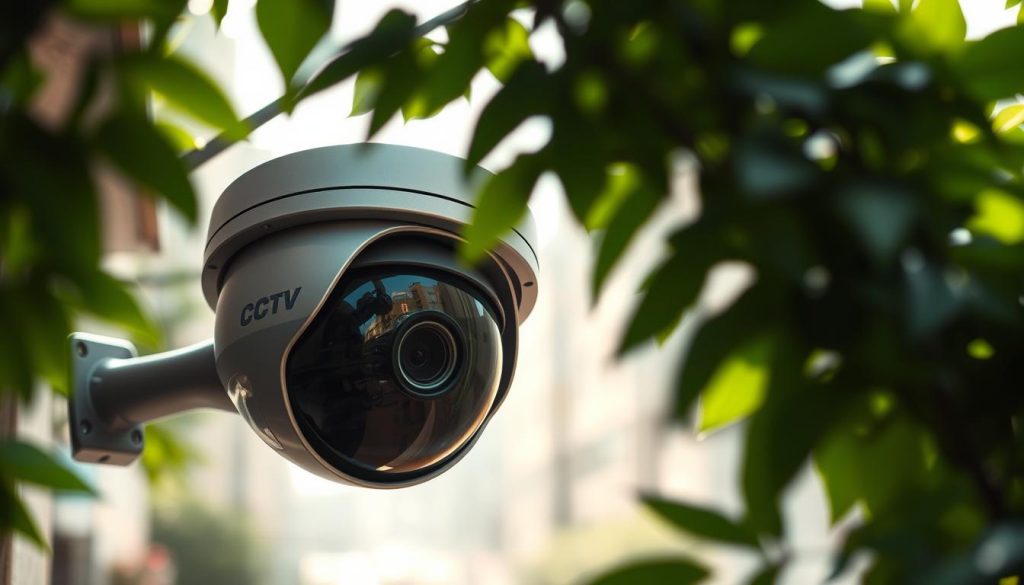
Your surveillance system is a cornerstone of safety for any home or business in Singapore. These security cameras provide vital monitoring and peace of mind.
However, they face constant threats that can compromise their function. Knowing the risks is the first step toward strong protection.
Threats range from harsh weather and vandalism to cyber attacks and aging technology. Water ingress and power surges are also common culprits.
Proactive measures and regular maintenance are essential. They prevent failures and extend the life of your system.
This guide explores the common sources of damage to your equipment. We will provide actionable solutions to boost your security resilience.
Staying updated with technology and best practices safeguards your investment. For expert advice on improving your surveillance, contact ED Viston at +65 8313 4578.
Key Takeaways
- Identifying threats to your surveillance equipment is crucial for maintaining reliable security.
- Common damage sources include environmental factors, physical tampering, and technical failures.
- Implementing proactive protection strategies is key to preventing costly system issues.
- Regular maintenance checks are vital for early problem detection and long-term performance.
- Keeping your system’s technology and software updated reduces security risks.
- Understanding these threats allows you to extend the lifespan of your security cameras.
- A resilient surveillance setup requires a combination of physical and digital safeguards.
Introduction to CCTV Camera Hazards
As surveillance networks expand, so does the landscape of potential threats targeting them. The growing reliance on these systems for security demands a deep awareness of the hazards they face.
Ignoring these risks creates safety gaps. It can leave property and people vulnerable. A proactive understanding is your first line of defense.
Why Understanding Damage Sources is Crucial
Knowing what threatens your equipment enables proactive prevention. This approach drastically cuts system downtime. It also safeguards your financial investment in surveillance infrastructure.
Regular checks are non-negotiable. Simple actions like watching indicator lights on your camera or DVR can reveal early issues. Replacing batteries every few years prevents unexpected failure.
Technical setups need verification too. Power over Ethernet (PoE) streamlines installation but may require switch restarts. An incorrect IP address can instantly disrupt your live view.
The Scope of CCTV Security Risks
Threats to your security camera are broad and interconnected. They span physical, environmental, technical, and cyber domains.
Physical tampering and vandalism are obvious dangers. Environmental factors like harsh weather slowly degrade housing and video quality. Heavy rain or extreme heat can blur crucial details.
Technical failures often stem from overlooked maintenance. Damaged cables compromise the signal. Network connection problems halt data flow.
Cyber attacks target the network itself. Hackers seek access to live feeds and stored data. This digital risk endangers everyone in the monitored area.
This comprehensive scope shows why a single point of failure is unlikely. A resilient surveillance system is built on understanding all these cameras hazards. It ensures reliable performance over time.
What Can Damage a CCTV Camera? Common Culprits
To build a truly resilient monitoring network, one must first understand the diverse enemies it encounters. These threats are typically grouped into three main categories.
Each category presents unique challenges that can compromise your security feed and system integrity. Recognizing them is the essential first step toward effective protection.
Physical Damage from Impacts and Vandalism
Deliberate strikes are a stark reality for security cameras in accessible spots. Locations like building corners or low fences are prime targets for vandals.
A direct hit can shatter the lens or crack the housing. This immediately blocks the view and exposes internal components.
Tampering, such as spraying paint or adjusting the angle, is another common tactic. It renders the camera useless without destroying it outright.
Outdoor units are especially at risk. Robust housing and strategic placement are key to protect cameras from these blunt-force attacks.
Environmental Factors: Weather and Climate
Singapore’s tropical climate is a constant test for outdoor equipment. Persistent humidity invites moisture into any unsealed housing.
This leads to internal corrosion on circuit boards and connectors. Over time, this decay causes flickering video or complete failure.
Extreme heat can warp plastics and overheat sensitive electronics. Conversely, heavy monsoon rains test waterproof seals to their limit.
A breached seal during a storm can cause a short circuit. This is a serious power damage event that can fry the camera and pose a fire hazard.
Technical and Operational Failures
Not all damage comes from outside. Internal glitches and user error are major culprits. Outdated firmware can crash, freezing the system.
Configuration mistakes are common. An incorrect setting might force a camera into night mode during the day, producing black-and-white footage.
Misuse often leads to strange video quality issues. Psychedelic color distortion usually points to incorrect infrared or light settings.
Hardware wears out. Failing power supplies, old cables, and a full DVR storage drive all cause operational failure.
These technical issues highlight why regular maintenance and correct setup are non-negotiable for any surveillance system.
Vandalism: A Persistent Threat to Surveillance
In urban landscapes like Singapore, surveillance equipment faces a constant, deliberate enemy: vandalism. This intentional act targets highly visible security cameras in public and commercial areas. It aims to disrupt the monitoring system and create blind spots.
Understanding this threat is crucial for maintaining reliable security. A compromised camera does more than just stop recording. It undermines the entire surveillance network’s effectiveness.
Types of Vandalism Affecting CCTV Cameras
Direct physical attacks are the most obvious form. Vandals may strike the housing with objects or attempt to dismantle the unit. This can shatter the lens and destroy internal electronics in an instant.
View manipulation is another common tactic. Spraying paint over the lens or covering it with a bag completely blocks the video feed. These acts render the camera useless without causing permanent damage to the hardware.
Technical interference represents a more sophisticated threat. This includes cutting cables to destroy the data connection or jamming wireless signals. In some cases, cyber attacks target the network to corrupt stored footage or hijack the live view.
The consequences are severe. An inoperative camera creates a critical gap in coverage. Repair or replacement costs add up quickly, making prevention a wise investment.
Effective Solutions to Combat Vandalism
Physical barriers offer the first line of defense. Installing a welded metal cage around the unit is a powerful solution. Tamper-resistant mounts and housings also make it extremely difficult to dislodge or break the equipment.
Strategic placement is a simple yet highly effective strategy. Mounting cameras high up, under eaves, or in other hard-to-reach areas limits physical access. This basic step deters a lot of opportunistic tampering.
Technology itself can help. Modern surveillance systems can be configured with tamper alerts. If a camera is moved or struck, it sends an instant notification to security personnel. This enables a rapid response.
For surfaces, apply anti-graffiti films to the housing. If paint is sprayed, the film can be peeled off and replaced easily. This maintains a clear view and saves on cleaning time.
The most resilient security approach is multi-layered. Combine physical hardening, smart placement, and intelligent monitoring. This comprehensive strategy is the best way to protect cameras and ensure continuous operation.
Environmental Factors and Weather Conditions
Beyond human interference, the climate itself can be a formidable adversary for security equipment. In Singapore’s tropical environment, constant exposure to elements accelerates wear and tear.
This relentless pressure is a major contributor to hardware degradation. Proactive planning for these conditions is non-negotiable for reliable operation.
https://www.youtube.com/watch?v=u3qFd1YclNE
A robust surveillance system must withstand monsoons, heat, and humidity. Ignoring these factors invites premature failure and costly replacements.
Impact of Monsoons and Heavy Rain
Seasonal downpours deliver a one-two punch of water and electrical risk. Driving rain tests every seal on outdoor cameras.
Water ingress is the primary threat. Even a tiny breach can lead to internal short circuits.
This damage often starts small, causing intermittent video issues. Left unchecked, it can escalate to complete electrical failure or even fire.
Lightning strikes during storms pose a separate, severe hazard. They induce massive power surges through connected cables and network lines.
These surges can fry sensitive electronics instantly. The entire system is at risk, not just a single camera.
Challenges Posed by Extreme Temperatures
Consistent high heat pushes electronic devices beyond their design limits. Internal components overheat, leading to accelerated degradation.
Image sensor quality can degrade, causing noisy footage. Plastics may warp or become brittle over time, compromising housing integrity.
Direct sunlight creates a greenhouse effect inside the housing. This trapped heat is a silent killer for security camera longevity.
While less common in Singapore, occasional cooler periods still test materials. Sudden temperature changes cause contraction and expansion.
This stress can crack lenses or break solder joints. Thermal cycling is a slow but sure way to undermine your equipment.
Protection Strategies Against Weather Damage
The right solution starts with selecting hardware built for the environment. Always choose outdoor-rated cameras with a high IP (Ingress Protection) rating.
An IP66 rating is the minimum for reliable dust and water resistance. For flood-prone areas, IP67 or higher provides essential submersion protection.
Physical barriers are your first layer of defense. Waterproof casings with proper gaskets seal out moisture.
For electrical protection, install surge protectors on all power lines. Lightning arresters should be used on coaxial or Ethernet cables.
Consider using fiber optic cabling for critical outdoor runs. It is immune to electromagnetic interference and lightning-induced surges.
This also provides more secure data transmission for your surveillance feed.
Regular environmental maintenance is the final, crucial step. Schedule checks before and after the monsoon season.
- Inspect all housing seals for cracks or brittleness.
- Clear debris that blocks ventilation or drainage.
- Verify that cameras have adequate shade or cooling.
- Test surge protection devices to ensure they are functional.
These steps create a comprehensive shield. They preserve clear view coverage and extend the service life of your security systems dramatically.
The Risk of Cybersecurity Threats
Modern security cameras are no longer standalone devices. They are intelligent nodes on a network, which introduces significant digital risks.
This connectivity is a double-edged sword. It enables remote viewing and cloud storage, but it also exposes your equipment to online attacks.
Protecting your surveillance system now requires a digital defense strategy. Ignoring this risk can lead to catastrophic security failure.
How Hackers Target CCTV Systems
Cybercriminals use several methods to compromise monitoring systems. Credential theft is a common starting point.
Many users never change default usernames and passwords. Hackers exploit this using automated tools for easy access.
Phishing emails trick staff into revealing login details. Man-in-the-Middle (MitM) attacks intercept data between the camera and the DVR.
More sophisticated threats include ransomware and Denial-of-Service (DoS) strikes. These can lock you out of your own system or overwhelm it.
Hackers also target IoT vulnerabilities in older devices. Zero-day exploits attack unknown software flaws before a patch exists.
The consequences are severe. Unauthorized access to live video feeds breaches privacy.
Footage theft compromises sensitive data. A disabled surveillance network creates a major blind spot in your coverage.
Best Practices for Securing Camera Networks
Building a resilient digital defense involves clear steps. Start with the fundamentals and build layers of protection.
Here are the most effective ways to shield your security cameras from cyber threats:
- Change Default Credentials Immediately: Replace factory settings with strong, unique passwords for every camera and admin account.
- Implement Two-Factor Authentication (2FA): Add an extra verification step beyond a password. This blocks most automated credential theft attempts.
- Establish a Dedicated Network: Isolate your security camera system on its own VLAN. This minimizes exposure if other network devices are compromised.
- Schedule Regular Firmware Updates: Manufacturers release patches for known vulnerabilities. Keeping software up-to-date closes these security holes.
- Conduct Network Vulnerability Scans: Use professional tools to find weaknesses in your setup. Regular assessments identify problems before hackers do.
This layered solution addresses both common and advanced threats. It turns your surveillance system from a target into a fortress.
Regular maintenance of these digital safeguards is as crucial as cleaning the lenses. It ensures your security remains robust over time.
Importance of Regular Firmware Updates
Proactive security management extends into the digital realm, where firmware acts as the first line of defense. This embedded software controls every function of your security camera, from processing the video feed to managing network access.
Neglecting these updates is like leaving a digital door unlocked. It undermines the entire surveillance system you rely on for coverage and data protection.
How Outdated Firmware Compromises Security
Running old firmware is a major risk. Hackers actively search for unpatched devices on the internet. Known vulnerabilities in outdated code are easy targets for automated attacks.
These exploits can grant unauthorized access to live feeds. They might also corrupt storage or disable the camera entirely. Your equipment becomes a weak point in your security.
Beyond cyber attacks, old firmware causes operational issues. You might experience poor video quality, random reboots, or connection drops. These glitches mimic hardware failure but stem from software bugs.
Manufacturers release patches to fix these flaws. Delaying an update leaves your system exposed. It is a preventable way that damage occurs silently over time.
Steps to Keep Your CCTV System Updated
Maintaining current firmware is a straightforward solution. A consistent routine prevents most digital risk. Follow these actionable steps to secure your cameras.
First, identify your camera model and current firmware version. This information is usually in the DVR menu or the device’s web interface.
Next, visit the manufacturer’s support website. Check for the latest firmware releases specific to your model. Download only from official sources.
Establish a regular schedule for checking updates. Many professionals do this quarterly. Setting a calendar reminder is an effective way to stay on date.
Before applying any update, take crucial precautions:
- Back up your configuration: Save your camera settings and network details. This allows for a quick restore if needed.
- Ensure stable power: Use a UPS or ensure no power outage will occur during the update. An interruption can corrupt the firmware.
- Verify compatibility: Confirm the update file is meant for your exact hardware model. Using the wrong file can brick the device.
Apply the update according to the manufacturer’s instructions. This often involves uploading a file through the camera‘s admin panel. The system will reboot automatically.
After the reboot, verify the new firmware version is active. Test the live view and recording functions. This confirms the update was successful.
This process might seem technical, but it protects your investment. Consistent firmware maintenance is a simple, powerful practice. It extends the life and reliability of your security systems a lot.
Physical Obstructions and Maintenance Issues
Dust, insects, and spider webs create a stealthy challenge for maintaining clear video surveillance. These tiny intruders are often the most common cause of degraded image quality.
Regular upkeep is the simple yet powerful solution to this persistent problem. Ignoring it invites failure of your visual security.
Effects of Spider Webs and Insects on Camera Functionality
A single web strand across a lens can blur an entire scene. Insects are drawn to the warmth and shelter of camera housings, building nests inside.
This directly blocks the view. It turns a high-definition feed into a useless, obscured mess. Critical details become impossible to see.
These obstructions also trick motion sensors. A blowing web or crawling bug can trigger constant false alerts. This floods your system with useless notifications.
Over time, the problem creates permanent security blind spots. Your surveillance system loses its effectiveness. The risk of missing an important event rises a lot.
Cleaning Techniques for Optimal Performance
Proper cleaning protects your investment and restores full coverage. The right tools prevent scratches on delicate lenses.
Always use a soft, lint-free microfiber cloth. For stubborn grime, apply a small amount of lens-specific cleaning fluid. Never spray liquid directly onto the camera.
Small, soft-bristled brushes are perfect for crevices. Gently clear debris from housing vents and mounting joints. This prevents overheating and maintains airflow.
Establishing a routine is key for all security cameras. Follow these straightforward steps for reliable performance:
- Monthly Inspection for Outdoor Units: Check lenses for webs, dust, and insect activity. Singapore’s humid climate accelerates buildup.
- Bi-Annual Deep Clean for Indoor Cameras: Carefully wipe down housings and lenses to prevent accumulated dust.
- Use Gentle Pressure: Avoid pushing dirt into the housing or damaging the weatherproof seals.
For comprehensive care, schedule professional servicing annually. Experts handle internal maintenance and check connected equipment like the DVR.
This proactive way ensures every component in your security system operates at peak condition. Clear vision is non-negotiable for effective monitoring.
Reflection and Glare Issues in CCTV Footage
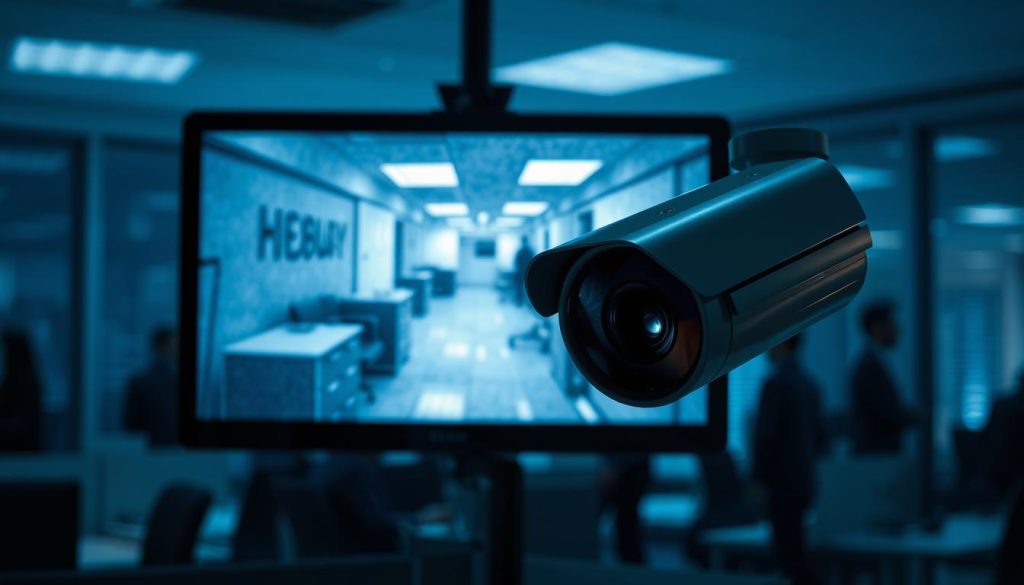
Obtaining a crisp, usable feed is critical, but common visual artifacts often undermine footage quality. Reflection and glare are frequent technical issues that compromise the usability of recorded video.
These problems are especially pronounced at night or in areas with bright light sources. They can render crucial evidence useless for monitoring and investigation.
Causes of Infrared Glare and Flickering Images
Infrared glare creates washed-out hotspots in your view. This happens when the camera‘s own IR illuminators bounce off shiny surfaces.
Windows, polished walls, and even wet surfaces act as mirrors. They reflect the light back, blinding the camera to the actual scene.
Flickering images stem from incompatible settings or unstable power. Artificial lighting, like LEDs or fluorescents, operates on a specific frequency.
If your camera‘s shutter speed is not synchronized, it captures the cycling light. This results in a distracting, pulsing effect on the video feed.
A weak power supply or faulty wiring can also cause this instability. It introduces noise that the sensor misinterprets as flickering light.
Solutions to Minimize Reflection Problems
Repositioning your equipment is the simplest solution. Avoid angling cameras directly at glass or glossy surfaces.
Mounting the unit slightly to the side can make a lot of difference. Using a lens hood or an anti-glare housing also blocks stray light effectively.
Adjusting the camera settings is your next line of defense. Tweak the shutter speed to match the local lighting frequency, often 50Hz or 60Hz.
Enable the Wide Dynamic Range (WDR) feature on your security camera. This balances exposure in high-contrast scenes, preserving details in both shadows and highlights.
For persistent problems with blurry nighttime footage, check the IR cut-filter. Ensure the system is switching correctly between day and night modes.
Regular maintenance is non-negotiable. Keep lenses clean from dust and smudges that scatter light.
Inspect all cables and connections for damage. Secure, high-quality wiring prevents electrical noise that exacerbates flickering.
Addressing these optical issues is key for any surveillance system. Clear, consistent video evidence forms the backbone of effective security.
Operational Errors and Technical Failures
Technical snags and user mistakes are common realities in managing any electronic security network. These issues are inevitable but manageable with the right knowledge.
A methodical approach restores function quickly. It also prevents minor glitches from becoming major system failure.
How to Troubleshoot Common Camera Problems
Start with the simplest checks first. This logical way saves a lot of time and frustration.
First, verify the power supply and all physical cables. A loose wire is often the culprit for a blank screen.
Next, check the network status. Ensure your security camera has a stable connection to the DVR or cloud storage.
Follow these steps in order for a systematic solution:
- Inspect Power and Connections: Confirm all adapters are plugged in and cables are secure.
- Verify IP Address and Login: Each camera needs a unique IP. Use correct admin credentials for access.
- Check for IP Conflicts: Consult your router’s ARP table. Duplicate addresses cause video loss.
- Update Firmware: Install the latest updates from the manufacturer to fix software bugs.
- Perform a Controlled Reboot: Restart the camera and system. This clears many temporary errors.
- Consider a Factory Reset: As a last resort, this wipes settings. Reconfigure the device from scratch.
These actions resolve most common issues. They keep your surveillance system running smoothly.
Signs Indicating Faulty Equipment
Recognizing early warning signs allows for timely intervention. Persistent problems often point to hardware failure.
Watch for these key indicators of faulty equipment:
- Intermittent or Complete Video Loss: The feed cuts in and out or goes black entirely.
- Distorted or Poor Quality Images: Footage appears pixelated, blurry, or has strange color tints.
- Unusual Noises from PTZ Units: Grinding or buzzing sounds from motorized cameras signal mechanical wear.
- Frequent System Crashes: The entire DVR or network video recorder reboots unexpectedly.
- Overheating and Burn Marks: Physical damage on the housing or power supply is a serious risk.
When you notice these signs, act quickly. Diagnose the problem or contact a professional.
Early action prevents total security coverage gaps. It also saves money on more extensive repairs later.
A structured troubleshooting routine is your best defense. It minimizes downtime and keeps your data and property secure.
Power Surge and Electrical Damage
Sudden spikes in voltage pose an immediate and severe threat to any connected security device. These electrical events can originate from multiple sources and strike without warning.
Protecting your surveillance equipment from this invisible danger is a critical component of overall system resilience. A single surge can compromise your entire monitoring network.
Effective safeguards are not optional; they are essential for long-term operation. Investing in the right protection saves significant cost and hassle over time.
Consequences of Voltage Fluctuations
When excess voltage courses through a camera, the results are often catastrophic and instant. Sensitive microchips and circuit boards are designed for specific power levels.
A surge overwhelms these components, causing them to overheat and fry. This leads to permanent hardware failure that repair cannot fix.
The image sensor is particularly vulnerable. A spike can burn out pixels, creating dead spots or strange color lines in your video feed. The device may still power on but produce useless, distorted footage.
Complete unit failure is a common outcome. The camera stops transmitting data entirely, creating a blind spot in your security coverage. Replacing the entire piece of equipment becomes the only solution.
These events also threaten connected devices. A surge can travel through cables to damage the network video recorder or DVR. This multiplies the cost of the incident a lot.
Solutions to Prevent Power-related Damage
Implementing a layered defense strategy neutralizes this risk effectively. Start at the main electrical panel and work your way to each individual device.
Install a whole-house surge protector at your primary service entrance. This device intercepts massive surges from lightning or grid switching before they enter your building’s wiring.
For localized protection, use dedicated surge-protected power strips. Plug your NVR, DVR, and camera power adapters into these quality strips. They absorb residual spikes that pass the main defense.
An Uninterruptible Power Supply (UPS) is a powerful tool. It provides backup battery power during outages, preventing abrupt shutdowns. More importantly, it conditions incoming voltage, smoothing out brownouts and minor fluctuations.
Proper grounding is a fundamental but often overlooked step. Ensure all equipment racks and metal housings are connected to a verified earth ground. This gives stray voltage a safe path to dissipate.
For modern IP-based systems, protect the data connection. Use Power over Ethernet (PoE) switches with built-in surge protection on their ports. This guards the network cable that carries both power and data to your cameras.
Follow these practical steps to build your electrical defense:
- Assess Your Entry Point: Have an electrician install a whole-house surge protection device.
- Deploy Local Surge Suppressors: Equip every critical piece of equipment with its own protected power source.
- Integrate a UPS: Connect your core recording system and key network switches to a battery backup unit.
- Verify Grounding: Confirm all metallic frames and conduits are properly earthed.
- Choose Protected PoE: Select network switches that offer surge protection on their Ethernet ports.
This comprehensive approach addresses the problem from multiple angles. It ensures your security cameras and the entire surveillance system remain operational through electrical storms and unstable grid conditions.
Regular maintenance includes checking these protective devices. Replace surge protectors after a major event, as they can wear out. This proactive habit extends the life of your valuable equipment.
Regular Maintenance for CCTV Longevity
A consistent maintenance schedule is the unsung hero of any reliable surveillance operation. It transforms your investment from a reactive tool into a proactive solution.
This disciplined approach prevents premature failure and maximizes your return. It ensures every camera delivers clear view coverage for years.
Routine Cleaning and Care Checklist
Establishing a simple checklist turns upkeep into a quick, effective habit. These steps target the most common issues that degrade performance.
Follow this core list for all your security cameras:
- Wipe Lenses and Housings: Use a microfiber cloth to remove dust, pollen, and smudges. This preserves video quality.
- Inspect Seals and Mounts: Check for cracks in weatherproofing and ensure the unit is firmly attached. This prevents weather damage.
- Verify Cable Connections: Ensure all power and data cables are secure and undamaged. A loose connection causes signal loss.
- Clear Ventilation Areas: Remove leaves, spider webs, or debris blocking vents. Proper airflow prevents overheating.
Frequency is key for different cameras. Outdoor ones exposed to the elements need a quick check every month.
Indoor devices in controlled environments can be inspected every six months. Log each activity to track your system health over time.
Scheduling Professional Inspections
While user checks are vital, expert eyes catch hidden problems. A technician performs diagnostic tests you cannot do at home.
They calibrate lenses for optimal focus and assess the entire network‘s integrity. This includes checking your DVR or cloud storage date.
Complex setups benefit a lot from this service. Systems with PTZ cameras, large-scale coverage, or integrated access control need specialized knowledge.
Schedule a professional inspection annually or bi-annually. For support, consider professional CCTV repair services to keep everything running smoothly.
A combined regimen is the most reliable way forward. User-performed tasks and expert oversight create a resilient surveillance system.
This strategy extends the life of your equipment and safeguards your property. Start your maintenance plan today for peace of mind.
How to Protect CCTV Cameras from Damage
Effective protection for surveillance assets merges physical, environmental, and digital safeguards into one cohesive plan. This integrated strategy is your blueprint for resilience.
Each layer addresses a specific threat category. Together, they form a formidable barrier against damage and failure.
Implementing these measures extends the operational life of your equipment. It also ensures continuous security coverage for your property.
Physical Barriers Against Vandalism
Deterring deliberate tampering starts with robust hardware. Choose cameras built to withstand impact.
IK10-rated vandal-resistant domes are a top solution. Their toughened glass can endure direct strikes from heavy objects.
Protective metal cages offer an extra shield. They encase the unit, making it extremely difficult to reach the lens or housing.
Strategic placement is a simple yet powerful way to protect cameras. Mount units at heights above nine feet.
This limits physical access for most individuals. Combine this with motion-activated deterrents.
Bright lights or a loud siren can scare off vandals before they cause issues. Tamper alerts on your surveillance system provide instant notifications.
Consider these actionable steps for physical hardening:
- Install IK10 or IK11 rated outdoor domes for high-risk areas.
- Use welded steel cages for security cameras in easily accessible spots.
- Employ tamper-proof mounts and anti-rotation brackets.
- Utilize dummy cameras as a cost-effective visual deterrent.
- Post clear warning signs about video monitoring.
Weatherproofing Solutions and Techniques
Singapore’s tropical weather demands proactive environmental protection. The right equipment and accessories make a lot of difference.
Always select outdoor-rated cameras with a high IP (Ingress Protection) rating. IP66 or IP67 is the standard for reliable defense.
These ratings guarantee resistance against dust and powerful water jets. For added shelter, install protective awnings or hoods above units.
They deflect heavy rain and provide shade from direct sun. This reduces heat stress and prevents water from pooling on the housing.
Seal all cable entry points with waterproof sealant. This stops moisture from creeping into connections.
Electrical power protection is equally critical. Install surge protectors on all lines feeding your system.
An Uninterruptible Power Supply (UPS) safeguards against brownouts and outages. It ensures your surveillance never goes offline.
Key weatherproofing features to implement today:
- Choose housings with IP66/IP67/IP68 ratings for outdoor use.
- Apply silicone sealant around conduit entries and mounting holes.
- Use shielded, outdoor-rated Ethernet cables for all runs.
- Install a whole-building surge protector at the main electrical panel.
- Connect your DVR and core switches to a dedicated UPS unit.
Cybersecurity Measures for Network Protection
Your network is the digital backbone of modern surveillance. Securing it prevents unauthorized access and attacks.
Start with the fundamentals: credential management. Never use default usernames or passwords on any security camera.
Create strong, unique passwords for each device. Enable Two-Factor Authentication (2FA) wherever possible.
This adds a critical second layer of identity verification. Network segmentation is your next powerful move.
Place all cameras and recording devices on a separate VLAN. This isolates them from your main business or home network.
It contains any potential breach and reduces the attack surface. For remote viewing, always use a Virtual Private Network (VPN).
A VPN encrypts your connection, keeping your live video feed private. Enable end-to-end encryption for data streams if your system supports it.
Configure firewall rules to restrict inbound traffic to only essential ports. Schedule automatic firmware updates to patch vulnerabilities.
Essential digital security practices include:
- Implementing a dedicated VLAN for all surveillance systems.
- Using a business-grade VPN for secure remote access.
- Enabling WPA3 encryption on your Wi-Fi if using wireless cameras.
- Regularly auditing storage devices and cloud accounts for unauthorized access.
- Conducting periodic network vulnerability scans.
A holistic approach is the only way to build a true surveillance fortress. Combine physical hardening, environmental shielding, and digital defense.
This multi-layered strategy addresses risk from every angle. It transforms vulnerable equipment into a resilient, long-lasting security asset.
Start reinforcing your cameras with these steps. Consistent maintenance and vigilance preserve video quality and coverage over time.
Ensuring Your CCTV System’s Resilience
Ensuring your monitoring equipment endures demands a comprehensive, multi-faceted strategy. Resilience is not automatic; it is built through consistent awareness and action.
Understanding all potential threats—from weather to cyber attacks—forms the essential foundation. Implementing layered safeguards is the proven solution.
Physical barriers, environmental hardening, and digital security protocols work together. Regular maintenance and software updates keep everything running smoothly.
Proactive monitoring and a rapid response plan restore functionality quickly if issues arise. This approach transforms your system into a robust, long-lasting asset.
For homes and businesses in Singapore, this investment delivers enhanced security and lasting peace of mind. Your surveillance network becomes a dynamic, reliable component of overall protection.