

Strong security systems are essential for modern protection in Singapore. Many people think these solutions just involve camera setup, but they offer much more comprehensive coverage.
Professional surveillance packages include expert installation, ongoing maintenance, and advanced monitoring capabilities. These integrated systems provide complete peace of mind through 24/7 protection.
Businesses benefit from customized solutions that address their specific security needs. With new regulations requiring video surveillance from May 2024, understanding these services becomes crucial.
Regular upkeep extends system life while reducing long-term management costs. Established providers like ED Viston bring over 25 years of experience and excellent customer ratings to ensure quality service.
Key Takeaways
- CCTV services extend far beyond simple camera installation
- Professional systems provide comprehensive security coverage
- Regular maintenance ensures long-term system reliability
- Custom solutions address specific business security needs
- Integrated surveillance offers significant cost savings over time
- New regulations make understanding CCTV services essential
- Expert providers deliver peace of mind through quality service
Introduction to Modern CCTV Security
Singapore’s urban landscape demands advanced protection measures that go beyond traditional approaches. The city-state faces unique security challenges that require sophisticated solutions.
Recent studies reveal impressive results. New surveillance installations reduced car park crime by 37%. This demonstrates the powerful impact of proper security implementation.
The Critical Role of Surveillance in Singapore
Sixty percent of Singapore residents consider surveillance systems essential for safety. This high percentage reflects the community’s awareness of modern security needs.
Urban environments benefit greatly from visible monitoring presence. These systems deter criminal activity while providing valuable evidence when incidents occur.
Businesses particularly gain from comprehensive coverage. Retail stores, offices, and industrial facilities all require tailored protection approaches.
Beyond the Camera: The Full Spectrum of Service
Modern security solutions encompass much more than simple recording devices. Today’s integrated approach includes analytics, immediate response capabilities, and ongoing management.
Professional installation ensures optimal camera placement and image quality. Technicians assess each location’s specific requirements for complete coverage.
Regular maintenance prevents system failures and extends equipment lifespan. Scheduled upkeep reduces long-term management costs while maintaining peak performance.
Continuous monitoring provides real-time threat detection. This immediate response capability offers significant peace of mind for property owners.
These comprehensive services represent the evolution from basic cameras to complete security ecosystems. They address both prevention and response needs effectively.
What Is CCTV? Defining the Technology
Closed-circuit television represents a specialized visual monitoring approach. Unlike broadcast television, these systems transmit signals to specific monitors. This creates a private viewing network for security purposes.
Modern surveillance solutions capture and record visual information. They provide continuous monitoring of designated areas. These installations have become fundamental to comprehensive protection strategies.
The Origin and Evolution of Closed-Circuit Television
German scientists first implemented this technology in 1942. They monitored V-2 rocket launches during World War II. The system provided remote observation capabilities for dangerous operations.
Atomic bomb testing programs later adopted similar monitoring methods. These early applications demonstrated the technology’s potential for high-risk environments. The transition to civilian use began during the 1960s.
Analog systems dominated the market for decades. These used coaxial cables to transmit signals to dedicated monitors. Recording required bulky tape systems with limited storage capacity.
Digital revolution transformed surveillance capabilities. Network systems emerged with internet connectivity. High-definition cameras replaced grainy analog counterparts.
Modern installations leverage cloud storage and artificial intelligence. These advancements enable sophisticated features like motion detection and facial recognition. The evolution continues toward smarter, more integrated solutions.
CCTV’s Pivotal Role in a Modern Security Ecosystem
Visual monitoring systems form the backbone of contemporary protection strategies. They provide constant vigilance over protected premises. This continuous oversight deters potential criminal activity.
Crime prevention represents a primary benefit of proper implementation. Visible cameras discourage theft, vandalism, and unauthorized access. Studies show monitored areas experience significantly reduced incident rates.
Evidence collection capabilities prove invaluable when incidents occur. High-quality footage assists law enforcement investigations. Courts accept video recordings as compelling evidence.
Business operations benefit through multiple applications:
- Inventory management and loss prevention
- Employee safety monitoring
- Customer behavior analysis
- Operational efficiency improvements
Large facility management becomes more efficient with comprehensive visual coverage. Security personnel monitor multiple areas simultaneously. This reduces staffing requirements while maintaining protection standards.
Modern systems adapt to specific organizational requirements. Retail environments need different features than industrial facilities. Custom configurations address unique security challenges.
Data management capabilities have expanded significantly. Advanced systems organize and store footage efficiently. Authorized personnel can access historical recordings quickly.
Cost reduction represents another significant advantage. Properly implemented surveillance can lower security expenses by over 60% annually. This makes advanced protection accessible to various organizations.
Emergency response capabilities save lives in critical situations. Monitoring centers can dispatch assistance immediately when threats are detected. This rapid response potential provides invaluable peace of mind.
Integration with other security components creates comprehensive protection networks. Access control, alarm systems, and monitoring services work together seamlessly. This holistic approach ensures complete coverage.
How a CCTV System Works: The Core Components
Modern surveillance relies on interconnected components working in harmony. These elements capture, store, and display visual information for comprehensive protection.
Approximately 60-70% of installations include both cameras and recording devices. This combination forms the foundation of reliable monitoring solutions.
Cameras: The Eyes of Your System
Capture devices serve as the primary information gatherers in any setup. They convert visual scenes into electronic signals for processing and storage.
Different camera types address specific monitoring needs. Dome models offer discreet coverage for indoor spaces. Bullet varieties provide long-range outdoor observation.
Analog versions remain popular in about 40% of current installations. These traditional devices deliver reliable performance at lower costs.
Proper placement ensures optimal coverage and image quality. Strategic positioning eliminates blind spots while maximizing visible areas.
Recorders: DVRs and NVRs for Data Storage
Recording equipment preserves captured footage for later review. These devices transform temporary signals into permanent visual records.
Digital Video Recorders handle analog camera inputs effectively. They process and compress signals before storage. Nearly 70% of setups utilize DVR technology.
Network Video Recorders work with internet protocol cameras. They manage digital data streams from modern network devices.
Storage solutions determine how long footage remains accessible. Hard disks appear in almost 90% of systems for reliable data retention.
Capacity planning ensures adequate recording duration. Larger storage spaces maintain longer video histories for investigation purposes.
Monitors and Software for Viewing and Analysis
Display equipment presents live and recorded footage to users. High-resolution screens show clear images for accurate monitoring.
Viewing software enhances security capabilities significantly. These applications enable remote access through internet connections.
Analysis tools identify important events automatically. Motion detection flags unusual activity for immediate attention.
Search functions help locate specific incidents quickly. Time-based browsing simplifies review processes during investigations.
Component quality directly impacts overall system performance. Superior equipment maintains consistent operation under various conditions.
Proper device selection ensures excellent image quality and reliability. These elements work together to create cohesive protection networks.
Integrated components deliver comprehensive security coverage. They provide peace of mind through continuous monitoring capabilities.
Exploring the Different Types of CCTV Systems
Choosing the right monitoring solution depends on understanding different technological approaches. Modern surveillance offers various options with distinct capabilities.
Each system type serves specific protection requirements. The selection process considers budget, image clarity, and expansion potential.
Analog vs. Digital CCTV: A Clear Comparison
Traditional analog systems remain popular for basic installations. They provide cost-effective protection with reliable performance.
These setups use coaxial cables to transmit signals. They work well for straightforward monitoring needs without advanced features.
Digital solutions offer superior image quality and flexibility. They convert video into digital data for enhanced processing capabilities.
Remote access represents a key advantage of digital technology. Users can view footage from anywhere with internet connectivity.
Storage requirements differ significantly between these approaches. Digital systems often need more data capacity for high-resolution recordings.
The Advantages of Network and IP Camera Systems
Network-based cameras represent the latest advancement in surveillance technology. They connect directly to computer networks for seamless integration.
Power over Ethernet simplifies installation processes dramatically. This feature eliminates separate power cables for cleaner setups.
Scalability makes these systems ideal for growing businesses. Adding new cameras requires minimal additional infrastructure.
Advanced software enables intelligent monitoring capabilities. Motion detection and analytics improve security coverage significantly.
Professional assessment helps determine the optimal system type. Experts consider specific business requirements and budget constraints.
Each technology serves different protection scenarios effectively. The right choice depends on individual security needs and future expansion plans.
Key CCTV Technology Terms You Should Know
Understanding technical specifications transforms surveillance selection from guesswork to informed decision-making. Knowing these terms helps you choose equipment that matches your security needs perfectly.
Technical knowledge improves system performance and ensures better investment value. These features contribute directly to overall protection quality.
Understanding Video Encoders and Resolution
Video encoders convert analog signals to digital format. This conversion enables modern features like remote viewing and digital storage.
Resolution standards determine image clarity and detail capture. Higher resolution means sharper images and better identification capabilities.
Common resolution standards include:
- 720p HD for basic identification needs
- 1080p Full HD for detailed facial recognition
- 4K Ultra HD for maximum detail in large areas
Proper resolution selection balances storage needs with image quality requirements. Higher resolution demands more storage space but provides clearer evidence.
Image Sensors: CMOS and CCD Explained
Image sensors capture light and convert it into electronic signals. CMOS sensors use less power and are more cost-effective for most applications.
CCD sensors handle low-light conditions better but consume more energy. The choice between them affects low-light performance significantly.
LUX values measure camera sensitivity to available light. Lower LUX values indicate better performance in darkness. This measurement helps determine which cameras work best for specific lighting conditions.
Automatic Gain Control (AGC) boosts signal strength in poor lighting. This feature maintains visible images when light levels drop unexpectedly.
Autofocus mechanisms ensure sharp images at various distances. They automatically adjust lens focus for optimal clarity throughout the monitoring area.
Understanding these terms helps select equipment that performs reliably over time. Technical knowledge ensures your surveillance system components work together effectively for comprehensive protection.
The Pros and Cons of Network CCTV Systems
Network-based surveillance represents the cutting edge of modern protection technology. These advanced systems connect directly to computer networks for enhanced functionality and remote management capabilities.
The global IP camera market grows at 8.38% annually, reflecting increasing adoption. This growth demonstrates the value businesses find in network surveillance solutions.
Advantages: Remote Access, Scalability, and High Resolution
Remote viewing stands as a primary benefit of network systems. Users access live feeds from smartphones or computers anywhere with internet connectivity.
This feature provides constant oversight without physical presence. Business owners monitor multiple locations simultaneously for comprehensive security.
Scalability allows effortless expansion as needs grow. Adding new cameras requires minimal additional infrastructure investment.
High-resolution imaging captures exceptional detail for identification purposes. Clear images provide valuable evidence when incidents occur.
Cloud storage options eliminate on-site hardware requirements. This approach reduces equipment costs while maintaining data accessibility.
Advanced software enables intelligent monitoring capabilities:
- Motion detection alerts for unusual activity
- Automated tracking of moving objects
- Integration with other security components
- Customizable alert settings for specific needs
Disadvantages: Initial Cost and Potential Security Risks
Higher initial investment represents the main drawback. Network equipment typically costs more than analog alternatives.
These systems require robust network infrastructure for optimal performance. Businesses may need network upgrades before installation.
Cybersecurity concerns present legitimate considerations. Network-connected devices face potential hacking risks without proper protection.
Wireless systems sometimes experience signal disruption. Interference can affect video quality and reliability during critical moments.
Network surveillance requires more technical knowledge for management. Staff may need training to utilize all features effectively.
“The convenience of remote access must balance with robust cybersecurity measures. Proper configuration ensures network cameras provide security without creating vulnerabilities.”
Despite these considerations, network systems offer compelling advantages for modern security needs. Their flexibility and advanced features justify the investment for many organizations.
Professional installation help mitigate potential risks while maximizing benefits. Experts ensure proper configuration for optimal coverage and protection.
Over time, the enhanced capabilities often offset higher initial costs. Businesses gain comprehensive protection that adapts to changing requirements.
The Pros and Cons of Analog CCTV Systems
Traditional monitoring solutions maintain relevance in today’s security landscape. They offer practical benefits for specific applications while having clear limitations.
Benefits: Cost-Effectiveness and Simplicity
Analog systems provide significant cost advantages. Installation and equipment costs typically run 30-40% lower than digital alternatives.
Setup processes remain straightforward for most technicians. Many professionals can install these cameras quickly without complex configuration.
Compatibility with existing infrastructure represents another advantage. Older buildings often have wiring that supports analog technology seamlessly.
Small businesses particularly benefit from these economical solutions. They achieve basic monitoring without straining limited budgets.
- Lower initial investment requirements
- Simplified installation and maintenance processes
- Backward compatibility with older equipment
- Proven reliability over decades of use
Limitations: Lower Image Quality and Limited Features
Image quality remains the primary limitation of analog technology. Resolution typically maxes out at 720p, limiting detail capture.
Remote access capabilities are essentially nonexistent. Users cannot view footage from mobile devices or off-site locations.
Advanced features found in digital systems are unavailable. Motion detection and analytics require additional equipment at extra cost.
Storage solutions present challenges for long-term recording. Analog systems need physical storage devices rather than cloud options.
“Analog systems serve basic monitoring needs effectively but lack the advanced capabilities modern security often demands.”
These systems work best for simple indoor applications with stable lighting. Retail stores and small offices often find them adequate for basic oversight.
Businesses should consider upgrading when they need remote access or higher resolution. Expanding operations typically require more advanced monitoring capabilities.
The value proposition balances affordability against functionality. Organizations must weigh their specific security requirements against budget constraints.
Different sized businesses have varying cost considerations. Smaller operations may prioritize savings while larger enterprises need advanced features.
Professional assessment can help determine the right approach. Security experts evaluate specific needs to recommend appropriate solutions.
Breaking Down What a CCTV Service Includes
Complete monitoring packages deliver comprehensive protection through coordinated services. These integrated solutions combine technology with professional support for complete peace of mind.
Professional surveillance encompasses five core components working together. Each element addresses specific security needs while supporting the overall system.
The Foundation of Professional Security
Expert installation forms the bedrock of reliable protection. Technicians assess your property’s layout and vulnerabilities. They position cameras for optimal coverage without blind spots.
Proper setup ensures equipment functions correctly from day one. This initial investment prevents future problems and maximizes system performance.
Regular maintenance preserves your investment over time. Scheduled check-ups identify potential issues before they become major problems. Technicians clean lenses, update software, and test all components.
“Routine upkeep prevents up to 80% of potential system failures, ensuring continuous operation when you need it most.”
Live monitoring provides real-time threat detection. Security professionals watch your property around the clock. They can dispatch assistance immediately when needed.
Troubleshooting services address unexpected issues quickly. Technical support teams diagnose and resolve problems remotely when possible. For hardware issues, onsite repairs restore normal operation rapidly.
System upgrades keep your protection current with evolving technology. Professionals recommend enhancements when new features become available. These improvements maintain your security edge against emerging threats.
These elements work together seamlessly for complete coverage. Each service component supports the others in a continuous protection cycle.
Custom packages address specific business requirements. Retail stores need different features than manufacturing facilities. Security providers tailor solutions to match unique operational needs.
Comprehensive services ultimately reduce long-term management costs. Preventive maintenance avoids expensive emergency repairs. Professional monitoring can lower insurance premiums significantly.
Businesses gain confidence knowing experts manage their security. This professional oversight allows owners to focus on core operations. The result is enhanced protection without daily management burdens.
Professional CCTV Installation: The First Step
Proper setup transforms security equipment into a reliable protection network. Professional installation ensures your investment delivers maximum value from day one.
Studies show businesses experience over 50% fewer security incidents after expert setup. This dramatic improvement demonstrates why professional installation matters.
Initial Site Assessment and Strategic Planning
Technicians begin with thorough property evaluation. They identify vulnerable areas and potential blind spots.
Strategic planning determines optimal camera placement. This process ensures complete coverage without wasted resources.
Lighting conditions affect equipment performance significantly. Professionals assess both daytime and nighttime visibility needs.
Selecting the Right Equipment for Your Needs
Different environments require specific camera features. Retail spaces need different solutions than industrial facilities.
Weather resistance becomes crucial for outdoor installations. Indoor cameras focus on discreet monitoring instead.
Resolution requirements vary by application. Identification needs determine the necessary image quality.
“The right equipment selection balances current needs with future expansion possibilities. Smart choices today prevent costly upgrades tomorrow.”
The Expert Installation and Configuration Process
Professional installers follow meticulous procedures. They ensure every component functions perfectly.
Cable management maintains clean, organized installations. Proper wiring prevents future maintenance issues.
Configuration optimizes system performance. Settings are customized for specific security requirements.
Testing verifies all features work correctly. Technicians check recording, monitoring, and alert functions.
Time management during installation minimizes business disruption. Professionals complete work efficiently without sacrificing quality.
Expert installation ensures long-term reliability. Proper setup reduces future repair needs and maintenance costs.
Businesses gain peace of mind knowing professionals handled their security setup. This confidence allows focus on core operations instead of equipment concerns.
Ongoing CCTV Maintenance for Peak Performance
Regular upkeep forms the backbone of reliable security system operation. Consistent maintenance ensures your surveillance investment delivers maximum protection over time.
Professional cctv maintenance prevents unexpected failures and maintains image quality. This proactive approach saves significant repair costs while extending equipment lifespan.
Scheduled Check-ups and Essential Software Updates
ClearView follows structured maintenance schedules with weekly, monthly, and quarterly checks. These regular inspections catch potential issues before they affect security coverage.
Software updates keep your system current with the latest security features. Technicians ensure all firmware remains updated against emerging threats.
Remote monitoring capabilities allow for continuous system health assessment. Professionals can often address minor issues before they require physical intervention.
Cleaning, Inspection, and Physical Component Care
Camera lenses require regular cleaning to maintain clear image quality. Dust and environmental factors can significantly reduce visibility over time.
Physical inspections verify all components remain securely mounted and protected. Weatherproof seals get checked to prevent moisture damage in Singapore’s climate.
Cable connections undergo testing to ensure stable power and data transmission. Loose connections represent a common point of failure in surveillance systems.
“ClearView’s maintenance protocols follow ISO 9001 standards, ensuring consistent quality across all service visits. This certification guarantees professional care for your security investment.”
Component replacement occurs when wear affects performance. Proactive part changes prevent unexpected system downtime during critical moments.
Storage devices receive particular attention during maintenance visits. Hard drive health monitoring prevents data loss from hardware failures.
Preventive maintenance ultimately reduces long-term management costs. Regular upkeep helps avoid emergency repair situations that disrupt business operations.
This comprehensive care approach extends system life by several years. Well-maintained equipment continues providing reliable protection beyond typical lifespan expectations.
Reliable CCTV Repair and Troubleshooting Services
Even the most advanced security systems sometimes encounter technical difficulties. Professional repair services ensure your protection remains uninterrupted when issues arise.
Quick identification and resolution of problems prevent security gaps. Technicians use diagnostic tools to pinpoint issues accurately.
Identifying and Resolving Common System Issues
Connectivity problems often disrupt surveillance operations. Network issues can cause cameras to lose connection with recording devices.
Technicians check cables and wireless signals during troubleshooting. They ensure stable data transmission between all components.
Camera blockage from dirt or obstructions reduces visibility. Regular cleaning maintains clear viewing angles and image quality.
Software malfunctions can affect recording and monitoring functions. Updates and patches restore proper operation quickly.
Power supply issues cause complete system failures. Professionals verify electrical connections and backup power sources.
“Immediate attention to malfunctions prevents extended security coverage gaps. Quick response times maintain continuous protection.”
Component replacement addresses worn or damaged parts. Using genuine components ensures compatibility and reliability.
Device repair restores functionality without full replacement. This approach saves costs while maintaining performance.
The Critical Importance of a Rapid Response
Swift repair services minimize security vulnerability windows. Every minute without coverage increases risk exposure.
Emergency response teams address critical issues within hours. This rapid help prevents extended downtime.
Preventive maintenance checks reduce repair frequency. Regular inspections catch problems before they escalate.
Technical support provides remote assistance for software issues. Many problems get resolved without onsite visits.
Proper maintenance extends equipment lifespan significantly. Well-maintained systems require fewer repairs over time.
Businesses benefit from reliable security coverage. Continuous operation provides peace of mind and protection.
Professional services ensure optimal system performance. Expert technicians deliver quality repairs using proper tools.
CCTV Monitoring and Alarm Response Solutions
Professional oversight transforms security cameras from passive observers to active protectors. These advanced solutions provide continuous surveillance with immediate response capabilities.
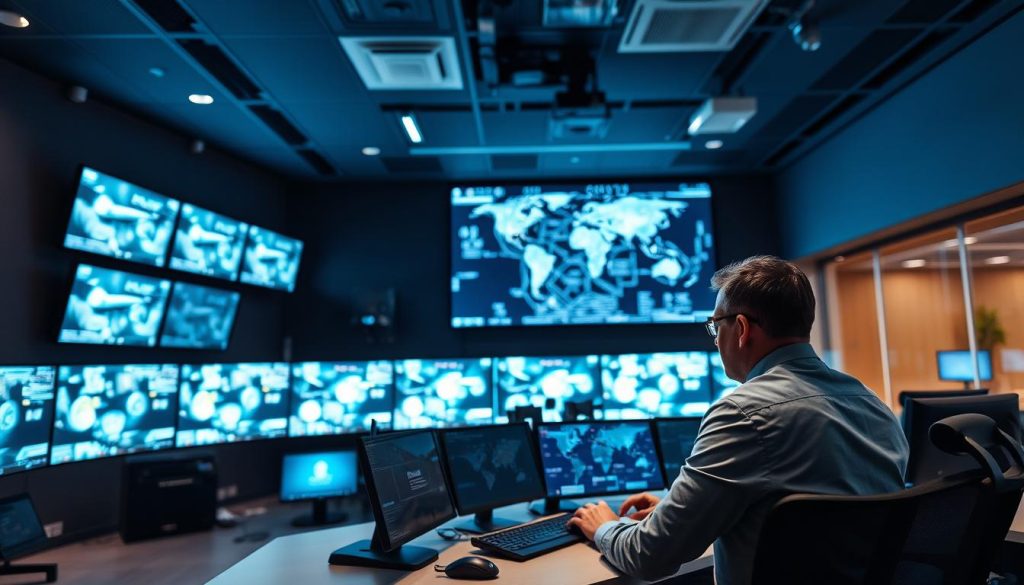
Modern monitoring services offer comprehensive protection through integrated technology and human expertise. This approach ensures rapid threat identification and appropriate action.
Live Monitoring for Real-Time Threat Detection
Constant surveillance provides immediate awareness of security situations. Trained professionals watch your property around the clock from monitoring centers.
Advanced detection features identify unusual activity automatically. Motion sensors and analytics software flag potential threats for immediate review.
Live monitoring offers several significant benefits:
- Immediate response to security breaches
- Reduced false alarms through professional verification
- Continuous protection during all hours
- Quick notification of emergency services when needed
This service provides valuable peace of mind for business owners. Knowing experts are watching your property allows focus on core operations.
“Professional monitoring reduces response time from hours to minutes, dramatically improving security outcomes.”
Professional Alarm Verification and Action
Expert verification ensures appropriate response to security alerts. Monitoring personnel assess situations before taking action.
This process significantly reduces false alarm dispatches. Proper verification saves time and resources while maintaining security.
Response protocols follow established professional standards. Trained operators know exactly how to handle various security scenarios.
Immediate action includes contacting property owners and emergency services. This coordinated approach ensures comprehensive incident management.
Data and images from security cameras help verify alarm authenticity. Clear visual evidence supports appropriate response decisions.
Professional monitoring services integrate seamlessly with existing security infrastructure. This comprehensive approach to security management provides complete protection coverage.
When and Why to Consider a CCTV System Upgrade
Technology evolves rapidly in the security industry. Staying current ensures your protection remains effective against modern threats. Regular assessments determine when upgrades become necessary.
Modern surveillance solutions offer significant advantages over older models. They provide enhanced capabilities that address contemporary security challenges effectively.
Signs Your Current System Is Becoming Obsolete
Poor image quality indicates outdated equipment. Blurry footage fails to provide clear identification evidence. This limitation reduces the system’s effectiveness significantly.
Limited storage capacity prevents adequate recording retention. Older systems may only store a few days of footage. This short duration can miss important events during investigations.
Lack of modern features hinders comprehensive protection. Newer technologies offer motion detection and remote access capabilities. These advanced functions enhance overall security performance.
Frequent maintenance needs signal aging equipment. Constant repairs increase operational costs over time. Reliability becomes compromised with older technology.
The Benefits of Modernizing Your Security Technology
Improved resolution capabilities transform surveillance effectiveness. High-definition cameras capture crisp, detailed images. This clarity provides valuable evidence when needed most.
Integration with other systems creates comprehensive protection networks. Modern equipment connects with access control and alarm systems seamlessly. This connectivity enhances overall security coverage.
Advanced features automate monitoring processes. Intelligent analytics detect unusual activity automatically. These capabilities reduce the need for constant human supervision.
“Upgrading surveillance technology typically pays for itself within 18-24 months through reduced maintenance and improved efficiency.”
Cloud storage options eliminate physical storage limitations. Remote data access allows viewing footage from anywhere. This flexibility meets modern business needs effectively.
Cybersecurity protections guard against digital threats. Newer systems include encryption and secure access protocols. These features prevent unauthorized system access.
Energy efficiency reduces operational costs significantly. Modern equipment consumes less power while delivering superior performance. This saving helps offset upgrade expenses over time.
Professional assessment can help determine the optimal upgrade timing. Security experts evaluate your specific situation and requirements. Their guidance ensures you get maximum value from your investment.
Securing Your Peace of Mind with a Full-Service Plan
Full-service security plans offer complete protection for Singaporean properties. These integrated solutions combine professional installation, ongoing maintenance, and live monitoring.
Businesses gain significant cost savings while ensuring comprehensive coverage. Regular upkeep extends system lifespan and prevents unexpected issues.
This approach addresses various operational needs effectively. It provides true peace of mind through reliable, round-the-clock surveillance.
Professional help ensures optimal performance from your security investment. Contact experts today to design a customized solution for your requirements.