
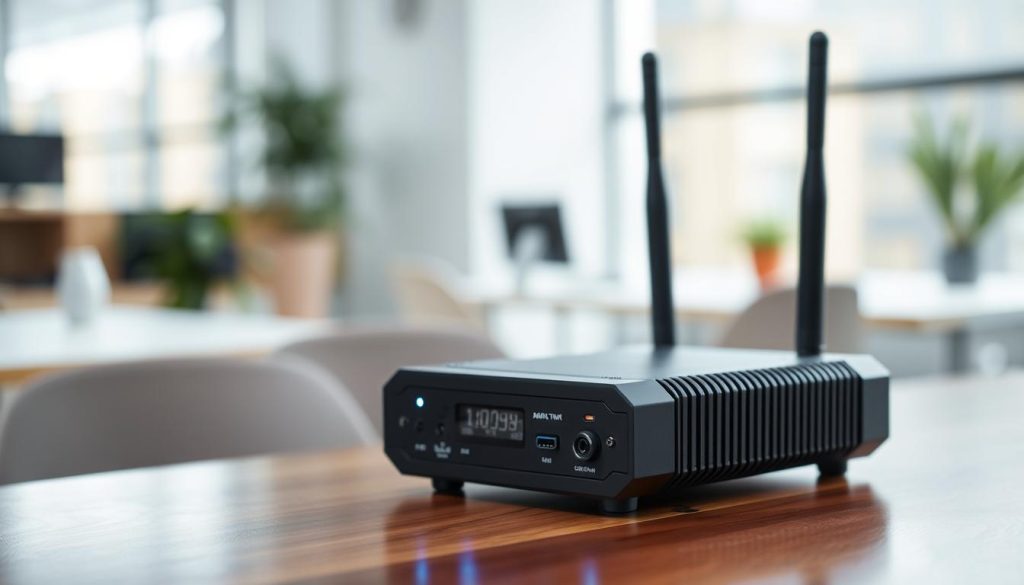
In today’s surveillance-heavy world, privacy protection has become a major concern. Many people seek ways to guard their personal space from unwanted monitoring. This guide explores technology designed to address these privacy issues effectively.
These devices work by disrupting the signals that security systems rely on. They target specific frequencies to prevent video recording. This technology offers a way to reclaim control over your personal environment.
Our comprehensive guide will walk you through every aspect of this privacy technology. We cover how these devices function, their practical applications, and important legal considerations. Singapore residents will find particular relevance regarding local regulations.
Understanding the balance between privacy rights and legal responsibilities is crucial. This exploration provides factual information about signal disruption technology and its implications for modern security concerns.
Key Takeaways
- Privacy protection devices disrupt surveillance system signals
- They target specific frequencies to prevent video recording
- Legal considerations vary by location, including Singapore
- Technology balances privacy rights with security needs
- Understanding both technical and legal aspects is essential
- These devices have applications in both personal and professional settings
- Proper usage requires knowledge of local regulations and limitations
Understanding the Core Concept: What is a Camera Jammer?
Signal disruption devices represent a technological response to pervasive video monitoring. These specialized tools address growing concerns about unauthorized visual data collection in both public and private spaces.
Definition and Primary Function
These privacy protection devices are engineered to interrupt surveillance system operations. Their core purpose involves blocking transmission between recording equipment and monitoring stations.
Portable models offer convenient personal security solutions. Handheld versions provide flexibility for various privacy protection scenarios.
The technology works by emitting targeted interference on specific bandwidths. This effectively prevents security cameras from capturing and transmitting visual information.
Types of Signals Effectively Blocked
Modern devices can disrupt multiple communication frequencies simultaneously. They target the most common wireless transmission bands used by surveillance equipment.
The primary affected signals include:
- WiFi networks operating at 2.4 GHz and 5 GHz frequencies
- GSM mobile communications for cellular transmission
- GPS positioning signals for location tracking
- VHF/UHF bands used in various wireless systems
This comprehensive signal blocking capability ensures robust privacy protection. The technology prevents data transmission to security systems effectively.
Frequency targeting remains crucial for successful operation. Different surveillance equipment utilizes specific bandwidths for optimal performance.
How Camera Jammers Work: The Technology Behind the Disruption
Advanced interference technology forms the foundation of modern visual privacy solutions. These systems employ sophisticated methods to disrupt surveillance equipment functionality.
The core mechanism involves creating targeted electronic countermeasures. This approach prevents unauthorized visual data collection effectively.
The Principle of Signal Interference
Electronic disruption devices operate by emitting powerful interference signals. These signals overwhelm the frequencies used by monitoring systems.
Microwave pulses serve as the primary disruption method in many units. This technology affects various surveillance equipment types simultaneously.
Effectiveness depends significantly on output power and target system technology. Higher power units can disrupt equipment at greater distances.
The impact ranges from temporary signal degradation to complete system shutdown. This variability allows for customized privacy protection levels.
Targeting Specific Camera Frequencies
Different surveillance systems operate on distinct frequency bands. Modern disruption technology can target these specific ranges precisely.
Wireless security cameras typically use 2.4GHz or 5GHz frequencies. Advanced units can block both bands simultaneously for comprehensive protection.
The relationship between device power and operational range is crucial. Higher output enables broader coverage areas for privacy security.
Technical specifications determine effectiveness against various monitoring systems. These include frequency range, output power, and modulation techniques.
Interference technology creates signal-saturated environments that prevent proper camera operation. This approach ensures reliable privacy protection in sensitive areas.
The Legal Landscape: Camera Jammer Regulations in Singapore
Singapore maintains one of the world’s strictest regulatory environments for signal disruption technology. The nation’s approach balances individual privacy needs with robust public safety measures.
This careful equilibrium ensures critical communications remain uninterrupted while addressing legitimate privacy concerns.
IMDA Regulations and National Laws
The Infocomm Media Development Authority (IMDA) serves as the primary regulatory body overseeing telecommunications equipment. Their mandate includes enforcing strict compliance with national communication laws.
Singapore’s Telecommunications Act specifically prohibits unauthorized signal interference devices. This legislation forms the foundation for all related enforcement actions.
Key regulatory provisions include:
- Complete ban on unauthorized importation of signal disruption equipment
- Strict licensing requirements for any legitimate usage cases
- Comprehensive testing and certification processes for approved devices
- Regular compliance audits for organizations with special access privileges
The regulatory framework aims to prevent disruption of essential services. This includes emergency response systems and public safety networks.
Potential Penalties for Illegal Use
Violations of Singapore’s signal disruption laws carry severe consequences. Enforcement mechanisms include substantial financial penalties and potential criminal charges.
First-time offenders may face fines exceeding $10,000 Singapore dollars. Repeat violations or cases involving serious security breaches can result in imprisonment.
Legal consequences extend beyond individual users to include:
- Business entities permitting unauthorized device usage
- Importers and distributors of non-compliant equipment
- Property owners allowing illegal operations on their premises
- Any parties facilitating access to prohibited technology
Enforcement actions prioritize protecting critical infrastructure from interference. This approach safeguards essential communication systems against potential problems.
The legal rationale emphasizes preventing misuse by criminals while maintaining individual privacy rights. Singapore’s balanced approach serves as a model for other nations addressing similar monitoring challenges.
Common Applications: Where and Why Camera Jammers Are Used
Modern privacy technology serves diverse needs across personal and professional environments. These tools address specific security challenges in various settings.
Both individuals and organizations utilize signal disruption for protection. Each application scenario requires careful consideration of legal and ethical boundaries.
Protecting Personal Privacy in Sensitive Areas
Individuals seek privacy solutions for vulnerable spaces. Hotels and changing rooms often raise legitimate concerns about unauthorized monitoring.
These devices prevent unwanted recording in personal spaces. They offer temporary protection during sensitive moments.
Key personal applications include:
- Securing hotel rooms against hidden recording equipment
- Protecting privacy in public restrooms and changing facilities
- Preventing unauthorized home surveillance by neighbors
- Safeguarding personal conversations in rented accommodations
The technology helps maintain personal boundaries in increasingly monitored environments. It provides peace of mind during travel and daily activities.
Securing Corporate and Business Communications
Businesses face constant threats to confidential information. Boardrooms and meeting spaces require robust protection measures.
Companies implement signal disruption during sensitive negotiations. This prevents industrial espionage and data theft.
Corporate applications focus on:
- Protecting merger discussions and acquisition talks
- Safeguarding product development meetings
- Securing financial planning sessions
- Preventing unauthorized recording of strategic presentations
These measures help maintain competitive advantage and protect intellectual property. They ensure honest discussions without surveillance concerns.
The balance between security monitoring and privacy needs remains crucial. Organizations must navigate legal requirements while protecting sensitive information.
Proper usage supports business continuity and protects valuable assets. It demonstrates commitment to confidentiality and ethical business practices.
Choosing the Right Device: A Buyer’s Guide to Camera Jammers
Selecting appropriate privacy protection equipment requires careful evaluation of technical specifications and practical needs. The right choice depends on understanding how different models address specific security challenges.
Various factors determine a device’s effectiveness in real-world scenarios. These include operational range, power requirements, and frequency coverage capabilities.
Key Factors to Consider: Range, Power, and Frequency
Effective privacy protection begins with understanding three critical specifications. These elements determine whether a device meets your specific security requirements.
Operational range defines the coverage area where the device remains effective. Larger spaces require units with greater signal projection capabilities.
Power source options include:
- Portable battery-powered units for mobile protection
- Plug-in models for stationary installation
- Hybrid systems offering both mobility and continuous operation
Frequency capabilities determine which surveillance systems can be disrupted. Multi-band devices offer broader protection against various monitoring technologies.
Legal compliance remains essential when selecting any privacy protection equipment. Singapore regulations strictly govern the use of such devices.
Review of Popular and Effective Models
Several models stand out for their reliability and performance characteristics. Each serves different privacy protection needs effectively.
The Spy Hawk model offers compact design and portable operation. Its small size makes it ideal for personal use during travel.
Key features include:
- Multi-frequency blocking capability
- Long battery life for extended protection
- User-friendly interface for quick activation
- Compact design for discreet carrying
The Jammer Pro provides professional-grade performance for office environments. This model delivers stronger signal disruption across larger areas.
Notable characteristics include:
- Enhanced range coverage for spacious rooms
- Multiple frequency band support
- Durable construction for regular use
- Advanced cooling systems for prolonged operation
Evaluating device performance involves testing actual effectiveness in real conditions. Reliability depends on build quality and technical specifications matching your needs.
Always verify local regulations before purchasing any privacy protection equipment. Singapore’s laws particularly restrict certain types of signal disruption devices.
How to Detect if Your Security Camera is Being Jammed
Recognizing interference with your monitoring equipment requires understanding specific technical symptoms. These indicators help distinguish deliberate signal blocking from routine technical problems.
Careful observation of your security system’s behavior patterns provides crucial clues. Multiple simultaneous failures often point to targeted interference rather than random technical issues.
https://www.youtube.com/watch?v=C_aTSUma14E
Identifying Sudden Connectivity Loss and Black Screens
Unexpected internet disconnections without clear causes suggest potential interference. Your security cameras might lose connection while other devices remain online.
Watch for these specific symptoms:
- Complete video feed disappearance during recording sessions
- Simultaneous failure across multiple camera units
- Connection drops during suspicious activities or specific times
- Failed motion detection despite visible movement
Black screens often indicate successful signal blocking attempts. The footage loss typically affects wireless systems more than wired alternatives.
Monitoring connection logs helps identify patterns. Repeated disruptions at particular times suggest deliberate interference rather than random network problems.
Recognizing Unusual Interference Patterns
Visual distortions in your video feed provide clear evidence of signal problems. These abnormalities differ from typical network or camera malfunctions.
Common interference patterns include:
- Static lines appearing across the screen
- Pixelation that doesn’t resolve automatically
- Image distortion during specific hours
- Audio disruptions accompanying video problems
These issues frequently coincide with suspicious activities near monitored areas. The timing helps differentiate jamming from equipment failure.
Systematic monitoring establishes normal performance baselines. Deviations from these patterns indicate potential external interference with your security measures.
Multiple security cameras showing identical symptoms strongly suggests deliberate signal disruption. This pattern recognition helps confirm interference cases beyond doubt.
How to Prevent Wi-Fi Jamming and Protect Your Security System
Maintaining uninterrupted security monitoring demands proactive measures against potential jamming attempts. A comprehensive approach combines network hardening, alternative recording methods, and advanced frequency management.
Effective protection requires understanding both technical vulnerabilities and available solutions. This multi-layered strategy ensures your surveillance remains operational during interference attempts.
Implementing Network Security: Encryption and SSID Management
Strong encryption forms the first line of defense against unauthorized network access. WPA2 and WPA3 protocols provide robust protection for your wireless security cameras.
Changing default SSIDs makes your network less detectable to potential intruders. Unique network names reduce the risk of targeted attacks on your security system.
Regular password updates further enhance your network protection. Complex credentials prevent easy access to your surveillance infrastructure.
Utilizing Local Storage and Wired Connections as a Backup
Wired security systems eliminate wireless jamming risks entirely. Ethernet connections provide reliable data transmission regardless of signal interference.
Local storage options ensure continuous recording during network disruptions. Devices with onboard memory maintain surveillance even when Wi-Fi fails.
Products like Tapo security cameras offer both cloud and local storage features. This dual approach guarantees data preservation under various conditions.
Regular system audits help identify vulnerabilities and tampering signs. Proactive maintenance prevents security problems before they affect your monitoring.
Considering Signal Boosters and 5GHz Networks
5GHz networks offer significant advantages over commonly jammed 2.4GHz frequencies. These higher bands provide more channels and less congestion for your security cameras.
Signal boosters strengthen wireless transmission against interference attempts. Enhanced signal strength helps maintain connection quality during jamming events.
Cloud management solutions provide additional security layers and alert systems. Remote monitoring capabilities ensure you stay informed about your home security status.
Multi-layered approaches don’t rely solely on cameras for protection. Integrated systems combine various technologies for comprehensive home security.
For more detailed information about security technologies, visit our comprehensive guide on security system protection.
Exploring Alternatives to Camera Jammers for Privacy Protection
Numerous legal options exist for safeguarding personal spaces without violating regulations. These solutions provide effective privacy protection while maintaining full compliance with local laws.
Many alternatives offer superior reliability compared to signal disruption methods. They address surveillance concerns through physical and technical means that avoid legal complications.
Physical Barriers and Privacy Screens
Physical solutions create immediate visual barriers against unwanted monitoring. Window films and specialized screens prevent external viewing while maintaining natural light.
These options work by:
- Blocking sightlines from outside observers
- Maintaining interior visibility for occupants
- Installing quickly without permanent modifications
- Providing daytime privacy without darkness
Curtains and blinds remain classic solutions for home privacy needs. Modern automated versions offer convenient control through smartphone applications.
Office environments benefit from partition screens and frosted glass installations. These maintain open space feelings while creating private areas for sensitive discussions.
Faraday Bags and Other Signal Blocking Tools
Signal containment products offer legal alternatives for electronic privacy. Faraday bags effectively isolate devices from external communication attempts.
These specialized containers:
- Block all incoming and outgoing wireless signals
- Protect smartphones and other connected devices
- Prevent location tracking and remote access
- Maintain device functionality when removed
Wi-Fi signal blockers provide targeted protection for home networks. They strengthen existing security rather than disrupting other systems.
Portable privacy tools include signal-detecting applications. These apps identify active monitoring equipment in your immediate environment.
Combining multiple approaches creates comprehensive privacy protection. Layered security measures address different types of surveillance threats effectively.
Legal alternatives often prove more reliable than prohibited methods. They provide consistent performance without risking legal consequences.
Recognizing the Limitations and Safety Considerations
Every technology has boundaries that define its proper application. Understanding these constraints ensures responsible usage and prevents unintended consequences.
Privacy protection devices operate within specific technical parameters. These limitations affect their real-world performance and reliability.
Technical Constraints and Range Issues
Most privacy devices have limited operational distance. Their effectiveness decreases significantly beyond short ranges.
Physical barriers like walls and doors reduce signal strength. Concrete structures particularly challenge these systems.
Different surveillance technologies respond variably to disruption attempts. Some systems incorporate anti-jamming features that resist interference.
Power limitations affect continuous operation time. Battery-powered models especially face runtime constraints.
Environmental factors influence performance. Weather conditions and electromagnetic interference can impact reliability.
Risks of Disrupting Critical Communications
Signal disruption technology might affect essential services accidentally. Emergency response systems could experience interference.
Public safety networks operate on protected frequencies. Unintentional blocking creates serious security risks.
Medical equipment and communication systems require uninterrupted signals. Responsible usage avoids these sensitive areas.
Legal consequences follow unauthorized interference with critical infrastructure. Singapore regulations specifically prohibit such actions.
Ethical considerations demand careful evaluation before deployment. The potential impact on others remains paramount.
Understanding these limitations guides appropriate technology application. Responsible usage balances privacy needs with public safety requirements.
The Future of Privacy Technology: Trends in Camera Jamming
Privacy protection technology continues evolving rapidly. Future devices will become smaller and more portable. They will offer better multi-frequency capabilities against various surveillance systems.
Advanced jamming technology will identify and counter new monitoring methods. This innovation addresses growing privacy concerns in both professional and public spaces.
The balance between security needs and privacy rights remains crucial. Digital advancements drive innovation in protection devices. Integration with other privacy methods creates comprehensive solutions.
Singapore’s regulatory framework will adapt to these technological changes. The future landscape prioritizes ethical considerations alongside technical effectiveness.