
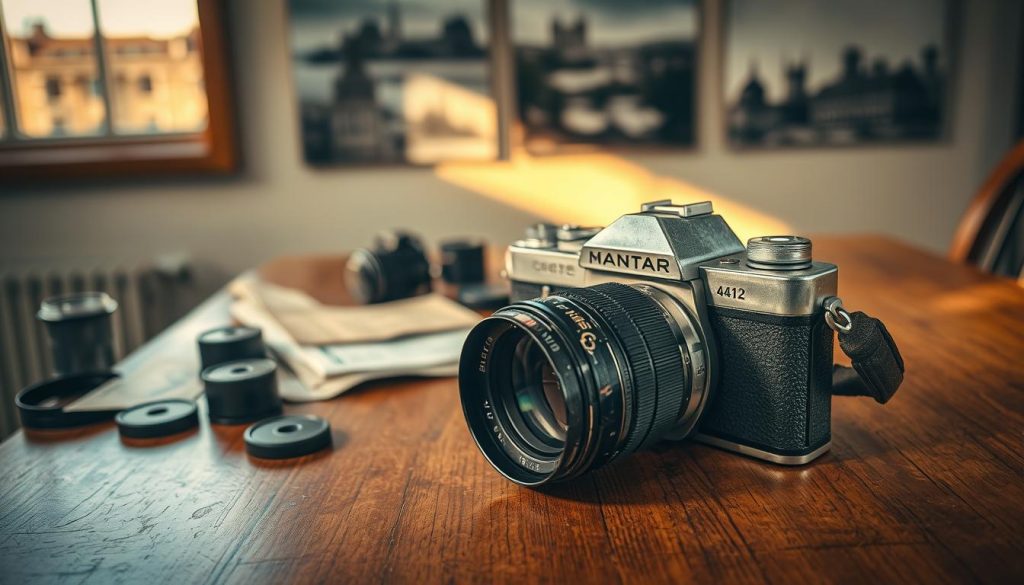
Understanding camera longevity helps photographers make smart investment decisions. Many factors determine how long your gear will perform reliably.
Most cameras serve users between three and ten years. Basic models typically last three to five years. Premium devices often exceed five years with proper maintenance.
Build quality significantly impacts durability. Environmental conditions and handling routines also play crucial roles. Some Nikon DSLRs continue functioning after fifteen years of use.
Technological advancements sometimes make cameras feel outdated before physical failure occurs. Regular care extends both functional life and image quality performance.
Key Takeaways
- Camera lifespan ranges from 3-10 years based on model and usage
- Premium models typically outlast basic cameras by several years
- Build quality and environmental factors greatly affect durability
- Proper maintenance can significantly extend functional life
- Technological relevance may diminish before physical failure occurs
- Regular care preserves image quality and overall performance
- Understanding lifespan helps make informed purchasing decisions
Understanding the Average Camera Lifespan
Brand reputation plays a crucial role in determining photographic gear longevity. Different manufacturers build equipment with varying durability standards and support programs.
Defining the Typical Range
Consumer-grade models typically serve users for three to five years. Professional equipment often exceeds five years with proper maintenance.
Premium devices can function reliably for a decade or more. Build quality and usage patterns create this significant difference.
How Brand and Model Influence Longevity
Certain manufacturers establish renowned reputations for durability. Canon and Nikon lead in reliability assessments among professional photographers.
Shutter count ratings provide concrete longevity indicators:
- Canon DSLRs: 100,000-300,000 actuations
- Nikon DSLRs: 150,000-250,000 operations
- Sony mirrorless: Approximately 200,000 cycles
- Fujifilm X-Series: Around 150,000 shots
High-end brands offer exceptional repair support programs. Leica maintains repair services for cameras dating to 1954.
Hasselblad provides repairs for up to ten years depending on parts availability. These commitments demonstrate manufacturer confidence in product longevity.
Environmental factors affect equipment performance, especially in tropical climates. However, brand reliability remains the primary determinant of service life.
Researching brand reputation and shutter ratings helps photographers make informed decisions. This knowledge ensures your investment matches both creative needs and durability expectations.
Key Factors That Determine How Long a Camera Lasts
Multiple critical elements work together to define photographic equipment durability. Construction standards and environmental conditions significantly impact operational longevity. Understanding these factors helps photographers make informed decisions about their gear.
Build Quality and Manufacturing Standards
Premium cameras feature robust metal constructions and comprehensive weather-sealing. These devices withstand heavy professional usage and challenging shooting environments. Entry-level models often utilize plastic components with less protection.
Brands like Nikon and Canon maintain strict durability standards. Their professional DSLRs consistently demonstrate exceptional resilience. Weather-sealed bodies prevent moisture and dust infiltration that causes internal damage.
Metal alloy frames provide structural integrity that plastic cannot match. This construction difference explains why premium models often last years longer than basic cameras. Investment in quality manufacturing pays dividends through extended service life.
Environmental Exposure and Handling
Humidity represents a significant threat to electronic components. Moisture can lead to mold growth and electrical issues over time. Dust accumulation affects sensor performance and image quality.
Extreme temperatures cause expansion and contraction of internal parts. This thermal stress accelerates wear on delicate mechanisms. Professional photographers shooting in deserts or tropical climates need extra protective measures.
Proper handling practices dramatically extend equipment life. Always use neck straps to prevent accidental drops. Exercise care during lens changes to avoid dust entering the body.
Storage conditions play a crucial role in preservation. Keep cameras in cool, dry environments with protective cases. Regular maintenance like cleaning and firmware updates counteracts environmental impacts.
Assess your shooting habits and environments before purchasing. Choose cameras with appropriate build quality and protection features. The combination of high manufacturing standards and careful handling maximizes your equipment’s operational lifespan.
What is the Average Life of a Camera? It Depends on the Type
Not all photographic tools offer the same service life – type determines durability. Each category features unique construction methods and component technologies. These differences create distinct lifespan expectations across various photographic systems.
DSLR and Mirrorless Camera Durability
DSLR cameras boast exceptional mechanical robustness. Their shutter mechanisms often withstand 50,000-350,000 actuations. This translates to 5-10 years of reliable performance for most photographers.
Mirrorless models match this durability through advanced engineering. Electronic shutter systems reduce mechanical wear. Both systems handle professional demands excellently when you service a camera regularly.
The Nikon D5000 demonstrates this remarkable endurance. Many units continue functioning after fifteen years of active use. Proper maintenance preserves both mechanical and electronic components.
Point-and-Shoot Camera Limitations
Compact cameras face inherent design constraints. Their smaller bodies utilize more plastic components. Fixed lenses and integrated flashes limit repair options.
Most point-and-shoot devices serve users 3-7 years. They work well for casual photography but struggle with heavy usage. Environmental factors like humidity and dust affect them more severely.
These cameras represent excellent entry-level options. However, professionals should consider more durable systems for demanding work.
The Remarkable Longevity of Film Cameras
Analog photographic equipment often outlasts digital counterparts. Mechanical components withstand decades of use without electronic failures. Many 20th-century models remain fully operational today.
Film bodies lack digital sensors that degrade over time. Their simplicity creates incredible resilience against technological obsolescence. Proper storage prevents lubricant deterioration and mechanical issues.
Brands like Leica support remarkable repair programs. They service models dating to the 1950s using original replacement parts. This commitment ensures generations of continued use.
Understanding these differences helps photographers make informed choices. Match your equipment selection to both creative needs and longevity expectations. The right choice ensures years of satisfying photographic experiences.
How Your Usage Patterns Directly Impact Camera Lifespan
Your photography habits create the biggest difference in equipment longevity. How often you shoot and where you work determines wear patterns. Smart photographers match their gear to actual shooting requirements.
Casual Photography vs. Professional Demands
Weekend photographers typically capture a few hundred photos yearly. This gentle usage allows cameras to function reliably for up to ten years. Minimal mechanical stress preserves shutter mechanisms and internal components.
Professional shooters face completely different demands. They often exceed 100,000 photos annually across multiple assignments. This intensive usage accelerates wear on critical components:
- Shutter mechanisms reach their rated count faster
- Sensors accumulate more dust and potential damage
- Batteries require frequent replacement cycles
- Buttons and dials show physical wear sooner
This heavy usage typically reduces professional camera life to 5-7 years. Regular maintenance becomes essential for preserving performance.
Shooting Environments and Their Effects
Environmental conditions dramatically affect photographic gear durability. Challenging locations introduce unique risks that demand protective measures.
Humid climates like Singapore’s accelerate corrosion on metal components. Dust and sand particles infiltrate bodies, affecting image quality. Saltwater environments create particularly aggressive corrosion conditions.
Extreme temperatures cause expansion and contraction of internal parts. This thermal cycling stresses electronic connections over time. Professional photographers need weather-sealed equipment for such conditions.
Common environmental issues include:
- Moisture damage to electronic circuits
- Dust accumulation on sensors affecting image quality
- Sand abrasion on lens surfaces
- Salt corrosion on metal body components
Proper storage between shoots significantly extends equipment life. Always clean gear after challenging assignments. Use protective cases and silica gel packs in humid conditions.
Assess your typical shooting environments honestly. Choose cameras with appropriate protection features. Adapt your care routine to match actual usage patterns for maximum durability.
A Practical Guide to Maximizing Your Camera’s Lifespan
Proactive care transforms how long your photographic equipment remains operational. Smart maintenance routines protect your investment and ensure consistent performance. These practices help photographers avoid premature replacements and costly repairs.
Essential Regular Maintenance Routines
Consistent cleaning prevents dust accumulation on critical components. Wipe lenses gently with microfiber cloths before every shoot. This simple habit maintains optical clarity and image quality.
Sensor cleaning requires special attention every few months. Professional cleaning services handle this safely. DIY kits work for experienced users but risk damage.
Firmware updates optimize camera performance regularly. Manufacturers release improvements for autofocus and battery management. These updates often resolve compatibility issues with new accessories.
Battery care significantly impacts shooting reliability. Avoid complete discharges during storage. Replace aging power cells every two to three years for best results.
Regular inspections catch early signs of wear. Check shutter count through camera menus or software. Monitor button responsiveness and dial smoothness during use.
Recommended Protective Gear and Storage Solutions
Quality camera bags provide essential transportation protection. Padded compartments shield gear from bumps and drops. Weather-resistant materials guard against sudden rain.
Lens filters offer frontline defense against scratches. UV filters protect glass elements without affecting image color. These inexpensive accessories prevent costly lens replacements.
Screen protectors maintain LCD visibility over time. They prevent scratches that can obscure menu readings. Some models also reduce glare in bright conditions.
Humidity control preserves electronic components in Singapore’s climate. Airtight cases with silica gel packs absorb moisture effectively. This prevents mold growth and circuit corrosion.
Cool, dry storage environments extend equipment life dramatically. Avoid attics or cars where temperatures fluctuate widely. Consistent conditions prevent lubricant deterioration and part expansion.
Establish a maintenance schedule matching your usage frequency. Professional photographers might service gear quarterly. Casual users can follow semi-annual routines.
These protective practices represent cost-effective longevity solutions. They keep cameras performing optimally for more years. Your photographic journey deserves reliable equipment support.
Recognizing the Signs Your Camera Is Nearing the End
Photographic equipment shows clear indicators when approaching its functional limits. These signals help users prepare for maintenance decisions or upgrades. Early detection prevents unexpected failures during important shoots.
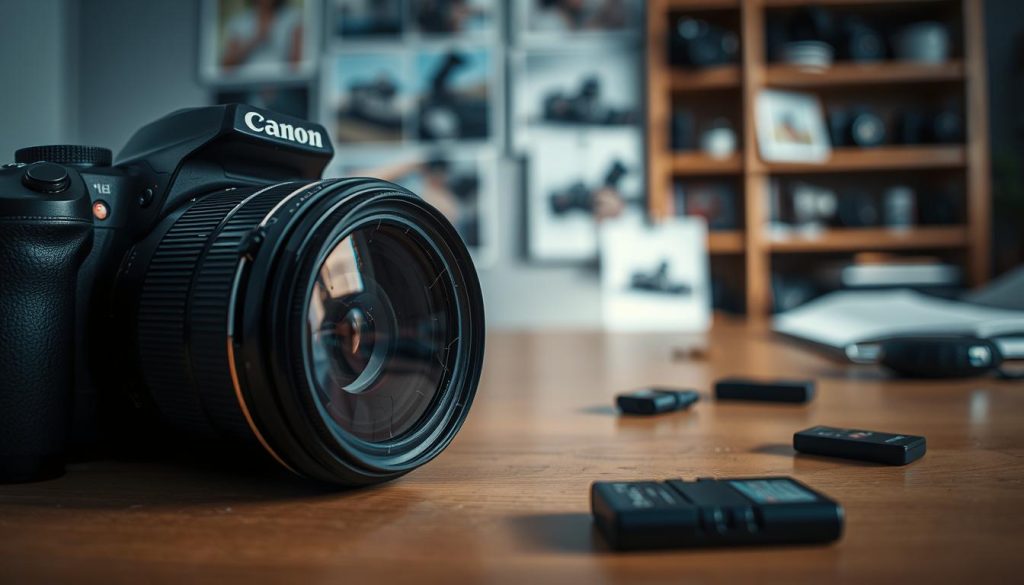
Declines in Image and Performance Quality
Image degradation often appears before mechanical failure. Sensors accumulate dust and develop permanent spots over time. These imperfections become visible in photos against bright backgrounds.
Color reproduction may shift toward inaccurate tones. Older sensors struggle with dynamic range and noise performance. High ISO shots show increased grain even with proper exposure.
Autofocus systems slow down as components wear. Missed focus becomes more frequent despite correct settings. This impacts critical shot reliability during fast-paced photography.
Battery performance drops noticeably with age. Power cells hold less charge and deplete faster. Some units show erratic power level readings during use.
Processing speed decreases affect overall responsiveness. Buffer clearing takes longer between bursts. Menu navigation feels sluggish compared to newer models.
Mechanical Failures and Functional Issues
Shutter mechanisms display the most obvious wear signs. Error messages indicate approaching rated shutter count limits. The curtain may hesitate or produce inconsistent exposures.
Buttons and dials develop responsiveness problems. Controls require multiple presses to register commands. This physical wear affects shooting efficiency and creative control.
Memory card slots sometimes develop connection issues. Cards may not read properly or require reinsertion. This can lead to lost images during important sessions.
Overheating during video recording indicates aging electronics. Internal components struggle with heat management over time. This limitation affects modern content creation requirements.
Lens mount wear creates alignment problems with optics. Communication between body and glass becomes unreliable. This manifests as exposure errors or focus inaccuracies.
“The shutter count isn’t just a number—it’s the heartbeat of your camera’s mechanical life.”
Regular monitoring helps photographers anticipate needed actions. Compare your gear’s performance against newer models. This assessment determines whether repair or replacement makes better sense.
Some issues respond well to professional maintenance. Sensor cleaning resolves dust problems temporarily. Battery replacement restores power reliability for several years.
Persistent mechanical problems often justify equipment upgrades. Technological advancements make older cameras feel limited despite functionality. Modern features enhance photographic capabilities significantly.
Recognizing these signs early ensures uninterrupted creative work. Photographers can plan transitions without rushing decisions. Your gear should support rather than hinder artistic expression.
Making the Smart Choice: Evaluating Repair vs. Replacement
Deciding whether to fix or upgrade your gear involves several practical considerations. Shutter repairs typically cost $250-$600, while other fixes vary.
If repair expenses approach or exceed your device’s current value, replacement often makes better financial sense. This is especially true for older models nearing their expected lifespan.
Technological obsolescence also plays a role. Older cameras may lack modern features like 4K video or superior high ISO performance. They might also stop receiving crucial firmware updates.
For high-end brands with excellent repair support, fixing might extend life significantly. Casual photographers might find repairs sufficient, while professionals often benefit from upgrading to avoid downtime.
Always consult professional technicians for accurate repair estimates. Research new models offering better value and enhanced image quality.
Ultimately, balance financial, functional, and emotional factors. Ensure your decision aligns with long-term photography goals and needs.