
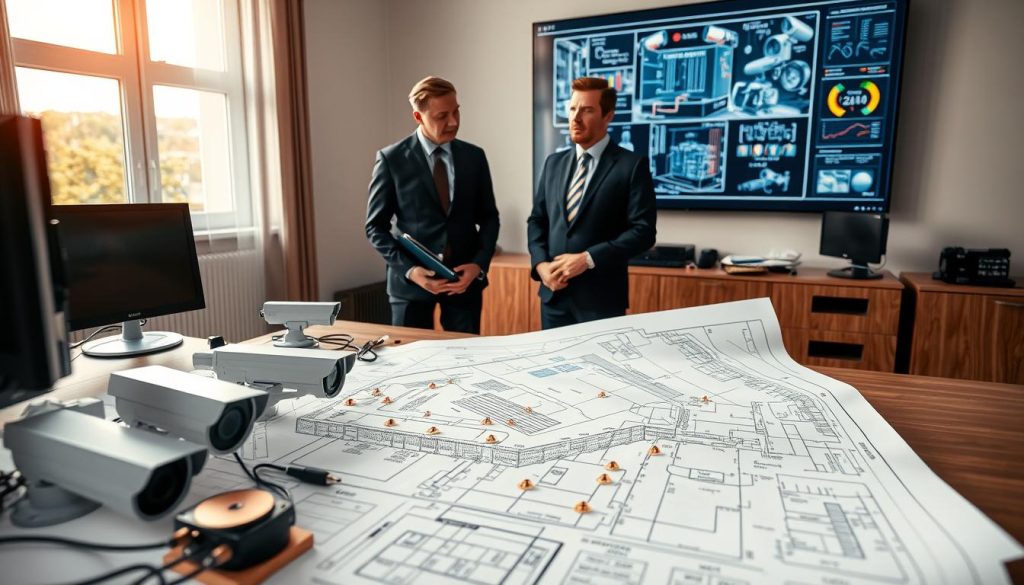
Effective monitoring solutions provide crucial protection for properties across Singapore. A well-planned surveillance setup enhances safety for both residential and commercial spaces.
Proper planning prevents serious legal trouble. In Singapore, setting up cameras without permission may lead to fines reaching $10,000 or even imprisonment.
Thoughtful preparation ensures your investment works effectively. It transforms a simple camera setup into a comprehensive security solution that meets your specific needs.
This guide walks you through essential planning steps. You’ll learn how to assess your property, understand local regulations, and choose the right equipment for today’s security challenges.
Key Takeaways
- Installing surveillance equipment without proper authorization in Singapore carries severe penalties including substantial fines.
- Thorough planning ensures both legal compliance and maximum effectiveness of your security investment.
- Professional monitoring systems offer benefits beyond crime prevention, including evidence collection and peace of mind.
- A proper security assessment identifies vulnerable areas and potential blind spots on your property.
- Singapore has specific regulations under the PDPA that govern camera usage and data protection.
- Strategic placement of cameras and appropriate technical specifications are crucial for optimal coverage.
- Integration with existing security measures and ongoing maintenance should be part of your planning process.
Understanding the Value of a Professional CCTV System
Investing in a quality cctv system yields a multi-layered return on security. It transforms a simple camera setup into a proactive tool for asset protection and operational awareness.
These systems create a visible layer of vigilance. Their presence alone communicates that a property is watched and recorded.
More Than Just Crime Deterrence
A professional setup acts as a powerful visual deterrent. Studies consistently show properties with visible cctv cameras experience fewer incidents.
This preventative effect is a primary benefit. It stops trouble before it starts, safeguarding your place and people.
For commercial operations, the scope of protection is broad. Assets include personnel, buildings, inventory, and equipment.
Modern systems also enhance overall safety. They can monitor hazardous zones to help prevent accidents.
This function provides evidence for liability disputes. It reduces legal exposure for business owners.
Providing Evidence and Peace of Mind
When an incident occurs, high-quality footage is invaluable. It provides clear evidence for law enforcement investigations.
This visual record can be crucial for solving cases quickly. It is often admissible in official proceedings.
The psychological benefit is significant. Property owners, employees, and residents gain peace of mind.
They feel more secure knowing their premises are under professional monitoring. This sense of security is a key value point.
In Singapore’s dense urban context, this surveillance is integral. It addresses unique challenges of shared living and working spaces.
Properly implemented, a cctv system is a long-term investment. It can potentially lower insurance costs while elevating property safety standards.
Defining Your Needs: What to Consider Before Installing CCTV?
Before selecting equipment, a comprehensive evaluation of your property’s vulnerabilities is essential. This foundational step ensures your surveillance solution addresses specific risks rather than applying generic coverage.
Every building presents distinct challenges based on its layout and function. Residential homes, commercial shops, and industrial facilities each demand tailored approaches to monitoring.
Start with a Clear Security Purpose
Define what you aim to achieve with your monitoring setup. Are you preventing theft, monitoring deliveries, or ensuring employee safety?
Clear objectives guide every subsequent decision. They determine camera types, features, and placement strategies that match your actual security requirements.
Property type dramatically influences these goals. A warehouse needs different coverage than a retail store or private residence.
Conducting a Site Vulnerability Assessment
Walk your property with a critical eye. Note all potential weak spots where unauthorized access could occur.
Examine the physical layout for natural surveillance opportunities. Also identify spots that provide cover for unwanted activities.
Lighting conditions change throughout the day. Assess how darkness or glare might affect camera performance in different areas.
Document patterns of movement. High-traffic zones and valuable asset locations require focused attention in your plan.
Identifying Critical Entry, Exit, and Blind Spots
Systematically map all entry exit points. This includes doors, windows, gates, and any other openings.
Controlling movement in and out is fundamental. These points form the first layer of your defensive perimeter.
Blind spots demand special attention. These are zones not visible from normal vantage points.
Common blind spots include corners, alcoves, and spaces behind large objects. They can provide cover for security breaches if left unmonitored.
Your cctv systems should eliminate these vulnerabilities. Proper placement of cameras creates overlapping fields of view.
Thorough documentation of your needs comes before equipment shopping. This blueprint informs which cameras and features you actually require.
A well-planned approach to installing cctv maximizes your investment. It transforms random camera placement into a cohesive security network.
Navigating Legal Compliance in Singapore
Singapore’s legal framework for surveillance prioritizes both security and individual privacy rights. Operating a cctv system means you become a data controller with specific obligations.
Ignoring these rules can lead to serious penalties. A compliant setup protects you legally while respecting the rights of others.
The Personal Data Protection Act (PDPA) and You
The Personal Data Protection Act (PDPA) is the cornerstone of surveillance law. It governs how organizations collect, use, and disclose personal data, which includes identifiable images from cameras.
Under this act, you must have a legitimate purpose for recording. You also need to inform people about the surveillance through clear notification.
Businesses must appoint a Data Protection Officer. This person ensures cctv practices follow the data protection rules and handles any public inquiries.
Individuals have rights to access footage of themselves. They can also request corrections to any inaccurate personal data your system has recorded.
Signage, Notification, and Privacy Rights
Clear signage is not just a good idea—it’s the law. Signs must be visible at all entry points under surveillance.
Effective signs state monitoring is active. They should list a contact person and the purpose of the surveillance.
This notification serves as a form of consent. By entering the area, individuals acknowledge they may be recorded.
You must also have a policy for stored footage. In Singapore, recordings are typically kept for up to 30 days before secure deletion.
Make sure your storage solution is secure. Unauthorized access to recorded footage is a major data protection breach.
Special Rules for HDB Flats and Public Areas
HDB flat owners face extra layers of regulation. You often need approval before installation, especially if cameras point at common areas.
The goal is to balance your security needs with your neighbors’ privacy. A camera facing a shared corridor or a neighboring window can cause disputes.
For any filming beyond your property line, caution is critical. Capturing public sidewalks or adjacent properties may require a license.
Regular audits of your cctv setup help maintain compliance. Check camera angles periodically to ensure they only cover intended zones.
Following these rules from the start prevents complaints and legal issues. It allows your security system to operate smoothly and effectively.
Choosing the Right CCTV Cameras and System
Technical specifications play a crucial role in transforming cameras from simple recording devices into intelligent security assets. The right equipment choices determine how effectively your surveillance network performs in real-world conditions.
Different environments demand specific camera technologies. A retail store needs different features than a warehouse or residential property.
Indoor vs. Outdoor Cameras: Key Differences
Outdoor cameras face environmental challenges that indoor units avoid. They require weatherproof housing with IP66 or higher ratings to withstand Singapore’s tropical climate.
Vandal resistance is another critical factor for exterior placement. These units often feature rugged casings that deter tampering.
Temperature tolerance matters for reliable year-round operation. Quality outdoor cameras handle both intense heat and occasional heavy rain.
Indoor models prioritize discreet design and optimized performance in controlled lighting. They blend into interior spaces while capturing clear video.
Bullet cameras excel in outdoor use with their long-range visibility. Dome cameras offer 360-degree rotation for monitoring large indoor areas.
PTZ (pan-tilt-zoom) cameras provide remote control for active monitoring. Security personnel can direct these units to follow movement across a scene.
Resolution, Night Vision, and Essential Features
Resolution determines how much detail your system captures. Consider minimum 1080p Full HD for general surveillance needs.
Higher resolutions like 4K enable detailed facial recognition. They also help with license plate capture at greater distances.
Night vision capabilities vary between technologies. Infrared illumination creates black-and-white images in complete darkness.
Low-light color cameras maintain some color information at night. Thermal imaging detects heat signatures rather than visible light.
Field of view affects how much area a single camera covers. Wide-angle lenses monitor broad spaces while telephoto options zoom in on specific points.
Smart analytics add intelligence to basic recording. Motion detection and line-crossing alerts notify you of specific events.
“The difference between usable evidence and blurry video often comes down to resolution and lighting choices made during system selection.”
Audio recording requires careful legal consideration in Singapore. Always check PDPA regulations before enabling sound capture.
Storage Solutions: NVR, DVR, and Cloud Options
Your storage approach determines how long you retain footage and how easily you access it. Different systems offer varying scalability and security levels.
DVR (Digital Video Recorder) systems work with analog cameras. They convert analog signals to digital format for recording.
NVR (Network Video Recorder) systems connect to IP cameras over networks. They typically offer higher video quality and easier expansion.
Hybrid systems support both analog and IP cameras. This flexibility helps during technology transitions.
Cloud storage provides remote accessibility from any internet-connected device. It eliminates local hardware but requires reliable internet connectivity.
Recording parameters affect storage needs and video usefulness. Higher frame rates capture smoother motion but consume more space.
Compression technologies like H.265 make storage more efficient. They reduce file sizes without sacrificing noticeable quality.
Continuous recording captures everything while motion-activated options save storage space. Choose based on your specific surveillance requirements.
Power over Ethernet (PoE) simplifies installation for IP camera systems. It delivers both data and power through a single cable.
Traditional systems need separate power cabling for each camera. Battery backup considerations ensure continuous operation during power outages.
Integration capabilities allow your cameras to work with existing security infrastructure. Mobile access applications let you monitor footage remotely.
Future expansion should factor into your initial system choice. Select components that can grow with your changing security needs over time.
Strategic Camera Placement and Installation Tips
Strategic placement transforms individual cameras into a cohesive security web that actively protects your property. The physical location of each unit determines what your system sees and records.
Thoughtful positioning maximizes coverage while respecting legal boundaries. It turns equipment into an intelligent monitoring network.
Covering High-Risk and High-Traffic Areas
Begin your cctv installation plan by mapping critical zones. Primary entry exit points like doors and gates form your first defensive layer.
Parking facilities and storage areas for valuable assets need focused attention. These places often attract unwanted activity.
High-traffic zones reveal movement patterns. Lobbies, reception desks, and shipping docks benefit from constant surveillance.
Isolated corridors and cash handling points represent high-risk locations. They require prioritized coverage in your security layout.
Respecting Privacy: Where Not to Point Cameras
Privacy considerations are non-negotiable during installation. Always avoid pointing cameras toward private residences or neighboring properties.
Bathroom windows, changing rooms, and medical facilities are strictly off-limits. People have a reasonable expectation of privacy in these areas.
Clear signage fulfills legal notification requirements. Post notices at all monitored entry and exit points.
Make sure your camera angles focus only on your property. Capturing public sidewalks or adjacent buildings may violate regulations.
“The most advanced camera becomes useless if it’s pointed in the wrong direction—either missing critical action or violating someone’s privacy.”
Ensuring Optimal Angles and Field of View
Camera height affects both coverage and vandal resistance. Position units 8-10 feet above ground for balanced performance.
A slight downward angle of 10-15 degrees improves facial recognition. This positioning helps identify individuals moving through monitored spaces.
Lighting conditions dramatically impact image quality. Avoid pointing cameras directly at bright lights or windows that cause backlighting.
Field of view calculations guide placement decisions. Wide-angle lenses covering 90-110 degrees monitor large zones effectively.
Narrower angles of 30-60 degrees provide detailed identification at greater distances. Choose lens features based on your specific monitoring needs.
Overlap coverage between cameras creates redundant surveillance. This approach ensures continuous monitoring if one unit fails.
Environmental factors influence placement choices. Protect equipment from direct sunlight and heavy rainfall paths.
Regular testing during different times verifies your strategy works. Check views under various weather conditions and lighting situations.
Proper camera placement completes your security system. It ensures your investment delivers maximum protection for your property.
Planning for Installation and Ongoing Management
Transforming your security blueprint into reality requires a focused plan for deployment, integration, and continuous maintenance. This phase ensures your cctv installation is executed smoothly and operates reliably for years.
Proper management protects your investment. It turns a collection of cameras and equipment into a dependable safety asset.
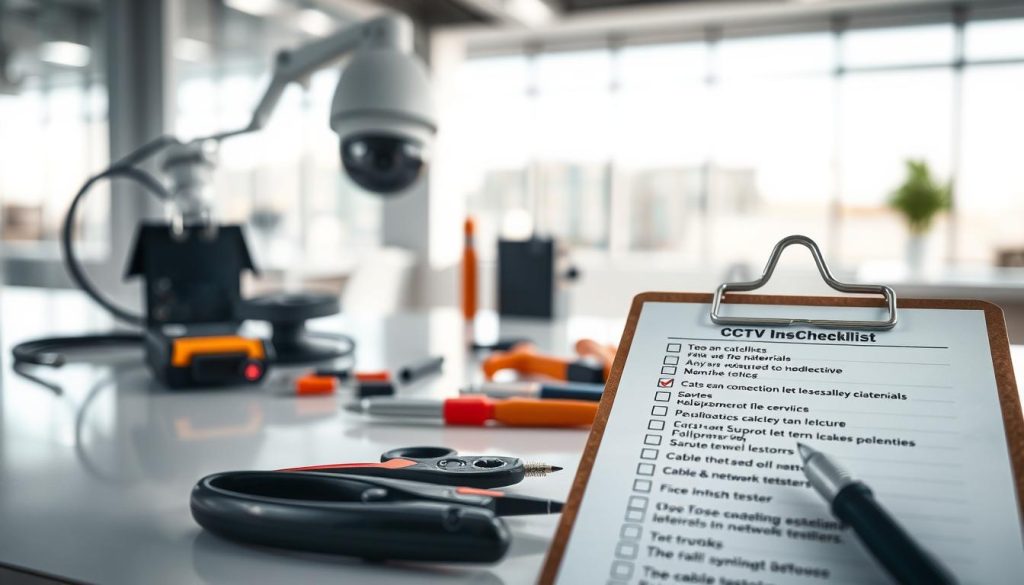
The Pre-Installation Checklist: Cabling and Power
A detailed checklist prevents costly mistakes during installation. It covers logistics, compliance, and technical readiness before work begins.
Key items include cable routing plans and power source verification. You must also assess network infrastructure and secure any necessary permits.
Cabling choices impact performance and longevity. Options include Ethernet for IP cameras, coaxial for analog systems, and fiber for long runs.
Make sure all cables are protected from weather and tampering. Conduits or trunking offer physical security for your wiring.
Power management is critical for uninterrupted monitoring. Plan primary sources and consider a UPS for backup during outages.
For IP-based systems, calculate your PoE switch capacity carefully. This ensures each camera receives adequate power over the network cable.
Integrating with Other Security Measures
Your cctv system should not operate in isolation. Integration creates a unified security ecosystem with a stronger defensive posture.
Connect surveillance with access control and intrusion alarms. This allows for coordinated responses when a sensor is triggered.
Linking to fire detection systems enhances overall safety. Cameras can verify alarms and help guide emergency responses.
Building management integration offers operational benefits. You can monitor energy use or environmental conditions alongside security footage.
“A standalone camera records an event; an integrated system can prevent it.”
Unified data from multiple sources provides clearer situational awareness. This is a significant advantage for modern security teams.
Maintenance, Support, and System Updates
Regular upkeep is non-negotiable for optimal performance. Establish a schedule for cleaning lenses and inspecting housing for damage.
Check cable connections and storage system health quarterly. This prevents gradual degradation that leads to failure.
Implement clear support protocols with defined response times. Know who to contact for technical issues, such as professional services like Wen Hong at +65 60135960 for local installation support.
Data management policies are essential. In Singapore, retain footage for a typical period of 30 days before secure deletion.
Log all access to recorded footage for audit trails. Establish backup strategies to prevent data loss from hardware failure.
Ongoing updates keep your system secure and effective. Regularly apply firmware upgrades for critical security patches.
Software enhancements can unlock new features and improve analytics. Recalibrate cameras periodically as your environment changes.
A periodic review ensures your cctv system still meets your needs. This proactive approach guarantees your security evolves with new challenges.
Understanding the essential components of a CCTV camera from the start makes this long-term management much simpler.
Making Your Final CCTV Decision
A well-planned security implementation brings lasting peace of mind and practical benefits. Your final choice shapes protection for your property.
Synthesize your assessment, legal rules, and technical needs into one clear plan. Evaluate providers for their Singapore experience and ongoing support.
Look beyond initial prices. Factor in installation, maintenance, and future expansion costs. Your system should grow with changing security needs.
Make sure your design covers all vulnerable spots legally. It must deliver quality footage for evidence while respecting privacy.
Professional advice adds valuable insight. Contact experts like Wen Hong at +65 60135960 to discuss your specific monitoring requirements.
The right cctv system transforms safety concerns into confident protection. It becomes a reliable partner for your property’s security today and tomorrow.