
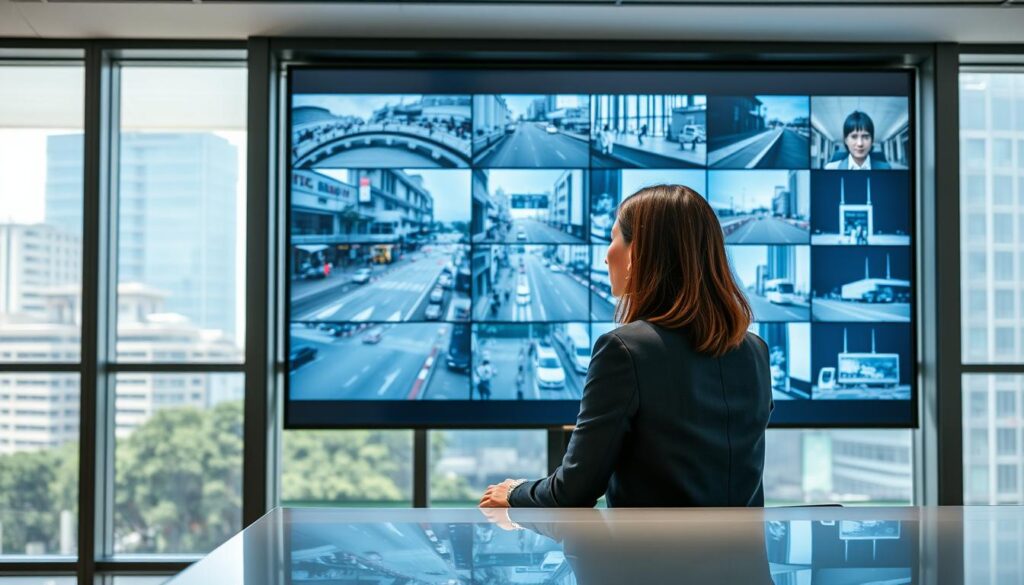
In today’s world, surveillance cameras are an integral part of our daily lives. With over 500,000 cameras monitoring both public and private spaces in Singapore, understanding the access rights to recorded footage is crucial for everyone. This guide aims to clarify the essential question of who has the authority to access these recordings.
It is vital to strike a balance between public safety and individual privacy. Singapore’s robust data protection laws, including the Personal Data Protection Act, play a significant role in determining access rights. This comprehensive guide will explore the legal frameworks, authorized personnel, and the processes involved in requesting access to surveillance recordings.
Both individuals and organizations have specific rights and responsibilities regarding surveillance access. Unauthorized access can lead to serious legal consequences, making it essential for everyone to be informed. Throughout this article, readers will find actionable information on how to prepare formal requests and navigate the verification processes that come with accessing these recordings.
Key Takeaways
- Understanding access rights to CCTV recordings is crucial for residents and businesses.
- Legal frameworks guide who can access surveillance footage.
- Public safety and privacy must be balanced under Singapore’s laws.
- Unauthorized access to footage can result in legal repercussions.
- This guide offers practical steps for requesting footage access.
Introduction to CCTV Surveillance in Singapore
Surveillance technology plays a vital role in enhancing security across urban environments. In Singapore, the presence of over 500,000 cameras strategically placed in shopping districts, residential areas, and public transport hubs forms a robust security network. This extensive deployment not only deters crime but also aids in investigations, ensuring the safety of the community.
To understand the implications of this surveillance, it is essential to consider the regulatory frameworks governing its use. The Personal Data Protection Act (PDPA) is the cornerstone of legislation that addresses how personal data, including images captured by surveillance systems, is handled. Under this act, obtaining consent from individuals before recording their images is mandatory, emphasizing the importance of privacy in public and private spaces.
Furthermore, the Housing and Development Board (HDB) has specific regulations that govern the installation of cameras in residential settings. Recent changes allow HDB residents to install CCTV in common corridors without prior approval, reflecting a shift towards greater flexibility. However, these regulations still require residents to respect the privacy of their neighbors.
The PDPA clearly defines what constitutes personal data, indicating that any recording capable of identifying an individual falls under its protection. This definition imposes strict obligations on system owners regarding how they handle, store, and control access to recorded data.
Singapore’s approach to surveillance regulation is guided by fundamental principles that aim to balance security benefits with the right to personal privacy. Authorized access is a key concept within these regulations, ensuring that not everyone who encounters a camera has the right to view its recordings. Strict protocols govern who may request and receive this footage.
Understanding these foundational regulations is crucial for anyone interested in accessing surveillance recordings. They establish the legal context within which all requests for viewing must be evaluated and processed by system owners.
Legal Frameworks Governing CCTV Usage in Singapore
Legal guidelines shape the operation of CCTV systems, balancing security and privacy. In Singapore, two primary frameworks govern the use of surveillance technology: the Personal Data Protection Act (PDPA) and regulations set by the Housing and Development Board (HDB).
Overview of the Personal Data Protection Act (PDPA)
The PDPA is crucial for ensuring that personal data, including video recordings of identifiable individuals, is handled properly. This act classifies such recordings as personal data, triggering compliance obligations for organizations operating these systems.
- Consent Requirements: System owners must obtain clear and informed consent from individuals before capturing their images. This consent must be documented and freely given, not assumed.
- Notification Obligations: Lawful usage requires visible signage to inform the public that surveillance is in operation, along with contact information for the responsible organization.
Housing and Development Board (HDB) Regulations
The HDB has established specific regulations for residential CCTV installations. These guidelines include:
- Prohibiting recordings into neighboring units or private spaces to protect residents’ privacy.
- Streamlining the approval process for corridor installations, making it easier for residents to enhance security.
Organizations found in violation of the PDPA can face significant penalties. Non-compliance can lead to hefty fines and damage to reputation, impacting operational capabilities.
Understanding these legal frameworks is essential for anyone involved with surveillance systems. Ignorance of the law does not protect against enforcement actions or penalties.
Understanding Privacy and Personal Data Protection in CCTV Systems
A clear understanding of personal data in CCTV footage is fundamental to respecting individual privacy rights. The Personal Data Protection Act (PDPA) in Singapore establishes clear guidelines for what constitutes personal data. This includes any visual recording that can identify an individual through features like facial recognition, clothing, or even gait.
Personal data extends beyond mere facial recognition. It encompasses vehicle license plates, identification badges, and distinctive belongings that may identify a person in surveillance recordings. This broad definition ensures comprehensive protection under the law.
Once footage is classified as containing personal data, several legal obligations arise:
- Secure Storage: Organizations must ensure that recordings are stored securely to prevent unauthorized access.
- Limited Retention: There are strict guidelines on how long data can be retained, promoting responsible data management.
- Controlled Access: Access to recordings must be regulated to protect individual privacy.
- Proper Disposal: Organizations must follow procedures for disposing of data to prevent unauthorized secondary use.
The balance between security and privacy rights is an ongoing challenge. While surveillance can effectively reduce crime rates, it raises legitimate concerns about constant monitoring and the potential misuse of personal information. The PDPA addresses this balance by allowing surveillance for legitimate purposes while enforcing strict accountability measures on system owners.
Individuals have rights regarding their images captured on CCTV. They can request access to footage containing their personal data and understand how that data is used, stored, and protected. This transparency is vital for maintaining public trust in surveillance systems.
Organizations that openly communicate their CCTV policies and respect individual privacy rights are more likely to gain community support for their security operations. Upholding these principles ensures that security measures do not come at the cost of eroding personal privacy.
Who Can View CCTV Footage Singapore? – Authorized Access Explained
Understanding who has the authority to access surveillance recordings is essential for maintaining security and privacy. In Singapore, access to recorded footage is tightly controlled. Only individuals with permission, such as system owners or their representatives, can view these records. Generally, people cannot access footage without prior approval.
Organizations that operate surveillance systems must ensure that the footage is secure. They limit access to authorized personnel only. This includes security teams and legal representatives investigating specific cases. These individuals must also take care to mask any personal information in the footage they share.
Individuals Permitted to Access Footage
The primary individuals allowed to access CCTV footage in Singapore include:
- System Owners: Property owners have the right to access their own recordings. However, they must ensure that this does not infringe on the privacy rights of others captured in the footage.
- Authorized Security Personnel: Security staff may be granted access as part of their job duties. This access must be documented and limited to legitimate security purposes.
- Law Enforcement Officers: Police can view footage during official investigations. Access usually requires a formal investigation, court order, or other legal authorization.
- Legal Representatives: Lawyers pursuing legitimate claims may also access recordings under specific conditions.
Restrictions on Unauthorized Viewing
Strict restrictions prevent unauthorized viewing of recorded footage. These include:
- Prohibitions against sharing footage on social media or with uninvolved third parties.
- Restrictions on using surveillance data for purposes unrelated to the original security objectives.
- Requirements to mask or redact personal data of uninvolved individuals before sharing footage.
Unauthorized viewing of CCTV footage can lead to serious legal consequences under Singapore law. This includes potential fines, criminal charges, and civil liability for privacy violations. It is crucial for everyone to understand and respect these access restrictions.
Conditions and Eligibility for Lawful Access to CCTV Footage
Accessing recorded surveillance footage involves specific conditions that must be met. Individuals seeking to view this footage must have a valid reason. The law requires that requests be justified and handled appropriately by system owners.
Valid reasons for requesting access include:
- Involvement in an Incident: Individuals directly involved in an incident captured by the cameras may request access.
- Legal Claims: Those pursuing legitimate legal claims can ask for footage relevant to their case.
- Police Investigations: Cooperation with law enforcement during investigations is another valid reason.
- Personal Data Access: Under the PDPA, individuals have the right to access recordings of themselves.
System owners are obligated to evaluate each request against objective criteria. Frivolous or vexatious requests lacking substantial justification will be rejected. This ensures that access is not granted indiscriminately.
Legal Procedures for Requesting Footage
The process for requesting CCTV footage must follow formal legal procedures. This begins with a written request that:
- Clearly identifies the requester.
- Describes the specific footage sought.
- Specifies the relevant date and time window.
- Articulates the legitimate purpose for which access is being sought.
Upon receiving a request, system owners must verify the identity of the requester. They must also validate the stated purpose against legal requirements. Additionally, they need to determine if the requested footage can be isolated without compromising the privacy of others captured in the recordings.
System owners are required to respond to legitimate access requests within a reasonable timeframe. However, they retain the right to deny requests that are overly broad or insufficiently justified. This helps maintain a balance between security and privacy.
Special procedures apply when law enforcement agencies request footage. Police access for criminal investigations follows established protocols that consider both investigative needs and privacy protections. System owners should document all such requests for their records.
Understanding these conditions and procedures is essential for anyone needing to ask for CCTV footage. Failure to follow proper channels or provide adequate justification will result in denied access, regardless of the perceived legitimacy of the underlying need.
The Role and Responsibilities of CCTV System Owners
CCTV system owners play a pivotal role in balancing security needs with privacy rights. Their responsibilities differ significantly based on whether they own residential or commercial systems. Both types of owners share the duty to protect privacy and comply with Singapore’s regulatory framework.
Residential CCTV Owners: Privacy Considerations and Compliance
Homeowners typically do not need formal permission to install cameras on their property. However, they must consider their neighbors’ privacy. This means avoiding the recording of areas that belong to others.
For HDB residents, recent regulatory changes allow the installation of CCTV cameras in common corridors without prior approval. Still, residents must respect their neighbors’ privacy and avoid intrusive surveillance practices.
Commercial CCTV Owners: Employee Consent and Notification
In contrast, business owners face stricter regulations. They must obtain clear consent from employees before installing surveillance systems. This includes informing workers about the presence of cameras and the reasons for surveillance.
Businesses are required to display prominent signage indicating the presence of cameras. They must also explain the purposes for which surveillance is conducted and inform employees about their rights regarding personal data captured in the footage.
Ongoing maintenance and compliance are crucial for all system owners. Regular checks ensure that cameras function properly. Additionally, periodic reviews of footage retention policies and updates to access control protocols are necessary as regulations evolve.
Thoughtful camera placement is essential for both residential and commercial owners. Strategic positioning maximizes security effectiveness while minimizing privacy intrusions. This approach reduces the likelihood of complaints or legal challenges from affected individuals.
Accountability mechanisms hold system owners responsible for the misuse of their CCTV systems. Owners may face liability for privacy violations committed by individuals who were granted access to footage without adequate oversight or training.
How to Request CCTV Footage in Singapore
Requesting access to surveillance recordings involves a systematic approach that must be followed carefully. To begin, individuals need to fill out a formal request form. This form should clearly describe the footage needed, including the time of the incident and a valid reason for the request.
Here are the essential components of a formal CCTV footage request:
- Identification Details: Include your full name and contact information.
- Description of Incident: Provide a precise description of the incident or timeframe of interest.
- Location of Cameras: Specify where the relevant cameras are positioned.
- Legitimate Purpose: Clearly articulate why you are seeking access to the recordings.
It is also advisable to gather supporting documentation before submitting your request. This may include:
- Police reports, if applicable.
- Insurance claim numbers.
- Legal correspondence or other evidence that supports your need to view the footage.
When making a request, be specific about the time window. Requests that cover broad periods, such as several days or weeks, are more likely to be rejected. Instead, focus on specific hours to show respect for the system owner’s resources and privacy obligations.
Upon receiving a request, system owners typically follow verification procedures. This includes:
- Confirming your identity through official documentation.
- Validating the stated purpose against legal criteria.
- Assessing whether the requested footage can be isolated without exposing personal data of uninvolved individuals.
The evaluation criteria for granting or denying requests include:
- The seriousness and legitimacy of the stated purpose.
- The proportionality of the request relative to privacy interests.
- The technical feasibility of extracting the specific footage without undue burden.
Requesters should maintain realistic timeline expectations. While system owners must respond to legitimate requests within a reasonable timeframe, complex requests may take longer due to the need for extensive review or redaction of third-party personal data.
To increase the likelihood of a successful request, consider these practical tips:
- Maintain polite and professional communication with system owners.
- Be flexible about viewing arrangements.
- Demonstrate an understanding of the privacy considerations that affect how footage can be shared.
Fees and Charges for Accessing CCTV Footage
When it comes to accessing recorded surveillance, understanding the associated fees is essential. In Singapore, system owners are legally permitted to charge reasonable fees for providing access to recorded footage. These charges are designed to cover the actual administrative and technical costs incurred in retrieving, reviewing, and preparing the requested recordings for viewing or release.
Reasons for Possible Charges
Several factors contribute to the fees associated with accessing footage:
- Staff Time: The time required for personnel to locate and extract the relevant recordings from storage systems.
- Data Masking: The technical work involved in redacting or masking personal data belonging to uninvolved individuals.
- Media Costs: If physical copies of the footage are provided, additional media costs may apply.
Understanding Cost Transparency
Cost transparency is vital in the access request process. Reputable system owners will provide clear fee estimates before commencing work on a request. This allows requesters to make informed decisions based on anticipated charges.
Fees may be waived or reduced in certain circumstances. For instance, when law enforcement agencies request footage for criminal investigations, or when individuals exercise their rights under the Personal Data Protection Act (PDPA) to view recordings of themselves, nominal administrative fees may still apply.
It is advisable for requesters to inquire about potential charges at the outset of the access request process. While fees must be reasonable and proportionate to the work involved, they represent legitimate cost recovery for system owners. They are not obligated to provide free access to their surveillance infrastructure.
Disputes over excessive or unreasonable fees can be escalated to relevant authorities. However, most system owners in Singapore maintain transparent fee schedules that align with industry standards and regulatory expectations for fair cost recovery.

Privacy Concerns and Challenges Surrounding CCTV Surveillance
With the increasing presence of surveillance cameras, many people are questioning their privacy rights. The rise of these systems has brought forth legitimate concerns about being monitored constantly. Individuals often feel uneasy about how footage is used and who has access to it.
Common privacy issues include:
- The unsettling feeling of constant monitoring in public spaces.
- Fears about footage being misused or shared without consent.
- Uncertainty about who can access recordings and for what purposes.
Additionally, there are worries that surveillance footage could be used for purposes beyond security. This includes employee performance monitoring or even personal disputes. The Personal Data Protection Act (PDPA) addresses these concerns by restricting footage use to its disclosed objectives.
The psychological impact of pervasive surveillance cannot be overlooked. While many accept CCTV as a necessary security measure, the knowledge of being recorded can create anxiety. This affects behavior and raises fundamental privacy rights issues.
The PDPA specifically tackles these privacy concerns through:
- Consent Requirements: Individuals must give consent before their data is captured.
- Notification Obligations: Clear signage must inform the public about surveillance.
- Access Rights: People can request access to their personal data.
- Data Protection Standards: System owners must ensure secure handling of footage.
Accountability mechanisms within the PDPA allow individuals to file complaints if they believe their privacy has been compromised. This includes seeking remedies for unauthorized use of personal data captured on surveillance recordings.
Moreover, the PDPA mandates that system owners implement reasonable security measures. This helps prevent unauthorized access to footage, addressing fears of hacking or negligent handling. While the PDPA provides significant protections, ongoing vigilance is essential as surveillance technology evolves.
Public dialogue about balancing security and privacy must continue as new capabilities emerge in the CCTV industry. The goal is to ensure that security measures help keep the community safe without infringing on individual privacy rights.
Managing CCTV Footage in Compliance with the PDPA
Managing surveillance recordings requires a clear understanding of data protection laws. In Singapore, companies must follow the Personal Data Protection Act (PDPA) when handling CCTV footage. This includes obtaining consent from individuals before recording their images and informing them about the purpose of the recordings.
Footage must be kept secure and only for as long as necessary. This ensures compliance with strict data protection and CCTV rules. If a data breach occurs, companies must act quickly to notify those affected. This shows accountability and responsibility in managing CCTV footage.
Data Security and Retention Policies
To protect CCTV footage from unauthorized access, system owners must implement essential data security measures. These include:
- Encryption: Stored recordings should be encrypted to prevent unauthorized access.
- Secure Password Protocols: Access to systems must be safeguarded with strong password protocols.
- Physical Security: Recording equipment should be kept in secure locations to prevent tampering.
- Regular Audits: Access logs should be audited regularly to detect any suspicious viewing activity.
The PDPA also outlines requirements regarding footage retention policies. Recordings should only be kept as long as necessary to fulfill their stated security purpose. After this period, they must be securely deleted or destroyed to avoid accumulating unnecessary personal data.
Establishing clear retention schedules is crucial. While some footage may need to be preserved for ongoing investigations or legal requirements, routine recordings should be purged according to predetermined timelines.
Handling Data Breaches and Incident Reporting
In the event of a data breach involving CCTV footage, companies must follow proper procedures. This includes:
- Immediate Containment: Take swift action to prevent further unauthorized access.
- Thorough Investigation: Investigate to determine the scope and cause of the breach.
- Timely Notification: Notify affected individuals and regulatory authorities as required by law.
Maintaining comprehensive documentation of all footage access, retention decisions, and security incidents is vital. This documentation serves as evidence of PDPA compliance and can protect system owners during regulatory inquiries or legal challenges.
Staff training is also essential for maintaining compliance. All personnel with access to CCTV systems must understand their obligations regarding data protection, privacy rights, and incident reporting procedures. This helps prevent accidental violations caused by ignorance or negligence.
Finally, proactive compliance management is far less costly than responding to regulatory enforcement actions after a violation occurs. System owners should regularly review and update their CCTV policies to ensure ongoing alignment with evolving PDPA requirements and industry best practices.
Community Guidelines for CCTV Usage in Residential Areas
As more homes adopt surveillance technology, the conversation around its use is becoming essential. Open communication between neighbors about CCTV installations fosters a safer and more transparent community. Homeowners should proactively inform adjacent residents about their surveillance plans. This includes explaining the coverage areas and purposes of the cameras.
Engaging with Neighbors and Consent Practices
It is crucial to address any privacy concerns before cameras become operational. Obtaining informal consent from neighbors whose properties may be partially visible in camera footage can prevent disputes. While legal requirements may not mandate such consent in all cases, maintaining good community relations through transparent communication fosters mutual trust.
Placement and Coverage Responsibilities
Best practices for camera placement in residential areas include angling cameras to focus on the owner’s property rather than neighboring homes. Homeowners should avoid covering windows or private outdoor spaces belonging to others. Using privacy masking features, where available, helps block out areas that should not be recorded.
Residents also have responsibilities when covering shared spaces such as corridors, stairwells, and common areas in HDB estates. Recent regulatory changes have made installations easier, but residents must exercise judgment to avoid creating an oppressive surveillance environment.
Community dialogue about CCTV usage can strengthen neighborhood security. By creating a shared understanding of surveillance coverage, residents can identify gaps that might need additional cameras. Establishing informal protocols for sharing relevant footage when incidents affect multiple households enhances collective security.
Addressing the concerns of residents who may feel uncomfortable being recorded by their neighbors’ cameras is also important. Constructive conversations can acknowledge privacy sensitivities while recognizing the legitimate security interests that motivate residential surveillance.
Ultimately, community-based approaches to CCTV governance yield better outcomes. Neighbors discussing and agreeing upon surveillance practices tend to produce more harmonious environments than unilateral installations that surprise or alarm nearby residents.
CCTV Footage Access and Compliance in Business Settings
Businesses must navigate specific regulations when utilizing surveillance technology. It is essential for companies to inform employees about the presence of CCTV systems. Clear communication ensures that workers understand why these cameras are installed, fostering a sense of security and respect for privacy.
Employee Notification and Consent Requirements
Before implementing CCTV surveillance, businesses must fulfill specific notification requirements. This includes:
- Written Notice: Companies should provide written notice that clearly explains the purposes of monitoring.
- Areas Under Surveillance: Employees must be informed about which areas are being monitored.
- Access to Footage: Businesses should disclose which individuals or departments have access to the recordings.
- Retention Policies: Clear guidelines on how long recorded data will be kept should be communicated.
While explicit signed consent may not always be legally required, obtaining documented acknowledgment from employees is advisable. This demonstrates good faith compliance with the Personal Data Protection Act (PDPA) principles and provides valuable evidence in case of disputes.
Maintaining Audit Trails and Footage Management
Maintaining comprehensive audit trails for all CCTV footage access is critical in business settings. This includes:
- Access Logs: Businesses should keep logs that record who viewed which footage and when.
- Purpose of Viewing: The logs should indicate the purpose for viewing the footage.
- Actions Taken: Any actions based on the information obtained from the recordings should be documented.
Companies must establish clear internal policies governing how managers and security personnel may use CCTV footage. Surveillance recordings should only be used for their stated security objectives. This prevents misuse, such as monitoring employee productivity unrelated to security incidents.
To prevent unauthorized access to footage, businesses should implement technical and administrative measures. This includes role-based access controls, regular reviews of access permissions, and immediate revocation of access when employees change roles or leave the organization.
When employees exercise their PDPA rights to request access to footage containing their personal data, businesses should follow proper procedures. This involves verifying the identity of the requester, responding promptly to legitimate requests, and appropriately redacting third-party information before sharing recordings.
Robust compliance practices not only satisfy legal requirements but also contribute to a positive workplace culture. They demonstrate respect for employee privacy and build trust in the organization’s commitment to ethical surveillance practices.
Consequences of Misusing CCTV Footage in Singapore
The consequences of misusing surveillance recordings can be severe in Singapore. Individuals and organizations must understand the potential repercussions of improper handling of these recordings. Misuse can lead to significant legal penalties, financial fines, and a loss of trust within the community.
Legal penalties for misusing CCTV recordings can be quite severe. Organizations found violating data protection laws may face substantial fines under the Personal Data Protection Act (PDPA). These fines can reach significant amounts for unauthorized sharing, retention, or use of surveillance recordings.
Legal Penalties and Financial Fines
Beyond regulatory fines, those who misuse footage may also face civil lawsuits. Affected parties can seek damages for privacy violations, defamation, or emotional distress. This creates additional financial exposure that can far exceed initial regulatory penalties.
In egregious cases, criminal charges may arise. Misusing footage for stalking, harassment, or blackmail can lead to criminal records and imprisonment. Such actions have lasting consequences that extend beyond financial penalties.
Impact on Reputation and Trust
Reputational damage often follows public disclosure of CCTV misuse. Organizations found violating privacy laws may experience a loss of customer trust and negative media coverage. This long-term brand damage can affect business performance for years.
Moreover, employee morale can suffer within organizations that misuse surveillance footage. Workers who discover inappropriate use of recordings may become disengaged and less likely to report security concerns in the future.
Understanding these consequences is crucial before implementing or accessing surveillance systems. The severe penalties for misuse highlight the need for robust policies, comprehensive training, and diligent oversight of all surveillance activities.
Singapore’s strict enforcement of CCTV regulations reflects the nation’s commitment to protecting individual privacy while maintaining public safety. Anyone handling surveillance footage must treat this responsibility with the seriousness it deserves.
Striking the Right Balance: Safety, Privacy, and CCTV Footage Access
The intersection of safety and privacy is a pressing concern in our modern society. Singapore’s approach to CCTV regulation successfully balances the need for enhanced security with the fundamental right to personal privacy. The Personal Data Protection Act establishes clear rules for consent, notification, access, retention, and security, ensuring that surveillance serves its protective function without invading individual privacy.
Understanding who has access to CCTV recordings is essential for property owners, business operators, and citizens alike. As technology evolves, so must the regulatory framework, which requires ongoing awareness of legal developments. Responsible surveillance practices that respect individual rights lead to better outcomes for communities.
Transparency and communication play vital roles in maintaining public trust in surveillance systems. Open discussions about CCTV practices foster acceptance and reduce complaints. Looking ahead, Singapore’s commitment to thoughtful policymaking will continue to protect both safety and privacy as surveillance technology becomes more prevalent.