

Understanding the complexities of CCTV ownership in Singapore is crucial for both homeowners and business operators. With over 500,000 CCTV cameras installed nationwide, the balance between enhancing security and respecting privacy rights is more important than ever. This guide will help you navigate the intricate web of responsibilities that come with surveillance systems.
In Singapore, laws like the Personal Data Protection Act (PDPA) and the Community Disputes Resolution Act (CDRA) provide a framework for managing these cameras. These regulations outline clear guidelines for installation, management, and compliance, ensuring that both personal and public data are protected.
As you explore this how-to guide, you’ll discover the critical responsibilities of owners and the implications of improper CCTV management. With 93% of retail businesses utilizing these systems, understanding ownership accountability is essential for all commercial operators.
Key Takeaways
- Knowing who oversees CCTV matters for homeowners and businesses.
- Over 500,000 CCTV cameras create complex ownership duties.
- Balancing security and privacy is vital under Singapore’s laws.
- Legal frameworks like the PDPA guide CCTV management.
- 93% of retail businesses already utilize CCTV systems.
- Proper installation can reduce theft by up to 50%.
- This guide covers regulations from HDB flats to commercial spaces.
Introduction to CCTV Ownership and Management in Singapore
Navigating the world of CCTV ownership in Singapore is essential for both individuals and businesses. With over 500,000 CCTV cameras deployed nationwide, understanding these systems has never been more critical. The rapid growth of surveillance technology reflects increasing security concerns across various areas, from bustling commercial districts to serene residential neighborhoods.
As Singapore evolves into one of the most surveilled cities globally, property owners face new responsibilities. The prevalence of these systems means that knowing how to manage CCTV effectively is crucial. According to a National Retail Federation survey, 93% of retail businesses now utilize CCTV systems for theft prevention and operational monitoring.
The technology behind CCTV cameras has also advanced significantly. These systems now offer features like remote monitoring and data management, which are essential for effective usage. Properly installed and managed surveillance systems can reduce theft by up to 50%, showcasing their tangible benefits for security.
Understanding the responsibilities associated with CCTV is vital for avoiding legal penalties and protecting personal data. This knowledge also helps maintain positive relationships with neighbors and the community. Additionally, the legal obligations differ between using CCTV for personal safety at home and for commercial purposes, highlighting the need for awareness.
Companies like First Solution Group play a pivotal role in this landscape, helping property owners grasp their management duties while expanding the CCTV infrastructure. With the right knowledge, property owners can navigate the complexities of surveillance systems effectively.
The Rise of CCTV Systems Nationwide
The adoption of CCTV systems has skyrocketed in Singapore, driven by the need for enhanced security. This growth reflects a societal shift towards prioritizing safety and crime deterrence.
Importance of Knowing CCTV Responsibilities
Being informed about CCTV responsibilities is crucial for all property owners. It not only aids in compliance with local laws but also fosters trust within the community.
For more detailed guidance on CCTV licensing and regulations, check out this resource.
Understanding the Legal Framework Governing CCTV Use
CCTV usage in Singapore is subject to a variety of legal frameworks that every owner should understand. These laws are designed to protect personal data while ensuring security needs are met. Familiarity with these regulations is crucial for compliance and to maintain trust within the community.
Personal Data Protection Act (PDPA) Overview
The Personal Data Protection Act (PDPA) establishes essential rules for collecting and managing personal data through CCTV systems. This act mandates that owners obtain consent before recording individuals. Additionally, it requires clear disclosure about how footage will be used and stored, ensuring that privacy rights are respected.
Community Disputes Resolution Act (CDRA)
The Community Disputes Resolution Act (CDRA) addresses conflicts arising from residential surveillance. It defines a neighbor as anyone living within 100 meters affected by the surveillance. This act provides legal recourse for residents who feel their privacy is intruded upon by intrusive CCTV practices.
Town Council Regulations and Permissions
Town Council regulations further specify the need for written permission before installing CCTV cameras in common areas, such as HDB corridors and lift lobbies. Unauthorized installations can lead to fines of up to $5,000. Therefore, it is essential for property owners to understand these rules to avoid legal complications.
By staying informed about these three legal frameworks, property owners can effectively balance security needs with individual privacy rights. Regularly updating knowledge on regulatory changes, such as the recent May 2023 HDB policy shift, is also important for compliance.
Who is Responsible for CCTV? Defining Ownership and Accountability
Defining ownership of CCTV systems in Singapore is essential for establishing accountability. Ownership is determined by who installs, manages, or controls the surveillance system. This responsibility comes with various legal obligations that differ significantly between residential and commercial settings.
Residential owners typically focus on personal safety. They face fewer regulatory requirements but must obtain Town Council approval for cameras installed in common areas. This ensures that privacy rights are respected while enhancing security.
In contrast, commercial owners encounter stricter obligations under the Personal Data Protection Act (PDPA). They must notify employees about surveillance and display proper signage. Compliance with these rules is crucial to avoid legal issues.
Criteria for CCTV Ownership
Understanding the legal criteria for CCTV ownership involves several key factors:
- The individual or entity that installs the system is typically considered the owner.
- Ownership also includes who controls access to the footage and makes decisions about camera placement.
- In commercial settings, compliance with the PDPA is mandatory, including notifying employees about surveillance.
Differences Between Residential and Commercial Owners
There are fundamental differences between residential and commercial CCTV ownership:
- Residential owners usually do not need special licenses for cameras on private property.
- They must secure Town Council approval for any cameras covering common areas.
- Commercial owners must adhere to stricter regulations, including data protection measures and employee notifications.
- Installing cameras in prohibited areas, such as bathrooms, can lead to serious legal consequences.
Furthermore, individuals have the right to request access to their personal data, including CCTV footage. This requirement fosters accountability among owners.
Real-world scenarios illustrate the distinction between residential and commercial responsibilities. Failing to meet legal obligations can result in significant repercussions, highlighting the importance of understanding ownership criteria.
Responsibilities and Legal Obligations of CCTV Owners
CCTV owners must be aware of their legal duties to ensure they respect privacy while enhancing security. This section outlines the essential obligations that come with owning these surveillance systems in Singapore.
Obtaining Permissions and Consent
Before installing any CCTV cameras, owners must follow a step-by-step process to obtain the necessary permissions. This includes:
- Securing Town Council approvals for cameras placed in common areas.
- Notifying neighbors about the installation of surveillance systems.
Furthermore, it is critical to obtain consent from individuals before recording them. The Personal Data Protection Act (PDPA) mandates that owners inform individuals about how their data will be used and stored.
Privacy Considerations and Compliance
Maintaining privacy standards is a key responsibility for CCTV owners. Considerations include:
- Positioning cameras to avoid capturing footage of neighboring properties.
- Displaying clear signage indicating that surveillance is in operation.
Additionally, implementing robust data protection measures is vital. This includes using AES-256 encryption for stored footage and TLS 1.2+ protocols for secure data transfers.
Consequences of Non-Compliance
Failing to comply with these legal obligations can lead to serious repercussions. For instance:
- A homeowner in Boon Lay was fined $8,000 for installing hidden bathroom cameras in 2022.
- Commercial violations under the PDPA can incur penalties of up to $1 million for failing to protect personal data.
- There is a mandatory 72-hour notification requirement to the Personal Data Protection Commission (PDPC) when unauthorized access to CCTV footage occurs, as seen in the 2023 Jurong warehouse breach.
To avoid legal issues, owners should implement comprehensive compliance protocols from the initial installation phase through ongoing footage management. Understanding these responsibilities not only protects individual rights but also fosters trust within the community.
Managing CCTV Systems in Residential Areas
Effectively managing CCTV systems in residential areas requires careful planning and community collaboration. Engaging with neighbors can enhance security while addressing privacy concerns. When residents participate in decision-making about camera locations and responsibilities, they contribute to a safer environment.
Community Involvement and Agreements
Involving the community in CCTV management is essential. Organizing neighborhood discussions about camera placement and coverage areas can foster shared security goals. Transparency is vital; informing neighbors about camera locations and the specific purposes of surveillance helps build trust.
Best Practices for Residential CCTV Installation and Usage
To ensure effective surveillance, follow these best practices:
- Place cameras to maximize coverage of entry points and driveways while avoiding intrusion into neighboring private spaces.
- Install visible signage indicating that surveillance is in operation. This serves as a deterrent to criminals and informs residents.
- Implement clear data management protocols, establishing retention periods for footage, typically not exceeding 30 days unless required for investigations.
- Establish restricted access controls to limit who can view recorded footage, ensuring only authorized individuals can access surveillance data.
- Develop community agreements that outline protocols for sharing footage in the event of security incidents, respecting individual privacy rights under the CDRA framework.
- Balance the security benefits of residential CCTV systems with the privacy expectations of neighbors to maintain harmonious community relationships.
By following these guidelines, homeowners can effectively manage their CCTV systems while respecting the privacy of their neighbors. Community engagement and adherence to best practices will create a safer living environment for everyone.
Guidelines and Recent Changes to CCTV Regulations in HDB Flats
Recent updates to regulations have reshaped the landscape of CCTV installations in HDB flats. Since May 2023, flat owners can now install corridor-facing CCTV cameras without needing prior Town Council approval. This significant change aims to enhance security while respecting privacy.
To comply with the new rules, cameras must be positioned at a mandatory 45-degree downward tilt. This angle ensures that they capture only the immediate area outside the flat door. It’s crucial that these cameras do not film neighboring units or infringe on their privacy.
A notable case in 2023 from Teck Whye demonstrated how a compliant setup resolved a shoe theft incident. The properly positioned corridor-facing camera played a key role in identifying the thief without violating privacy rules.
Corridor-Facing CCTV Installation Rules
Flat owners must adhere to strict limitations regarding what their cameras can capture. Cameras must not record:
- Neighboring windows and doors
- Common corridors beyond a 2-meter radius
- Elevator lobbies
- Stairwells
Privacy and Neighbor Considerations
Ongoing privacy obligations toward neighbors remain a priority. HDB residents must ensure that their surveillance does not intrude upon reasonable expectations of privacy. Engaging with neighbors about camera placements can foster a sense of community and mutual respect.
Smart Doorbells vs. Traditional CCTV Cameras
When comparing smart doorbells to traditional CCTV cameras, the former face fewer restrictions. Smart doorbells can be installed within the door frame and must not have pan-tilt features. The Ang Mo Kio Town Council has specific policies regarding these installations.
HDB recommends weatherproof models such as the Ring Video Doorbell and Eufy Security. These devices offer reliable performance while ensuring compliance with current guidelines, making them excellent choices for enhancing home security.
CCTV Usage and Compliance in Commercial Spaces
The implementation of CCTV systems in commercial spaces requires a thorough understanding of compliance and responsibilities. Business owners must navigate various regulations to ensure they meet legal obligations while enhancing security.
One of the key aspects of compliance involves the Personal Data Protection Act (PDPA). This act outlines the responsibilities that businesses have regarding personal data captured through surveillance systems. Owners must ensure that individuals are informed about surveillance and obtain their consent when necessary.
Business Owner Responsibilities Under PDPA
Understanding the comprehensive PDPA obligations is crucial for business owners operating CCTV systems. These responsibilities include:
- Obtaining consent from individuals before recording them.
- Providing transparent disclosure about the purpose of surveillance.
- Ensuring compliance with workplace surveillance exemptions.
Employee Notification and Signage Requirements
Effective communication with employees is vital. Business owners must notify staff about surveillance policies and camera locations. This includes:
- Displaying PDPA-compliant signs that indicate camera presence and purpose.
- Providing contact details for access requests related to personal data.
- Including audio recording warnings if applicable.
All signage should be visible within 3 meters of each camera, ensuring clear information is available to employees and customers.
Data Management and Security Practices
Proper data management protocols are essential for businesses utilizing CCTV systems. Key practices include:
- Implementing a data retention period of 21-30 days for CCTV footage before secure deletion.
- Ensuring cloud storage providers maintain Singapore-based servers to comply with data localization requirements.
- Adhering to encryption standards, such as AES-256 for stored footage and TLS 1.2+ for data transfers.
- Establishing quarterly employee training programs to ensure staff understand proper footage handling procedures.
- Requiring third-party vendors to sign data protection agreements under PDPA Section 14.
By adhering to these guidelines, businesses can effectively manage their CCTV systems while respecting the privacy of individuals and ensuring compliance with legal requirements.
Addressing Privacy Concerns in CCTV Surveillance
Privacy concerns play a significant role in the discussion of CCTV surveillance in Singapore. The Personal Data Protection Act (PDPA) outlines how CCTV is utilized in public and shared spaces. Understanding these laws is essential for protecting individual rights and ensuring responsible surveillance practices.
There are absolute prohibitions on installing cameras in private spaces such as changing rooms and bathrooms. Recording in these areas constitutes an outrage of modesty under Penal Code Section 509. For instance, a homeowner in Boon Lay faced an $8,000 fine in 2022 for hidden bathroom cameras, highlighting the serious consequences of privacy violations.
Additionally, specific requirements apply to helper quarters. Written consent from domestic workers is mandatory before any cameras can be installed in their living spaces. This measure ensures that their personal data rights are respected.
To maintain security while respecting privacy, practical solutions exist. One-way window films and directional shielding can limit camera angles to approved areas only. These methods help balance security needs with privacy expectations.
It’s crucial to understand the legal restrictions on audio recording without consent, which violates PDPA Section 14. Non-compliance can lead to significant penalties for CCTV owners. Other prohibited surveillance zones include healthcare facilities, school pickup areas, and designated blackout zones in multi-unit residential buildings.
Regular privacy impact assessments are vital to ensure ongoing compliance with evolving privacy laws and personal data rights protections. By staying informed, CCTV owners can navigate the complexities of surveillance while safeguarding individual privacy.
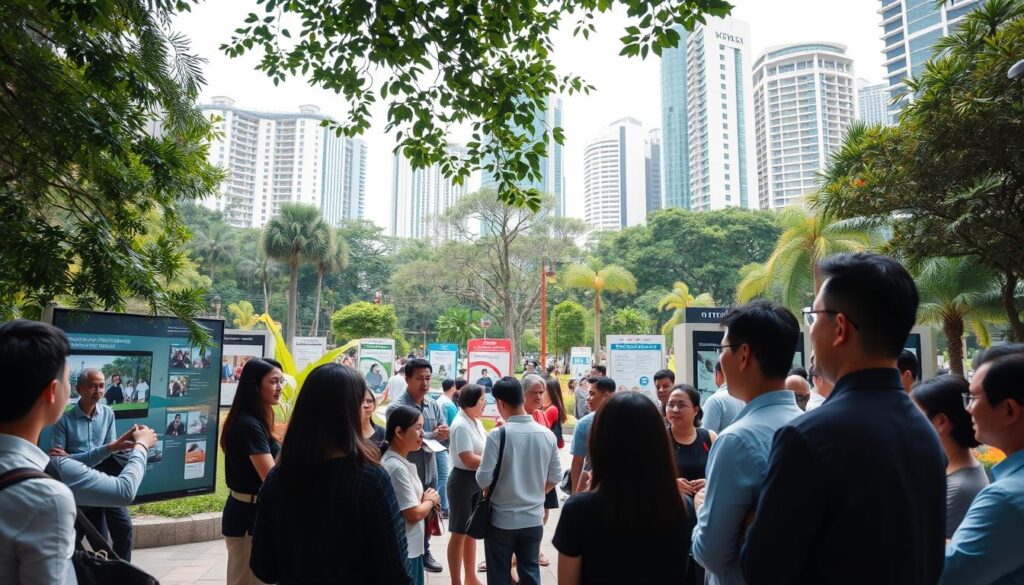
Community Engagement and Building Trust Around CCTV Usage
Engaging with neighbors about CCTV installations fosters transparency and strengthens community bonds. When homeowners communicate their plans, it helps build trust and alleviate concerns about privacy. Regular discussions can lead to a more secure environment for everyone.
How to Inform and Engage Neighbors
Effective strategies for informing neighbors about planned CCTV installations include:
- Organizing community meetings to discuss installation plans.
- Sending written notices that outline the purpose and benefits of the cameras.
- Encouraging open discussions to address any questions or concerns.
Sharing research that shows how CCTV can lower crime rates helps neighbors feel safer. This supportive information encourages community members to embrace surveillance initiatives.
Handling Surveillance Concerns Responsibly
It’s essential to explain how CCTV footage will be used, stored, and protected. This transparency can address common privacy concerns before they escalate into disputes. Residents should know that the Community Disputes Resolution Tribunal handles conflicts related to CCTV usage.
Formal complaints require documented evidence of privacy violations. Professional mediators resolve over 70% of cases before they reach tribunal hearings, which saves time and helps maintain neighborly relationships.
Resources are available through the Singapore Mediation Centre, offering multi-lingual support for diverse communities. Additionally, low-income residents can access free legal clinics through the Law Society to address CCTV-related concerns without financial burden.
Implementing ongoing community engagement practices is vital. These practices help maintain trust and allow for adjustments to surveillance systems as neighborhood needs and concerns evolve.
Best Practices for CCTV Installation, Maintenance, and Upkeep
Adopting comprehensive practices for CCTV management ensures both safety and compliance with regulations. Selecting the right installation provider and maintaining the system effectively are crucial steps for property owners.
Choosing Licensed Installation Providers
To guarantee a reliable installation, it’s essential to choose licensed providers. Verify their unique SSP number through the Cybersecurity Agency (CSA) official portal before signing any agreements. This step ensures that the installer has undergone necessary background checks and technical examinations.
Professional installation offers numerous benefits. These include compliance certificates required for Town Council submissions and proper configuration of PDPA-compliant features like motion zoning. Avoid the risks associated with DIY installations, which often lack essential compliance features. A notable case in Bukit Timah resulted in a $10,000 fine due to improper camera alignment.
Regular Maintenance and System Audits
Establishing regular maintenance schedules is vital. This includes bi-annual camera angle checks and system audits to ensure ongoing compliance with evolving regulations. Maintenance contracts from providers like SecureAsia can offer emergency response within 4 hours, minimizing downtime and maintaining continuous security coverage.
Updating CCTV systems every 3-5 years is also crucial. This practice helps incorporate new technology, maintain security effectiveness, and ensure continued legal compliance.
Updating Systems and Training Users
Implementing comprehensive user training programs is essential. All authorized personnel should be educated on proper footage handling, data protection protocols, and privacy law requirements. This training ensures that everyone involved understands their responsibilities regarding CCTV management.
By following these best practices, property owners can optimize their CCTV systems, ensuring both security and compliance. For more detailed guidance on maintenance schedules, check out this resource.
Preparing for Future CCTV Trends and Staying Compliant
Emerging trends in surveillance technology are reshaping the landscape of CCTV usage. Property owners must stay informed about new regulations and advancements to ensure compliance and effective security.
Solar-powered cameras now require SCDF fire safety certification and IMDA type approval for wireless equipment. Additionally, facial recognition systems must have PDPC pre-approval and explicit signage, with recent laws prohibiting emotion detection and gait analysis in public areas.
Edge computing systems are also becoming popular, but they must comply with PDPA data residency rules to protect personal data. Thermal imaging technology is limited to SCDF-approved systems, specifically for public health emergencies.
As 5G networks expand, compliance with real-time data transmission protocols is crucial. Businesses integrating smart city platforms need to conduct annual privacy impact assessments for all connected camera systems.
By developing a forward-looking compliance strategy, property owners can balance security innovation with privacy protection, ensuring they are prepared for future changes.