
Many homeowners and businesses face the challenge of unclear surveillance footage after dark. This problem can seriously impact your property’s safety and your peace of mind.
Clear nighttime video is essential for effective security monitoring. Without it, identifying details becomes difficult, and your system’s reliability suffers.
This guide offers a complete approach to solving blurry night vision issues. We will explore both technical and environmental factors that cause poor image quality.
Most problems have straightforward solutions with proper knowledge and maintenance. This is a common issue in Singapore’s climate and urban settings.
Understanding basic night vision technology helps in troubleshooting effectively. Follow our step-by-step solutions for a comprehensive resolution.
Key Takeaways
- Blurry nighttime footage reduces security effectiveness and peace of mind.
- Multiple factors, from lens cleanliness to infrared lighting, affect image clarity.
- Regular maintenance and correct settings prevent most blurriness issues.
- Environmental conditions like weather and lighting play significant roles.
- Proper troubleshooting can resolve most common CCTV problems after dark.
- Clear night vision is crucial for reliable property monitoring and evidence collection.
- For professional assistance, consider contacting security experts in Singapore.
Understanding the Challenge of Nighttime CCTV Footage
After sunset, security systems face a completely different set of operational challenges. The absence of natural illumination transforms how surveillance equipment captures visual information.
Reduced ambient light fundamentally changes camera performance. Sensors struggle to gather sufficient visual data without adequate lighting support.
Singapore’s tropical climate introduces additional complications. High humidity levels frequently create hazy images that reduce identification capabilities.
Common symptoms include washed-out footage and unexplained bright spots. These visual anomalies make critical details difficult to discern.
“Environmental conditions significantly impact nighttime surveillance effectiveness, particularly in humid climates where moisture affects infrared transmission.”
Infrared technology becomes essential after dark. This invisible light spectrum allows security camera systems to “see” without visible light sources.
Placement decisions dramatically affect nighttime performance. Poor positioning can create shadows or overexposure issues.
Even premium systems have technical limitations in extreme low light conditions. Understanding these boundaries helps set realistic expectations.
Blurry footage compromises security effectiveness when identification matters most. Clear nighttime monitoring requires addressing multiple factors simultaneously.
Proper understanding night vision technology helps troubleshoot these issues effectively. The following sections explore technical solutions for improved quality after dark.
How Night Vision Technology Works in Security Cameras
The magic behind clear nighttime footage lies in three specialized components working together. These elements transform ordinary surveillance into effective after-dark monitoring systems.
Understanding this technology helps homeowners make informed decisions about their security setup. Each component plays a critical role in producing usable night vision footage.
Infrared LEDs and Illumination
Infrared LEDs act as invisible flashlights for your security system. They emit light at wavelengths invisible to human eyes but detectable by cameras.
Two main wavelengths dominate security applications. The 850nm wavelength appears as faint red dots, while 940nm remains completely invisible.
Effective illumination ranges typically span 30-100 feet depending on quality. Higher-end systems provide broader coverage with more consistent infrared light distribution.
This technology enables cameras to see in total darkness. The light reflects off objects and returns to the sensor for processing.
The Role of Image Sensors and IR Cut Filters
Image sensors capture both visible and infrared light spectra. Their quality directly determines low light performance and overall clarity.
Superior sensors gather more light information, producing clearer images. Budget systems often compromise here, affecting nighttime results.
IR cut filters serve as smart light management systems. During daylight, they block infrared to maintain accurate colors.
At night, the filter retracts to maximize infrared sensitivity. This automatic switching ensures optimal performance in changing conditions.
These three components work in perfect coordination. The LEDs provide illumination, sensors capture reflected light, and filters manage light spectrum reception.
For Singapore homeowners, understanding this technology helps optimize placement and expectations. Tropical conditions demand robust systems with reliable night capabilities.
Why is my CCTV camera blurry at night? Common Causes Explained
Multiple technical and environmental factors contribute to surveillance system difficulties after dark. Understanding these root causes is essential for effective troubleshooting and resolution.
Infrared Reflection and Glare
Infrared light bouncing creates the most frequent nighttime surveillance issue. This occurs when IR illumination reflects off nearby surfaces back into the camera lens.
Glass windows and metallic objects frequently cause problematic reflections. Even wet surfaces after rainfall can create disruptive glare in surveillance footage.
These reflections overwhelm the image sensor with excessive light. The result is washed-out images lacking critical detail for identification purposes.
Environmental Interference and Weather
Singapore’s tropical climate presents unique challenges for outdoor surveillance. High humidity levels frequently cause condensation on external camera lens components.
Rain, fog, and airborne dust particles scatter infrared light. This scattering effect reduces overall image quality and creates hazy footage.
Temperature fluctuations between day and night worsen these conditions. Moisture intrusion through compromised weather sealing further degrades performance.
Voltage Drop and Power Supply Issues
Inadequate electrical delivery significantly impacts nighttime operation. Long cable runs between cameras and recording equipment cause voltage reduction.
This power deficiency affects infrared LED lighting intensity and consistency. Weaker illumination results in darker, less detailed images.
Poor quality wiring and connectors exacerbate these power supply issues. The system struggles to produce clear images when operating with insufficient power.
Regular maintenance checks help identify and resolve these electrical quality concerns before they affect surveillance effectiveness.
Optimizing Camera Placement for Crystal-Clear Night Vision
Strategic positioning transforms ordinary surveillance into exceptional after-dark monitoring. Proper installation prevents many common visibility problems before they occur.
Singapore’s unique architectural features demand special consideration. HDB corridors and condominium layouts present distinct challenges for coverage.
Finding the Optimal Mounting Height and Angle
Mount your security camera 8-10 feet above ground level. This height provides broad coverage while preventing tampering.
Angle devices 15-20 degrees downward for ideal facial recognition. This positioning captures identifying features without excessive sky or ground coverage.
Test different perspectives before permanent installation. Temporary mounting helps identify the perfect view for your specific areas.
Managing Distance from Reflective Surfaces
Maintain 2-3 feet clearance from windows and metallic surfaces. This prevents infrared glare that ruins nighttime clarity.
Singapore’s humid climate amplifies reflection issues. Moisture on surfaces creates additional challenges for infrared illumination.
Assess potential reflective surfaces during daylight hours. Glass doors and polished finishes often cause problems after dark.
Position cameras to avoid direct light sources in their view. Streetlights and neighboring windows can overwhelm image sensors.
Multi-camera setups require coordinated placement planning. Ensure comprehensive coverage without mutual infrared interference.
Proper placement maximizes your system’s night vision capabilities. Thoughtful installation ensures reliable performance during critical hours.
Essential Maintenance to Restore Image Clarity
Systematic care ensures your security investment performs optimally. Regular upkeep prevents most visibility problems before they affect your monitoring capabilities.
Singapore’s humid environment demands consistent attention to equipment condition. Monthly checks maintain reliable performance during critical nighttime hours.
Cleaning Lenses and Housings
Begin with the camera lens using appropriate cleaning solutions. Microfiber cloths prevent scratches while removing dust and moisture.
Infrared sensors require gentle cleaning without harsh chemicals. These sensitive components directly affect night vision quality.
Spider webs around the camera housing create reflective surfaces. Their delicate strands scatter infrared light, causing bright spots in footage.
Use soft brushes to remove webs and insects from housing exteriors. This simple step prevents many common nighttime issues.
Checking for Obstructions and Weatherproofing
Inspect weather sealing around housing joints and cables. Singapore’s rainfall demands complete moisture protection for clear clarity.
Trim vegetation growing near camera views. Leaves and branches cause infrared reflection issues after dark.
Check mounting brackets for stability and corrosion. Secure positioning maintains consistent performance over time.
Condensation inside housings indicates compromised seals. Address moisture intrusion immediately to prevent lens fogging.
“Monthly maintenance checks prevent 80% of common nighttime visibility problems in tropical climates.”
Establish a quarterly schedule for comprehensive maintenance. Singapore’s climate may require more frequent regular maintenance during monsoon seasons.
Document each inspection for tracking performance trends. Records help identify recurring issues needing permanent solutions.
Proper care of lenses and components ensures reliable operation. Your vigilance maintains security effectiveness when it matters most.
Adjusting Your Camera Settings for Low-Light Performance
Proper configuration transforms average surveillance into exceptional nighttime monitoring. Your system’s digital controls directly impact after-dark clarity and reliability.
Most modern security cameras offer extensive adjustment options. Understanding these settings helps maximize your equipment’s capabilities.
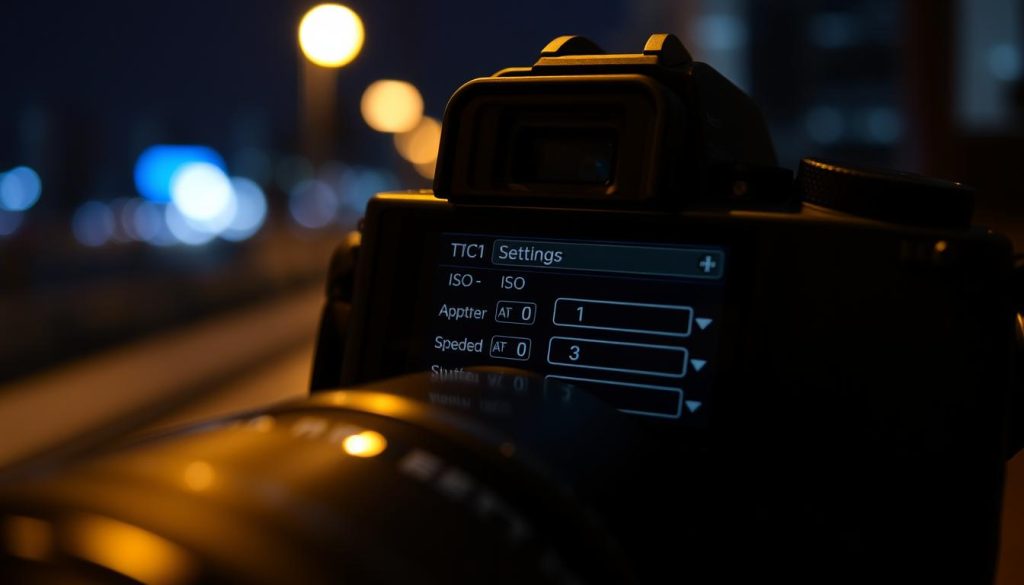
Begin with IR cut filter sensitivity adjustments. This setting determines when your system switches between day and night modes.
Set the sensitivity level based on your local lighting conditions. Singapore’s urban environment may require different thresholds than rural areas.
Exposure time controls how long the sensor gathers light. Longer exposures capture more detail but may blur moving objects.
Find the perfect balance for your specific monitoring needs. Test different exposure durations during actual nighttime conditions.
Gain control amplifies the sensor’s signal in darkness. Higher gain increases brightness but introduces digital noise.
Modern systems feature automatic gain control for optimal performance. Manual adjustments provide finer control over image quality.
Wide Dynamic Range technology handles challenging lighting situations. It balances bright and dark areas within the same frame.
Activate WDR for scenes with mixed lighting sources. This feature prevents overexposed highlights while maintaining shadow detail.
“The difference between usable and useless nighttime footage often comes down to proper gain control and exposure settings.”
Motion detection thresholds require careful nighttime configuration. Reduce sensitivity to minimize false alerts from insects or vegetation.
Digital noise reduction features clean up grainy images. Higher settings provide smoother footage but may soften fine details.
Experiment with different setting combinations during various conditions. Singapore’s weather changes demand flexible configurations.
Access your camera’s menu through web interfaces or mobile apps. Popular brands like Hikvision and Dahua offer intuitive control panels.
Document successful setting combinations for different scenarios. Create profiles for clear nights, rainy conditions, and special events.
Regularly review and adjust your configurations as seasons change. Optimal settings in December may not work perfectly in June.
These adjustments significantly enhance low light performance. Proper configuration ensures reliable surveillance when visibility matters most.
Enhancing Your Security with Lighting and Hardware
Strategic illumination upgrades transform your property’s nighttime security from passive monitoring to active deterrence. Proper supplemental lighting works synergistically with your existing surveillance system to eliminate dark spots and improve identification capabilities.
Singapore’s urban environment presents unique lighting challenges that require tailored solutions. These enhancements provide cost-effective improvements to your overall security posture.
Adding Supplemental Lighting
Motion-activated LED lights create dynamic illumination that startles intruders while conserving energy. Position these fixtures 10-15 feet from your security camera to avoid overwhelming the image sensor.
Low-intensity ambient lighting maintains consistent visibility without creating glare. Consider these placement strategies for optimal results:
- Install pathway lighting along approach routes to your property
- Use downward-facing fixtures to minimize light pollution
- Position lights to cross-illuminate key identification zones
- Maintain consistent lighting levels to prevent sensor adjustment issues
Solar-powered options offer excellent efficiency in Singapore’s sunny climate. These systems provide reliable operation during power outages and reduce electricity costs.
“Proper supplemental lighting can improve nighttime identification rates by up to 300% compared to infrared illumination alone.”
Considering an IR Illuminator Upgrade
External infrared illuminators dramatically extend your system’s night vision capabilities. These devices provide additional infrared light without the limitations of built-in LED arrays.
Wavelength matching ensures compatibility with your existing security cameras. Most systems use 850nm or 940nm wavelengths for optimal performance.
Position illuminators to eliminate shadows and hotspots in critical monitoring areas. Follow these installation guidelines:
- Mount illuminators slightly higher than your cameras
- Angle units to cover the same field of view
- Space multiple units for even coverage without overlap
- Use weatherproof enclosures for outdoor installation
Calculate power requirements based on illuminator specifications and intended operation hours. Continuous operation may require dedicated power supplies for larger installations.
Built-in IR systems offer convenience but limited range and coverage. External units provide superior performance for large properties or challenging layouts.
Weatherproofing protects your investment from Singapore’s tropical conditions. Use IP66-rated enclosures and proper cable management for long-term reliability.
These hardware solutions deliver excellent value for enhancing existing cctv camera systems. The right combination of lighting and illumination upgrades ensures comprehensive coverage during critical nighttime hours.
Ensuring Long-Term Security with Advanced Solutions
Persistent nighttime visibility issues may require equipment upgrades for optimal performance. Modern security camera technology offers significant improvements over older systems.
Advanced sensors and processors deliver superior image quality in challenging conditions. These solutions provide reliable monitoring when standard systems struggle.
Consider cameras with large image sensors and 4K resolution. These features capture finer details in low light situations.
AI-powered image processing reduces noise while enhancing clarity. Smart IR arrays automatically adjust illumination based on conditions.
Professional installation ensures proper system integration and configuration. Expert technicians optimize placement and settings for your specific environment.
Regular maintenance preserves your investment’s performance over time. A well-designed security system provides peace of mind through clear nighttime monitoring.