
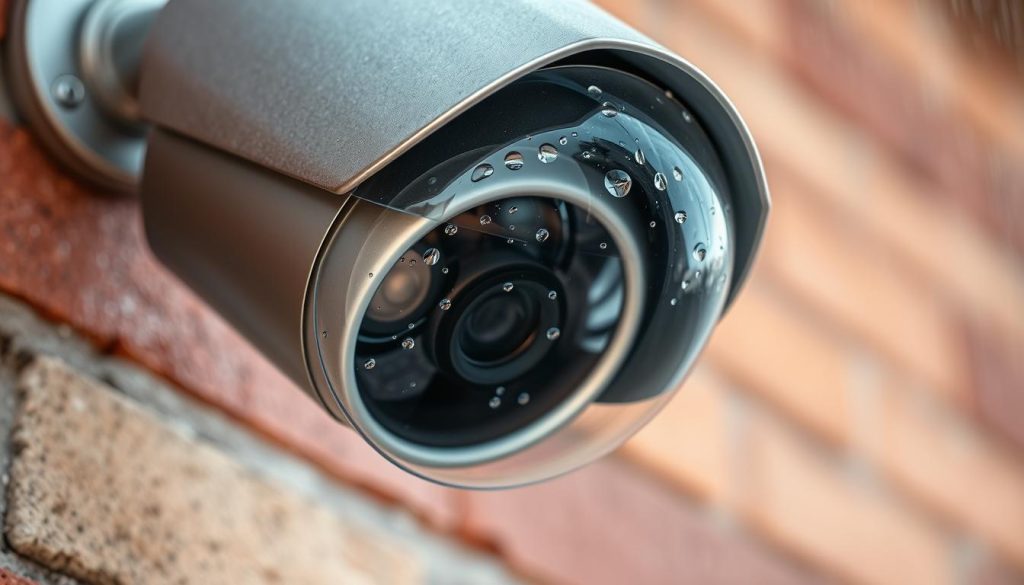
Singapore’s tropical climate brings frequent heavy rainfall that can severely impact surveillance equipment. Water and moisture interfere with camera lenses, causing blurred images and false motion alerts.
Maintaining clear footage during adverse weather conditions is crucial for security. Proper protection prevents system damage and ensures reliable performance when you need it most.
This guide provides practical solutions for homeowners and businesses. Implementing these measures saves money on maintenance and preserves image quality.
Key Takeaways
- Heavy rain significantly affects CCTV camera performance and image quality
- Moisture protection is essential for maintaining security system reliability
- Proper weather protection reduces false alarms and maintenance costs
- Clear footage during adverse conditions ensures continuous security monitoring
- Practical solutions exist for both residential and commercial camera systems
- Implementing protection measures extends the lifespan of your equipment
- Singapore’s climate requires specific considerations for surveillance maintenance
Why Rain Wreaks Havoc on Your CCTV Footage
Rainfall creates significant challenges for surveillance systems. Understanding these issues helps implement effective protection measures.
Water interference causes multiple operational problems. These range from false alerts to permanent equipment damage.
How Motion Detection Gets Tricked by Weather
Modern security cameras use frame comparison technology. This system analyzes pixel changes between consecutive images.
Raindrops create constant movement patterns across the lens. The camera interprets these water movements as potential security threats.
This results in numerous false alarms during storms. Each droplet triggers the motion detection system unnecessarily.
The Impact of Water Droplets on Image Clarity
Water droplets act as tiny lenses on camera surfaces. They refract and distort incoming light in unpredictable ways.
This optical interference creates blurred or obscured footage. Critical details become unrecognizable during rainfall events.
Infrared night vision suffers particularly badly. Water reflects IR light, reducing visibility during nocturnal downpours.
Long-Term Risks of Moisture and Corrosion
Persistent moisture exposure leads to internal corrosion. Electronic components gradually deteriorate when water penetrates housings.
This degradation reduces overall system lifespan significantly. Repair costs accumulate over time without proper protection.
Singapore’s humid climate accelerates these damaging processes. Regular maintenance becomes essential for reliable operation.
Professional installation services can address these challenges effectively. Expert CCTV solutions ensure optimal performance despite weather conditions.
Understanding IP Ratings: Your First Line of Defense
The IP rating system provides a standardized measurement for electronic equipment protection. This international classification determines how well devices withstand environmental elements.
Proper IP certification ensures your surveillance equipment maintains performance during adverse weather. Selecting cameras with appropriate ratings prevents water damage and maintains image quality.
Decoding the IP Code: What IP66 and IP67 Really Mean
IP ratings consist of two digits following the “IP” prefix. The first digit indicates solid particle protection, ranging from 0 (no protection) to 6 (complete dust tightness).
The second digit represents liquid ingress protection on a 0-9 scale. Higher numbers correspond to better water resistance capabilities.
IP66 certification means complete dust protection and resistance against powerful water jets. Cameras with this rating handle heavy rain and direct water exposure effectively.
IP67 rated equipment offers temporary immersion protection up to 1 meter depth. These devices survive accidental submersion while maintaining functionality.
Choosing the Right Weatherproof Camera for Heavy Rain
Singapore’s tropical climate demands specific IP rating considerations. The frequent heavy rainfall requires robust water protection for outdoor cameras.
For most outdoor installations, IP66 or higher provides adequate protection against monsoon conditions. This rating ensures cameras continue working well during intense downpours.
Consider these factors when selecting weather-resistant cameras:
- Verify independent testing certifications for claimed IP ratings
- Check manufacturer specifications for tropical climate performance
- Ensure proper sealing around mounting brackets and cable entries
- Consider additional protective housings for extreme weather conditions
Higher IP-rated cameras typically last longer in harsh environments. The initial investment often outweighs frequent maintenance costs from water damage.
Regular verification of IP rating claims ensures your security system remains reliable. Proper weather protection maintains surveillance quality regardless of bad weather conditions.
Strategic Camera Placement to Avoid Direct Rainfall
Location selection plays a crucial role in maintaining surveillance clarity during adverse weather conditions. Smart positioning creates natural barriers against precipitation while preserving monitoring effectiveness.
Proper placement significantly reduces maintenance needs and extends equipment lifespan. This approach offers cost-effective protection without additional hardware investments.
Utilizing Eaves, Awnings, and Building Structures
Existing architecture provides excellent natural shelter for surveillance equipment. Positioning under overhangs creates automatic rain protection without compromising coverage.
Eaves offer particularly effective coverage in Singapore’s frequent downpours. These structures deflect water away from lens surfaces while maintaining clear sightlines.
Consider these architectural features for optimal placement:
- Building corners with overlapping roof lines
- Balcony overhangs and terrace coverings
- Window ledges with sufficient depth
- Porch roofs and carport ceilings
This approach keeps cameras dry while maintaining full operational capability. Natural shelters provide consistent protection during extended rainfall periods.
Finding the Optimal Angle to Minimize Rain Exposure
Camera orientation dramatically affects water accumulation on lens surfaces. Angling downward between 15-30 degrees prevents droplet buildup.
This positioning utilizes gravity for natural water runoff. Droplets slide off rather than collecting on critical optical components.
The physics of raindrop impact favors slightly downward angles. Water moves away from the lens instead of obstructing the view.
Measurement tools like angle finders ensure precise positioning. Even small adjustments make significant differences in weather performance.
Why You Should Avoid Pointing Cameras at the Sky
Upward-facing positions create multiple operational challenges during storms. Skyward orientation exposes lenses to direct rainfall impact.
This positioning also increases lightning strike risks during electrical storms. Elevated angles may attract electrical discharges to sensitive equipment.
Lens flare becomes problematic when pointing toward precipitation sources. Light refraction through raindrops creates glare and image distortion.
Security coverage remains effective with properly angled placement. Strategic positioning maintains surveillance areas while avoiding weather complications.
Thoughtful placement makes sure your system keeps working well despite challenging conditions. The right angles and places provide reliable protection for your investment.
Installing Protective Housings and Rain Covers
Physical barriers provide essential protection against environmental elements. Proper enclosures shield equipment from direct exposure to harsh weather conditions.
These solutions maintain optimal performance during heavy precipitation. They prevent moisture intrusion that causes damage to sensitive components.
Selecting the Right Waterproof Enclosure for Your Model
Choosing appropriate housings requires careful consideration of several factors. The right enclosure ensures your security system remains functional during storms.
Enclosures should match camera size with 20% extra space. This allowance provides necessary ventilation while maintaining proper protection.
Material selection significantly impacts durability and performance:
- UV-resistant polycarbonate offers excellent clarity and impact resistance
- Aluminum housings provide superior heat dissipation and rugged durability
- Temperature-rated materials withstand Singapore’s tropical climate variations
- Transparent domes maintain visibility while offering full environmental protection
Compatibility ensures proper fitment for different cctv cameras. Always verify manufacturer specifications before purchase.
How to Properly Seal Conduits and Cable Entry Points
Complete water protection requires attention to all potential entry points. Cable connections represent common vulnerability areas in surveillance setups.
Silicone sealants provide reliable barriers against moisture intrusion. Apply these compounds to all seams and connection points during installation.
Proper sealing techniques involve multiple protective layers:
- Use waterproof conduit connectors rated for outdoor applications
- Apply silicone gel around cable entries before final tightening
- Install drip loops to prevent water traveling along cables into housings
- Use compression fittings that create mechanical seals against moisture
Quarterly inspections make sure seals remain intact over time. This maintenance routine helps keep cameras dry during heavy rainfall.
Well-sealed installations last longer in challenging environments. They continue working well despite Singapore’s frequent downpours.
Leveraging Advanced Camera Settings and Features
Modern surveillance equipment offers sophisticated options to combat weather-related challenges. These intelligent features help maintain reliable performance during adverse conditions.
Advanced settings provide a smart way to address precipitation problems. They enhance overall security while reducing false alerts.
Adjusting Motion Detection Sensitivity for Rainy Days
Motion detection calibration significantly improves performance during storms. Reducing sensitivity by 30-40% prevents false triggers from falling raindrops.
Most modern cameras allow remote adjustment through mobile apps or web interfaces. This flexibility lets you adapt settings in real-time as weather changes.
Consider these configuration steps for optimal performance:
- Access your camera’s administration panel through the manufacturer’s app
- Locate motion detection settings in the security or alerts section
- Adjust sensitivity sliders downward during heavy precipitation
- Test different levels to find the perfect balance for your environment
- Save custom profiles for quick activation when storms approach
Proper calibration maintains threat detection while ignoring weather interference. Your system continues working well without constant false notifications.
The Power of Object Classification to Filter False Alarms
Object classification tech represents a breakthrough in surveillance intelligence. Advanced algorithms distinguish between humans, vehicles, and environmental elements.
Thermal signature analysis plays a crucial role in this process. Human bodies emit heat between 80-100°F while rain remains at ambient temperature.
Modern systems achieve up to 90% reduction in weather-related false alarms. This dramatically improves monitoring efficiency during bad weather conditions.
Implementation requires proper configuration and occasional training updates. System administrators should receive specific training for optimal setup.
These advanced features represent the future of reliable surveillance. They make sure your cctv system delivers consistent quality regardless of environmental challenges.
How do I stop my CCTV from picking up rain? A Proactive Approach
Advanced configuration options offer powerful solutions for maintaining surveillance effectiveness. These technologies address precipitation interference through smart detection methods.
Creating Custom Detection Zones to Ignore Problem Areas
Zone-based configuration allows precise control over motion detection areas. This approach excludes sections where weather causes frequent false alerts.
Most modern security cameras support customizable detection zones. Users can define specific areas where motion tracking remains active.
Implementation typically reduces false alarms by 60-75%. The system ignores precipitation in excluded zones while maintaining threat detection.
Configuration steps vary by manufacturer but follow similar principles:
- Access your camera’s administration interface through the mobile app
- Select motion detection settings and enable zone customization
- Draw exclusion areas around problematic sections like sky views
- Save configurations and test during actual rainfall conditions
- Adjust zones based on performance monitoring results
Regular maintenance ensures zones remain effective over time. Seasonal changes might require occasional adjustments to exclusion areas.
Utilizing Cameras with Built-In PIR Sensors
Passive Infrared technology represents a significant advancement in surveillance reliability. PIR sensors detect heat signatures rather than visual movement.
This technology remains unaffected by environmental precipitation. Raindrops don’t emit heat signatures that trigger false alerts.
PIR-equipped devices typically reduce weather-related false alarms by 85-95%. The difference in performance compared to traditional systems is substantial.
Installation considerations for thermal detection systems include:
- Proper positioning to maximize heat signature detection range
- Integration with existing conventional camera systems
- Power requirements and compatibility with current infrastructure
- Environmental factors that might affect thermal sensitivity
Cost-benefit analysis often favors upgrading to PIR technology. The reduction in false alerts and maintenance costs justifies the investment.
Mixed system integration allows gradual technology adoption. Combining conventional and PIR cameras provides comprehensive coverage.
Performance monitoring ensures optimal operation of thermal detection systems. Regular calibration maintains accuracy across changing seasons.
Implementing a Rigorous Cleaning and Maintenance Schedule
Consistent upkeep forms the foundation of reliable surveillance performance. Regular attention prevents minor issues from becoming major problems.
A structured approach saves time and money over the equipment’s lifespan. Proper maintenance ensures your security investment continues delivering quality results.
Regularly Checking Housings for Seal Integrity
Quarterly inspections catch potential moisture issues before they cause damage. Examine all seals and gaskets for signs of wear or deterioration.
Use these techniques to test weatherproofing effectiveness:
- Visual inspection for cracks, gaps, or discoloration in sealing materials
- Water spray tests to verify housing integrity under simulated rain conditions
- Pressure checks to ensure proper compression of all sealing components
- UV degradation assessment for outdoor equipment exposed to sunlight
Document findings to track performance trends over time. This proactive approach keeps your surveillance system working well through Singapore’s humid climate.
Cleaning Lenses to Prevent Water Spot Buildup
Proper lens cleaning maintains image quality despite environmental challenges. Mineral deposits from rainwater can permanently obscure visibility if left untreated.
Follow these steps for optimal results:
- Use microfiber cloths and lens-specific cleaning solutions
- Clean in circular motions from center to edges
- Avoid abrasive materials that might scratch optical surfaces
- Schedule cleaning after heavy rainfall to prevent spot formation
Regular attention to lens clarity provides significant benefits for surveillance effectiveness. Clear visuals remain crucial for security purposes.
Using Anti-Fog Sprays and Silica Gel Packs
Condensation control represents a critical aspect of tropical climate maintenance. Internal moisture can damage electronic components over time.
Anti-fog treatments reduce lens condensation issues by approximately 80%. These specialized coatings prevent water droplet formation on optical surfaces.
Silica gel desiccants maintain optimal humidity levels inside camera housings. Proper placement ensures 30-40% relative humidity, preventing internal damage.
Replacement every three months maintains maximum effectiveness. These simple measures help your equipment last longer in challenging conditions.
Professional maintenance services offer comprehensive solutions for complex systems. Expert technicians provide thorough inspections and specialized treatments.
DIY maintenance requires proper safety precautions and appropriate tools. Always follow manufacturer guidelines to avoid voiding warranties.
A well-maintained surveillance system delivers reliable performance regardless of weather conditions. Consistent upkeep ensures your security cameras remain operational when needed most.
Addressing Condensation and Internal Moisture Issues
Internal moisture represents a silent threat to surveillance equipment integrity. Unlike external water exposure, condensation develops gradually within sealed environments.
This insidious process causes progressive damage to sensitive electronic components. Early detection and proper handling prevent complete system failure.
Singapore’s high humidity accelerates internal moisture accumulation. Regular monitoring becomes essential for maintaining equipment reliability.
Identifying the Early Signs of Fogging Lenses
Initial condensation symptoms often appear as slight lens haziness. This subtle cloudiness progressively develops into complete optical opacity.
Watch for these early warning indicators of moisture penetration:
- Intermittent image blurring that clears temporarily
- Visible water droplets forming inside the lens housing
- Gradual decrease in night vision effectiveness
- Unexplained focus issues during temperature changes
Immediate action upon detection prevents permanent damage. Early intervention preserves equipment functionality and image quality.
Steps for Safely Drying Out a Water-Damaged Camera
Emergency response begins with immediate power disconnection. This prevents electrical shorts and further component damage.
Follow this systematic approach for moisture removal:
- Remove the unit from its mounting location carefully
- Disconnect all cables and power sources completely
- Place the camera in a sealed container with silica gel packs
- Allow 48 hours for complete moisture absorption
- Inspect for corrosion before reconnection
Cameras showing internal corrosion face 40% failure rates within six months. Professional assessment becomes crucial for severely affected equipment.
Proper drying techniques make sure your security cameras last longer. They continue working well despite challenging environmental conditions.
Insurance considerations often cover water damage restoration costs. Document the incident thoroughly for potential claims processing.
Long-term monitoring after moisture exposure helps detect recurring problems. Regular checks ensure your surveillance system maintains optimal performance.
Considering an Upgrade: Modern Tech for Monsoon Weather
Surveillance technology has evolved significantly to handle extreme weather challenges. Newer models offer superior performance during Singapore’s frequent downpours.
Upgrading your equipment provides multiple advantages for reliable security monitoring. Advanced features maintain clear footage despite challenging environmental conditions.
Benefits of Investing in Newer, More Resilient Models
Modern surveillance equipment incorporates cutting-edge weather protection technology. These advancements significantly improve performance during heavy precipitation.
Enhanced IP ratings offer superior environmental protection. Many current models feature IP69K certification for complete weather resistance.
Improved internal sealing prevents moisture penetration effectively. Advanced algorithms reduce false alarms by up to 90% during storms.
The investment in newer technology delivers substantial long-term benefits:
- Reduced maintenance costs and fewer service interruptions
- Enhanced image quality during adverse weather conditions
- Longer equipment lifespan with better durability
- Advanced features like thermal detection and object classification
- Better integration with modern security systems
These systems continue working well despite Singapore’s challenging climate. They provide reliable protection for your property year-round.
Recommended Brands Known for Weather Resistance
Several manufacturers excel in producing weather-resistant surveillance equipment. Their products perform exceptionally well in tropical conditions.
Hikvision’s DS-2CD2043G0-I model offers excellent rain performance. It features robust construction and advanced weather protection.
Dahua’s IPC-HFW5849T1-ASE-LED provides superior image quality during storms. This camera handles heavy rainfall with minimal false alerts.
Axis Q1656 stands out for its exceptional durability and reliability. It maintains clear footage even during intense monsoon conditions.
Consider these factors when selecting weather-resistant cameras:
- Manufacturer reputation for tropical climate performance
- Warranty coverage and local support availability
- Integration capabilities with existing infrastructure
- Future-proofing features and upgrade potential
- Professional assessment recommendations
These reliable brands ensure your security system lasts longer. They deliver consistent performance despite challenging weather conditions.
Professional installation optimizes these advanced systems for local environments. Expert configuration maximizes their weather resistance capabilities.
When to Call a Professional CCTV Installer in Singapore
Professional installation services offer specialized expertise for challenging surveillance environments. These specialists bring valuable knowledge about Singapore’s unique climate and building requirements.
Singapore’s average annual rainfall of 2340mm demands specific installation techniques. The high humidity levels averaging 84% require specialized moisture protection measures.
The Value of Expert Assessment and Custom Solutions
Professional installers conduct comprehensive site evaluations before installation. They identify potential problem areas that might affect camera performance.
These assessments consider multiple environmental factors simultaneously. The evaluation includes rainfall patterns, sunlight exposure, and potential obstruction points.
Custom solutions address Singapore’s specific building codes and regulations. Professional installation reduces weather-related issues by 60-80% compared to DIY setups.
Expert technicians provide tailored recommendations for each property. They consider both current needs and future expansion possibilities.
Ensuring Your System is Optimized for Local Conditions
Professional installers understand Singapore’s unique environmental challenges. They select equipment specifically designed for tropical climate performance.
Proper installation makes sure your security system handles heavy rainfall effectively. The right placement and configuration maintain clear footage during storms.
Certified technicians follow strict quality standards during installation. They use specialized tools and techniques for optimal weather protection.
Most professional services include 2-3 year warranties on workmanship. This protection gives peace of mind regarding your investment’s durability.
Ongoing support services help maintain optimal performance over time. Regular maintenance keeps your cameras working well despite challenging weather conditions.
The initial investment in professional installation often pays for itself. Reduced maintenance costs and longer equipment lifespan provide excellent value.
“Professional assessment transforms good security into great protection. The right installation makes all the difference during monsoon season.”
Compliance with local regulations ensures your system meets all legal requirements. Professional installers handle necessary permits and documentation.
Case studies show professionally installed cctv systems perform better long-term. They maintain image quality and reliability through multiple rainy seasons.
Choosing between DIY and professional installation depends on several factors. Complex properties or challenging environments typically benefit from expert installation.
Certification requirements ensure installers possess necessary skills and knowledge. Look for technicians with recognized credentials and proven experience.
The installation process typically takes 1-3 days depending on system complexity. Professional teams work efficiently while maintaining high quality standards.
This approach provides the best way to protect your property investment. It ensures your surveillance camera places provide maximum security coverage.
Securing Crystal-Clear Surveillance, Rain or Shine
Effective rain protection transforms your surveillance system into a reliable security asset. It maintains 95-98% functionality during heavy rainfall while reducing false alarms by 80-90%.
Proper weatherproofing delivers significant long-term benefits for your security investment. These measures cut maintenance needs by 50% in tropical conditions while ensuring consistent performance.
Regular maintenance and advanced tech solutions make sure your equipment continues working well. This approach helps keep cameras operational and extends their lifespan significantly.
Investing in quality protection ensures your cctv cameras deliver clear footage regardless of weather challenges. The right strategies provide peace of mind and reliable security monitoring.