
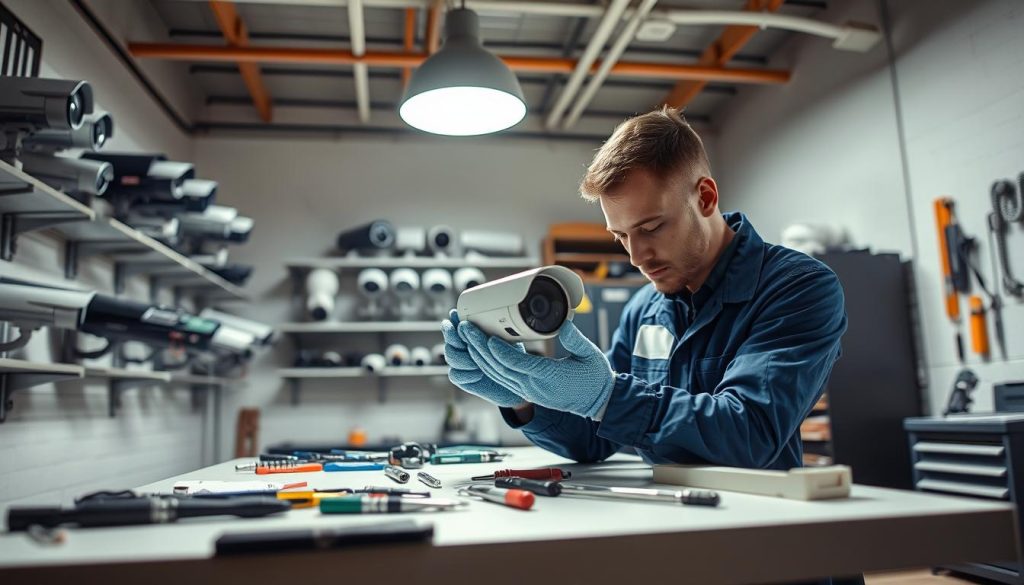
A malfunctioning security unit can leave you feeling exposed. For homes and businesses across Singapore, a reliable surveillance system is a non-negotiable layer of protection.
When a device stops working right, the immediate question is about fixing it. The choice between a professional fix and a full replacement is crucial. It impacts both your safety and your budget.
Many common problems with these units are, in fact, fixable. The decision often hinges on a few key factors. The age of your equipment, the type of damage, and local access to parts and skilled technicians all play a role.
This guide is designed to be your trusted resource. We provide clear, expert advice tailored for Singapore. You will learn how to diagnose issues, understand your options, and make a cost-effective choice to restore your peace of mind.
Key Takeaways
- Many surveillance system failures can be successfully repaired by a skilled technician.
- The decision to fix or replace depends on the device’s age, damage type, and repair cost.
- A functional security system is critical for safety in both residential and commercial settings in Singapore.
- Local expertise and part availability are key factors for a successful repair service.
- Basic troubleshooting can resolve some common problems before calling a professional.
- Regular maintenance extends the lifespan of your entire surveillance setup.
- Getting a professional assessment is the best first step toward a reliable solution.
Why Your CCTV System is a Critical Layer of Security
Think of a fully operational surveillance network as the most watchful guardian your home or business can have. It is far more than just hardware on a wall. This technology represents a foundational component of any comprehensive safety plan for properties across Singapore.
When every unit functions correctly, you create a powerful shield. This shield protects assets, deters unwanted activity, and provides crucial evidence.
The Role of Surveillance in Modern Crime Deterrence
The visible presence of monitoring devices acts as a strong psychological barrier. Potential intruders, vandals, and thieves often seek easy targets. A property with clear, well-maintained cameras signals that risks are high and the chance of being caught is greater.
Studies consistently support this preventive power. Urban areas with robust visual monitoring networks frequently report measurable drops in local crime rates. Criminals are less likely to act when they know they are being watched and recorded.
This deterrence effect makes your security system a proactive tool. It helps stop incidents before they occur, safeguarding your peace of mind and your investment.
From Evidence Collection to Remote Monitoring: Key Benefits
The advantages of modern CCTV systems extend well beyond simple deterrence. Their multifaceted features offer powerful solutions for response and verification.
High-quality video footage serves as admissible evidence. This is vital for filing accurate police reports and supporting insurance claims after an incident. Clear visual proof can be the deciding factor in investigations and financial recoveries.
Today’s surveillance systems also provide unparalleled convenience and control. With remote monitoring services, you can view live feeds from your smartphone or computer.
Homeowners can check on their families and property from the office. Business managers can oversee operations from anywhere in the world. This real-time access offers immediate awareness and the ability to act fast if something seems wrong.
These combined benefits highlight why maintaining every component is urgent. A malfunction is not a minor technical glitch. It is a direct vulnerability in your property’s protective layer that demands prompt attention.
Understanding How Your CCTV Camera Works
At its heart, every surveillance device operates on a simple yet elegant principle: converting light into information. This process involves several key components working together seamlessly. Knowing these basics helps you identify where problems might originate when your security camera malfunctions.
Core Components: Lenses, Sensors, and Recorders
The lens is the eye of your camera. It focuses light onto the image sensor inside the housing. Different lens types offer various fields of view, from wide-angle to telephoto.
The sensor, typically a CCD or CMOS chip, acts as the digital retina. It converts incoming light into electrical signals. Popular brands in Singapore, like Hikvision and WISENET, use advanced sensors for clear imaging.
The recorder is the brain of the operation. A Digital Video Recorder (DVR) processes signals from analog cameras. A Network Video Recorder (NVR) handles digital streams from IP cctv systems. Both store video footage on hard drives for playback.
The Signal Path: From Light Capture to Video Storage
Light first passes through the protective housing and lens. It then strikes the image sensor pixels. These pixels generate electrical charges proportional to light intensity.
The sensor’s processor converts these analog charges into digital data. This raw data contains the video information from the scene. The signal then travels via cable or network to the recorder.
In analog setups, coaxial cables carry the signal to a DVR. Modern IP cctv camera units send data over your network to an NVR. The recorder compresses, processes, and saves the footage.
Finally, the system stores this data locally or in the cloud. You can then access live feeds or review recordings remotely. Understanding this path clarifies where transmission failures might occur.
This foundational knowledge makes you an informed consumer. You can better describe issues to technicians in Singapore. You’ll also understand estimates for part replacements or solutions.
Is CCTV Camera Repairable? The Factors That Decide
The path to restoring your property’s security isn’t always a straight line between repair and replacement. A clear framework helps you evaluate your specific situation. Three core factors typically determine the best course of action for a faulty device.
Assessing the Age and Technological Obsolescence of Your Unit
Technology evolves rapidly. An older analog unit might still function, but fixing it could be a poor investment.
Modern IP cameras offer significant upgrades. These include 4K resolution, superior night vision, and intelligent analytics. Repairing an outdated model might cost nearly as much as a new, feature-rich device.
In many cases, replacement becomes the smarter upgrade. It future-proofs your surveillance system with better performance and reliability.
Nature of the Damage: Physical, Electrical, or Software-Based
Identifying the failure type is crucial. Each category has different implications for serviceability and cost.
- Physical Damage: This includes a cracked housing or a broken lens from impact. Fixes usually require direct part replacement. The complexity depends on the extent of the harm.
- Electrical Damage: A burnt circuit board from a power surge falls into this group. These issues can be complex. They often need expert diagnosis and precise component-level work.
- Software-Based Issues: Problems like corrupted firmware or configuration errors are often fully repairable. Technicians can frequently resolve these without any hardware swaps through resets or updates.
Software and minor physical faults are generally the most straightforward to address. Major electrical failures demand professional attention.
Availability of Replacement Parts and Technical Schematics
This is a practical reality, especially in Singapore. For popular brands like Hikvision or Axis, common parts are readily available. This makes the repair process efficient and often cost-effective.
The situation changes for discontinued or obscure brands. Sourcing a specific lens or sensor board can be impossible. It can also become prohibitively expensive, forcing a full replacement.
The modern “Right to Repair” movement also impacts serviceability. Newer, more integrated models are sometimes harder for independent technicians to fix. Manufacturers may restrict access to specialized parts and schematics.
Understanding this landscape gives you realistic expectations. It highlights why choosing mainstream brands often leads to better long-term support.
Your First Line of Defense: Basic Troubleshooting Steps
A surprising number of surveillance outages stem from minor, user-resolvable issues. Performing a few logical checks can save you time and money. This sequential guide helps you diagnose common problems before calling for help.
Follow these steps to identify simple failures. You might get your security feed back online quickly. Even if you need a pro, this process gives them accurate information.
Step 1: Verifying Power Supply and Cable Connections
Always start with the basics. A complete power loss is a frequent culprit. First, check if the device’s power adapter is firmly plugged in and its LED is lit.
Next, inspect all cables thoroughly. Look for cuts, chew marks from pests, or loose connectors. For analog units, ensure BNC connectors are tight. Network cables should click securely into their ports.
For a deeper check, use a multimeter on the power supply. A stable voltage is critical for performance. The reading should be between 11.4V and 12.6V DC for most models.
Step 2: Inspecting for Physical Damage and Environmental Issues
Conduct a careful visual inspection of each unit’s housing. Look for cracks, dents, or signs of impact. For dome-style devices, check for condensation or water droplets inside the glass.
Outdoor installations face harsh conditions. Examine the waterproofing seals around casing joints and cable entry points. Ensure mounting brackets are still secure and haven’t shifted.
Also, check for environmental obstacles. Overgrown foliage, new construction, or spider webs can obscure the lens. A simple cleaning might solve the problem.
Step 3: Rebooting the System and Checking Network Settings
When in doubt, reboot. Power cycling resets the internal software and clears glitches. Turn off the recorder and the affected device at the power source. Wait 60 seconds, then power them back on.
For IP cameras, network issues can cause a loss of feed. Verify the device’s IP address hasn’t changed. Make sure it is on the same network as your phone or computer.
Check the WiFi signal strength if applicable. Thick walls or long distances can weaken the connection. Sometimes, relocating your router or using a signal booster makes everything work well again.
When to Roll Up Your Sleeves: DIY Repair Scenarios
Some security system glitches are perfectly suited for a do-it-yourself approach with basic technical skills. Knowing where to draw the line between safe fixes and professional territory keeps your property secure. It also protects your equipment from accidental harm.
Simple maintenance tasks often resolve common problems. These things can restore your surveillance without expert help. Always assess the situation carefully before beginning any repair work.
Simple Fixes You Can Safely Attempt Yourself
Several straightforward solutions fall within a handy person’s capability. These low-risk actions address frequent issues with outdoor and indoor units.
Start with physical connections and hardware. Replace a standard surveillance power adapter if the original fails. Swap out a damaged section of coaxial or network cable between the device and recorder.
Cleaning is another effective DIY task. Use a microfiber cloth and lens cleaner to remove dust or spider webs. This simple step often dramatically improves image quality.
Secure any loose mounting brackets with the proper screws. Ensure the unit has a stable, vibration-free position. This prevents blurry footage from movement.
Software-based solutions are equally accessible. Perform a factory reset using the reset button on most modern devices. Update firmware through the manufacturer’s official website portal.
Re-add a unit to your recording software after network changes. This re-establishes the connection for remote viewing. These digital adjustments require no physical tools.
Essential Tools and Safety Precautions for DIY Enthusiasts
Proper preparation prevents accidents and equipment damage. Always prioritize safety when working with electrical components.
Make sure to disconnect all power before touching cables or connections. Use a voltage tester to confirm circuits are dead. Never work on ladders without a spotter present.
Consider an anti-static wrist strap when handling internal boards. Static electricity can destroy sensitive electronics instantly. This small investment protects your gear.
Assemble a basic toolkit for surveillance maintenance. Your collection should include these items:
- A digital multimeter for testing electrical values
- Precision screwdrivers in various sizes
- Network cable crimpers and connectors
- High-quality electrical tape for insulation
- A professional lens cleaning kit
Remember that incorrect camera repair attempts can void warranties. They might also cause further harm to your system. Complex internal failures need professional attention.
Successful DIY work gives your cameras extended life. It keeps your entire security setup functioning properly. Knowing your limits ensures everything continues to work well for years.
Knowing Your Limits: Problems That Demand a Professional
There comes a point where attempting to fix complex security equipment yourself becomes a risk rather than a solution. Recognizing this threshold protects your investment and ensures continuous protection. When basic troubleshooting fails, specialized repair services become essential.
Certain problems require tools and knowledge beyond typical DIY scope. A certified technician brings diagnostic equipment and genuine parts. Their expertise turns complex failures into reliable solutions.
Internal Component Failure and Complex Circuitry Issues
Modern surveillance devices contain sophisticated electronics. Component-level damage often needs micro-soldering and precise diagnostics. These things separate amateur attempts from professional camera repair.
Watch for specific symptoms indicating internal issues. Permanent colored lines or distorted images suggest a failed image sensor. Poor transition between day and night modes points to a faulty IR cut filter.
A unit that won’t turn on despite good external power often has mainboard damage. These intricate failures demand schematic analysis. Only experienced professionals should handle such delicate work.
Severe Water Damage, Corrosion, or Major Physical Impact
Outdoor installations face Singapore’s tropical climate. While housings are weatherproof, seal failure can occur. Prolonged moisture exposure leads to progressive corrosion on circuit boards.
A professional technician can assess whether cleaning and resealing will work. They determine if corrosion has reached critical components. Sometimes, the unit becomes a total loss despite appearance.
Major physical impact presents similar challenges. A cracked housing might seem simple. However, internal shock damage to lenses or sensors requires comprehensive evaluation. Proper assessment prevents future system failures.
Other scenarios definitely need expert services. Repairing motor and gear assemblies in PTZ units requires mechanical precision. Complex network infrastructure problems involving routers need IT expertise.
Data recovery from corrupted DVR or NVR hard drives is another specialist task. Professionals use proper tools to salvage crucial footage. These situations highlight why certified help is necessary rather than just convenient.
Your security system is too important for guesswork. Trusting complex repairs to qualified experts ensures your cameras and cctv systems function optimally. This approach maintains the integrity of your entire surveillance setup.
The Repair vs. Replacement Decision Matrix
A structured approach transforms the repair-or-replace dilemma from confusing to calculable. This framework helps you evaluate your options with logic rather than emotion.
Consider both immediate budget and long-term security needs. The right choice balances financial sense with reliable protection for your Singapore property.
Evaluating Repair Costs Against the Price of a New Camera
Always begin with a detailed professional quote. Compare this estimate directly to retail prices for comparable new equipment.
A general rule applies here. If repair exceeds 60-70% of replacement cost, buying new often makes more economic sense.
Factor in all potential costs. The quote should include labor, parts, and any diagnostic fees. Hidden charges can change the calculation dramatically.
Consider the age of your current security camera. Older units may need frequent future fixes. Investing in a new model could provide better long-term value.
Weighing Technological Upgrades Against Functional Repair
Modern surveillance technology advances rapidly. Simply restoring function might mean missing crucial new features.
Newer cameras offer significant improvements. These include 4K resolution versus older 1080p standards. Low-light performance and smart analytics have also evolved.
People and vehicle detection algorithms enhance security substantially. Improved cybersecurity protects your entire system from digital threats.
Sometimes, fixing an obsolete unit is a poor investment. You pay for repair but gain none of modern technology’s benefits. This leaves your property with outdated protection.
The Environmental and Financial Logic of Choosing Repair
Fixing makes strong sense in specific scenarios. It extends the lifecycle of relatively new, high-end equipment.
Choosing repair reduces electronic waste significantly. This sustainable approach aligns with environmental values many Singapore residents share.
You also avoid the setup time for new cctv systems. Reconfiguration and testing take hours that maintenance avoids.
A balanced decision respects both your wallet and our planet.
For common problems with newer models, professional services offer cost-effective solutions. This approach maintains your investment while ensuring reliability.
Explore your options with trusted local experts. Companies like Wenhong Communications provide assessments that clarify this critical choice for Singapore properties.
Budgeting for security system maintenance requires insight into Singapore’s repair market rates. Transparency about expenses manages expectations and prevents sticker shock.
This section demystifies the pricing structure for fixing surveillance equipment locally. You will learn what shapes the final bill for professional repair services.
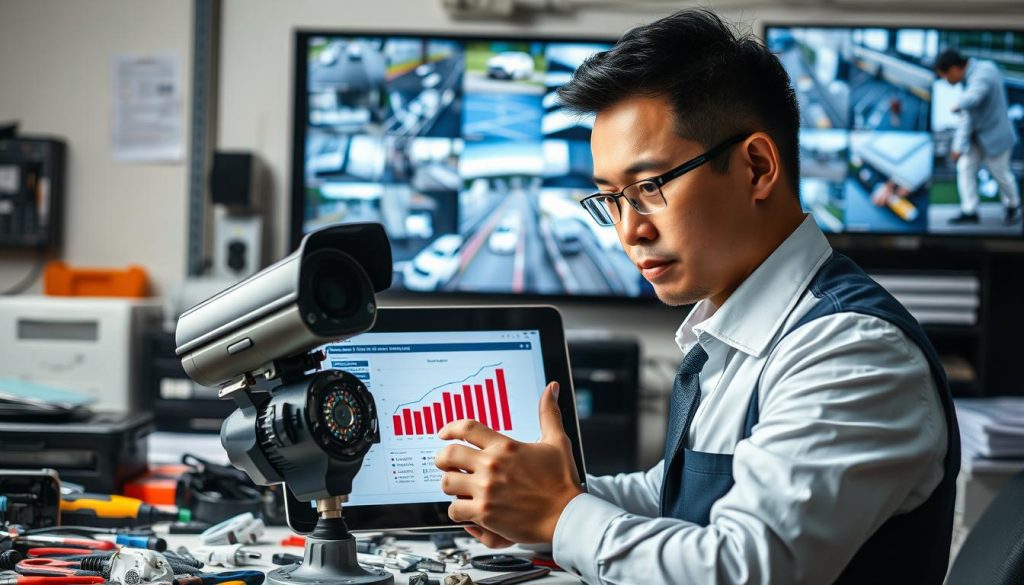
Evaluating Repair Costs: What to Expect in Singapore
Prices for fixing monitoring devices vary significantly. Simple fixes like cleaning a lens might cost between S$40 and S$150. Complex issues with zoom mechanisms or damaged lenses can run into hundreds of dollars.
Sometimes, fixing older units costs more than buying new ones. Understanding the breakdown helps you assess value.
Labor Charges and Diagnostic Fees from Service Centers
Most reputable companies charge a standard diagnostic fee. This typically ranges from S$50 to S$80 in Singapore.
The fee covers the technician’s time to identify the root cause of your system failure. Many providers waive this charge if you proceed with their recommended solutions.
Labor rates then apply per hour of hands-on work. Skilled professionals command higher rates for complex diagnostics and component-level repairs. Always ask for the hourly rate upfront.
Cost of Replacement Parts: Lenses, Sensors, and Housings
The price of components forms a major part of your bill. Genuine OEM parts from brands like Hikvision ensure compatibility and longevity.
They also cost more than generic alternatives. Here is a realistic price range for common replacements in the local market:
- Standard Varifocal Lens Module: S$80 – S$200+
- Replacement IR-cut Filter: S$30 – S$80
- New Weatherproof Housing: S$50 – S$150
- Power Supply Board: S$40 – S$120
Major components like image sensors are more expensive. Their costs can quickly make a repair uneconomical for older devices.
Understanding Quotations and Avoiding Hidden Fees
Always demand a written, itemized quote before work begins. A proper breakdown lists parts, labor, and any additional charges.
Look for transparency. Be wary of vague estimates or demands for full payment before diagnosis. These are red flags in the industry.
Ask about potential extra costs. These might include transportation fees or urgent service surcharges. A trustworthy provider discloses all fees openly.
Use this ballpark table to assess a quote’s fairness for common problems:
| Service Type | Estimated Cost Range (SGD) |
|---|---|
| Basic troubleshooting/connection fix | $80 – $150 |
| Sensor or lens replacement | $200 – $400+ |
| Mainboard repair | $300 – $500+ |
Remember, these are guide prices. The final amount depends on your specific cctv systems model and the damage extent.
Getting multiple quotes is wise. It helps you understand the market rate for your needed service. This knowledge empowers you to choose a provider offering fair value.
A detailed quote is your best defense against unexpected bills.
Armed with this information, you can approach repairs with confidence. You will know what things to look for and what questions to ask.
This ensures your security cameras and overall cctv camera setup receive proper care without financial surprises.
Finding a Trusted CCTV Repair Service in Singapore
Not all service providers offer the same level of quality when it comes to fixing monitoring devices. Selecting the right partner for this critical task demands careful evaluation.
Your property’s protection depends on reliable repair services. A poor fix can lead to recurring failures and security gaps.
This guide helps you navigate Singapore’s service landscape. You will learn to identify truly qualified professionals for your surveillance needs.
Key Credentials to Look For: Certifications and Brand Authorization
Professional credentials separate skilled technicians from general handymen. Manufacturer certifications are particularly valuable.
Look for centers with Hikvision Certified Engineers or similar qualifications. These prove deep knowledge of specific cctv systems architecture.
Brand authorization provides crucial advantages. Authorized partners get direct technical support from manufacturers.
They also access genuine firmware updates and original spare parts. This ensures compatibility and extends your equipment’s lifespan.
Industry body certifications add another layer of trust. They indicate adherence to professional standards and current best practices.
The Importance of Local Experience and Customer Testimonials
Singapore’s unique environment presents specific challenges. Humidity, tropical storms, and urban density affect installations differently.
A company with years of local operation understands these factors. They know common failure points in our climate and building types.
Always check independent customer feedback before committing. Google My Business reviews reveal real client experiences.
Singapore forums like HardwareZone offer unbiased discussions. Look for patterns in feedback about response times and work quality.
A strong track record with local commercial clients is especially telling. It shows capability with complex multi-camera setups.
Ask for case studies or references from similar properties. This provides concrete evidence of their problem-solving abilities.
Questions to Ask Before You Commit to a Service Provider
Prepare a checklist of essential questions for your initial consultation. Clear answers demonstrate professionalism and transparency.
Start with authorization status. Ask directly: “Are you an authorized service partner for my camera brand?”
Understand their diagnostic approach. Inquire: “What is your process for identifying the root cause, and is there a fee?”
Clarify warranty coverage. Request details: “Do you guarantee both replacement parts and labor, and for how long?”
Seek client references. Ask: “Can you provide contact information for two recent clients with similar issues?”
Discuss timelines realistically. Question: “What is your estimated turnaround time from diagnosis to completion?”
For complex security system failures, prioritize companies offering on-site assessment. Remote diagnosis has limitations with intricate network issues.
A technician visiting your property can evaluate cable runs, power sources, and environmental factors. This leads to more accurate diagnoses and effective solutions.
Thorough vetting today prevents headaches tomorrow.
Your surveillance equipment represents a significant investment. Entrusting its care to qualified professionals ensures continuous protection.
Take time to research and compare local services. The right partnership brings peace of mind and extends your system’s operational life.
Regular professional maintenance becomes easier with a trusted provider. They understand your specific setup and can anticipate potential issues.
What a Professional Repair Service Should Deliver
The true value of a repair service lies not just in fixing a problem, but in delivering a complete, reliable solution. Knowing what to expect separates a quality job from a temporary patch.
A trusted provider follows a rigorous process from start to finish. This ensures your surveillance equipment works well for the long term.
Comprehensive Diagnosis and Transparent Reporting
A skilled technician looks beyond the obvious symptom. They perform a full system health check to find the root cause.
This involves testing power lines, inspecting all cable connections, and assessing recorder functionality. The goal is to prevent the same issue from happening again soon.
You should receive a clear, written report before any work begins. This document outlines the fault found and the proposed fix.
It details all necessary parts and labor costs with no hidden fees. Transparent reporting builds trust and allows for informed consent.
Quality Parts and Workmanship Guarantees
Using genuine manufacturer parts is non-negotiable for a durable fix. Generic or “compatible” components often fail prematurely.
They can also void any remaining warranty on your original equipment. Insist on OEM parts for compatibility and performance.
A professional service stands behind its work with a written warranty. This should cover both the replaced parts and the labor performed.
Typical coverage periods range from 90 days to one full year. This guarantee protects your investment and provides peace of mind.
A strong warranty is the hallmark of a confident and reputable technician.
Post-Repair Testing and System Optimization
The job isn’t done when the unit is mounted back on the wall. A final verification phase is critical.
The technician should demonstrate the live feed from the repaired device. They must verify that recording functions properly on the DVR or NVR.
Testing should include checking night vision operation and ensuring remote access via your phone or computer works. They may also adjust settings for current lighting conditions.
Finally, a complete service report should be provided. This includes the initial fault, actions taken, and any recommendations for preventative maintenance.
Following these standards ensures your security system is restored to optimal health. It keeps your property protected and your surveillance working right.
Preventing Future Failures: Proactive CCTV Maintenance
The most effective way to handle equipment failures is to prevent them from happening in the first place through regular upkeep. A small, consistent investment in preventative care keeps your entire surveillance setup mission-ready.
This approach transforms your security from reactive to proactive. You address minor issues before they escalate into major disruptions.
Creating a Routine Inspection and Cleaning Schedule
Establish a quarterly maintenance schedule for your monitoring devices. This regular checkup catches wear and tear early.
Start with physical cleaning of all units. Use a microfiber cloth and proper lens cleaner to wipe away dust and grime. Remove spider webs and insect nests that can obscure the view.
Inspect all cable connections during each visit. Look for fraying, chew marks from pests, or loose terminations. Ensure mounting brackets remain tight and haven’t shifted from vibration or weather.
Verify the field of view remains unobstructed. Trim back any foliage that has grown into the camera’s line of sight. This simple step maintains optimal surveillance coverage.
Weatherproofing and Protecting Outdoor Camera Installations
Singapore’s tropical climate demands special attention for exterior units. Humidity, heavy rain, and intense sun can accelerate wear.
Always form drip loops in all cables leading into housings. This prevents water from traveling down the wire into sensitive connections. Check and replace silicone seals around housing joints annually.
Use waterproof junction boxes for cable splices and terminations. Consider installing sunshades to prevent overheating during peak daylight hours. These small additions significantly extend component life.
Digital maintenance is equally important for system health. Regularly log into your recording software to confirm all feeds are active.
Check hard drive health indicators and available storage space monthly. Update device passwords periodically to maintain strong cybersecurity. These digital habits prevent software-based issues.
Consistent care is the ultimate protection against unexpected security gaps.
Implementing this maintenance regimen delivers several key benefits. It extends the operational lifespan of your equipment significantly.
You also enjoy better image quality from clean lenses and proper alignment. Most importantly, you maintain continuous protection without disruptive failures.
Think of this routine as insurance for your security investment. The small time spent on upkeep pays dividends in reliability and peace of mind.
Ensuring Long-Term Performance and System Health
Maximizing the lifespan of your monitoring devices involves a commitment to regular checks and smart upgrades. A holistic approach combines quality installation with informed troubleshooting and professional services when needed.
Think of your security setup as a living investment. It needs periodic review as your needs evolve. Planning for phased enhancements, like adding analytics, keeps protection current.
Build a relationship with a trusted local provider for annual health checks. This proactive strategy catches small issues before they become big problems. It extends your entire system’s operational life.
You now have the knowledge to make smart decisions about repairs and replacements. Your surveillance investment can deliver reliable, lasting protection for your Singapore property.
Take action today if you need an assessment. Reach out to expert technicians who understand local conditions. Explore modern solutions that keep your property secure for years to come.