
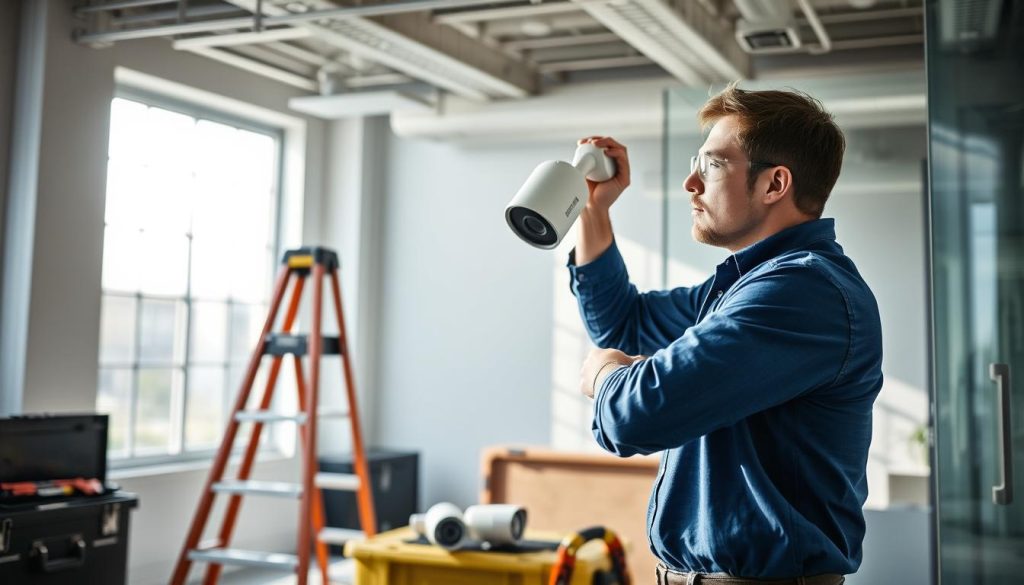
Effective property protection requires reliable security equipment. In Singapore’s dynamic environment, maintaining a vigilant watch over your premises is essential. Your surveillance system forms the first line of defense against potential threats.
A proactive approach to equipment maintenance is far more cost-effective than reacting to a failure. Waiting for a complete system breakdown can create dangerous security gaps. Regular assessment helps you stay ahead of potential issues.
Outdated technology may fail to capture usable footage when you need it most. Blurry images, poor night vision, and system glitches compromise your safety. These problems can leave you vulnerable during critical moments.
This guide explores clear signs that indicate an upgrade is necessary. We will examine physical deterioration, performance issues, and technological obsolescence. You’ll learn how to conduct a practical needs assessment for your property.
Key Takeaways
- Timely upgrades to your security equipment are crucial for maintaining protection.
- A proactive approach prevents security gaps and is more cost-effective than emergency replacements.
- Outdated systems often produce unreliable footage that may not serve as valid evidence.
- Technological advancements offer significant improvements in image quality and features.
- Regular assessment helps identify deterioration before complete system failure occurs.
- Modern systems provide better integration with other security and smart home devices.
- Delaying necessary replacements can lead to non-compliance with evolving security standards.
The Critical Role of CCTV in Modern Singapore Security
In Singapore’s urban landscape, surveillance systems form a critical layer of protection for both residences and commercial spaces. These security solutions are fundamental, not optional, for comprehensive property defense. Their visible presence alone creates a powerful psychological barrier against unlawful activity.
Potential offenders often seek easier targets without obvious monitoring. Well-placed cameras significantly reduce this appeal. This deterrent effect is a primary benefit of maintaining functional security infrastructure.
A startling statistic reveals a major flaw in many existing setups. Approximately 80% of CCTV footage submitted in court cases proves unhelpful. The main culprit is poor image quality that fails to capture identifiable details.
Modern surveillance technology directly addresses this evidential gap. High-resolution recording and enhanced night vision capture crucial details like facial features and license plates. This clarity transforms video from mere recording into compelling legal evidence.
Today’s advanced systems offer constant connectivity through remote monitoring. Property owners can view live feeds from smartphones or computers anywhere. This capability provides real-time awareness and immediate response potential.
These security tools integrate seamlessly with broader networks and smart home automation. They create a layered defense strategy rather than operating in isolation. Integration enhances overall protection through coordinated alerts and responses.
Reliable surveillance directly supports faster emergency response. Clear footage enables effective collaboration with law enforcement agencies. Officers can assess situations accurately before arriving, improving outcomes.
For Singaporean homes and businesses, robust monitoring is an investment in safety and legal preparedness. It ensures that if an incident occurs, the evidence collected will be of genuine value.
Understanding CCTV Camera Lifespan: What to Expect
Security system longevity varies significantly based on technology type and usage environment. Establishing realistic expectations helps with maintenance planning and budget allocation. This knowledge prevents unexpected failures that compromise property safety.
The average operational window for surveillance devices spans three to ten years. This broad range reflects different technologies and construction qualities. Cameras usually last within this spectrum, but specific factors determine exact duration.
Average Lifespan Ranges for Different Camera Types
Traditional analog systems demonstrate notable durability in many installations. These cameras often provide reliable service for five to ten years. Their simpler electronics contribute to this extended operational life.
Modern IP-based cameras incorporate sophisticated internal components. Advanced processors and sensors enable superior functionality. This complexity means IP cameras usually last between three and five years.
Build quality creates another important distinction. Residential-grade models serve adequately for typical home use. Commercial cameras are engineered for continuous operation and harsh conditions.
Industrial-grade devices from brands like Avigilon represent the durability standard. These professional systems are built with premium materials. Commercial cameras frequently remain functional for five to ten years.
Recording equipment follows a separate timeline from the cameras themselves. Network Video Recorders (NVRs) and Digital Video Recorders (DVRs) often operate effectively for extended periods. These units can function reliably for five to ten years, sometimes outlasting the cameras they support.
- Analog surveillance systems: 5-10 year typical service life
- IP-based network cameras: 3-5 year average operational window
- Commercial-grade equipment: 5-10 year durability expectation
- Recording hardware (NVR/DVR): Often lasts 5-10 years
Remember these figures represent general guidelines rather than guarantees. Actual performance depends on installation quality, environmental conditions, and maintenance practices. The next section explores specific factors that shorten or extend equipment life.
Understanding these timelines helps assess your current security setup. You can determine if devices operate within their expected window. This awareness supports proactive planning rather than reactive replacements.
From installation practices to local climate, numerous factors dictate how long cameras remain effective. A surveillance device’s operational window depends on how these elements interact over time.
Key Factors That Shorten or Extend Camera Life
Environmental conditions rank as the primary threat to equipment durability. Singapore’s tropical climate presents unique challenges with constant high humidity and temperature fluctuations.
Coastal areas add corrosive salt air to the mix. Dust accumulation also accelerates wear on moving parts and lenses.
Proper installation and protective housing create the first defense. Outdoor units require an IP65 rating or higher to withstand harsh weather. Enclosures shield delicate electronics from direct environmental exposure.
Usage patterns directly impact internal component stress. Cameras recording continuously experience more wear than motion-activated models. Pan-tilt-zoom mechanisms need extra care due to their mechanical complexity.
Manufacturing quality establishes the durability foundation. Brands like Axis and Hikvision use premium materials in commercial-grade equipment. These components are designed to last longer under demanding conditions.
Proactive cctv maintenance represents the key user-controlled factor. Regular checks help keep your system working in top shape. This routine attention ensures everything is working well and can last longer.
Technological obsolescence sometimes forces upgrades before physical failure. Older systems may lack compatibility with modern networks. This advancement mismatch can make replacement necessary even with functional hardware.
Visual Red Flags: Signs of Physical and Environmental Wear
Obvious physical defects on your surveillance units are clear indicators of potential failure. Regular visual checks form a critical part of any maintenance routine. Spotting these issues early can prevent a total system breakdown.
External wear often provides the first warning of deeper problems. This section outlines key defects to look for during an inspection. We begin with the most apparent signs of trouble.
Cracked Housings and Damaged Lenses
A cracked casing or a scratched lens is never just a cosmetic flaw. These defects represent a direct breach in the device’s environmental seal. Even a small fracture can have serious consequences.
Moisture and dust find their way inside through these openings. Singapore’s high humidity accelerates internal corrosion of electronic components. This process silently degrades the unit until it fails completely.
The lens is the eye of your security system. Any damage here directly compromises its core function. Scratches, fogginess, or cracks will cause persistent problems.
Footage becomes blurry, distorted, or partially obscured. This degradation in image quality makes identification impossible. The primary purpose of capturing clear evidence is defeated.
Such physical damage typically results from specific events. An impact, an act of vandalism, or stress from improper mounting are common causes. These issues rarely resolve themselves and tend to worsen over time.
While a housing crack might seem minor, it is a serious red flag. It signals that the device’s integrity is compromised. Professional assessment is strongly advised to determine if repair is viable or if replacement is necessary.
Inspecting your cameras for these flaws is a straightforward task. Look for spiderweb cracks, dents, or discoloration on the housing. Check the lens for any marks that weren’t there before.
Addressing these signs promptly protects your investment. It ensures your cameras continue to provide reliable surveillance. Ignoring them guarantees a shorter operational life and security vulnerabilities.
Visual Red Flags: Signs of Physical and Environmental Wear
Beyond obvious cracks, subtle environmental damage silently erodes a camera’s effectiveness. Dampness and heat work against internal components, causing malfunctions that are not always obvious. This environmental assault is a major factor for the security hardware life.
You’ll learn to spot the signs. These are the red flags that it’s time to consider a new system. Understanding what to look for helps you make a good choice. This is the first step. The new system will last longer. It will be a good decision. You will know what to watch for. The next step is a professional evaluation.
Corrosion and Weather-Related Deterioration
Singapore’s tropical climate accelerates aging of the hardware. Humidity and heat are constant. These elements create a harsh environment. This environment attacks metal and electronic parts. It wears them down over time.
systems last when protected from the elements. A well-maintained system works better. It keeps your property secure. This is the first step.
Visual Red Flags: Signs of Physical and Environmental Wear
Internal component degradation manifests through distinctive visual artifacts in your video feed. These issues are not always visible on the camera’s exterior. They reveal themselves in the quality and consistency of the recorded footage.
Faded Image Sensors and Internal Component Failure
A “faded” image sensor produces noticeable problems with color and clarity. Colors may appear washed out or unnaturally tinted. White balance becomes inconsistent, shifting throughout the day.
Even with a perfectly clean lens, footage retains a persistent haze or graininess. This degradation is not a simple cleaning issue. It points directly to the sensor’s declining performance.
Strange lines across the screen are another clear warning sign. Vertical or horizontal bars may appear and disappear randomly. Flickering images or sudden color spots also indicate electronic trouble.
These symptoms often mean the cctv camera‘s internal electronics are failing. The core components that process visual data reach their operational limits. This equipment failure is typically irreversible through basic maintenance.
Cleaning the lens or resetting the system won’t fix these fundamental issues. The problem resides in the camera’s electronic heart. Once these components begin to fail, the entire unit’s reliability is compromised.
Persistent, unexplained image degradation is a strong indicator of systemic failure. When colors fade and artifacts appear consistently, the security camera is likely approaching end-of-life. This equipment has served its purpose and needs evaluation.
The key takeaway is straightforward. Visual distortions that resist simple fixes signal internal trouble. Your cctv camera‘s core systems may be failing, requiring professional assessment.
Performance Issues: Operational Signs of a Failing System
Technical glitches and intermittent failures undermine the fundamental purpose of security monitoring. These operational problems often signal deeper hardware or software degradation within your equipment.
Unlike visible physical damage, performance issues can be subtle yet devastating. They erode trust in your protective measures and create unpredictable vulnerabilities.
Persistent Connectivity Drops and Unstable Feeds
Consistent connection problems are a major red flag for aging equipment. A camera that frequently disconnects from the network fails its primary duty. This instability disrupts the continuous coverage essential for proper surveillance.
These issues manifest in several frustrating ways. Units may go offline randomly, requiring constant manual rebooting. Live video feeds can become laggy or delayed, making real-time response impossible.
The security implications are severe. An offline device provides zero surveillance, creating a dangerous blind spot. This gap might occur exactly during a critical moment when monitoring is needed most.
Unstable links also compromise alert functionality. Motion detection alerts may arrive minutes after an event or not at all. This delay defeats the proactive nature of modern security setups.
Diagnosing the root cause requires systematic checking. Begin by examining your network infrastructure—routers, switches, and cables. Ensure they meet current standards and haven’t become bottlenecks.
If network components check out, the problem likely resides in the camera itself. Failing internal network cards or outdated Wi-Fi modules are common culprits. Older devices often struggle with modern network protocols and security requirements.
Isolated issues affecting just one aging unit strongly point to hardware failure. When a single camera consistently drops out while others remain stable, replacement becomes the practical solution. Continuing to rely on such unreliable equipment risks your entire security posture.
Persistent connectivity problems represent more than mere inconvenience. They indicate that a device can no longer perform its core function reliably. Addressing these signs promptly ensures your surveillance system maintains its protective value.
Nothing undermines security confidence faster than discovering your surveillance system failed to record a critical event. This operational failure represents a complete breakdown of the equipment’s core purpose. Unlike visible damage, these issues often remain hidden until an incident reveals the gap.
Frequent Recording Failures and System Crashes
A camera that appears online but captures no usable evidence creates dangerous false assurance. The unit might show a live feed while its recording function silently fails. Random system crashes or unexpected reboots compound this problem significantly.
These failures typically stem from internal hardware or software degradation. Corrupted firmware can disrupt the recording process entirely. Failing storage drives in the recorder lose data instead of saving it properly.
Older systems struggle when overloaded with data from modern high-resolution cameras. The processor cannot handle simultaneous streams efficiently. This bottleneck causes the entire network to freeze or restart without warning.
The consequence is catastrophic evidential loss. Critical footage from an incident simply doesn’t exist in the archive. Your security investment provides zero legal protection at the most crucial moment.
Unexpected restarts often indicate deeper power supply or motherboard issues. These components are reaching their operational limits. Continuing to rely on such unstable equipment invites complete system failure.
Recurring recording problems are a major red flag. They signal that core functionality is compromised beyond simple fixes. A full review of your surveillance infrastructure becomes essential at this stage.
Modern systems include diagnostic tools that log these failures. Checking these logs reveals patterns before total collapse occurs. This proactive approach helps avoid the worst-case scenario of missing cctv footage.
Performance Issues: Operational Signs of a Failing System
Compatibility issues often render otherwise functional cameras obsolete in today’s connected security landscape. A device might power on and capture video but fail to integrate with essential modern platforms. This digital isolation creates invisible vulnerabilities that physical inspections cannot detect.
Incompatibility with Modern Networks and Software
Legacy equipment struggles with contemporary network demands. High-definition video streams require substantial bandwidth that older systems cannot handle. This bottleneck causes constant buffering or complete connection failures.
Integration problems prevent connection with smart home ecosystems. Your aging security device might not communicate with a new video management system. Mobile application support becomes limited or unavailable for outdated models.
Cloud integration platforms often reject outdated firmware versions. This locks you out of remote access and automated backups. The system becomes an isolated island in your connected property.
Using obsolete firmware creates serious cybersecurity risks. Manufacturers stop providing security patches for aging products. This leaves your entire network vulnerable to modern digital threats.
The inability to use advanced features represents a critical shortcoming. Modern security standards include AI analytics and encrypted data transmission. Legacy cameras cannot provide these essential protections.
Sometimes a unit needs upgrading not because it’s broken. The issue is its inability to work securely within current technological ecosystems. This performance failure compromises your overall security posture.
Contemporary surveillance technology offers seamless integration with other systems. Modern platforms ensure all components communicate effectively. This coordination creates a unified defensive network for your property.
When Should I Replace My CCTV Camera? The Core Question
The transition from functional monitoring to inadequate surveillance often begins with subtle visual degradation. All previous warning signs converge on one fundamental issue. This problem directly answers the central question about equipment renewal.
Recognizing definitive failure points requires moving beyond simple troubleshooting. It involves assessing whether the system still meets its primary purpose. The evidence often appears in the recorded footage itself.
Deteriorating Image Quality That Compromises Security
Blurry, pixelated video transforms a security device into a psychological prop. The unit may still deter casual observers through its visible presence. However, it provides zero evidential value during actual incidents.
This situation creates dangerous false confidence. Property owners believe their premises remain protected. The reality involves significant vulnerability due to unusable recordings.
Critical identification becomes impossible with poor image quality. Faces appear as indistinct blurs rather than recognizable features. License plates and other details dissolve into digital noise.
This failure directly connects to the earlier statistic about court evidence. Approximately 80% of submitted footage proves unhelpful precisely due to these issues. The system’s output cannot support legal proceedings or insurance claims.
Modern security demands clear visual documentation. Surveillance must capture identifiable characteristics and specific actions. Anything less fails basic security needs for any property.
Routine cleaning might resolve minor lens smudges. Persistent clarity problems indicate deeper component failure. The image sensor or processing electronics likely reached their operational limits.
Consider this practical test for your current setup. Can you clearly identify a person’s face from ten meters away? Does nighttime footage show distinguishable features rather than dark shadows?
If basic maintenance doesn’t restore visual fidelity, the equipment requires evaluation. Continuing with degraded surveillance creates unacceptable risk. The device no longer fulfills its essential protective function.
A professional assessment determines whether repair offers temporary relief. Often, technological advancement makes replacement the wiser long-term investment. Newer systems provide dramatically better visual performance.
For comprehensive guidance on evaluating your surveillance equipment, review this detailed resource on CCTV camera replacement considerations. Understanding all factors helps make informed decisions about your property’s protection.
The conclusion remains straightforward. When footage cannot serve as valid evidence, the system fails its core purpose. Upgrading becomes necessary to restore genuine security value to your monitoring efforts.
When Should I Replace My CCTV Camera? The Core Question
The economics of surveillance maintenance reveal clear tipping points for equipment renewal. Financial analysis provides objective guidance beyond visible wear or performance issues. This approach helps identify the right time for strategic upgrades.
When Repair Costs Outweigh the Value of Replacement
A simple cost-benefit framework clarifies the decision. Compare repair expenses against new equipment investment. If fixing an old unit costs 50-60% of a modern model’s price, replacement becomes smarter.
This calculation includes both parts and professional labor. Older systems often need pricier, harder-to-find components. Labor costs accumulate with each repeated service call.
Technological advancement shifts this balance dramatically. Newer models offer superior features at competitive prices. Investing in current technology delivers better long-term value.
The sunk cost fallacy traps many property owners. They continue pouring money into obsolete systems because of past investments. This emotional attachment overlooks future savings and improved security.
Hidden expenses make old equipment more costly over time. Outdated units typically consume more energy. They lack modern power-efficient designs and components.
Cybersecurity vulnerabilities represent another hidden risk. Manufacturers stop providing security patches for discontinued products. This exposes your network to potential digital threats.
Missing features create operational inefficiencies. Modern analytics and remote access capabilities save time and resources. Older systems cannot integrate with current smart platforms.
Regular updates to your security infrastructure prevent these cumulative costs. Proactive renewal avoids emergency replacements during failures. It maintains consistent protection without unexpected expenses.
Consider the total cost of ownership across the equipment’s lifespan. New models come with comprehensive warranties and reliable performance. They reduce maintenance frequency and associated costs.
Replacement represents an investment in future-proofing. Modern systems adapt to evolving security requirements. They provide scalability for property expansions or layout changes.
Financial planning should include these technological updates. Budgeting for periodic renewal ensures continuous, effective surveillance. This approach transforms security from an expense into a value-driven asset.
When Should I Replace My CCTV Camera? The Core Question
The most dangerous flaw in any security setup is not a broken camera, but a gap in its watchful eye. Unreliable coverage silently undermines the entire purpose of monitoring. These vulnerabilities often go unnoticed until an incident reveals the weakness.
Addressing these gaps is a fundamental security need. It ensures your surveillance net remains intact and functional.
Security Gaps Created by Unreliable Coverage
A camera that is frequently offline creates a predictable blind spot. Fixed lenses with limited fields of view may miss crucial activity at the edges. These limitations turn a protective measure into a decorative fixture.
This situation fosters a dangerous false sense of safety. You believe an area is under constant surveillance. The reality is intermittent or non-existent monitoring.
Think of your security system as a digital net surrounding your property. Any hole, whether from faulty hardware or poor placement, compromises the whole structure. One weak point can be exploited to bypass all other defenses.
Older units often contribute to these coverage problems. Their technology cannot adapt to new layouts or expanded areas. They leave sections of your premises unprotected.
The recommendation is clear. Consider replacing devices that create these vulnerabilities. A broader system redesign might be necessary for comprehensive protection.
This approach ensures reliable monitoring for all homes and businesses. It closes the gaps that outdated or failing equipment creates. Your property deserves a complete security blanket, not one full of holes.
Proactive assessment identifies these weaknesses before they are tested. It transforms your surveillance from a hopeful gesture into a guaranteed shield.
The Impact of Technological Obsolescence
One of the most compelling reasons for an upgrade stems from remarkable advancements in video clarity. Technology has not just improved—it has redefined what surveillance can achieve.
This shift moves the conversation from system failure to opportunity. Modern features transform basic recording into intelligent, proactive security.
From Standard Definition to 4K Clarity: The Resolution Gap
The evolution of image resolution is a quantum leap for monitoring. Remember the grainy, blurry footage from older analog systems? That was the standard just a decade ago.
High-definition 1080p video brought a significant clarity improvement. It made facial recognition and detail capture more reliable. Yet, the industry has moved far beyond that.
Today’s 4K Ultra-HD cameras deliver over 8 million pixels per frame. This crystal-clear imaging captures crucial identification details from greater distances. A license plate or a face is no longer a blurry smudge.
This isn’t about having “nicer” video. It’s a fundamental enhancement of your system’s core capability. The primary purpose is to provide actionable evidence and strong deterrence.
- Standard Definition (SD): Produced vague, often unusable footage with limited detail.
- High Definition (1080p): Marked a major step up, offering clear images for basic identification.
- 4K Ultra-HD (8MP+): Delivers forensic-level detail, capturing specific features and text with precision.
Continuing to use very low-resolution cameras is a conscious choice. It means accepting a lower standard of security for your property. Affordable high-definition options are now the norm.
Modern systems work better because they see better. This clarity extends to digital features like enhanced cloud storage. Ample storage capacity ensures all high-resolution footage is retained securely.
Upgrading resolution closes the evidential gap discussed earlier. It ensures your footage will be the helpful 20%, not the useless 80%, if ever needed.
The Impact of Technological Obsolescence
The true gap between old and new surveillance systems lies not in their cameras, but in their intelligence. Legacy equipment records events passively, waiting for human review. Modern platforms analyze scenes actively, identifying threats in real time.
This intelligence transforms security from reactive documentation to proactive prevention. It represents the most significant advancement in protection methodology. Understanding these capabilities reveals what outdated systems cannot provide.
Missing Smart Features: AI Analytics and Cloud Storage
Artificial intelligence has revolutionized monitoring effectiveness. Basic motion detection often triggers countless false alarms from leaves or shadows. Modern analytics distinguish between a person, a vehicle, and a stray animal with impressive accuracy.
These smart capabilities include perimeter intrusion detection and loitering alerts. The system can identify suspicious behavior patterns automatically. Facial recognition technology, where compliant with Singapore’s regulations, identifies known individuals.
This transforms a passive recording device into an active security tool. Instead of reviewing hours of footage after an incident, you receive instant notifications. The system highlights only relevant activity that requires attention.
Cloud storage represents another critical modern feature. It provides unlimited capacity without physical hardware limits. Footage receives off-site backup protection from on-site theft or damage.
Remote accessibility allows viewing from any internet-connected device. Scalable storage plans adapt to changing needs over time. This eliminates concerns about local recorder failures or capacity issues.
The absence of these features creates a significant functional deficit. Older systems lack the intelligence to filter out irrelevant activity. They cannot provide the proactive alerts that modern threats demand.
Contemporary cctv solutions integrate these smart capabilities seamlessly. They offer comprehensive solutions for today’s security challenges. This represents the cutting edge of surveillance technology available in Singapore.
Property owners with legacy equipment miss these operational advantages. Their systems record everything but understand nothing. Upgrading closes this intelligence gap permanently.
The Impact of Technological Obsolescence
The cybersecurity gap between legacy and contemporary surveillance technology represents a critical vulnerability. Physical wear and performance issues are visible problems with clear solutions. Digital security flaws in outdated equipment create invisible risks that are far more dangerous.
These hidden weaknesses transform protective devices into potential liabilities. A surveillance unit might appear fully functional while harboring serious security gaps. The digital door it supposedly guards could already be unlocked from the inside.
Lacking Cybersecurity Protections for Modern Threats
Legacy surveillance equipment often operates with outdated security protocols. Many older cameras and recorders use weak or no encryption for data transmission. This leaves video feeds vulnerable to interception and manipulation.
These devices become easy targets for cyber attackers. Hackers can exploit known, unpatched vulnerabilities in obsolete firmware. Once inside, they may access not just the camera feed but the entire network.
A compromised surveillance system risks more than just privacy invasion. It can serve as a gateway to sensitive personal or business data. The entire digital infrastructure becomes exposed through this single weak point.
Manufacturer support for security patches typically ends for older product lines. Without regular updates, vulnerabilities remain open indefinitely. This creates a permanent security hole that cannot be sealed through conventional maintenance.
Contemporary modern systems incorporate advanced encryption and security features. They are designed to withstand sophisticated digital threats. These protections are built into the hardware and software from the ground up.
Using end-of-life equipment with poor cybersecurity is economically shortsighted. The perceived savings from delaying upgrades vanish when facing a security breach. Recovery costs and reputational damage far exceed new equipment investment.
Think of digital security as an essential layer of modern property protection. Your surveillance system should defend against both physical and virtual threats. Outdated technology fails this fundamental requirement completely.
Proactive replacement closes these digital vulnerabilities permanently. It ensures your security infrastructure meets current protection standards. This forward-thinking approach safeguards both property and data effectively.
Conducting a Thorough Security Needs Assessment
A systematic evaluation of your surveillance coverage transforms uncertainty into actionable security intelligence. This process moves beyond checking if devices power on. It examines whether they still meet your property’s specific protection requirements.
Begin with a physical walk-around of your premises. Map each unit’s field of view using simple diagrams or notes. Identify areas where monitoring appears insufficient or completely absent.
Evaluating Your Current Coverage and Blind Spots
Common blind spots often develop over time. Side gates, rear windows, and delivery zones frequently lack proper observation. These areas become attractive targets for unauthorized access.
Property expansions create new vulnerable sections. A new shed, extended driveway, or renovated entrance may now fall outside your coverage. The original installation plan no longer matches your current layout.
Landscaping growth presents another challenge. Bushes and trees that were small during installation can now block critical views. What was once a clear line of sight may now be obscured by foliage.
Review archived footage from past incidents, if available. Analyze whether the recording captured all necessary angles and details. This forensic approach reveals practical shortcomings in your setup.
Consider these practical assessment steps:
- Walk the perimeter at different times to check for shadowed areas
- Test visibility during both day and night conditions
- Note any structures added since the original installation
- Check for seasonal changes that affect camera views
Regular checks of your surveillance footprint prevent coverage degradation. These inspections ensure all cameras continue serving their intended purpose. A proactive approach addresses issues before they become security failures.
The assessment should document specific coverage gaps. Create a simple list showing what each device monitors and what it misses. This concrete analysis replaces vague concerns about system age.
Modern threats require adaptive monitoring strategies. Your evaluation must consider both current vulnerabilities and future risks. This comprehensive view informs intelligent upgrade decisions.
Understanding your exact security needs is the foundation of effective protection. The assessment clarifies whether existing equipment still meets those requirements. It provides objective data to guide your next steps.
All surveillance systems require periodic reevaluation. Changes in property use, neighborhood dynamics, and threat patterns necessitate adjustments. Your cameras must evolve alongside these shifting conditions.
Conducting a Thorough Security Needs Assessment
1.
Conducting a Thorough Security Needs Assessment
Major changes to your premises demand a fresh look at surveillance coverage. Your security setup must evolve alongside physical alterations to maintain effective protection.
This ongoing evaluation ensures monitoring aligns with current layouts and usage patterns.
Planning for Property Expansions or Layout Changes
Structural modifications create new security challenges. Renovations, warehouse extensions, or converting a room into a home office alter risk profiles.
These life events are ideal moments to integrate surveillance upgrades into broader projects. Combining installations with construction work simplifies the process.
Coordinating security updates with renovations offers practical advantages. Electricians can run conduit for additional cables before walls are finished.
Network infrastructure can be designed to support more high-resolution units from the start. This approach often reduces overall installation costs.
Future-proofing becomes a key consideration during planning. Anticipate potential growth or further layout adjustments down the line.
Installing slightly more capacity than currently needed provides flexibility. It prevents the common scenario of retrofitting security into finished spaces.
Retrofitting is often more complex and expensive. It may require disruptive drilling or visible cable runs that spoil aesthetics.
Proactive planning avoids these complications entirely. Your security system grows seamlessly with your property.
Consider both immediate and long-term surveillance needs. Will you add outdoor lighting that affects camera placement?
Could future landscaping block critical sightlines? Addressing these questions during planning creates a robust solution.
For guidance on determining optimal coverage, review this resource on how many CCTV cameras you should.
It helps calculate requirements based on your specific layout and security objectives.
This strategic approach benefits all homes and businesses. It transforms security from an afterthought into an integrated component of your property development.
Your surveillance system becomes part of the infrastructure, not just an add-on.
Weighing the Decision: Repairing vs. Replacing Your Cameras
The repair-or-replace dilemma demands careful calculation beyond initial sticker shock. This financial crossroads requires objective analysis of both immediate costs and long-term value. A structured framework helps property owners make informed choices about their security investments.
Cost-Benefit Analysis of an Immediate Repair
Professional service calls involve more than just component prices. Labor charges from certified technicians add substantially to the total bill. These hidden expenses often surprise owners of aging surveillance technology.
Begin your assessment with these critical questions. Is the issue a simple loose connection or a complex internal failure? What is the actual age of the malfunctioning unit?
Availability of original parts presents another challenge. Manufacturers discontinue support for older product lines. Sourcing compatible components becomes difficult and expensive over time.
Cameras usually reach a point where continued fixes make little financial sense. The right time to upgrade becomes clear when repair quotes approach new equipment costs. This threshold typically falls around 50-60% of a modern replacement’s price.
Obtain a detailed written estimate from a reputable security provider. A company like Wen Hong provides transparent breakdowns of parts and labor. Compare this figure directly against current market prices for new technology.
Consider the likelihood of recurring problems with aged equipment. Fixing one component often leads to another failure soon after. This domino effect turns minor repairs into continuous money drains.
Modern surveillance units offer dramatically improved features. They provide better image quality, smarter analytics, and stronger cybersecurity. These advancements deliver genuine value beyond basic functionality.
High-quality newer models represent a smarter short-term fix. They have more operational life remaining and use current technology standards. Obsolete systems, however, become financial black holes with each service visit.
Security hardware does not usually last forever. All electronic equipment has a finite operational lifespan. Recognizing this reality prevents emotional attachment to failing gear.
The analysis should include potential business disruption costs. How long will the repair take? What security gaps exist during the service period? These factors influence the true total expense.
A comprehensive view examines both dollars and protection value. Sometimes paying more upfront for replacement saves money over the next three years. This long-term perspective guides smarter security spending.
Weighing the Decision: Repairing vs. Replacing Your Cameras
Contemporary monitoring systems provide operational benefits that outdated technology simply cannot match. Beyond fixing what’s broken, modern solutions deliver ongoing advantages that improve security and reduce costs.
This value proposition makes replacement a strategic investment rather than an expense.
The Long-Term Value of Investing in New Technology
New surveillance equipment brings tangible financial and operational returns. The initial cost is balanced by years of reliable service and reduced maintenance needs.
Modern units work better from day one with fewer technical issues. This reliability translates directly into peace of mind for property owners.
Energy efficiency represents a measurable benefit. Current systems can provide 30-40% better power consumption compared to older models.
This reduction lowers monthly utility bills across multiple units. The savings accumulate significantly over the equipment’s lifespan.
Advanced features create operational efficiencies that save time and resources. Smart search functions help locate specific events in recordings quickly.
Intelligent analytics filter out false alarms from weather or animals. These capabilities reduce the hours spent reviewing footage manually.
A new multi-year warranty protects your investment from unexpected failures. Manufacturers typically offer comprehensive coverage for three to five years.
This protection eliminates repair costs during the critical early period. It ensures consistent performance when you need it most.
Modern surveillance technology isn’t just newer—it’s fundamentally more capable and cost-effective over its entire service life.
Businesses gain additional advantages from enhanced capabilities. Retailers can monitor customer flow patterns to optimize layouts.
Warehouses track inventory movement with greater accuracy. These insights support better operational decisions beyond security.
High-quality components in new systems are designed to last longer under demanding conditions. They withstand Singapore’s climate better than aging equipment.
This durability means fewer service interruptions and consistent coverage. Your security infrastructure remains robust for extended periods.
The total value extends beyond the purchase price. Consider reduced energy bills, lower maintenance costs, and improved security outcomes.
These factors make replacement an investment that pays dividends in protection and savings. New technology will last longer while delivering superior performance.
Weighing the Decision: Repairing vs. Replacing Your Cameras
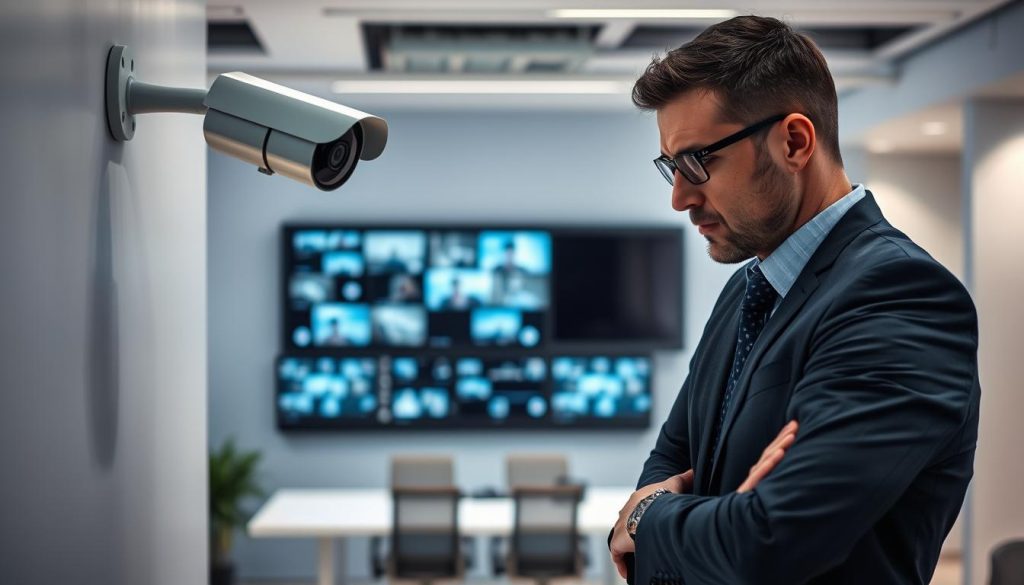
A professional evaluation can cut through the uncertainty of a failing surveillance system. This expert insight is often the missing piece for a confident upgrade decision.
Data shows these evaluations identify 47% more vulnerabilities than self-conducted checks. Experienced providers possess a trained eye for subtle weaknesses.
When a Professional Assessment is Non-Negotiable
Seek expert advice when the choice between repair and replacement is unclear. A certified technician performs diagnostics that are difficult for a layperson.
They can pinpoint if the fault lies with a single security camera, the wiring, the recorder, or the power supply. This accurate diagnosis prevents wasted money on incorrect fixes.
Professionals also assess the system’s cybersecurity posture and compliance with local Singapore regulations. These are critical factors often overlooked in a DIY review.
Companies like Wen Hong offer specialized assessment services. Their expertise transforms a confusing situation into a clear action plan.
A comprehensive professional review delivers several key benefits:
- Phased Upgrade Plans: Providers can create a roadmap that aligns replacements with your budget.
- Seamless Integration: They ensure all new components work perfectly with any existing equipment.
- Future-Proofing: Recommendations consider not just current needs, but also upcoming technological trends.
For complex systems or significant investments, this assessment is a small, crucial cost. It prevents expensive mistakes and ensures your security spending delivers maximum value.
Trusted cctv solutions providers turn assessment data into actionable solutions. This professional guidance is the smartest first step toward reliable protection.
Understanding the Optimal Replacement Timeline in Singapore
The tropical climate and regulatory environment in Singapore directly influence optimal replacement schedules for monitoring equipment. Local conditions create specific challenges that affect how long security hardware remains effective.
Strategic planning for equipment renewal must account for these unique factors. This approach ensures reliable protection while maintaining compliance with evolving standards.
Aligning Upgrades with Singapore’s Climate and Regulations
Singapore’s weather demands robust equipment specifications from the start. Constant high humidity and heavy rainfall accelerate wear on electronic components.
Outdoor units require strong protection against moisture intrusion. Choosing devices with a high IP rating becomes essential for long-term performance.
Look for IP66 or IP67 ratings for exterior installations. These certifications guarantee resistance against powerful water jets and temporary immersion.
Such protection ensures equipment survives the intense monsoon seasons. It prevents internal corrosion that silently degrades functionality over time.
The regulatory landscape adds another layer of consideration. Singapore’s framework includes specific rules about camera placement and data handling.
Recent HDB approvals simplify certain installations. Corridor-facing units no longer need special permission in many cases.
Privacy remains a paramount concern under these guidelines. Cameras must not infringe on neighbors’ private spaces or common areas improperly.
Businesses face additional requirements under the PDPA. Personal Data Protection Act rules govern footage collection, storage, and usage.
Data retention policies dictate how long recordings must remain accessible. These timelines vary based on the nature of the business and security needs.
Upgrading equipment presents an opportunity to review compliance. New installations can be designed to meet all current legal standards from day one.
Proactive cctv maintenance adapts to Singapore’s seasonal patterns. Schedule inspections before and after the monsoon periods.
These regular checks catch weather-related damage early. They identify issues like seal degradation or lens fogging before complete failure occurs.
Equipment that has served well for many last years may need evaluation before the next rainy season. Preventive replacement avoids emergency repairs during stormy weather.
Consider these practical steps for Singapore-based systems:
- Verify IP ratings match your installation environment’s exposure level
- Document camera angles to demonstrate compliance with privacy guidelines
- Establish clear data retention schedules that meet regulatory requirements
- Create inspection checklists focused on humidity and water damage signs
Climate-conscious planning extends equipment lifespan significantly. Regulatory awareness prevents costly compliance issues down the line.
Together, these factors create a clear framework for timing upgrades. Your security system remains both physically resilient and legally sound.
Understanding the Optimal Replacement Timeline in Singapore
Optimal installation scheduling balances security needs with minimal property disruption. This tactical approach transforms a necessary upgrade into a seamless transition. Careful planning prevents the security gaps that often occur during equipment changes.
Choosing the right time involves analyzing daily patterns and seasonal factors. The goal is maintaining protection throughout the entire process. This strategy applies equally to both residential and commercial properties.
Strategic Timing for Minimal Business or Home Disruption
Commercial operations benefit from scheduling upgrades during low-activity periods. Long weekends or public holidays offer extended windows for installation work. After-hours installations prevent interference with daily customer traffic.
Slow business seasons provide ideal opportunities for comprehensive refreshes. Retailers might schedule work during non-peak shopping months. This minimizes impact on revenue while enhancing security infrastructure.
For homes businesses, coordination with family schedules is essential. Vacation periods allow installers to work without disturbing daily routines. Planned home improvement projects create natural opportunities for integrated security updates.
Temporary monitoring solutions can bridge brief coverage gaps. Portable wireless units offer short-term surveillance during the transition. These measures ensure continuous protection throughout the upgrade process.
Phased implementation maintains partial coverage while spreading costs over time. Replace the most critical or failed units first to address immediate vulnerabilities.
A staggered approach keeps most cameras operational during the transition. This method is particularly useful for larger properties with multiple units. It allows budget allocation across several months or quarters.
Consider these practical scheduling strategies:
- Businesses: Schedule during long weekends, after closing hours, or seasonal lulls
- Homeowners: Coordinate with vacations, planned renovations, or family trips
- All Properties: Implement phased replacements starting with high-priority areas
- Critical Timing: Avoid periods of historically higher security risks in your area
Effective coordination with installation professionals ensures smooth execution. Clear communication about timelines and access requirements prevents delays. Professional teams can often complete work faster with proper planning.
The entire system upgrade should minimize the window of reduced coverage. Well-planned transitions maintain security integrity throughout the process. This careful timing protects your investment in new surveillance technology.
Your security system deserves a thoughtful refresh schedule. Proper timing prevents the vulnerabilities that rushed installations can create. The result is enhanced protection without operational disruption.
Planning transforms a necessary upgrade into a strategic improvement. Your property gains modern surveillance capabilities seamlessly. This approach represents smart security management for any Singapore property.
Proactive Maintenance to Maximize Your Camera’s Lifespan
A consistent maintenance routine forms the backbone of any reliable surveillance setup. This proactive approach prevents small problems from escalating into complete system failures. It represents smart management of your security investment.
Essential Routine Checks for Homeowners and Businesses
Simple tasks performed regularly keep your equipment in top condition. These actions require minimal time but deliver significant protective benefits. Both residential and commercial properties benefit from this disciplined approach.
Begin with careful lens cleaning using appropriate materials. A soft microfiber cloth removes dust and smudges without scratching the surface. Avoid harsh chemicals that could damage optical coatings.
Connection verification represents another crucial step in the process. Check all cables and ports for secure, corrosion-free fittings. Loose connections cause intermittent signal loss and recording gaps.
Housing inspection protects against environmental damage over time. Look for cracks, seal degradation, or moisture accumulation inside the unit. Address these issues promptly to prevent internal component failure.
Firmware updates deserve special attention during your regular checks. Manufacturers release patches that improve performance and security. Updated software keeps your system working efficiently against modern threats.
Storage system checks complete the maintenance routine. Verify that recording drives have adequate free space. Full storage prevents new footage from being saved, creating dangerous blind spots.
Establish a quarterly schedule for these essential tasks. This consistent rhythm helps identify trends in equipment performance. It transforms reactive fixing into proactive management.
Follow this practical checklist every three months:
- Visually inspect all housings for physical damage or wear
- Gently clean each lens with a proper microfiber cloth
- Check cable connections for tightness and corrosion signs
- Log into the system to verify all units are recording properly
- Review available storage space and delete unnecessary footage
- Apply any available firmware updates from the manufacturer
Outdoor installations require more frequent attention after severe weather. Singapore’s heavy rains and high humidity test environmental seals. A quick visual inspection following storms catches water intrusion early.
These proactive habits can identify small issues before they become major failures. Consistent cctv maintenance potentially adds years to your equipment’s service life. Your surveillance remains reliable through this disciplined care.
The equipment keeps working well when you address minor concerns promptly. This approach represents the most cost-effective form of cctv maintenance. It maximizes your security investment while maintaining continuous protection.
Proactive Maintenance to Maximize Your Camera’s Lifespan
Homeowner diligence is valuable, yet professional insight uncovers hidden vulnerabilities in security setups. Routine cleaning and basic checks form only part of a complete care strategy. Expert evaluation provides depth that personal efforts cannot achieve.
The Value of Professional Inspections and Servicing
Security specialists possess trained eyes for subtle warning signs. They identify issues that untrained observers might completely overlook. This comprehensive assessment goes beyond visible components.
Expert servicing includes advanced diagnostics and precise calibration. Technicians verify signal strength and check voltage levels accurately. They safely clean internal components without risking damage.
Singapore’s climate demands particular technical attention. Humidity protection and weather resistance verification require specific expertise. Professionals spot early moisture ingress that homeowners might miss.
Consider scheduling annual or bi-annual professional inspections. Business systems and complex residential setups benefit greatly from this regularity. Certified technicians perform tasks beyond typical DIY capabilities.
These experts conduct full system health checks on recording equipment. They run hard drive diagnostics and optimize software performance. Network performance analysis ensures all components communicate efficiently.
Professional inspections maintain warranty validity for many security brands. They also provide detailed reports on system condition. This expert insight informs repair or replacement decisions with confidence.
Regular professional cctv maintenance keeps your entire setup in top shape. It extends the operational life of surveillance equipment significantly. This proactive approach prevents unexpected failures.
Technical assessments verify weatherproofing seals remain intact. They check for corrosion in electrical connections. Cable integrity testing ensures reliable data transmission.
The service includes verification of camera alignment and focus. Night vision performance gets evaluated under actual low-light conditions. Motion detection sensitivity receives proper calibration.
This comprehensive care represents smart investment protection. Your security equipment operates at peak efficiency year-round. Consistent professional cctv maintenance delivers peace of mind.
Combine DIY routines with expert evaluations for optimal results. This layered approach maximizes system longevity and reliability. Your property receives complete protection through coordinated care strategies.
The Benefits of Upgrading: More Than Just a New Camera
Contemporary monitoring solutions offer dual advantages: deterring unwanted activity before it happens and providing clear evidence when it does. This represents a fundamental shift in how security functions on your premises. The upgrade delivers tangible benefits that improve both prevention and response capabilities.
Enhanced Deterrence and Improved Incident Resolution
Visible, modern equipment creates a powerful psychological barrier. Potential offenders often survey properties for vulnerabilities before acting. They recognize well-maintained, current surveillance technology as a sign of serious protection.
This recognition makes your property a less attractive target. Criminals typically seek easier opportunities with outdated or non-existent monitoring. A visible upgrade signals that you take security seriously.
High-resolution footage transforms how incidents are resolved. Law enforcement agencies can utilize crystal-clear video for effective collaboration. Faces, license plates, and specific actions become identifiable rather than blurry guesses.
Insurance claims process faster with definitive visual evidence. Adjusters no longer struggle to verify what happened. Clear documentation supports your case and speeds up settlements.
Modern surveillance technology isn’t just about recording events—it’s about preventing them and resolving them efficiently when they occur.
Instant mobile alerts represent another game-changing feature. You receive notifications directly to your smartphone when activity is detected. This enables real-time response rather than after-the-fact review.
You might view a live feed and contact authorities immediately. This proactive approach can stop a crime in progress. It transforms your role from passive observer to active defender.
The entire system begins to work better as an integrated unit. Each component supports the others in creating comprehensive protection. This synergy enhances overall security effectiveness.
An upgrade moves your security from basic recording to intelligent monitoring. It becomes an active component of your property’s defense strategy. The investment pays dividends in both prevention and resolution outcomes.
The Benefits of Upgrading: More Than Just a New Camera
New monitoring technology offers dual value: stronger protection and reduced operational costs. This financial perspective reveals how modern surveillance pays for itself over time. The upgrade delivers measurable returns beyond basic security functions.
Operational Efficiencies and Potential Cost Savings
Contemporary equipment significantly lowers ongoing expenses. Energy consumption drops by 30-40% compared to older models. This reduction directly cuts monthly electricity bills across multiple units.
Advanced analytics transform how you interact with footage. Artificial intelligence flags only relevant events for review. This smart filtering saves countless hours previously spent scanning recordings manually.
Cloud storage revolutionizes data management entirely. It provides unlimited, scalable capacity without physical hardware limits. Remote accessibility allows viewing from any internet-connected device worldwide.
Modern surveillance systems aren’t just purchases—they’re investments that generate continuous returns through efficiency gains and cost avoidance.
Businesses gain actionable insights from people-counting analytics. Heatmap data informs smarter layout changes and staffing decisions. These operational benefits extend far beyond traditional security applications.
Physical maintenance demands decrease dramatically with newer equipment. Robust components require less frequent servicing. This reliability means fewer disruptions and consistent performance.
These systems last because they’re engineered for durability. High-quality materials withstand Singapore’s challenging climate better. Your security infrastructure remains resilient for extended periods.
New technology will last longer while delivering superior functionality. The total cost of ownership becomes favorable compared to maintaining obsolete gear. This long-term value justifies the initial investment completely.
Operational efficiency translates directly into time and money saved. Your security team focuses on genuine threats rather than equipment troubleshooting. The entire protection strategy becomes more effective and economical.
The Benefits of Upgrading: More Than Just a New Camera
Adaptable security infrastructure represents the pinnacle of forward-thinking property protection. This approach ensures your surveillance remains effective as technology and threats evolve together.
Investing in current technology provides more than immediate improvements. It creates a foundation that adapts to future security requirements seamlessly.
Future-Proofing Your Security Infrastructure
Contemporary surveillance solutions are designed with longevity in mind. Reputable brands provide firmware support for several years after purchase.
These regular updates address emerging cyber threats and performance enhancements. Your equipment stays protected against new vulnerabilities discovered after installation.
Open standards like ONVIF ensure better compatibility across different manufacturers. This interoperability allows mixing components from various brands without issues.
Your new setup can integrate with upcoming devices and software platforms. This flexibility prevents the lock-in problems common with proprietary systems.
A strategic upgrade typically delivers five or more years of technological relevance. It pushes the next obsolescence cycle further into the future.
This extended timeline protects your financial investment substantially. The system continues meeting security needs as both property and threats change.
Future-proof surveillance isn’t about predicting the future—it’s about building systems adaptable enough to handle whatever comes next.
Consider these advantages of adaptable security infrastructure:
- Extended Support: Manufacturers provide security patches and feature enhancements for years
- Open Architecture: Compatibility with future devices through standardized protocols
- Scalable Design: Ability to expand coverage as property needs change
- Technological Resilience: Resistance to rapid obsolescence in fast-evolving markets
Modern surveillance systems feature modular designs for easy component replacement. You can upgrade individual parts without replacing the entire setup.
This approach maintains protection while spreading costs over time. Your security infrastructure evolves alongside your property’s changing requirements.
The investment pays dividends through extended service life and reduced replacement frequency. Forward-thinking planning transforms security from a recurring expense into a lasting asset.
Making an Informed Decision on CCTV Camera Replacement
A personalized diagnostic tool helps bridge the gap between recognizing problems and making definitive upgrade decisions. This final synthesis transforms scattered observations into a clear action plan.
You have reviewed various warning signs throughout this guide. Now combine them into a unified assessment framework.
Synthesizing the Signs: Creating Your Replacement Checklist
This practical checklist consolidates all critical indicators into one evaluation sheet. Use it to score your current surveillance setup objectively.
Each affirmative answer signals a potential issue. Multiple yes responses suggest urgent review is necessary.
- Image Quality: Is footage consistently blurry, pixelated, or lacking detail for identification?
- Physical Condition: Are there visible cracks, corrosion, or moisture inside the housing?
- Reliability: Does the unit frequently disconnect or require constant rebooting?
- Age Factor: Has the equipment been in service for over five years?
- Modern Features: Does it lack smart analytics, cloud access, or mobile alerts?
- Repair Costs: Have recent service quotes exceeded half the price of new technology?
- Coverage Gaps: Are there blind spots where monitoring is unreliable or absent?
- Compatibility: Does it fail to integrate with current networks or software platforms?
Score one point for each “yes” answer. Tally your results to determine priority levels.
Cameras usually last within expected ranges, but multiple red flags shorten this timeline. Your specific security needs determine acceptable performance thresholds.
A score of 3 or more indicates replacement should be seriously considered. A score of 5 or above suggests urgent action is required to maintain effective protection.
This diagnostic approach moves beyond general knowledge. It provides concrete data about your specific cctv camera setup.
The checklist serves as your personalized evaluation tool. It transforms abstract concerns into measurable criteria for decision-making.
High scores clearly signal that an upgrade will address multiple vulnerabilities simultaneously. Modern systems resolve these common issues with integrated solutions.
Use this framework during professional consultations. It helps technicians understand your specific concerns quickly. The checklist facilitates more productive discussions about upgrade options.
Your property deserves surveillance that meets current protection standards. This assessment tool helps ensure your equipment still fulfills that essential purpose.
Making an Informed Decision on CCTV Camera Replacement
Transforming your replacement decision into a structured action plan requires careful financial and logistical preparation. This phase moves beyond assessment to concrete planning. It ensures your security upgrade proceeds smoothly and delivers maximum value.
Planning Your Budget and Implementation Phases
Establishing a realistic financial framework is the first practical step. Consider both equipment costs and professional installation expenses. A phased approach often makes sense for larger properties.
Begin with the highest-priority areas that need immediate attention. Outdoor surveillance units typically address the most critical vulnerabilities. Indoor monitoring can follow in subsequent quarters.
This staged method spreads costs over time. It maintains partial coverage throughout the transition period. Your property remains protected during the entire upgrade process.
Obtaining multiple quotes from reputable providers is essential. Compare proposals from companies like Wen Hong and other established security firms. Look beyond the bottom-line price to understand what each package includes.
Evaluate the proposed equipment specifications carefully. Check warranty terms and ongoing service support options. A comprehensive service package often provides better long-term value.
Quality installation and reliable support are investments in your system’s longevity and performance.
Preparation for installation day prevents unexpected delays. Verify your network infrastructure can handle additional high-resolution streams. Ensure adequate power access exists at each planned camera location.
Professional installers will assess these requirements during site surveys. They identify any necessary upgrades to electrical or data cabling. Addressing these issues beforehand streamlines the installation process.
Creating a clear timeline with milestones keeps the project on track. Coordinate installation dates with your daily schedule to minimize disruption. For businesses, consider after-hours or weekend work periods.
This is the right time to implement your upgrade plan. Modern cctv solutions offer integrated solutions for contemporary security challenges. Proper planning transforms intention into enhanced protection.
Your actionable plan should include specific dates and responsible parties. Document each phase from quotation to final testing. This organized approach delivers reliable surveillance upgrades efficiently.
Taking the Next Step for Your Property’s Protection
Transform your property’s defense from reactive recording to proactive protection through strategic equipment evaluation. Reliable security demands a forward-thinking approach, not waiting for complete system failure.
Delaying necessary upgrades often costs more than planned replacements. It also creates dangerous gaps in your surveillance coverage. Your premises deserve consistent, modern monitoring.
Use the assessment checklist from this guide immediately. If uncertain, contact a professional for expert evaluation. This decisive action puts you in control of your property’s safety.
View modern cctv systems as critical investments, not expenses. They safeguard your home, business, family, and assets effectively. Proactive management ensures your security equipment delivers peace of mind year after year.