
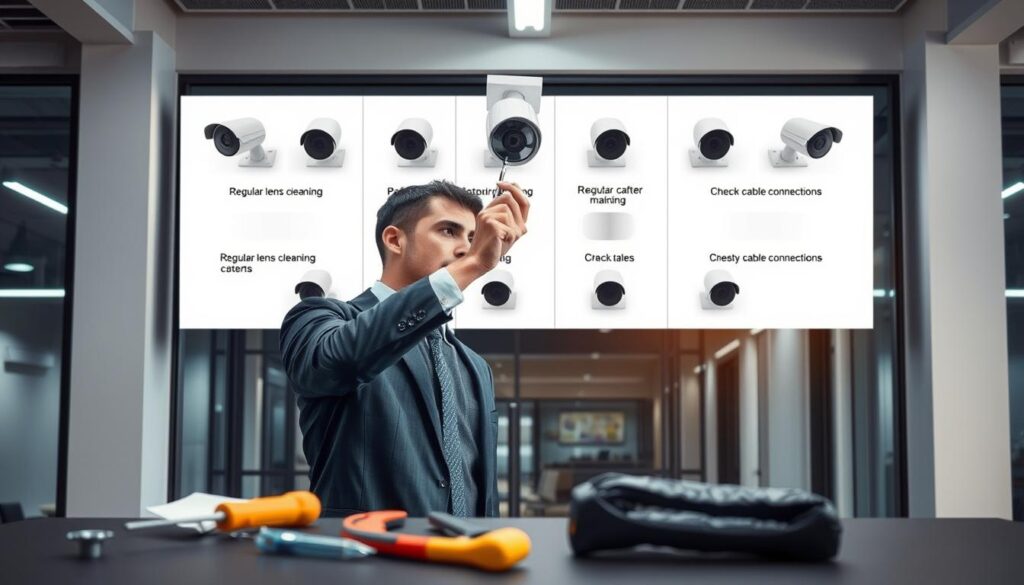
In Singapore, the question of whether surveillance systems require upkeep is crucial. The answer is a resounding yes. These systems play a vital role in safeguarding homes and businesses. Regular checks ensure that everything functions smoothly. Without proper care, you risk missing important details or facing unexpected failures.
Many believe that once installed, these systems can be left unattended. This misconception can lead to degraded performance and blurry footage over time. Singapore’s unique environment, characterized by high humidity and intense heat, accelerates wear and tear on outdoor equipment. Thus, routine checks become essential.
Consistent upkeep not only enhances video quality but also extends the lifespan of your equipment. Moreover, it ensures compliance with local laws governing surveillance practices. This guide aims to walk you through the essentials of maintaining your security systems effectively.
Key Takeaways
- Regular upkeep is essential for effective surveillance.
- Neglecting maintenance can lead to security risks.
- Environmental factors in Singapore necessitate frequent checks.
- Compliance with local laws is crucial for security systems.
- Proper maintenance preserves video quality and equipment lifespan.
Do CCTV Cameras Need Maintenance? Understanding Its Necessity
For surveillance systems to function reliably, consistent maintenance is vital. The effectiveness of these systems directly correlates with the attention they receive. Even the most advanced equipment can fail without proper care.
Dust, moisture, and environmental debris accumulate on camera lenses over time. This buildup can cause image distortion, rendering footage unusable. Such issues often arise just when clear evidence is needed most for security purposes.
Outdoor security cameras face unique challenges in Singapore. Exposure to tropical rain, intense sun, and even spiders building webs can accelerate the deterioration of equipment. Regular checks and cleaning are essential to ensure these devices deliver crystal clear, usable footage around the clock.
Beyond enhancing image quality, maintenance protects your financial investment. Many manufacturers require proof of routine upkeep before honoring warranty claims on faulty equipment. This is crucial for homeowners who want to ensure their systems remain operational.
Components like cables, connectors, and power supplies degrade gradually. Without scheduled inspections, these small issues can escalate into short circuits or complete system failures. Professional maintenance checks can catch problems early, saving you from expensive emergency replacements.
Neglecting upkeep is not just a technical oversight; it poses a direct security risk. Properties can become vulnerable to undetected intrusions and unrecorded incidents. Regular attention to your security system is essential for maintaining safety and peace of mind.
Importance of Regular CCTV Maintenance for Security Systems
Ensuring that surveillance systems receive regular attention is key to optimizing their performance. A well-maintained system guarantees that each camera operates at its full potential. This results in clear video footage, which is vital for effective surveillance.
Regular upkeep not only prevents common problems but also enhances the overall efficiency of your security setup. When equipment is neglected, it can lead to slowdowns and interruptions that compromise recording quality. By keeping lenses clean and technology updated, you ensure that your surveillance remains sharp and reliable.
Moreover, routine checks can save you money in the long run. Identifying small issues early can prevent them from escalating into major problems that require costly repairs or even complete replacements. Regular service is a smart investment that extends the lifespan of your equipment.
Compliance with local surveillance laws is another critical aspect of maintenance. In Singapore, systems must meet specific quality standards to ensure they are operational at all times. This compliance is essential for both legal and insurance purposes.
Ultimately, a proactive approach to upkeep transforms your security system into a dependable deterrent against criminal activity. Regular maintenance is not just a technical requirement; it is a fundamental responsibility for both homeowners and businesses. Keeping your systems functioning flawlessly is essential for maintaining security confidence.
Types of CCTV Maintenance
Recognizing the types of maintenance available can significantly enhance the performance of security systems. A comprehensive approach combines three distinct strategies: preventative, corrective, and predictive maintenance. Each plays a crucial role in ensuring your equipment operates effectively.
Preventative Maintenance: Stopping Issues Before They Start
Preventative maintenance is a proactive strategy. It involves regular checks, cleaning components, and replacing aging parts on a set schedule. This approach helps stop equipment problems before they disrupt security operations.
Examples of preventative tasks include:
- Monthly lens cleaning to maintain clear footage.
- Quarterly cable inspections to ensure connections are secure.
- Firmware updates to keep systems running smoothly.
These tasks form the foundation of a reliable security system, avoiding unexpected downtime.
Corrective Maintenance: Fixing Problems After They Occur
Corrective maintenance is reactive. It addresses issues after they happen, often requiring emergency repairs and component replacements. This type can be more expensive and disruptive.
Common scenarios that trigger corrective maintenance include:
- Power supply failures that halt recording.
- Water damage to outdoor equipment.
- Storage malfunctions that corrupt recorded footage.
Being prepared for these issues helps manage costs and minimize downtime.
Predictive Maintenance: Using Data to Anticipate Needs
Predictive maintenance is the most advanced approach. It uses real-time data from modern systems to predict when components are likely to fail. This allows for scheduling interventions before problems impact security coverage.
Analytics such as storage health monitoring and bandwidth usage patterns optimize resource allocation. This approach extends the lifespan of expensive surveillance equipment, ensuring it remains effective.
In conclusion, property owners should adopt a balanced maintenance strategy. Prioritizing preventative care while being prepared for occasional corrective actions is key. Gradually incorporating predictive tools will enhance the reliability of your security systems.
CCTV Maintenance Checklist: Key Components to Inspect
A thorough checklist is essential for keeping your surveillance system in optimal condition. Regular checks help your equipment perform its best for longer. Here are the key areas to inspect:
Cleaning and Inspecting Camera Lenses
Camera lenses are crucial for capturing clear images. Over time, dust, dirt, and condensation can accumulate on the lens surface, degrading image quality. To maintain optimal performance, use a compressed air can to blow away loose debris. Follow this with a microfiber cloth and lens cleaner. Aim to do this at least once every three months.
Checking Power Supply and Connections
Power supply issues can disrupt your surveillance system. Make sure all connections are secure and free from corrosion. Keep power sources clean and away from moisture to prevent electrical failures. Measure voltage levels annually to ensure everything is functioning correctly.
Monitoring Storage Health and Capacity
Storage health is vital for ensuring recordings are saved properly. Check available storage space regularly, and delete old recordings when necessary. Verify playback functionality every three months to ensure the system is saving footage correctly.
Inspecting Wiring and Cable Integrity
Wiring and cables are essential for system performance. Inspect for frayed wires, loose BNC or Ethernet ports, and signs of wear. Addressing these issues can prevent signal loss or complete system failure. Perform these checks every two months to maintain system integrity.
In addition to these checks, keep your firmware updated every three to four months. This helps patch security vulnerabilities and maintain compatibility with evolving network standards. Lastly, consider a full system diagnostic performed by professionals at least once a year. This can help detect hidden issues like signal loss or bandwidth problems that may not be visible during routine checks.
Understanding Different CCTV System Types
Understanding the various types of surveillance systems is essential for effective upkeep. Each type has unique components, vulnerabilities, and upkeep requirements that affect long-term performance. Knowing these differences can help you tailor your maintenance approach for optimal security.
Wired CCTV Systems
Wired systems are the traditional choice for many property owners. They are known for their reliability and consistent high-quality video through physical cables. To keep these systems functioning well, regular inspections of cable integrity and connections are crucial. Look for signs of corrosion and ensure that wiring is protected from Singapore’s humidity.
Wireless CCTV Systems
Wireless systems offer flexibility in camera placement, allowing you to install cameras in hard-to-reach areas without extensive cabling. However, maintenance for these systems must prioritize battery health and network stability. It’s also important to monitor for signal interference from nearby electronic devices, which can disrupt video quality.
IP-Based CCTV Systems
IP-based systems represent the modern digital standard in surveillance technology. They provide superior video resolution and remote access capabilities. However, their reliance on network connectivity means maintenance must include regular firmware updates and cybersecurity patches. Monitoring bandwidth is also key to ensuring your footage remains secure and accessible.
Comparing the maintenance demands of each system type reveals distinct needs. Wired systems require more physical inspections, while wireless systems demand attention to power and connectivity. In contrast, IP-based systems need ongoing software management to prevent hacking and data breaches.
To identify which type of surveillance system is installed on your property, check for visible cables, battery packs, or network connections. Adapting your general maintenance checklist to address the specific needs of your equipment will enhance overall performance.
Regardless of the system type, consistent upkeep is the only way to ensure reliable security coverage. Understanding these differences empowers property owners to make informed decisions about upgrades and professional servicing.
Common Issues Faced During CCTV Maintenance
CCTV systems can encounter a range of common issues that hinder their effectiveness. Recognizing these problems early through regular checks is key to preventing prolonged security gaps. This ensures continuous surveillance coverage and peace of mind.
Camera Lens Problems: Dust, Dirt, and Alignment
Camera lens issues are among the most frequent problems. In Singapore’s humid environment, dust, dirt, and moisture can accumulate on lenses. This buildup causes blurry images and reduces clarity, making it difficult to capture critical details like faces or license plates.
Additionally, misalignment can occur when cameras are accidentally bumped or shifted. This results in coverage gaps where the camera no longer points at the intended area. Regular checks can catch and correct these issues before they compromise security.
Wiring Issues: Frayed Cables and Loose Connections
Wiring problems are another significant concern. Frayed cables, loose BNC or Ethernet connections, and corrosion from moisture can lead to intermittent video feeds. These issues can create dangerous blind spots in surveillance.
Addressing wiring problems promptly is essential. Tightening all connectors during inspections can prevent complete signal loss and potential short circuits.
Storage Problems: Capacity and Data Integrity
Storage issues can also arise, including insufficient capacity and corrupted data. When storage is not monitored, important footage may be overwritten or lost entirely. This leaves property owners without crucial evidence when they need it most.
Managing storage effectively ensures that all important recordings are saved. Setting up automated alerts for low storage capacity can help maintain data integrity.
In conclusion, while these problems are common, they are entirely preventable. A consistent maintenance routine that addresses each vulnerability can help avoid serious security breaches.
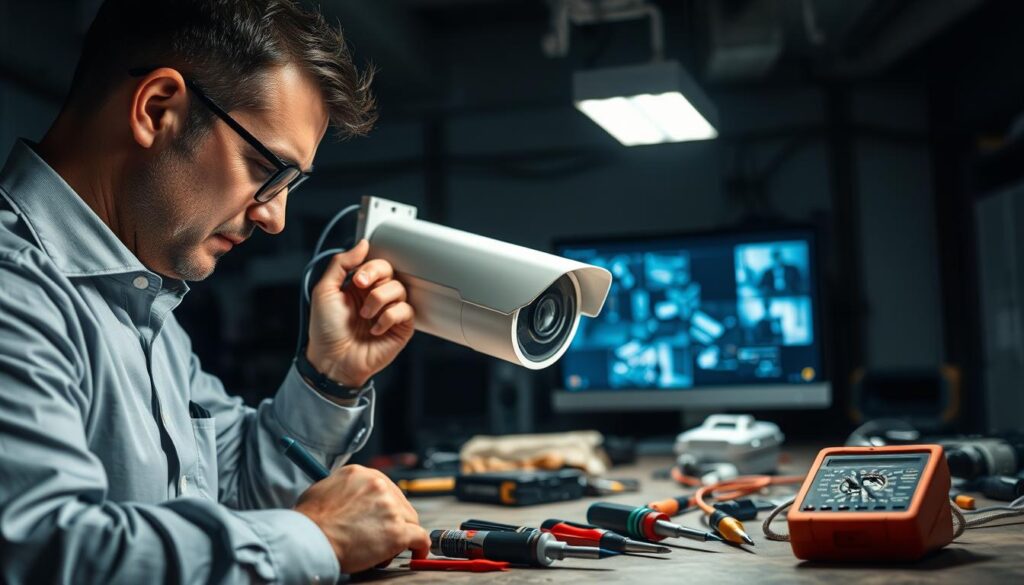
Creating a CCTV Maintenance Schedule for Optimal Performance
A well-structured maintenance schedule is crucial for maximizing the effectiveness of your surveillance system. Regular checks help identify problems early and enhance monitoring capabilities. A solid plan ensures your security equipment remains in top shape.
Weekly Checks: Coverage and Recordings
Start with weekly checks to ensure all camera angles and views provide complete coverage. Look for any obstructions, such as overgrown vegetation or new structures that may block the view. Additionally, confirm that recordings are functioning correctly and that data is being saved as expected.
Monthly Cleanings and System Tests
Monthly inspections are essential for deep cleaning and system tests. Clean camera lenses with microfiber cloths and appropriate solutions to maintain clear images. Inspect and repair any damaged cables, ensuring they are secure and free from wear. Review stored footage for quality and completeness, and test playback functionality to guarantee the security system captures usable evidence.
Annual Professional Inspections and Upgrades
Annual professional services provide a detailed system check. Trained technicians can identify hidden issues, such as signal loss or bandwidth problems. They also offer recommendations for equipment upgrades that enhance overall performance. This proactive approach is vital for maintaining security confidence.
The ideal maintenance frequency depends on your environment and system type. Indoor residential systems typically require checks twice a year. However, outdoor cameras exposed to harsh weather conditions should be inspected every three months. Coastal properties need even more frequent attention due to salt-laden air that accelerates corrosion.
Commercial and industrial facilities, as well as high-security locations like banks and retail stores, must adhere to monthly professional maintenance schedules. This prevents any downtime that could lead to significant financial losses or security breaches. A well-documented maintenance schedule not only keeps equipment running but also provides proof of due diligence for insurance purposes and warranty claims.
Best Practices for CCTV Camera Maintenance
Maintaining the integrity of your surveillance system is essential for optimal performance. A well-kept system not only provides clearer images but also ensures reliability. Here are some best practices that you can implement immediately.
Regular Lens Cleaning Techniques
Cleaning the camera lenses regularly is a must. Dust, rain, and other debris can harm image quality. Start by using a compressed air can to blow away loose dust and debris. Follow this by gently wiping the lens with a microfiber brush or cloth, using an appropriate lens cleaning solution to avoid scratching the delicate glass surface.
It’s crucial to perform this task at least once every three months for indoor cameras. For outdoor security cameras exposed to Singapore’s rain and humidity, more frequent cleaning is advisable. Accumulated grime can degrade video quality, making footage unusable for identification purposes.
Inspecting and Maintaining Cables
Inspecting cables is a big part of CCTV care. Over time, cables can get damaged. Regularly check for frayed or exposed wires, loose connectors, and signs of corrosion at connection points. Addressing these issues early prevents signal loss and expensive emergency repairs.
Make it a habit to perform these checks every couple of months. This proactive approach can save you time and money in the long run.
Monitoring and Testing Power Supply
Keeping an eye on power is essential for smooth operation. Cameras require a steady power source to function correctly. Regularly measure voltage levels and ensure power sources are clean and dry. Look for any signs of water intrusion near electrical components that could cause short circuits or complete camera failure.
By following these best practices, you can significantly extend the lifespan of your security investment. While these tasks can be performed by property owners, engaging a professional for periodic maintenance cctv services adds an extra layer of assurance that nothing is overlooked.
Choosing a Professional CCTV Servicing Provider in Singapore
Selecting the right service provider for your surveillance system is essential for its longevity. A skilled provider ensures that your cameras and monitors operate at peak performance. It is important to choose a company with extensive experience in the field.
Understanding local laws about surveillance is also crucial. A knowledgeable provider can help you remain compliant, avoiding potential legal issues. They should offer tailored maintenance plans that meet the specific needs of your security system.
Researching customer reviews is a great way to gauge the reliability of a provider. Companies with positive feedback are less likely to encounter problems, ensuring your system works better.
For those who prefer professional assistance, many security companies offer customized maintenance checklist services. These experts can identify issues you might miss and provide specialized care like firmware updates and advanced diagnostics. This keeps your system in top condition year-round.
Typical costs for professional camera maintenance in Singapore range from $50 to $200 annually per camera. For complex and commercial systems, costs can be between $1,000 and $5,000 annually, depending on the setup.
When evaluating potential providers, consider their qualifications. Look for extensive experience with various security systems and familiarity with Singapore’s unique environmental challenges. A proven track record of delivering reliable maintenance services is essential for both residential and commercial clients.
Finally, investing in a qualified professional to maintain your security systems is a cost-effective way to protect your property. This ensures continuous surveillance and provides peace of mind, knowing that experts are monitoring the health of your entire network.
Impact of Singapore’s Weather and Environment on CCTV Maintenance
Singapore’s unique weather conditions necessitate a tailored approach to surveillance equipment upkeep. The tropical climate, characterized by high humidity, heavy rainfall, and intense heat, can accelerate the deterioration of security systems. Understanding these environmental challenges is crucial for effective camera care.
Outdoor security cameras face significant weather-related issues. Water ingress can occur through compromised housing seals, leading to condensation inside camera enclosures. This moisture can cause corrosion of metal components, ultimately affecting performance. Property owners must be vigilant in inspecting these elements regularly.
Coastal properties in Singapore face an even greater challenge. The salt-laden air significantly increases the rate of corrosion on cables, connectors, and camera housings. This necessitates more frequent inspections and maintenance intervals compared to inland installations.
Additionally, the warm climate contributes to the accumulation of dust, pollen, and insect activity. Spiders, for instance, may build webs across camera lenses, obstructing views. Regular cleaning of lenses and checking of camera housing is essential to maintain clear visibility.
To weatherproof your surveillance systems, consider these practical tips:
- Inspect camera enclosures for cracks or gaps regularly.
- Check for water residue inside housings to identify potential leaks.
- Apply waterproof silicone around seals to maintain protection against rain and wind.
Temperature fluctuations between hot days and cooler nights can also cause materials to expand and contract. This movement may loosen connections and create tiny gaps in weatherproofing, allowing moisture to penetrate over time.
In conclusion, adapting to Singapore’s environmental conditions is essential for an effective maintenance plan. Property owners who account for these factors will enjoy more reliable surveillance and longer-lasting equipment.
Maintaining Security Confidence Through Consistent CCTV Care
Effective upkeep of surveillance systems is crucial for ensuring safety and security. Regular attention to your security systems ensures they perform at their best, especially during critical moments.
Every aspect of care, from simple lens cleaning to comprehensive diagnostics, contributes to a system that operates effectively when it matters most. Remember, the cost of routine checks is always lower than the expenses associated with emergency repairs or potential security breaches.
A well-maintained system does more than provide video footage; it offers peace of mind and deters criminal activity. By maintaining storage health, power stability, and recording reliability, you can trust that your system will capture clear, admissible footage when needed.
Take action now by reviewing your current practices and creating a maintenance schedule. Investing time and resources today builds a foundation of security confidence that protects your property and peace of mind for months and years to come.
For more detailed guidelines, visit our CCTV maintenance guide.