
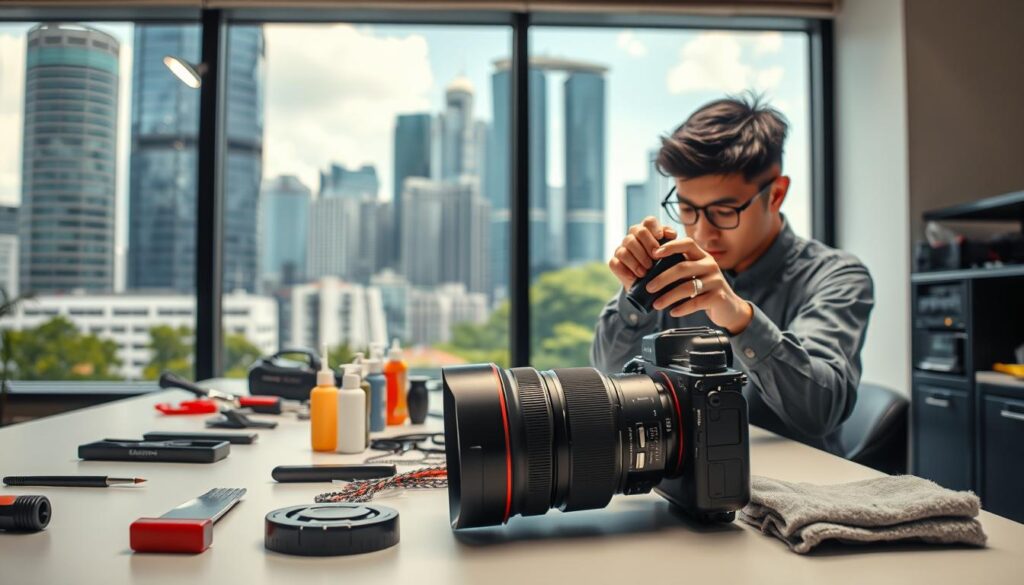
For photographers in Singapore, knowing how to properly maintain a camera is essential. The tropical climate, characterized by high humidity and heat, can significantly affect sensitive photography gear. Regular maintenance is not just a suggestion; it is vital for ensuring the longevity and functionality of expensive equipment.
Ignoring minor issues can lead to costly repairs down the line. A well-maintained camera consistently delivers sharp images and reliable performance, allowing photographers to focus on their creativity rather than worrying about equipment failure during important shoots.
This guide provides comprehensive insights into camera care, covering everything from DIY maintenance tips to selecting professional repair services in Singapore. By investing time in learning proper camera care routines, photographers can save money and extend the life of their valuable gear.
Why Regular Camera Maintenance Matters
In Singapore’s unique climate, routine camera care is essential for photographers aiming to preserve their gear. Regular maintenance is key for achieving the best performance from your equipment. By conducting routine checks and cleanings, photographers can enhance their shooting experience and extend the lifespan of their cameras.
Good maintenance directly impacts image quality. It prevents dust, dirt, and grime from accumulating on the lens and sensor. This accumulation can cause visible spots, blurriness, and reduced contrast in photos. Keeping the camera clean ensures sharp images and vibrant colors.
Consistent care routines also help maintain the mechanical integrity of internal parts. This includes crucial components like the shutter mechanism and focusing systems. By ensuring these parts operate smoothly, photographers can avoid unexpected malfunctions.
Preventative maintenance is far more cost-effective than waiting for repairs. Minor adjustments and cleaning can prevent the need for extensive repairs that could cost hundreds of dollars. For photographers in Singapore, where humidity accelerates moisture buildup, regular maintenance becomes even more critical.
Professional photographers, who rely on their gear for income, cannot afford unexpected equipment failures. Scheduled maintenance protects their reputation and investment. Neglected cameras can develop subtle issues, such as slight focusing errors, which gradually degrade photo quality.
Proper lens care is also vital for the longevity of expensive glass elements. Scratches, fungus, and coating damage from poor maintenance can permanently ruin a lens’s optical quality. Regular maintenance not only provides peace of mind but also allows photographers to focus on composition and creativity.
In conclusion, the small time investment required for routine camera care pays enormous dividends. It extends equipment lifespan, ensures consistent photo quality, and avoids costly repairs.
When to Service Your Camera for Optimal Performance
Understanding the timing for camera maintenance is crucial for photographers in Singapore. Regular check-ups can significantly enhance your photography experience. Experts recommend servicing your camera at least once a year. This routine helps catch any potential problems early, ensuring your gear remains in top shape.
During annual servicing, technicians perform comprehensive inspections, clean internal components, and calibrate critical systems. This proactive approach prevents major issues down the line.
Recommended Annual Servicing
Most camera manufacturers and professional service centers advocate for annual servicing as a baseline. This schedule allows for thorough cleaning and adjustments that maintain optimal performance. Regular maintenance ensures that your camera operates smoothly, which is essential for capturing stunning photos.
Recognizing Signs Your Camera Needs Service
Be vigilant for signs that indicate your camera may need immediate attention:
- Decreased Image Quality: Look for blurriness, dark spots, or other irregularities in your photos.
- Unusual Noises: Strange sounds during operation can signal mechanical issues.
- Visible Damage: Cracks or dents on the camera body or lens should prompt immediate assessment.
Keeping an eye on these signs can help ensure timely service. Regular checks not only extend the life of your camera but also enhance your overall photography experience.
Considerations for Frequent Users and Travelers in Singapore
Photographers who frequently shoot in challenging environments, such as Singapore’s beaches or outdoor events, should consider more frequent service intervals. Sand, salt spray, and high humidity can accelerate the accumulation of contaminants inside cameras.
For travel photographers, moving between different climate zones poses additional risks. Rapid temperature and humidity changes can lead to internal condensation, which may cause mold growth and electronic corrosion if not addressed promptly.
Furthermore, any camera exposed to rain or spilled liquids requires immediate professional service, even if it appears to function normally. Internal moisture can lead to progressive damage to sensitive electronic parts.
Keeping a simple log of camera usage, including shutter actuations and any unusual incidents, can help determine when preventative maintenance is due. This practice ensures that no developing problems are overlooked.
In summary, proactive service based on usage patterns and environmental exposure is always preferable to reactive repairs after a failure. As the saying goes, “An ounce of prevention is worth a pound of cure.” This principle holds true for maintaining your camera’s performance and longevity.
How Do You Service a Camera? Step-by-Step Process Explained
Knowing the steps involved in professional camera servicing can help photographers keep their equipment in peak condition. This process is essential for maintaining performance and image quality. Understanding what happens during servicing demystifies the experience and reassures those hesitant to send their gear in.
First, a complete camera inspection takes place. Technicians examine the camera body for physical damage. They check all buttons and dials for proper function and assess the condition of the lens mount and electronic contacts.
Complete Camera Inspection
After the initial inspection, technicians disassemble necessary parts of the camera. This allows access to internal components. Using specialized tools, they clean the mirror box, focusing screen, and other optical surfaces that gather dust and debris during normal use.
Cleaning, Adjustments, and Sensor Check
Next, a critical sensor inspection and cleaning process occurs. Technicians use magnified viewing systems and specialized swabs with appropriate cleaning solutions. This ensures that stubborn particles are safely removed from the camera sensor without scratching the delicate glass surface.
Calibration procedures are also performed during this comprehensive service. This includes:
- Autofocus system alignment: Ensures accurate focusing.
- Exposure meter verification: Confirms proper exposure settings.
- Shutter speed accuracy testing: Validates timing for optimal image capture.
Additionally, firmware updates are applied during professional servicing. These updates address known bugs, improve performance, and sometimes add new features. This ensures the camera benefits from the latest engineering improvements.
Post-Service Expectations
When photographers receive their camera back from service, they can expect:
- Notably cleaner images with enhanced clarity.
- More responsive autofocus systems.
- A detailed service report documenting all work performed and recommendations for future maintenance.
A quality camera repair service will provide a warranty on their work. This gives photographers confidence that any issues related to the service will be addressed without additional charges within the warranty period.
Finally, photographers should test their camera thoroughly upon receiving it back. They should shoot in various conditions and with different lenses to confirm that all systems function correctly. Understanding the complete camera service process helps photographers appreciate the value of professional maintenance. It encourages adherence to recommended service intervals for their valuable equipment.
Basic Camera Maintenance You Can Do at Home
Maintaining your camera at home can significantly enhance its performance and longevity. Photographers can take simple steps to keep their equipment in top shape. Regular DIY maintenance not only boosts performance but also prevents problems before they arise.
Using UV Filters for Lens Protection
One effective way to protect your lens is by using a high-quality UV filter. This filter acts as a sacrificial barrier against scratches, fingerprints, and environmental contaminants. When choosing a filter, select a reputable brand that matches your camera lens for minimal impact on image quality.
Proper Sensor Cleaning Techniques
Dust and dirt on your camera sensor can ruin your photos. Regular cleaning is essential. Start by ensuring your camera battery is fully charged. Engage the manual cleaning mode and use sensor-specific swabs and solutions. Avoid generic products, as they may leave residue or cause damage.
Lens Calibration for Sharp Focus
Calibrating your lenses is vital for achieving sharp focus. Many cameras allow for in-camera autofocus micro-adjustment. Use dedicated calibration tools or software to address any front-focus or back-focus issues. Even slight misalignments can significantly affect image sharpness, especially with fast aperture lenses.
To maintain your gear effectively, consider these essential tools:
- A rocket blower for removing loose dust.
- A lens pen with a retractable brush and soft cleaning tip.
- Pre-moistened Zeiss lens wipes that evaporate quickly without streaks.
Establishing a regular cleaning routine is crucial. Aim to clean your equipment once a month or after shoots in dusty or humid environments. This prevents the gradual accumulation of contaminants that may lead to professional repairs.
Additionally, use a soft brush or makeup brush to gently remove dust from the camera body’s crevices, dials, and buttons. This will help maintain the proper operation of controls.
While home maintenance is valuable, some tasks should be left to professionals. Internal cleaning, shutter mechanism repairs, and electronic diagnostics require expertise and specialized tools. Lastly, invest in a proper gear bag or storage case to keep your cameras, lenses, and accessories organized and protected from dust and moisture.
Common Camera Issues That Require Professional Service
Understanding common camera issues is vital for photographers to maintain their equipment effectively. Keeping your camera in good shape is key to avoiding problems that can slow down performance. By spotting these issues early, you can save both time and money.
Two significant concerns are slow shutter speeds and dust accumulation inside the camera. Addressing these problems quickly helps your camera work better and last longer. Slow shutter speeds can ruin your photos, leading to blurry images. Diagnosing shutter speed issues involves checking how long the shutter stays open. If it feels stuck or responds slowly, it needs immediate attention.
Keeping your camera clean is crucial for capturing clear photos. Dust and debris can enter the camera body during lens changes or from general use in dusty environments. Regular cleaning helps keep the sensor and optics clear. Using the right tools and methods is essential to prevent dust and dirt from affecting your images.
Every photographer faces gear problems. Recognizing how to fix these issues is key. It helps you identify and solve problems quickly, ensuring your equipment remains in top shape. Look out for signs of shutter issues, such as:
- Unusual sounds: Listen for squeaking or grinding when pressing the shutter button.
- Inconsistent response: A sluggish or sticky shutter release feel may indicate a problem.
- Exposure issues: If the exposure doesn’t match your settings, the shutter might be failing.
Other potential issues include lens errors, display malfunctions, and battery-related problems. Spotting these problems early allows for timely repairs. Sometimes, complex repairs require professional help.
Dust and debris can settle on the sensor, mirror, and focusing screen, creating visible spots in photos. Internal dust management requires professional service because disassembling the camera involves delicate parts. Untrained hands using improper tools can easily cause damage.
Shutter speed accuracy degrades over time due to mechanical wear. High-mileage cameras often develop timing inconsistencies that affect exposure precision. Specialized testing equipment is necessary to diagnose and recalibrate these issues.
Attempting to clean deep-seated dust with improvised tools can lead to scratches or further damage. Professional camera service centers utilize clean-room environments and manufacturer-approved cleaning solutions. This ensures safe removal of dust without risking sensitive electronic and optical parts.
Pay attention to changes in your camera’s behavior over time. Gradual declines in performance often signal developing mechanical problems. Addressing these issues early through preventative repairs is cheaper than waiting for a complete failure.
Ultimately, recognizing the limits of DIY maintenance and seeking timely professional service protects the value of your photography equipment. This ensures consistent photo quality for years to come.
Essential Tools for Effective Camera Repairs and Maintenance
For photographers, understanding the necessary tools for camera maintenance can greatly enhance their shooting experience. Effective camera maintenance and repair depend on having the right tools. Whether you are a professional or a hobbyist, knowing the different tools is key. This knowledge boosts your DIY repair skills, keeping your gear in top shape.
Starting with basic maintenance? The right tools make a big difference. You’ll need:
- Micro screwdrivers: Essential for handling small parts and adjustments.
- Blowers: Perfect for cleaning out dust and debris from your camera.
- Microfiber cloths: Safe for cleaning lenses without scratching.
- Cleaning solutions: Designed specifically for camera surfaces.
These basic tools are essential for keeping your camera running smoothly and safely. Ready for more? Intermediate and advanced tools let you tackle tougher repairs. Key tools include:
- Tweezers: For handling tiny parts with precision.
- Small pliers: Ideal for gripping components securely.
- Point lubricants: Ensures smooth movement of mechanical parts.
- A lens spanner: Useful for adjusting or removing lenses.
- A soldering iron: Necessary for electrical fixes.
Having a DIY repair kit with both basic and advanced tools prepares you for any repair. Knowing how to use these tools can stop small problems from becoming big ones. The good news about caring for your equipment is that it’s relatively cheap to buy what you need.
From a camera store, consider these tools:
- Rocket blower: A must-have! It blasts out a puff of air to blow away any dust.
- Lens pen: One end has a soft cleaning tip, while the other features a retractable brush.
- Pre-moistened lens wipes: The Zeiss brand is great, evaporating quickly without leaving residue.
- Microfiber cleaning cloths: Always have several on hand for quick clean-ups.
From a regular store, useful items include:
- A paintbrush: Handy for removing dust from camera bodies and lens barrels.
- A makeup brush: Softer bristles are better for delicate surfaces.
- Tek Towel: A clean towel works just as well for general cleaning.
- Ziploc bag: Perfect for storing your cleaning gear dust-free.
While having the right tools empowers you to perform basic camera care, complex repairs involving internal parts, electronic systems, or optical alignment should always be entrusted to professional service technicians. Their specialized diagnostic equipment ensures that your valuable photography gear remains in optimal condition.
Choosing the Right Professional Camera Service in Singapore
Finding a trustworthy camera repair service is essential for maintaining your photography gear. Many factors influence your choice, such as the provider’s experience and the services they offer. Understanding professional camera services can help you make an informed decision.
When selecting a service provider, look closely at their service history. Choose ones with licensed technicians who are well-versed in camera mechanics. Customer feedback is invaluable in assessing their reliability and service quality. Ensure they use high-quality parts and offer repair warranties, indicating their commitment to keeping your camera in optimal condition.
Good camera services have several key characteristics. They should clearly communicate costs and expected repair times. This transparency helps you plan your photography sessions more effectively. Knowing what to expect during service can enhance your overall experience.
Here are some important considerations when evaluating camera service providers:
- Research service providers thoroughly by reading customer reviews on platforms like Google, Facebook, and photography forums. Pay attention to feedback about turnaround time, communication, and the quality of repair work.
- Choose service centers that employ technicians certified by major camera brands such as Canon, Nikon, Sony, or Fujifilm. Manufacturer-trained professionals have access to proprietary diagnostic tools and genuine parts.
- Understand the different service packages available. These may range from basic sensor cleaning and external inspections to comprehensive overhauls, including shutter mechanism replacements and autofocus calibrations.
- Consider the value of service warranties. Reputable camera repair providers in Singapore typically offer warranties ranging from 30 days to 6 months, providing recourse if issues arise after service.
- Whenever possible, visit service centers in person. This allows you to assess the professionalism of the facility and ask detailed questions about the service process.
- Establish an ongoing relationship with a trusted camera service provider. Technicians familiar with your equipment can offer personalized maintenance recommendations and prioritize service for loyal customers.
- Avoid choosing service providers based solely on price. Cut-rate services may use non-genuine parts or lack the expertise needed for complex repairs.
- Request detailed written estimates before authorizing any repair work. This ensures transparency about costs and the specific services to be performed.
- Remember that professional photography equipment represents a significant financial investment. Entrusting it to qualified service professionals is crucial for maintaining performance and resale value over time.
Best Practices for Camera Cleaning Techniques
Keeping your camera clean is crucial for capturing stunning images in Singapore. Using the right cleaning methods helps avoid damage and keeps your camera functioning well. Learning how to clean your lenses and sensor properly can significantly enhance your photography experience.
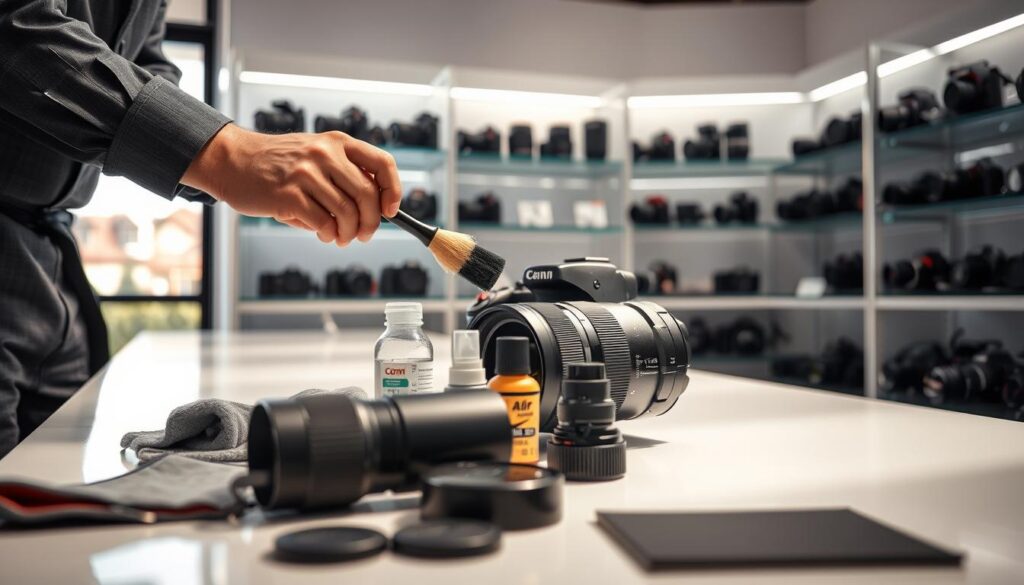
Looking after your camera lenses is vital for clear photos. Start by using a blower to get rid of dust and dirt. Then, use a soft, microfiber cloth to wipe away smudges. For tough stains, try Zeiss lens wipes. They clean safely without harming your lens.
Cleaning Camera Lenses Safely
Step 1: Use the rocket blower. This is the first step to remove larger bits of dust and dirt from the front lens element. Squeezing it blows air out of the tip and will blow away larger, looser bits of dust. Avoid using a cloth for this step, as dragging grit across a lens can scratch the glass.
Step 2: Use the lens pen. To remove remaining specs, use the brush on the end of the lens pen. A quick flick of the brush around the lens should suffice. Minimal pressure is key to avoid grinding debris into the delicate lens coatings.
Step 3: Clean the front element. Use the cleaning end of the lens pen, which is soft and safe for the glass. Using a circular motion, work your way around the lens until all marks are removed. Be gentle; do not push too hard.
Step 4: Get rid of stubborn marks. Use pre-moistened lens tissues. Again, in a circular motion, clean the lens element until it’s spotless. Follow up with a microfiber cloth to buff the lens using the same circular motion.
Step 5: Don’t forget the lens cap! A quick once-over with the blower and a paintbrush will keep it clean and prevent dust from transferring back onto your freshly cleaned lenses.
Step 6: Clean the rear element. Give it a quick blow with the rocket blower, ensuring the bottom of the lens faces down. Occasionally, clean the mount and lens contacts. A small amount of alcohol on a cotton tip can be used for the contacts to prevent errors caused by grime build-up.
Maintaining the Camera Body and Sensor
Cleaning the camera body is just as important. Use a soft paintbrush or makeup brush to remove dust from crevices, dials, and buttons. Follow this with a slightly dampened microfiber cloth to wipe away oils and grime that accumulate from regular handling.
For cleaning the sensor, engage the camera’s manual cleaning mode to lock the mirror up and expose the sensor. Use sensor-specific swabs with appropriate cleaning solutions in a single, unidirectional pass to remove dust without leaving streaks.
Remember to clean both the front and rear lens elements, as well as the lens mount and electronic contacts. Dirty contacts can cause communication errors between the camera body and lens, leading to autofocus failures or exposure inconsistencies.
Avoid breathing on lenses for cleaning, as breath can be slightly acidic and degrade the anti-reflective coatings over time. Lastly, clean lens caps and rear caps with a blower before reinstalling them, as they often harbor dust that can undo your careful cleaning work.
Establishing a consistent cleaning routine—performed monthly or after shoots in challenging environments—is the most effective way to maintain optical clarity, prevent permanent damage, and extend the useful life of your photography equipment.
The Role of Climate Control in Protecting Your Camera
In Singapore, the tropical climate presents unique challenges for photographers aiming to protect their valuable gear. The high humidity and fluctuating temperatures can have detrimental effects on camera equipment, leading to potential damage over time. Understanding these factors is essential for maintaining your gear in optimal condition.
High humidity levels, often exceeding 80%, create ideal conditions for mold growth on lens glass, camera sensors, and internal components. This makes climate-controlled storage essential for local photographers. Mold can severely harm both the glass and electronics within your equipment, compromising image quality and functionality.
Effects of Humidity and Temperature on Camera Gear
Temperature fluctuations can also cause condensation to form inside cameras and lenses. This occurs when equipment is moved from air-conditioned spaces to the hot, humid outdoors. Such changes can short-circuit electronic components and promote mold development. Thus, it’s crucial to keep cameras in a controlled environment to avoid these issues.
Ideal Storage Conditions in Singapore’s Climate
To protect your camera gear, consider these storage tips:
- Invest in a dry cabinet: This is the most important piece of camera care equipment for photographers in Singapore. A cabinet that maintains humidity between 40% and 50% provides optimal protection against moisture-related damage.
- Avoid enclosed spaces: Do not store gear in leather bags left in direct sunlight, car interiors, or cupboards without ventilation. These environments can accelerate the degradation of lubricants, rubber grips, and electronic parts.
- Use silica gel packets: When a dry cabinet is not available, place silica gel packets or rechargeable dehumidifiers inside camera bags. Replace or recharge them regularly to maintain their moisture-absorbing effectiveness.
- Wipe down your gear: After outdoor shoots, make it a habit to wipe down your cameras and lenses with a clean, dry cloth. This removes surface moisture before storing equipment in a controlled environment.
- Allow acclimation: When moving between different temperature zones, let your camera acclimate gradually. This helps prevent internal condensation from forming.
Professional camera repair services in Singapore frequently encounter equipment damaged by humidity-related issues. Problems such as lens fungus and corrosion can lead to irreversible damage. Therefore, investing in proper climate control equipment and practices pays for itself by preventing costly repairs and extending the life of your photography gear.
Guidelines for Long-Term Camera Storage
Photographers must take careful steps to prepare their camera gear for long-term storage. Proper storage ensures that your equipment remains in excellent condition and is ready for use when needed. Before storing your camera, it’s essential to clean it thoroughly.
Start by cleaning the camera body and all lenses to remove dust, dirt, and fingerprints. This prevents any contaminants from causing damage during the storage period. After cleaning, it’s crucial to remove the batteries from the camera and other electronic accessories. Batteries can leak corrosive chemicals over time, which can destroy compartments and electronic parts.
Next, store your camera’s accessories, such as lenses and filters, in their own protective cases. This keeps them safe and organized. The ideal place for camera storage is a cool, dry, and dark environment. Avoid areas with significant temperature fluctuations or high humidity, as these conditions can lead to mold growth and damage to electronics.
Consider using silica gel packs or a humidity control system to keep moisture away. These tools help protect your camera from damage while in storage. Following these steps ensures your camera and its parts stay in top shape for your next photo shoot.
Preparing Your Camera for Extended Storage
Before placing your camera into long-term storage, follow these essential preparation steps:
- Thoroughly clean: Clean the camera body, lenses, and accessories to remove any dust, dirt, and moisture.
- Remove batteries: Take out batteries from cameras and flashes to prevent corrosion and leaks.
- Use protective cases: Store cameras and lenses in individual protective cases or wraps to avoid impacts.
Maintaining Optimal Storage Environment
The ideal long-term storage environment should maintain:
- Temperature: A consistent temperature between 20°C and 25°C.
- Humidity: Relative humidity between 40% and 50% to prevent mold growth and electronic corrosion.
- Regular checks: Periodically inspect stored equipment for moisture accumulation or fungal growth.
For those without access to a dedicated dry cabinet, airtight containers with fresh silica gel or electronic dehumidifiers can be effective. However, these solutions require regular maintenance to remain effective.
Avoid storing camera gear in basements, attics, or storerooms with significant temperature and humidity fluctuations. These conditions can accelerate the deterioration of rubber grips, lens coatings, and internal electronic components.
Finally, create an inventory of all equipment going into storage, including serial numbers and condition notes. This practice helps facilitate insurance claims if damage occurs and tracks which items may need professional repair before being used again.
In conclusion, proper long-term storage practices are an extension of good camera care and maintenance. They ensure that valuable photography equipment remains in peak condition and is ready for immediate use whenever the photographer returns to shooting.
How to Monitor Your Camera’s Performance After Servicing
After a camera repair, monitoring its performance is essential for photographers. Observing how the camera behaves helps ensure that it functions correctly and delivers high-quality images. Here are some effective ways to check your camera’s performance after servicing.
Taking Test Shots to Ensure Quality
Taking test shots is a practical way to verify that your camera is working as expected. Start by photographing a plain white wall or a clear blue sky at various apertures. This method allows you to check for any remaining dust spots on the sensor or uneven cleaning results. It’s important to capture images in different lighting conditions to assess the camera’s overall performance.
Listening for Unusual Noises and Performance Checks
Pay attention to any unusual sounds during operation. Listen for grinding, squeaking, or clicking noises, which may indicate improperly reassembled parts or unresolved mechanical issues. Testing all camera functions systematically is crucial. Make sure to check every shooting mode, buttons, dials, and video recording capabilities.
Consider these additional checks:
- Evaluate autofocus accuracy by photographing a focus test chart or a detailed subject at various distances.
- Compare post-service photos with images taken before the repair to assess improvements in sharpness and color accuracy.
- Test the camera in real-world conditions, including burst shooting and long exposures, to verify reliable performance.
- Document any issues discovered during testing, along with sample pictures, and contact the repair provider promptly if needed.
- Pay special attention to lens mount security and electronic communication between the camera body and lenses.
Thorough post-service testing is not a sign of distrust toward the service provider. Instead, it is a prudent way to ensure that your valuable gear performs at its best. Catching any issues early can prevent them from affecting important photo opportunities.
Maintaining Your Camera’s Peak Condition for Years to Come
A commitment to camera maintenance is essential for photographers looking to preserve their investment and enhance their craft. With proper care, your equipment can last and perform exceptionally for many years, regardless of the conditions. As a professional photographer, my gear often faces challenging situations like rain, dust, and spills. However, because I prioritize maintenance, my equipment continues to deliver reliable performance.
By adopting regular home maintenance practices, seeking timely professional repairs, and ensuring climate-controlled storage, photographers can significantly extend the life of their cameras and lenses. Viewing maintenance as part of the photography journey enriches your understanding of the gear and improves your shooting experience.
- Invest in quality camera care to prevent costly repairs and replacements.
- Stay vigilant about humidity control, especially in Singapore’s tropical climate.
- Create a maintenance calendar to schedule regular cleaning and professional service appointments.
- Develop good habits early to ensure long-term success in photography.
Ultimately, a well-maintained camera is a dependable partner, ready to capture life’s moments without distraction. The time spent on proper care pays off in the form of beautiful, trouble-free photos.