
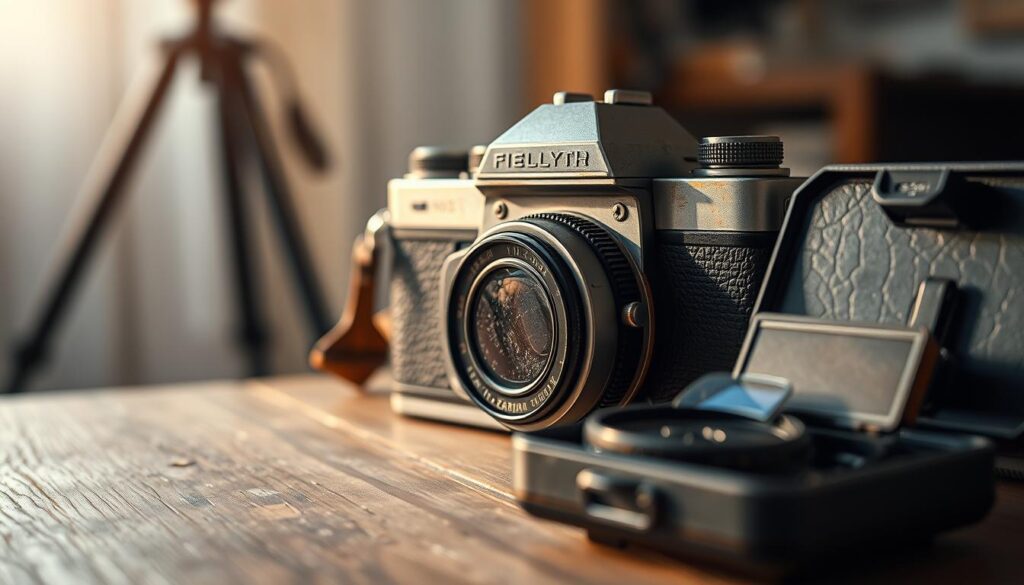
Understanding camera longevity is crucial for anyone investing in photography equipment. In Singapore, where the tropical climate can affect gear, knowing how long a camera can last helps photographers make informed decisions.
Typically, cameras can function between 3 to 10 years, depending on usage, brand quality, and environmental factors. Basic models may last around 3 to 5 years, while higher-end options can endure for 5 to 10 years or even longer. Hobbyists often keep their cameras for the longer end of that spectrum, while casual users might find theirs needing replacement sooner.
This guide will explore every aspect of camera lifespan, from understanding shutter counts to essential maintenance practices. Professional photographers and hobbyists may experience different lifespans due to their varying usage intensity. With proper care, photographers can extend their camera’s life beyond average expectations.
Understanding the Average Life of a Camera: What You Need to Know
Gaining insight into how long cameras can last is essential for photographers. Camera lifespan refers to the duration a camera operates effectively before needing significant repairs or replacement. Most cameras typically last between 3 to 10 years, depending on various factors.
Several elements influence this lifespan:
- Usage Frequency: Cameras used daily for professional work will wear out faster than those used occasionally.
- Build Quality: Premium models from brands like Canon and Nikon are designed for durability, extending their operational life.
- Environmental Conditions: In humid climates like Singapore, heat and moisture can accelerate wear on internal components.
Understanding these factors helps photographers plan for future upgrades and budget for replacements. Many photographers find their cameras last years beyond manufacturer estimates when they follow proper care and maintenance routines.
While averages provide a useful benchmark, the actual lifespan of a camera depends on a unique combination of factors. Being aware of these elements allows photographers to make informed decisions regarding their equipment.
Key Factors That Influence Camera Lifespan
The durability of cameras can vary significantly based on specific influencing factors. Understanding these aspects can help photographers make informed decisions about their gear.
Usage Frequency and Patterns
Usage frequency stands out as the most significant factor affecting camera lifespan. Professional photographers who shoot thousands of photos each week will experience faster wear compared to hobbyists. The more a camera is used, the more likely it is to require repairs or replacement sooner.
Brand and Model Differences
Brand and model differences also create notable variations in lifespan. For instance, Nikon cameras often feature shutter mechanisms rated for 150,000 to 300,000 actuations, while Canon models typically range from 100,000 to 200,000 actuations. High-end models generally use superior materials and technology, which enhances their longevity.
Entry-level cameras, on the other hand, may incorporate different internal parts and materials, which can directly impact their years of reliable service.
Environmental Conditions Affecting Durability
Environmental conditions play a crucial role in determining how long a camera can last. In Singapore’s tropical climate, humidity and heat can corrode internal components and promote fungal growth on lenses. Photographers should be aware that the way they handle and store their cameras between shoots is vital for longevity.
Consistent exposure to dust, sand, and moisture without proper cleaning can accelerate the deterioration of moving parts like shutter mechanisms and lens mounts. Understanding these key factors empowers photographers to make informed choices about which camera models to purchase and how to protect their investment.
While some factors, such as brand engineering, are beyond user control, many lifespan determinants can be managed through conscious usage habits and protective measures.
Exploring the Main Question: What is the Average Life of a Camera?
For photographers, knowing how long their cameras can serve them is vital. On average, a camera can last from 5 to 10 years if taken care of well. The lifespan of a camera varies significantly, typically ranging between 3 to 10 years.
Casual photographers in Singapore might find their cameras lasting around 3 to 5 years. In contrast, dedicated hobbyists often enjoy 5 to 10 years of reliable performance from their equipment. Professional photographers, who rely on their cameras daily, may see a shorter functional life of 3 to 5 years due to intensive usage and higher shutter counts.
Investing in quality models and committing to regular maintenance routines can help achieve a long camera life. The type of photography also influences longevity. For instance, studio photographers may enjoy longer equipment life compared to outdoor and wildlife shooters.
While 5 to 10 years represents the typical range, many well-maintained cameras continue producing excellent images well beyond the decade mark. Understanding the average camera lifespan helps photographers plan their upgrade cycles and budget appropriately for future purchases.
Ultimately, the answer to “What is the average life of a camera?” depends on the intersection of build quality, usage intensity, and care practices over time.
The Role of Shutter Count in Determining Camera Longevity
Shutter count serves as a vital metric for photographers aiming to assess their camera’s durability. This number indicates how many times the camera’s shutter has clicked to take a photo. It provides insight into the camera’s usage and helps predict when it might fail.
Understanding Shutter Count and Its Importance
Shutter count is essential for determining camera lifespan. Each camera shutter has a manufacturer-rated life expectancy, measured in actuations. This means that as the shutter count increases, the likelihood of failure also rises. Knowing this number can guide photographers in making informed decisions about their equipment.
Typical Shutter Counts Across Major Camera Brands
Different brands have varying shutter count ratings. For instance:
- Canon DSLRs: Rated between 100,000 and 300,000 actuations.
- Nikon DSLRs: Typically range from 150,000 to 250,000 actuations.
- Sony Mirrorless Cameras: Usually offer around 200,000 actuations.
- Fujifilm X-Series: Generally rated for approximately 150,000 actuations.
These differences highlight the engineering behind each brand and how it impacts longevity.
How to Check Your Camera’s Shutter Count
Photographers can check their camera’s shutter count in several ways:
- Examine the Exif data in photos using software like Adobe Photoshop or ExifTool.
- Upload a recent photo to online tools like CameraShutterCount.com.
Monitoring shutter count over time is crucial for anticipating when a camera may need servicing or replacement. While shutter count is a significant factor, it represents just one aspect of overall camera lifespan. Other components, such as the sensor and electronics, also degrade with age.
Understanding shutter count empowers photographers to make data-driven decisions about equipment maintenance and upgrade timing. By keeping track of this number, photographers can ensure their cameras remain reliable for years to come.
How Usage Types Impact Camera Lifespan: Professionals vs. Hobbyists
The way photographers use their cameras significantly impacts how long they last. Professional photographers often capture over 100,000 photos annually. This high volume of use dramatically accelerates the wear and tear on their equipment. As a result, many professional cameras may only last 3 to 5 years.
In contrast, hobbyists typically take fewer photos. They might shoot only a few hundred images each month. This lighter usage allows their cameras to last longer, often between 5 to 10 years or even more. Casual users can enjoy a lifespan of about ten years, thanks to their limited photo-taking habits.
Professional photographers operate their cameras in demanding conditions. They frequently shoot in burst mode, face harsh weather, and often change lenses. These factors introduce additional wear that shortens the overall lifespan of their cameras.
On the other hand, hobbyists usually maintain their cameras with basic care. They view their equipment as long-term investments, allowing them to extend its life. Understanding these usage-based differences helps photographers set realistic expectations for how long their specific camera lasts based on their shooting habits.
Moreover, many professionals plan for camera replacement every 3 to 5 years as a standard business expense. In contrast, hobbyists might not feel the same urgency to upgrade. They often enjoy their gear for many years, especially if they engage in less intensive photography.
Regardless of whether you are a professional or a hobbyist, consistent maintenance remains the most effective way to maximize camera lifespan. Regular check-ups and proper storage can ensure that your camera continues to perform well for years to come.
Camera Types and Their Typical Lifespans: DSLR, Mirrorless, and More
Understanding the lifespan of different camera types helps photographers select the right equipment for their needs. Each format offers unique durability characteristics that can significantly impact how long they last.
DSLR and Mirrorless Cameras
DSLR cameras typically offer the longest lifespan among digital formats. They are built with robust mechanical shutters and weather-sealed bodies, enabling them to last from 5 to 10 years. This durability makes them ideal for demanding photography conditions.
Mirrorless cameras have also seen significant improvements in longevity. Thanks to advanced electronic shutter technologies, they now rival DSLRs in lifespan. This progress reduces mechanical wear, allowing these cameras to last longer than earlier models.
Point-and-Shoot Cameras
Point-and-shoot cameras generally last between 3 to 7 years. Their compact construction and fixed lenses contribute to a shorter lifespan compared to interchangeable lens systems. While convenient, these cameras often have less durable internal components.
Film Cameras
Film cameras possess a unique charm and can last for decades with proper care. Many models from the 20th century, such as those from Leica, Nikon, and Canon, continue functioning perfectly when maintained well. Their mechanical simplicity often contributes to their longevity.
It’s important to note that different models within each category exhibit varying lifespans based on build quality. Professional-grade bodies consistently outlast entry-level options across all formats. Factors such as weather sealing, metal versus plastic construction, and the quality of internal components significantly influence how long cameras last.
For photographers prioritizing longevity, investing in higher-end DSLR or mirrorless models with proven durability records is wise. Understanding the typical lifespan of each camera type helps buyers align their purchase decisions with their longevity expectations and photography needs.
Environmental Impact: Protecting Your Camera from Damage
Understanding the environmental challenges your camera faces can help extend its lifespan. In Singapore, the tropical climate poses unique threats to camera gear. Humidity levels often exceed 80%, creating ideal conditions for fungal growth on lens elements and sensor surfaces.
Moisture can severely damage internal camera parts. It can lead to corrosion of electronic contacts, degradation of lubricants in mechanical components, and even permanent fogging of optical elements. These issues can drastically shorten the lifespan of your equipment.
Extreme heat also affects camera performance. High temperatures can cause internal components to expand, leading to malfunctions. Additionally, heat can reduce battery efficiency and thin lubricants, potentially resulting in mechanical failures over time.
Dust and sand present another risk. Particulate matter can scratch optical surfaces and interfere with moving parts like shutter mechanisms and aperture blades. Protecting your gear from these elements is crucial for maintaining performance.
To safeguard your camera, consider using weather-sealed camera bags and silica gel packets for moisture absorption. Lens filters can shield front elements from environmental damage, ensuring clearer images and longer-lasting lenses.
Proper storage is one of the most important things photographers can do to help their cameras last longer. In Singapore, dry cabinets are commonly used to protect gear from humidity. Even weather-sealed professional cameras benefit from additional protection in challenging conditions, such as beach environments or during monsoon seasons.
In conclusion, proactive environmental protection significantly extends camera lifespan and preserves image quality over years of use. By being mindful of the conditions your camera operates in, you can ensure it continues to perform at its best.
Recognizing Signs Your Camera May Be Wearing Out
Being aware of the signs that indicate a camera is wearing out can save photographers time and money. Early detection of issues allows for timely repairs or replacements, preventing complete breakdowns during crucial moments.
Common mechanical and functional issues often signal that a camera may be reaching the end of its operational life. Look out for:
- Inconsistent Autofocus: If your camera struggles to focus correctly, it may indicate wear in the autofocus system.
- Unusual Noises: Grinding or clicking sounds during operation can be a sign of mechanical failure.
- Power Failures: If the camera intermittently fails to power on, this could point to electrical issues.
Image quality deterioration is another critical sign of camera wear. Watch for:
- Blurry Photos: If images are consistently out of focus, it may suggest sensor or lens problems.
- Color Shifts: Changes in color accuracy can indicate sensor degradation.
- Digital Noise: Increased noise at low ISO settings often signals sensor wear.
- Persistent Spots: Spots that cannot be cleaned from the sensor may indicate deeper issues.
Erratic shutter behavior can also be a red flag. Signs include:
- Lag Time: A noticeable delay between pressing the shutter and capturing the photo can indicate shutter wear.
- Inconsistent Firing: If the shutter fails to fire consistently, it may be time to consider repairs.
It’s essential to distinguish between issues caused by dirty lenses or sensors and genuine hardware degradation. Regularly monitoring photo quality over time can help identify gradual image degradation. This often goes unnoticed until compared side-by-side with earlier photos.
Additionally, warning signs like error messages, stuck pixels, or corrupted image files may indicate failing electronic components rather than mechanical parts. Recognizing these signs early gives photographers time to plan for repairs or replacement before their camera fails completely during an important shoot.
To stay proactive, consider keeping a log of any unusual camera behavior. Tracking these issues over time can help determine if professional attention is necessary.
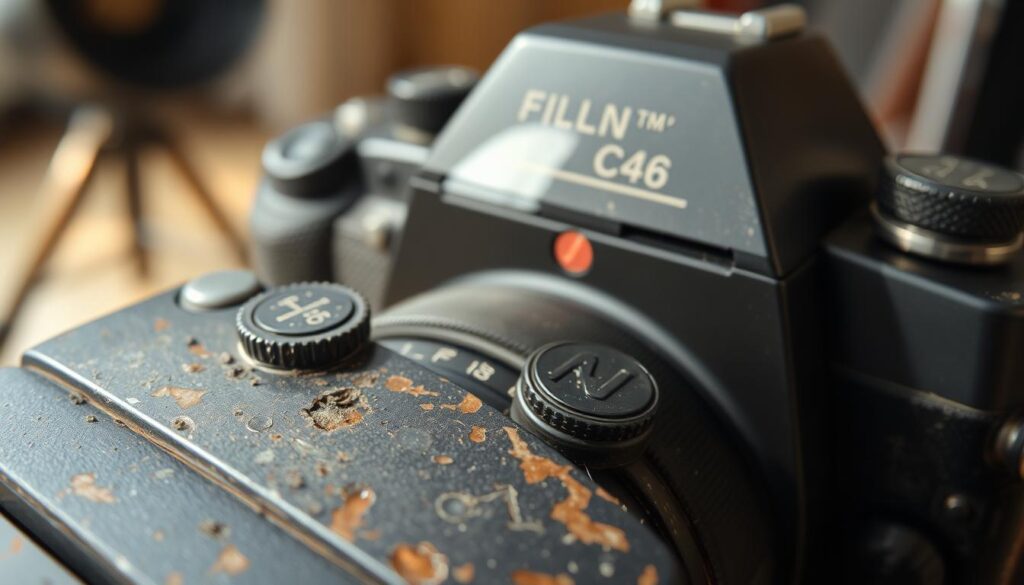
Proven Tips to Extend the Life of Your Camera
To ensure your camera serves you well for years, it’s important to adopt effective care practices. Regular maintenance is key for a long-lasting camera. Here are some actionable tips to help you maximize your camera’s operational life.
Proper Care and Maintenance Practices
- Regular Lens Cleaning: Use a microfiber cloth to gently clean your lens. This helps avoid scratches and removes dust.
- Sensor Maintenance: Clean the sensor periodically with appropriate tools to maintain image quality.
- Battery Check: Inspect battery contacts for corrosion and replace old batteries promptly.
- Storage Conditions: Keep your camera in a cool, dry spot when not in use to prevent moisture damage.
Recommended Protective Gear
Using the right protective gear can help your camera last longer. Consider these essential accessories:
- Padded Camera Bags: Invest in a sturdy bag with weatherproof construction to shield your gear from the elements.
- Lens Caps and UV Filters: Use these to protect your lenses from scratches and dust.
- Screen Protectors: Tempered glass screen protectors can prevent damage to your camera’s display.
- Weather-Sealing Gear: If you shoot in challenging conditions, weather-sealed accessories are crucial.
Proper storage solutions, like electronic dry cabinets, are particularly valuable in Singapore’s humid climate. They help prevent fungal growth on optical surfaces.
Regular firmware updates also contribute to camera lifespan. These updates optimize performance, fix bugs, and sometimes improve battery efficiency.
Finally, the way you handle your equipment matters. Avoid sudden temperature changes, use lens caps when not shooting, and support long lenses properly. Professional servicing every one to two years can also extend your camera’s life by ensuring everything is clean and calibrated.
Investing time in proper care routines is far more cost-effective than paying for major repairs or replacing your photography gear prematurely. Consistent, mindful maintenance is the most effective strategy for ensuring your camera lasts well beyond average expectations.
Repair or Replace? Making the Right Choice for Your Camera
Deciding whether to repair or replace your camera can be a challenging task for any photographer. As your camera ages, understanding the cost-benefit analysis of repairs versus purchasing a new camera is essential. Knowing when to invest in repairs and when to buy new can save you both time and money.
When considering repairs, it’s important to evaluate the situation carefully. Here are some scenarios where repair may be worthwhile:
- Low Shutter Count: If your camera has a low shutter count and functions well, repairs can be a good investment.
- Sentimental Value: If your camera holds sentimental value, repairing it can be worth the cost.
- Minor Fixes: Simple repairs, such as shutter replacements costing between $250 and $600, can be more economical than buying new.
However, there are signs that indicate it may be time to invest in a new camera:
- High Repair Estimates: If repair costs exceed half the price of a new camera, consider buying new.
- Outdated Features: Cameras lacking modern features may limit your photography capabilities.
- Multiple Failures: If key components are failing, it might be time to look for a new camera.
Photographers should also evaluate whether their current model supports modern accessories, lens mounts, or firmware updates essential for their work. Emotional attachment to a camera is common, but practical decisions about reliability and performance must be made.
Another factor to consider is the likelihood of additional failures in aging parts. If your camera lasts beyond 7-10 years, finding replacement parts may become difficult, making a new purchase more practical. For professional photographers who rely on their equipment for income, prioritizing reliability is crucial. They may need to replace cameras more proactively than hobbyists.
In conclusion, here’s a simple decision framework:
- Repair: When costs are low and the camera remains capable.
- Replace: When repairs approach new camera pricing or when modern features would significantly improve your photographic outcomes.
What to Consider When Buying a Secondhand Camera
When considering a secondhand camera, several factors can influence your purchase decision. Understanding these elements helps you avoid buying equipment that may be nearing the end of its useful life.
Importance of Shutter Count and Condition
The shutter count is a crucial metric when evaluating a used camera. It reveals how many times the camera’s shutter has been activated, providing insight into its usage and potential lifespan. A lower shutter count typically indicates less wear, suggesting that the camera may last longer.
Additionally, inspect the camera’s condition for any scratches or dents, particularly on the lens and body. Look for signs of wear or mechanical issues that could affect performance. A camera with a shutter count below 50,000 on a model rated for 200,000 actuations suggests ample remaining life. Conversely, counts approaching the rated limit may indicate limited lifespan ahead.
Evaluating Brand Reliability and Performance
Brand reliability plays a significant role in secondhand purchasing decisions. Canon and Nikon are renowned for their strong build quality and longevity. They consistently produce cameras that function well even after high shutter counts. Sony and Pentax also receive praise for their reliability.
Evaluating a used camera’s shutter count alongside its physical condition provides a comprehensive picture of its remaining lifespan. Many people overlook factors like firmware updates, battery health, and accessory compatibility when assessing secondhand cameras.
Purchasing from reputable dealers who verify shutter counts and offer limited warranties provides greater protection than private sales. This approach minimizes the risk of acquiring a camera that may require expensive repairs shortly after purchase.
In conclusion, conducting thorough research on specific model reliability through photography forums and consumer reviews is advisable before committing to a secondhand purchase. This diligence ensures you make an informed decision, enhancing your photography experience.
Professional Recommendations for Maintaining Long-Term Camera Performance
Expert photographers emphasize the importance of diligent care in extending the life of your camera. Regular maintenance is crucial for maximizing equipment longevity. Following these recommendations can help ensure your camera lasts for years.
Preventive maintenance is the consensus among professionals. This includes annual professional cleanings and sensor calibrations. Such practices are essential for ensuring a long camera life beyond manufacturer estimates.
Experienced photographers often track their camera’s shutter count and performance metrics. This helps them anticipate when their gear needs servicing. By scheduling maintenance proactively, they can avoid failures during critical shoots.
Investing in high-quality protective gear is another common recommendation. Weather-sealed bags, lens filters, and dry storage solutions are essential tools that help cameras last longer. Proper storage in a dry, clean place protects against dust and moisture damage.
Many professionals rotate between multiple camera bodies. This strategy distributes wear and helps each camera last significantly longer than if one is used as a sole workhorse.
Regular firmware updates, battery conditioning, and contact cleaning are standard practices in professional photography workflows. These actions contribute to extending equipment life.
Photographers who achieve exceptional camera longevity often credit their success to consistent, disciplined care routines. This dedication to maintenance can significantly impact how long cameras last.
Additionally, professional-grade lenses benefit from the same protective measures. Keeping optics clean and fungus-free directly impacts image quality over years of use.
Ultimately, the habits and systems developed by professional photographers can be adopted by enthusiasts at any level. By applying similar care, even entry-level cameras can achieve impressive lifespans.
Keeping Track: The Importance of Monitoring Your Camera’s Health
Regularly monitoring your camera’s health can significantly enhance its longevity. Simple practices like cleaning the lens and checking batteries can prevent major issues later. Photographers should be proactive to capture special moments without worry.
Monitoring shutter count helps you know when to service your camera or consider a replacement. Keeping an eye on your gear is essential for maintaining its top condition. Regular checks can help spot wear and tear early.
Pay attention to image quality and look for signs of sensor degradation or lens fungus. Many people overlook checking battery contacts for corrosion or listening for unusual sounds that indicate problems.
Modern cameras often include diagnostic features that track usage statistics. By treating monitoring as an ongoing habit, you can significantly extend how long your camera lasts.
Finally, sharing your monitoring practices with others in photography communities raises awareness about early warning signs and preventive measures. The time spent on these checks pays off in extended lifespan and consistent image quality.