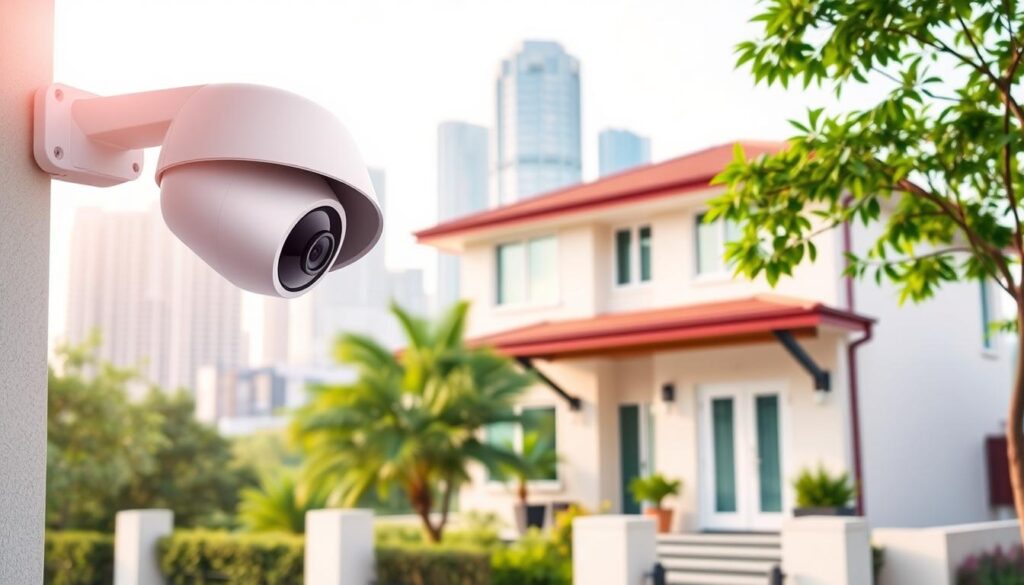
Ensuring the safety of your property in Singapore requires a reliable and modern surveillance system. With theft rates sometimes exceeding 25%, having an outdated setup can create significant vulnerabilities. The average lifespan of surveillance equipment is typically three to five years. While regular maintenance can help extend functionality, replacement is ultimately necessary.
Staying updated with security technology is essential. Newer systems come with smarter features designed to combat evolving threats. Delaying the replacement of older equipment can lead to compromised safety, missed opportunities for evidence collection, and potentially higher costs down the line. Viewing this replacement as a strategic investment in safety is crucial for homeowners.
Key Takeaways
- Recognize the importance of timely replacement to protect against rising theft rates.
- Understand how outdated systems can compromise home safety.
- Learn the average lifespan of surveillance equipment and its significance.
- Identify signs that indicate a need for a new system.
- Evaluate the risks of delaying action on camera replacement.
The Importance of Timely Security Camera Replacement in Singapore
In Singapore, timely updates to your surveillance systems are crucial for maintaining safety. The high density of urban living and the rising theft rates create an environment where outdated equipment poses significant risks. Relying on old surveillance systems can leave your property vulnerable to criminal activity.
As security cameras age, they may develop dangerous blind spots. These blind spots can be exploited by criminals, making your home inadequately protected. High-quality video footage is essential for successful police investigations and insurance claims following any security incident. Unfortunately, blurry or unreliable video fails this fundamental task.
Timely replacement of your surveillance system directly supports comprehensive property safety. It ensures continuous, clear monitoring of your surroundings. Modern security systems provide superior evidence collection capabilities that older models simply cannot match due to technological limitations.
Proactive replacement is not merely an expense; it is a strategic investment in safety. Delaying action can lead to significantly higher costs when emergency upgrades become necessary after a security breach. Additionally, knowing your surveillance system is current and reliable offers peace of mind, allowing you to focus on other aspects of life.
The Critical Role of Security Cameras in Modern Singapore Homes
In the bustling environment of Singapore, the role of surveillance technology in homes cannot be overstated. Visible security cameras serve as a powerful psychological deterrent, significantly reducing the likelihood of theft, vandalism, and unauthorized intrusion. Criminals often seek easy targets, and properties equipped with documented surveillance become much less attractive options.
Modern surveillance technology has evolved beyond basic recording. It now emphasizes intelligent and connected systems that enable active, real-time monitoring. Essential features include high-definition clarity, reliable remote access via mobile apps, and smart motion analytics that send instant alerts for suspicious activity. These advancements enhance the overall effectiveness of your security setup.
Integration with other security systems creates a comprehensive safety net. This approach not only protects physical assets but also safeguards personal data and privacy. Homeowners can enjoy peace of mind knowing that their property is monitored by capable, modern technology.
It’s crucial to recognize that an outdated camera setup may fail to meet contemporary security demands. This inadequacy can leave your property vulnerable, even if equipment is installed. By investing in modern security cameras, homeowners can enhance their safety and adapt to evolving threats.
Additionally, coordinated camera systems can strengthen neighborhood watch efforts, contributing to overall community safety across Singapore. Understanding the distinction between merely having cameras present and possessing a system that actively meets today’s sophisticated security requirements is essential.
Understanding the Average Lifespan of Security Cameras
Understanding the lifespan of surveillance equipment is essential for effective home security in Singapore. Most consumer and commercial systems operate efficiently for three to five years before noticeable performance degradation occurs. This timeline is critical for homeowners to consider when assessing their current setups.
In Singapore’s tropical climate, heat and humidity can significantly accelerate the aging process of security cameras. As a result, systems may lean toward the shorter end of the lifespan spectrum. Investing in superior components and robust housing can enhance durability, allowing professionally installed commercial-grade equipment to last up to eight to ten years.
Different camera types also exhibit varied longevity expectations. For instance, dome cameras often outlast basic bullet models due to their sealed housings, which provide better protection against environmental factors. However, mechanical wear from moving parts, such as PTZ (pan-tilt-zoom) mechanisms, can shorten the operational life of certain systems.
Regular maintenance plays a crucial role in achieving maximum lifespan. By addressing minor issues before they escalate into major failures, homeowners can extend the usability of their equipment. Moreover, while a five-year-old system may still record, it often lacks modern capabilities essential for adequate protection.
Other factors, such as electrical surges and dust exposure, can contribute to accelerated wear and tear on surveillance equipment over time. Therefore, proactive planning should begin with recognizing the standard three to five-year timeline for optimal camera performance.
While upkeep can extend service life, it cannot overcome inherent technological obsolescence. Eventually, replacement becomes necessary for maintaining adequate security.
- Learn the industry-standard benchmark for consumer and commercial systems.
- Understand how Singapore’s tropical climate accelerates aging.
- Discover the longevity of commercial-grade equipment from brands like Axis and Uniview.
- Explore differences in longevity between various camera types.
- Recognize how mechanical wear affects operational life.
- Understand the importance of regular maintenance for maximum lifespan.
- Learn why older systems may lack modern capabilities.
- Examine how electrical surges and dust exposure impact equipment.
- Discover why proactive planning is crucial for optimal performance.
- Appreciate that maintenance cannot fully overcome technological obsolescence.
When Should I Replace My Security Cameras? Key Indicators
Being aware of the signs that indicate a need for a new surveillance system can enhance your property’s safety. Persistent issues with image quality directly undermine the primary purpose of surveillance. Blurry or pixelated images make it difficult to identify faces or license plates. Additionally, grainy footage in low light renders night vision ineffective, while inconsistent color representation distorts important visual details.
These problems often stem from sensor degradation or outdated video compression algorithms. Reliability is non-negotiable. Symptoms of a failing system include cameras randomly rebooting, losing network connection, or failing to record during critical moments. Surveys indicate that 98% of system failures could be avoided with regular checks.
New constructions, growing foliage, or rearranged assets can create unforeseen blind spots that older cameras cannot address due to hardware limitations. The serious security implications of coverage gaps provide perfect opportunities for unauthorized activity on your property.
Persistent Decline in Image Quality and Resolution
Identify how persistent decline in image quality manifests through blurry, pixelated footage that makes identifying faces or license plates nearly impossible. Understand why grainy low-light performance and inconsistent color representation indicate sensor degradation requiring camera replacement rather than simple cleaning.
Frequent Failures, Connection Problems, and Crashes
Recognize that frequent operational failures like random reboots, network disconnections, and recording gaps are major red flags signaling imminent system failure. Learn why surveys indicate 98% of system failures could be avoided with regular checks, making consistent monitoring of your equipment essential.
Coverage Gaps and Emerging Blind Spots
Discover how new constructions, growing foliage, and rearranged property assets create unforeseen blind spots that older cameras cannot address. Examine the serious security implications of coverage gaps that provide perfect opportunities for unauthorized activity on your property.
Self-Assessment Checklist for Your Existing System
- Use a comprehensive self-assessment checklist to evaluate each camera for clear footage, accurate colors, effective night vision, and reliable connectivity.
- Check whether your system has experienced unexpected crashes or reboots in the past month and if all recordings are complete without corrupted files.
- Verify that you can remotely access your camera feed without connection drops and that no new visual obstructions block critical viewing angles.
- Understand that experiencing one or more of these key indicators consistently means temporary fixes cannot resolve systemic aging, and full replacement is required.
Technological Obsolescence: Why Modern Features Matter
Modern technology plays a pivotal role in enhancing the effectiveness of surveillance systems. Homeowners in Singapore must recognize the limitations of older analog and first-generation IP cameras. These legacy systems often capture video at 480p or below, resulting in grainy, unclear images. Identifying individuals in recorded footage becomes nearly impossible, undermining the very purpose of surveillance.
Night vision performance in older models is frequently inadequate or non-existent. Moreover, these systems typically lack remote access capabilities, requiring users to be physically present at a dedicated monitor to view footage. Early IP cameras may also utilize outdated compression algorithms, leading to inefficient storage use and unnecessary strain on home networks.
Limitations of Older Analog and First-Generation IP Cameras
Understanding the severe limitations of legacy analog systems is crucial. The low resolution compromises image quality, making it challenging to gather evidence during incidents. Additionally, first-generation IP cameras often lack essential features that modern systems offer.
Essential New Features Missing in Outdated Systems
Modern digital IP systems deliver high-definition or 4K video quality. They also provide Power over Ethernet, simplifying installation processes. Advanced motion detection features now include human and vehicle filtering, which drastically reduces false alarms caused by pets or shadows.
These new features not only enhance the effectiveness of surveillance but also improve user experience. For instance, the ability to access camera feeds remotely allows homeowners to monitor their properties from anywhere, providing peace of mind.
Cybersecurity Concerns and Firmware Support
Another critical aspect to consider is cybersecurity. Older cameras that no longer receive firmware updates are prime targets for hacking, creating vulnerabilities in your network. Modern units offer regular security patches and encrypted data transmission, protecting your surveillance system from sophisticated cyber threats.
Furthermore, H.265 video compression technology reduces file sizes without sacrificing image quality. This ensures that homeowners can store essential footage efficiently while maintaining the clarity needed for evidence collection.
Technological obsolescence is a silent trigger. Your system may seem functional but could be fundamentally inadequate for today’s security demands. If your current setup cannot support modern features through software updates, complete camera replacement is the only path to gaining essential protection capabilities.
Environmental Factors Affecting Security Camera Longevity in Singapore
In Singapore’s tropical climate, various environmental factors significantly impact the lifespan of security systems. The combination of humidity, heat, and rainfall can accelerate wear and tear on outdoor cameras, making it essential for homeowners to understand these influences.
The Impact of Humidity, Heat, and Tropical Rainfall
Consistently high humidity is the primary adversary against security cameras. It can lead to lens fogging and internal corrosion on circuit boards. Additionally, intense tropical heat and UV radiation degrade plastic housing and damage sensitive image sensors over time. Heavy monsoon rains test every seal and gasket, increasing the risk of moisture ingress and system failure.
Salt air in coastal areas adds a corrosive element that speeds up metal fatigue, further compromising the integrity of your equipment. As a result, understanding these environmental conditions is crucial for maintaining optimal performance.
Importance of IP Ratings and Robust Housing Materials
For reliable outdoor use, seek a minimum rating of IP66 or IP67. An IP66 rating ensures protection against powerful water jets, while IP67 allows for temporary immersion in water. These ratings are essential specifications that can safeguard your investment against environmental damage.
Aluminum housings offer excellent heat dissipation and physical strength, making them ideal for long-term outdoor deployment. Meanwhile, polycarbonate blends provide impact resistance without corroding, making them suitable for the demanding conditions in Singapore.
Best Practices for Camera Placement to Extend Life
Implementing strategic placement practices can significantly enhance the longevity of your cameras. Install units under eaves or use sun shields to minimize direct exposure to harsh weather conditions. This not only protects the equipment but also maintains optimal viewing angles.
Understand that cameras marketed for general use often fall short in Singapore’s demanding climate. Investing in tropical-rated equipment is a key decision that directly links to overall system longevity. Well-protected units can deliver years of reliable service in challenging conditions.
- Understand how Singapore’s consistently high humidity acts as the primary adversary against your security cameras, causing lens fogging and internal circuit board corrosion.
- Learn how intense tropical heat and UV radiation degrade plastic camera housing and damage sensitive image sensors, accelerating the aging process significantly.
- Examine the impact of heavy monsoon rains that test every seal and gasket on your outdoor cameras, potentially leading to moisture ingress and system failure.
- Recognize the additional corrosive threat posed by salt air in Singapore’s coastal areas, which speeds up metal fatigue and compromises camera integrity.
- Discover why Ingress Protection ratings are non-negotiable specifications, with IP66 ensuring protection against powerful water jets and IP67 allowing temporary immersion.
- Learn about the superior durability offered by aluminum housings that provide excellent heat dissipation and physical strength for long-term outdoor deployment.
- Explore how polycarbonate blends deliver impact resistance without corroding, making them ideal material choices for cameras in tropical environments.
- Implement strategic placement practices like installing units under eaves or using sun shields to minimize direct exposure to harsh weather conditions.
- Understand that cameras marketed for general use often fall short in Singapore’s demanding climate, making tropical-rated equipment a key investment.
- Appreciate how environmental resilience directly links to overall system longevity, with well-protected units delivering years of reliable service in challenging conditions.
Regular Maintenance: Your First Line of Defense
A well-structured maintenance routine can significantly enhance the durability of your surveillance equipment. Regular maintenance is essential for ensuring that your security system remains effective and reliable. Small issues, like a dirty lens, can mimic signs of complete camera failure, leading to unnecessary upgrades. Consistent upkeep helps you understand the true health of your security setup.
Experts note that consistent regular checks and updates can prevent up to 67% of potential system failures. CCTV systems receiving regular updates can last up to 30% longer. In Singapore, consider more frequent lens cleaning due to urban pollution. Additionally, pay extra attention to checking for humidity-related corrosion on connectors and boards.
Maintaining a simple logbook to track inspection dates, updates applied, and minor repairs can be beneficial. This practice helps you stay organized and aware of your system’s needs.
Essential Cleaning and Inspection Tasks to Prolong Camera Life
- Establish a disciplined maintenance regimen as the most effective strategy to maximize both the lifespan and performance of your entire CCTV system.
- Learn how small issues like a dirty lens can mimic signs of complete camera failure, potentially leading to premature and unnecessary replacement decisions.
- Implement essential cleaning tasks including using a soft microfiber cloth to remove dust, pollen, and grime from camera lenses for consistently clear footage.
- Inspect all cables and connections regularly for fraying, corrosion, or loose plugs that cause signal loss and operational failures in your surveillance setup.
- Check weatherproof gaskets and housing seals on outdoor cameras to ensure they remain intact, which is vital in Singapore’s humid climate to prevent moisture damage.
- Clear ventilation areas of spider webs, leaves, and debris that block proper airflow and cause overheating and component stress over time.
The Value of Professional Inspections and Firmware Updates
Understand the value of professional inspections that offer deeper diagnostic layers including electrical voltage testing, network health analysis, and sensor calibration. Recognize that firmware and software updates are critical for patching security vulnerabilities, improving system stability, and occasionally adding new features.
Regular maintenance checks and updates can prevent up to 67% of potential system failures while helping cameras last up to 30% longer. This proactive approach is vital for maintaining the integrity of your security system.
Maintenance Practices Tailored for Singapore’s Climate
In Singapore’s unique climate, maintenance practices must be adapted to address specific challenges. The combination of humidity and urban pollution can accelerate wear on your cameras. Regular cleaning and inspection are necessary to ensure that your equipment remains functional and effective.
By following these tailored practices, homeowners can ensure that their surveillance systems continue to operate at peak performance, providing peace of mind and security.
Assessing Your Current Security System’s Performance
To maintain optimal safety, it’s vital to regularly assess the performance of your security system. A systematic camera-by-camera review is essential. This process evaluates each unit for critical metrics, including image quality in bright daylight and complete darkness.
First, verify that the field of view covers all intended areas without new obstructions. Check for any growing vegetation or structural changes that may hinder visibility. Additionally, confirm recording reliability over a continuous 48-hour period. Note any network connectivity drops that disrupt remote viewing capabilities.
Practical tests yield the most revealing data. Simulate a security scenario by walking across the property at night. This will help test motion detection sensitivity, alert speed, and the overall usability of recorded footage. You want to ensure that you can clearly identify a person or object in the footage.
Next, review the health of your entire CCTV system. Assess storage capacity adequacy for required retention periods and check recorder error logs. Also, ensure that mobile app functionality allows for live viewing and playback from different networks. This guarantees reliable remote access to your surveillance feeds.
Finally, inspect power supplies and backup batteries for stability. These system-wide elements are crucial for continuous operation during power fluctuations. By comparing your current capabilities against a checklist of modern requirements, you can ensure your system meets today’s standards.
- Conduct a systematic camera-by-camera review that forms the foundation of any effective security assessment for your Singapore property.
- Evaluate each unit individually for critical metrics including image quality performance in both bright daylight and complete darkness conditions.
- Verify that the field of view for every camera covers all intended areas without new obstructions from growing vegetation or structural changes.
- Confirm recording reliability over a continuous 48-hour period while noting any network connectivity drops that disrupt your remote viewing capabilities.
- Perform practical tests that yield the most revealing data by simulating a security scenario such as walking across your property at night.
- Test motion detection sensitivity, alert speed, and the overall usability of recorded footage to determine if you can clearly identify a person or object.
- Review the health of your entire CCTV system including storage capacity adequacy for required retention periods and recorder error logs.
- Check mobile app functionality for live viewing and playback from different networks to ensure reliable remote access to your surveillance feeds.
- Inspect power supplies and backup batteries for stability, as these system-wide elements are crucial for continuous operation during power fluctuations.
- Compare your current capabilities against a checklist of modern requirements including high-definition clarity, reliable remote access, and intelligent analytics features.
Upgrading vs Repairing: Making Cost-Effective Decisions
Evaluating whether to upgrade or repair your surveillance system is crucial for effective security management. Homeowners in Singapore often face the dilemma of whether to invest in repairs for aging cameras or to replace them with newer models. While old cameras may seem economical at first, they can lead to unexpected costs over time.
Repairing aging cameras frequently accumulates expenses that may exceed the initial cost of a new system. For instance, issues like capacitor degradation and sensor wear often require complete replacement rather than temporary fixes. Investing in high-quality, modern security cameras can significantly reduce ongoing maintenance needs and enhance overall reliability.
Analyzing the True Costs of Repairing Aging Cameras
Understanding the long-term costs associated with repairing older systems is essential. Repeated repairs can add up quickly, turning what initially seemed like a budget-friendly option into a financial burden. Each repair may only provide a short-term solution, leaving you vulnerable to future issues.
Benefits of Investing in Newer, Advanced Security Technologies
Choosing to invest in newer security technologies offers numerous advantages. Modern systems provide superior image quality, enhanced connectivity, and intelligent analytics features that older models lack. These advancements not only improve the effectiveness of your surveillance but also reduce the need for frequent replacements.
Ultimately, selecting high-quality replacement security cameras is a wise long-term investment. It ensures that your system remains effective in safeguarding your property while minimizing future costs. In Singapore’s demanding environment, the cost-benefit analysis strongly favors replacement over repeated repairs for aging surveillance equipment.
The Role of Camera Quality and Brand in System Longevity
The brand and quality of security cameras directly influence their performance and lifespan. Understanding these factors is essential for homeowners in Singapore who want to ensure long-lasting and effective surveillance solutions.
Differences Between Professional and Consumer-Grade Cameras
Professional security cameras from reputable brands like Hikvision, Bosch, Axis, and Uniview offer superior features and build quality. These cameras can reliably last over seven years, even in demanding environments. In contrast, consumer-grade cameras typically last only two to three years and often lack the durability and advanced features needed for long-term property protection.
How Component Quality Affects Durability and Performance
Component quality plays a significant role in both the durability and performance of your surveillance system. Professional cameras utilize durable materials, including aluminum housings and polycarbonate blends, which withstand weather exposure and tampering attempts. Investing in high-quality components ensures that your cameras maintain functionality over the years.
Moreover, quality weather seals and robust internal components protect sensitive electronics from Singapore’s tropical climate. This investment not only enhances performance but also leads to better long-term value, despite higher initial costs.
- Understand the significant differences between professional-grade security cameras from brands like Hikvision, Bosch, Axis, and Uniview versus basic consumer-grade alternatives.
- Learn why professional cameras with superior build quality and advanced features can reliably last over 7 years in demanding environmental conditions.
- Recognize that consumer-grade cameras typically only last 2 to 3 years and lack the essential durability required for long-term property protection.
- Examine how component quality directly affects both the durability and performance of your surveillance system over its operational lifespan.
- Discover how professional cameras utilize durable materials including aluminum housings and polycarbonate blends that withstand weather exposure and tampering attempts.
- Understand the importance of quality weather seals and robust internal components that protect sensitive electronics from Singapore’s tropical climate.
- Learn why investing in cameras with superior components results in better long-term value despite higher initial purchase costs.
- Explore how trusted brands with proven longevity records provide greater reliability and reduced frequency of replacement compared to unknown manufacturers.
- Recognize that the quality of materials used in manufacturing directly correlates with how well your cameras maintain performance over many years of service.
- Appreciate that choosing professional-grade equipment represents a strategic decision that enhances overall security while minimizing long-term ownership costs.
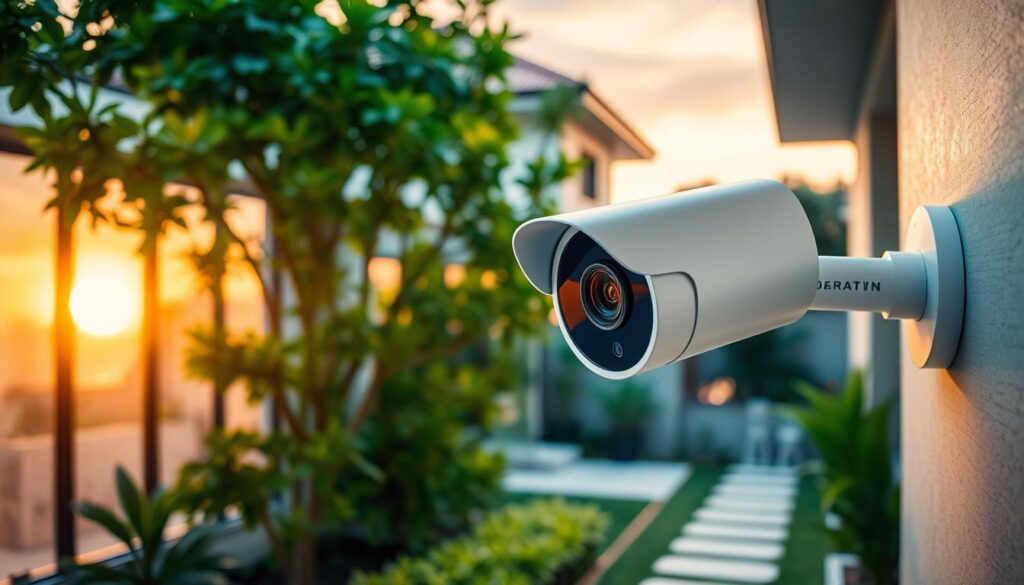
Choosing the Right Security Cameras for Your Singapore Home
Selecting the right surveillance technology is essential for safeguarding your home in Singapore. With various options available, understanding your specific needs will help you make an informed decision. Consider what features are necessary for your security system.
Identifying Features That Match Your Specific Needs
When choosing security cameras, think about what you really need. Key features to consider include:
- High-resolution imaging for clear video quality.
- Night vision capabilities for effective monitoring in dark places.
- Smart monitoring options like mobile alerts and remote access.
- Two-way audio for communication.
- Motion detection that distinguishes between genuine threats and routine activity.
Selecting Trusted Brands with Proven Longevity
Famous brands like Arlo, Ring, Hikvision, Axis, and Uniview typically produce reliable products. Choosing established manufacturers ensures better product support and warranty coverage. This decision enhances the long-term reliability of your system.
Understanding IP Ratings and Environmental Suitability
For reliable outdoor use, seek a minimum rating of IP66 or IP67. IP66 ensures protection against powerful water jets, while IP67 allows for temporary immersion. Cameras marketed for general use often fall short in Singapore’s demanding tropical environment, characterized by high humidity and heavy rainfall.
Investing in equipment specifically rated for harsh or tropical environments delivers superior long-term value for homeowners. Understanding how environmental suitability impacts the lifespan and performance of your chosen cameras is crucial.
Indoor vs Outdoor Cameras: Lifespan and Placement Considerations
The placement and type of security cameras play a crucial role in their longevity and performance. Understanding the differences between indoor and outdoor security cameras is vital for effective surveillance.
Expected Lifespans of Indoor Security Cameras
Indoor cameras often last between 5 to 10 years, depending on care and usage. They benefit from controlled environments that protect them from harsh weather conditions. This stability allows their internal components to function optimally for longer periods.
Challenges Unique to Outdoor Cameras in Tropical Climates
In contrast, outdoor cameras face significant challenges in Singapore’s tropical climate. These cameras are exposed to heavy monsoon rains, intense UV radiation, and persistent high humidity. As a result, outdoor cameras typically last only 4 to 6 years.
Choosing the right camera for your space is essential. Outdoor units require strong weatherproofing to handle the elements effectively. Strategic placement, such as installing cameras under eaves or using protective housings, can significantly extend their longevity.
Understanding the physical location of each camera on your property is crucial. This directly impacts its operational life and overall surveillance effectiveness. Different mounting positions can affect exposure to direct sunlight, rain, and wind-driven debris, which can cause physical damage over time.
Ultimately, matching the camera type to the installation environment is key. Ensure outdoor units have robust housing materials designed for tropical conditions. Planning your surveillance system layout with both immediate coverage needs and long-term equipment longevity in mind is essential for effective security.
Monitoring and Documenting Wear and Tear Over Time
Regular inspections are crucial for maintaining the effectiveness of your surveillance setup. Ignoring these checks can lead to problems such as blurry images or damaged parts. Keeping an eye on your security system is key to its performance.
Establishing a routine monitoring schedule is essential. This schedule should include regular system checks to identify early signs of wear and tear before they develop into major problems. Consistent documentation of your camera performance over time provides invaluable data for predicting when replacement will become necessary.
Importance of Regular System Checks and Logs
Ignoring regular inspections can lead to gradual degradation, including blurry images, broken parts, and compromised surveillance coverage. Discovering issues early saves both time and money by allowing you to replace worn-out components before complete system failure occurs.
How Early Detection Saves Costs and Protects Your Property
Creating a simple but effective logging system can track inspection dates, observed issues, maintenance actions taken, and any performance anomalies noted. Proactive monitoring of your system is essential for maintaining continuous, reliable property protection without unexpected gaps.
Documented wear patterns help you make informed decisions about whether to repair individual cameras or proceed with full system replacement. Consistent system checks contribute to the overall longevity of your surveillance equipment in Singapore’s demanding environment.
Understanding that early detection of problems protects your property ensures your cameras remain fully functional when you need them most. Appreciate that the small time investment required for regular monitoring pays significant dividends in extended equipment life and enhanced security reliability.
Future-Proofing Your CCTV System for Long-Term Security
In today’s rapidly evolving technological landscape, securing your property demands a forward-thinking approach. Investing in top-notch security cameras equipped with the latest technology is crucial. These advanced systems offer improved image quality and smart analytics that enhance monitoring capabilities.
Modern surveillance cameras integrate seamlessly with smart home systems using the Internet of Things. This connectivity boosts your ability to keep an eye on your property, ensuring reliable and robust security for years to come. Investing in such technology now prepares you for future developments in security.
Choosing flexible camera systems is a wise decision for homeowners. These systems allow you to stay updated as technology evolves. Advanced features, such as AI-driven analytics, can distinguish between routine activity and genuine threats, enabling faster responses to potential issues.
Investing in Advanced Features and Smart Surveillance
Understanding the importance of future-proofing your CCTV system is essential. By investing in advanced features, you ensure that your security technology remains relevant as advancements occur. Modern smart surveillance capabilities, including AI-driven analytics, provide quicker and more accurate responses to security threats.
Ensuring System Scalability and Compatibility with Emerging Technologies
Explore the benefits of high-resolution imaging and intelligent motion detection. These features provide superior monitoring capabilities compared to basic recording systems. Additionally, ensuring your system is scalable means it can accommodate additional cameras and features as your security needs grow.
Recognizing the importance of choosing cameras with regular firmware update support is crucial. This ensures your system remains protected against evolving cybersecurity threats over time. Future-proofed surveillance systems deliver reliable security, offering peace of mind and sustained property protection.
By making forward-thinking technology decisions today, you position your security setup to adapt seamlessly to tomorrow’s innovations. Planning your camera investment strategy with both current requirements and anticipated future needs in mind maximizes long-term value.
Maintaining Peace of Mind Through Proactive Security Camera Management
Maintaining your surveillance system is essential for protecting your property in Singapore. A proactive approach to camera management is key to enhancing your property’s security. Regular checks and cleanings spot problems early, ensuring that your cameras operate effectively.
Implementing a maintenance plan extends the life of your security gear, keeping your home safe and secure. In Singapore’s challenging weather, the right setup and upkeep are vital for long-term reliability. Collaborating with skilled installers and maintenance teams boosts your system’s dependability.
Investing time and resources in proper camera management shows the true value of your security equipment. Proactive management today prevents the stress of discovering system failures after a security incident. Enjoy the confidence that comes from knowing your surveillance system is consistently monitored and fully capable of protecting what matters most.