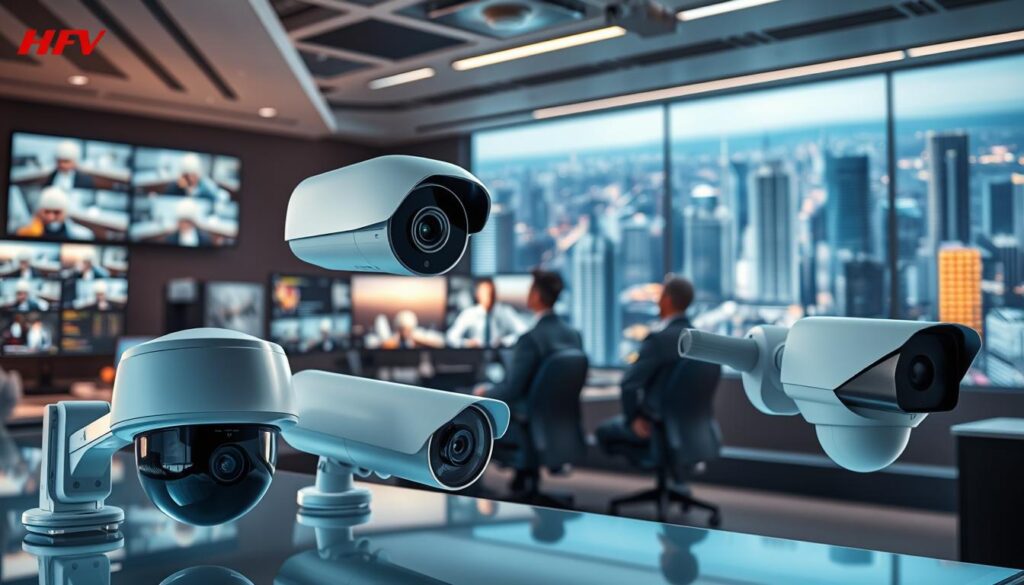
In today’s world, security technology plays a crucial role in safeguarding our environments. One of the most significant players in this field is a well-known company founded in 2001 in Hangzhou, Zhejiang province. This company specializes in video surveillance products and has expanded its reach to over 170 countries. With its headquarters still located in Hangzhou, its identity as a prominent entity in the security market remains intact.
This ultimate guide aims to address the essential question of whether this company qualifies as a Chinese entity. We will explore its origins, ownership structure, and global operations in detail. Readers will gain insights into how this company emerged to become a dominant force in the surveillance technology market.
From its founding story to its extensive product portfolio, this guide provides a comprehensive overview. We will also delve into the complexities of its ownership model, which intertwines state and private elements. Moreover, we will discuss the ethical debates surrounding surveillance technology, particularly relevant to Singapore’s unique regulatory environment.
Key Takeaways
- Understanding the origins and ownership structure of the company.
- Insights into its growth in the global security market.
- Overview of its product offerings in video surveillance.
- Discussion on ethical concerns surrounding surveillance technology.
- Comparative analysis with major competitors in the industry.
Understanding the Roots of Hikvision: History and Headquarters
The journey of a technology firm often begins with its roots and growth trajectory. Founded in 2001, the company emerged from Zhejiang HIK Information Technology Co., Ltd. in Hangzhou, Zhejiang province, China. This city remains the central hub for all corporate operations and strategic decision-making.
The founding team, led by Gong Hongjia, recognized the increasing global demand for advanced video surveillance technology. They positioned the company to meet the emerging security needs across various industries. This foresight has played a significant role in shaping the company’s identity.
A transformative moment arrived in 2010 when the company successfully listed on the Shenzhen Stock Exchange. This milestone provided the capital necessary to accelerate research initiatives and expand manufacturing capabilities internationally.
The core business operations center on designing, manufacturing, and distributing comprehensive video surveillance equipment. This includes CCTV systems, network cameras, and integrated security management platforms.
Hikvision’s relationship with China Electronics Technology Group Corporation (CETC) began early in its development. This connection has created strategic advantages through access to government resources and national security contracts.
The headquarters in Hangzhou serves as the nerve center for global operations. It coordinates activities across seven manufacturing facilities and eleven research centers distributed worldwide.
From its Chinese roots, the company has grown to serve customers in over 170 countries. This demonstrates how a technology firm with strong national ties can achieve remarkable international market penetration.
The core business model emphasizes continuous innovation in surveillance technology. Significant investments in artificial intelligence, deep learning algorithms, and IoT integration drive product development forward.
Is Hikvision a Chinese Brand? Ownership and Government Connections
Ownership structures often reveal the intricate relationships between companies and their governments. Understanding these connections is vital for evaluating the implications of security technology in today’s global landscape.
The ownership model of Hikvision illustrates a blend of state and private interests. China Electronics Technology HIK Group Co., Ltd. holds a controlling 39.59 percent stake in the company. This connection firmly links Hikvision to the strategic objectives of the Chinese government.
In 2008, a significant shift occurred when 48 percent of shares transferred to the China Electronics Technology Group Corporation (CETC). This move effectively established Hikvision as a subsidiary within the state-owned enterprise framework. Consequently, CETC plays a crucial role in influencing corporate governance.
Key private stakeholders include Vice-chairman Gong Hongjia, who retains a 10.30 percent ownership share, and Xinjiang Weixun Investment Management Limited Partnership, holding an additional 4.82 percent. This diverse ownership structure allows for a mix of governance styles, though the predominant state involvement shapes overall direction.
The reporting structure indicates that Hikvision operates under CETHIK, which reports directly to CETC. This connection is particularly significant as CETC is responsible for the national security infrastructure of China. Thus, the Chinese government possesses Hikvision’s complete source code, raising important security concerns.
These concerns relate to potential backdoor access to surveillance devices deployed in sensitive locations worldwide. Such implications are critical for organizations assessing the security of their systems.
Overall, the corporate governance framework of Hikvision balances state and private interests. However, the substantial government stake ensures alignment with national security priorities and strategic technology development goals.
This ownership model offers advantages in accessing government contracts while presenting challenges in international market perception. Organizations must carefully consider how Hikvision’s products align with their security requirements and risk tolerance levels.
Hikvision’s Global Expansion and Market Presence
The landscape of global surveillance technology is vast and ever-evolving. This company has established an extraordinary global footprint, maintaining active operations across more than 170 countries and regions on six continents. This makes it one of the most widely distributed providers of surveillance technology in the world.
Research conducted in 2021 by Top10VPN using the Shodan search engine revealed an astonishing 4.8 million device networks operating across 191 countries. This massive scale of international deployment underscores the company’s extensive reach.
In the United States alone, there are over 600,000 operational networks, while London boasts 55,455 active installations. These figures illustrate deep market penetration in Western developed economies.
Hikvision operates eleven dedicated research and development facilities worldwide. Each center contributes specialized knowledge in areas such as artificial intelligence, network systems, and video analytics. This commitment to innovation ensures that the company remains at the forefront of security technology.
Additionally, seven international production facilities support the company’s global distribution network. This infrastructure enables efficient manufacturing and delivery of security products to customers across diverse geographic regions.
Market penetration strategies vary between developed markets like North America and Europe, where advanced features are emphasized. In contrast, emerging markets often focus on cost-effective solutions that appeal to budget-conscious governments and businesses.
The company’s primary strategic focus remains on economic expansion and market dominance rather than cyberwarfare. However, its close connections with governments continue to generate international scrutiny and debate.
Hikvision’s global research network ensures that its products meet varied international standards and regulatory requirements. This adaptability allows the company to tailor its surveillance technology to address different regional security challenges.
Innovations Driving Hikvision’s Surveillance Technology
In an age where safety is paramount, innovative technology plays a pivotal role in enhancing security measures. One of the most significant advancements comes from integrating artificial intelligence with the Internet of Things (AIoT). This combination transforms traditional security cameras into intelligent systems capable of real-time threat analysis.
Integration of Artificial Intelligence and Internet of Things (AIoT)
Hikvision has pioneered the integration of AI with IoT technology. This advancement creates AIoT solutions that elevate conventional surveillance to new heights. The result is smarter monitoring systems that provide enhanced threat detection capabilities.
Advanced Features: Facial Recognition, Deep Learning, and Cybersecurity
Advanced facial recognition capabilities are a cornerstone of technological innovation. These features enable precise identification and access control functions for both commercial and government applications. Deep learning algorithms further enhance pattern recognition within video surveillance equipment. This allows systems to automatically identify specific behaviors and anomalies without constant human oversight.
Moreover, Hikvision has developed specialized technologies like ColorVu and Darkfighter. ColorVu provides full-color video imaging in low light, while Darkfighter excels in near-total darkness. These innovations address critical performance challenges in security applications.
“Secure-by-Design” Approach and Cybersecurity Commitments
Hikvision’s “Secure-by-Design” approach emphasizes cybersecurity from the initial development stages. Regular firmware updates maintain system integrity against emerging digital threats. Network security features are integrated throughout the product lineup, ensuring that surveillance data remains protected against unauthorized access.
However, some algorithms have sparked international controversy. Reports suggest that certain features were designed to detect specific ethnic characteristics, raising ethical concerns about AI’s application in surveillance technology. This highlights the importance of balancing innovation with responsible practices.
The company’s commitment to continuous research and development ensures that its security systems remain at the forefront of technological advancement. As artificial intelligence and deep learning technologies evolve, so too will the capabilities of these innovative security solutions.
Examining Controversies and International Security Concerns
Recent events have brought the topic of surveillance technology and its impact on rights to the forefront. The deployment of these systems has sparked serious allegations regarding human rights violations. Reports indicate that surveillance systems were used in Xinjiang, targeting Uyghur minorities through extensive monitoring networks.
A substantial contract worth $275 million supported the development of security systems that included advanced cameras with ethnicity-detection capabilities. This raises profound concerns about how surveillance technology may be applied for population control and the suppression of rights.
The close relationship between the company and the Chinese government has intensified scrutiny over the potential use of these products in state surveillance programs. Observers argue that such practices violate fundamental human rights protections.
In 2019, the United States government took significant action by imposing sanctions on the company. This included a complete ban on federal contracts and placement on the Entity List, which severely restricted access to American technology components. These measures have created ongoing challenges for international operations.
Other countries, including the United Kingdom and Canada, are actively considering similar restrictions based on national security concerns. This reflects a growing trend among governments to evaluate the ethical implications of surveillance technology procurement.
Potential designation on the Specially Designated Nationals (SDN) list could effectively eliminate international revenue streams, posing an existential threat to the company’s global business model. The ongoing scrutiny mirrors broader international debates about privacy rights and the ethical responsibilities of technology companies in the security sector.
Human rights organizations continue to document and publicize concerns about how surveillance systems may facilitate rights abuses. This documentation influences public perception and government procurement decisions worldwide.
Comprehensive Product Portfolio and Market Strategies
A diverse array of security products has emerged to meet the growing demands of safety and surveillance. This company offers an exceptionally varied product portfolio. It includes traditional CCTV systems, network video recorders, access control solutions, and intrusion detection technologies.
Additionally, smart home security systems leverage IoT connectivity, enhancing user experience and effectiveness. The range of video surveillance equipment extends from basic monitoring cameras suitable for small businesses to sophisticated enterprise-grade security systems. These systems are designed for critical infrastructure protection and large-scale deployments.
Range of Video Surveillance Equipment and Security Systems
Specialized camera technologies differentiate the company’s products in the competitive market. For instance, ColorVu delivers full-color imaging in extremely low light conditions. Meanwhile, Darkfighter series cameras perform effectively in near-total darkness.
Competitive Pricing and Cost-Effective Solutions
Competitive pricing strategies represent a cornerstone of the company’s market approach. The manufacturing scale enables the offering of advanced security technology at accessible price points for budget-conscious customers worldwide. This approach allows businesses and governments to procure high-quality security solutions without breaking the bank.
Specialized Technologies: ColorVu, Darkfighter, and Intelligent Analytics
Intelligent analytics capabilities process video data automatically. They identify patterns and potential threats, reducing the burden on human security personnel. This feature significantly improves response times to security incidents.
The Hikstorage data management solution complements the hardware product line. It provides efficient storage and retrieval capabilities for the massive amounts of video data generated by modern surveillance systems. Advanced thermal imaging cameras address specialized security needs in environments where traditional visual monitoring proves insufficient.
The comprehensive product ecosystem allows businesses and governments to source complete security solutions from a single vendor. This simplifies procurement processes and ensures system compatibility across all components.
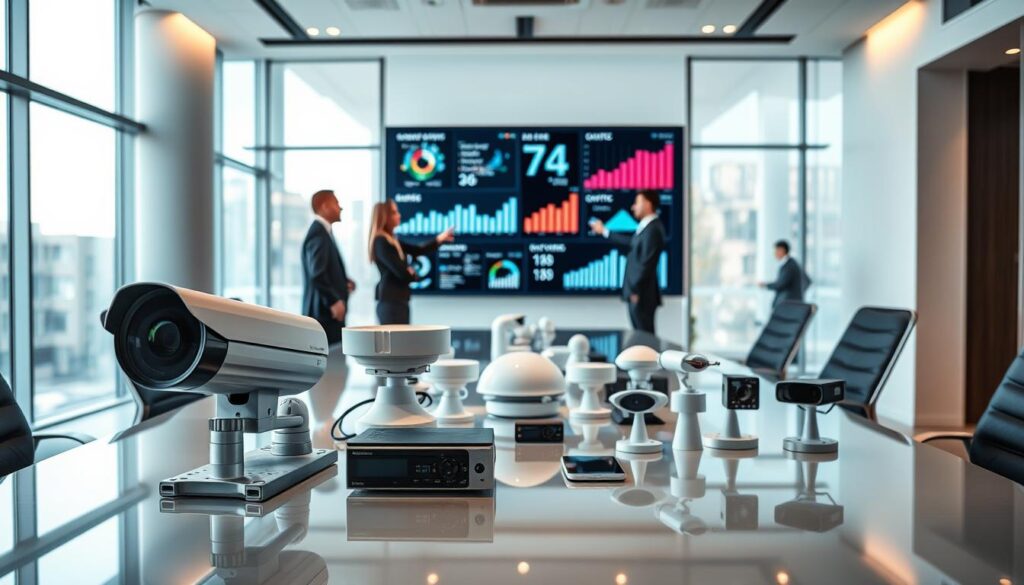
Hikvision’s Role and Impact in Singapore’s Security Market
The integration of advanced surveillance technology into Singapore’s security framework has transformed public safety. Hikvision has established a substantial presence in the security market, with its advanced surveillance products deployed across government buildings, commercial establishments, and urban public spaces throughout the city-state.
The adoption of technology by both public and private sectors reflects Singapore’s strong emphasis on public safety. The country is willing to leverage advanced security solutions for urban monitoring applications. This has led to a significant reliance on Hikvision’s offerings.
Adoption of Products by Public and Private Sectors
Hikvision’s products are utilized in various sectors, enhancing safety measures across Singapore. The government, businesses, and city areas have integrated these systems into their security protocols.
Compliance with Local Privacy and Security Regulations
Singapore’s regulatory framework imposes strict compliance requirements on all surveillance equipment. Hikvision products deployed locally must meet rigorous privacy and security standards established by government authorities. Local privacy regulations mandate careful consideration of how surveillance data is collected, stored, and used.
Cultural and Ethical Considerations in Singapore
Cultural and ethical considerations play a significant role in shaping Singapore’s approach to surveillance technology. There is ongoing public discourse about balancing security benefits against individual privacy rights and freedoms. Consumer sentiment remains divided; some view Hikvision’s technology as essential for maintaining public safety, while others express concerns about potential privacy implications and the company’s government connections.
The Singapore government’s emphasis on ethical technology deployment provides a framework for evaluating how these products can be used responsibly. Understanding local compliance requirements is essential for any Singaporean business or government agency considering Hikvision products. Regulatory adherence directly impacts procurement decisions and system implementation strategies.
Comparative Analysis: Hikvision Versus Other Global Surveillance Brands
As the surveillance industry evolves, a comparative analysis of leading brands reveals insights into their market strategies. Understanding the competitive landscape is vital for businesses and governments looking for effective security solutions.
Key Competitors: Dahua, Bosch, Axis Communications
Dahua Technology stands as Hikvision’s most direct competitor. This major manufacturer offers similar surveillance products and competes aggressively on both pricing and technological innovation across global markets.
Axis Communications represents the premium segment of the surveillance industry. Their focus is primarily on Western markets, with higher-priced products that emphasize Swedish engineering quality and established brand trust.
Bosch brings European engineering heritage and a strong reputation for reliability to the security market. They compete with Hikvision particularly in enterprise and government sectors, where brand perception carries significant weight.
Strengths and Challenges in Global Brand Perception
Hikvision maintains competitive advantages through its extensive product range and aggressive pricing strategies. Additionally, the company can leverage state-connected research funding for continuous technological advancement.
However, global brand perception presents significant challenges for Hikvision compared to Western competitors. Geopolitical tensions and security concerns influence procurement decisions among governments and businesses worldwide.
The company’s origins create a complex market positioning dynamic. Product quality and innovation must overcome skepticism rooted in concerns about government connections and surveillance practices.
Influence of Geopolitical Context on Market Positioning
Competitors like Axis and Bosch face fewer regulatory restrictions and less scrutiny in Western markets. This gives them advantages in sectors where security concerns dominate procurement evaluations.
The surveillance industry continues to evolve as geopolitical context increasingly influences market positioning. Some governments actively favor domestic or allied-nation manufacturers over Chinese brands for critical infrastructure protection.
Looking Ahead: Hikvision’s Future Prospects and Technological Trends
The evolution of security technology is crucial in addressing the ever-changing landscape of safety and surveillance. Continued investments in artificial intelligence and Internet of Things innovations will drive the next generation of intelligent solutions.
The domestic market in China offers stability, which helps buffer against international restrictions. However, potential designation on the Specially Designated Nationals list poses a serious threat to global revenue.
Emerging trends in smart city development present significant opportunities for growth. As urban centers seek integrated security systems, the demand for advanced video surveillance solutions will rise.
Moreover, the company is actively enhancing its cybersecurity measures and compliance frameworks. Ethical considerations and privacy-enhancing technologies will play a vital role in shaping future business relationships.
Ultimately, balancing innovation with ethical compliance will determine the company’s ability to maintain its leadership in the security industry.