
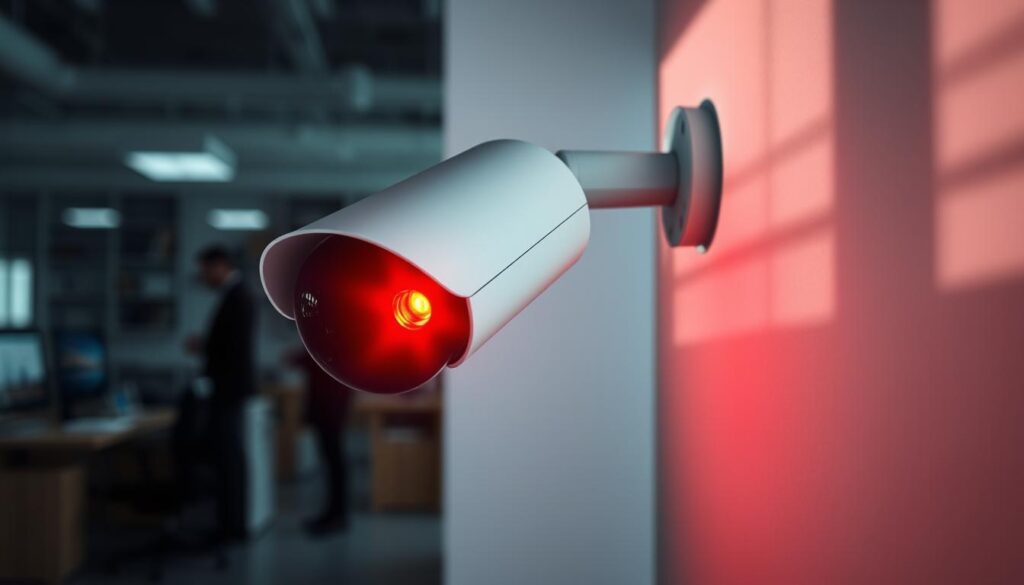
In today’s world, the presence of surveillance systems has become a common sight, especially in urban areas like Singapore. Many people often wonder about the implications of a red light on security cameras. This question is not just about curiosity; it reflects a deeper concern regarding privacy and safety.
While a red indicator may suggest that a camera is recording, it does not necessarily imply that someone is actively monitoring the footage. Understanding the purpose of these lights is crucial for navigating both public and private spaces confidently.
This guide aims to clarify common misconceptions about camera indicators. It will explore various types of surveillance systems and their functionalities. By the end, readers will be better equipped to interpret what these lights signify and how they relate to privacy concerns in Singapore.
Understanding the Purpose of Camera Status Indicators
In the realm of security technology, understanding camera status indicators is essential for both users and the public. These indicators serve as a silent visual language, communicating vital operational information without the need for complex interfaces.
Status indicators are crucial for effective surveillance systems. They provide immediate visual cues about the operational state of cameras. This clarity helps users feel secure, knowing when a camera is actively recording or simply on standby.
Role of Visual Signals in Surveillance Systems
Status lights fulfill three primary functions in modern security setups:
- Confirming power supply: Ensures the unit is operational.
- Showing operational modes: Indicates whether the camera is recording or in standby.
- Alerting to technical issues: Notifies users of problems like network disconnections or storage failures.
Common Color Codes and What They Represent
Different colors of status lights convey distinct meanings:
- Red lights: Typically indicate active recording or infrared night vision operation.
- Green lights: Signal normal functioning with stable connections.
- Amber or yellow lights: Denote standby mode or system initialization processes.
In Singapore, the Land Transport Authority mandates visible indicators on all traffic enforcement cameras. This commitment to transparency enhances public accountability and trust in surveillance systems.
Understanding these basic color codes and patterns is vital. They reveal that indicators communicate technical states rather than implying human monitoring activity. Different manufacturers may even implement unique enhancements to the basic color coding system. For instance, Hikvision uses blue lights for wireless transmission, while Reolink employs purple for SD card activity.
Becoming familiar with camera status indicators empowers individuals to make informed assessments about their privacy and security in various environments. This knowledge not only enhances personal safety but also contributes to a more secure community.
Does red light on camera mean someone is watching? Clarifying Misconceptions
The implications of a glowing indicator on a surveillance device often lead to misconceptions about privacy. Many individuals assume that a red light signifies active human observation. However, this assumption can lead to unnecessary anxiety.
Understanding the differences between steady and blinking indicators is essential. A steady red light typically means the device is powered and recording. It signals to users that the camera is operational. Conversely, a blinking red light often indicates motion detection or data transmission. This distinction is crucial for accurately interpreting what these lights signify.
Steady vs Blinking Red Lights Explained
In Singapore, for instance, the TP-Link Tapo C200 model illustrates this concept well. A solid red light indicates infrared activation for night vision. Meanwhile, a blinking red light signals motion detection events. Neither pattern confirms that a human operator is monitoring the feed.
Why a Red Light Doesn’t Always Mean Live Monitoring
A recent survey revealed that 62% of respondents mistakenly believe blinking indicators mean active human observation. In reality, most systems use these signals to communicate power status, connectivity, or scheduled recording cycles. Status lights primarily serve maintenance purposes rather than surveillance notifications.
Different camera models implement varying light signal protocols. This variation creates confusion, leading many to think a red light equals someone watching. In enterprise systems, indicator colors may even represent network connectivity rather than recording activity.
Understanding the difference between operational status and active monitoring is crucial. Many modern cameras operate on automated schedules with motion-activated recording. Thus, the red light simply indicates the system is functioning as programmed.
By learning to interpret these patterns correctly, individuals can make informed judgments about whether surveillance footage is being actively monitored or simply recorded for later review. For more insights on this topic, visit this link.
Types of Camera Lights and Their Specific Meanings
Surveillance systems employ various light signals to convey important operational information. Understanding these signals can help users interpret what is happening with their security devices. Different types of lights serve distinct purposes, enhancing the functionality of the systems.
Steady, Blinking, and Flashing Patterns
There are three main categories of light patterns found on surveillance cameras:
- Steady lights: These indicate a consistent state, such as recording or normal operation.
- Blinking lights: These signal alerts, motion detection, or specific system events.
- Flashing lights: Typically show data transfer activity or network connection issues.
A steady light usually means the camera is functioning normally. However, a blinking light could indicate recording in progress or a system problem that requires attention.
Other Indicator Colors Beyond Red
Surveillance technology uses different colors to show various states. For example:
- Green lights: Signify that the camera is working well with stable power and connectivity.
- Blue lights: Major brands like Hikvision use these to indicate wireless transmission activity.
- Purple lights: Reolink employs these to show SD card recording activity.
- Yellow or orange lights: Typically indicate standby mode or system initialization.
Understanding these various light patterns and colors empowers users to monitor their surveillance systems more effectively. It also allows for timely security adjustments when issues arise.
In Singapore, where security is a priority, becoming fluent in the language of camera indicator lights is crucial. This knowledge helps individuals assess whether they are being recorded and if a camera is functioning as intended.
How Red Lights Function in Different Camera Systems
The functionality of red lights varies significantly across different types of surveillance systems. Understanding these variations is essential for users and the public alike. Each camera type has its own way of indicating when it is recording or operational.
Traditional analog CCTV units often show minimal indicators, typically just a basic power light. In contrast, modern IP cameras feature smart LEDs that communicate multiple status conditions simultaneously. This advancement allows users to quickly assess the camera’s operational state.
Infrared Cameras and Night Vision Technology
Infrared cameras play a vital role in enhancing visibility during low-light conditions. They utilize red light to illuminate scenes, capturing clear images even in complete darkness. This technology is crucial for maintaining security in dimly lit areas.
The red light on these cameras usually stays on continuously during nighttime operation. This steady glow serves as a visible confirmation that night vision is active. Importantly, it does not indicate that anyone is actively monitoring the feed.
Traditional CCTV vs Modern IP Cameras Indicators
Traditional CCTV systems rely on wired connections and often lack visible recording indicators. They are known for their reliability but may not provide real-time feedback on operational status. On the other hand, modern IP cameras use colored lights to show network status, data transmission, and recording activity.
Professional-grade systems, such as those from Dahua, allow users to customize light patterns through software interfaces. This feature enables the programming of specific indicator behaviors for different alert conditions, enhancing user control.
In Singapore’s commercial installations, IP cameras are favored for their transparent operation signals. These signals help building managers and security personnel quickly assess system status across large properties.
It’s important to note that steady red lights on real cameras typically indicate genuine recording activity. Conversely, fake or dummy cameras often use blinking red lights to create a deceptive appearance of functionality. Understanding these differences helps users accurately interpret what they are seeing and avoid unnecessary privacy concerns.
Additionally, infrared cut-filters in these cameras physically shift to allow infrared light penetration while blocking visible spectrum interference. This sophisticated optical mechanism is something counterfeit units typically fail to replicate.
In summary, knowing how red lights function in various camera types is essential for making informed assessments about surveillance in environments like Singapore’s HDB corridors, shopping malls, or private residences.
The Role and Importance of Recording Indicators in Surveillance
The visibility of recording indicators plays a crucial role in modern surveillance practices. These indicators provide essential information about when monitoring is occurring, fostering transparency. This openness helps balance security needs with individual privacy rights in both public and private spaces.
When people see these indicators, they often feel safer and more responsible. The knowledge that they are being monitored encourages lawful behavior. This psychological deterrent effect is significant. For instance, a 2022 study by NTU documented a 37% behavior modification rate near devices with active indicators.
Moreover, visible recording indicators can create compliance at 82% the effectiveness of actual surveillance in controlled tests. This demonstrates that even without constant human observation, transparent monitoring signals are powerful tools for public safety.
Enhancing Transparency and Ethical Monitoring
In Singapore, where surveillance is prevalent in areas like HDB estates and shopping districts, recording indicators help residents understand when and where they are being monitored. This knowledge fosters a sense of security rather than intrusion.
Recording indicators also contribute to ethical monitoring practices. They ensure that surveillance systems operate with accountability and respect for individual dignity. Rather than functioning as hidden or deceptive tools, these indicators build public trust in surveillance technologies.
Impact on Behavior and Public Safety
Visible signs of monitoring encourage lawful behavior in public spaces. This awareness can significantly reduce incidents of vandalism, theft, and antisocial conduct. When individuals know their actions may be documented, they are more likely to act responsibly.
Additionally, recording indicators serve as important legal compliance tools. They help organizations meet notification requirements under Singapore’s Personal Data Protection Act and other relevant regulations. This transparency not only protects individuals’ rights but also enhances the overall effectiveness of surveillance systems.
Understanding the importance of recording indicators empowers individuals to make informed decisions about their behavior in monitored spaces. It also encourages advocacy for transparent surveillance practices within communities. For more insights on this topic, visit this link.
Common Misconceptions About Camera Recording Indicators
Many individuals hold misconceptions about what the lights on surveillance cameras indicate. A common belief is that a blinking red light means the camera is actively recording. However, blinking patterns often signify power status, network connectivity, or scheduled system functions instead of actual recording activity.
Another widespread misconception is that a steady red light confirms someone is watching the feed live. In most camera systems, a steady red simply indicates that the unit is powered on and performing its programmed tasks.
Interpreting Blinking and Steady Lights Correctly
It’s crucial to understand the variability among different camera models. Some cameras illuminate red only when actively recording, while others maintain a constant red glow whenever powered on. This inconsistency creates confusion among the public.
- Approximately 40 percent of non-functional or dummy cameras still include LED indicators that mimic real camera behavior through periodic light activation.
- These indicators might feature overly consistent blink patterns or non-standard color combinations designed to deceive.
- Advanced covert surveillance systems, particularly in professional installations, often avoid visible signals entirely, using hidden infrared markers that are invisible to the naked eye.
Variability Among Different Camera Models
To accurately interpret what each indicator light means, it’s essential to consult the user manual and technical specifications for each specific camera model. There is no universal standard across all manufacturers.
Some modern cameras even allow users to disable indicator lights entirely through software settings. This means the absence of visible lights does not guarantee that the camera is not recording.
The differences in indicator behavior between consumer-grade and professional-grade equipment further complicate public understanding. Home security cameras often have limited preset indicators, while enterprise systems offer fully customizable light patterns.
Understanding these misconceptions is vital for making accurate assessments about privacy and surveillance in various environments. This knowledge can help prevent unnecessary anxiety based on misinterpreted signals.
For practical guidance, users can verify camera functionality through methods beyond visual indicators. Network scanning tools can detect data transmission packets or identify device MAC addresses, providing additional assurance about the camera’s operational status.
Legal Considerations Regarding Recording Indicators in Singapore
Understanding the legal landscape surrounding surveillance is crucial for both individuals and organizations. In Singapore, laws governing surveillance practices aim to protect privacy while ensuring security. These regulations cover both video and audio recording, establishing clear guidelines for when and how surveillance signs should be used.
For instance, certain areas must display visible signs indicating that recording is taking place. This transparency helps clarify the situation for everyone involved. Additionally, the laws can vary based on location and the type of recording being conducted. Companies must adhere to these rules to avoid legal issues.
The Personal Data Protection Act (PDPA) is a key piece of legislation that outlines these requirements. It mandates visible signs in all recording areas, with penalties reaching up to S$1 million for organizations that conduct covert surveillance without proper notification.
Compliance with the Personal Data Protection Act (PDPA)
Under the PDPA, public space monitoring requires conspicuous notices that include:
- Purpose of data collection: Organizations must clearly state why they are collecting data.
- Contact details: The organization responsible for the surveillance must be identifiable.
- Opt-out instructions: Individuals should have the option to refuse data collection where applicable.
HDB common areas have stricter surveillance rules than private condominiums. These regulations include additional requirements for displaying recording schedules and ensuring that cameras do not intrude into residents’ private spaces.
Notification and Consent Requirements for Surveillance
Commercial premises are also subject to specific guidelines. For example, CASE mandates that retail surveillance notices be displayed at all customer entry points. This ensures that shoppers are aware of recording before they enter commercial spaces.
Moreover, audio recording faces additional restrictions under Singapore law. The PDPA prohibits capturing conversations without consent in private areas. Workplace monitoring must exclude restrooms and prayer rooms entirely to respect personal privacy.
Recent enforcement cases illustrate these legal boundaries. For instance, a 2022 penalty was imposed on a mall that failed to notify visitors about facial recognition trials. Another case involved an employer being fined for monitoring staff break areas without proper notification.
Transport hubs and government buildings operate under different rules than residential areas. Public cameras can record continuously but must display clear notices, limit data access to authorized personnel, and automatically delete footage after 30 days. Private properties enjoy more flexibility but still require basic notifications to comply with privacy laws.
Understanding these legal requirements helps both organizations and individuals navigate the balance between security needs and privacy rights in Singapore’s highly surveilled urban environment. Compliance with recording indicator regulations not only avoids legal penalties but also builds trust with customers, employees, and the public by demonstrating a commitment to transparent and ethical monitoring practices.
Benefits of Active Recording Indicators for Security and Privacy
Active recording indicators play a vital role in enhancing the effectiveness of surveillance systems. They not only show that surveillance is happening but also bring many benefits. These advantages contribute to making our environment safer.
One significant benefit of surveillance indicators is the transparency they offer in monitoring. When people know they are being recorded, it encourages accountability. This awareness can lead to better behavior and a safer community.
Furthermore, recording indicators are excellent at deterring inappropriate behavior. Research shows that individuals are less likely to engage in vandalism, theft, or antisocial conduct when they can clearly see that cameras are actively recording their surroundings.
Deterring Inappropriate Behavior through Visibility
Surveys reveal that 68% of people feel safer when they can see operational camera indicators. In Singapore, acceptance rates are even higher, with 73% supporting visible status signs in public spaces. This transparency not only reassures the public but also promotes responsible behavior.
Building Trust in Surveillance Technologies
Active recording indicators build public trust in surveillance technologies. They demonstrate an organization’s commitment to ethical monitoring practices and respect for individual privacy rights. Knowing that surveillance is transparent helps communities understand its purpose and scope, reducing anxiety and suspicion.
Visible recording indicators have measurable impacts on safety. For instance, there was a 29% drop in vandalism after enhancing indicator visibility. Additionally, pedestrian compliance rose by 41% at signaled crosswalks. Workplace productivity also increased by 18% with transparent monitoring systems, as employees felt more accountable and secure.
Choosing security cameras with suitable indicator features is crucial for anyone implementing a surveillance system. The visibility of recording status directly impacts both security effectiveness and public perception. Active recording indicators not only protect assets but also foster a safer, more respectful environment for everyone.
Can Security Cameras Record Without Visible Lights?
In recent years, the development of covert surveillance technology has enabled security cameras to function discreetly. Many modern devices can record without displaying any noticeable lights. This feature is essential for situations requiring privacy while maintaining security.
Advanced technologies make hidden recording possible. Some cameras use infrared markers that are invisible to the naked eye. Others come with software settings that allow users to disable LED indicators. Additionally, some designs conceal recording components within everyday objects, making them less detectable.
Advancements in Covert Surveillance Technology
Professional installations in sensitive areas, like Singapore’s financial district, often utilize hidden infrared markers. These markers allow security personnel to monitor premises without alerting potential wrongdoers. This discreet operation is crucial for effective surveillance.
Privacy Implications of Hidden Recording Devices
However, hidden recording devices raise significant privacy concerns. Individuals may not know they are being recorded, leading to anxiety about surveillance in private spaces. It’s essential to understand these advanced systems to ensure security without compromising privacy.
To detect covert cameras, users can employ various methods. Network scanners can confirm operational status by detecting data transmission packets. They can also identify device MAC addresses and monitor bandwidth usage spikes on local networks.
Under Singapore law, visible notifications are required for public space surveillance. While private systems have more flexibility, they must still comply with PDPA regulations regarding notification and consent. The absence of visible recording indicators does not mean a camera is non-functional or fake. Many legitimate security devices are designed to operate without drawing attention.
The ongoing ethical debate surrounding covert surveillance highlights the need to balance security needs with privacy rights. Understanding the capabilities of modern surveillance technology is vital for making informed decisions about personal privacy and security in an increasingly monitored world.
For individuals concerned about hidden cameras, practical advice includes physical inspection techniques and using smartphone apps that detect infrared emissions. Being aware of legal protections available under Singapore law can also help individuals navigate their rights in monitored spaces.
Identifying Real vs Fake Surveillance Cameras by Their Indicators
Recognizing the difference between genuine and imitation surveillance cameras is crucial for ensuring personal safety. Spotting these devices correctly can greatly influence how secure a security system appears. Authentic cameras have clear signs, while fake ones often mislead with deceptive features.
To tell real from fake cameras, consider the following signs:
Signs of Authentic Camera Lighting Behavior
Real cameras typically display steady, consistent lights. In contrast, fake cameras often have blinking or flickering lights that are designed to mimic functionality. This inconsistency is a primary indicator of authenticity.
Another effective method is the lens reflection test. When you shine a light at the camera lens, real cameras will show internal infrared LEDs reflecting back. This feature is something that plastic dummy lenses cannot replicate.
Moreover, genuine cameras demonstrate coordinated behavior between their indicator lights and actual functions. For instance, the lights may change patterns when motion is detected or when the camera switches between day and night vision modes.
Common Features of Dummy Cameras
Imitation units often reveal themselves through several common flaws:
- Plastic lenses: Authentic cameras use glass lenses for better image quality.
- Fake antennas: These serve no purpose and are often found on dummy models.
- Unrealistic blinking patterns: Dummy cameras tend to have overly consistent blink patterns that never vary.
- Non-standard color combinations: Legitimate manufacturers typically use specific color codes that fake cameras do not follow.
In Singapore, security vendors report that 68% of dummy units fail at least two items on a standard verification checklist. This statistic highlights how informed individuals can easily identify fake cameras.
Professional-grade monitoring systems offer more sophisticated status indicators than consumer versions. These systems can have customizable light patterns programmed for different alert conditions, further helping users distinguish real cameras from imitations.
It’s important to note that thermal imaging cameras are an exception to typical indicator rules. They often lack visible indicators entirely to maintain operational secrecy in sensitive areas.
Understanding how to identify real versus fake cameras empowers individuals and communities to make better decisions about their safety. It also helps avoid a false sense of security from non-functional dummy units.
Using multiple detection methods together—such as visual inspection, network scanning, and physical examination—can confidently determine whether a surveillance camera is genuine and operational.
Technological Advances Behind Red Light Cameras
Recent advancements in red light camera technology have significantly improved traffic enforcement capabilities. At the core of these systems is infrared detection, which allows them to function effectively in various lighting conditions. This technology enables cameras to capture vehicles and traffic violations, even in low-light environments.
When a vehicle crosses a stop line, these cameras automatically take pictures or videos of the violation. This functionality is essential for tracking and documenting traffic offenses, aiding law enforcement agencies in their efforts to enforce traffic laws swiftly and effectively.
Infrared Detection and Illumination Systems
Modern red light cameras utilize 850nm wavelength infrared LEDs to produce a faint red glow. This glow is crucial for night vision capabilities, allowing clear image capture even in complete darkness. The infrared technology activates automatically in low-light conditions through precision IR cut-filters. These filters shift physically to allow infrared light penetration while blocking visible spectrum interference.
Day/night cameras operate using dual-mode systems controlled by light sensors. For example, Singapore’s StarHub IoT models feature enhanced IR reflectors that minimize the visible glow while maintaining full night vision effectiveness. This refinement in indicator technology allows for more discreet operation without compromising functionality.
Smart Indicator Patterns and Network Connectivity Status
Advanced circuitry controls every aspect of camera status indicators. Voltage-regulated circuits power indicator LEDs with millisecond precision. In Power over Ethernet (PoE) cameras, color changes indicate connection stability, with green signaling optimal voltage and amber indicating marginal power conditions. This technology assists technicians in diagnosing electrical issues remotely.
Dedicated microcontroller units on camera circuit boards manage status light behavior. They monitor input voltage fluctuations, backup battery levels, and power consumption rates, providing accurate visual feedback about system health. Ubiquiti’s network cameras exemplify advanced indicator technology, employing tri-color LEDs to indicate multiple connection states. A recent firmware update introduced pattern variations for different bandwidth conditions.
Smart synchronization aligns indicator light patterns with recording schedules. Advanced models can disable visible signals during sensitive operations while maintaining internal status tracking. Counterfeit units typically fail to replicate this sophisticated optical balancing and circuitry, making technological sophistication a reliable marker of authentic surveillance equipment.
These technological advances enable remote diagnostics, allowing technicians to identify electrical issues, network problems, and storage failures simply by observing indicator light patterns without needing physical access to the camera. Understanding the technology behind red light indicators helps users appreciate the complexity of modern surveillance systems and make informed decisions when evaluating security cameras.
Implementation of Red Light Cameras in Singapore’s Traffic System
The implementation of red light cameras in Singapore plays a vital role in enhancing road safety. These cameras are crucial for enforcing traffic laws and ensuring that drivers adhere to safety regulations. With over 320 operational units, the camera network is strategically positioned to monitor key transit corridors and high-risk intersections.
High-density camera zones are concentrated along Orchard Road and the Central Business District. These areas experience significant pedestrian and vehicle traffic, making them ideal for monitoring. Secondary units are placed on major expressways like the PIE and AYE, ensuring comprehensive coverage across the city.
The Land Transport Authority (LTA) employs a data-driven approach to urban planning. This strategy involves positioning cameras where they can most effectively improve traffic flow and reduce accident rates. Historical collision data and traffic pattern analysis guide these decisions.
In addition to their strategic placement, sustainable technology is also a focus. Solar-powered installations now account for 18% of the network. These units maintain full functionality while reducing infrastructure demands in areas where grid connections are challenging.
Since the expansion of the camera network, measurable safety improvements have been observed. There has been a 15% reduction in fatal junction accidents since 2019. Moreover, violation rates at monitored intersections have dropped by 37% compared to uncontrolled sites.
Recently, the enforcement capabilities of red light cameras have expanded. They now also detect speeding violations in certain areas, demonstrating Singapore’s commitment to comprehensive traffic law enforcement. The systems process approximately 4,500 valid infractions monthly, with automated evidence submission to the Traffic Police.
This advanced network integrates with Singapore’s smart city infrastructure. The camera network connects with the Transport Protocol Experts Group to optimize traffic light timing dynamically. Additionally, ERP 2.0 gantries share data with enforcement cameras, creating a unified monitoring ecosystem.
Public transport buses benefit from priority signaling when cameras detect schedule delays. This integration showcases how the red light camera network serves multiple functions beyond simple traffic enforcement.
Overall, Singapore’s implementation of red light cameras represents a model for deploying surveillance technology transparently and effectively. It enhances public safety while maintaining trust through visible indicators and clear legal frameworks.
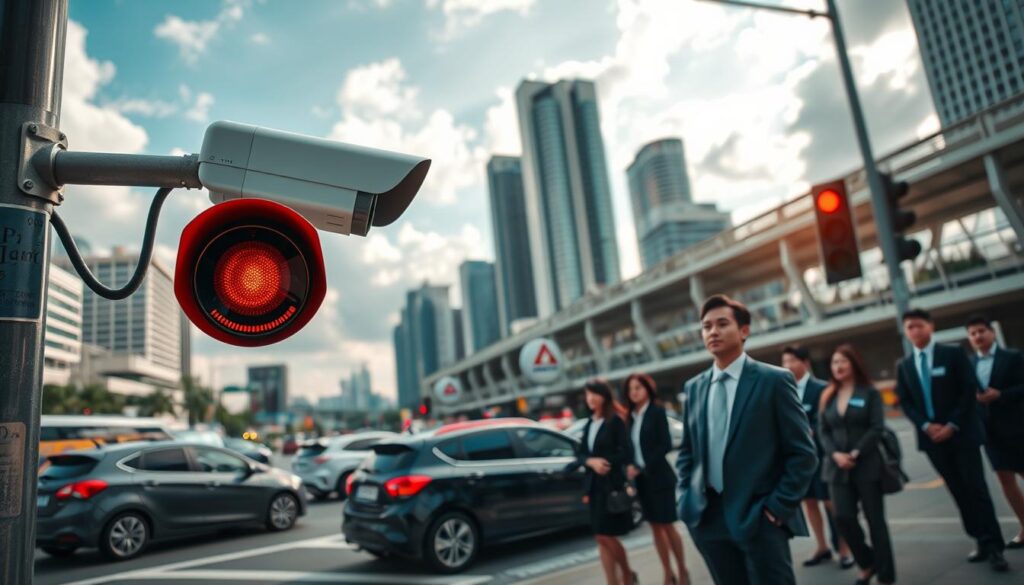
Understanding How to Use Knowledge of Camera Indicators to Protect Privacy
Knowledge of surveillance systems and their indicators is essential for personal safety in various environments. By understanding the different lights, people can navigate their surroundings more effectively. This understanding ensures that individuals act responsibly and adhere to community rules.
Using surveillance best practices daily shows respect for your environment. It helps individuals comprehend what it means to be recorded and how to respond appropriately. Moreover, knowing how cameras work allows users to select the right ones for their needs, enhancing both privacy and safety.
Best Practices for Surveillance Awareness
To empower readers, consider these practical strategies:
- Scan for indicator lights upon entering new environments. Recognizing these signals can help you understand when and where you are being recorded.
- Note the difference between steady recording indicators and blinking status lights. This knowledge can guide your behavior in monitored areas.
- Understand that the absence of visible lights does not guarantee privacy. Some cameras may operate discreetly without obvious indicators.
Choosing Cameras with Suitable Indicator Features
When selecting security cameras, prioritize models that offer clear, customizable status indicators. This feature aligns with transparency goals and legal requirements. Data from Best Denki’s analysis of Singapore’s best-selling camera models reveals that only 12% of home units allow indicator customization, compared to 90% of professional IP cameras.
Consult camera manuals and manufacturer specifications before purchasing. This will help you understand what indicator lights mean and whether they can be configured to meet your privacy and security needs. Professional-grade systems enable detailed light pattern programming for different alert conditions, allowing users to create custom behaviors that communicate exactly what they want to share.
Using surveillance best practices in everyday life is vital. Respect posted notification signs and understand the legal framework in Singapore. Make informed decisions about personal conduct in monitored areas to protect your privacy.
Knowledge of camera indicators helps individuals advocate for transparent surveillance practices in their workplaces, residential communities, and public spaces. This advocacy contributes to a culture of accountability and respect for privacy.
Understanding camera functionality enables users to select equipment that balances effective security monitoring with ethical transparency. This knowledge transforms individuals from passive subjects of surveillance into informed participants who can navigate monitored environments with confidence and awareness of their rights.
Empowering Yourself with Awareness of Camera Indicator Lights
Awareness of how surveillance systems operate can significantly impact personal safety. Understanding that a glowing indicator does not always imply active monitoring helps alleviate unnecessary concerns. These lights serve specific functions, such as indicating operational status or recording activity.
The psychological concept of the observer effect highlights how awareness of surveillance can influence behavior. In Singapore, strategic placement of indicators at eye level enhances public recognition and compliance. The use of standardized colors, particularly red, plays a crucial role in this process.
Recent upgrades to indicator patterns aim to increase awareness without causing alarm, balancing security needs with urban aesthetics. By applying this knowledge, individuals can navigate monitored spaces confidently, make informed decisions about their privacy, and advocate for transparent security practices.
Ultimately, understanding camera indicators empowers people to protect their privacy while contributing to community safety through responsible behavior. With this guide, readers are now equipped to interpret camera signals accurately and engage with the surveillance infrastructure around them.