
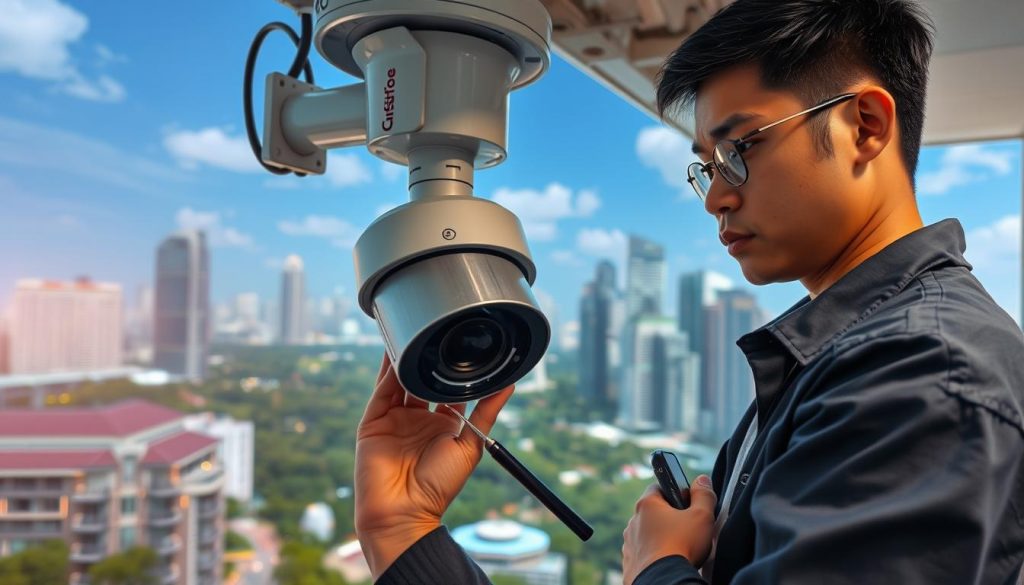
Essential Security Camera Maintenance in Singapore
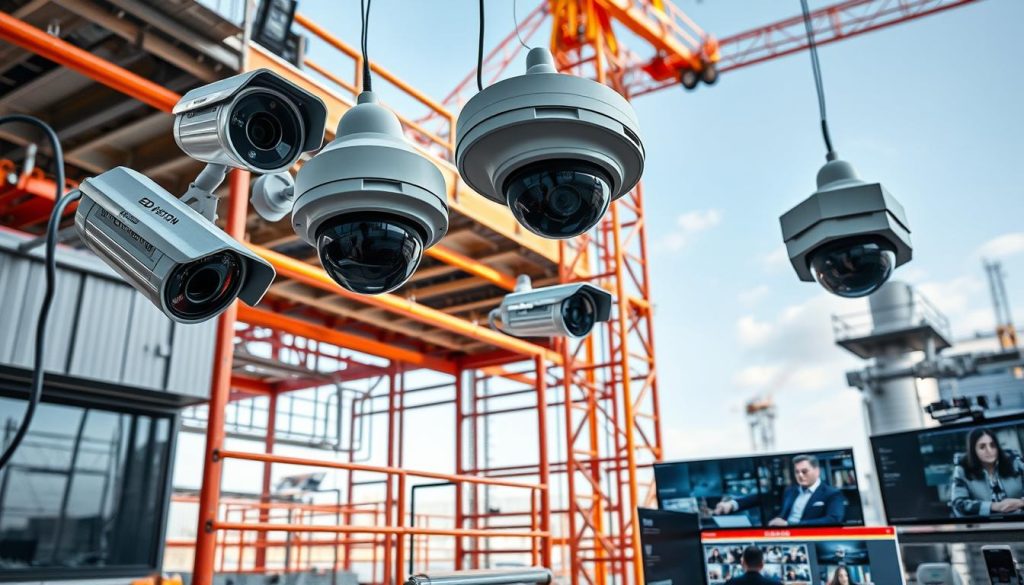
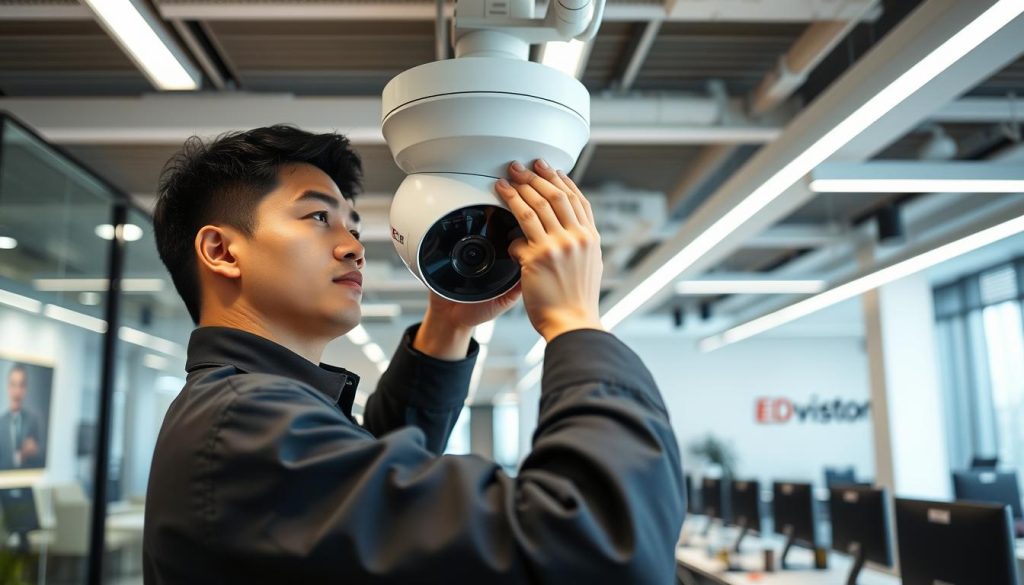
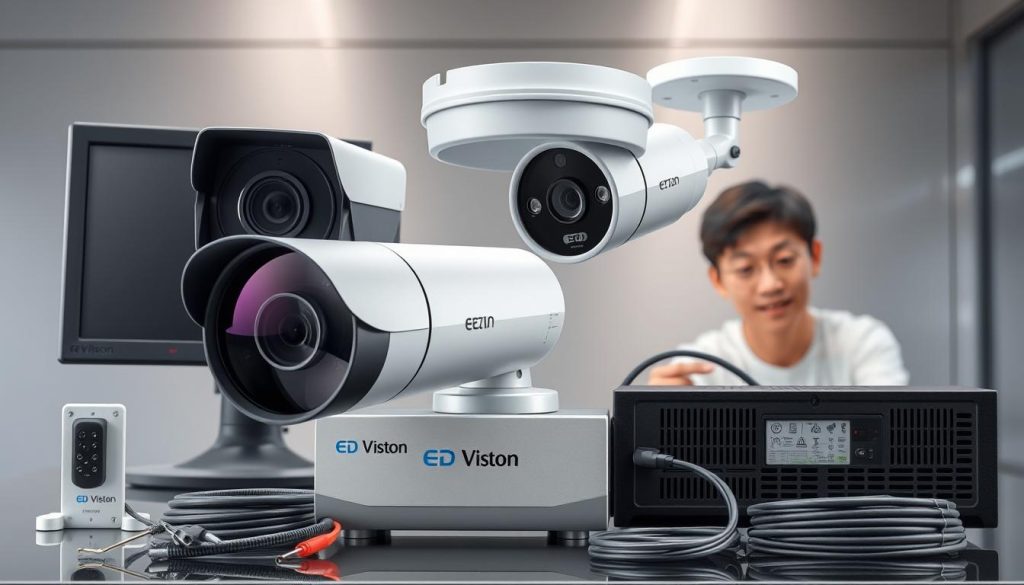
In Singapore, keeping your security cameras in top shape is key. It boosts your safety and security. Regular checks and upkeep are vital to avoid sudden breakdowns and expensive fixes. This article will cover why routine service is important. We’ll also talk about common issues, best practices, and tips for Singapore’s unique environment. Key Takeaways Regular cleaning of camera lenses is recommended at least once every three months for optimal performance. Weekly testing of recording devices helps catch any glitches, making your system more reliable. Look for frayed wires or corroded connectors often to prevent failures. Each type of security camera has its own maintenance needs, affecting how long it lasts. Think about hiring professionals for maintenance at least twice a year, based on your system’s needs. Having a set maintenance schedule, including weekly, monthly, and yearly checks, keeps your system running smoothly. Regular maintenance can cut down equipment failures by up to 30%, ensuring better performance and reliability. Importance of Regular CCTV Maintenance Regular maintenance for security cameras is key to their success. It keeps systems running smoothly and lasts longer. By getting professional help, businesses can keep their surveillance systems in top shape. Enhancing System Performance Improving system performance means doing a few important things. Cleaning camera lenses and checking connections helps avoid problems. This includes signal loss and poor image quality. Studies show that well-kept CCTV systems are 70% more likely to capture clear footage. Regular checks and fixes can cut down system failures by up to 40%. Increasing Longevity of Equipment Keeping CCTV equipment in good shape is possible with planned maintenance. Data shows regular servicing can add up to 30% to a camera’s life. Older systems need more maintenance, which can increase costs. It’s wise to consider upgrading if your equipment is old. Newer systems have better features like higher resolution and low-light performance. This upgrade strategy can save on maintenance costs and boost efficiency over time. Understanding the Types of Security Cameras Knowing about the different security cameras is key to keeping them running well. Each type needs its own care, based on how it works and what it does. Wired CCTV Systems Wired CCTV systems are dependable. They give a steady video feed and work well with a constant power source. It’s important to check the cables and connections often to keep them in top shape. Wireless CCTV Systems Wireless CCTV systems are great for easy setup. But, they can get affected by other electronic devices. Keeping an eye on signal strength and battery life is important to avoid problems. IP-based CCTV Systems IP-based CCTV systems use the internet for video, allowing for remote viewing and cloud storage. They need updates and network checks to stay secure. This makes them a bit more challenging to maintain than others. Analog CCTV Systems Analog CCTV systems are straightforward but need regular upkeep. Checking the image quality and wiring is essential. Even without the latest tech, they’re important for keeping an eye on things. Security Camera Maintenance Best Practices Keeping your security cameras in good shape is key for their best performance and life span. By following the right steps, you can make sure your CCTV system works well when you need it most. Here are some tips to keep your security system running smoothly. Cleaning and Inspection Protocols Regular security camera cleaning is a must for CCTV upkeep. Clean camera lenses every three months to avoid a 20% drop in image quality. Also, check your system monthly for damage or issues. Look out for loose or damaged connections, as they cause about 30% of system failures. Make sure cables are tight and check for wear. Regular System Updates Updating your CCTV system’s software and firmware is vital. It boosts camera performance by up to 15% and improves security. Update your system regularly to avoid problems. Test and calibrate your system every quarter to cut down on false alarms. These tips will keep your system running well and reduce the chance of breakdowns. Having a regular maintenance plan is vital for your security system’s health. It ensures your system works as it should at all times. For more on CCTV servicing, check this guide for more details. Key Components of a CCTV System Understanding the parts of a CCTV system is key for good surveillance. Each part has its own role in making the system work well. Keeping these parts in good shape helps keep your security strong. Cameras Cameras are the core of a CCTV system, capturing important footage. There are many types, like dome, bullet, and PTZ cameras, for different needs. Keeping the camera lenses clean is important to avoid dirt and blockages. Installing cameras right and in the right place is also key. It helps cover more area and reduces blind spots, making surveillance better. Digital Video Recorder (DVR) The DVR is vital for storing video from cameras. It’s important to keep the DVR working well to avoid losing data. It needs regular software updates to stay secure and functional. Also, you might need to upgrade the storage as high-resolution cameras use a lot of data. Having enough storage is important for keeping everything backed up. Cables and Connectors Cables and connectors are needed for the system to talk to each other. It’s important to check them often for damage or wear. Using good connectors, like BNC for analog and RJ45 for IP, helps keep connections strong. Regular checks can help avoid connection problems. This keeps your CCTV system running smoothly. Common CCTV Maintenance Issues It’s key to know about common CCTV maintenance issues to keep systems working well. Problems like camera lens issues, wiring troubles, and storage problems can happen. Regular checks can solve these issues, making security better and giving peace of mind. Camera Lens Problems Issues with the camera lens can really affect video quality. Some common problems are: Dirt and debris on the lens blocking the view. The lens being off-center, causing distorted images. Old firmware settings that
Essential Security Camera Maintenance in Singapore Read More »